




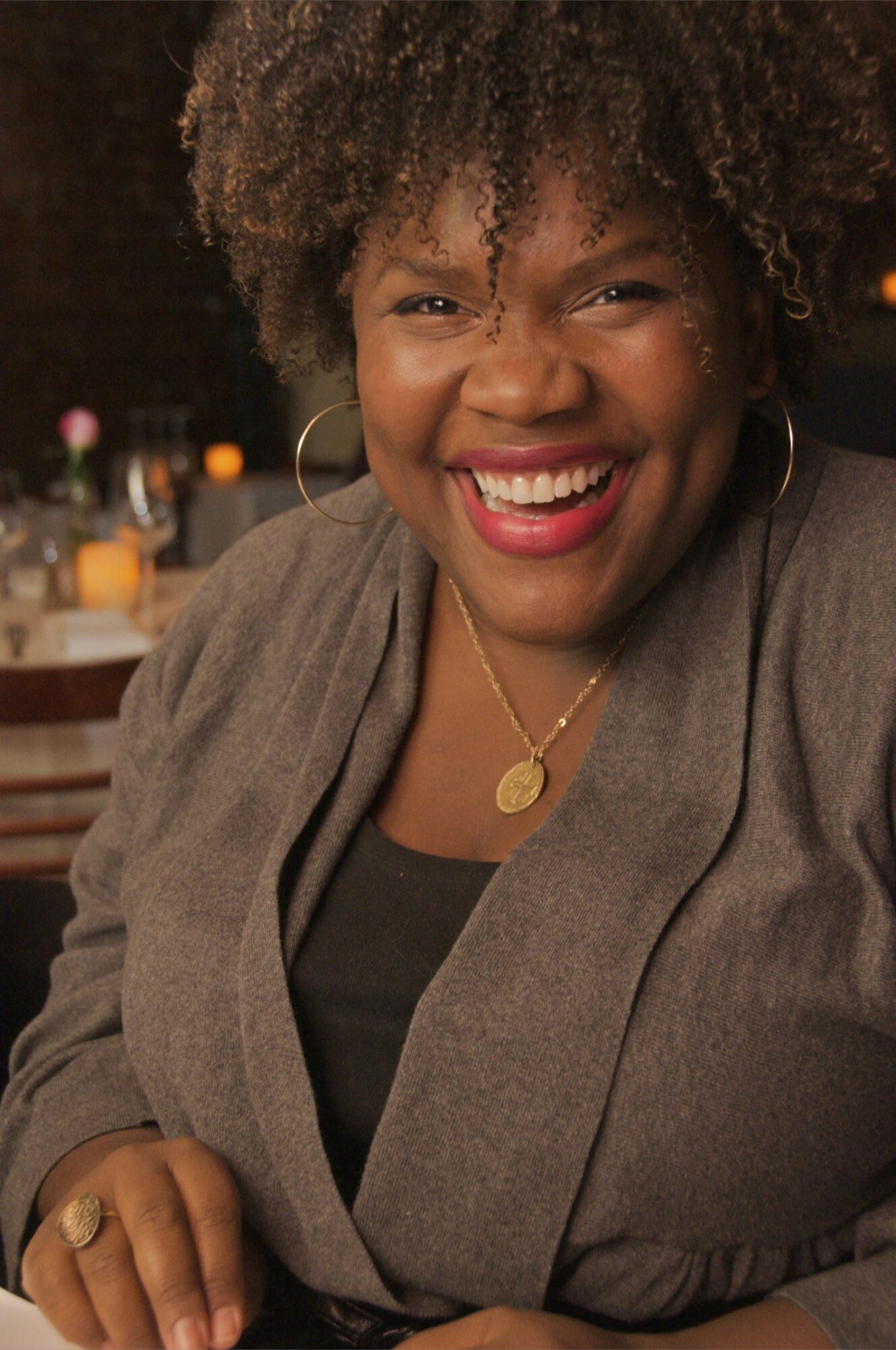
Today we’d like to introduce you to Cam Frierson.
Hi Cam, it’s an honor to have you on the platform. Thanks for taking the time to share your story with us – to start maybe you can share some of your backstory with our readers?
Landing on a career in entertainment was a choice that was made for me quite early in life. Not because of some family legacy–both my parents were educators–but because at the age of three, I was struck on the head by a falling television set.
Never has TV made such an impact on the life of one person.
Atlanta, Georgia is where I grew up on a solid diet of “Sesame Street,” “The Carol Burnett Show,” “The Jeffersons,” and more cartoons than you can shake a remote at. My career didn’t really begin, however, until years after graduating from the University of Pennsylvania.
There I was back in Atlanta with a shiny (and incredibly expensive) degree in my hands, ready for a job. Even with the Turner networks (CNN, TNT, Cartoon Network, etc.) all around me, I was only met with questions about where I’d interned and what experience I had. Alas, I’d faceplanted into the old catch-22 of Hollywood. You need experience in order to get a job, but you can’t get that experience without having first been given the job. So I worked in the corporate sector. While it was an absolute struggle not doing the thing I felt I was born to do, I found that all work experience is ultimately useful.
also learned that producers are patient and incredibly resourceful. I told everyone I knew about my goal of working in television, and a friend knew a working producer who was seeking a PA to work for two weeks for $100/day. I took the gamble, left the safety of corporate America, and that two-week job extended to two seasons on a show for the Discovery Channel. Two years after getting my start in Atlanta, I moved to Los Angeles (it was either LA or New York, and I chose getting to keep my car) and haven’t looked back.
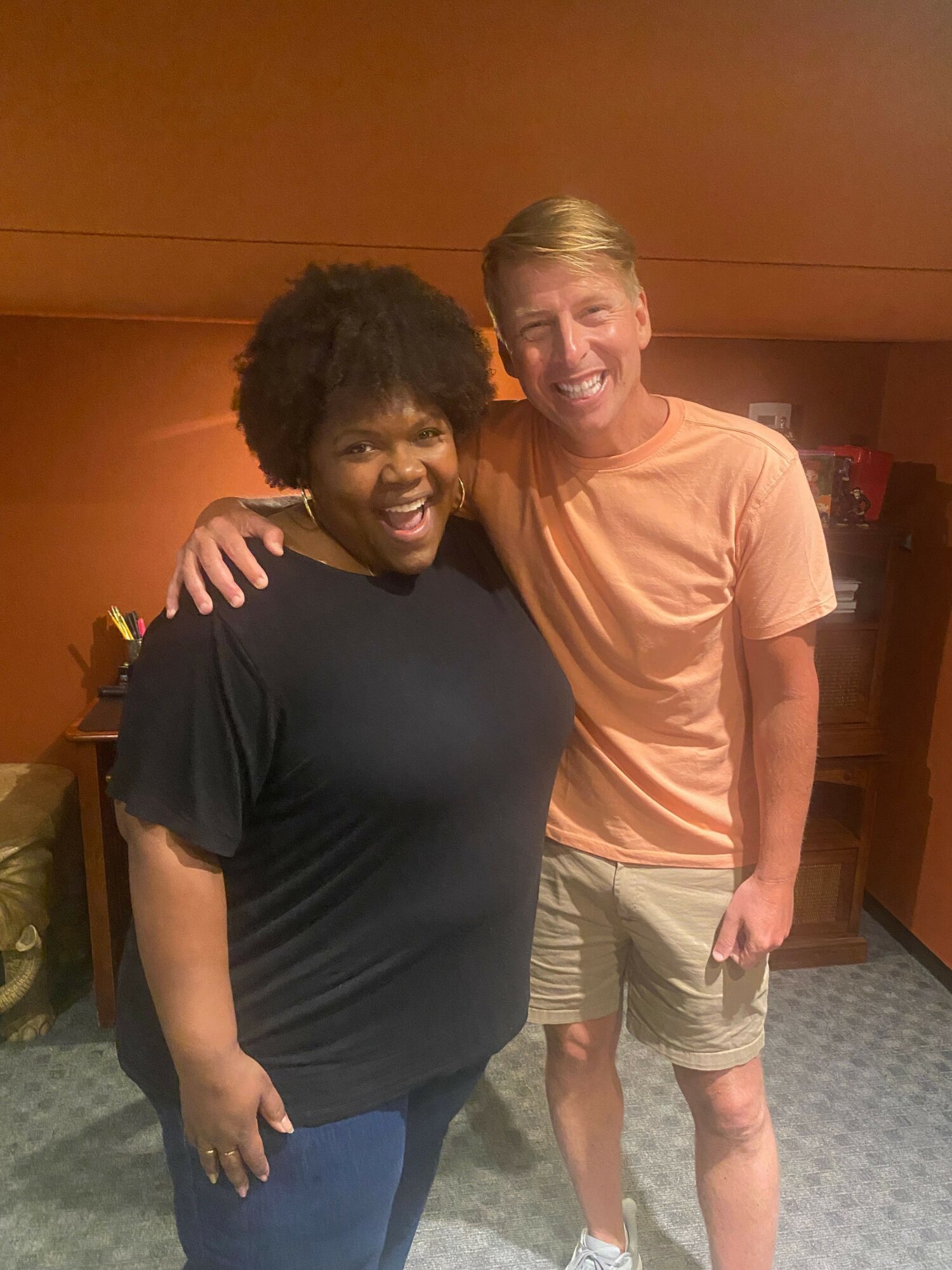
oday, I’m thrilled to work as an executive producer in unscripted television. I’m currently on Zillow Gone Wild, a show hosted by Jack McBrayer that tours unique homes on the real estate market. In this role, I oversee post-production and help shape the episodes viewers will see on the screen or their devices.
One of the things about my story is it contains a number of hidden heroes along the way. At every point along my path, there have been people there at the right time to help me, support me, or lovingly shove me to the next stepping stone. The casual lunch buddy who knew the producer, the random stranger I met in Vancouver who urged me to leave the corporate job despite my abject fear, the friends who offered free places to stay when I moved to California having never even visited the state, the friend and colleague who knew someone in LA that turned into a show that I worked on for five years. I’m forever grateful to them for their kindness and the doors they helped open up. I share all of this to say that no one gets anywhere alone. I certainly didn’t, and I believe anyone blustering about individualism, especially in such a deeply collaborative industry that is composed of a community of artists, is full of it.
We all face challenges, but looking back would you describe it as a relatively smooth road?
Oh, how I chuckle at this question.
Instead of graduating college with a shiny job in hand, I had debt and had to move back in with my parents. Jobless. Car-less. It wasn’t great. I worked as a customer service representative on the phone from 3pm to midnight selling cable network packages. That was a setback. I got so many rejection letters from jobs that I kept them in a binder and used red ink to critique their grammar and dismiss their platitudes. Even with credits, I couldn’t seem to secure more work. In Los Angeles, I had zero dollars in the bank, no job, and spent my last $50 at Disneyland. I’ve had personal losses of loved ones and health issues that needed to be managed. More recently, I’ve had longer stretches of unemployment that made me question if the industry itself was changing so much that there would no longer be a place for me.
The hits just keep on coming.
I’m so glad to be asked this question because it’s important to paint a clear picture of what getting into this business looks like. For as many producers and creators as there are in the world, each of us took a different path to get where we are. One thing, however, remains true for each and every last one of us: there is no path that is ever smooth. Every ascension has pitfalls. Every descent has landings where the course can be corrected. In fact, it’s unfair to those developing their careers and even naive to suggest that anyone’s trajectory has followed a straight line.
In my younger days, I thought that setbacks were a sign of my internal failure. How I, as a person, was coming up short. Instead, now that I’m a bit farther down my path and look back at the times I considered awful, I can see how I was being taught or shown something I’d need for the future. I’m not always the best at it, but today, I work on gratitude for the bumps and struggles. Ultimately, they’re happening to help Future Me improve or grow.
Pressure makes diamonds. Grit makes pearls. Struggles and discomfort have helped shape the person I am today.
Thanks for sharing that. So, maybe next you can tell us a bit more about your work?
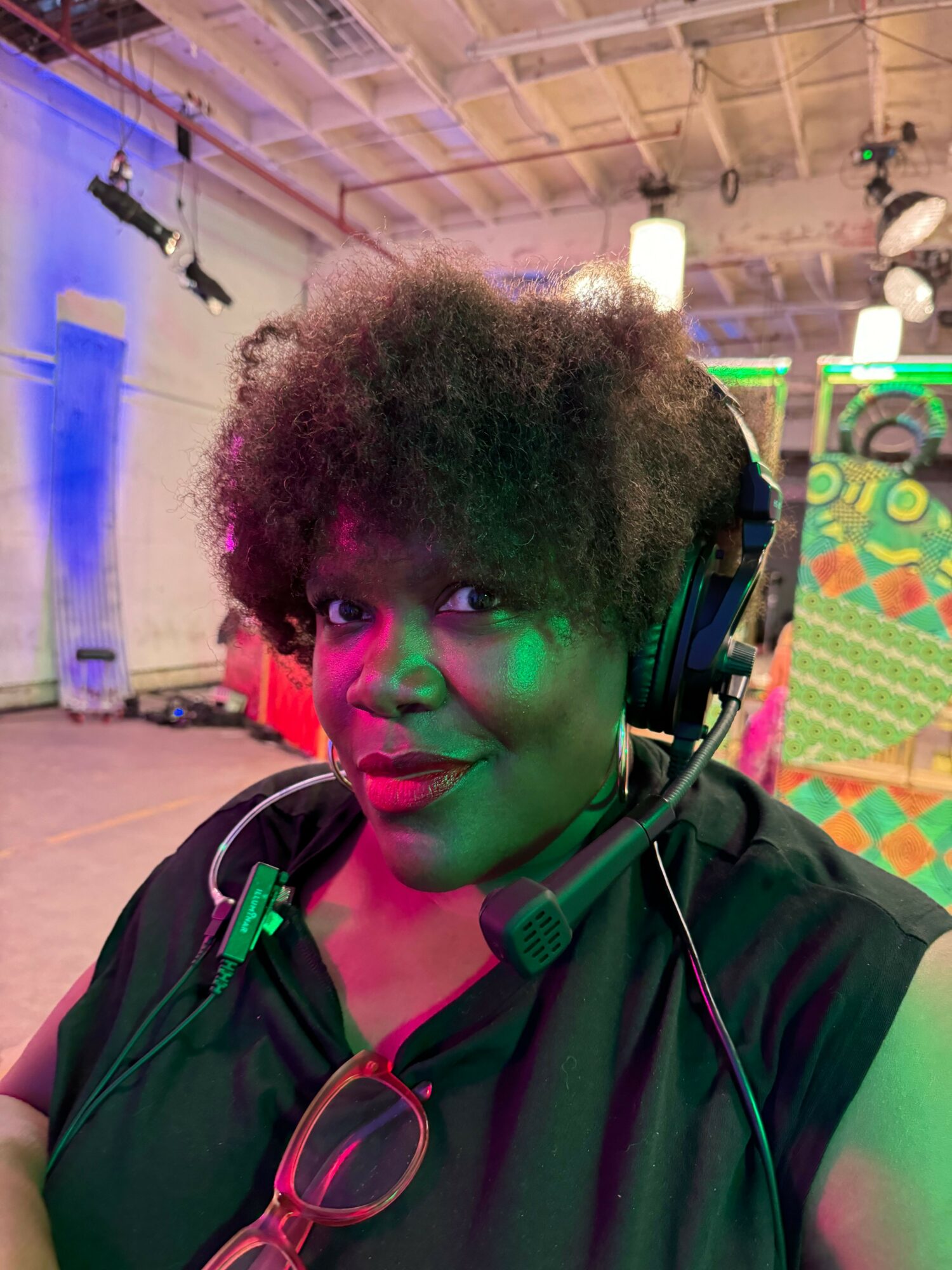
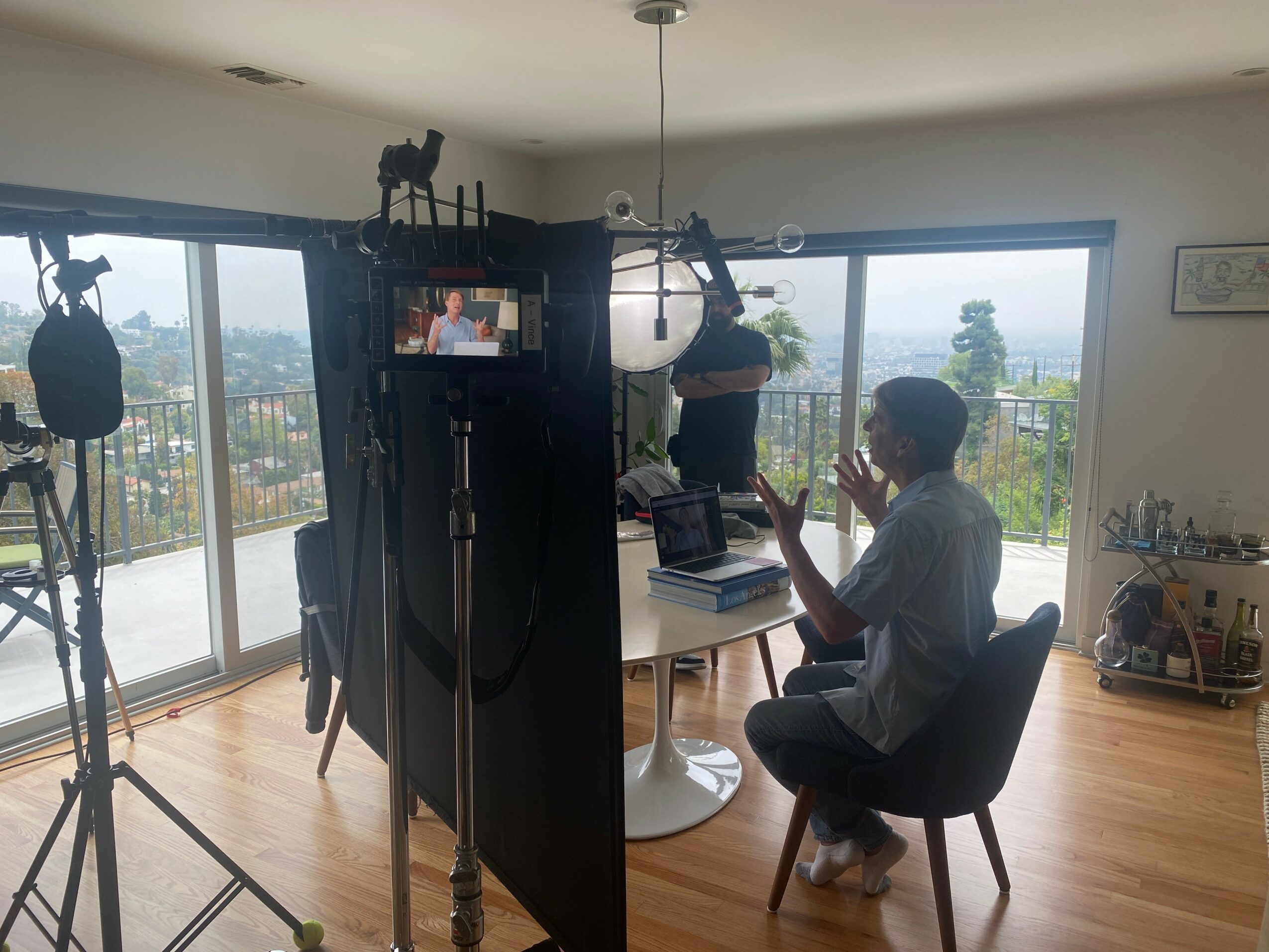
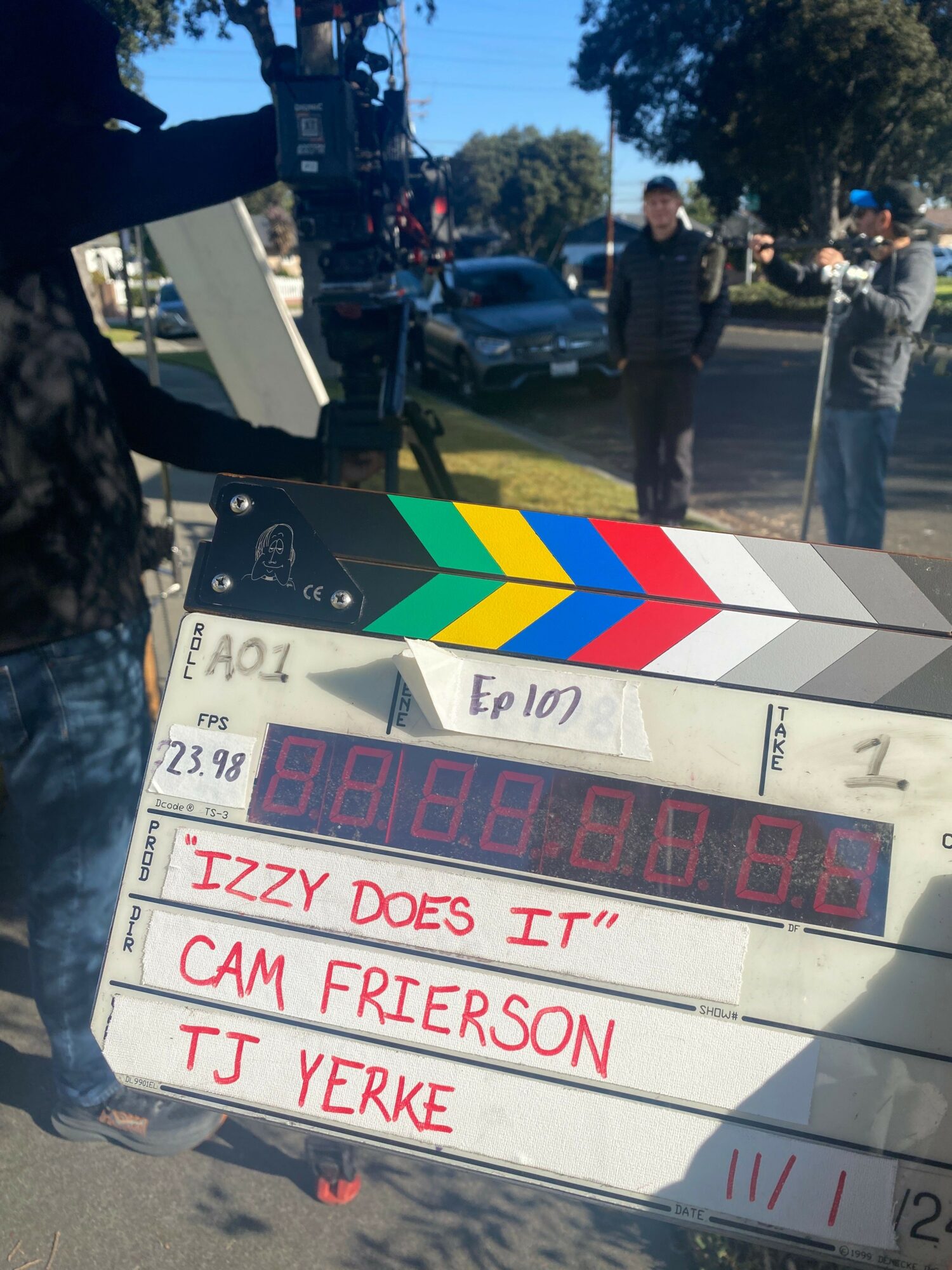
If I’m being grand, I say that I’m a storyteller. More specifically, I’m an executive producer who specializes in post-production. I manage the creative producer-editor teams that shape hours of raw footage into half- or full-hour episodes. My work involves constant communication — with producers in the field to influence what the camera crews need to capture, and with the network, our client, to incorporate their goals for the audience they’ve cultivated and seek to entertain.
In post, I’m tied to a desk, watching and providing feedback as shows progress through the pipeline — from raw footage to airing on a network or streamer. What I’m known for, especially of late, is bringing joy and laughter to viewers through programs with a more comedic lean. That’s A-OK with me. My motto is “comedy at no additional charge,” and humor has become a specialty. So during the day, I’m looking for ways to heighten or punch up comedy while still balancing education and information for the viewer. I use an improvisational “yes, and…” approach that builds on what’s already there to enhance it and make it better.
Beyond the creative, I oversee the moving parts that keep a show on track — voiceover sessions, shooting the open, pickups or reshoots. I pitch ideas for new segments or fresh approaches to the material. And I do a fair amount of writing in the voice of our host to set the stage for what viewers will see in each episode.
What sets me apart is that the bulk of my role is clarity. Clarity in communication. Clarity in creative intention. Clarity in process. I lay out organizational workflows so the creative teams I work with can focus on creating while feeling supported. It takes intention and effort to get artists rowing the boat in the same direction—and to keep them there. Recognizing how deeply collaborative this work is, and knowing that chaos only fuels confusion, I work hard to create systems that allow creativity to thrive rather than compete with disorder.
What I’m most proud of is that the teams I lead feel both creatively inspired and structurally supported. The shows get made. The stories get told. And the process, while never simple, feels purposeful. Together, we make cool $h*t!
Where we are in life is often partly because of others. Who/what else deserves credit for how your story turned out?
As I mentioned before, no one gets anywhere on their own**,** and my list of supporters and cheerleaders for my career is mighty and long, so I’ll just supply the highlights. I’ll shine a light on the folks who were willing to take a chance or encouraged me to do so. Mary Henricksen repeated “take it” when I called her about the two-week job offering zero benefits and $100 a day. Even when I threw out objections about leaving behind benefits and stability, she just repeated, “take it.” She was so right. So incredibly right.
Bradford Holt was an incredible champion for me when I ascended from story producer to executive producer on “Treehouse Masters,” almost pulling me up the ladder of responsibility as we were both invested in making the creation of that delightful show as happy and lighthearted as the material we were putting on screen.
Andi Walker Ochoa and Mary Beth Anderson taught me so much and reinforced that it was possible to lead with compassion and heart.
The cheerleaders are far too numerous to mention, as I’ve been blessed heartily in that area. I mean, when your nieces shout over the phone, “Auntie Cam! I saw your name on the screen!” or when your dad uses that big baritone voice to proudly tell the audience warmup guy at “American Idol” that his daughter works on the show — those are the moments that matter. Not the titles. Not the credits. The people. The pride. The love behind it. That’s what makes my heart swell.
Contact Info:
- Website: https://camfrierson.com
- LinkedIn: https://www.linkedin.com/in/camfrierson/
Popular
-

LA’s Most Inspiring Stories
-
Maagic Collins on Building a Fearless Publishing Platform for Truth, Advocacy, and Underrepresented Voices
-
Los Angeles Barea on Turning Green Superheroes into a Global Movement for Youth-Led Change
-

Trisha DuVivier on Bridging the Franchisor–Franchisee Divide with Workhero and “Franulate”
-

Portraits of the Valley
-
Cedar Boschan on Elevating Black Music Rights and Driving Urgent Conversations Around Credit, Equity, and Artist Protection


