




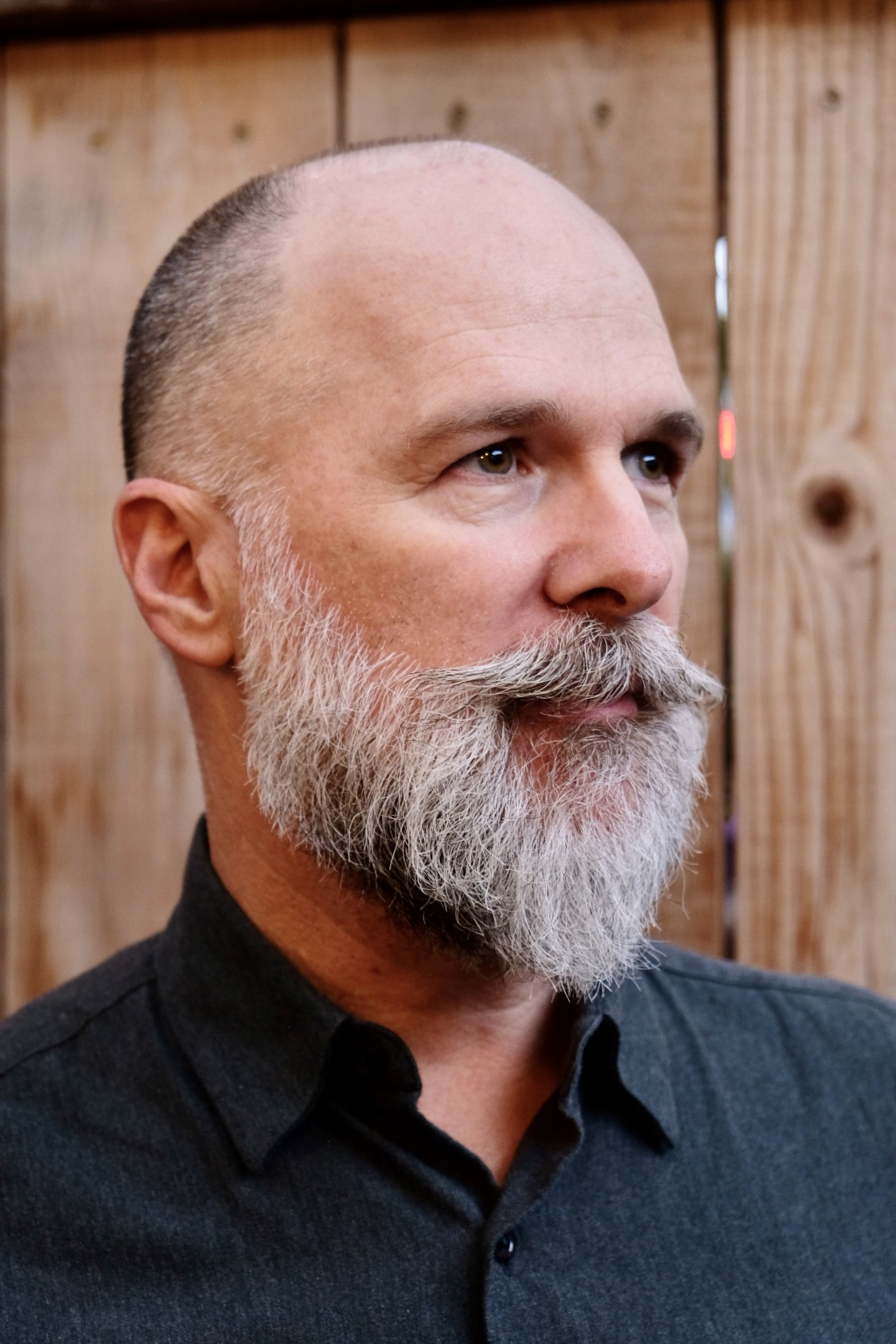
Today we’d like to introduce you to Jose Herrasti.
Hi Jose, we’d love for you to start by introducing yourself.
My architectural journey truly began in childhood. I was always fascinated by design and vividly remember moving through Mexico City from a very young age, captivated by its diverse urban fabric. My fascination lay in the weight and tension of buildings, and the contradictions they presented. This interest extended from prehispanic and colonial buildings, to significant civic and cultural buildings, to the imposing presence of UNAM, to the intricacies of multi-family and single-family residences, and to the impromptu, self-built constructions that are so characteristic of the city’s unique complexity. The influence of my parents—my mother Silvia, a musician, and my father Jose Ignacio, an engineer—fostered an environment that encouraged curiosity and expanding horizons. My maternal grandfather, Alfonso Barnetche, an engineer and geologist, also played a significant role in my early influences. I had various international experiences growing up, from summer camp in North Carolina to being an exchange student in Boston.
After earning my bachelor’s degree in architecture in Veracruz, I started my career in Mexico City, working with my uncle, German Herrasti, a renowned architect and academic, and then with Roberto Sheinberg, who, coincidentally, also ended up practicing here in Los Angeles. A pivotal moment came after the tragic passing of my brother, Mauricio. My sister, Paulina, was studying art in New York, and I decided to join her there, pursuing a Master’s in Advanced Architectural Design at Columbia University.
After grad school, I returned to Mexico, where I practiced independently for a couple of years before joining HOK in Mexico City. They eventually transferred me to San Francisco. I stayed there until the dot-com crash, which led me to seek opportunities in Los Angeles. That’s how I landed at Eric Owen Moss Architects, which was, and still is, one of the most innovative and groundbreaking architecture firms around. I spent a decade there, learning immensely, before deciding to open Mutuo with Fernanda Oppermann. We met at Eric Owen Moss’s office, and we’ve been on this incredible journey together ever since.
I’m sure it wasn’t obstacle-free, but would you say the journey has been fairly smooth so far?
It’s definitely been a challenging but ultimately rewarding road. From the outset, we faced the steep learning curve of running a business, alongside the ongoing process of refining our identity, our design philosophy, and what truly defines Mutuo. Our first significant project, Wonderland, which consisted of three single-family residences, came right after the 2008 housing crisis. Convincing family and friends to join us financially and professionally in that endeavor was a testament to their belief in us, and it significantly influenced Mutuo’s early trajectory.
As immigrants—Fernanda from Brazil and I from Mexico—we’ve naturally gravitated towards collaborations with communities that are also navigating the complexities of “here” and “there.” Early on, we worked on projects like the Leon Gallery’s storefront near the US-Mexico border in El Paso, and the North Shore Park pavilion in a predominantly Latin immigrant farming community in the Coachella Valley. These experiences, alongside our exploration of ‘affordable-by-design’ housing typologies, truly shaped our perspective. Wonderland further propelled these housing explorations, as we took on the roles of developer, designer, and builder.
Thanks for sharing that. So, maybe next you can tell us a bit more about your work?
At Mutuo, an award-winning Los Angeles-based architecture studio established in 2014, we’re driven by a passion for design that finds extraordinary uses for ordinary materials and methods. Our work is about discovering new perspectives and creating meaningful impact through architecture. We actively seek out opportunities to foster collaborations and expand the traditional role of architecture, giving it more influence in shaping built environments and solving complex urban challenges. A core focus of our research involves developing ‘affordable-by-design’ construction systems aimed at simplifying the building process for faster and more economical housing solutions.
The name “Mutuo,” a Spanish and Portuguese word meaning mutual or reciprocal, perfectly encapsulates our ethos. It evokes ideas of relationship, change, and balance, honoring our individual histories while celebrating our shared commitment to collaboration. We’re proud of our ability to consistently exceed expectations, delving beyond the initial brief to uncover and address less obvious needs and wants in our solutions.
What we’re most proud of is our commitment to creating inclusive places that celebrate layered and complex stories. We identify deeply with the immigrant experience, and our process is rooted in listening to people’s narratives. We see immense richness where different cultures and traditions converge, and our designs aim to reflect the duality of hardships and successes present in every journey. The more we delve into our own diverse backgrounds and those of the communities we work with, the more uniquely positioned we are to offer innovative and empathetic design solutions that resonate on multiple levels.
What truly sets Mutuo apart is how our work draws deeply from our personal experiences growing up in Latin America. With Fernanda from Brazil and I from Mexico, we constantly explore how our cultural backgrounds enable us to transcend the limitations of being localized and overly specialized. Our commissions in both the United States and Latin America mean our work isn’t confined to “here” or “there”; it exists somewhere in between. This allows for a rich cross-pollination of disparate cultural aspects, ways of living, and building techniques, constantly refining our design sensibilities.
Throughout more than ten years together, we’ve developed an architectural sensibility that’s equally shaped by our own experiences and those of the people who inspire and collaborate with us. We’re indebted to our clients, our collaborators, and even our students, who share their unique histories, cultures, and stories. This collaborative approach allows us to create impactful and inviting places where communities can truly come together.
What was your favorite childhood memory?
One of my favorite childhood memories is spending time with adults and just listening intently to their conversations. But a particularly vivid memory is of my paternal grandfather, Pepe Herrasti, a lawyer, taking me to downtown Mexico City. He would show me the buildings there, sparking an early fascination that clearly set me on my path. I also remember being captivated by the sculptures erected for the 1968 Olympics, especially the Uruguayan one, El Sol by Gonzalo Fonseca. These early experiences, surrounded by conversations and remarkable architecture, truly shaped my understanding of the built world around me.
Contact Info:
- Website: https://www.thisismutuo.com
- Instagram: @thisismutuo
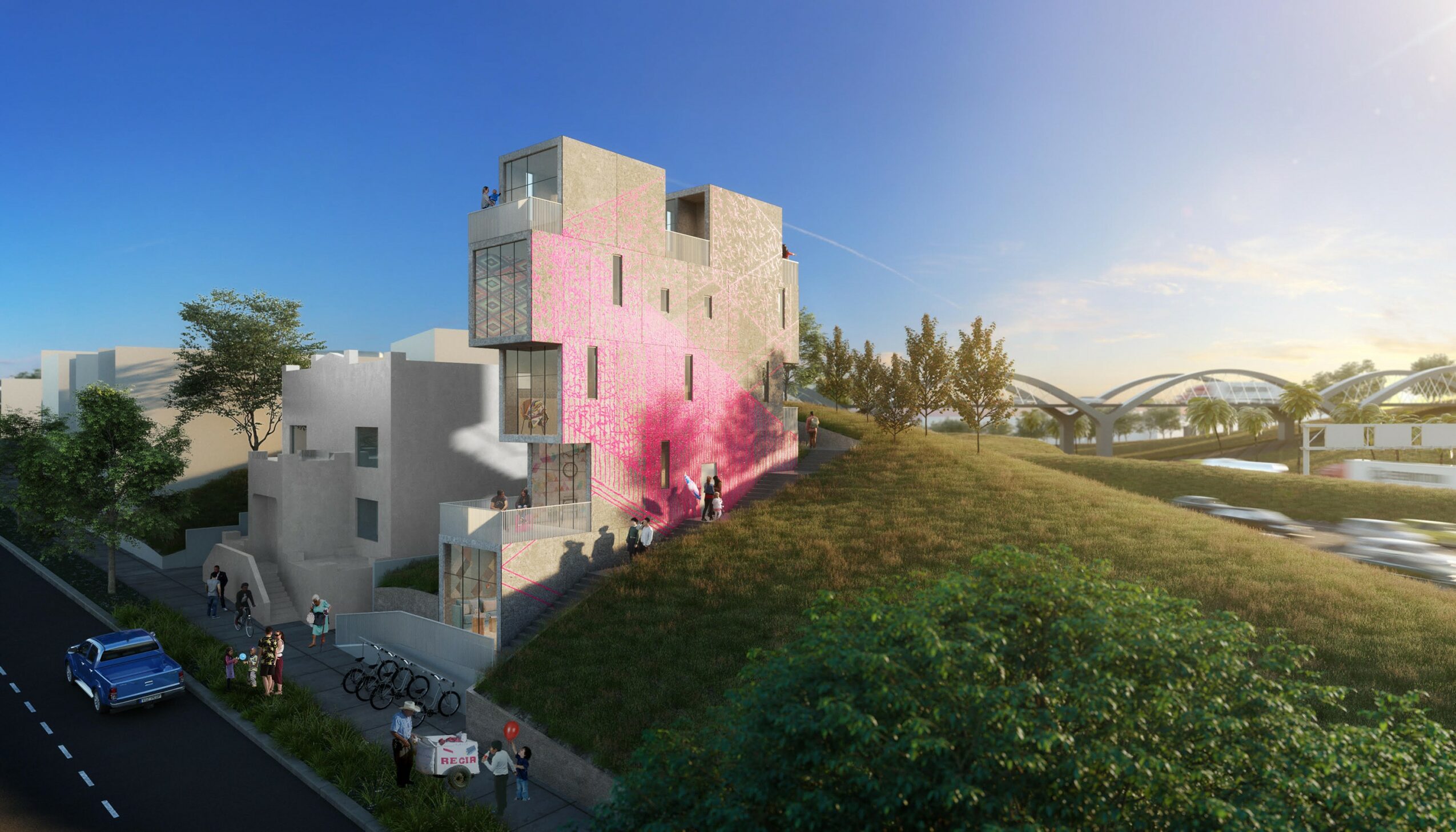
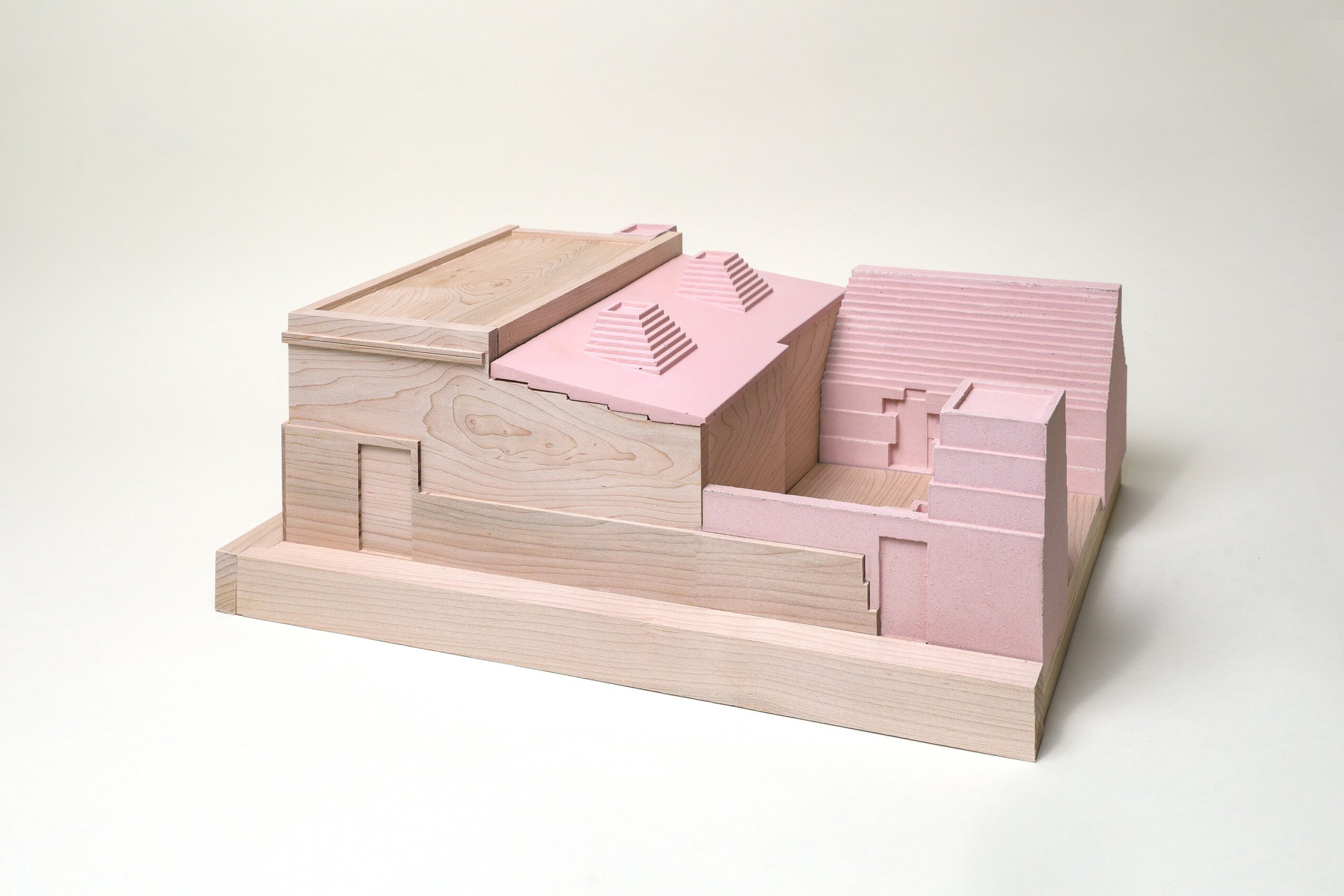
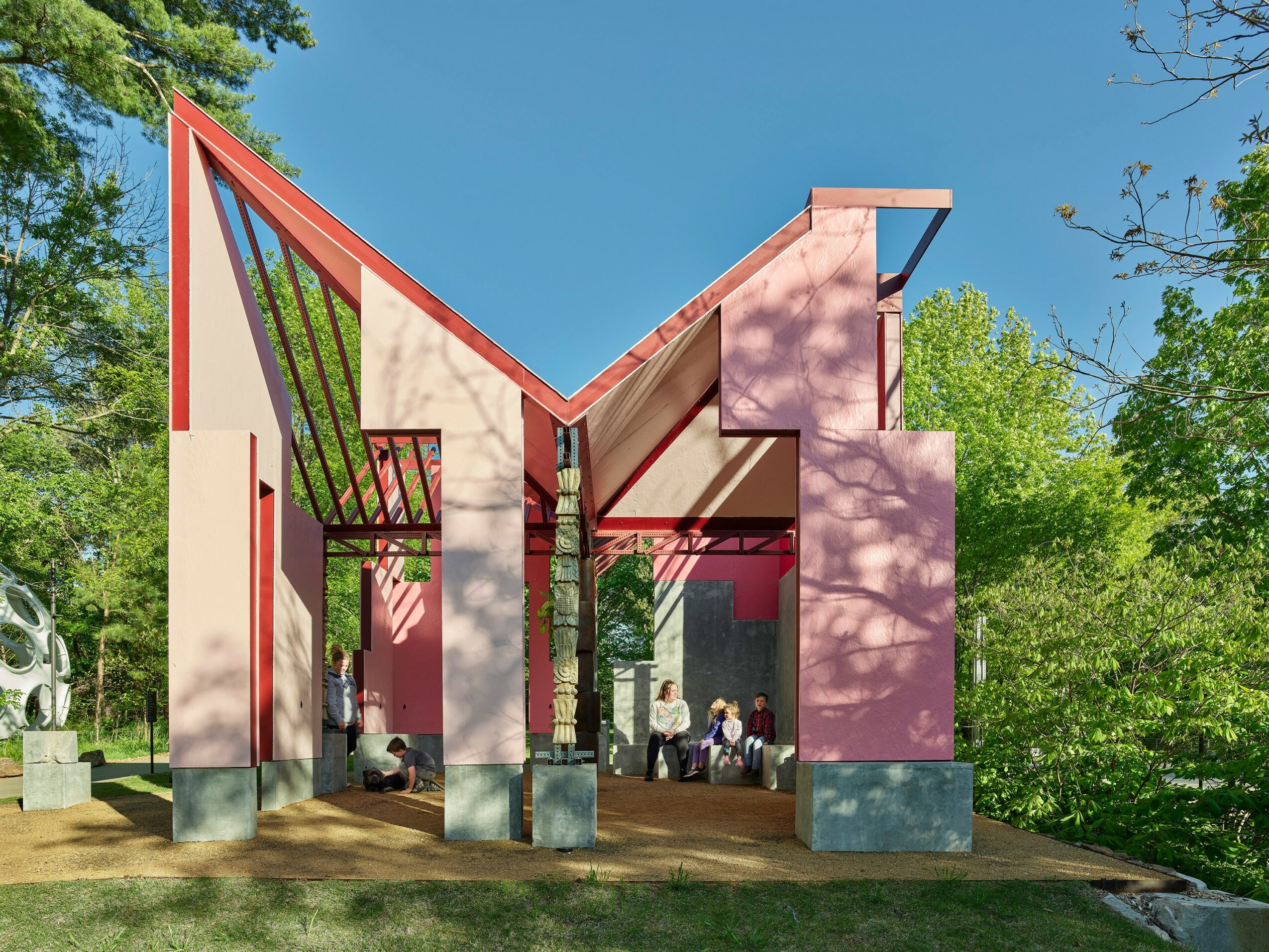
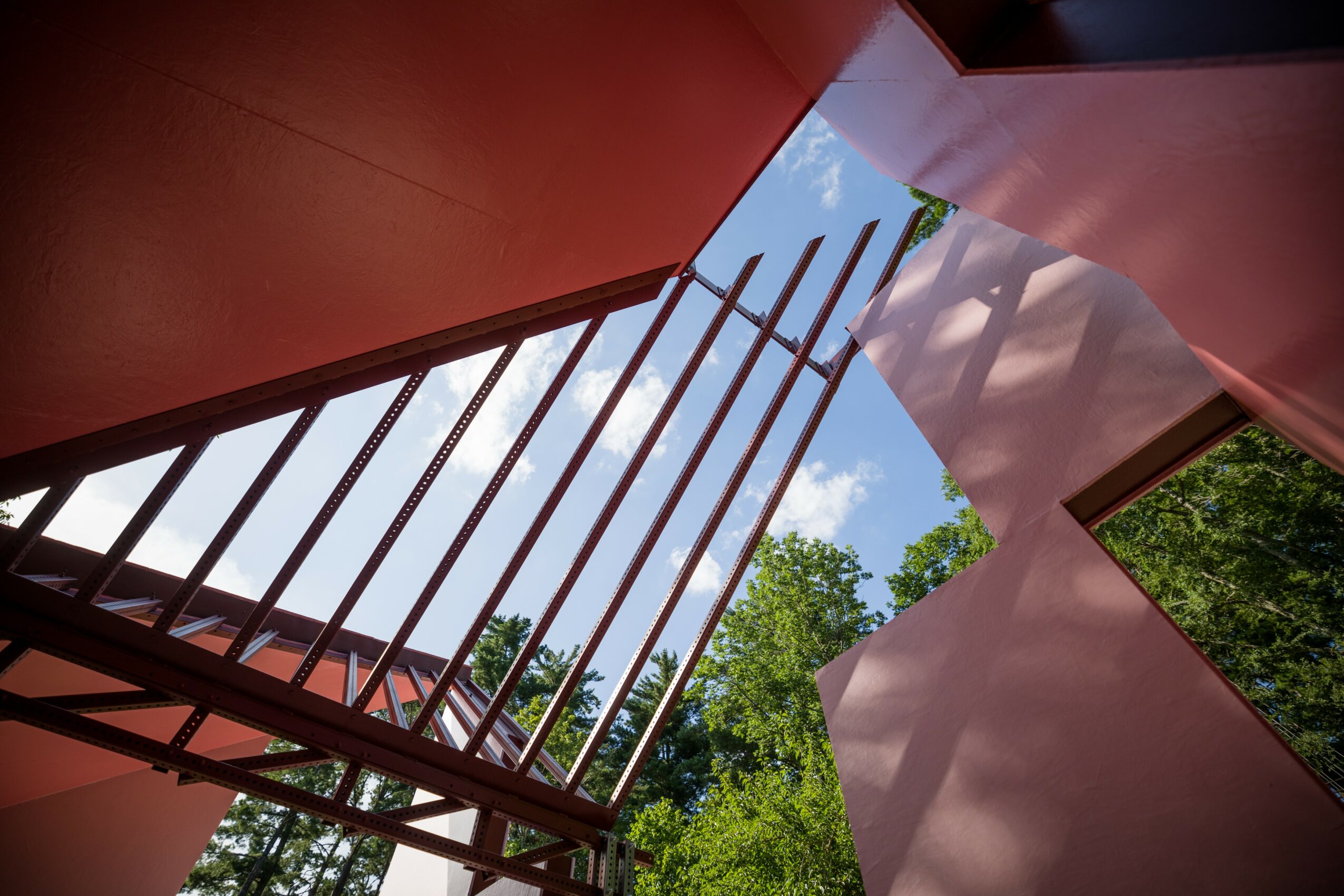
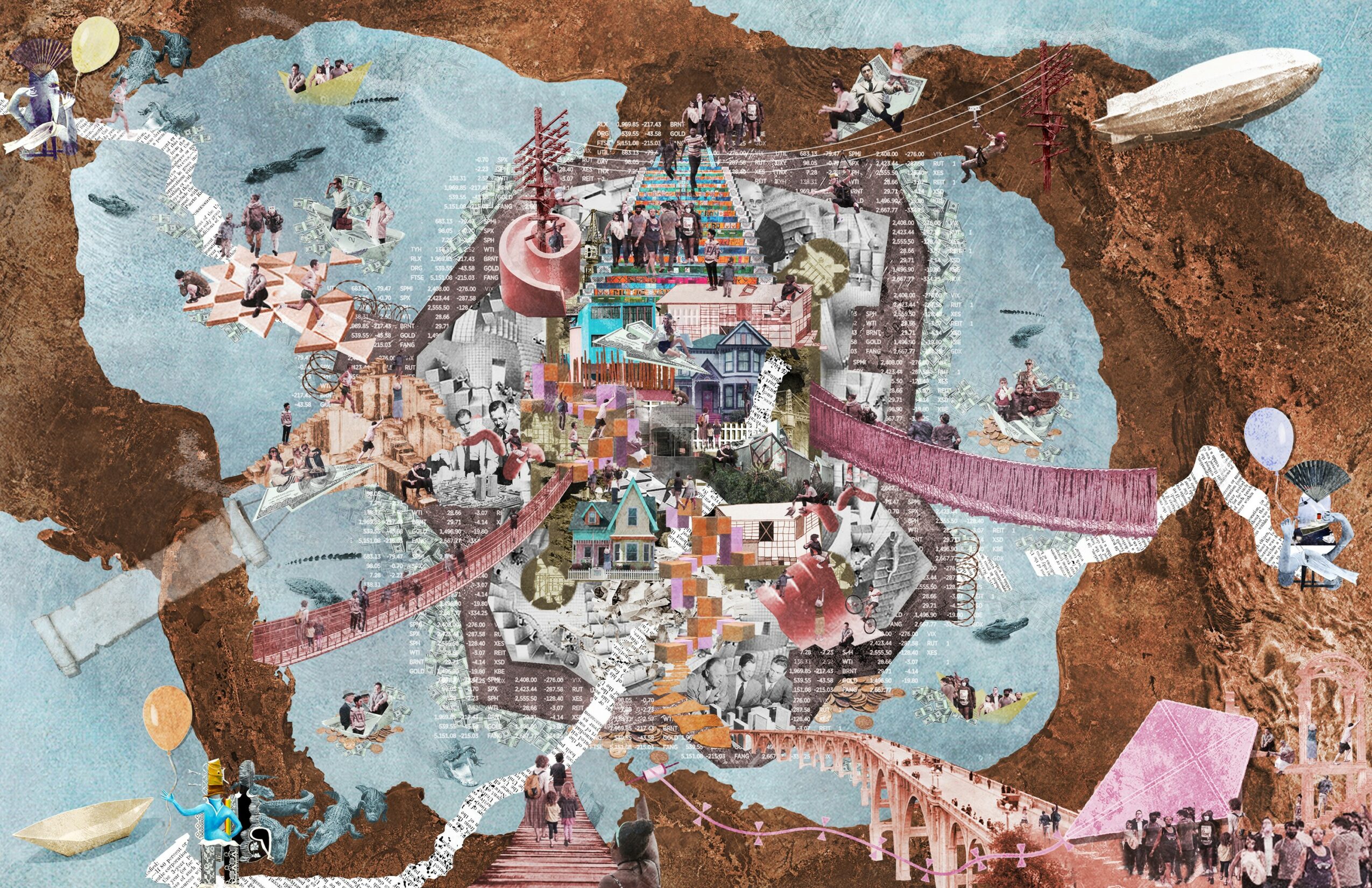
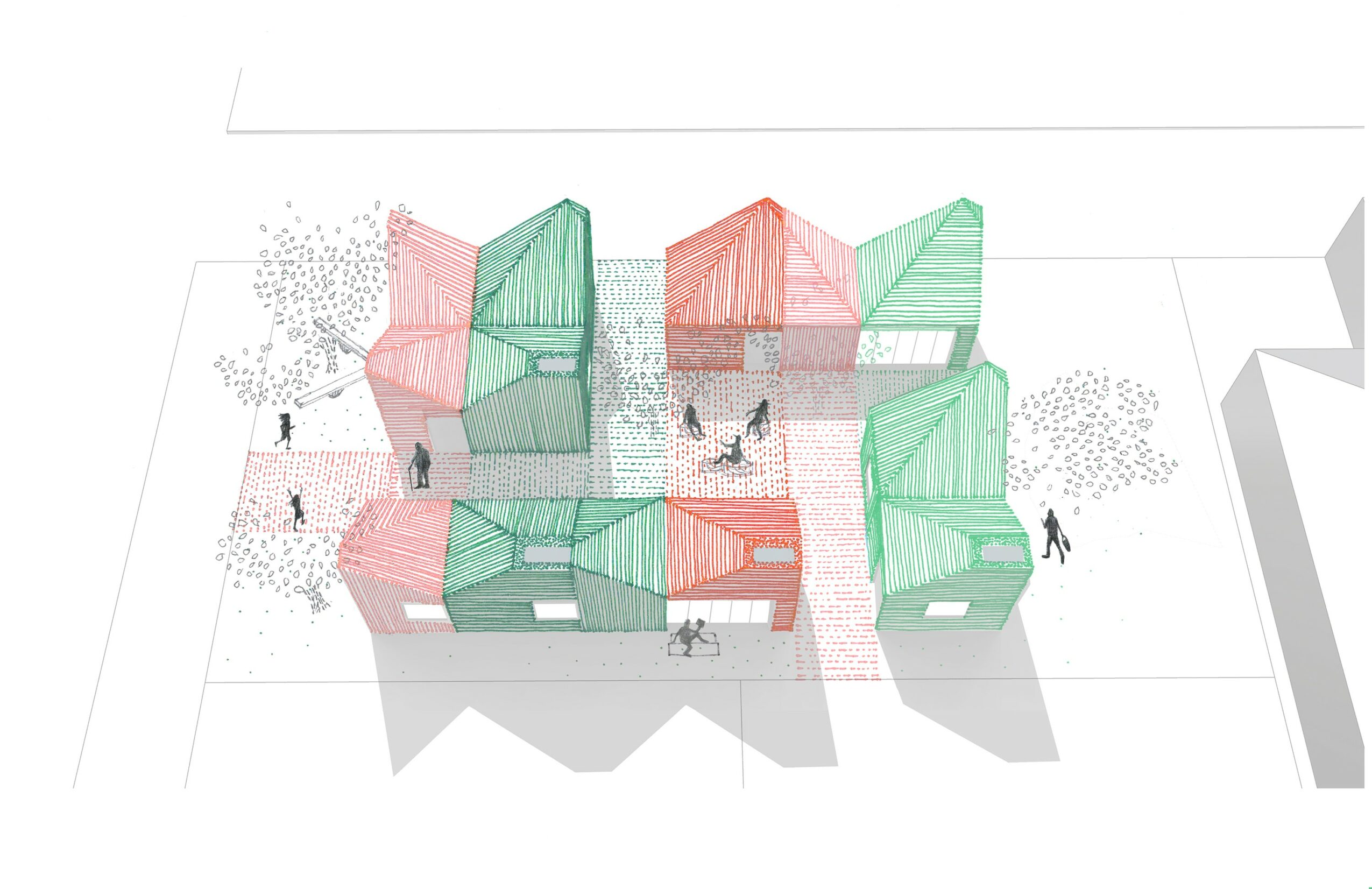
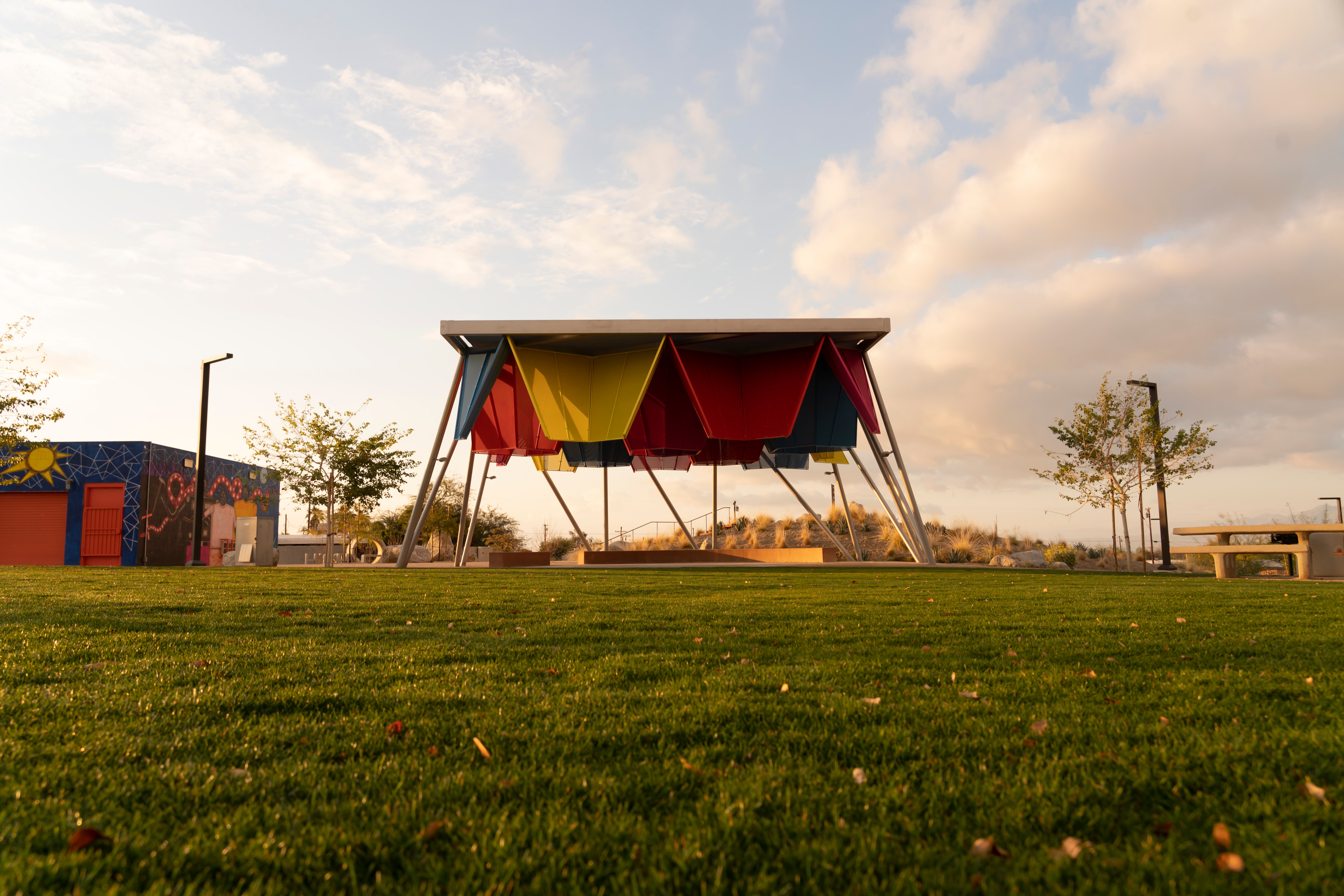
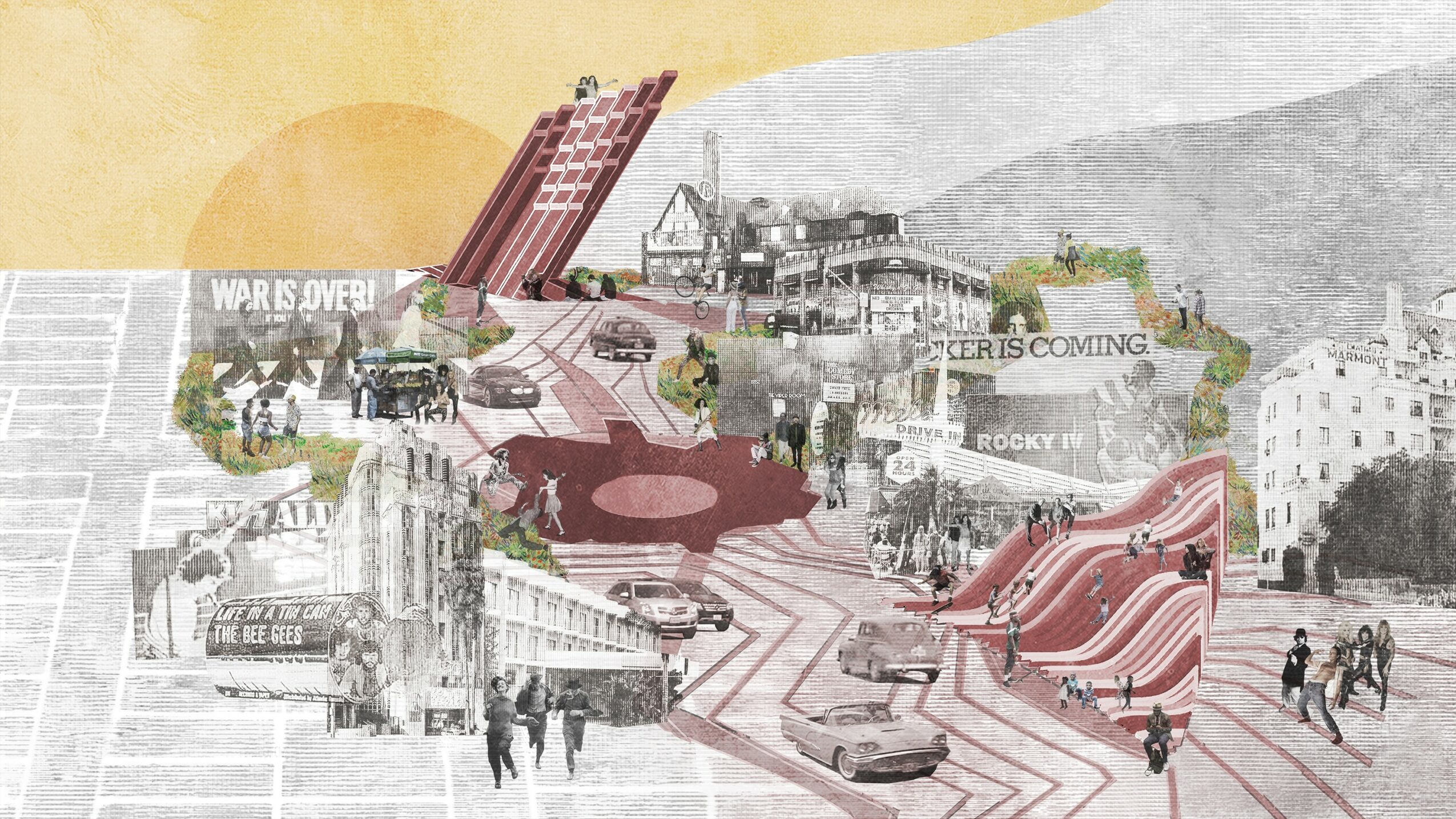
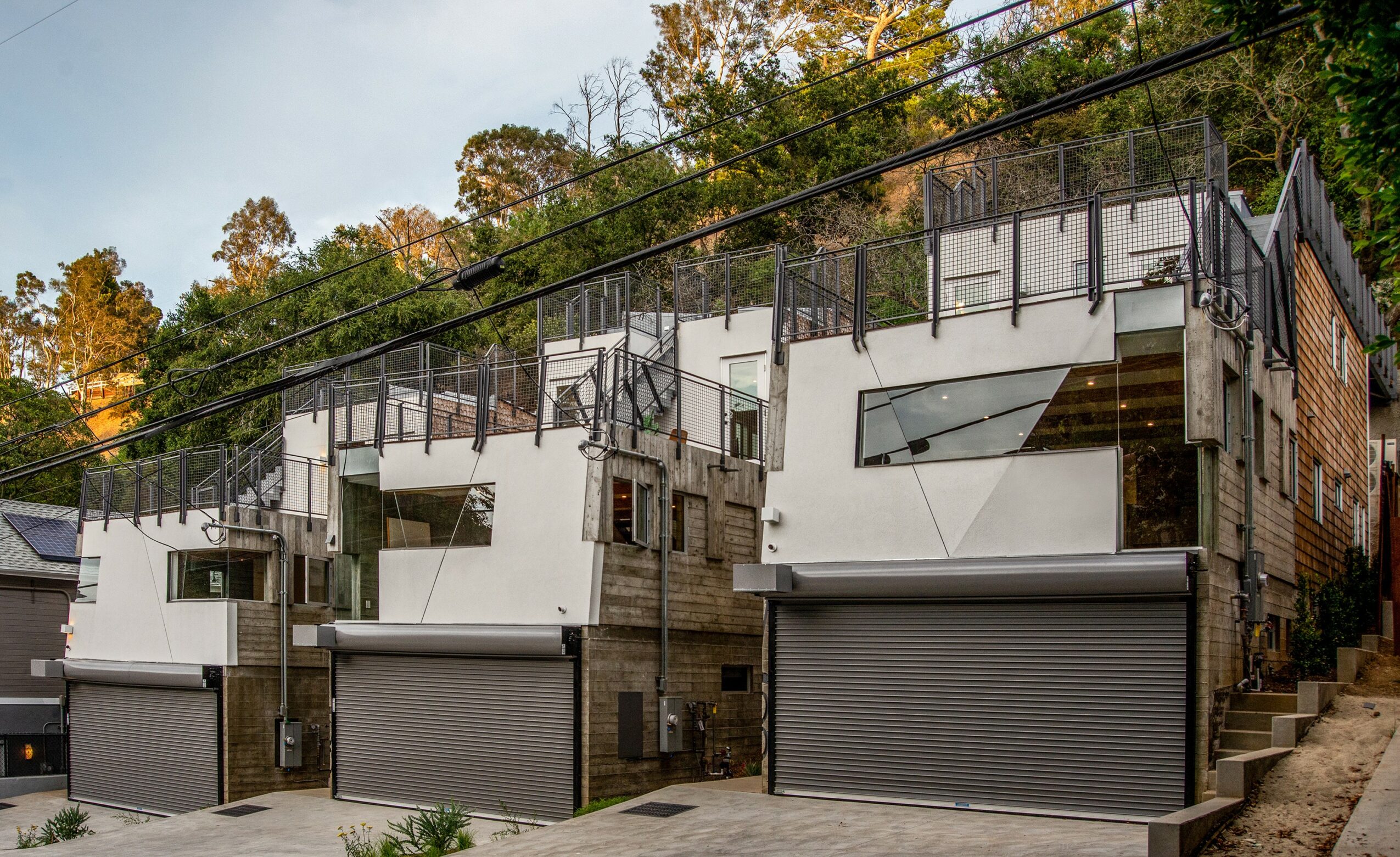
Image Credits
Jose Herrasti – Carola Heras
Boyle Tower – Luis Gerardo Tornel Encinas
Casa Otoch – Isaac Monterosa, Taller Montego
Crystal Bridges Museum exhibit-01 – Timothy Hursley
Crystal Bridges Museum exhibit-02 – Crystal Bridges Museum
Crystal Bridges Museum exhibit-03 – Mutuo
Duo housing system – Mutuo
North Shore Park-01 – Marilu Godinez
North Shore Park-02 – Aaron Farley
Sunset Blvd gateways – Mutuo
Wonderland – Marilu Godinez
Popular
-

LA’s Most Inspiring Stories
-
Maagic Collins on Building a Fearless Publishing Platform for Truth, Advocacy, and Underrepresented Voices
-
Los Angeles Barea on Turning Green Superheroes into a Global Movement for Youth-Led Change
-

Trisha DuVivier on Bridging the Franchisor–Franchisee Divide with Workhero and “Franulate”
-

Portraits of the Valley
-
Cedar Boschan on Elevating Black Music Rights and Driving Urgent Conversations Around Credit, Equity, and Artist Protection


