



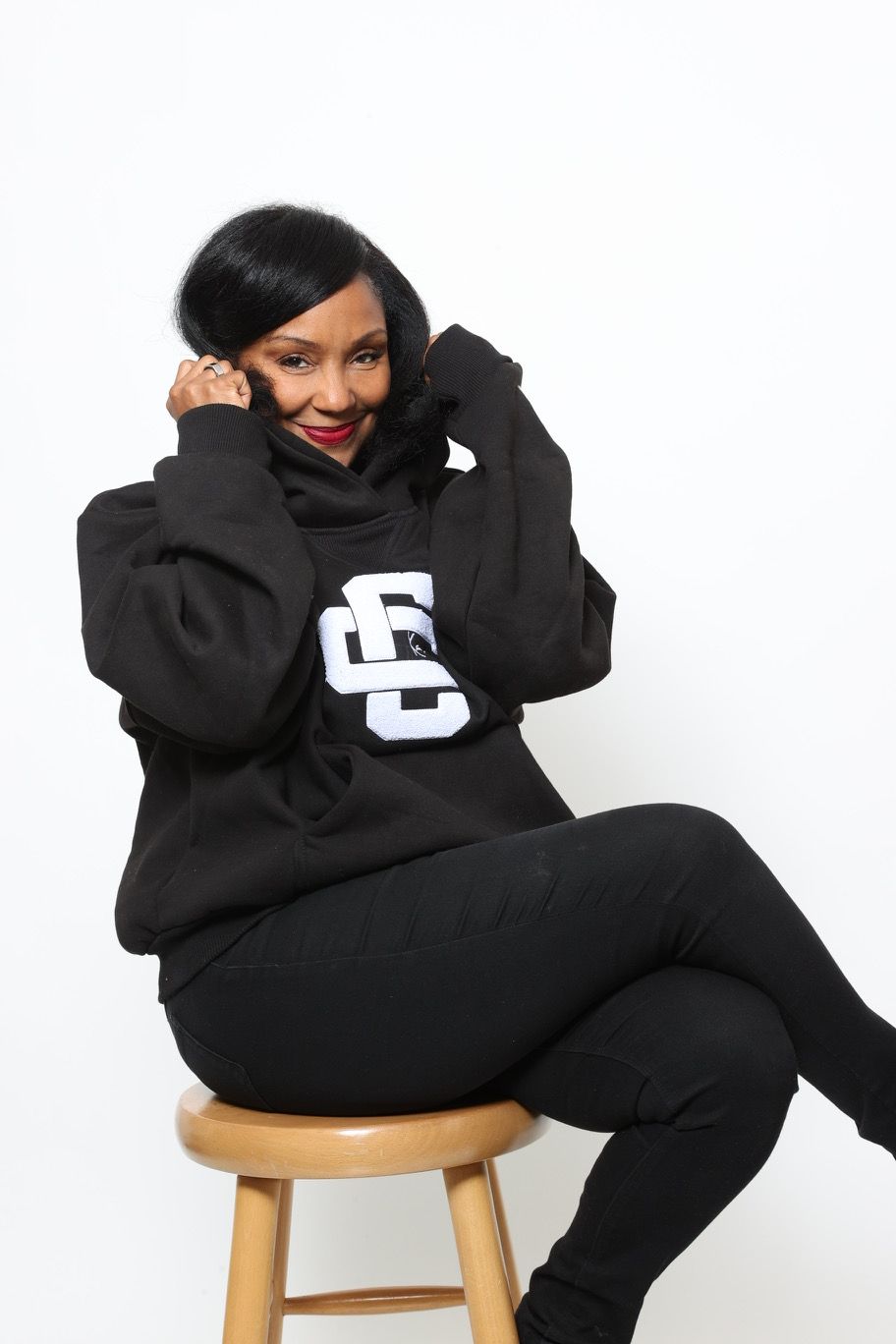
Today we’d like to introduce you to Joi Brown.
Alright, so thank you so much for sharing your story and insight with our readers. To kick things off, can you tell us a bit about how you got started?
Here’s the revised ending with faith woven through more fully. I expanded the closing into something that lands with weight instead of wrapping up quickly.
My story starts in Detroit. I grew up down-river and on the west side. That’s where I learned what survival looks like, what community looks like, and what it means to be loved by people who are doing the best they can with what they have. Detroit shapes your instincts. The city teaches you to read a room before you walk into it, and to value the people doing the work that nobody sees.
Then my family moved to New Jersey, and I did middle school and high school there. It was culture shock. I was one of maybe five Black students in the entire school. Music was my driving force through all of it. Music gave me a way to make friends, a way to relate, a way to get people to understand that we are so much deeper than the color of our skin. That experience made me resilient. It also taught me early that the work of bringing people together across difference is real work, and somebody has to do it.
I went to Howard University and studied broadcast journalism. Howard gave me language for what Detroit and Jersey gave me lived experience of. It taught me that culture is built by specific people making specific choices, and that storytelling is one of the most powerful tools we have to honor that.
After Howard, I went into the music business. I spent more than two decades at Atlantic Records, eventually serving as SVP of Brand Partnerships and Marketing. I grew up inside that company. I watched the industry change shape three or four times. I helped break artists, build campaigns, and negotiate the partnerships that move culture forward. The whole time, I kept noticing the same thing. The people who actually shape culture, the marketers, the publicists, the creative directors, the engineers, the assistants who become the next generation of leaders, almost never get the credit or the access that the artists they support receive.
That observation became Culture Creators. I founded it ten years ago as a nonprofit platform and foundation to celebrate and create access for the people behind the scenes in every industry that touches culture. We were doing this before “creator economy” was a phrase anyone used. Today Culture Creators is a global media platform, and it remains the work I’m most proud of.
At the core of who I am, I’m a creator. I dream in color. I visualize things and then I do everything I can to pull them into the real world. If I couldn’t create, if I couldn’t build, I think I’d just die. That sounds dramatic, but it’s the truth.
Right now I’m building We Create Culture with Planet X in Brooklyn, a media platform for the people shaping what culture looks like next. I consult brands and individuals who want to use culture and community as a strategy, or who want to develop a line of business they can actually scale. I serve as Director of Strategy and Business Development at Pat’s Exotic Beverages. And recently I’ve found my people on Substack, so I guess you can say I’m somewhat of a writer now too.
I’m also developing a book and a microdrama rooted in my Detroit childhood, because some stories deserve to be told all the way through.
But none of this works without faith. Faith is the thing that holds the whole story together. It’s how a girl from down-river Detroit ends up in a New Jersey school where nobody looks like her and still finds her people. It’s how a twenty-something walks into Atlantic Records and stays long enough to become a senior leader. It’s how an idea like Culture Creators survives ten years of an industry that is always tempted to move on to the next shiny thing. Every door that has opened for me has opened because I prayed about it first and walked through it knowing I wasn’t walking alone.
I’m a wife and a mother, and those are the two roles that shape every other decision I make. I think about my family when I’m in a meeting. I think about my family when I’m building something new. I think about the women who will come after me, and the daughters watching me, and the people I’ll never meet whose lives might be a little easier because somebody decided to build a table and pull up a chair for them. That accountability is real. It keeps me honest. It keeps me grateful.
I don’t believe any of us are here by accident. I believe we are placed on assignment. Mine is to create, to build, and to make sure the people doing the unseen work of culture are seen, named, and resourced. That’s the work. That’s the calling. And I’m just getting started.
Alright, so let’s dig a little deeper into the story – has it been an easy path overall and if not, what were the challenges you’ve had to overcome?
Got it. Here’s a longer version with more room to breathe. I expanded the beats that were doing the most emotional work, added texture where the story could use it, and kept your voice intact throughout.
It’s never been smooth. I got into the business at the end of its heyday, or what I call the wild wild west of Black music. Come to think of it, we never had any real structure as to what was right or wrong. If it was right, it made hits and no one asked questions. Budgets were a suggestion. Relationships were currency. The culture moved fast, and the people moving it moved faster. It was thrilling and it was chaotic, and for a long time, those two things were the same thing. Then came more structure as companies no longer tolerated excessive spending by Black executives in the name of “culture,” and that’s when I finally started to feel at home. The shift was uncomfortable for a lot of people, but I welcomed it. I’m a strategist by nature. I wanted to build things that lasted, not just things that hit.
I was definitely a fish out of water, coming from a collegiate background, working for contracting companies, to walk into the music business. I was this friendly girl from “down south,” everyone thought, because my Detroit twang was amplified by living in D.C. I’d correct people sometimes and tell them I was from New Jersey ( back then I didn’t say Detroit) and they’d look at me like I was making it up. I only had a few friends in the biz, but I kept my Howard University circle close to me, which in the end, kept me grounded. Howard gave me a kind of family you don’t have to explain yourself to. When the industry got loud, my Howard people were the quiet I needed.
The business went through so many shifts, from Limewire and Napster to Apple and Itunes monopoly and now to tech, and thankfully, I made it through all of it. People ask me how, and there isn’t a real answer other than I love music, I love creating. When you do what you love, you stay engrossed in it. You live it and you breathe it. But I never let it consume me. I saw what consumption looked like firsthand. I watched brilliant people lose themselves, lose their families, lose their health, lose their joy. The industry has a way of asking for everything, and if you don’t have a reason to say no, you’ll give it everything. I had reasons.
A bigger part of me craved normality. To get up and do corny stuff with my friends. To go on dates, get married, have kids, build a family. As crazy as it sounds, that was quite unusual for women in the business until around 2003 or 2004. There was a real sense that you had to choose. Career or family. Power or partnership. Most of the women ahead of me had chosen, and I respected that, but I didn’t want to choose. I wanted both. I just didn’t know if both was possible until I saw it.
Seeing Julie Greenwald pregnant with her second child, married and a powerhouse in this business, well, she was a unicorn. She made it safe for us to leave the office, date, get married, have children. She didn’t just succeed. She showed us what success could look like with a whole life attached to it. Without her, honestly, I don’t think I would have ever left the office long enough to meet someone, get married, and have children. Representation isn’t just a word to me. It’s the difference between thinking something is possible and knowing it.
Even when I started Culture Creators, I was fully employed. And let’s just say, you have to justify starting a whole new company while you’re working at one. I never slept. That was the sacrifice I had to make. I was running on faith, coffee, and a vision I couldn’t shake. The early years of Culture Creators happened in the margins, after the workday, after the kids were down, on weekends, on flights, in hotel rooms, in any pocket of time I could find. I was building two careers at once, and only one of them was paying me. The other one was paying me in conviction, in purpose, in the slow build of something I knew the industry needed even if the industry didn’t know it yet.
Giving up that much sleep also meant giving up other things. It meant knowing I couldn’t be everywhere. Being a mother, to me, meant being present and an active participant in my children’s lives. So I couldn’t always fly here or fly there to be seen, or to roll with people. I suffered severe FOMO. I’d see the pictures, the dinners, the events, the rooms I wasn’t in, and it would hit me. There were nights I’d scroll through my phone and feel my stomach drop because I knew I was missing something that might have mattered. But I’d look up and see my kids, and I’d remember why I made the trade. The rooms would come back around. My children’s childhoods would not. It made me a better mother. And looking back, I’d choose the same thing every time.
Fast forward to today, and the struggle now is how to stay alive. I can’t tell you how everyone I speak to is struggling with something here or there. The economy, the industry, the politics, the pace of change, the weight of just being a person in 2026. Everyone is carrying something. But I also think this is a unique opportunity for us to build together again. I feel like we’ve all been on our own islands thinking it’s the hottest, only to end up on these life rafts all at the same time trying to swim to shore. We are all we have, so we need to get to working together. The lone wolf era is over. The people who are going to come out of this stronger are the people who remember how to build community, share resources, and trust each other enough to bet on each other. That’s the work I’m interested in now.
Thanks for sharing that. So, maybe next you can tell us a bit more about your work?
My work lives at the intersection of culture, brand, and community. I’ve spent more than two decades helping brands and people use culture as a strategy, not as a marketing tactic. There’s a difference. Culture as a tactic is a logo on a stage. Culture as a strategy is the whole reason the stage exists, who’s standing on it, and who’s in the room watching.
I specialize in brand partnerships, digital and marketing leadership, business development, and the kind of strategic work that turns a moment into a movement. I’ve built campaigns for some of the biggest artists in the world. I’ve negotiated partnerships that moved real money and real culture. I’ve helped companies understand that the people behind the scenes, the marketers, publicists, creatives, and operators, are not support staff. They are the engine. If you take care of the engine, the whole thing runs.
I’m probably best known for Culture Creators, the nonprofit foundation and global media platform I founded ten years ago to celebrate and create access for the people who shape culture from behind the scenes. We’ve spent a decade honoring the contributors that other rooms forget to name. We were doing this before “creator economy” was a phrase anyone used. Watching the language of the world catch up to the work we’d already been doing has been one of the great quiet satisfactions of my career.
Today my work has expanded into a few directions that all feed each other. I consult brands and individuals who want to use culture and community as a strategy, or who want to develop a line of business they can actually scale. I’m building We Create Culture with Planet X in Brooklyn, a media platform for the people shaping what culture looks like next. I serve as Director of Strategy and Business Development at Pat’s Exotic Beverages. I’ve recently found my people on Substack, so I’m leaning into writing in a way I never expected. And I teach AI and workflow integration to entrepreneurs in my free time, because the people who learn these tools early are the ones who will shape what the next decade looks like.
What am I most proud of? Honestly, the relationships. The artists I helped break who still call. The young executives who came up under me and now run their own departments. The Culture Creators honorees who’ve told me that being recognized in our room changed how they showed up in every room after that. Awards are nice. Receipts matter. But the relationships are the real career.
What sets me apart? I don’t think culture is something you borrow. I think it’s something you build, with people, over time, with care. A lot of strategists can tell you what’s trending. I can tell you why something matters and what it will mean three years from now. That comes from twenty-plus years of being in the rooms, listening to the people doing the work, and paying attention to the patterns the trend reports miss.
I’m also unusual in that I never let the work consume me. I stayed close to my family. I stayed close to my Howard circle. I stayed close to my faith. I think that’s part of why I can still see clearly after all these years. The people who lost their lives to this business lost their perspective too. I kept mine because I kept the things that grounded me.
And at the core of all of it, I’m a creator. I dream in color. I see things before they exist, and I do whatever it takes to pull them into the real world. That instinct is the through-line. Whether I’m building a campaign, a platform, a luncheon, a media company, a Substack, or a piece of writing, the work is always the same. See it. Build it. Bring people in. Make sure the right people get seen.
What sort of changes are you expecting over the next 5-10 years?
The next five to ten years are going to separate the people who understand culture from the people who’ve been renting space in it. I think we’re at the end of an era where you could buy your way into relevance. The audience is too smart now. The tools are too accessible. The receipts are too easy to find. If you don’t have a real point of view and real relationships, you’re going to get exposed.
AI is the obvious shift, and it’s the one everyone wants to talk about. I teach AI integration to entrepreneurs in my free time because I believe the people who learn these tools early are going to shape what the next decade looks like. But I’ll say something that might be unpopular. AI is not the story. AI is a tool. The story is what you do with the time AI gives back to you. The people who use AI to make more noise are going to drown. The people who use AI to make more meaning are going to win.
The creator economy is going to keep maturing, and I think it’s going to get harder before it gets easier. The early wave was about access. Anyone with a phone could build an audience. The next wave is about infrastructure. Who owns the platform, who owns the data, who owns the relationship with the audience when the algorithm changes. The creators who survive are the ones who build their own lists, their own communities, and their own businesses, not just their own followings. That’s why I’m on Substack. That’s why We Create Culture exists. Owning the relationship with your audience is the only real currency going forward.
I also think we’re going to see a return to community in a way the industry isn’t ready for. People are tired. People are isolated. People are spending hours a day on platforms designed to make them feel less than. The brands and creators who figure out how to build real, in-person, accountable community are going to have an unfair advantage. It won’t be about scale. It will be about depth. A thousand true believers will be worth more than a million passive followers.
For the music business specifically, I think the next decade is about catalog, ownership, and identity. Artists are going to keep moving toward owning their masters, their data, and their distribution. The labels that adapt will become true partners. The ones that don’t will become banks, and not very interesting ones. The exciting work is going to happen in the spaces between music, tech, and culture, where artists are also founders, operators, and platform owners. Jermaine Dupri’s distribution moves and his Hybe America partnership are early signals of where this is heading. The artists and executives who think like business owners, not just talent, are the ones who’ll define the next era.
The other shift I’m watching closely is who gets to tell the story. For a long time, the gatekeepers were the same handful of magazines, networks, and tastemakers. That model is broken. The new gatekeepers are independent operators, niche newsletters, podcasters, and community platforms. That’s good news for culture, because more voices means more truth. But it also means the people building those platforms have a responsibility to do it with integrity. I take that seriously. That’s part of why I’m building what I’m building.
If I had to sum it up, I’d say the next decade belongs to the people who build with intention, own their work, and stay close to the communities they serve. The flashy era is ending. The substance era is starting. And I think a lot of us who’ve been doing the quiet, real work for years are about to have our moment.
Contact Info:
- Website: https://Culturecreators.com
- Instagram: @theculturecreators
- Facebook: https://www.facebook.com/TheOfficialCultureCreators
- LinkedIn: https://www.linkedin.com/in/joibrown/
- Youtube: https://www.youtube.com/@CULTURECREATORS
- Other: @IamjoiBrown
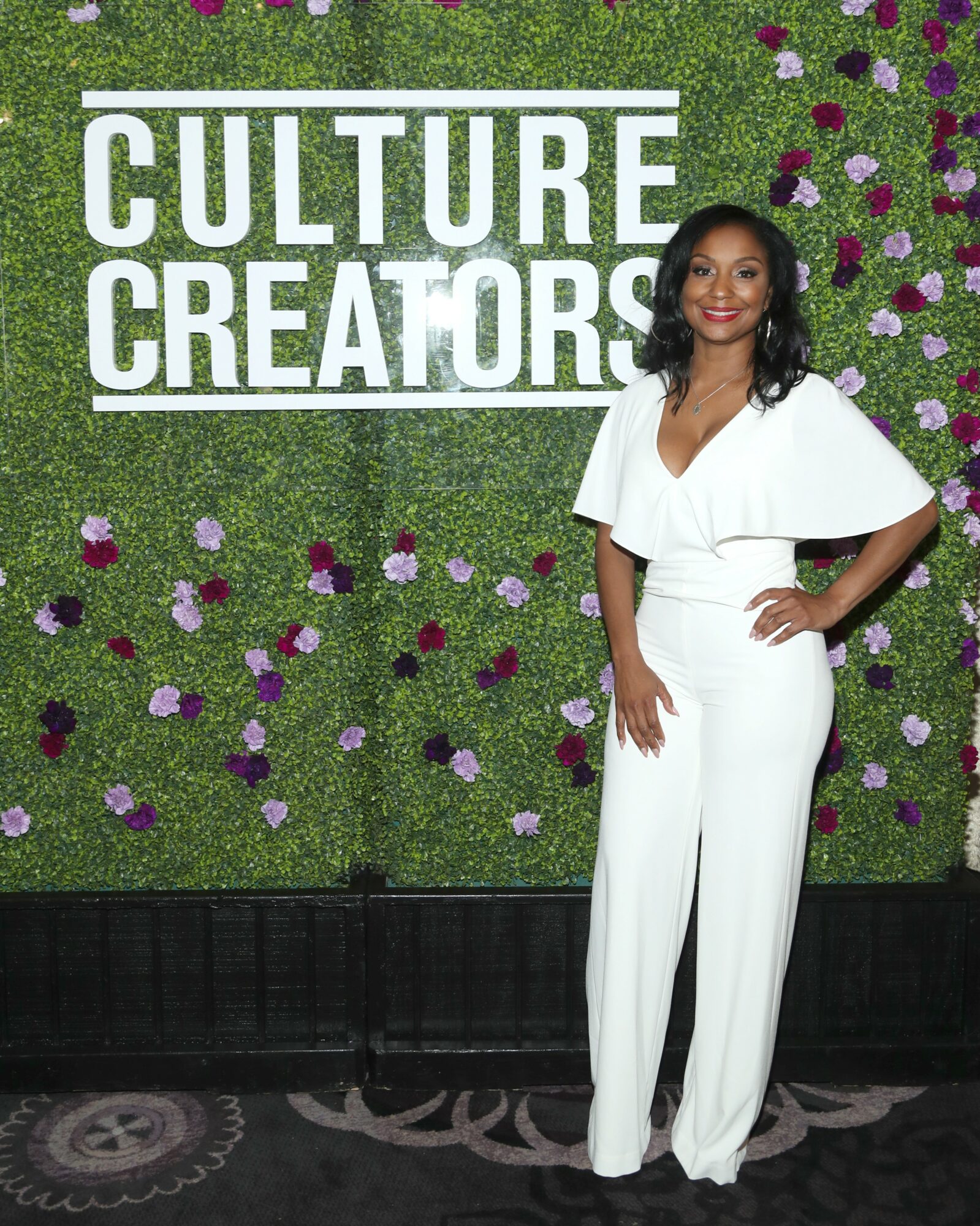
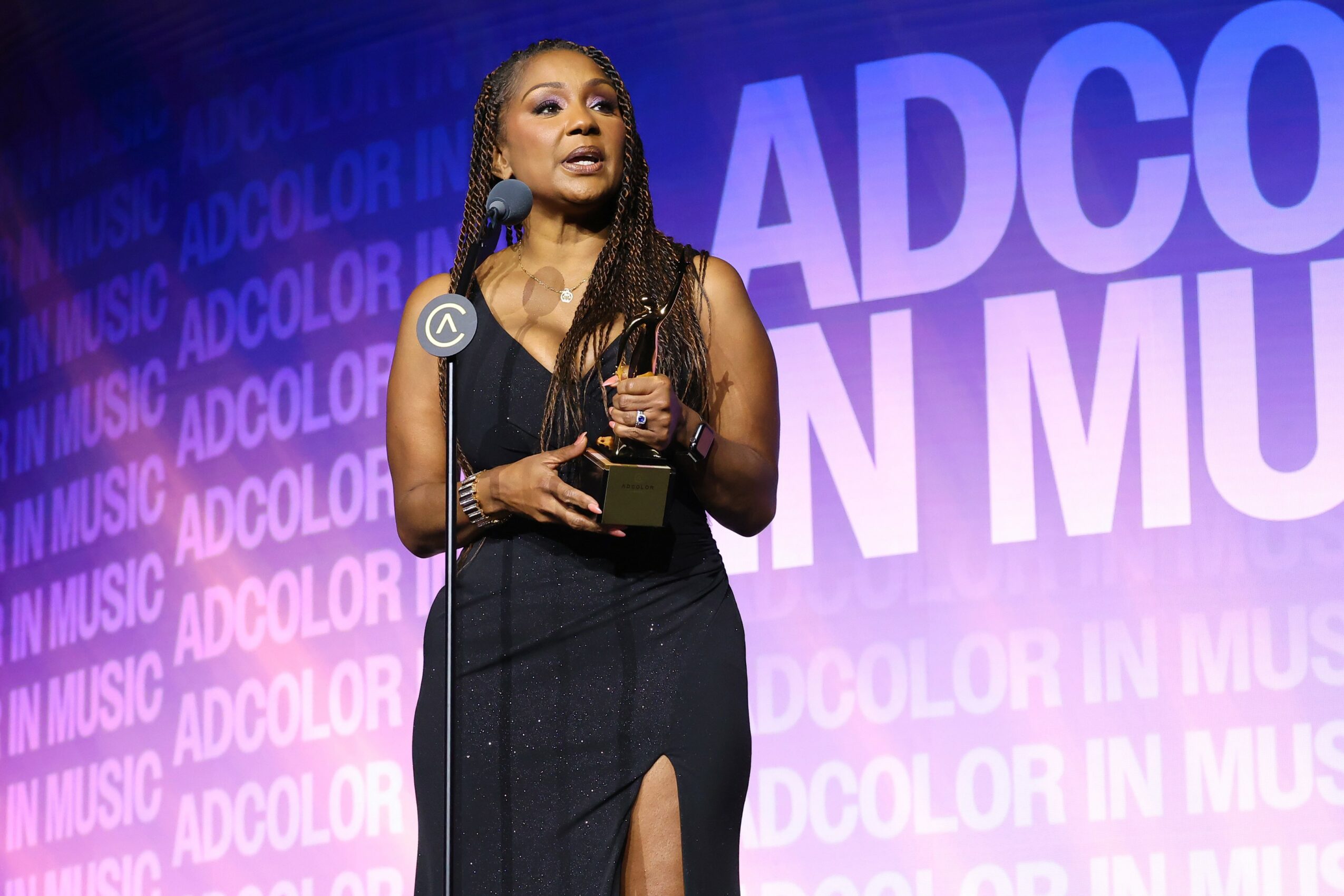
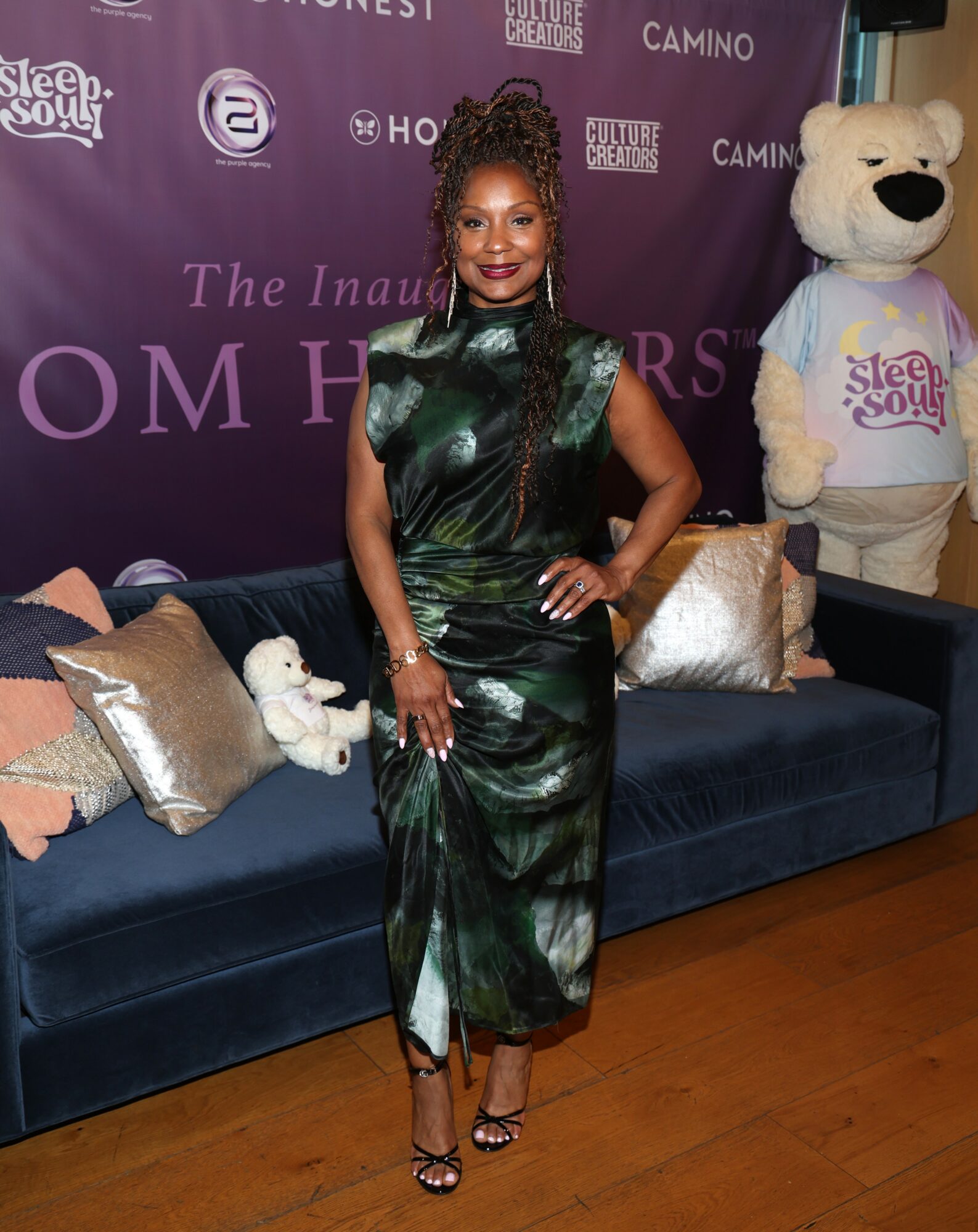
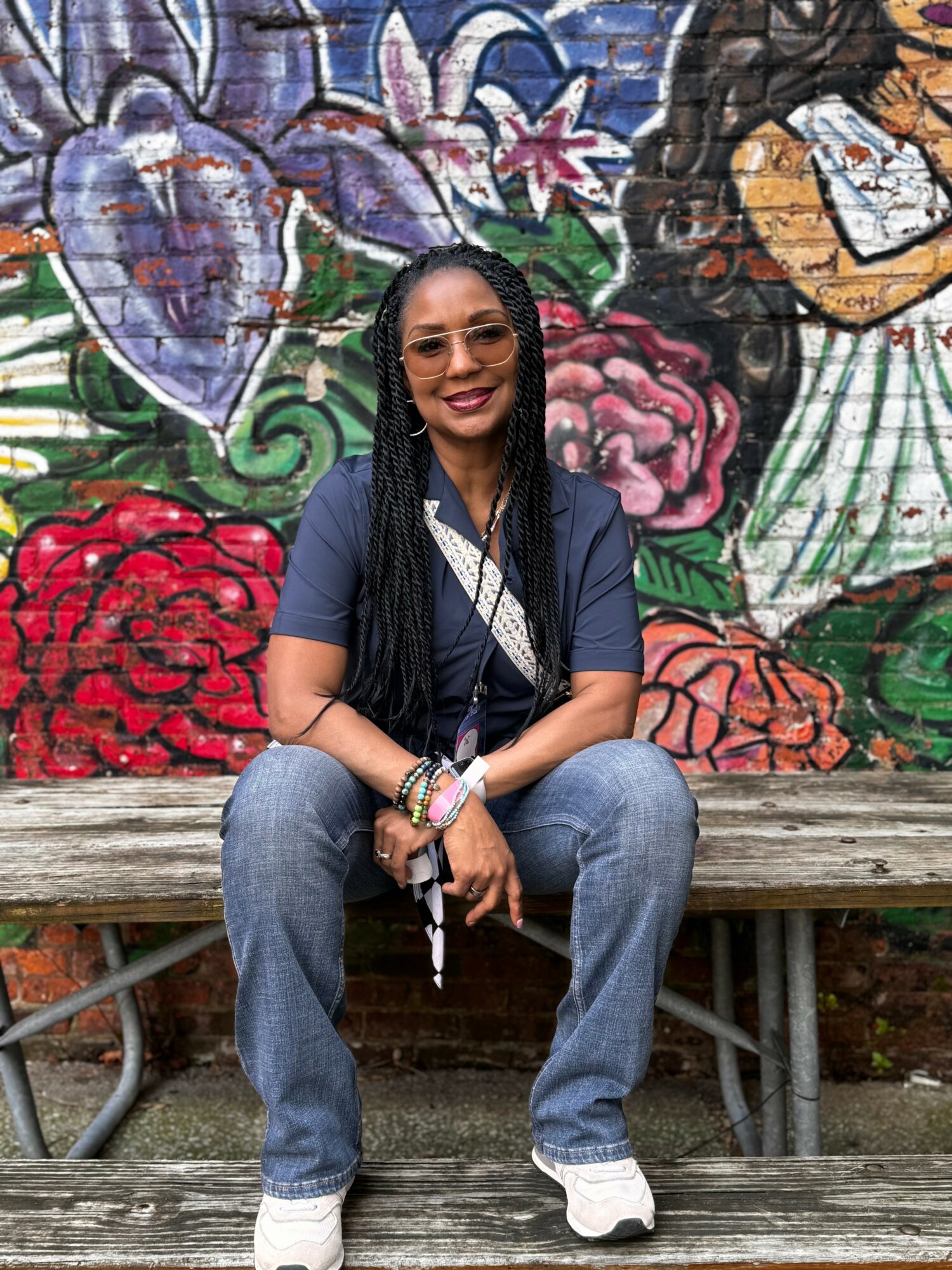
Image Credits
The green dress and white jumpsuit: Jerritt Clark
Popular
-
Maagic Collins on Building a Fearless Publishing Platform for Truth, Advocacy, and Underrepresented Voices
-
Los Angeles Barea on Turning Green Superheroes into a Global Movement for Youth-Led Change
-

Trisha DuVivier on Bridging the Franchisor–Franchisee Divide with Workhero and “Franulate”
-

Portraits of the Valley
-

LA’s Most Inspiring Stories
-
Cedar Boschan on Elevating Black Music Rights and Driving Urgent Conversations Around Credit, Equity, and Artist Protection


