



Today we’d like to introduce you to Grace.
Hi Grace, please kick things off for us with an introduction to yourself and your story.
I started out as a classically trained cellist pursuing a career in orchestral music. I had always written my own music for cello, piano, voice, and otherwise, but didn’t understand until my undergraduate studies at Ithaca College that people could study composition at a high academic level. After receiving a B.M. in Composition and a B.M. in Cello Performance, I decided to live in Ithaca for a couple of years, as I felt disconnected from the Ithaca community during school and wanted to experience the city more. I became more and more interested in the underground, more specifically punk, noise and ambient music, as I navigated the different scenes upstate. A turning point for me was finding pleasure in not limiting instruments to pleasantries; I found satisfaction and catharsis within the harsh and the strange. During these years, I also had more time to revisit my visual practice, now inspired by my new sound explorations. The growing, itching need to combine the visual and sonic led to an interest in sculpture and installation work. I applied and was accepted to the Experimental Sound Practices and Composition MFA at CalArts, as well as the Integrated Media Specialization, with the determination to create installation works. My time at CalArts was productive and fulfilling; I designed and executed three large scale solo installation works, integrated sculpture with experimental sonic performance, studied sound and visual programming, sculpture, sensor mapping, experimental improvisation, and circuitry. Going forward, I continue to be interested in tactile performance, in the investigation of connecting physical sensations with deeply felt emotion through sound, touch, and interactivity, both as a performer and as a viewer. Viscerality is paramount to me.
Can you talk to us a bit about the challenges and lessons you’ve learned along the way. Looking back would you say it’s been easy or smooth in retrospect?
My experience studying cello when I was younger was intense. It was so ingrained in me that music was a linear path; that I had to just keep working and striving towards a holy perfection. It was rewarding and exciting, and I am grateful that I had the opportunity to focus on music from a young age. At the same time, I became terrified of deviation; that anything away from what I learned was “correct” would guarantee my failure and demise. This pressure combines evilly with the experience of growing up femme and closeted, especially in a body that is not thin. The pressure to be thin, to be feminine and beautiful, and conform to musical perfection coalesced in a way that made me so fearful to accept myself as I was. But limiting my expression, both as a musician and as a person, felt uncomfortable, shallow, and impersonal, even when I was working my hardest and performing well. I slowly started to break out of my shell in undergrad, and came out as queer when I was 21, and then nonbinary when I was 23. But the experimental music scene and community in Ithaca, NY postgrad radically changed how I thought about art, performance, music, myself, and the connection between them all, and that’s when I felt a real shift in my practice and my goals as an artist. CalArts solidified this new truth for me and encouraged me to keep growing and pushing my boundaries. Being brave enough to deviate created a whole new world for me, and my work now feels deeply personal and true. It can be difficult and painful to create in this way, but I’ve been able to connect with so many people who can relate to my experiences through my art. That has been incredibly fulfilling and inspires me to continue my work forever.
Can you tell our readers more about what you do and what you think sets you apart from others?
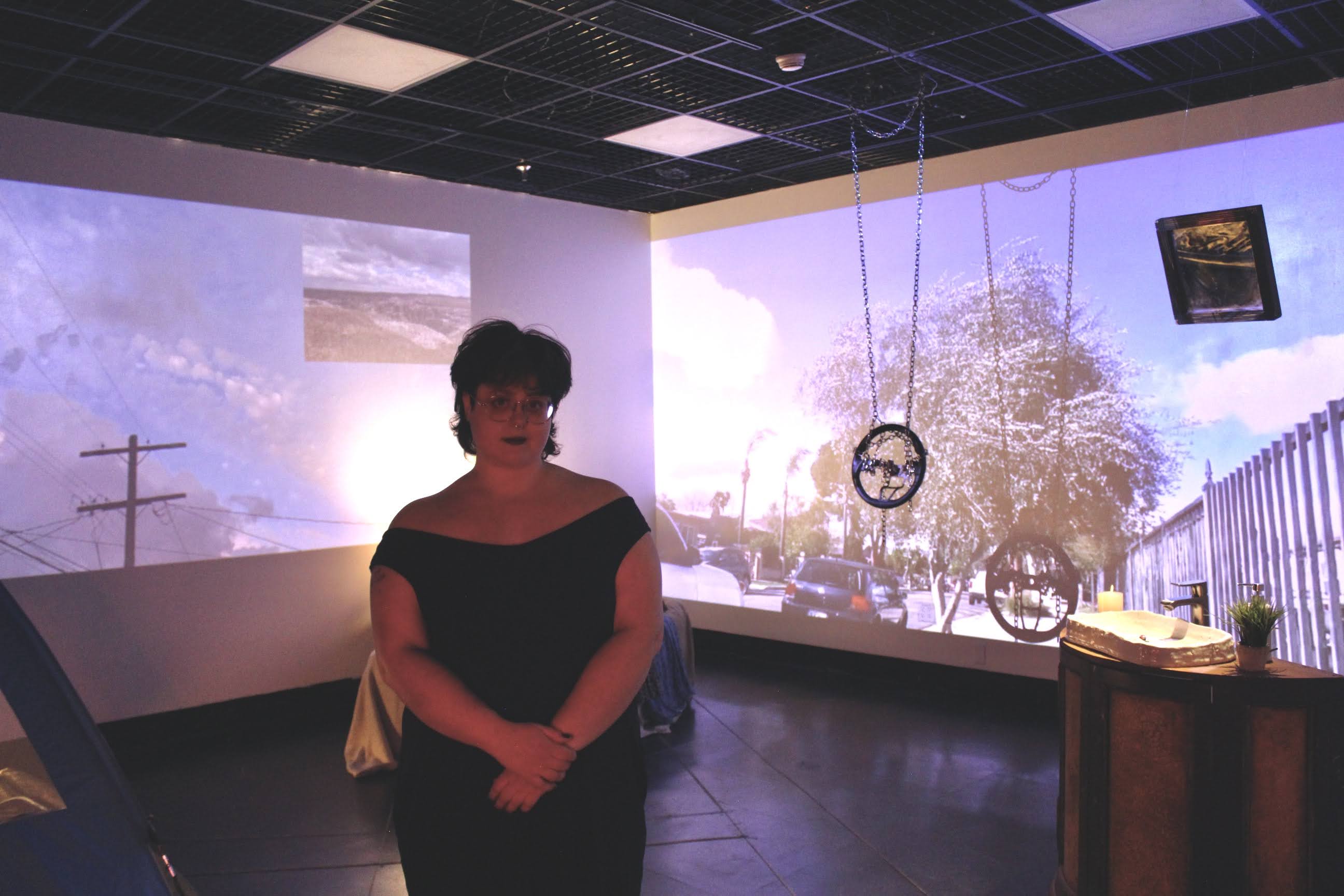
I feel like I am most known for live improvisation and installation work. I perform solo improvised sets, often using a combination of cello, found objects, analog pedals and mixers, and playable sculpture. I also perform on cello with a few different groups in LA, including Fabric Dissolver, the Jakob Heinemann Quartet, Mason Moy’s String Band, GEMZ, larger ensemble projects, recording projects, and orchestral concerts. Two of my proudest performances in LA would have to be opening for ML Buch at Zebulon in my duo with MK Velsorf, and playing in the October Revolution in Jazz Festival at 2220 Arts and Archives with GEMZ and You, Me, + The Whales Large Ensemble. In my installation work, I create immersive environments, inviting participants through a room using sculpture, sensors, video, and sound. I am particularly proud of my collaborative installation work “Fluxmata” with MA Harms and Geneviève Cecile as part of the Broiler Series at Oracle Egg, in which I attached 5 different contact microphones to a pottery wheel and live spun a vase whilst mixing the different audio signals from the wheel. I am also proud of my final installation at CalArts, “Take Me With You”, in which viewers shuffled through collages of text, video, and audio through sensor activated sculptures. This created a non-linear understanding of the work, culminating in a solo performance in which I activated the sensors in a specific order to reveal the linear narrative hiding beneath. The most important and notable parts of my practice are combining physical sensation with sound, or recalling one by conjuring the other, and using my personal experiences as vehicles for communication and connection.
What does success mean to you?
Meaningful work to me is visceral, authentic, and deliberate. If these three things permeate my work and are felt upon experiencing it, then I’ve succeeded as an artist.
Contact Info:
- Website: https://gracedashnaw.com
- Instagram: https://www.instagram.com/artofgrac/
- Youtube: https://www.youtube.com/@gracedashnaw
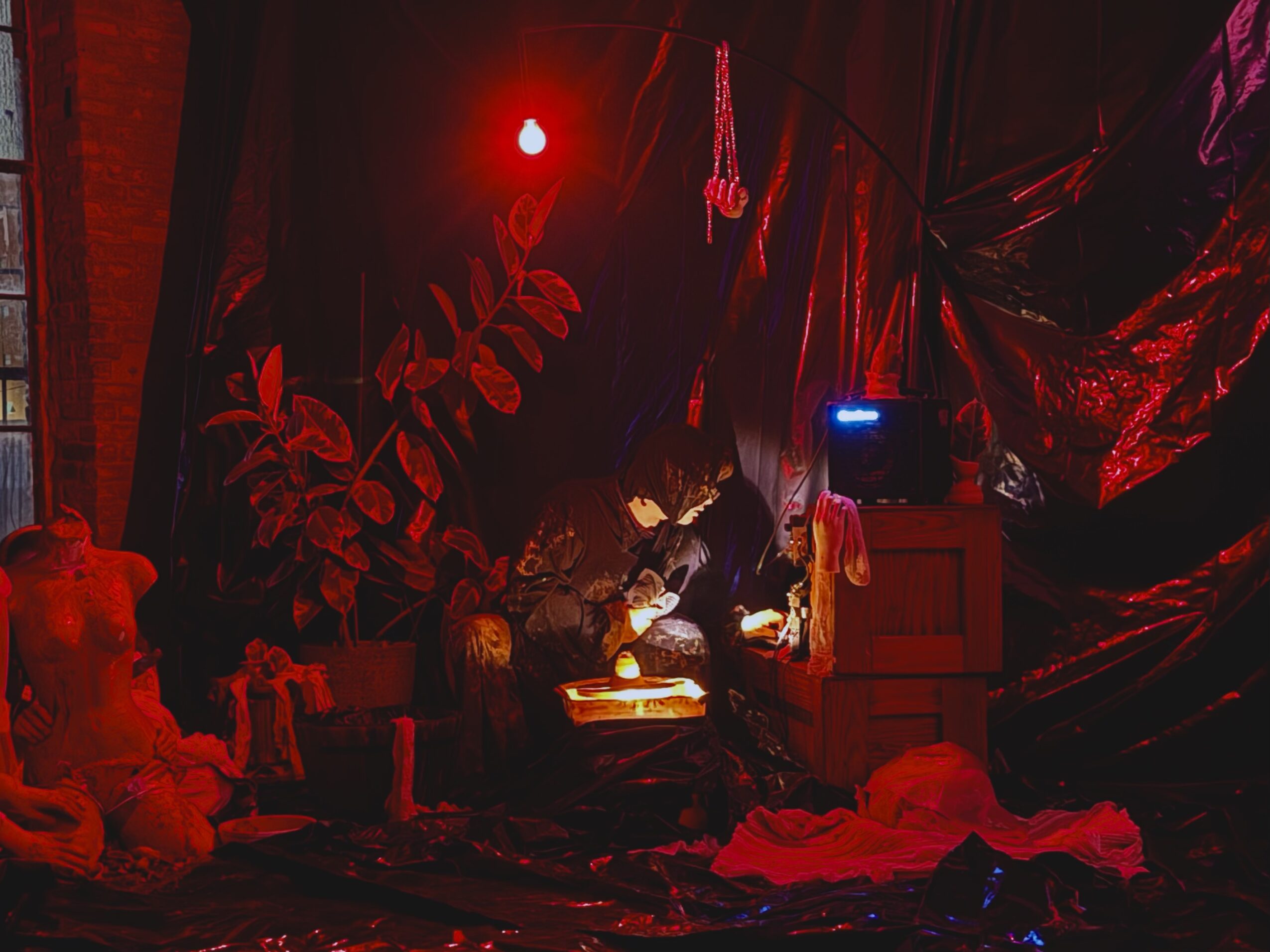
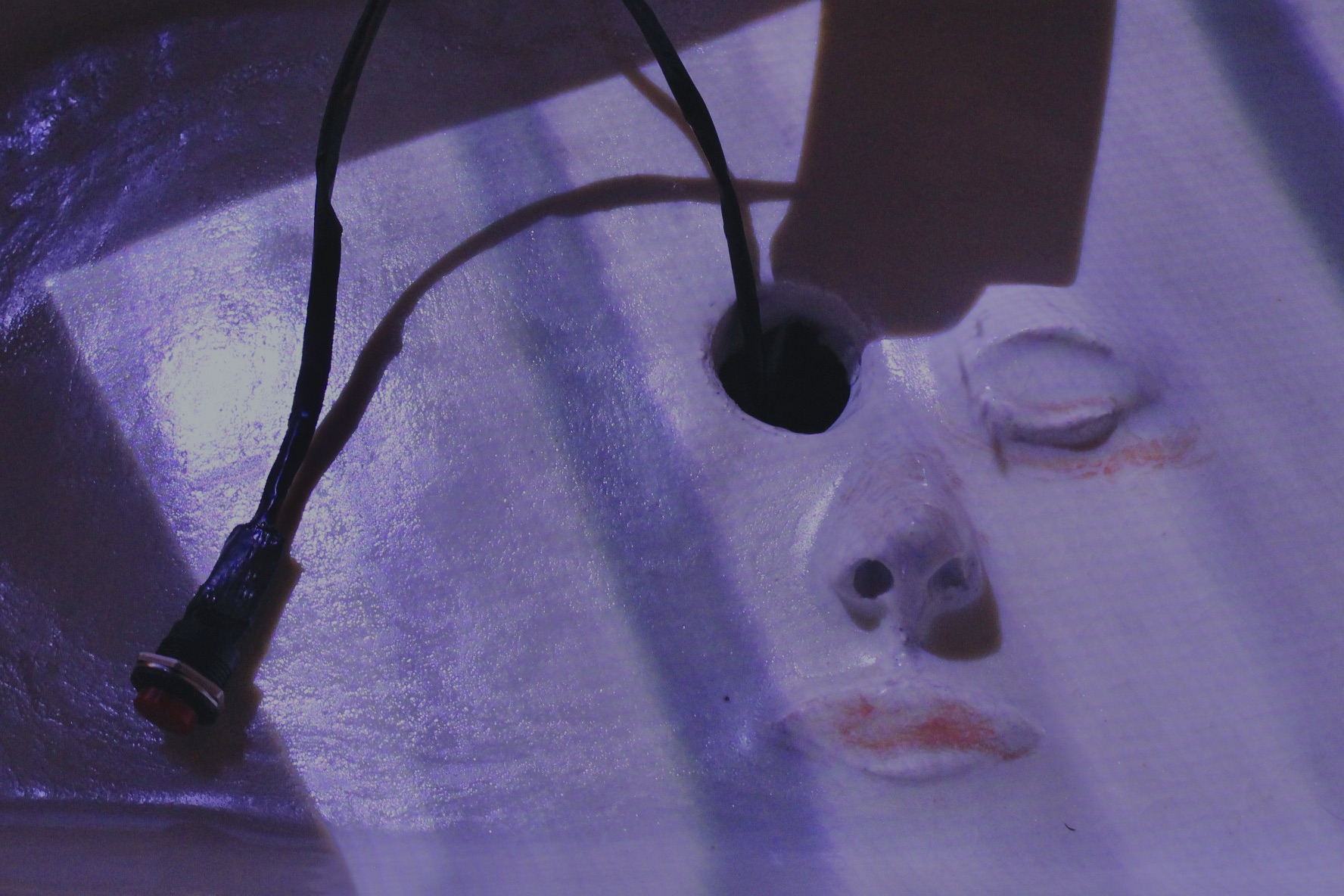
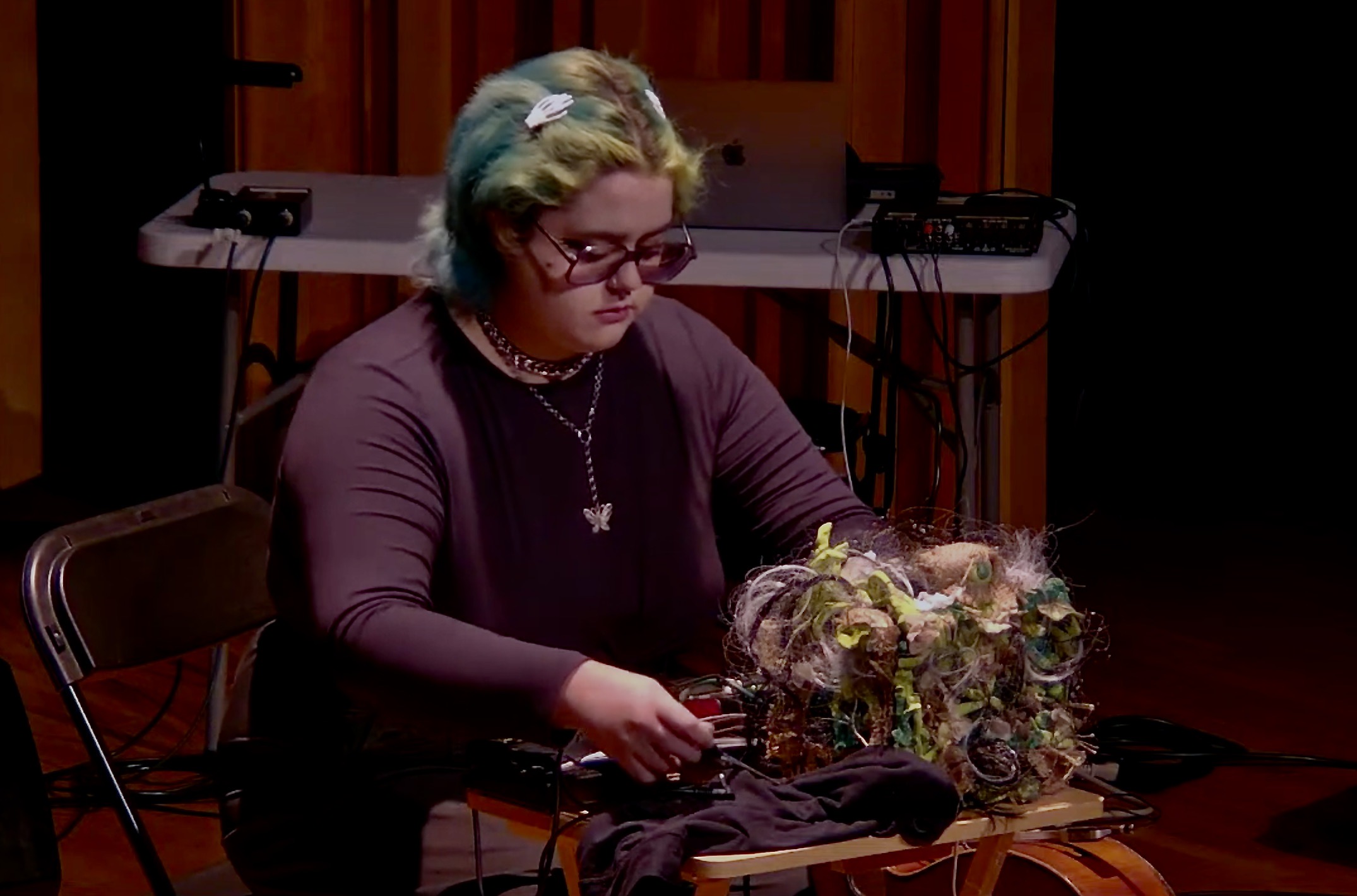
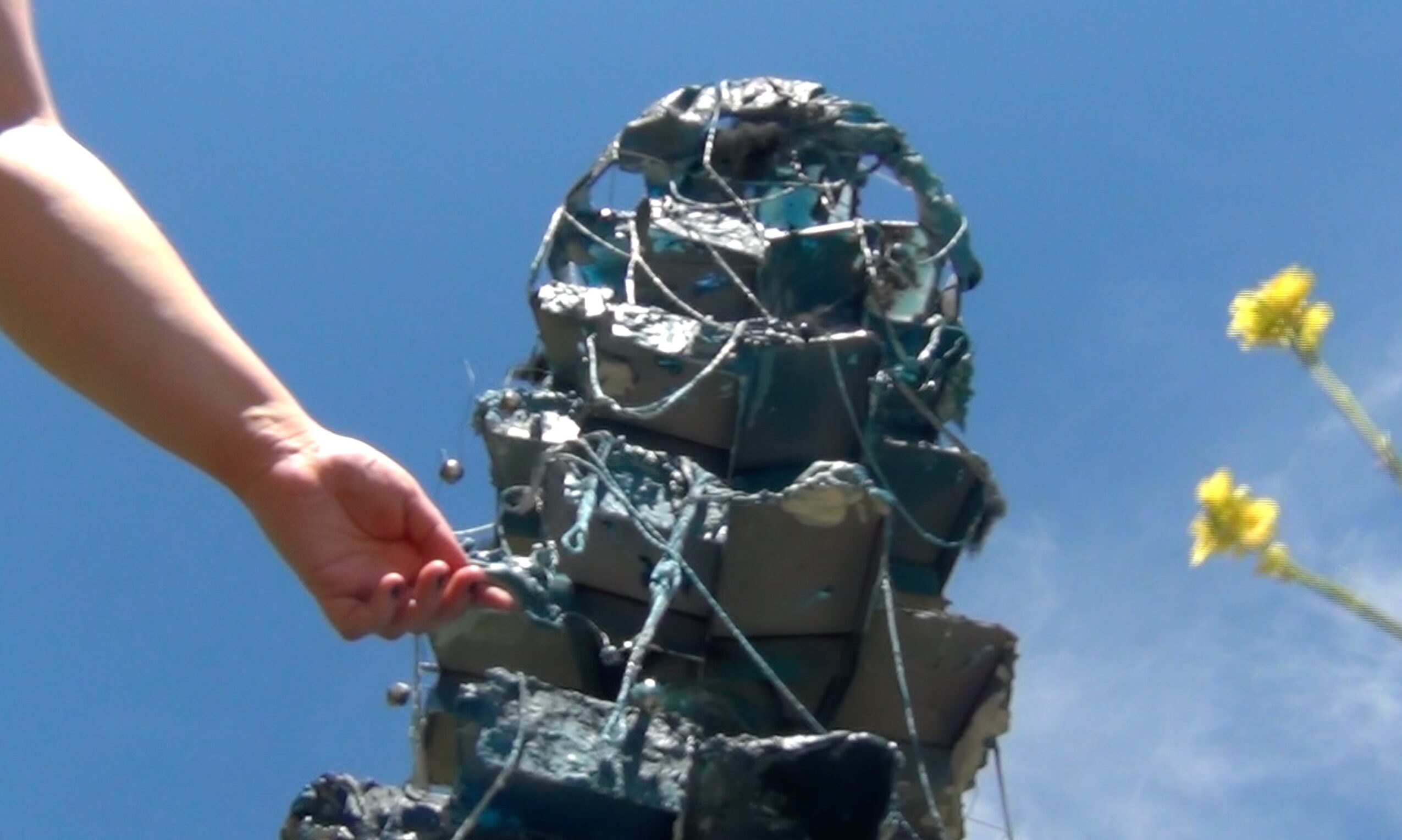
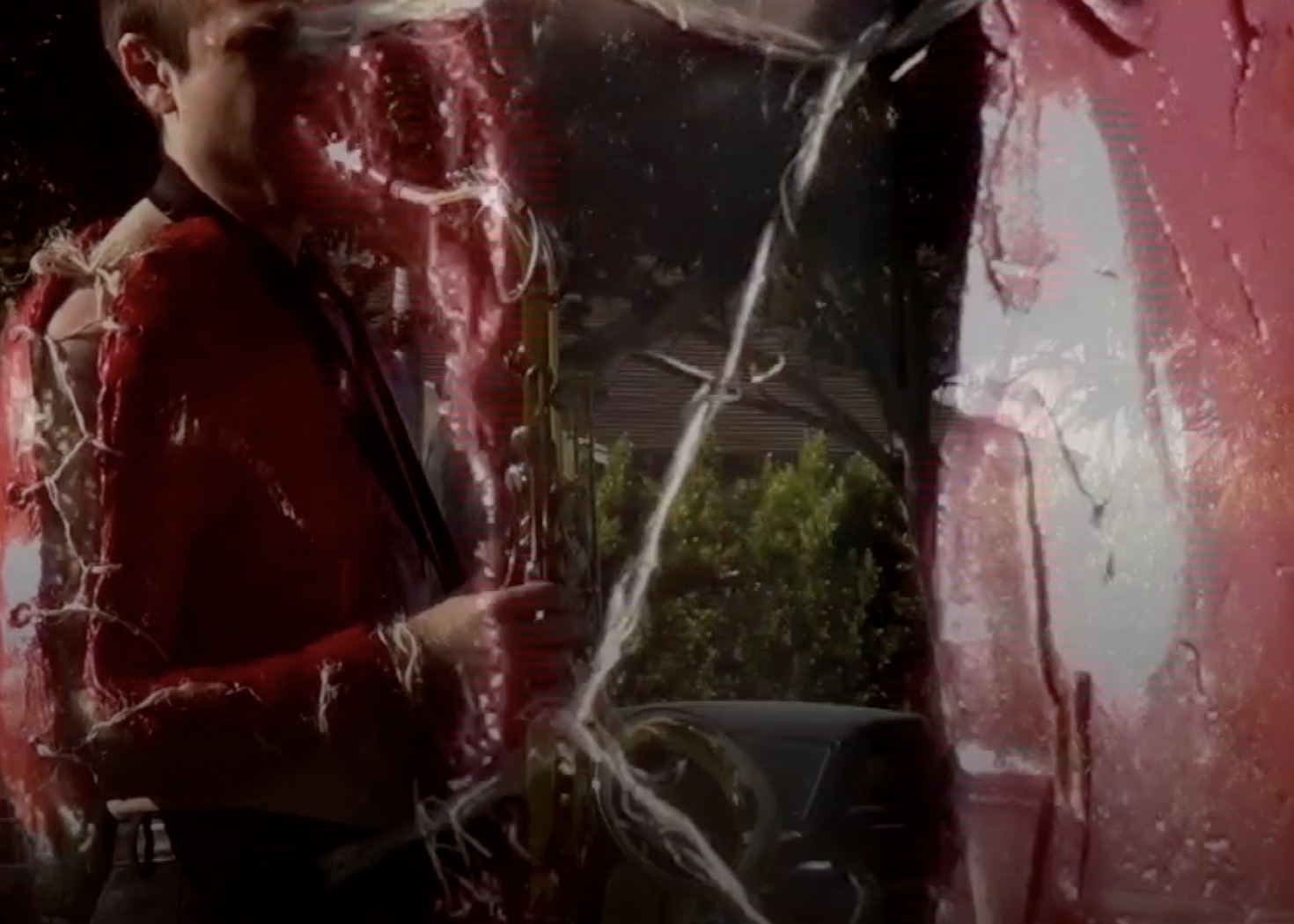
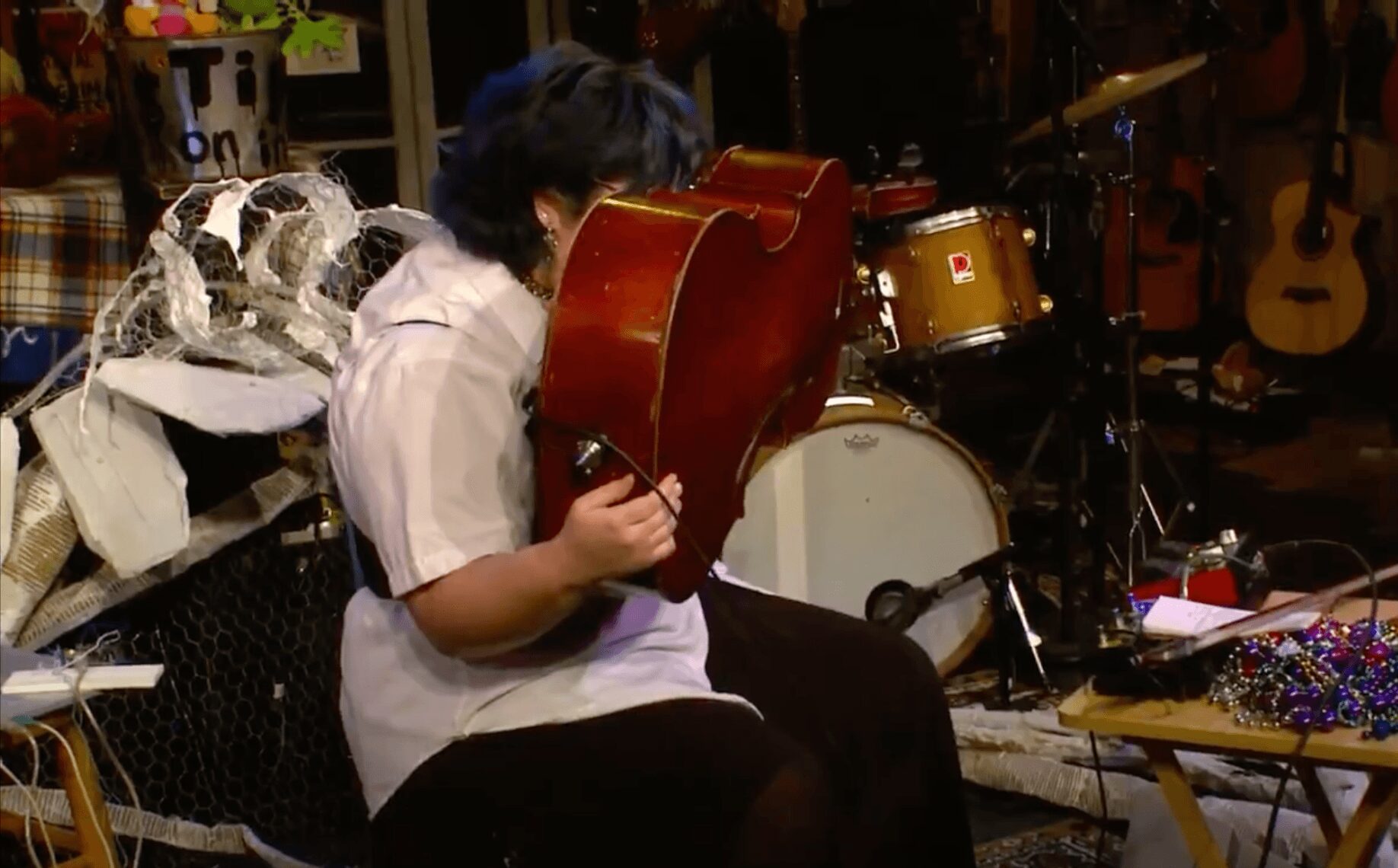
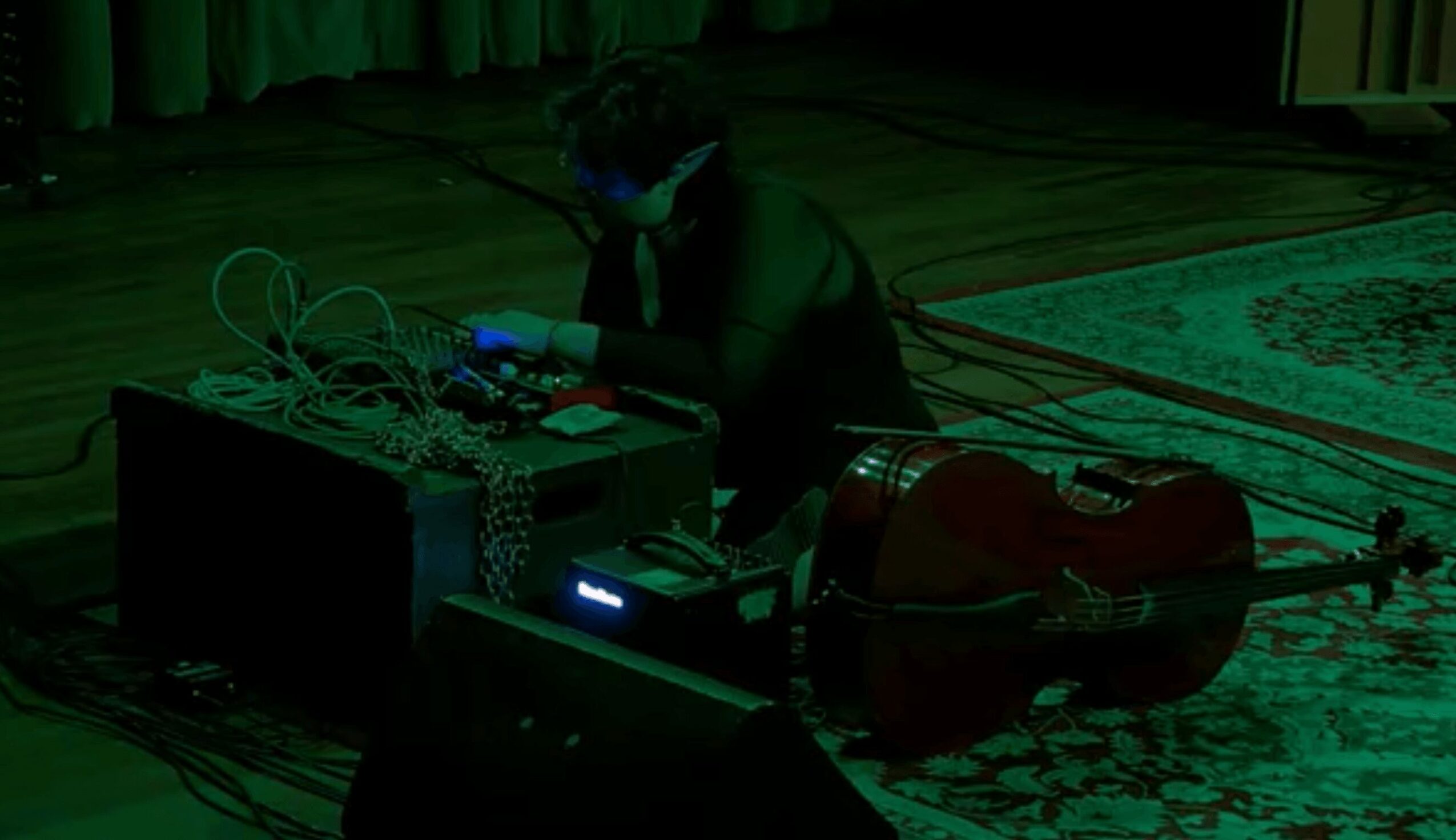
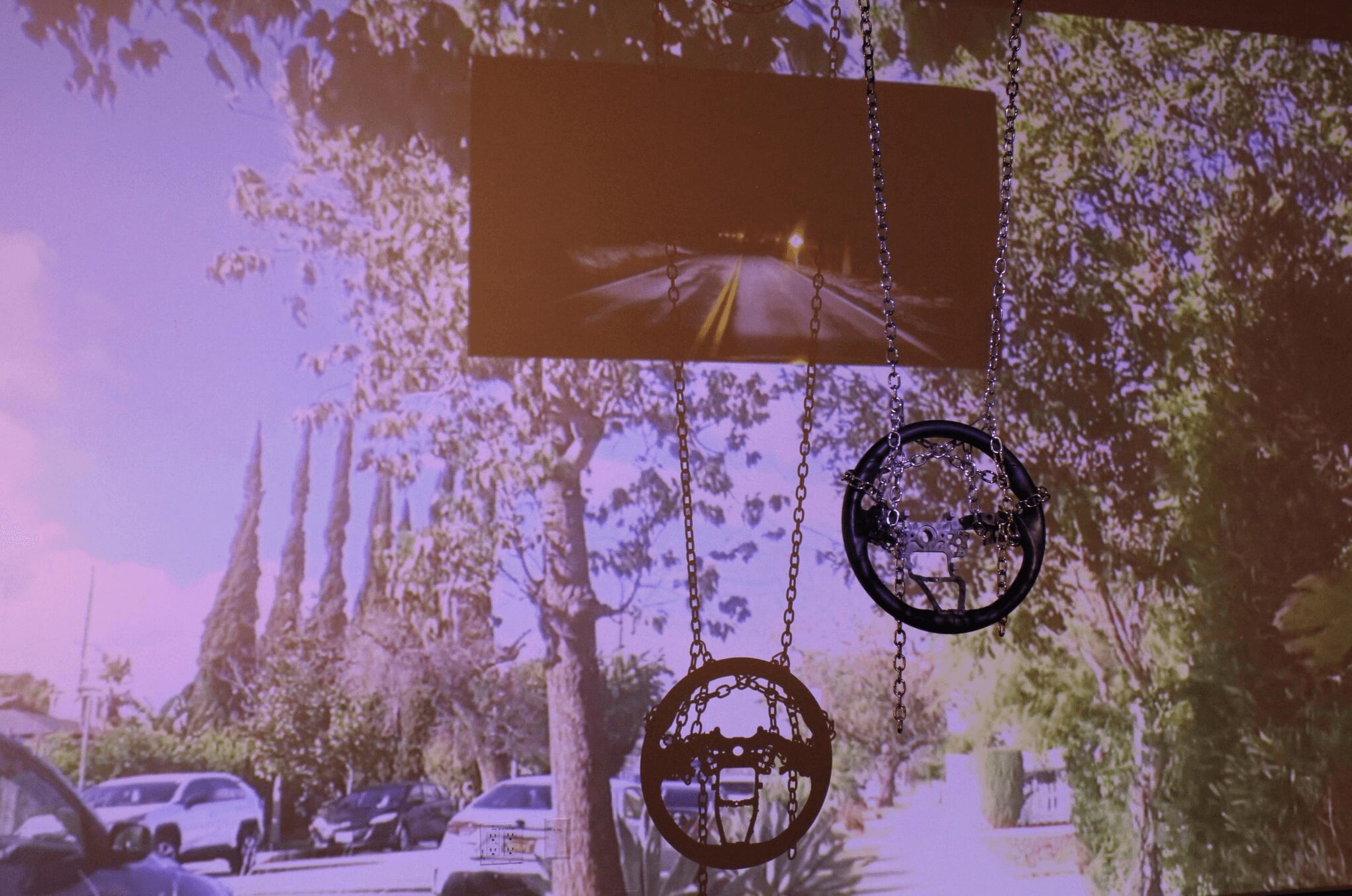
Image Credits
Lilliya Le Neveu
CalArts School of Music
Drew Gebhardt
Popular
-
Maagic Collins on Building a Fearless Publishing Platform for Truth, Advocacy, and Underrepresented Voices
-
Los Angeles Barea on Turning Green Superheroes into a Global Movement for Youth-Led Change
-

Trisha DuVivier on Bridging the Franchisor–Franchisee Divide with Workhero and “Franulate”
-

Portraits of the Valley
-

LA’s Most Inspiring Stories
-
Cedar Boschan on Elevating Black Music Rights and Driving Urgent Conversations Around Credit, Equity, and Artist Protection


