




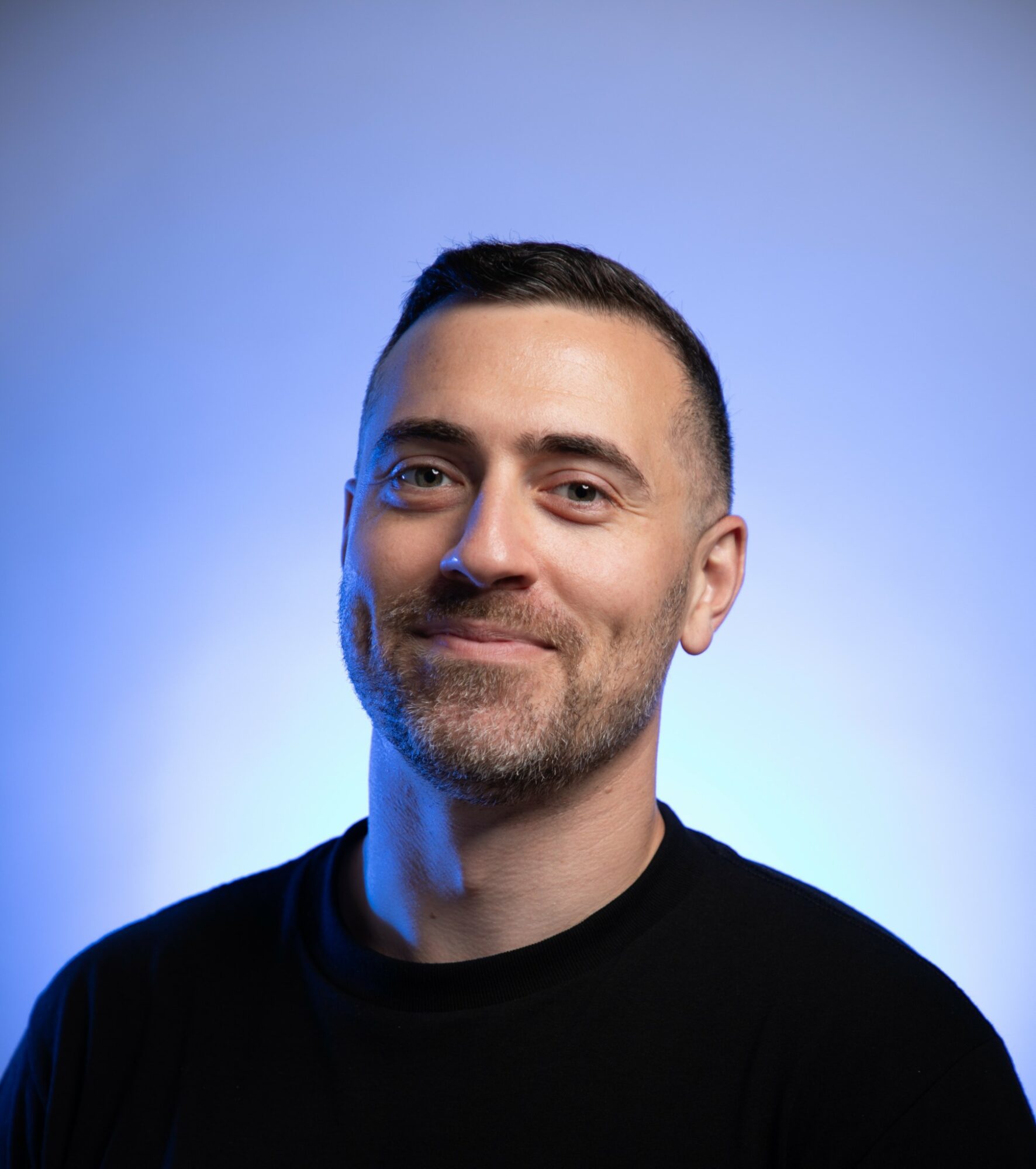
Alex Lazaris shared their story and experiences with us recently and you can find our conversation below.
Alex, we’re thrilled to have you with us today. Before we jump into your intro and the heart of the interview, let’s start with a bit of an ice breaker: What is something outside of work that is bringing you joy lately?
For the past couple months, I have been living abroad in London. The change in scenery has been incredibly inspiring, and brought me so much joy. I try to take advantage of every moment of sunshine and walk the London canals. Passing the canal boats, ducks and dramatic architecture is something I really cherish and will miss greatly when I am back in LA.
Can you briefly introduce yourself and share what makes you or your brand unique?
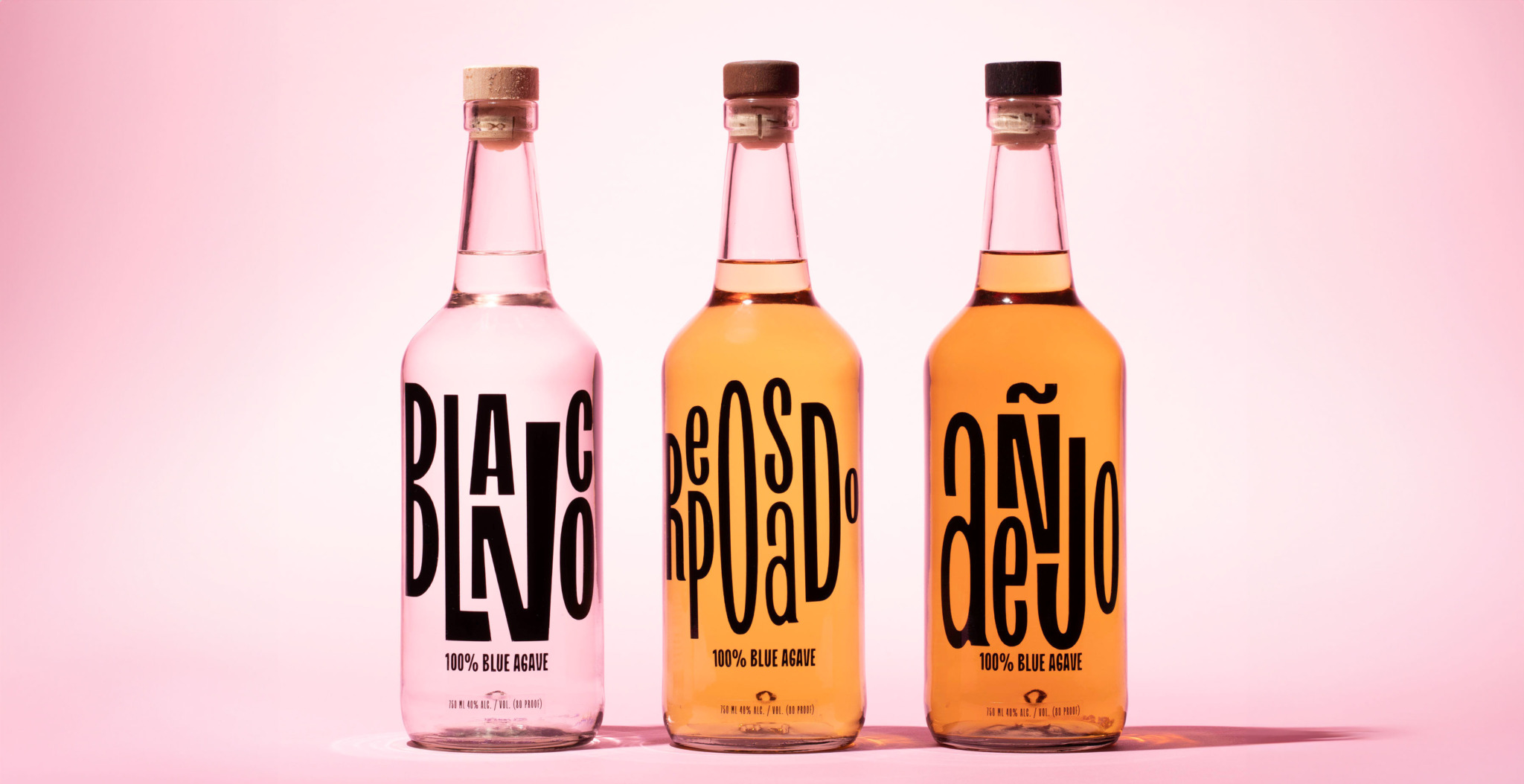
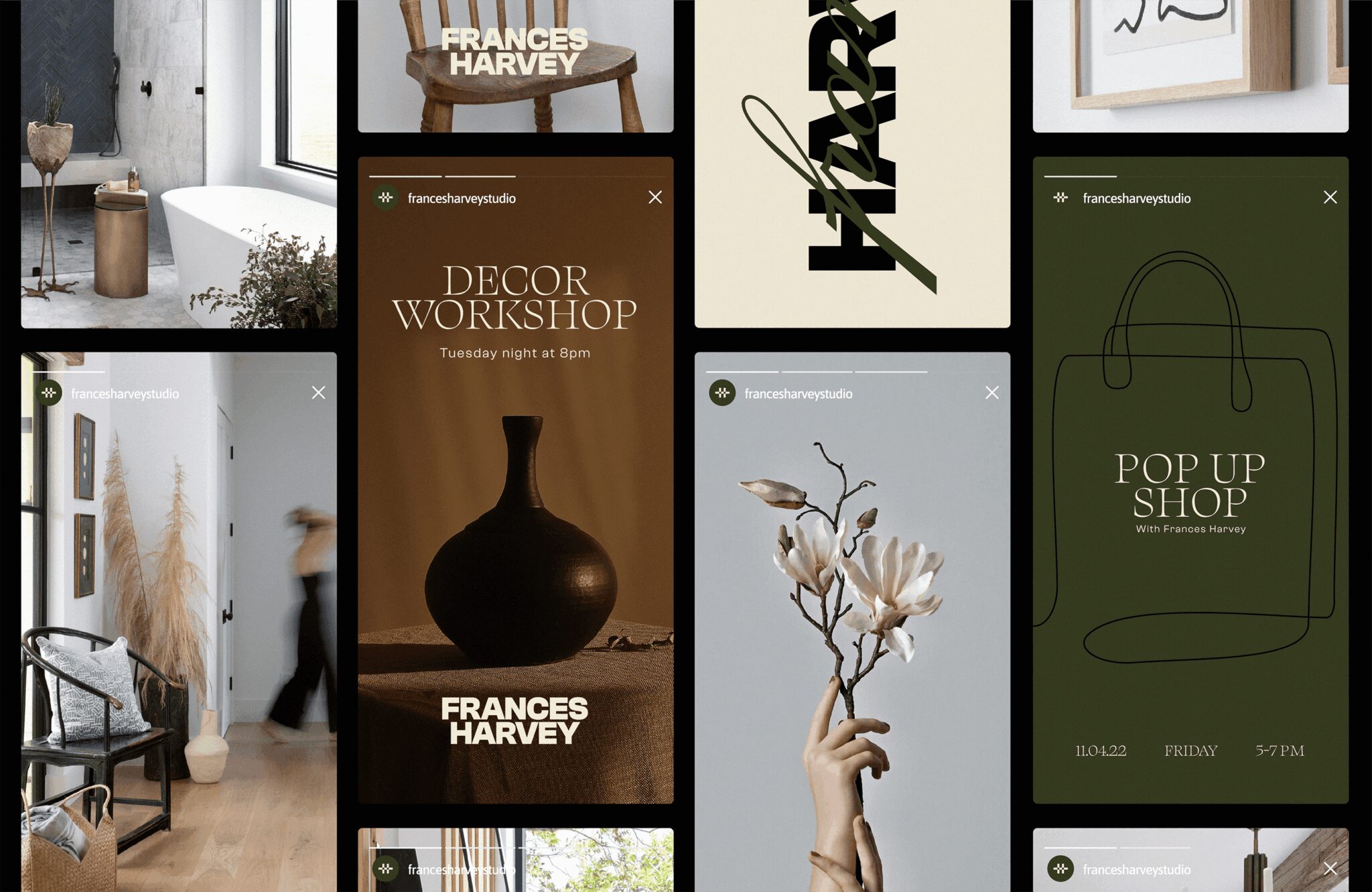
I run a branding and design studio called Lazaris. Outside of the creative industry; I’ve raced skateboards, motorcycles, and cars and love to ride the line between risk and reward. I try to bring this mentality to all of our studio projects where bold and enthusiastic ideas can truly shine.
Our studio is built around transforming our clients businesses, and helping them solve big audacious problems. Over the years, we have found that our approach of combining creative audacity with calculated risk-taking, yields the best results. We believe that pushing boundaries and experimenting is essential for brands to thrive in today’s competitive landscape.
Great, so let’s dive into your journey a bit more. What breaks the bonds between people—and what restores them?
We are seeing an algorithmic driven epidemic of bond breaking at a global scale. Maybe that sentence is too buzz wordy, but I believe that as relationships have moved more online over the last decade and a half, we have seen a steady rise of polarization and a quickness to dismiss others and cut them out of our lives. The social media platforms where so many people base their relationships are optimized for attention, outrage, and comparison. Over time trust, empathy and nuance becomes suppressed as it lacks the outrage that drives time on platform (money). Hanging out with people offline in physical spaces and sharing lived experiences is how humanity has existed before these tech platforms ever did. In face-to-face meetings, people listen, disagreements can be aired out with nuance and empathy, and people can rebuild trust through time, effort, and genuine connection rather than algorithmic interference. I believe over the next few years we will see a growing trend of people going back offline and building communities like we have done since the dawn of mankind.
What’s something you changed your mind about after failing hard?
As a lifelong athlete, I quickly learned about failure. Training from childhood to university as a soccer goalkeeper, becoming a professional downhill skateboard racer, and an amateur motorcycle and car racer, I learned to view failure as data, not a blocker. In all these sports one mistake is visible, costly, and often decisive. You don’t get to hide it. You either learn to reset instantly or you don’t last.
Those experiences taught me resilience. Not the motivational kind, but the practical kind. You learn to treat failure as information, not identity. You move from fearing big, public mistakes to embracing constant small failures as part of the process.
That mindset fundamentally shapes how we work at Lazaris. In the creative process, we test, push, discard, and refine relentlessly. Small failures early allow us to avoid catastrophic ones later. It’s how we arrive at sharper strategy, braver creative, and results that actually move the needle for our partners. Failure stopped being the enemy. It became the engine.
So a lot of these questions go deep, but if you are open to it, we’ve got a few more questions that we’d love to get your take on. How do you differentiate between fads and real foundational shifts?
The easiest way to differentiate between fads and foundational shifts are through understanding customer behavior, incentives/results and time.
Matcha= fad.
Customer buying patterns = foundational shift
Ok my shade for matcha aside. Fashion is a really great area to see fads vs shifts. Living in LA, all it takes is one trip to a trendy brunch spot to see a handful of fads (microtrends) all in one spot. During covid the rise of microtrends really gripped the fashion world due to algorithm’s pushing trend content to viewers and fast fashion retailers rising to respond to these demands with products. We saw trends such as Auntiecore, gorpcore, clowncore, bikercore, normcore, cottagecore, sardinecore etc. People were doing massive hauls of clothes assuming that their consumption/spending/participation in these trends would somehow solve any anxiety, lack of social connection, and insecurities they had. People were left with a bunch of cheaply and unethically made clothing that fell apart just as quickly as the microtrend was over.
There is a slow burning foundational shift happening in fashion right now. The shift is driven by a couple of large factors; corporate greed (prices are way up, quality is way down), tariff uncertainty, and larger economic shifts of it’s customers. This shift in poor quality, astronomical prices and not having extra cash in customer pockets is training customers to just not buy products. Even luxury brands are being hit with the economic slowdown as fashion buyers slow down their spending habits. When basic clothing is being priced at what luxury prices were just 5 years ago, customers are going to be more selective when buying. Customers are slowly moving away from fast fashion and turning to vintage items that were constructed better, and when buying a new piece are going to look closer at construction and purchasing for life, rather than a TikTok trend. This shift will escalate more rapidly as economic uncertainty continues to take hold.
Okay, so before we go, let’s tackle one more area. If you retired tomorrow, what would your customers miss most?
They’d miss the clarity and care that comes from working with us.
We view every client partnership as a relationship in trust and respect. We meet our clients where they are in both communication and messaging. We promise from the outset to be clear, concise and never to take advantage of the trust they give us. Most brands don’t fail because of a lack of ideas or effort. They fail because everything is noisy, reactive, and disconnected. What our partners value most is our ability to cut through that noise, ask the uncomfortable questions, and bring focus to what actually matters.
We don’t just make things look better. We help teams see their business, their brand, and their opportunity with precision. That clarity and care turns uncertainty into momentum and ideas into systems that last. If we disappeared tomorrow, that steady hand, that way of thinking, is what they’d feel gone.
Contact Info:
- Linkedin: https://www.linkedin.com/company/lazaris


Popular
-

Rick Norris Learned That Building a Successful Business Means Building a Life You Actually Want to Live
-

How Olivia Rush Turned Survival Into a Mission to Help Others Keep Going
-

LA’s Most Inspiring Stories
-

Portraits of the Valley
-

How Bibi Goldstein Is Helping Entrepreneurs Reclaim Their Time by Embracing the Power of Delegation
-

Victoria Hasson is Redefining Voice Coaching Through Community and Collaboration


