




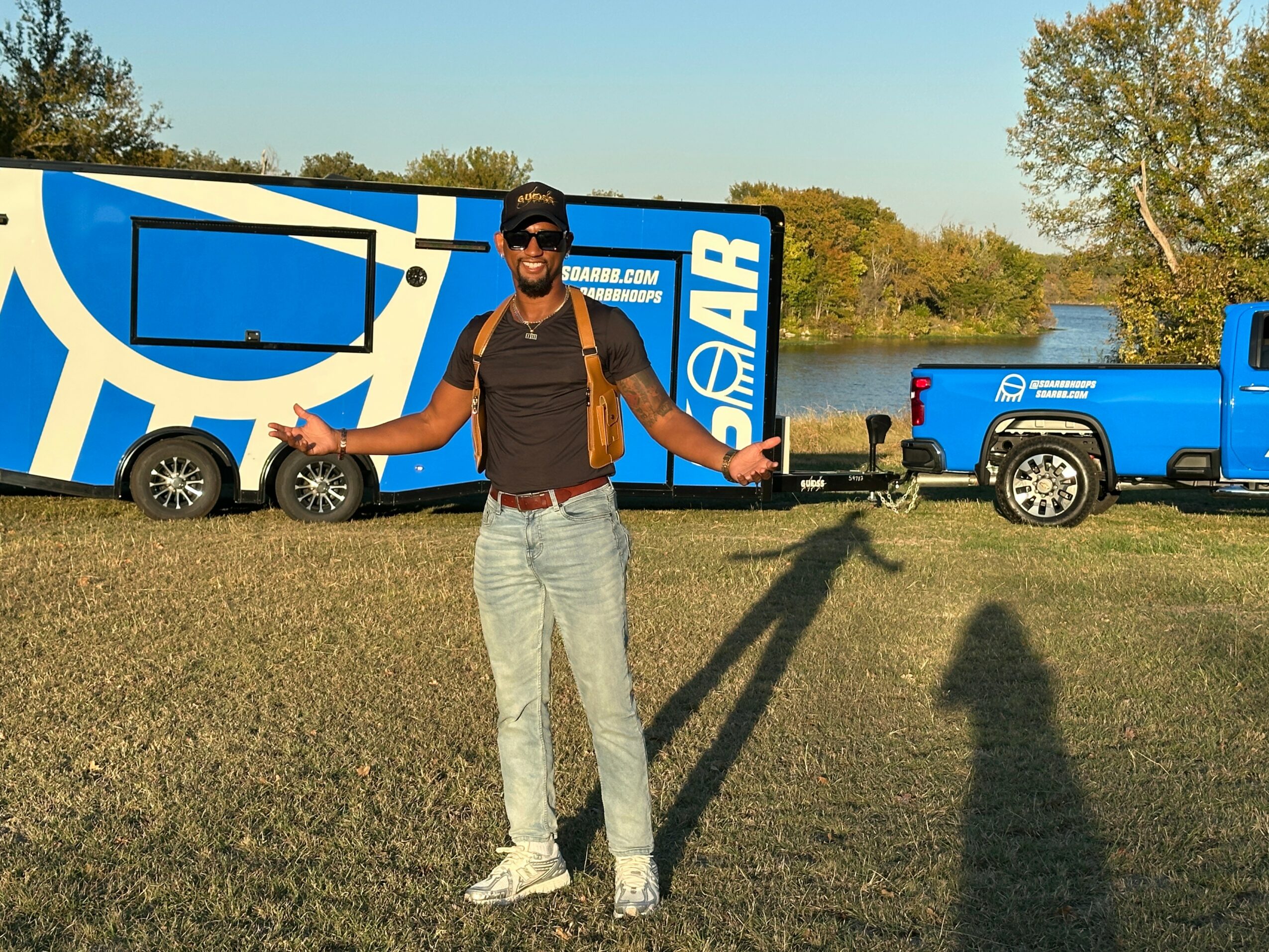
Today we’d like to introduce you to Gueston Smith.
Hi Gueston, we’d love for you to start by introducing yourself.
My name is Gueston. It was inspired by the character “Gaston” from Beauty and the Beast, but the spelling was changed to give me my own identity. I’m grateful for that. Having a unique name played a big role in shaping how I see the world. Knowing there aren’t many Guestons out there encouraged me to think differently. It created an early opportunity to define my own identity, purpose, and direction. Platforms like Voyage LA give me space to strengthen my personal voice, and I value that deeply.
I was raised to be independent and to make my own decisions. I didn’t grow up asking for permission. I grew up learning through movement, exploration, and building things. I’m from Funkytown, Fort Worth, Texas, and if you know anything about that area in the 90s, you know the freedom we had to just be kids. I spent my time climbing roofs, building clubhouses from curbside materials, riding bikes, ATVs, and go-karts, playing sports, and figuring things out through trial and error. That physical, hands-on way of learning shaped how I understand space and systems today.
Like many young Black boys in the 90s, much of my character was forged through sports and competition. I loved to win, but I also learned early how to regulate my emotions. I wasn’t a sore loser. I was reflective. I would step back, analyze what happened, integrate the lesson, and try again. I saw early on that growth comes from consistency and effort. I don’t remember a time when I didn’t understand that results are earned. That perspective came from having parents who chose to break cycles, and I’m grateful for that foundation.
Education was always important to me. I valued my mind and learning how things worked. I had a natural pull toward both art and science, taking AP Art and AP Physics in high school. That curiosity led me to earn my Bachelor of Architecture from USC, where I became deeply interested in how architecture intersects with culture, identity, and real-world application. My focus was never just aesthetics or pretty forms, it was about how spaces perform, adapt, and support human behavior.
After school, I worked in both corporate and design-build environments, including Raytheon and later Kubed Living, where I served as Head of Design. At Kubed Living, I led the design and development of modular and shipping-container-based residential and commercial projects totaling over $5 million in built value.
Over time, I noticed a consistent gap between how space is traditionally delivered and how people actually live and work especially for entrepreneurs, contractors, and organizations whose operations aren’t static. That realization led me to evolve Guesscreative from a tool to build my own personal freedom into an infrastructure that enables others to create theirs.
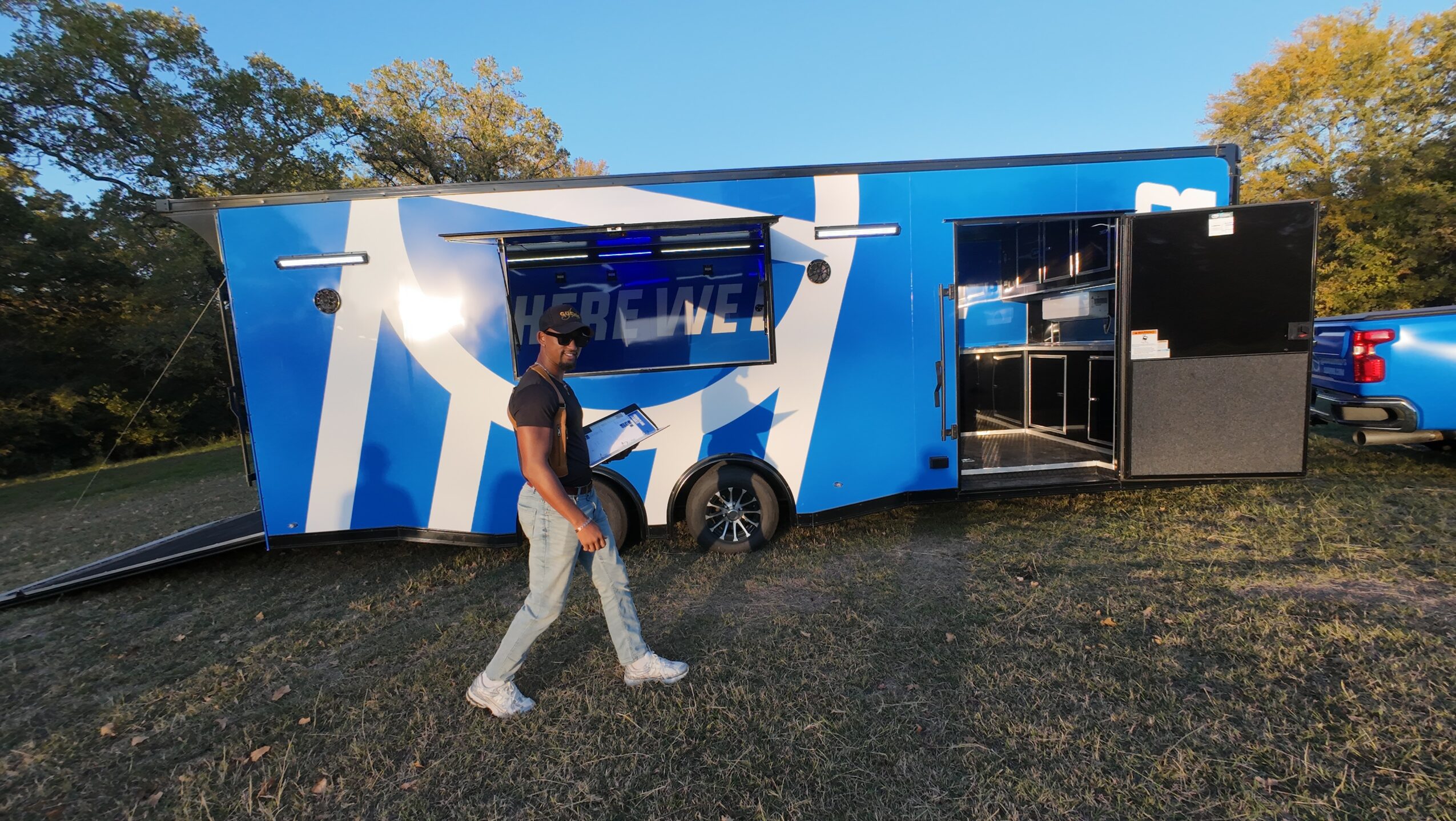
Guesscreative specializes in what I call Spatial Entrepreneurship, which reframes movable, modular, and deployable space as a business asset that encourages flow, human curiosity, and the exchange of ideas rather than relying on fixed locations that require people to come to them. It’s about meeting people where they are and designing environments that move with opportunity.
At its core, the work plays to curiosity, interaction, and exchange which are fundamental aspects of human behavior. We’re interested in contributing to a freer, more dynamic market by designing spaces that lower friction and expand access. Our goal is to develop movable environments that can impact every sector of society, including learning spaces, living spaces, healing spaces, and spaces designed specifically for value exchange and connection.
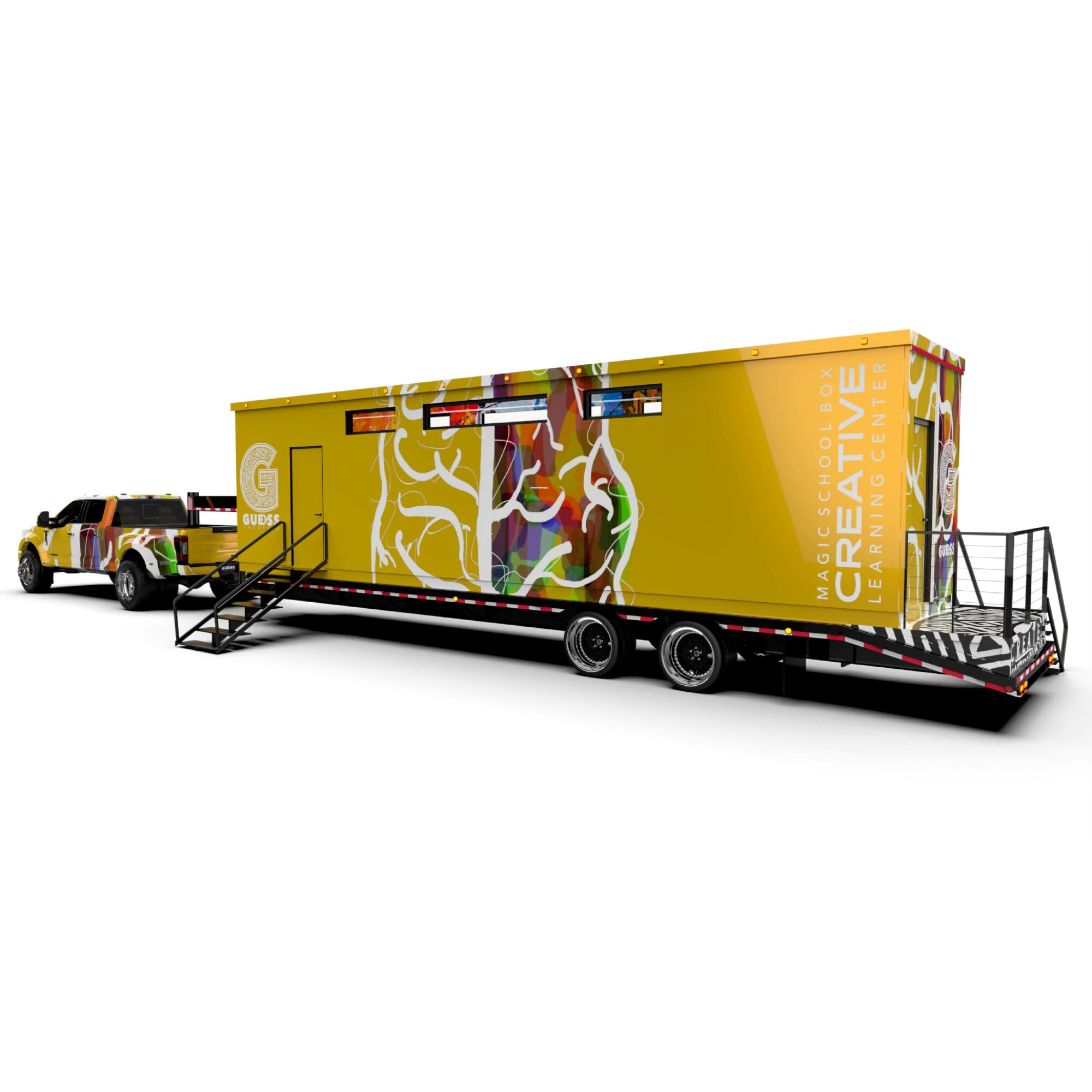
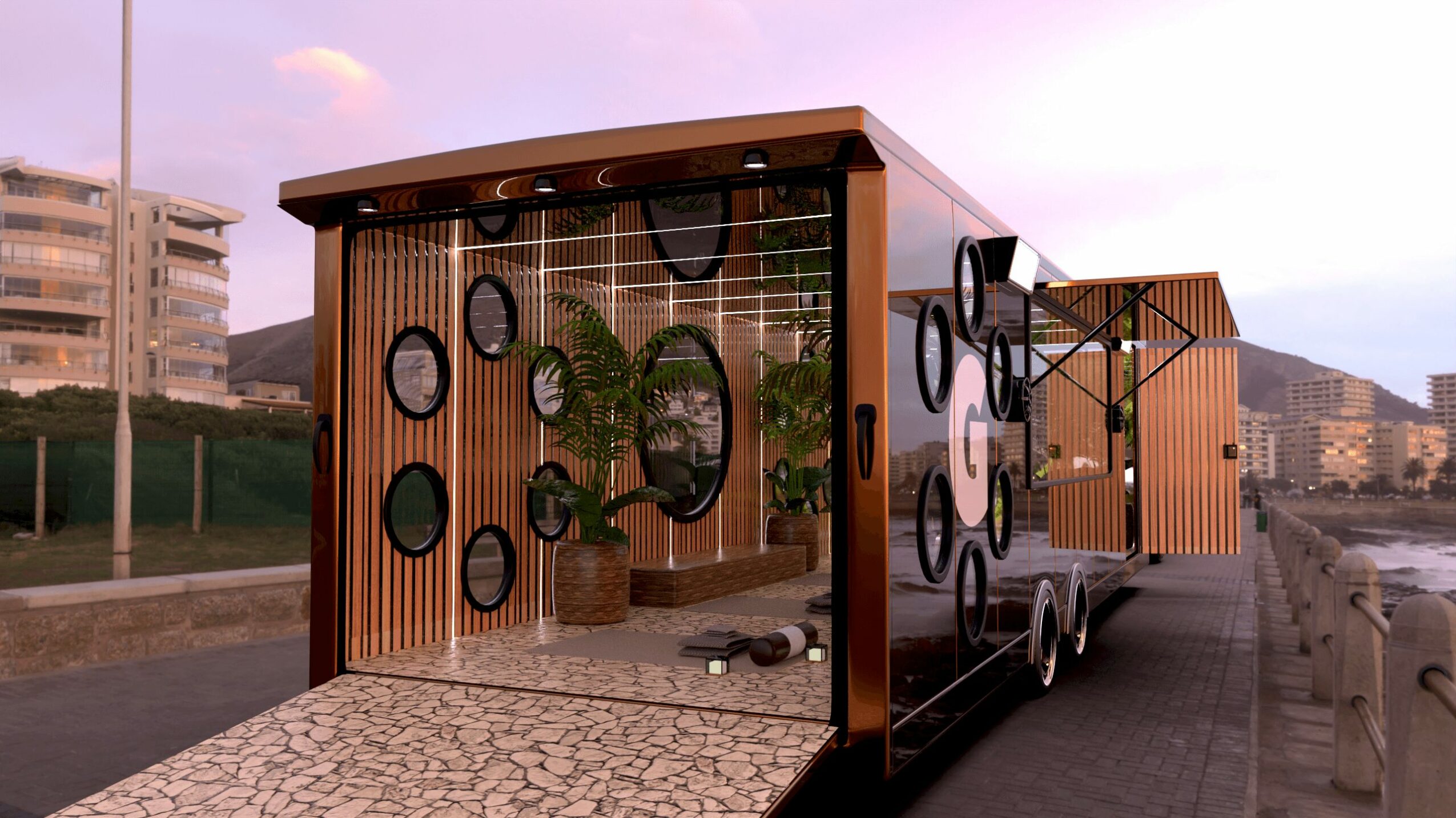
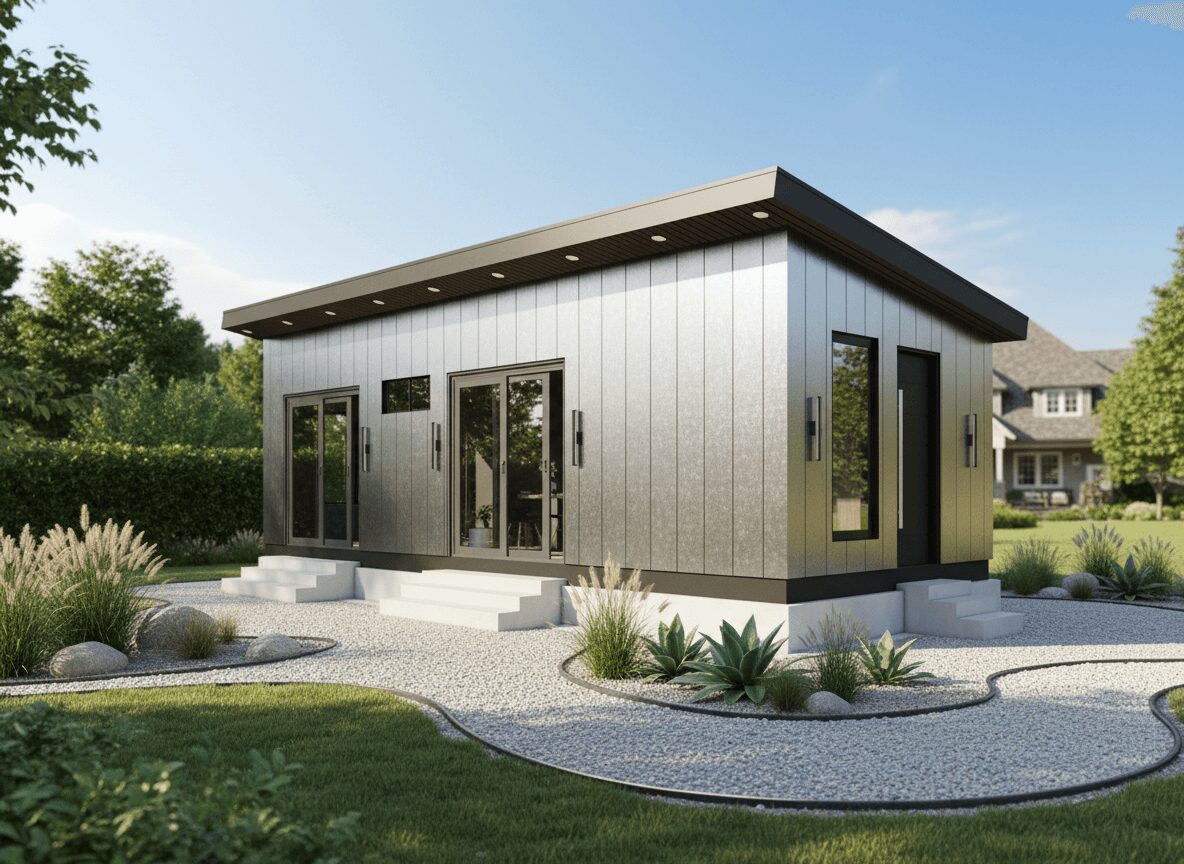
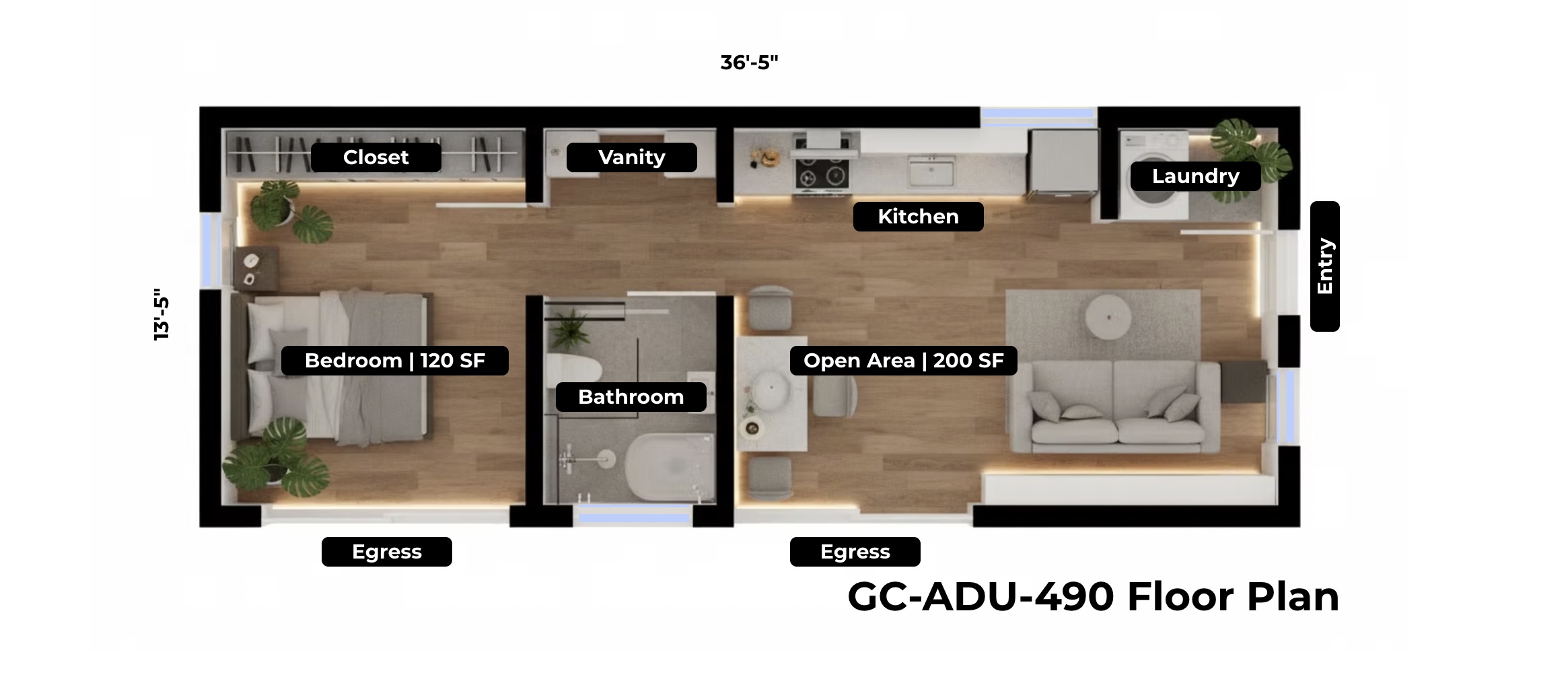
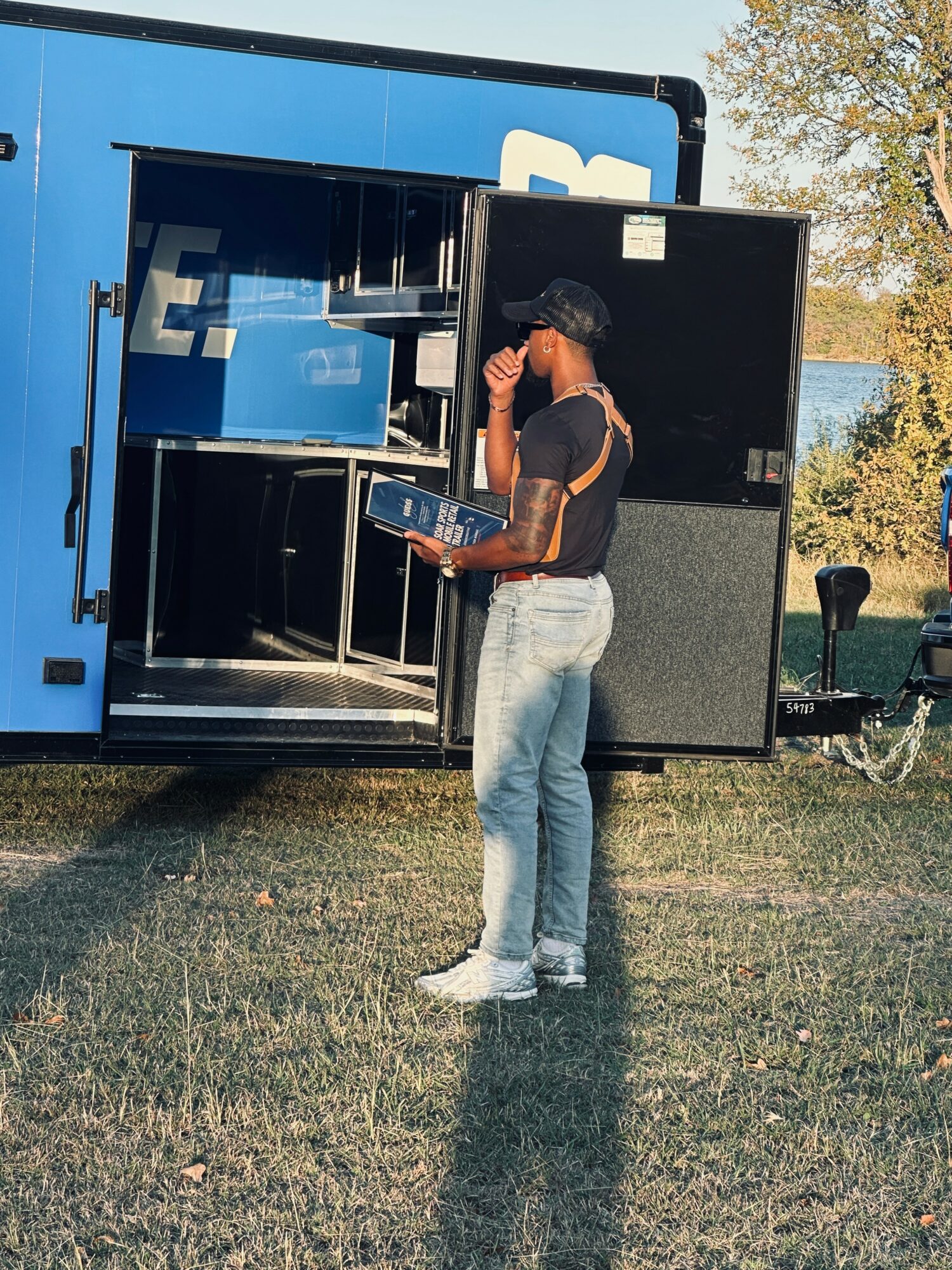
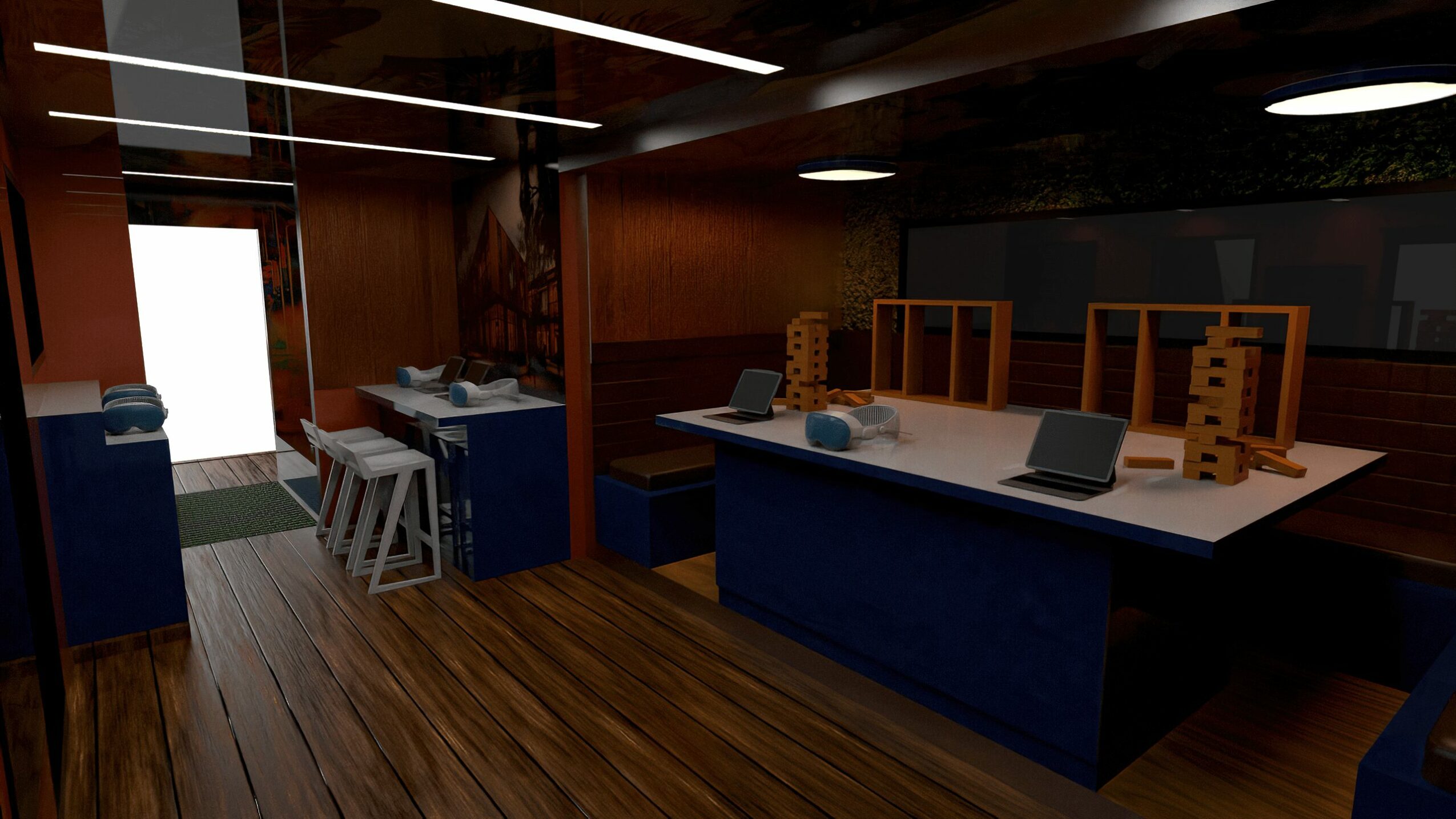
We prioritize ownership, flexibility, and real operational use. In recent years, we’ve delivered award-winning mobile social-emotional learning environments and healing spaces, designed shipping-container and modular projects, and launched standardized plan products like the GC-ADU-490 to make high-quality design more accessible.
Today, my focus is on building scalable design systems (plans, products, and infrastructure) that help people own their space, adapt to opportunity, reach more people, and create long-term value without being locked into a single location.
We all face challenges, but looking back would you describe it as a relatively smooth road?
I would say it’s been a smooth road in the sense that things have consistently moved forward but it hasn’t been linear. There have been a lot of forks in the road and plenty of twists and turns.
Each stage required a different version of me. Early on, the challenge wasn’t resistance. It was the paradox of choice. I worked a corporate job making good money with a safe trajectory. I needed to find alignment and eliminate distractions. Some opportunities looked good on paper but didn’t reflect the value I wanted to offer, the creativity I needed to express or the kind of man I was becoming. Learning to trust that internal signal and let the right paths reveal themselves took time. That comes from following your excitements, taking them as far as you possibly can for as long as you can with no expectations of the outcome.
Along the way, I started refining my own identity outside of the opinions and perceptions of others. I had to understand what I genuinely bring to the world, how I define success, and what manhood looks and feels like to me through responsibility, discipline, and presence. That clarity influenced how I worked, how I priced my time, and what I choose to create.
There were moments where slowing down was necessary to recalibrate, shifting from chasing momentum to building intention. That included moving away from one-off projects toward systems and designs that compound over time, and letting go of paths that didn’t support long-term alignment.
The smoothness came from staying in motion. The growth came from choosing the right turns. Each fork helped sharpen my direction, and each pivot made the work, and the person behind it, more precise.
As you know, we’re big fans of Guesscreative. For our readers who might not be as familiar what can you tell them about the brand?
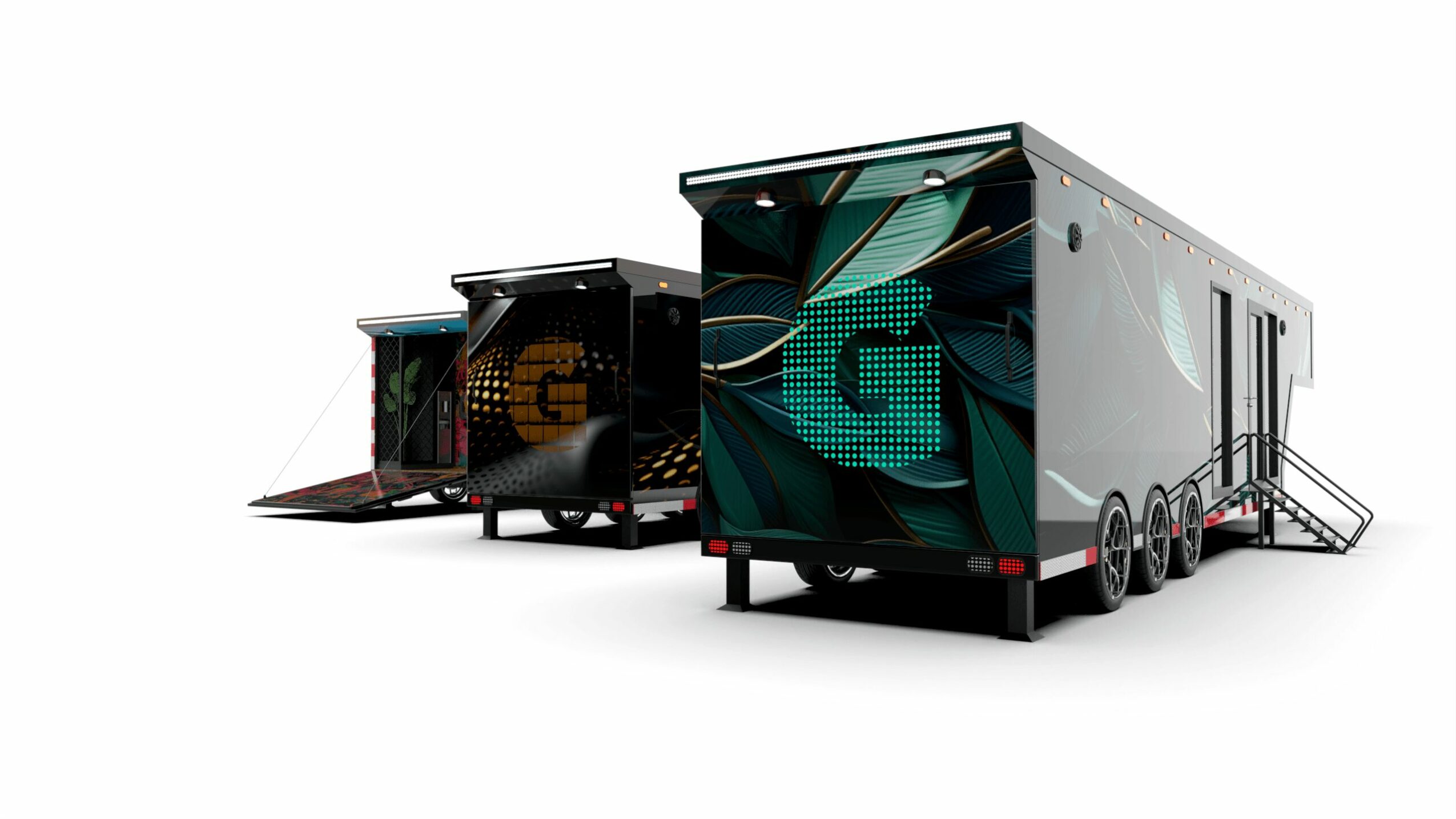
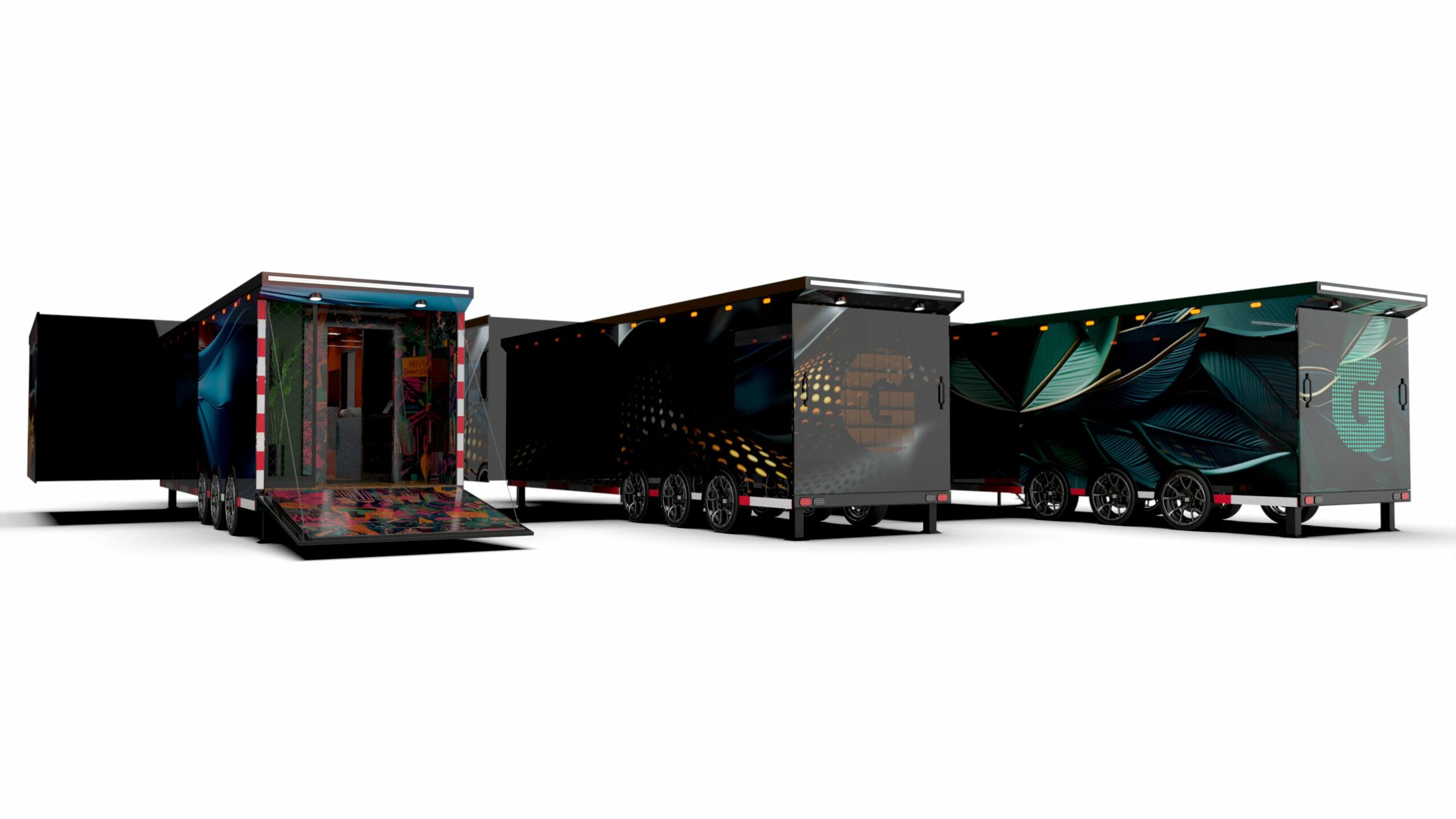
Guesscreative is a design practice focused on Spatial Entrepreneurship which is the philosophy that space itself can be owned, moved, and leveraged as infrastructure rather than treated as a fixed expense. We design movable, modular, and deployable environments that help ideas, learning, and value reach people more efficiently.
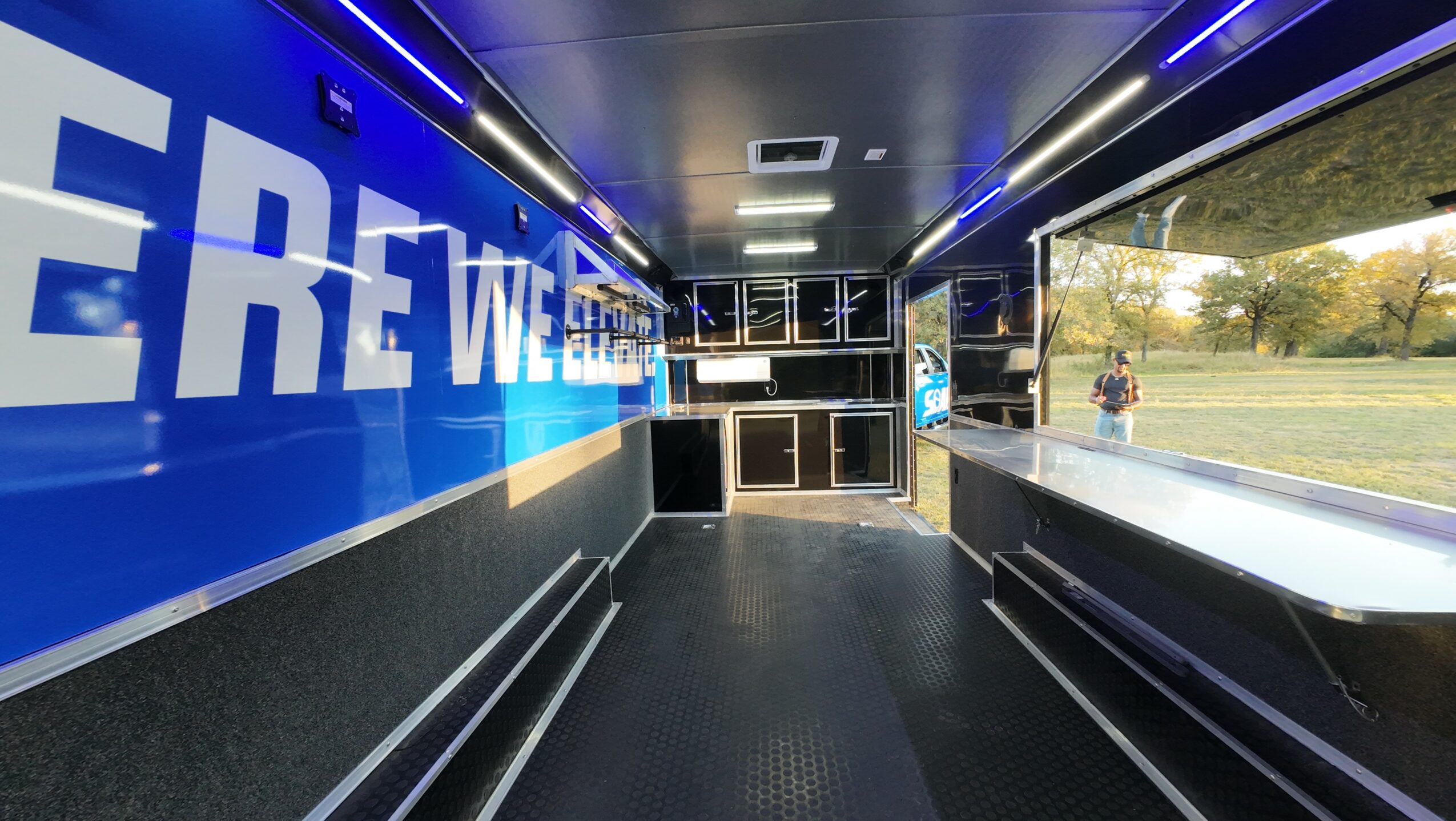
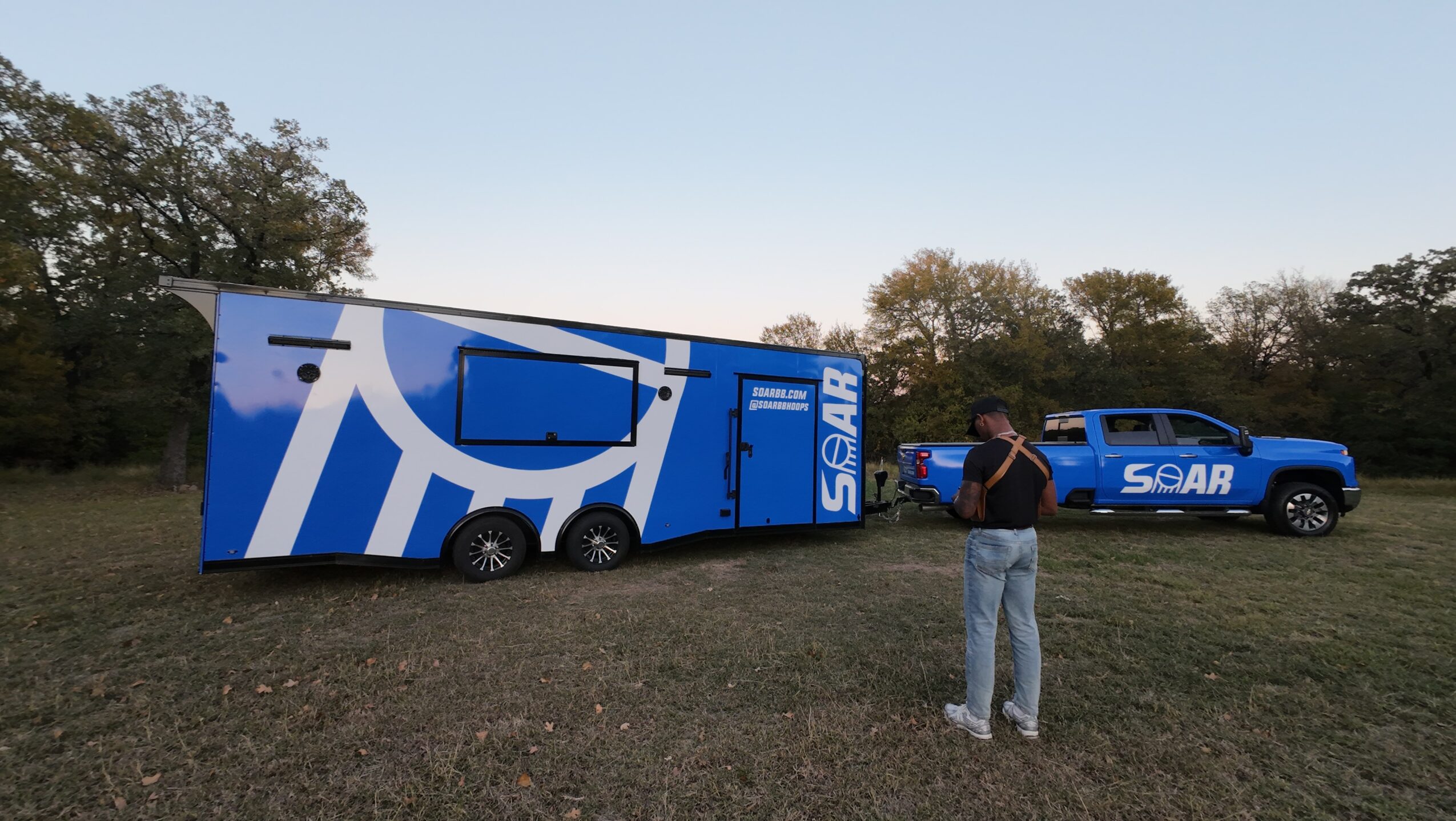
What we specialize in is designing repeatable spatial systems. That includes ADUs, modular buildings, mobile commercial units, and purpose-built environments for learning, healing, and social-emotional development. A growing part of our work focuses on mobile social-emotional learning spaces, where the environment itself supports reflection, regulation, curiosity, and human connection not just instruction.
What sets Guesscreative apart is that we don’t design one-off buildings. We design infrastructure for impact. Every project is approached as a system that can be deployed, adapted, and replicated which allows organizations and entrepreneurs to reach more people with less capital, less time, and less friction. Instead of asking communities to come to fixed locations, we design spaces that meet people where they are.
We’re particularly proud of how the brand has matured with integrity. We’ve delivered award-winning mobile SEL and healing environments, developed modular and shipping-container-based projects, and launched standardized plan products like the GC-ADU-490 to make high-quality design more accessible. Each offering reflects the same principle: ownership, flexibility, and real-world usability.
What I want readers to know is that Guesscreative isn’t about novelty or spectacle. It’s about expanding access through design. By building repeatable spatial infrastructure, we help ideas scale, learning environments travel, and experiences reach communities that might otherwise be excluded due to cost, location, or time constraints. The goal is simple but ambitious: design space in a way that moves opportunity, supports human growth, and creates lasting value for society.
What do you like best about our city? What do you like least?
What I love most about Los Angeles is the variety. The food scene alone is incredible. I love exploring different restaurants and working from beautiful rooftops throughout the city. Seeing Los Angeles from its many vantage points is constantly inspiring. What makes the city special is that you can experience entirely different qualities of life simply by being intentional. You can immerse yourself in world-class views and experiences, or spend time supporting local small businesses that reflect the depth and diversity of its cultures. That range is powerful.
What I struggle with most is seeing how homelessness shows up in the city. It’s painful to witness people living in unsafe and unhealthy conditions. If I had the funding, I would focus on developing transient, durable, clean, and inspiring movable spaces. I would create places where people could clean up, reset mentally, make some cash and regain a sense of dignity and direction. Seeing our streets in their current state is heartbreaking. It reflects a deeper failure to meet people where they are as individuals.
Many of the people living on the streets are choosing sovereignty over systems that no longer serve them, but that choice shouldn’t come at the cost of safety, dignity, or hope. I believe we’re capable of better solutions that help people reconnect with their own potential and feel empowered to bring value back to society on their own terms. Everyone has a light. Sometimes it just needs the right environment to be seen again.
Pricing:
- ADU Plan Sets (Permit-Ready): Standard ADU plans (e.g., GC-ADU-490)-starting in the mid-$thousands
- Mobile & Deployable Environments: Mobile commercial units, work trailers, and modular systems are typically five/six-figure investments, depending on size, build level, and intended use.
Contact Info:
- Website: https://www.guesscreative.com
- Instagram: https://www.instagram.com/guesscreative
- LinkedIn: https://www.linkedin.com/in/guestonsmith
- Youtube: https://www.youtube.com/@guesscreative
Popular
-
Inside the Future of Search: Robb Fahrion on Building a Global Team and Leading the Rise of GEO
-

From Supporting Local Boutiques to Building Brand Partnerships: Cinthia Jensen’s Creative Marketing Journey
-
Building Community Through Curiosity: Nathanial and Samantha Rowe on the Vision Behind UNEARTHED
-

Portraits of the Valley
-

LA’s Most Inspiring Stories
-

Building Creative Bridges: Torrey Tayenaka on Community, Collaboration, and the Future of Sparkhouse


