




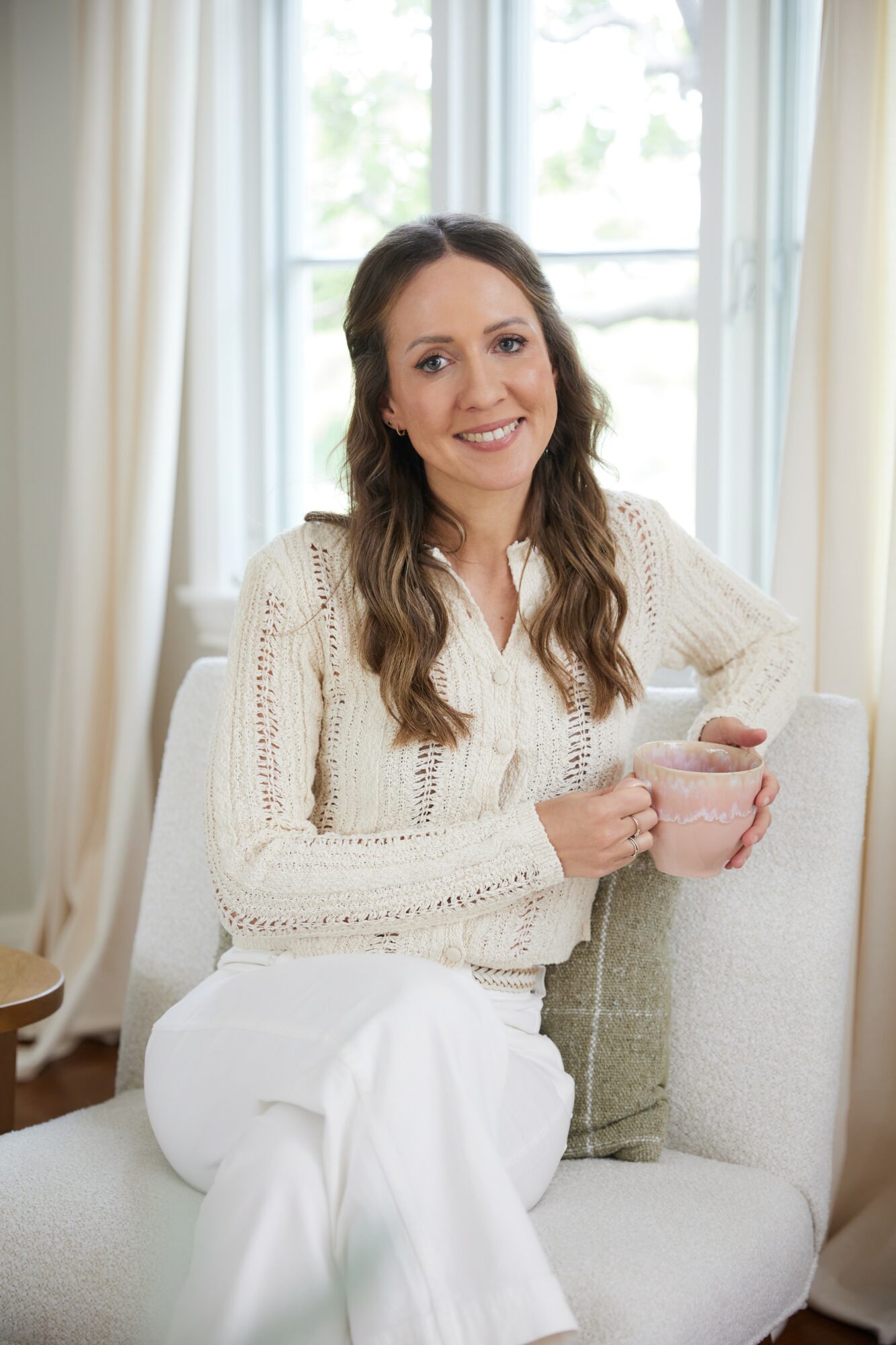
Today we’d like to introduce you to Ruth Fong.
Hi Ruth, we’d love for you to start by introducing yourself.
Before I became a therapist, I was as a physical therapist. I was trained to understand the body, to assess movement, pain, and physical healing – but while working with children and young adults with complex neurological conditions, I began to notice what my training hadn’t addressed: the emotional experiences being carried in the body. The trauma that stalled recovery. The grief beneath the surface. The anxiety woven into every breath. I realized I wanted to support people not only physically, but emotionally and relationally as well.
I went on to earn my Master’s in Marriage and Family Therapy and began my work in community mental health in 2013. There, I supported individuals and families navigating trauma, systemic oppression, and chronic stress. I became deeply curious about how trauma moves through people and across generations, not only in individual bodies, but within family systems and entire communities. Healing required more than coping skills. It required safety, connection, and being met as a whole person. This understanding shaped my approach, and over the years I trained in trauma-focused modalities including EMDR, somatic work, and parts work to support deeper, more integrated, and more sustainable healing.
In 2016, I became a mother, and everything shifted again. The transition was both beautiful and disorienting: a traumatic birth, postpartum anxiety, and the quiet unraveling and rebuilding of identity. I began to see how the perinatal period can stir what has been quiet or unspoken within us. Motherhood does not just ask us to care for a baby; it asks us to tend to ourselves, to tend to the wounds we carry from our own childhoods, and to understand who we are becoming as we move through a season that changes us on every level. And as we support our own healing, we create the grounding and connection we need to show up for our children.
After the birth of my second child, I opened my private practice and became certified in perinatal mental health. Earlier this year, I rebranded my practice as Tending Her Therapy and opened my Sierra Madre office – a space intentionally created for women to receive the kind of support they so often give to others.
I’m sure it wasn’t obstacle-free, but would you say the journey has been fairly smooth so far?
There have been many obstacles and challenges over the years. The past 18 months, though, have been some of the hardest of my life. Losing my father to leukemia, then our home in the Eaton Fire, and soon after a close friend, brought grief in waves I had never experienced. Grief has a way of stripping life down to what truly matters.
At the same time, I have been navigating the ongoing tension of motherhood and work—the mental load, the invisible labor, the expectation to hold everything together. It can feel like walking a tightrope while carrying everyone and everything at once. I am continually learning how to slow down, listen to my body, and tend to myself with the same compassion I offer others.
These experiences have shaped me in profound ways. They’ve encouraged me to sit with my own pain and move at a more intentional pace. They’ve reminded me that healing takes time, and that creating space for it requires courage, honesty and vulnerability. And through that journey, my capacity to show up for others has widened, my compassion has deepened, and my love for this work has only grown.
Thanks – so what else should our readers know about Tending Her Therapy ?
Tending Her specializes in trauma and perinatal mental health, and the intersection where these experiences often meet. My work centers on helping women move from survival mode into steadiness, wholeness, and thriving. I support women in gathering the parts of themselves that trauma, motherhood, or grief may have scattered, and in returning to a grounded, connected sense of who they are.
What sets my work apart is that I treat the whole woman—mind, body, and spirit. My approach is relational, depth-oriented, and somatic. Rather than focusing on changing thoughts, I help women understand the roots of their anxiety, overwhelm, or self-criticism. These patterns often stem from early experiences and the ways we learned to survive. Together, we explore how the past is shaping the present, grieve what was missing, and learn how to offer yourself the care you needed then and still deserve now.
Alongside this relational work, I integrate somatic and trauma-focused therapies including EMDR, Internal Family Systems (IFS), and the Trauma Resiliency Model (TRM). These approaches help women reconnect with their bodies, recognize their nervous system patterns, and gently expand their capacity to stay present with themselves. Over time, this softens the internal alarm system that keeps so many women on alert and allows for a greater sense of steadiness, safety, and connection within themselves.
I am also trained in integrative health coaching, which supports me in considering how hormonal health, stress physiology, nutrition, attachment history, and lived experience all interact. Hormonal shifts across the lifespan—from fertility and postpartum to perimenopause and menopause—can profoundly shape emotional regulation. When additional care is needed, I help women connect with pelvic floor therapists, hormone/endocrine providers, nutritional support, or psychiatric care in a way that feels supportive rather than overwhelming.
In addition to individual therapy, I offer couples and group therapy. I focus on strengthening couples’ relationships throughout the perinatal period. The stress of trying to conceive, miscarriage, the transition to new parenthood, birth trauma, or a NICU stay can put incredible strain on a relationship. I help couples reconnect, support one another, and find a more secure connection as they move through these transitions. I also offer groups for new moms, creating space for connection, validation, and shared healing.
I am proud that Tending Her honors the whole woman—her story, her physiology, her identity, her relationships, and her nervous system. Seeing two decades of training and lived experience come together in this space feels deeply meaningful. Building this practice has stretched me in ways I never expected; therapists are not taught business or branding, and learning those pieces has been a steep curve, but a rewarding one.
We love surprises, fun facts and unexpected stories. Is there something you can share that might surprise us?
Something that often surprises people is that I’m from Northern Ireland. My accent is subtle now, but the landscape and culture are still deeply woven into me. I grew up among rolling green hills, stormy coastlines, and a culture known for resilience and dry humor. Growing up during “the Troubles” and in a post-conflict society taught me early how trauma and belonging shape us, both individually and collectively, and how strength can emerge from hardship.
I later lived in the Middle East for several years and now make my home in Sierra Madre with my husband, who is Chinese American, and our three children. Living and loving across cultures has deeply shaped who I am. It has taught me humility, curiosity, and the importance of examining my own cultural lenses. That perspective flows into my work every day. Whether I’m sitting with a woman healing from childhood trauma, a mother grieving a pregnancy loss, a dad navigating the weight of new parenthood, or a couple working to strengthen their relationship, I meet each person with deep respect for the layers of culture, identity, and story that have shaped them.
Contact Info:
- Website: https://www.tendingher.com
- Instagram: https://www.instagram.com/tendinghertherapy/
- LinkedIn: https://www.linkedin.com/in/ruth-fong-lmft-1724a0197
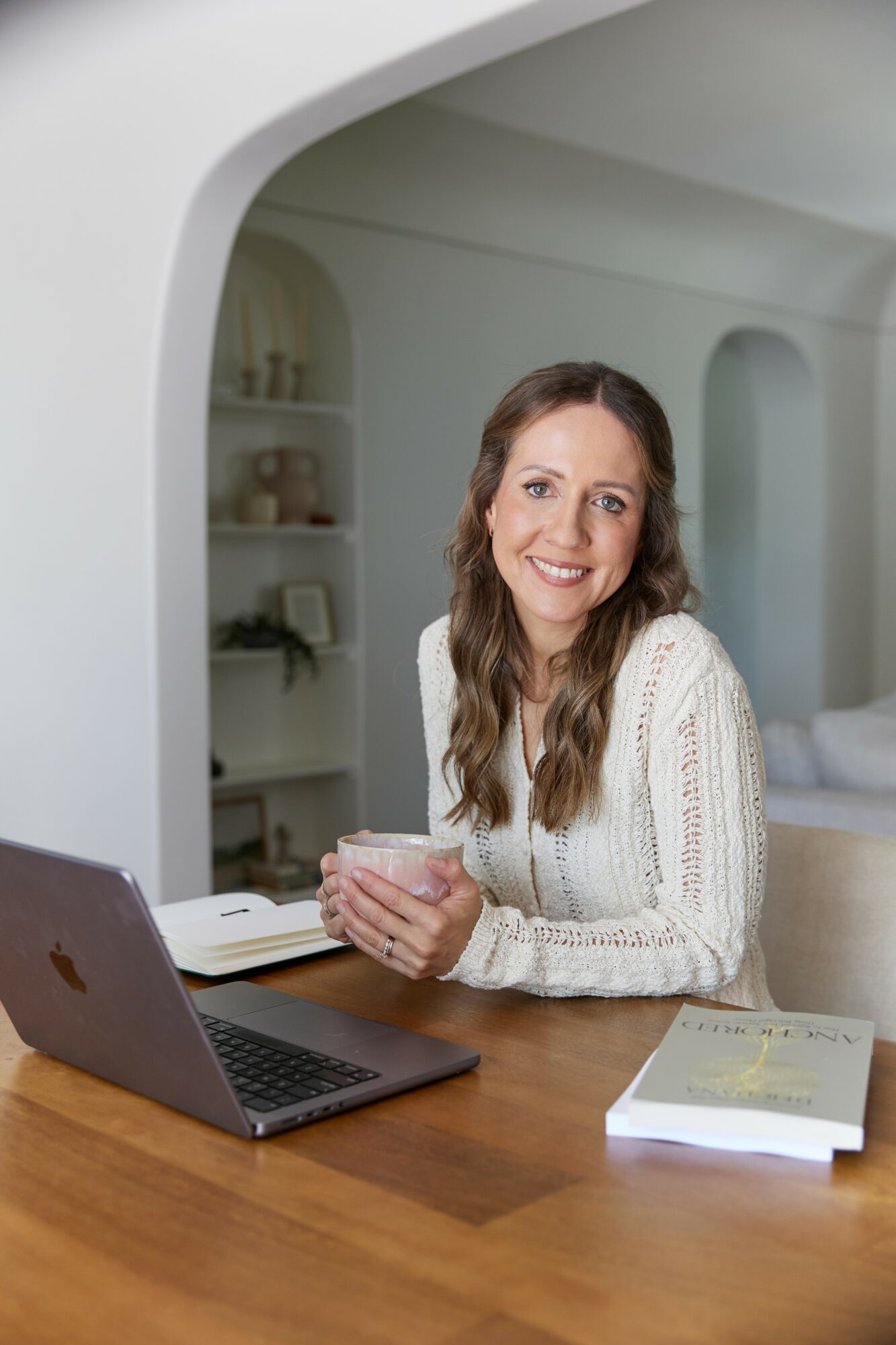
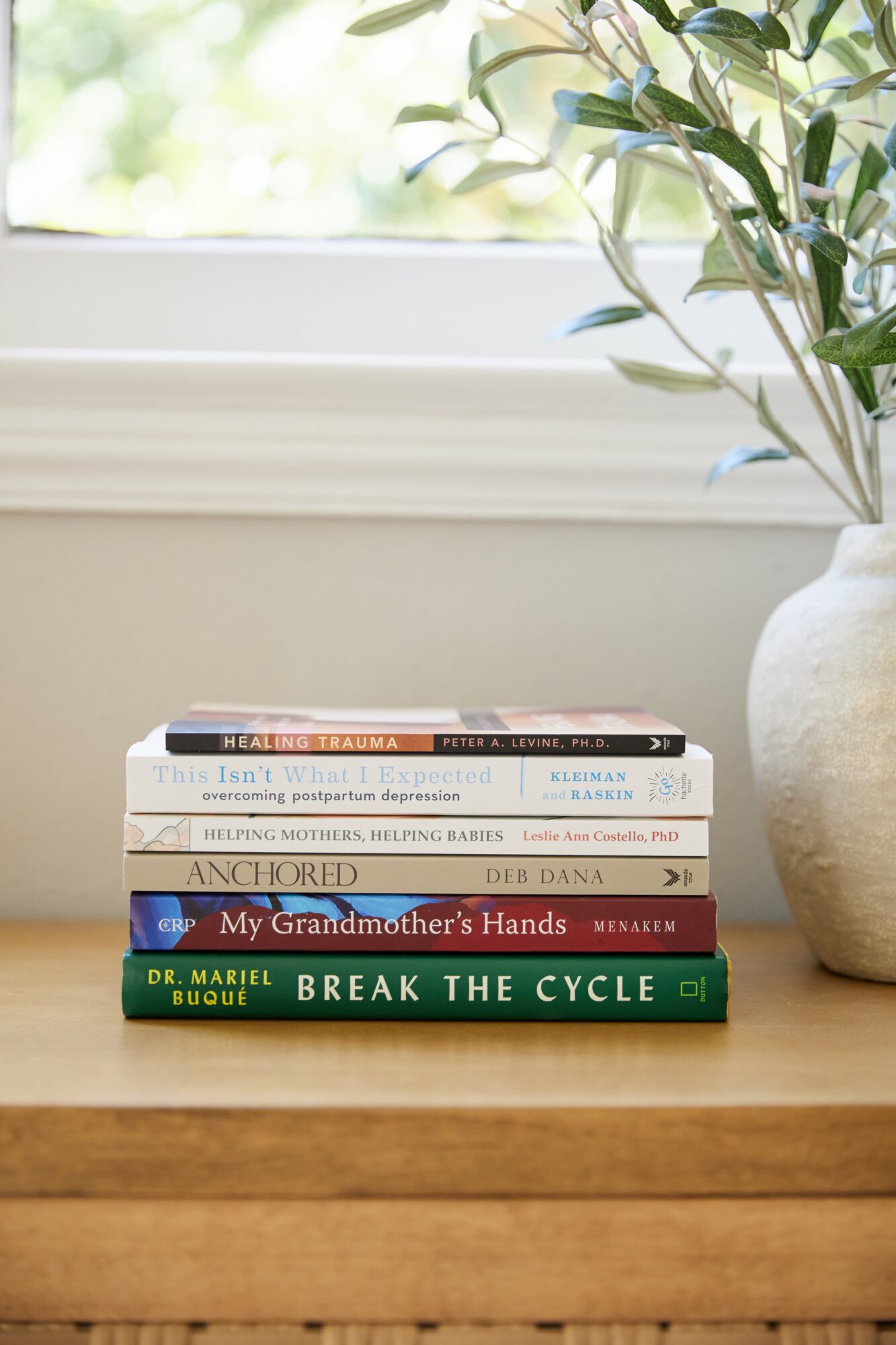
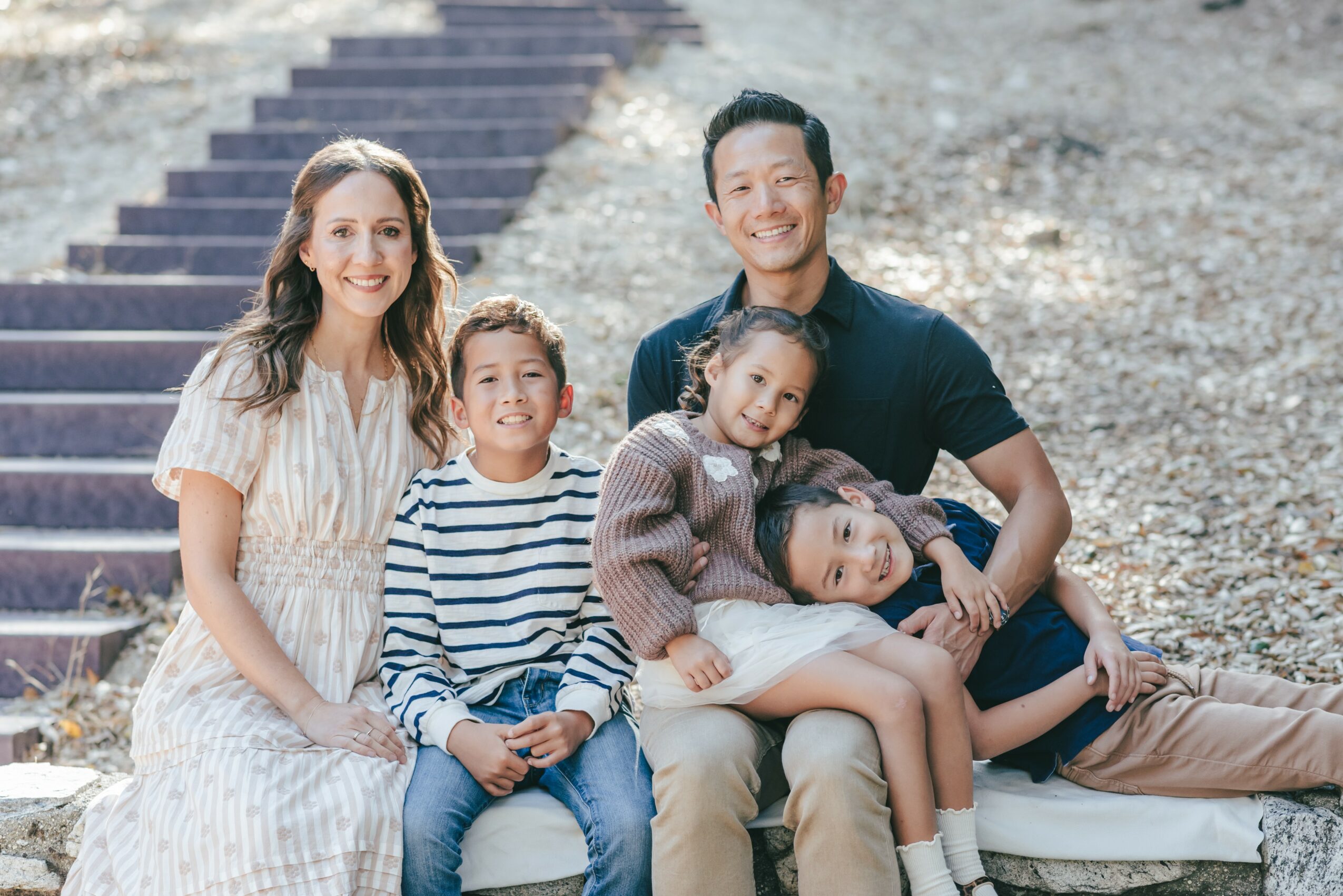

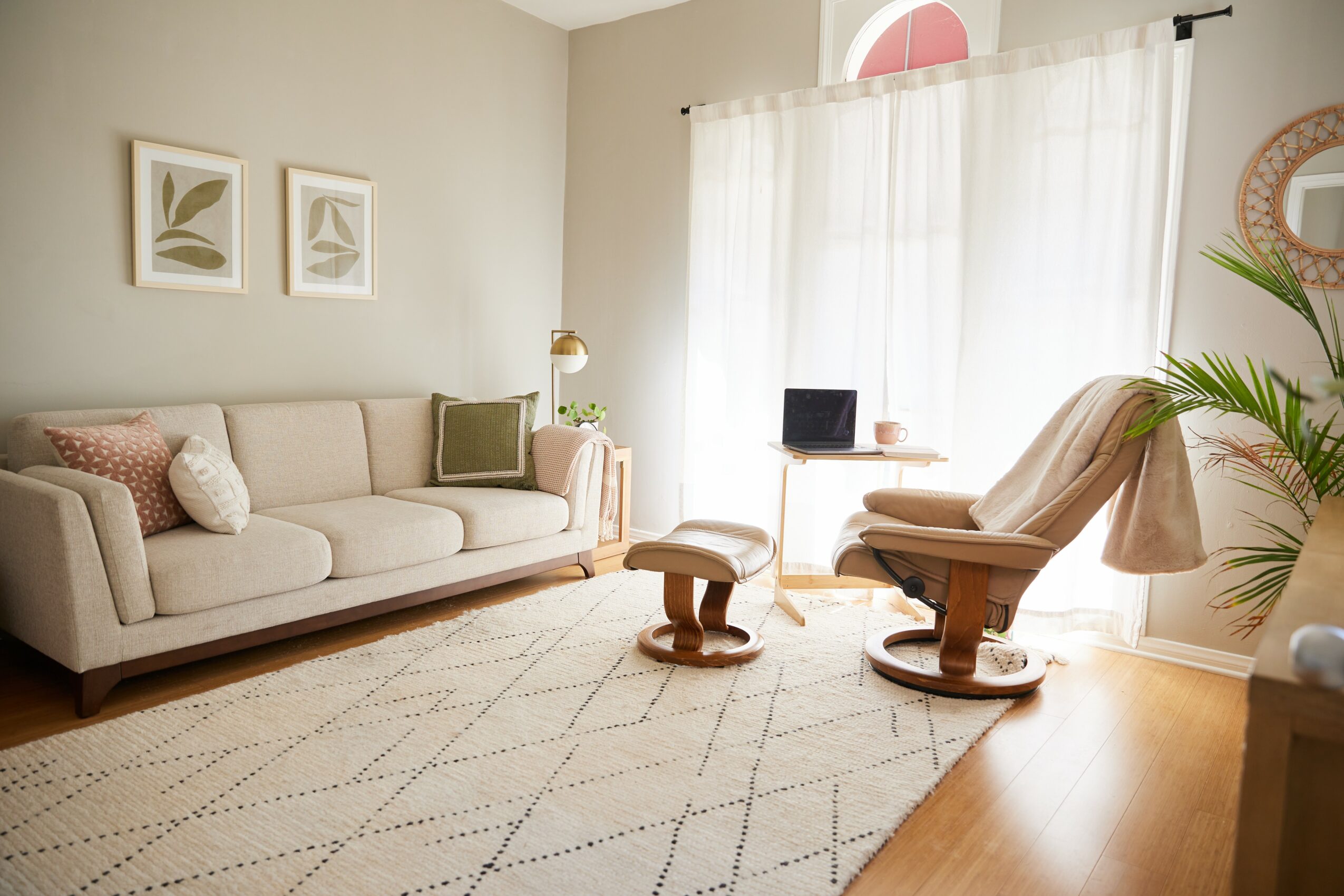
Image Credits
Amy Min
Rosi Koeper (family image)
Popular
-
Inside the Future of Search: Robb Fahrion on Building a Global Team and Leading the Rise of GEO
-

From Supporting Local Boutiques to Building Brand Partnerships: Cinthia Jensen’s Creative Marketing Journey
-

Building Community Through Curiosity: Nathanial and Samantha Rowe on the Vision Behind UNEARTHED
-

Portraits of the Valley
-

LA’s Most Inspiring Stories
-
Building Creative Bridges: Torrey Tayenaka on Community, Collaboration, and the Future of Sparkhouse


