




Today we’d like to introduce you to Elizabeth Jinzo.
Hi Elizabeth, so excited to have you on the platform. So before we get into questions about your work-life, maybe you can bring our readers up to speed on your story and how you got to where you are today?
My journey begins with being a mother. My daughter, Desirae, was born extremely premature and grew up with developmental challenges. Being her mother gave me a firsthand understanding of how difficult it can be for families to navigate services, find meaningful opportunities, and make sure their children are seen for their abilities.
My professional experience added another perspective. I worked as an LAUSD teacher and spent approximately 15 years as a Regional Center service coordinator. I saw how much people could accomplish with the right support, but I also saw the barriers that kept adults with developmental disabilities separated from everyday community life. I wanted to help create more opportunities for people to work, build relationships, make their own choices, and live with greater independence.
In 2008, I founded Designated Exceptional Services for Independence, known as DESI. The name is especially meaningful because it connects to my daughter, who inspired this journey. Our mission has always been rooted in the belief that people with developmental disabilities deserve to belong and participate fully in their communities.
Over the years, DESI has grown to serve East and Southeast Los Angeles County and we are expanding to the Inland Empire through community integration, independent and supported living services, supported and customized employment, and paid internships. Our work focuses on practical skills and real opportunities, whether that means learning to use public transportation, managing a household, or gaining experience in a workplace.
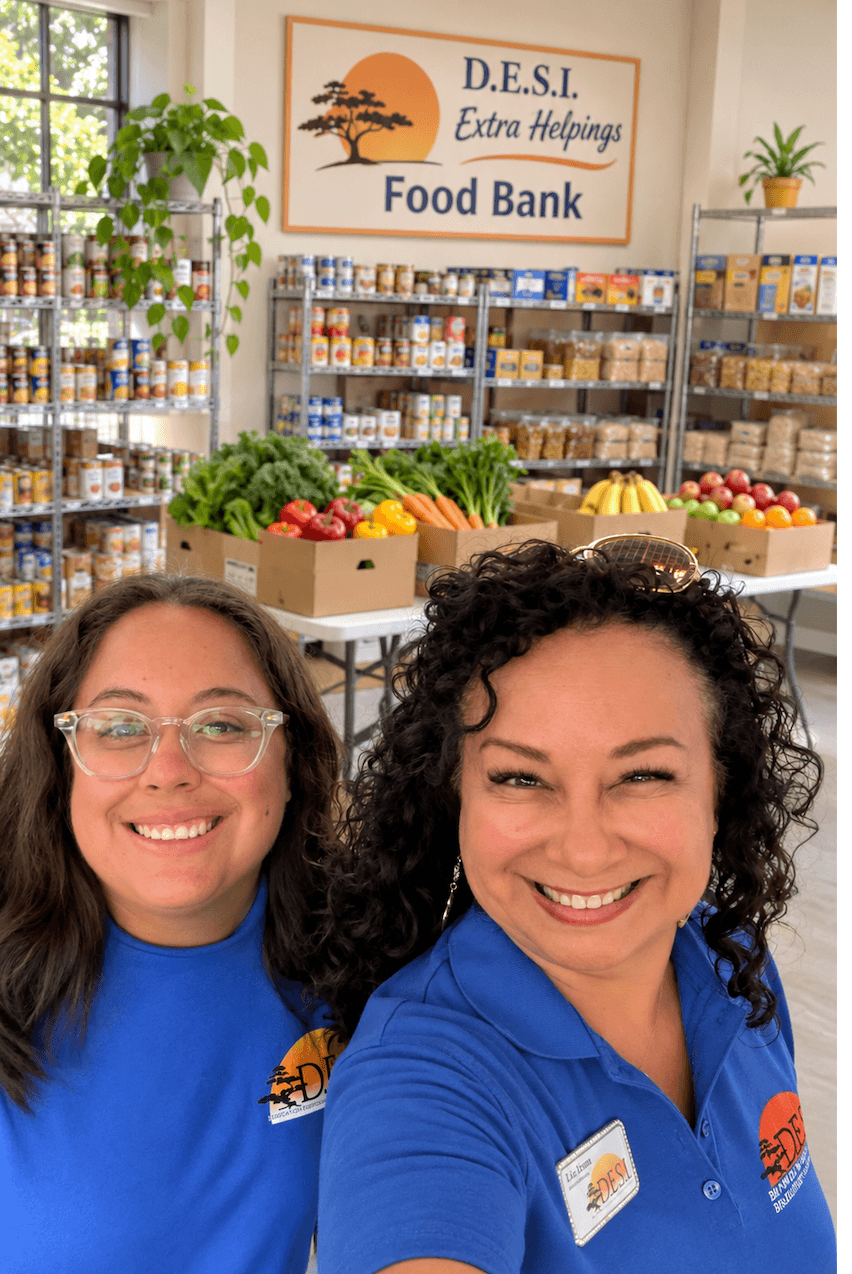
As we became more connected to the families we served, we also saw needs beyond disability services. In 2016, we established the DESI Extra Helpings Food Bank. That work expanded our reach to families, seniors, and people facing food insecurity. We have also developed opportunities to support women returning to the workforce and young people building their futures.
Getting here has required persistence, flexibility, and a willingness to keep learning. Running a nonprofit means balancing the mission with the daily realities of funding, staffing, and changing community needs. What keeps me going is seeing someone take a step toward independence, earn a paycheck, or receive support during a difficult time.
Today, I remain both a mother and an advocate at heart. What began with wanting a more inclusive future for my daughter has grown into a commitment to helping others build lives with dignity, choice, and belonging.
Would you say it’s been a smooth road, and if not what are some of the biggest challenges you’ve faced along the way?
Not at all, but the bumps along the way have been essential to our growth. Coming from education and social services with a personal tie to the mission, my heart was fully in it from day one. However, learning the business mechanics of a non-profit was a whole new world.
I had to build expertise on the fly in budgeting, fundraising, staff management, and non-profit operations. The constant challenge has been balancing administrative sustainability with service quality ensuring that while we manage the business effectively, our community always receives the standard of support they deserve.Funding has been one of our biggest challenges. When you’re a nonprofit that isn’t widely known, getting people to recognize your work and invest in your mission can be difficult. You’re building relationships, earning trust, and demonstrating your impact while also trying to cover the everyday costs of providing services. There is a lot of work happening behind the scenes before funding ever comes through. I’ve had to learn the ins and outs of fundraising, grant applications, donor relationships, and communicating our work. I’ve also learned that being a nonprofit doesn’t automatically mean funding is available. You have to understand where to look, what funders require, and how to show that your organization can carry out the work.
To build those skills, I’ve used resources such as the Small Business Administration, SCORE, business self-help groups, and women’s entrepreneurship groups. I’ve sought training and coaching because I understand that caring deeply about the mission doesn’t mean I already have every skill needed to lead it.
It has been a journey of learning, asking for help, and making difficult decisions. What keeps me moving forward is knowing why I started and seeing the difference our work makes in people’s lives.
Alright, so let’s switch gears a bit and talk business. What should we know?
D.E.S.I. – I founded Designated Exceptional Services for Independence is a nonprofit based in East Los Angeles and Huntington Park that serves adults with developmental disabilities, women building economic independence, and low-income families across East and Southeast LA County. We’ve been here 18 years. Our programs span supported employment, independent living skills, supported living services, workforce development, bilingual regional center navigation, and a food bank that feeds nearly 500 families every week. But what I always want people to understand is that we are not a social services agency in the traditional sense. We are a community organization that refuses to separate someone’s employment goals from their housing stability, their financial literacy, their sense of belonging, or their dignity.
We provide community integration training, independent living skills, supported living services, supported and customized employment, and paid internship opportunities. Depending on a person’s goals, that support might include learning to use public transportation, managing money, preparing meals, maintaining a home, or gaining work experience. We focus on skills people can use in their everyday lives.
Employment is an especially meaningful part of our work. We help people explore their interests, develop their strengths, and pursue opportunities to contribute and earn a paycheck. Through our Paid Internship Program and workforce development efforts, we also work with employers to create opportunities for people to demonstrate what they can do.
Our DESI Extra Helpings Food Bank addresses another essential need: access to food. Since establishing the pantry in 2016, we have supported individuals, families, and seniors facing food insecurity, including people who need delivery because they cannot easily access a distribution site. Our work has also grown to include opportunities for women returning to the workforce and young people preparing for their futures.
What sets DESI apart is the connection between our mission and lived experience. As a mother of an adult daughter with developmental disabilities, a former teacher, and a former Regional Center service coordinator, I understand this work from several perspectives. That experience shapes how we listen to families and support each person’s goals. We look beyond a diagnosis to understand someone’s interests, abilities, and the life they want to build.
What I’m most proud of is that everything we do is built around the individual, not the program. When a client comes to D.E.S.I., we start by learning who they are. What do they love? What do they want their life to look like? What barriers have kept them from getting there? Then we build around that. Our Supported Employment Program and Paid Internship Program connect adults with disabilities to real paid work in the community. Our Independent Living Skills training equips people to manage their own households, their own schedules, their own choices. Our Puente Al Centro Regional initiative specifically serves Spanish-speaking families who’ve been historically locked out of the regional center system due to language and cultural barriers. We hold preferred vendor status with four Regional Centers across LA County. That doesn’t happen by accident; it’s the result of 18 years of showing up and delivering.
What I’m most proud of is that DESI turns inclusion into something people can experience: a job, greater independence at home, a connection in the community, or food on the table during a difficult time. Those everyday outcomes are what our name represents to me. One of the things I point to most when I want to show someone what D.E.S.I. really is: our Food Bank is operated by our own clients with developmental disabilities. They acquire the food, transport it, inspect it, sort it, and distribute it to nearly 500 families twice a week. So every box of produce that goes out the door is two things at once food security for a family, and real, meaningful work experience for a person with a disability who is building their future. That is D.E.S.I. in a nutshell. Every program is doing more than one thing. Every person is seen as more than one thing. And many of the people we first served as clients are now members of our staff. That’s the model, and it works.
I want readers to know that DESI is a community organization built around possibility. Whether someone comes to us for services, partners with us as an employer, volunteers, or supports our food pantry, they become part of creating a community where people have more opportunities to belong and thrive. Brand-wise, D.E.S.I. is warm, community-rooted, and unapologetically local. Our colors – golden yellow, orange, and terracotta – reflect the energy and warmth of East LA. Our logo carries a sun and a bonsai tree, symbols of growth and endurance. We are not a sleek national organization with a polished campaign.
We are neighbors. We show up at community events, at food distributions, at job fairs, at quinceañeras, at parks. We want readers to know that when you support D.E.S.I., you’re not funding a program – you’re investing in a person who’s going to use that investment to show their community what’s possible.
As we expand into the Inland Empire, I want to build the same personal connections that have shaped our work in Los Angeles. I want readers to know that supporting D.E.S.I. means investing in people: their abilities, their choices, and their opportunity to build a future they help in creating.
Can you share something surprising about yourself?
Something people may not realize is how much of my advocacy happens outside the disability services community. I’m a member of Rotary, the City Club Los Angeles, women’s clubs and groups, and the East Los Angeles and Montebello Chambers of Commerce. I also consult with the East Los Angeles Chamber and attend chamber and networking events whenever I can.
I bring information about people with developmental disabilities into these spaces because some people may have had little exposure to our community. Sharing our work creates opportunities to talk about inclusion, answer questions, and help people understand how they can make a difference as employers, neighbors, and community partners.
People often recognize the D.E.S.I. logo, but I want them to know the story behind it, too. I’m a mother who has navigated many of the same challenges the families we serve face. My daughter, Desirae, inspired this work, and my experience helps me connect personally with families who want their loved ones to be understood, respected, and given opportunities. What surprises many people is that behind all our community outreach is a deeply personal truth: I identify with the families we serve all the time.
That personal connection is why our logo is so widely recognized. We don’t limit our outreach to disability-focused spaces or workshops. I joined Rotary clubs, attend chambers of commerce, and show up in spaces that rarely hear from developmental disability advocates. Being involved in these organizations allows me to bring that story to a wider audience. I want people to leave a conversation with me remembering D.E.S.I. and thinking about how they can help create a more inclusive community.
Pricing:
- Donations help to feed families
Contact Info:
- Website: https://www.desisocal.org
- Instagram: https://www.instagram.com/desi.socal/
- Facebook: https://www.facebook.com/desisocal
- LinkedIn: https://www.linkedin.com/in/elizabeth-jinzo-3352011a/
- Youtube: https://www.youtube.com/@desisocal
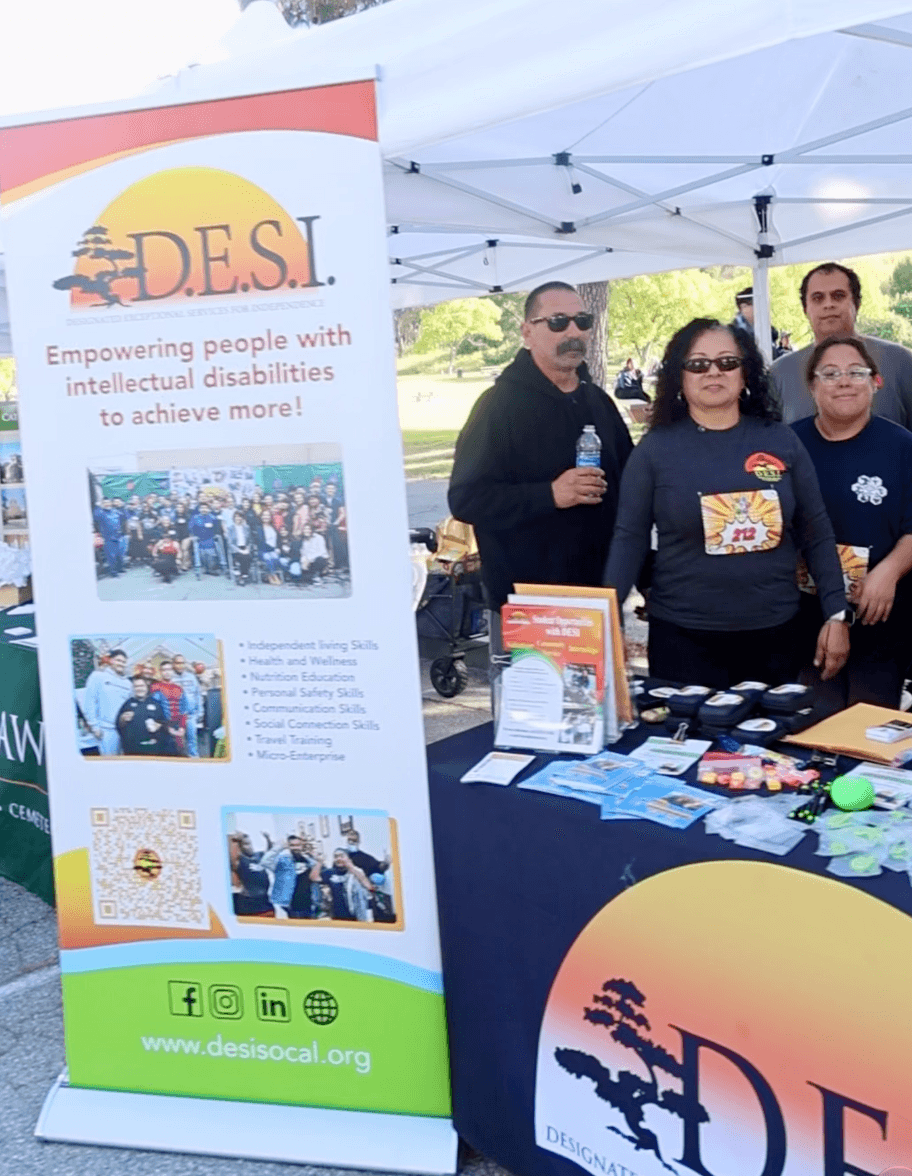
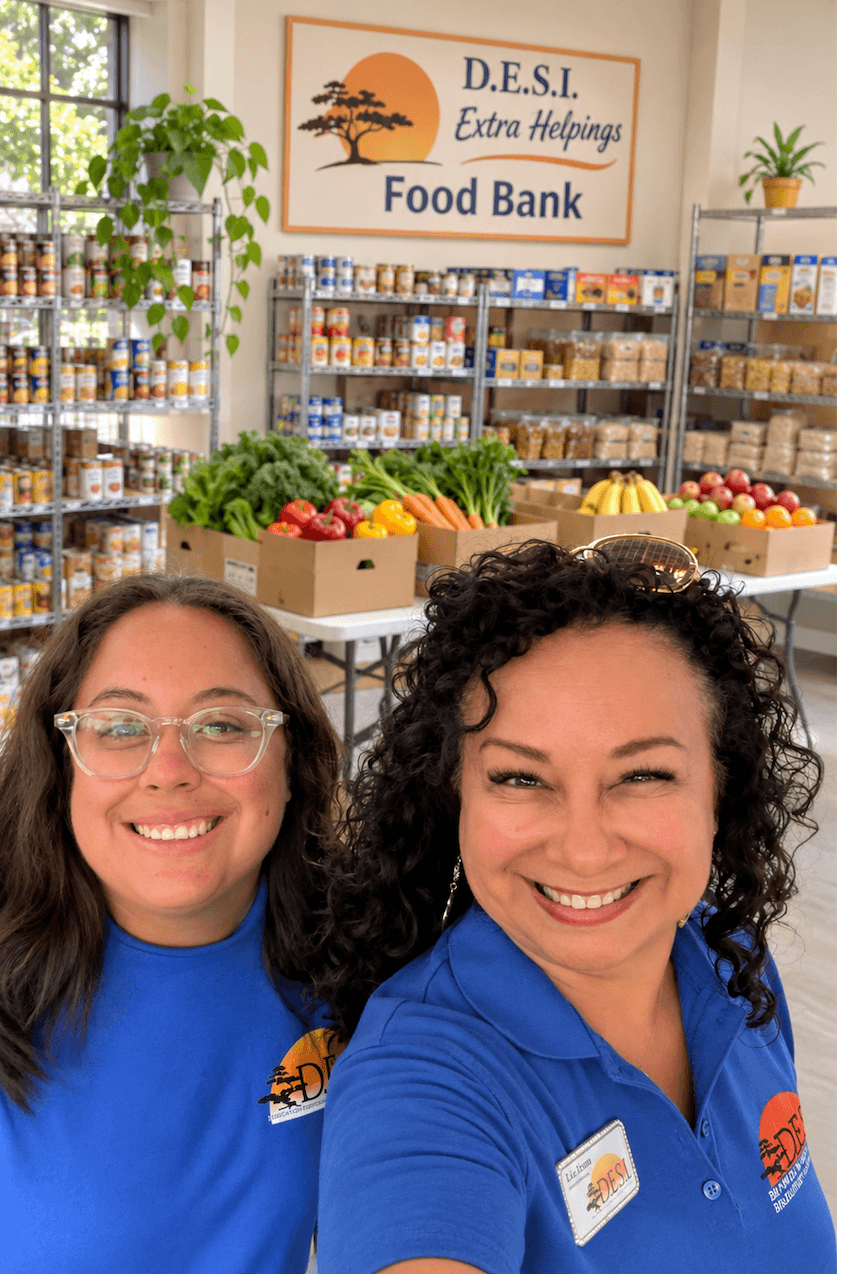
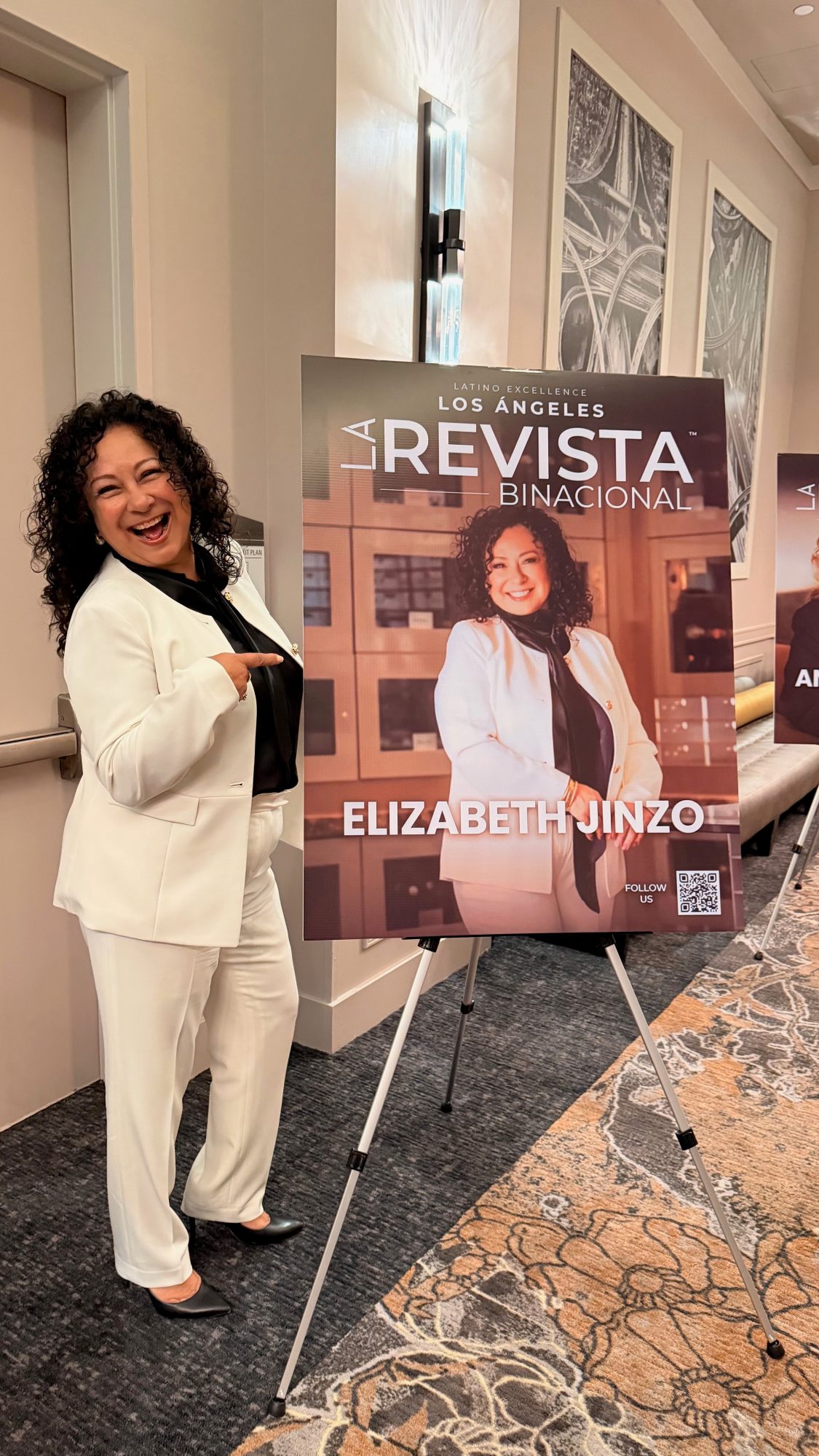
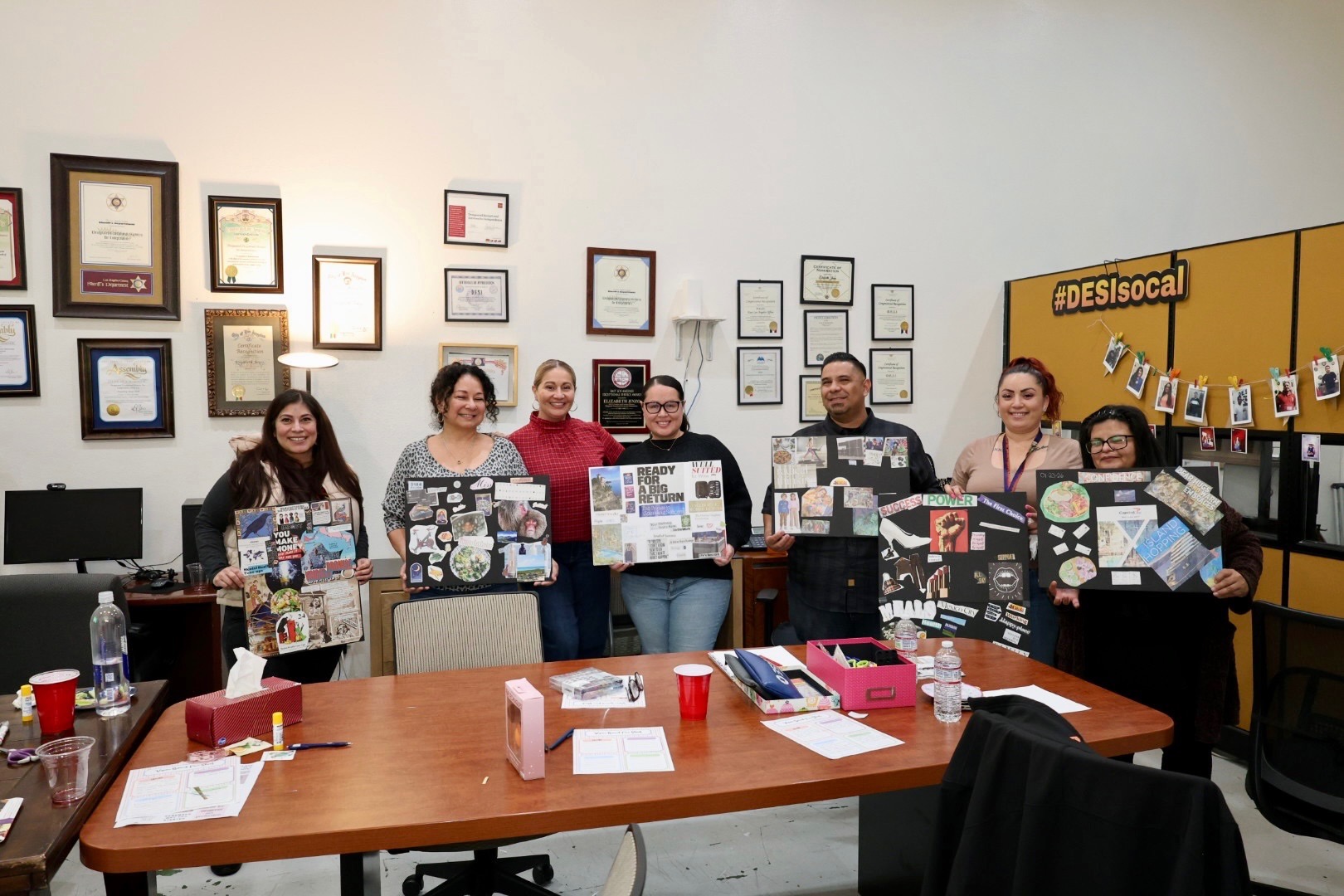
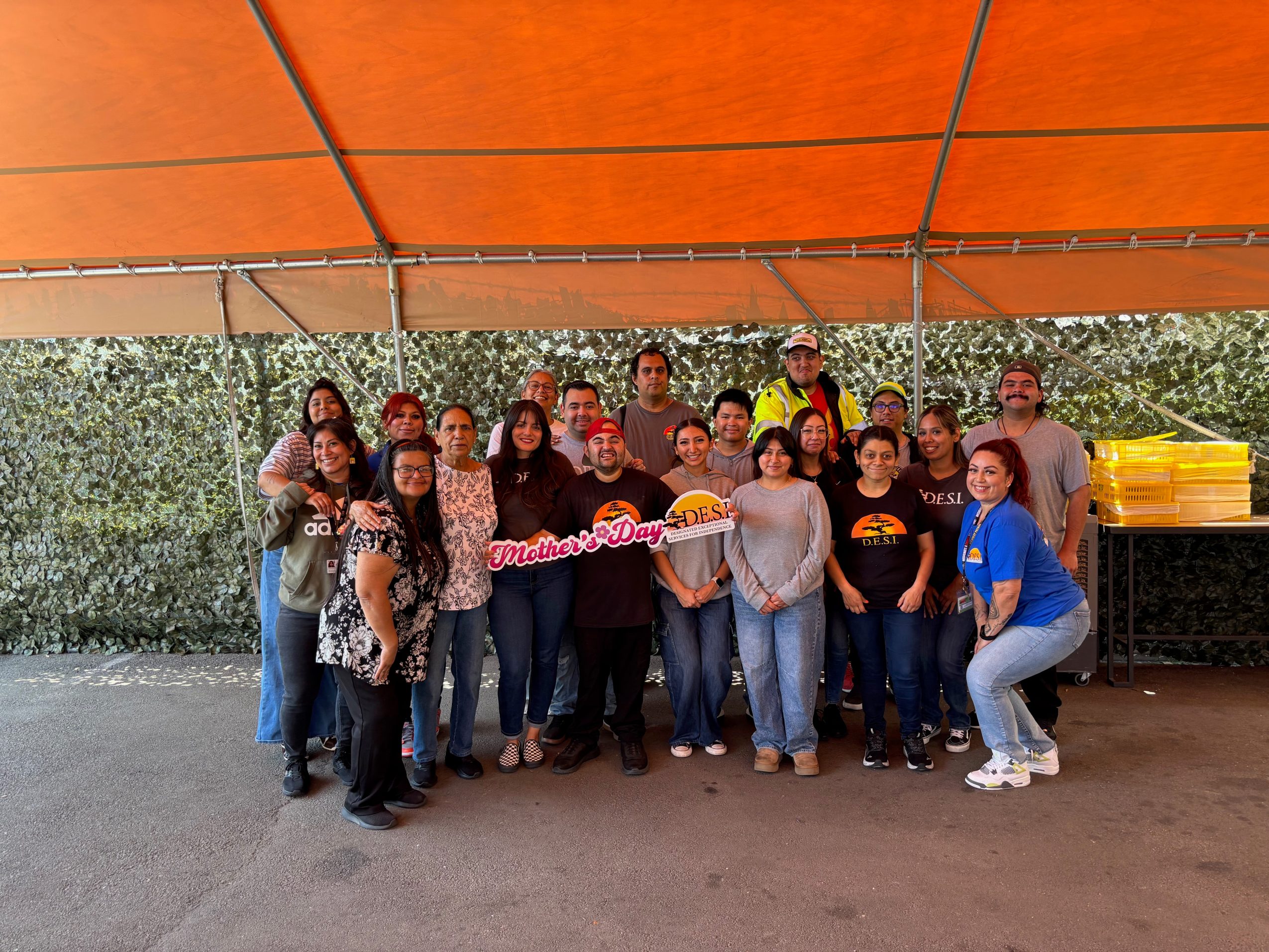
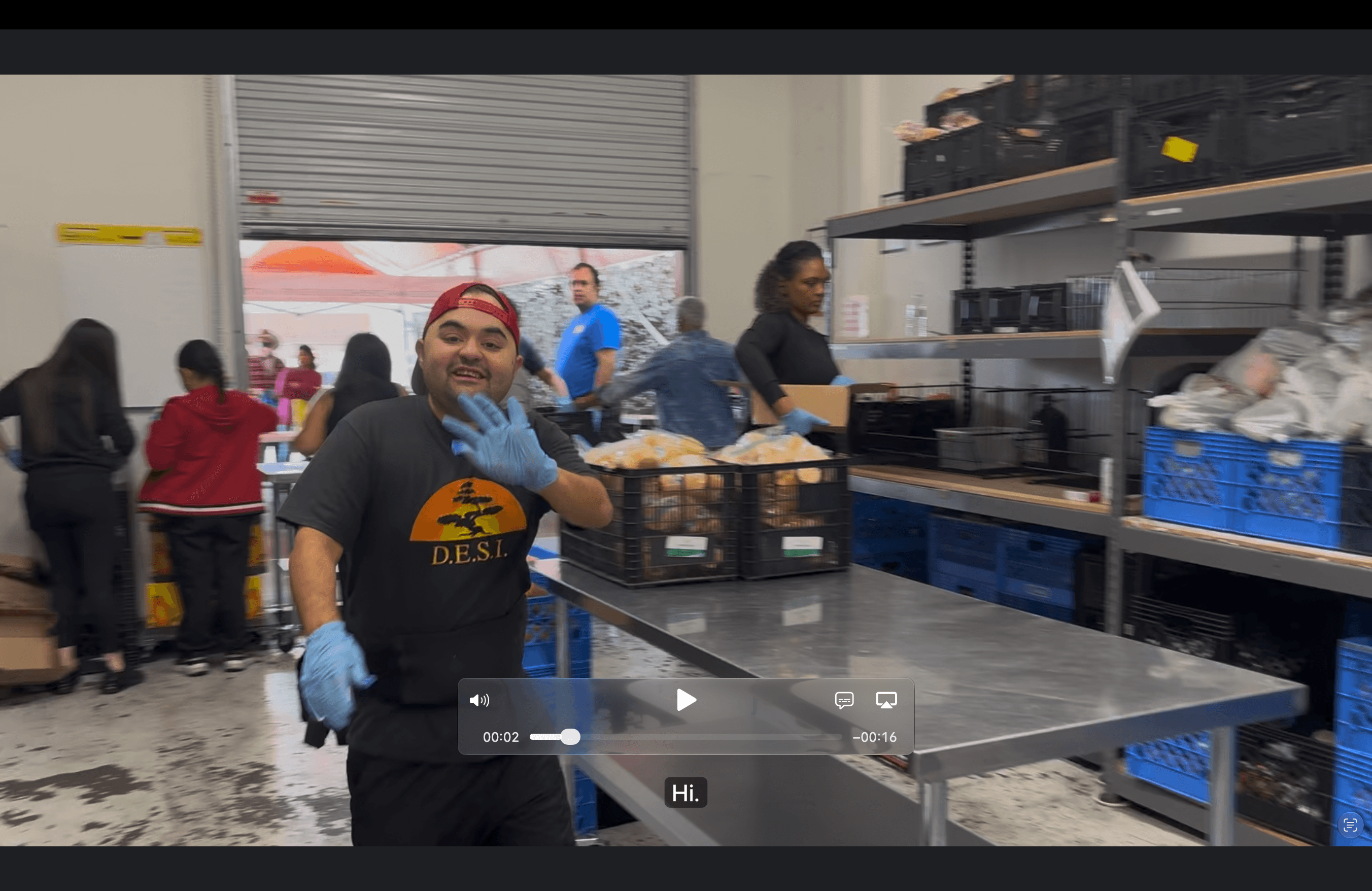
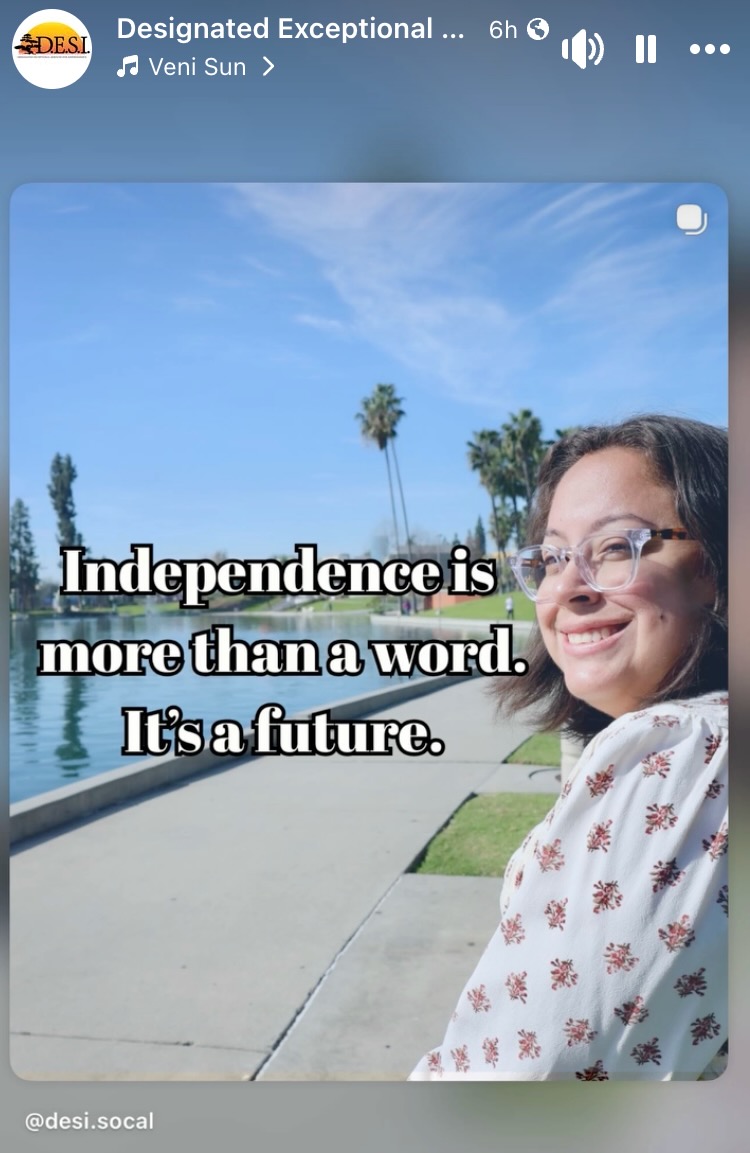
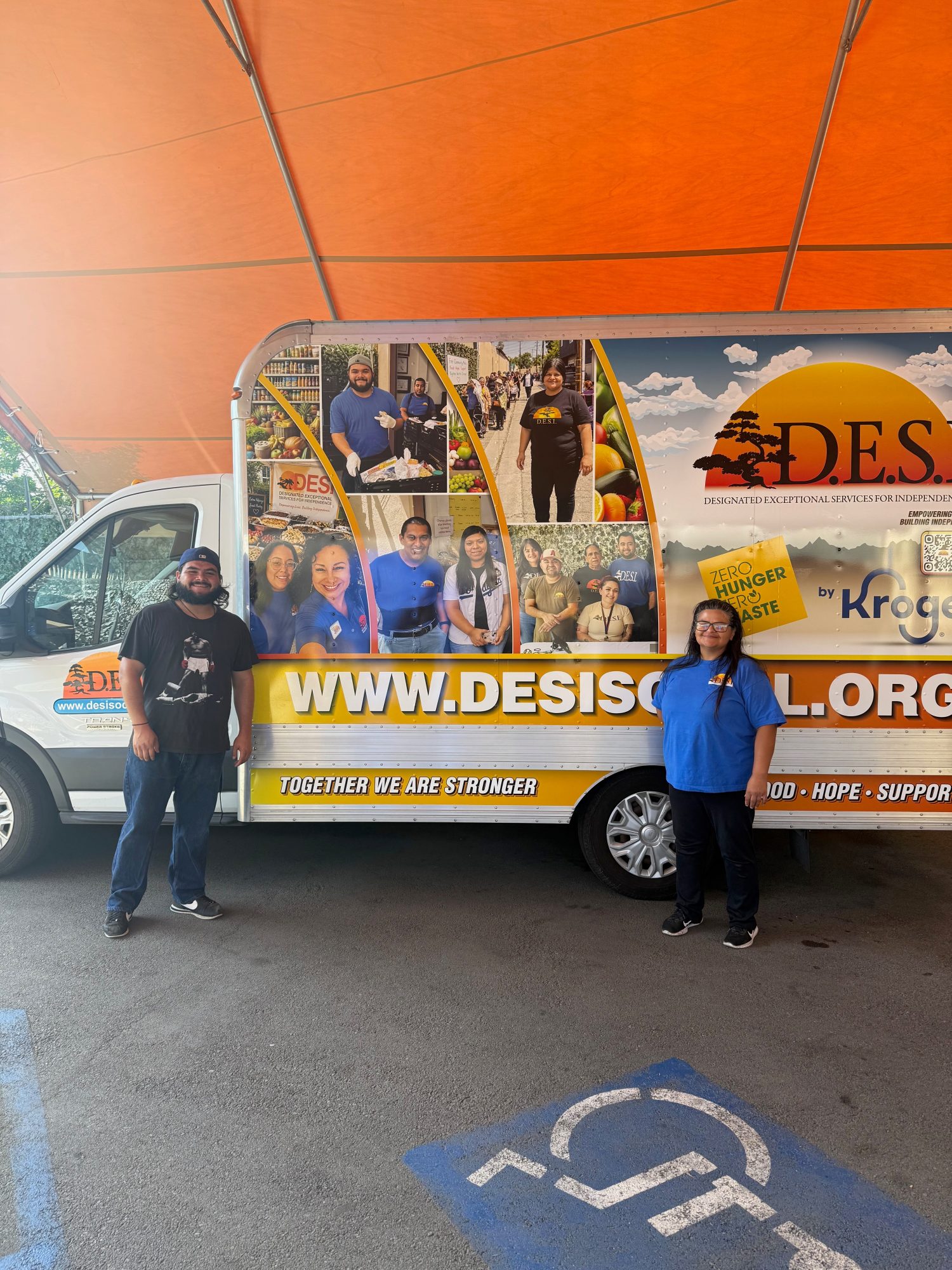
Image Credits
NONE NEEDED
Popular
-

Portraits of the Valley
-

LA’s Most Inspiring Stories
-

Mason Ewing Is Bringing a World of His Imagination to Life Through Film
-

Dr. NanaEfua Afoh-Manin Is Rethinking What It Means to Be Healthy, Not Just Healed
-

Greg Hex Is Turning the Everyday Kitchen Knife Into a Modern Design Object
-

Rick Norris Learned That Building a Successful Business Means Building a Life You Actually Want to Live


