




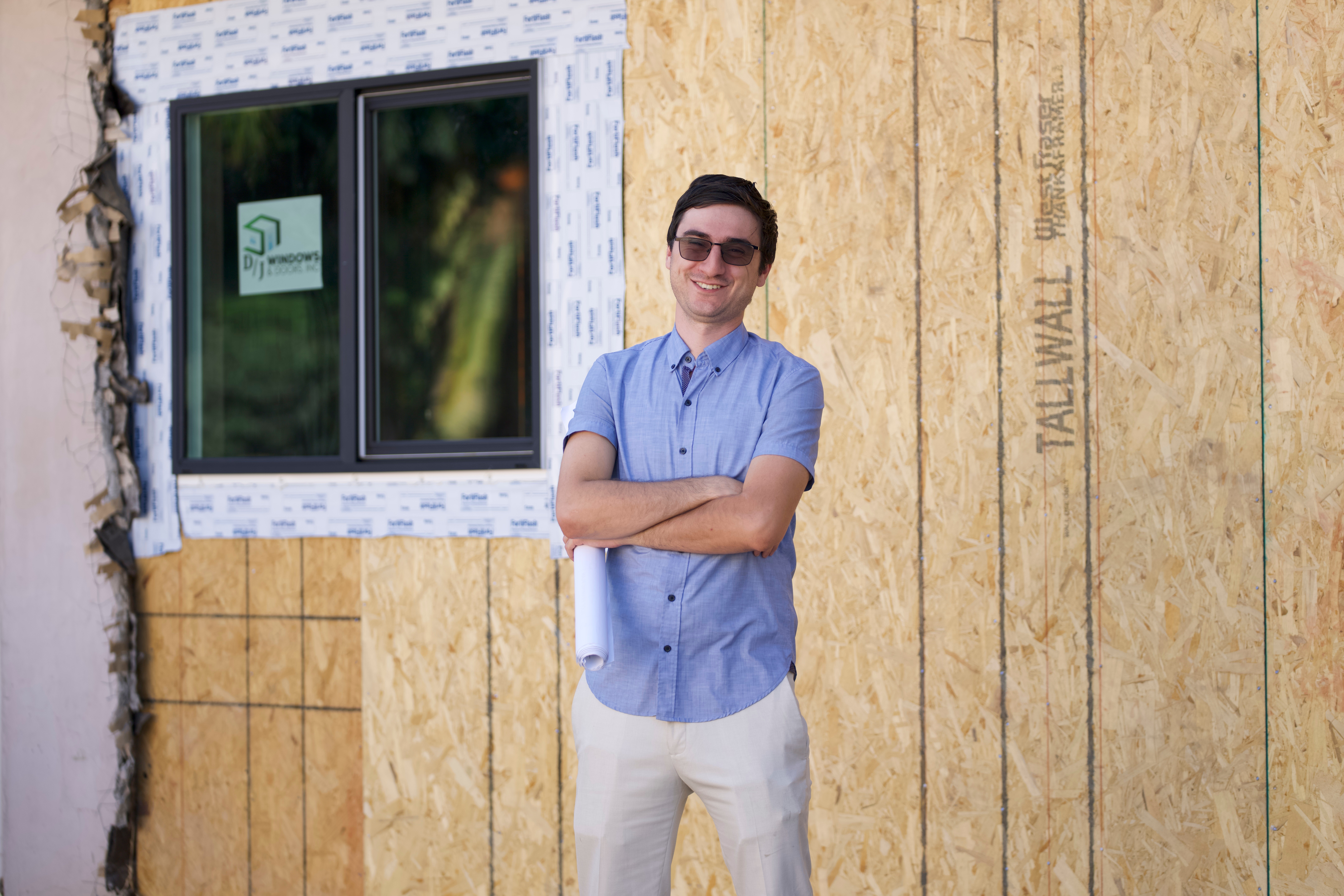
Today we’d like to introduce you to Argi Avetisyan.
Hi Argi, we’d love for you to start by introducing yourself.
I started working young. I was coding professionally by 18 and skipped college. I moved to the U.S. at 17 with my mom and sister. There wasn’t much room to mess up, so I learned fast and worked a lot. Tech was my entry point. It paid the bills.
I bought my first property at 20. Managing it is what really changed my path. I wanted to improve the property and quickly realized how broken the system was for small residential projects. Permits were confusing. Everyone gave different answers. Designers, contractors, and cities all operated in silos. Homeowners were left in the middle trying to figure it out.
Most people didn’t fail because they couldn’t afford an ADU. They failed because the process was overwhelming and full of traps.
Instead of avoiding it, I leaned into it. I became a licensed California general contractor. I learned zoning, building code, Title 24, and how planning departments actually work in real life. Not the textbook version. I built ADUs for myself first, then for clients. I sat through plan check comments, redlines, resubmittals. I argued interpretations and fixed mistakes, sometimes ones I didn’t even make.
That’s how GatherADU came together.
We focus on design, engineering, and permitting because that’s where projects usually die. Construction is hard, but paperwork and coordination kill more deals than concrete ever will. We work a la carte so homeowners can get help where they need it, not where someone wants to upsell them.
So far we’ve worked on around 80 residential units. ADUs, SB-9 projects, and unpermitted unit legalizations, mostly in Southern California. We keep construction work limited on purpose. I’d rather do fewer projects well than scale something sloppy.
Today GatherADU sits between construction, planning, and technology. My background lets me see the whole picture, not just one trade. The goal is simple. Make small-scale housing possible for normal homeowners who don’t want to become experts just to add a unit to their property.
I’m still building. But I’m very clear on the problem we’re solving.
Would you say it’s been a smooth road, and if not what are some of the biggest challenges you’ve faced along the way?
The biggest challenge early on was credibility. I was young, I didn’t come from money, and I didn’t fit the typical profile people expect in construction or real estate. I had to earn trust the hard way. By doing the work. By being right more often than not. And by fixing problems when things went sideways.
Another major struggle was dealing with cities. Planning departments are inconsistent, even within the same city. You can submit the same project twice and get two completely different interpretations. That’s frustrating for homeowners, and it was brutal early on when I was still learning where the landmines were. A lot of progress came from making mistakes, eating the cost, and not repeating them.
As you know, we’re big fans of GatherADU. For our readers who might not be as familiar what can you tell them about the brand?
GatherADU helps homeowners build ADUs and small residential units without getting lost in the system.
We specialize in the part most people underestimate. Design, engineering, and permitting. That’s where projects usually stall, get rejected, or quietly die. We spend most of our time translating city code into something that can actually be built and approved. Zoning, setbacks, height limits, Title 24, planning comments, resubmittals. That’s our lane.
We’re known for being practical. We don’t sell dream numbers or promise timelines we can’t control. If something won’t pass plan check, we say it upfront. If a city is going to push back, we plan for it instead of acting surprised later. A lot of our value comes from knowing where projects break and designing around that from day one.
What sets us apart is how flexible we are. Homeowners can hire us just for feasibility, or design and permits, or stay with us through construction. We don’t force a bundled package. We also stay intentionally small on the construction side. We only build a limited number of projects each year so quality doesn’t slip and clients don’t become line items.
So far we’ve worked on roughly 80 residential units across ADUs, SB-9 projects, and unpermitted unit legalizations, mostly in Southern California. Some are simple garage conversions. Others are complicated projects that bounced around planning departments before landing with us. We’re often brought in when someone else couldn’t get it through.
Brand-wise, what I’m most proud of is trust. A lot of our work comes from referrals. Homeowners, architects, and even consultants who know we’ll give a straight answer, even if it’s not the one a client wants to hear. That matters more to me than volume.
What I want readers to know is this. Building an ADU doesn’t have to be a nightmare, but it’s not plug-and-play either. Our job is to remove the confusion, reduce risk, and help people make good decisions before they spend real money. If we do that right, the rest follows.
What sort of changes are you expecting over the next 5-10 years?
The industry will keep growing, but not in a straight line.
ADUs and small residential units aren’t a trend. They’re a response to real housing pressure. People need places to live near work and family, and cities don’t have many good options left. That part isn’t going away in the next 5 to 10 years.
What will change is how the process works, slowly and unevenly. Some cities will actually simplify permitting and zoning. Others will say they did, but in practice nothing really improves. Same rules, just new wording. Knowing how a city actually reviews plans will matter more than what the code says on paper.
Technology will show up more, but it won’t be the silver bullet people think it is. Digital plan submittals, online tracking, AI reviews. Helpful, sure. But they won’t fix bad policies or inconsistent plan check. Human judgment is still the bottleneck, and that won’t disappear.
Financing will get easier and more standardized. More lenders will understand ADUs and underwrite them properly. That will pull in homeowners who were on the fence before. But financing still won’t save a bad project or a bad design.
Prefab and modular will get louder marketing-wise. Some of it will work. A lot of it will struggle once it hits real sites, utilities, and inspections. Local conditions matter more than factory efficiency, and that part is usually glossed over.
I think the biggest shift will be experience becoming more valuable than scale. People who know how to get approvals consistently will win. Not the ones who just promise speed or cheap prices.
The space will also fragment. Garage conversions, detached ADUs, SB-9 splits, multi-unit lots. They all behave differently. Anyone treating them the same will keep running into problems.
Bottom line, demand won’t be the issue. Complexity will be. The people who can navigate it without drama will still be standing.
Contact Info:
- Website: https://www.gatheradu.com
- Instagram: https://www.instagram.com/argiavetisyan/
- Other: https://www.gatheradu.com/blog/garage-conversion-adu-guide
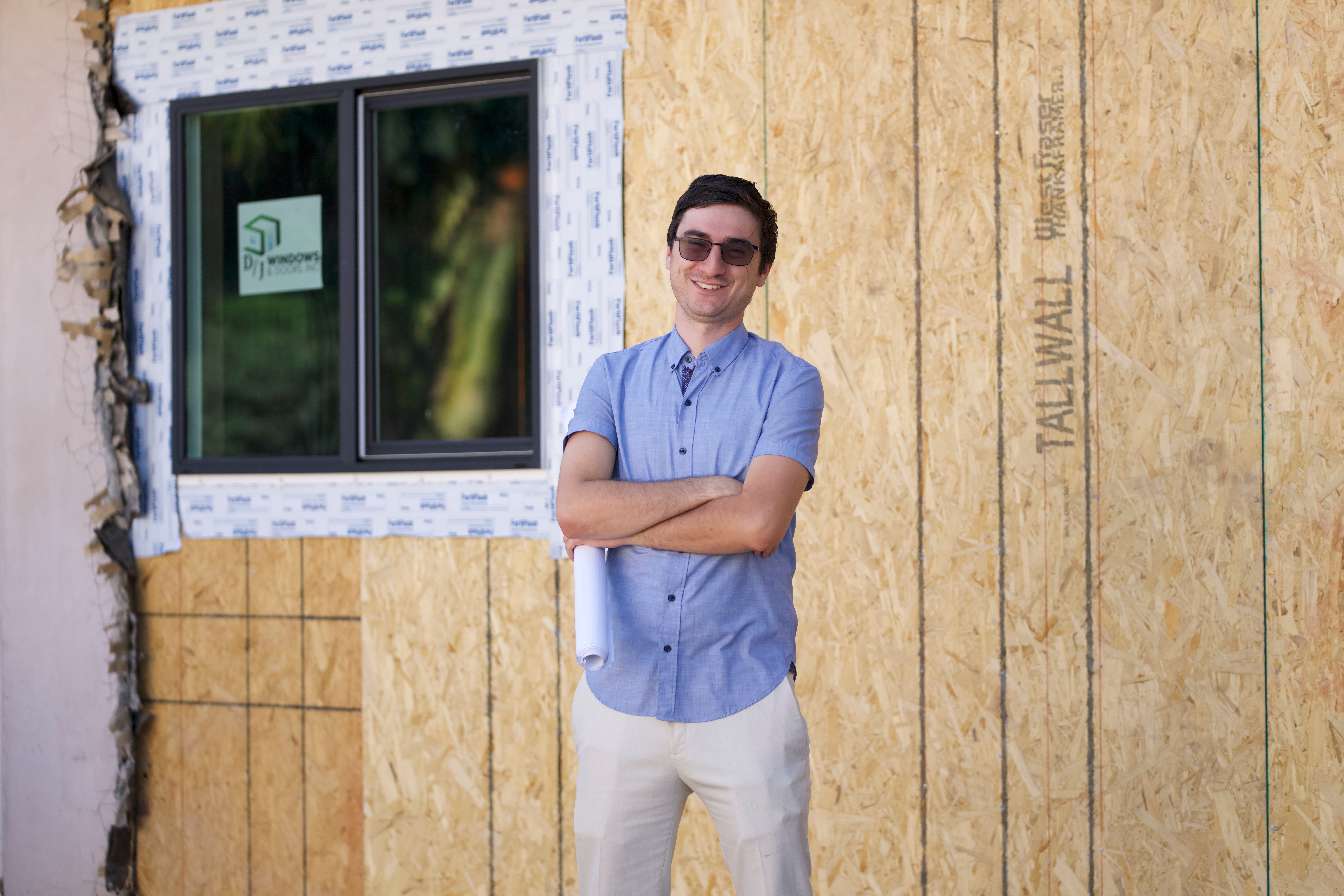
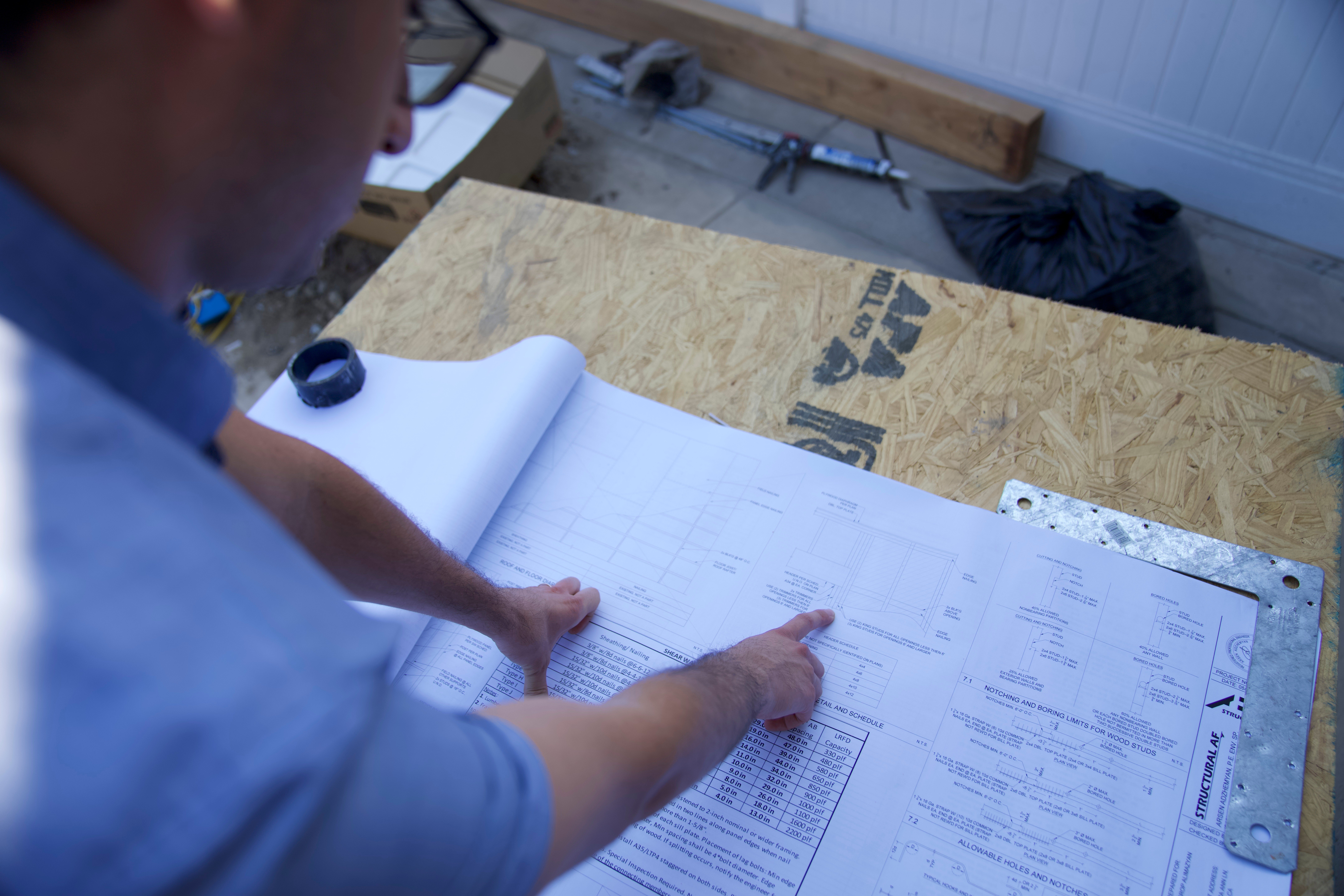
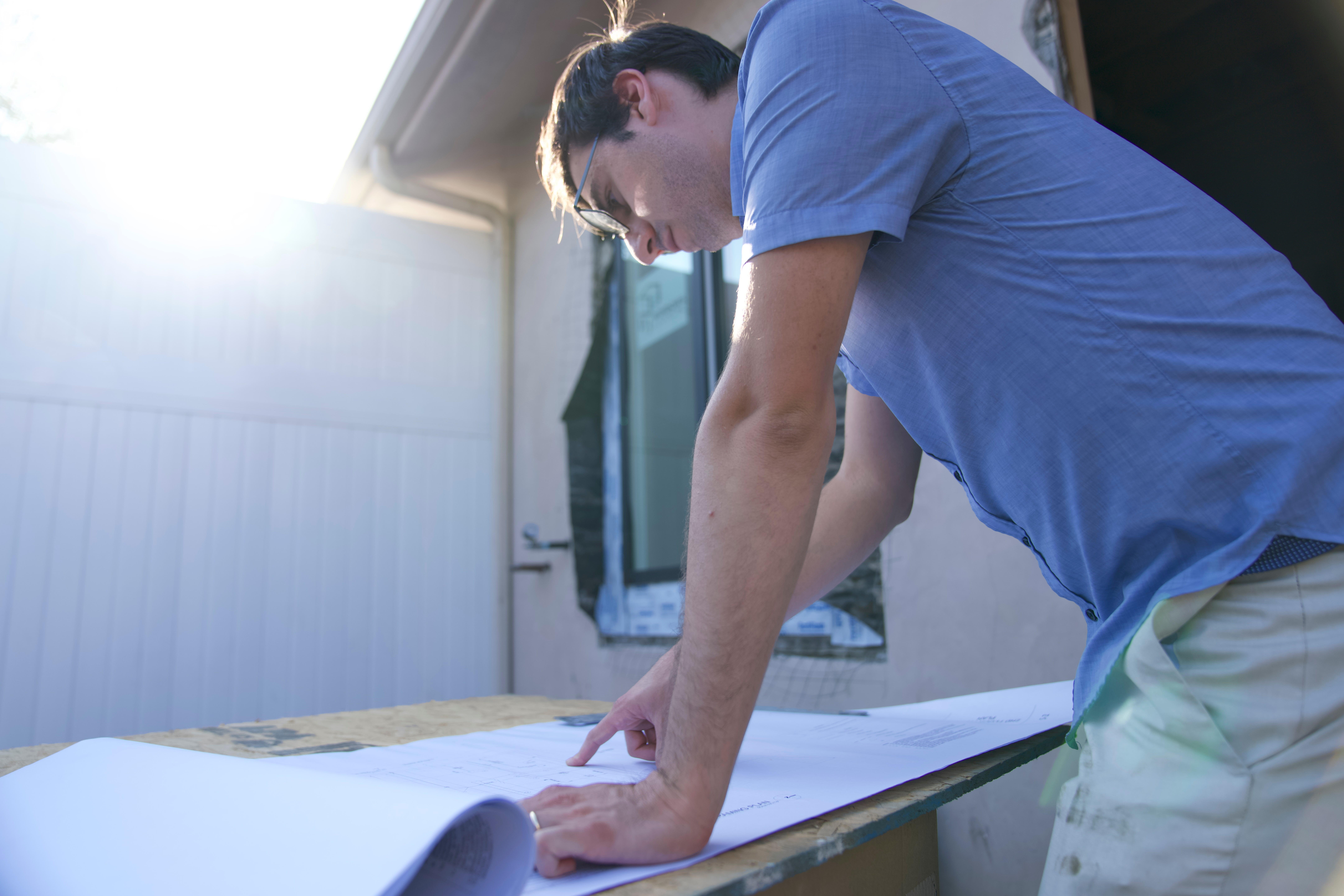
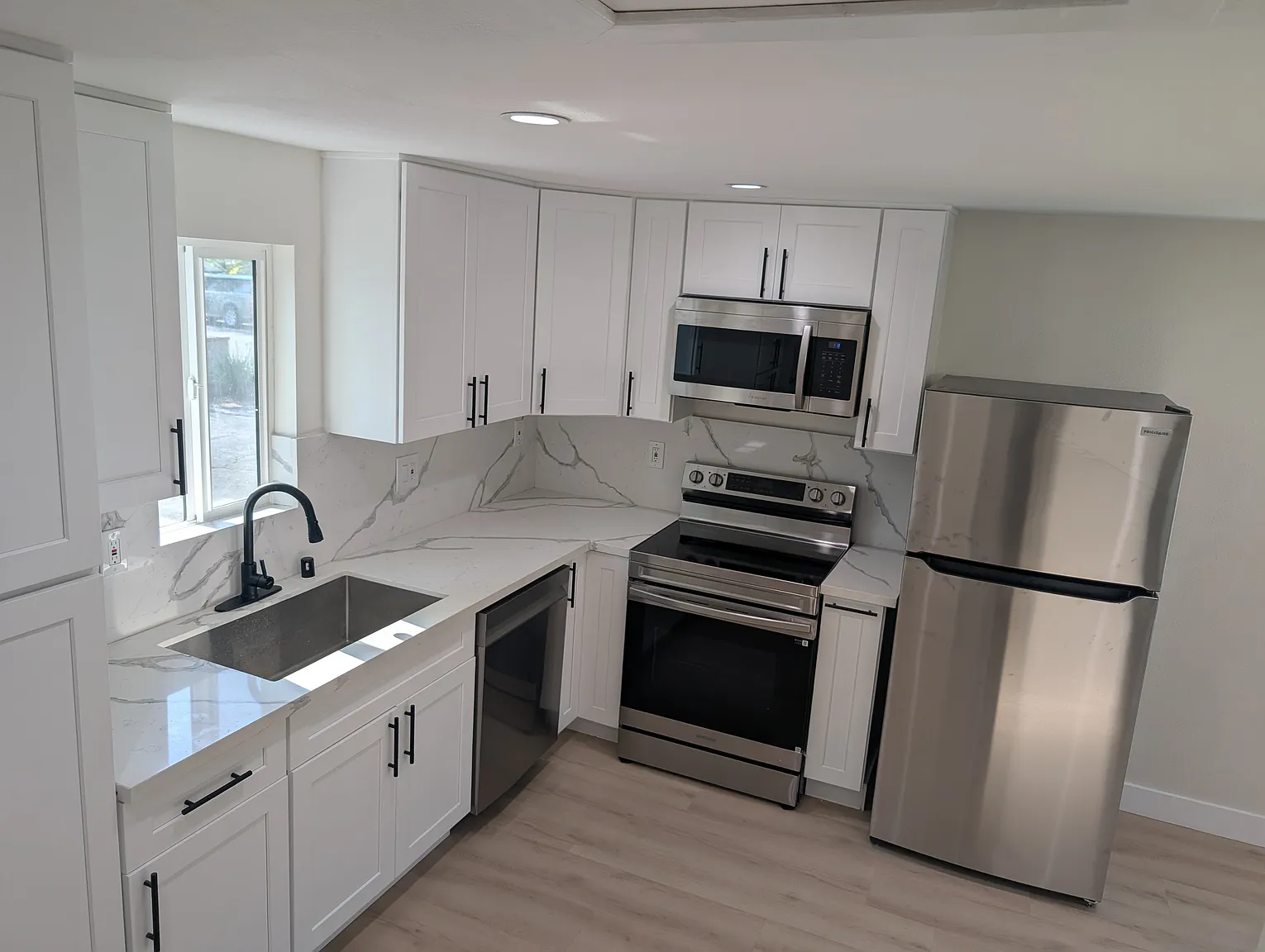
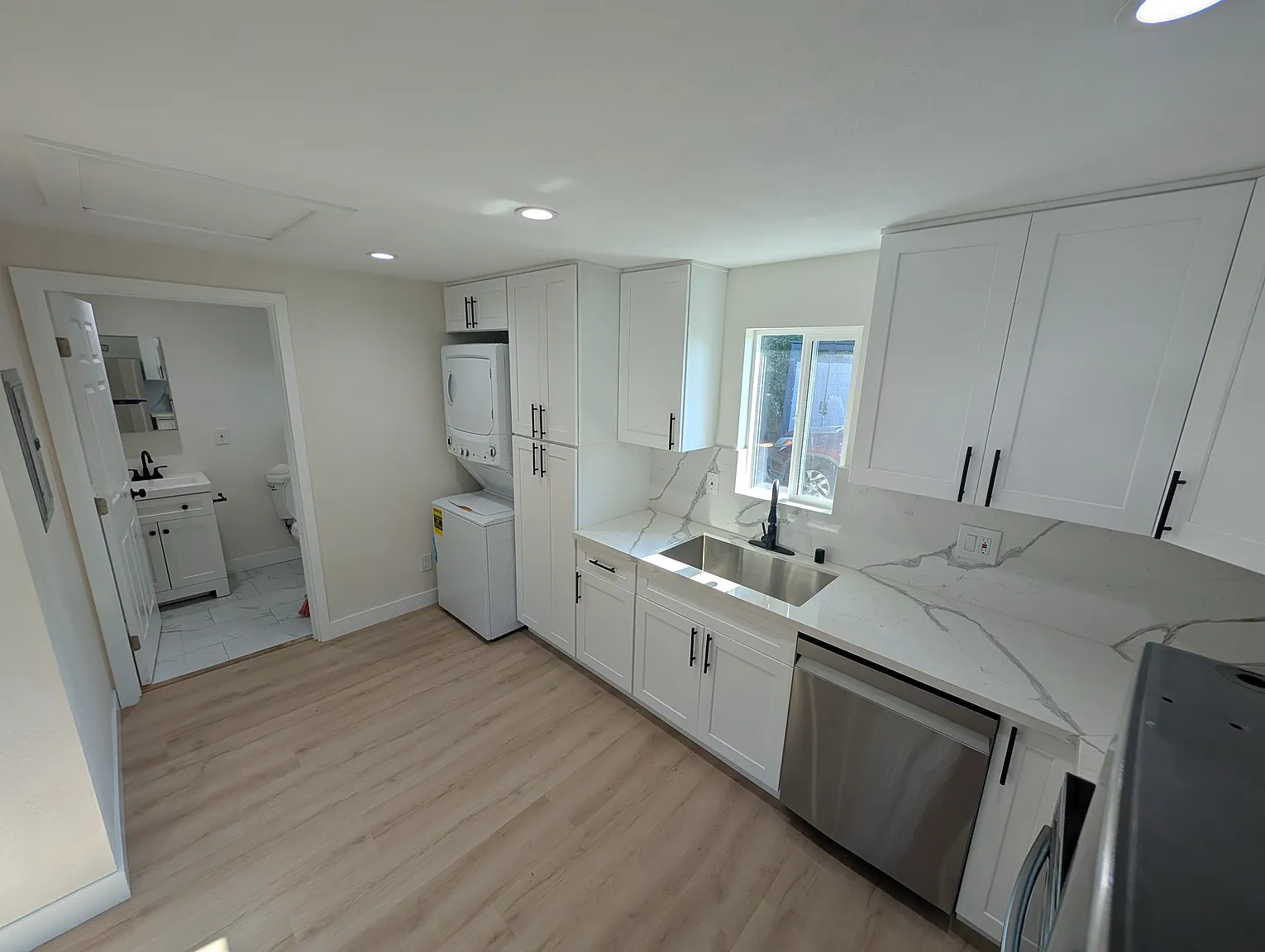
Image Credits
For all the photos except 2 photos of ADU kitchen, photo credits to EEE Visuals.
Popular
-

Finding Balance Through Art: Theresa Croft on Blending Music, Wellness, and Visual Storytelling into a Holistic Creative Identity
-

From Street Corners to City Tours: Chef Chuck Glaster on Building SOULD Out Into a Culture-Driven Culinary Movement
-

Portraits of the Valley
-

LA’s Most Inspiring Stories
-

From Rock Bottom to Calling: How Hasani McLean-Davis Found Purpose Through Faith and Music
-

Building a Scalable, Soulful Travel Brand: How Abboud Khallouf Turned Morocco Into a Global Experience


