




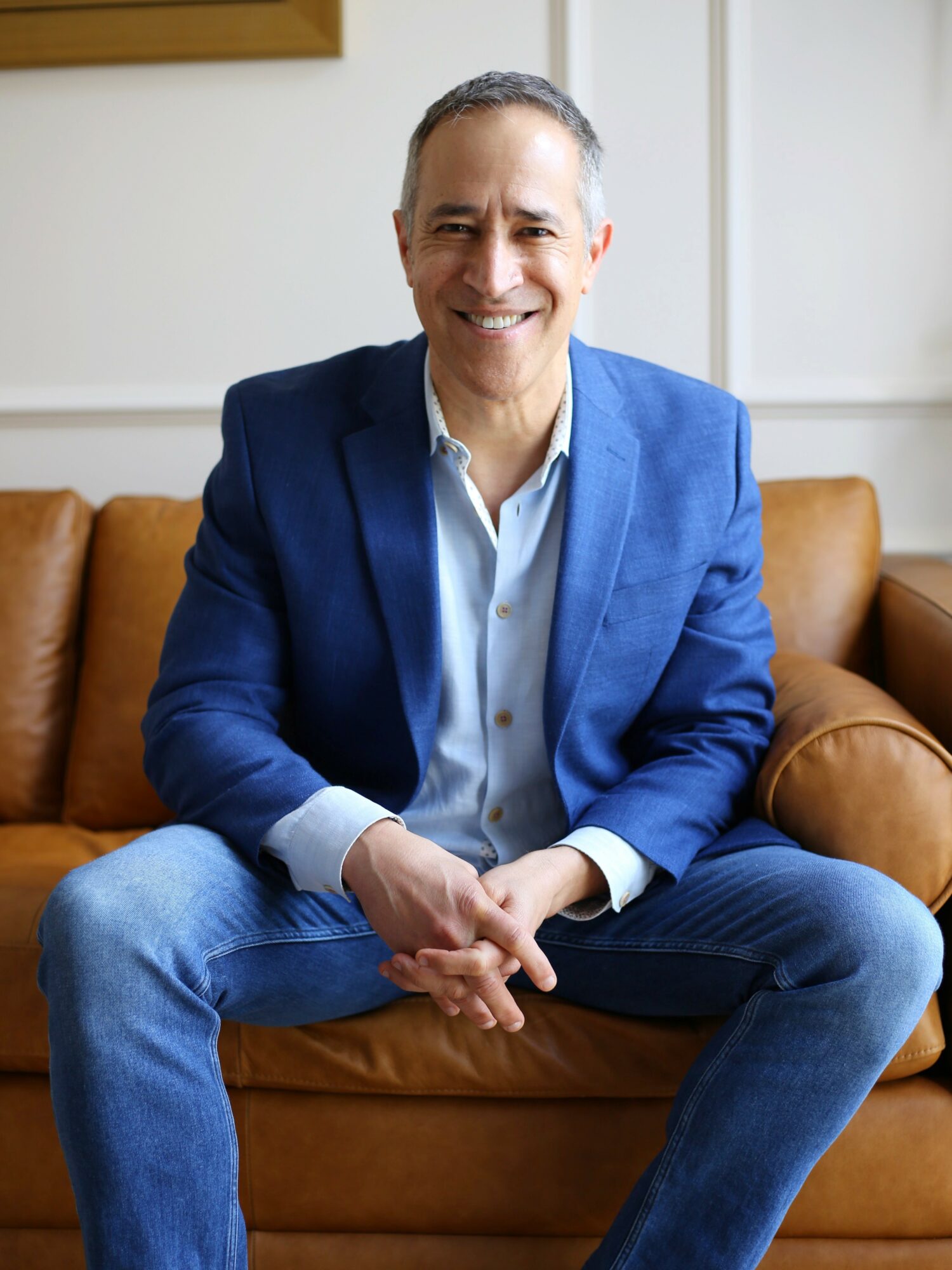
Today we’d like to introduce you to Josh Resnick.
Hi Josh, can you start by introducing yourself? We’d love to learn more about how you got to where you are today?
I’ve been an entrepreneur for as long as I can remember. My very first venture was the classic neighborhood lemonade stand, which somehow snowballed into a catering business, selling homemade chocolate chip cookies on Malibu Beach for several summers, and even running a food delivery service in high school. Looking back, food clearly had an early hold on me.
After business school, while most of my Wharton classmates headed to Wall Street, consulting, or big consumer brands, I decided to take a risk and turn my lifelong passion for video games into a career. It felt unconventional at the time, but it ended up being my dream job for many years. I learned the craft of game production and design at Activision, then eventually took the leap to co-found my own studio, Pandemic Studios, in Santa Monica (a name that… admittedly didn’t age very well).
Pandemic had an incredible run. We built large-scale, open-world action games like Star Wars Battlefront, Mercenaries, Destroy All Humans, Full Spectrum Warrior and The Saboteur, with teams in both Los Angeles and Australia. In late 2008, we sold the company to Electronic Arts in a nine-figure acquisition, which was a defining moment in my career.
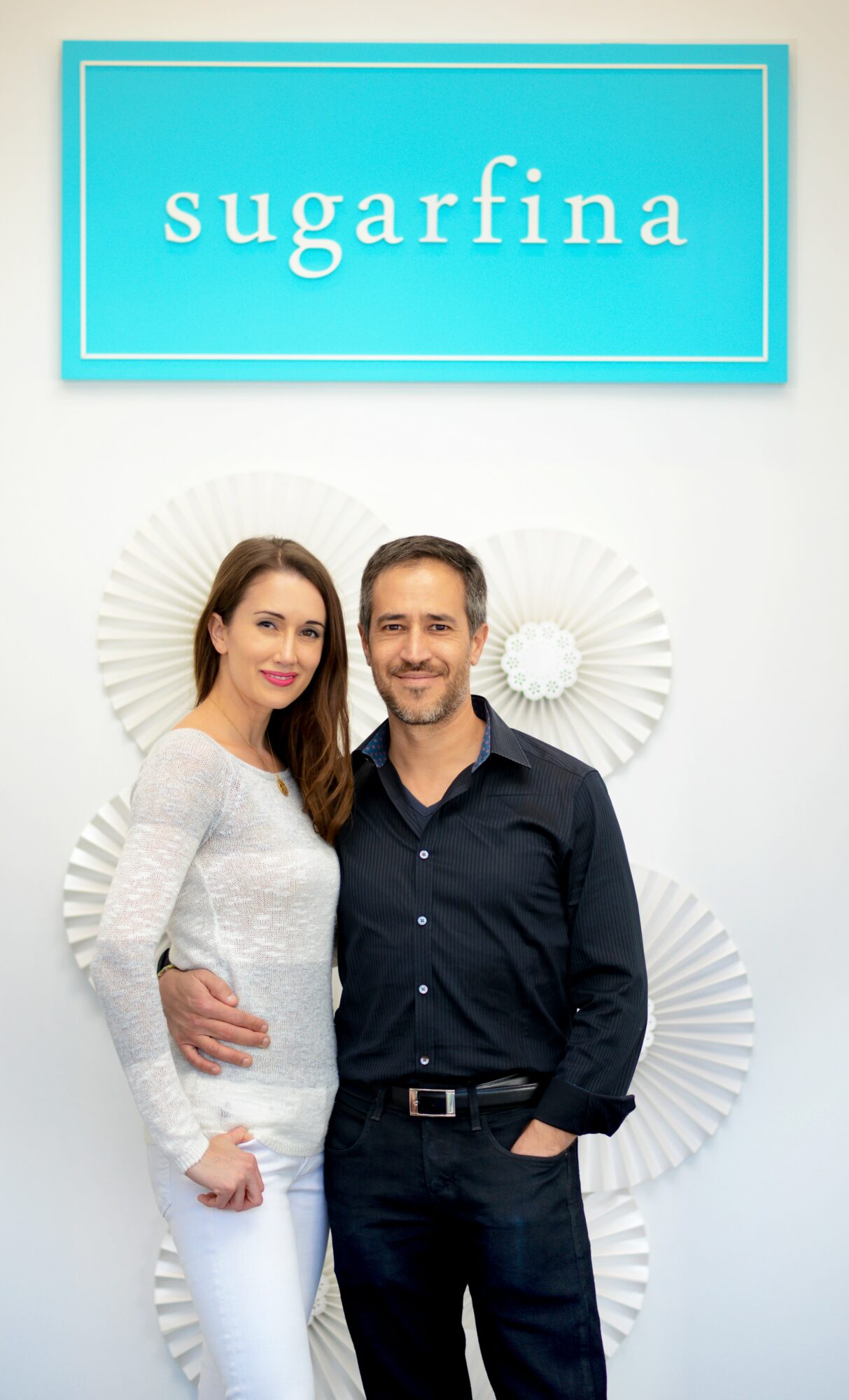
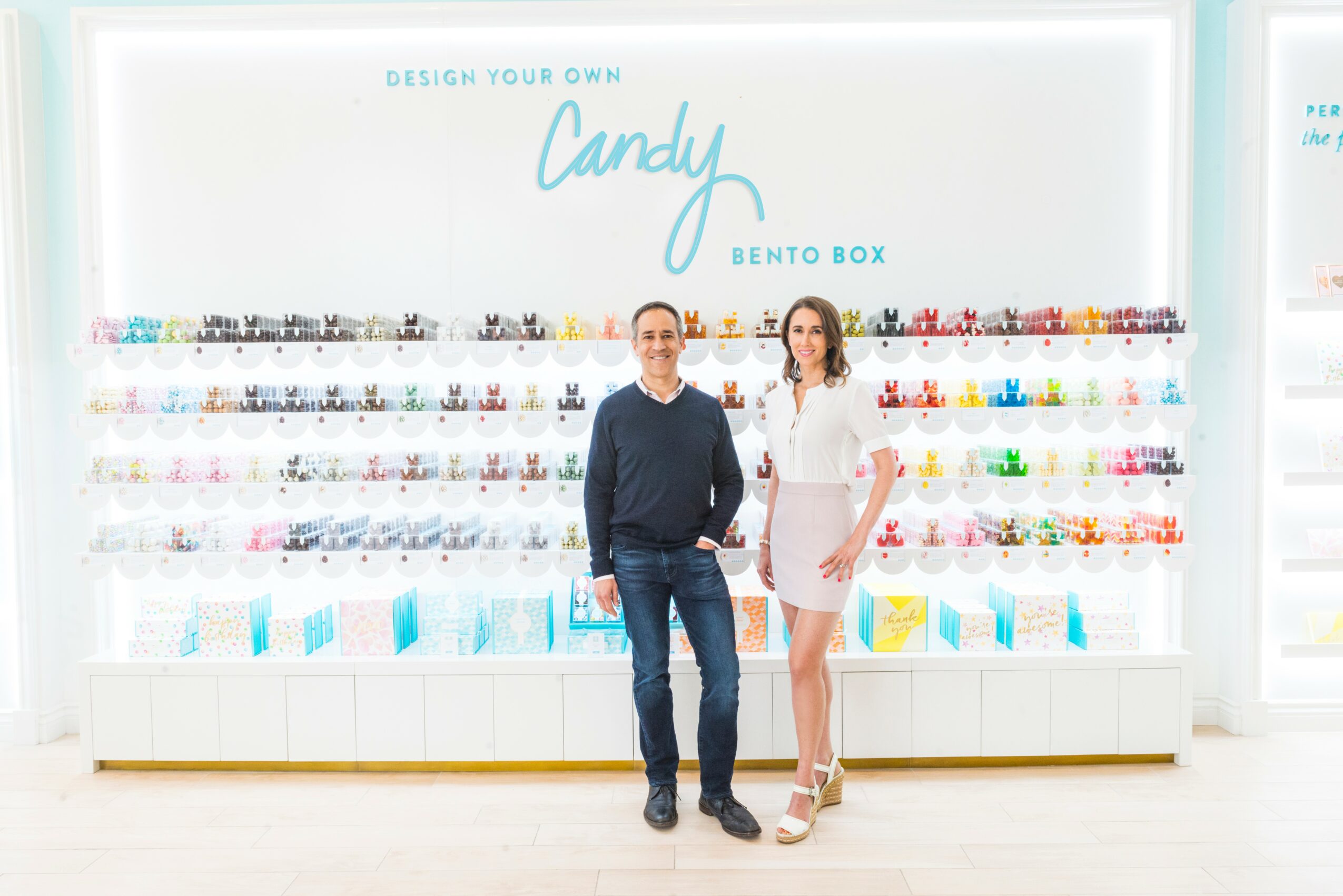
A few years later, I met the love of my life, and together we dreamed up an entirely different kind of startup: Sugarfina. We set out to reimagine candy for adults, sourcing confections from around the world and eventually creating our own recipes like Champagne gummy bears, single-malt Scotch cordials, and sour Sugar Lips. What started online quickly expanded into dozens of our own boutiques and thousands of retail doors nationwide. It was a surreal and joyful experience being real-life Willy Wonkas, but building and scaling a candy company turned out to be far more complex than we ever imagined. We decided to step away in late 2019, just before the real pandemic hit.
Today, I run OpenSky Ventures, an early-stage venture capital firm focused on consumer and technology companies. We’re fully deployed out of our first fund with over 30 portfolio companies and are now raising a larger Fund II to continue backing founders who are building thoughtful, disruptive businesses. At every stage of my career, I’ve been drawn to creativity, craft, and people willing to take bold swings, and that throughline continues to guide what I do today.
Can you talk to us a bit about the challenges and lessons you’ve learned along the way. Looking back would you say it’s been easy or smooth in retrospect?
I don’t think any entrepreneur has ever experienced a truly “smooth road,” and I’m certainly no exception. Every chapter comes with its own set of unexpected challenges.
One moment that really stands out happened during Sugarfina’s early growth phase. A few weeks before Christmas, our busiest season by far, we were hit with a surprise inspection at our warehouse by a county agency. They flagged that we were missing a small piece of paperwork required to operate out of that facility. It was especially jarring because we had passed multiple prior inspections without issue.
The implications were massive. If we couldn’t resolve it immediately, our holiday operations could have been shut down, which would have devastated revenue and left retail partners with empty shelves at the most important moment of the year.
We went into full crisis mode. Within days, we leased several commercial kitchens across Los Angeles, staffed them with our own team members, and rerouted trucks all over the city to move raw candy and packaging materials between locations. It was chaotic, exhausting, and incredibly stressful, but it worked. We fulfilled our orders, protected our partners, and got through the season intact.
Looking back, it was one of the hardest moments of that journey, but also one I’m most proud of. It reinforced a lesson that’s followed me throughout my career: challenges are inevitable, but how you respond in those moments defines the culture you’re building and the kind of leader you become.
Great, so let’s talk business. Can you tell our readers more about what you do and what you think sets you apart from others?
OpenSky Ventures is an early-stage venture capital firm built by former founders for founders. We focus primarily on consumer, AI, and commerce-infrastructure companies at the very beginning of their journeys, typically when there’s a strong founder, a clear point of view, and early signals of something special, but before the playbook is fully written.
What sets OpenSky Ventures apart is how hands-on and founder-aligned we are. We don’t just write a check and wait. Our team has built, scaled, and sold companies ourselves, so we’re deeply involved where it matters: refining product strategy, sharpening brand and storytelling, navigating go-to-market, and helping founders avoid some of the hard-earned mistakes we made along the way. We aim to be the kind of partner we would have wanted at the earliest stages.
We’re particularly drawn to businesses that sit at the intersection of culture, technology, and changing consumer behavior. Many of our portfolio companies are capital-efficient, brand-forward, and built with long-term durability in mind rather than short-term hype. We also structure our investments thoughtfully, with an emphasis on ownership, disciplined entry points, and tax efficiency where possible, including QSBS exposure.
Brand-wise, what I’m most proud of is that OpenSky has developed a reputation for being founder-first, high-integrity, and deeply engaged. Our first fund has performed well, but more importantly, we’ve built lasting relationships with founders who view us as true partners, not just investors. That trust compounds over time and has become one of our greatest advantages.
We’re currently in the process of raising our second fund, which builds directly on the strategy and learnings from Fund I, with a continued focus on backing thoughtful, ambitious founders early. For readers who are curious about early-stage investing or aligned with our approach, it’s an exciting moment in the firm’s evolution.
Ultimately, I’d want readers to know that OpenSky isn’t trying to be the biggest or loudest firm in the room. We’re intentionally focused, conviction-driven, and selective. We believe great companies are built through care, craft, and consistency, and our goal is to quietly help exceptional founders turn strong early ideas into enduring businesses.
Networking and finding a mentor can have such a positive impact on one’s life and career. Any advice?
I’ve never been very intentional about “networking” in the traditional sense. Most of the meaningful relationships in my life came from genuine curiosity, shared work, or simply showing up consistently over time.
That said, there are a few practical things that have worked especially well for me. One is leveraging alumni networks. Shared context, whether it’s a school, a former company, or even a past industry, lowers the barrier to reaching out and often leads to warmer, more generous conversations.
I’ve also found a lot of value in joining local groups or communities that naturally form around specific interests. If you’re looking for mentorship in a particular area, put yourself in rooms where people are already talking about and building in that space. That might mean founder dinners, industry meetups, creative collectives, or professional organizations. The goal isn’t to pitch yourself, but to listen, learn, and contribute.
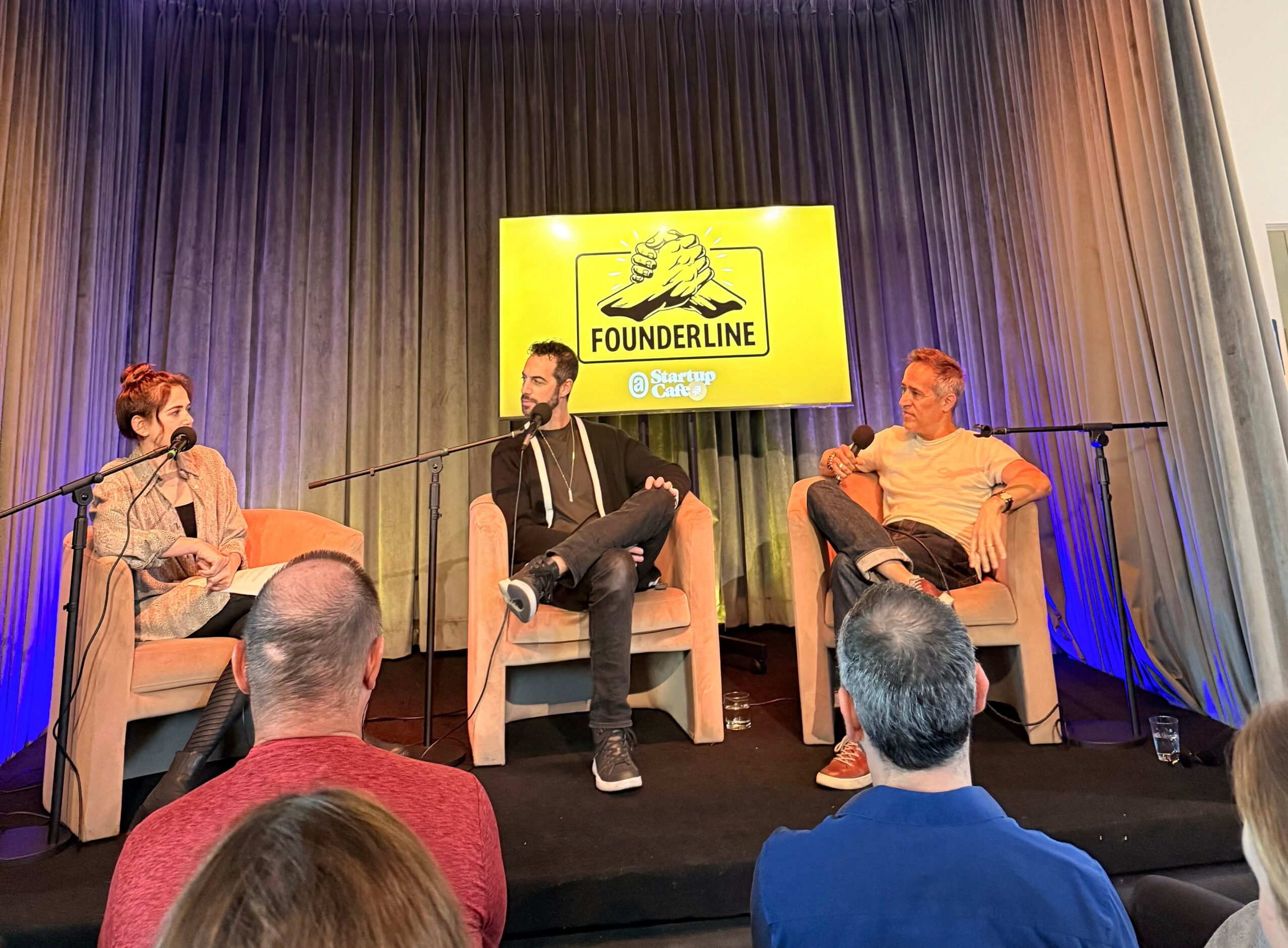
Attending talks, panels, and events has been another great entry point. Some of my best connections came from simply having the courage to approach a speaker afterward, thank them for their perspective, and ask if they’d be open to grabbing coffee. Most people are far more approachable than they seem, especially when the outreach is thoughtful and specific.
When it comes to mentors, I’ve learned that it’s better to ask for advice than to ask for mentorship. Come prepared with a real question or problem. If the connection is strong, those conversations tend to continue organically over time.
Finally, consistency matters. Following up, staying in touch without an agenda, and being genuinely appreciative of someone’s time goes a long way. The strongest relationships I’ve built unfolded over years, not months. If you approach networking with generosity, humility, and long-term thinking, it becomes less about collecting contacts and more about building real community.
Contact Info:
- Website: https://www.opensky.vc
- LinkedIn: https://www.linkedin.com/in/joshresnick1/
- Other: https://intro.co/joshresnick
Popular
-

Maagic Collins on Building a Fearless Publishing Platform for Truth, Advocacy, and Underrepresented Voices
-
Los Angeles Barea on Turning Green Superheroes into a Global Movement for Youth-Led Change
-

Trisha DuVivier on Bridging the Franchisor–Franchisee Divide with Workhero and “Franulate”
-

Portraits of the Valley
-

LA’s Most Inspiring Stories
-
Cedar Boschan on Elevating Black Music Rights and Driving Urgent Conversations Around Credit, Equity, and Artist Protection


