




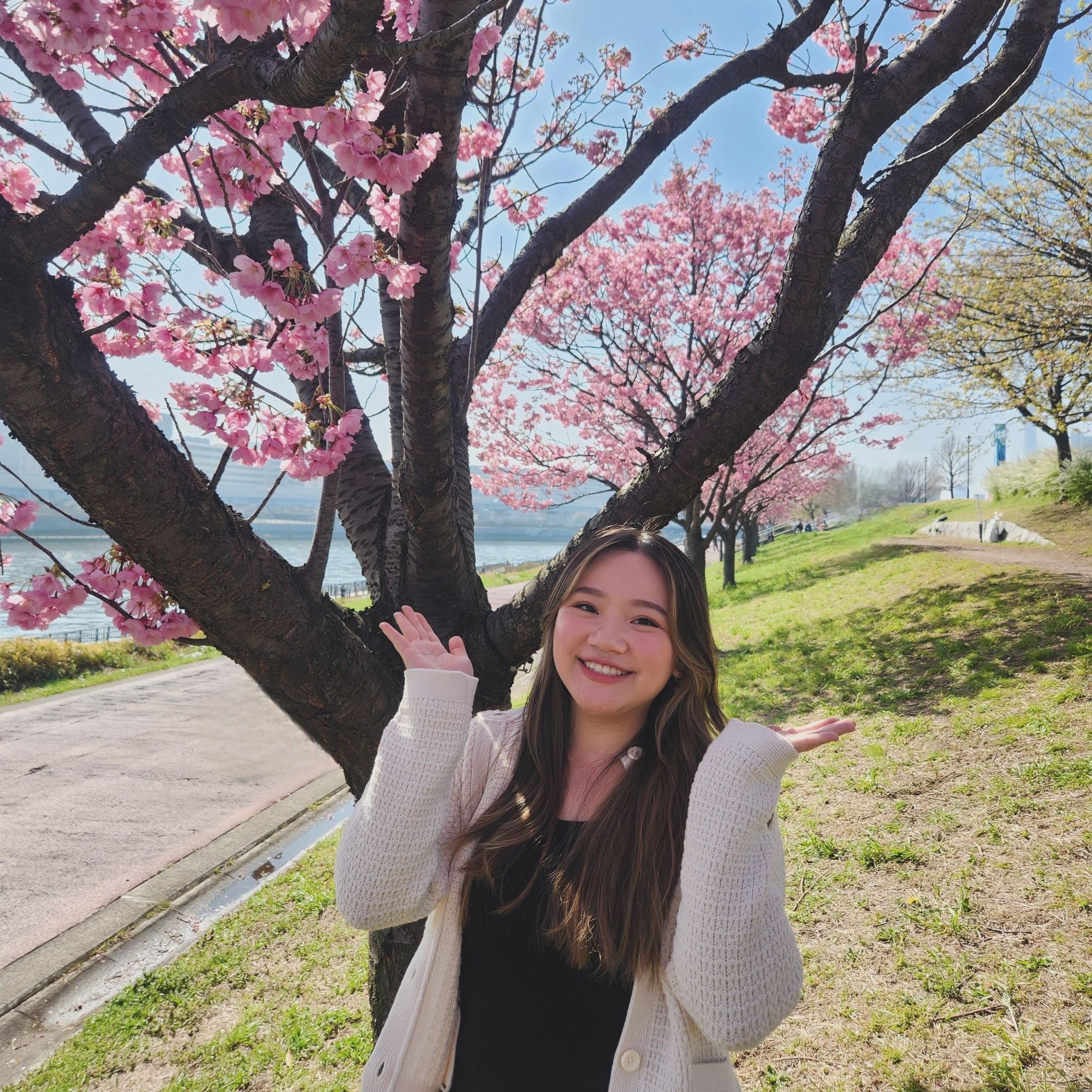
Today we’d like to introduce you to Angela Pham.
Hi Angela, we’re thrilled to have a chance to learn your story today. So, before we get into specifics, maybe you can briefly walk us through how you got to where you are today?
I’m a Vietnamese-Chinese American from Anaheim, California, where I grew up in a low-income, single-parent household with three brothers. One can only imagine what it was like being the only girl in the house – it was survival of the fittest! Jokes aside, I learned early on to be independent and resourceful. At the time, only about 8% of my school’s population was Asian, so I often didn’t feel comfortable with my own cultural identity. Neither of my parents went to college, so I had to navigate school and the challenges that came along with it largely on my own. The adversity I faced growing up deeply motivated me to get into a good university as a first-generation college student and to secure a future where I could take care of myself.
I was thrilled to start at USC as a freshman, but the transition was more challenging than I expected. I struggled with imposter syndrome and ended up dropping a few classes before I could officially fail them. I wasn’t used to experiencing this kind of failure or this level of anxiety about my identity and abilities. That experience pushed me to reflect deeply on myself and explore potential solutions. Through my peers, I learned about occupational therapy, and I took some classes that were engaging, practical, and immediately applicable. I began applying the concepts to my own life, such as managing anxiety, building routines, and understanding how my body and mind work, and it completely transformed my perspective.
This experience inspired me to pursue occupational therapy professionally. I earned my master’s and doctorate in occupational therapy at USC and worked across a variety of settings in mental health and wellness during my mid-twenties. This period was deeply healing for me; I became more engaged in my local community and built lifelong friendships with people who shared similar values and passions. I felt more grounded and connected to who I was becoming.
Along the way, I realized I wanted more ownership over how I practice to better help the clients I serve. This led me to start my own virtual occupational therapy practice. Although I’m based in Alhambra, I now run a virtual practice, working with clients across California remotely to support ADHD, autism, executive function challenges, and lifestyle management. My journey has been about embracing the unknown, continuous learning, and adapting to whatever comes my way.
We all face challenges, but looking back would you describe it as a relatively smooth road?
No way! It definitely hasn’t been a smooth road. Anxiety has been something I’ve had to continuously work through at different stages of my journey. Early in my career, I often felt pressure to have everything figured out—usually following a traditional, straightforward path. That mindset made uncertainty feel really uncomfortable. Over time, I had to learn to slow down, let go of the idea of perfect timing, and trust that growth happens through action, not just planning.
After earning my occupational therapy license and working in a variety of mental health settings, I started feeling an itch for something more—a desire to build a practice that reflected my values and allowed me to specialize in a population I truly resonated with. I had the framework and clinical foundation, but the uncertainty of potential failure made me hesitate. I had to learn how to take risks, trust myself, and move forward even when I didn’t have every detail figured out.
Starting my own virtual occupational therapy practice has been equal parts exciting and nerve-wracking, but it’s also been incredibly empowering. I’ve had to learn entirely new skills—like business acumen, marketing, and entrepreneurship—things that were never covered in grad school. It pushed me out of my comfort zone in the best way. I’ve learned to see uncertainty not as something to fear, but as a sign that I’m growing. The more I face that anxiety and take initiative anyway, the more I develop—both personally and professionally.
Alright, so let’s switch gears a bit and talk business. What should we know?
Dr. Angela Pham, Occupational Therapist, is a virtual occupational therapy practice based in California, specializing in helping clients with ADHD, autism, executive function challenges, and lifestyle management. I chose to use my own name for the practice because it feels personal, approachable, and straightforward, reflecting the one-on-one care I provide. Through telehealth, clients typically book 1-on-1 sessions with me, which allows us to tackle real-life challenges: building routines, managing stress, navigating executive functioning, and creating sustainable habits that actually stick.
What sets my practice apart is the combination of evidence-based occupational therapy with a personalized, holistic approach. I don’t just talk about what “should” be done; I help clients translate insight into actionable strategies, whether it’s adapting their environment, creating habit-stacking routines, or implementing tools that improve daily functioning and overall quality of life.
I’m proud of the way my practice bridges professional expertise with accessibility and flexibility. Because my practice is fully virtual, clients can receive high-quality care from the comfort of their own homes, making therapy more approachable and sustainable. I want readers to know that my practice isn’t just about therapy – it’s about practical, life-changing support that meets clients where they are and helps them feel more capable, confident, and in control of their lives.
In terms of your work and the industry, what are some of the changes you are expecting to see over the next five to ten years?
Over the next 5 to 10 years, I anticipate a gradual increase in occupational therapists specializing in mental health. Currently, less than 3% of OTs in the U.S. focus on mental health, which highlights a meaningful opportunity for growth and impact in this area.
As mental health awareness continues to rise, the demand for services that address both psychological well-being and daily functioning is expected to grow. Occupational therapists are uniquely positioned to meet this need, given our expertise in supporting individuals in meaningful activities and promoting functional independence.
The expansion of telehealth is also likely to play a key role. Virtual platforms increase accessibility, especially for underserved areas, and allow occupational therapists to deliver mental health support more broadly.
The field of occupational therapy is evolving, with increasing opportunities to specialize in mental health and leverage technology to improve service delivery. With greater awareness around mental health and its role in overall well-being, I see occupational therapists playing an increasingly vital and impactful role in the years ahead.
Contact Info:
- Website: https://www.angelaphamot.com/
- Linkedin: https://www.linkedin.com/in/angela-pham-ot/
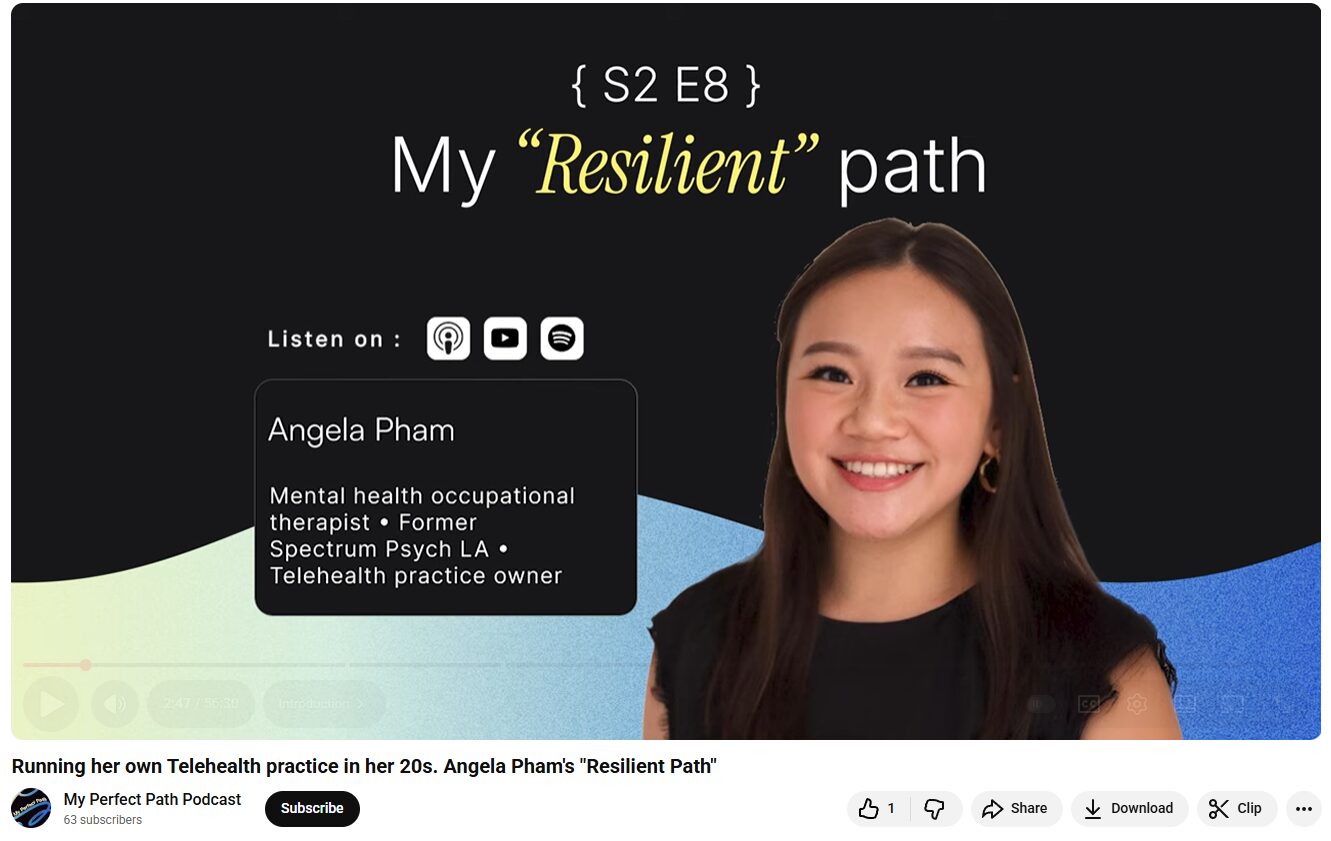
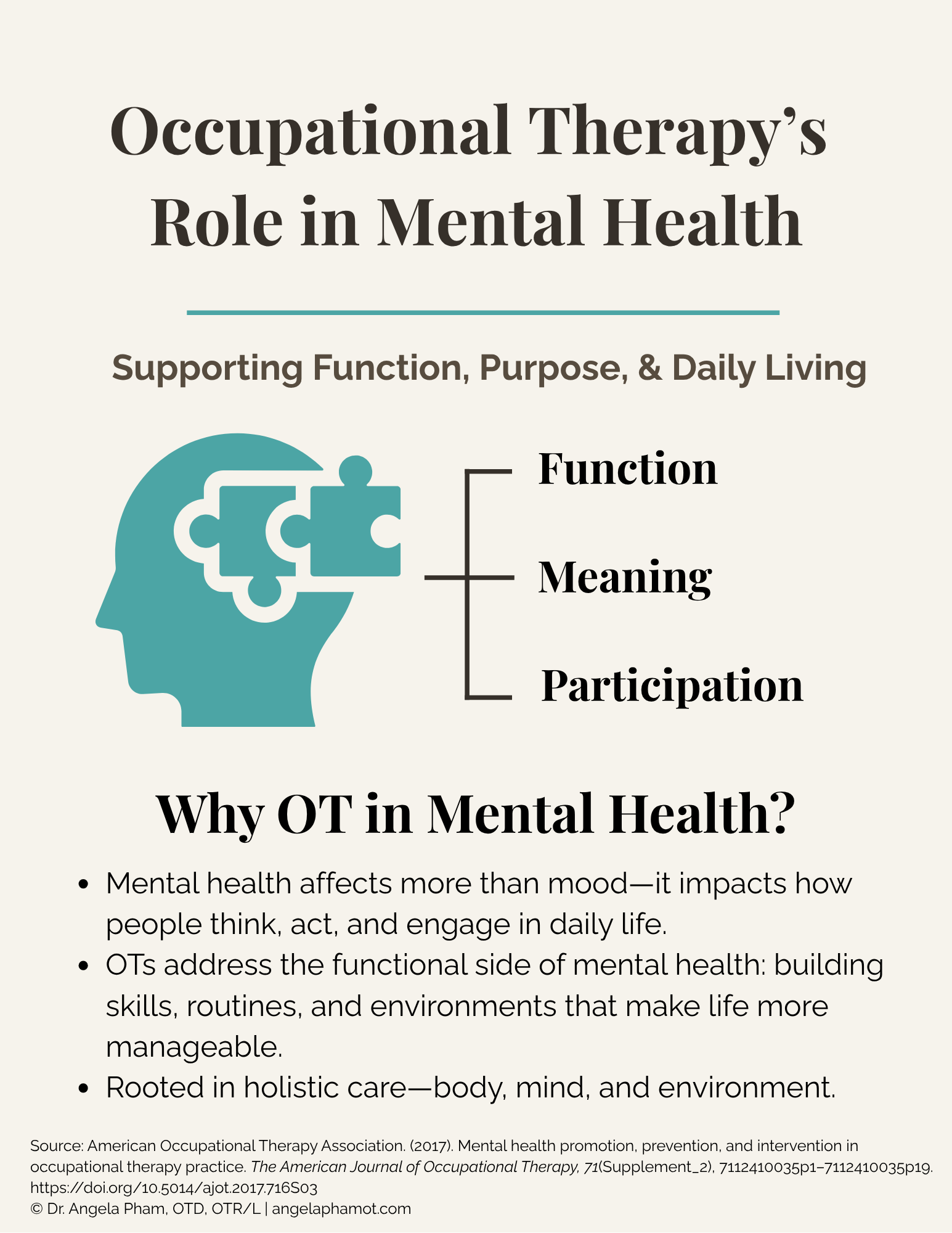
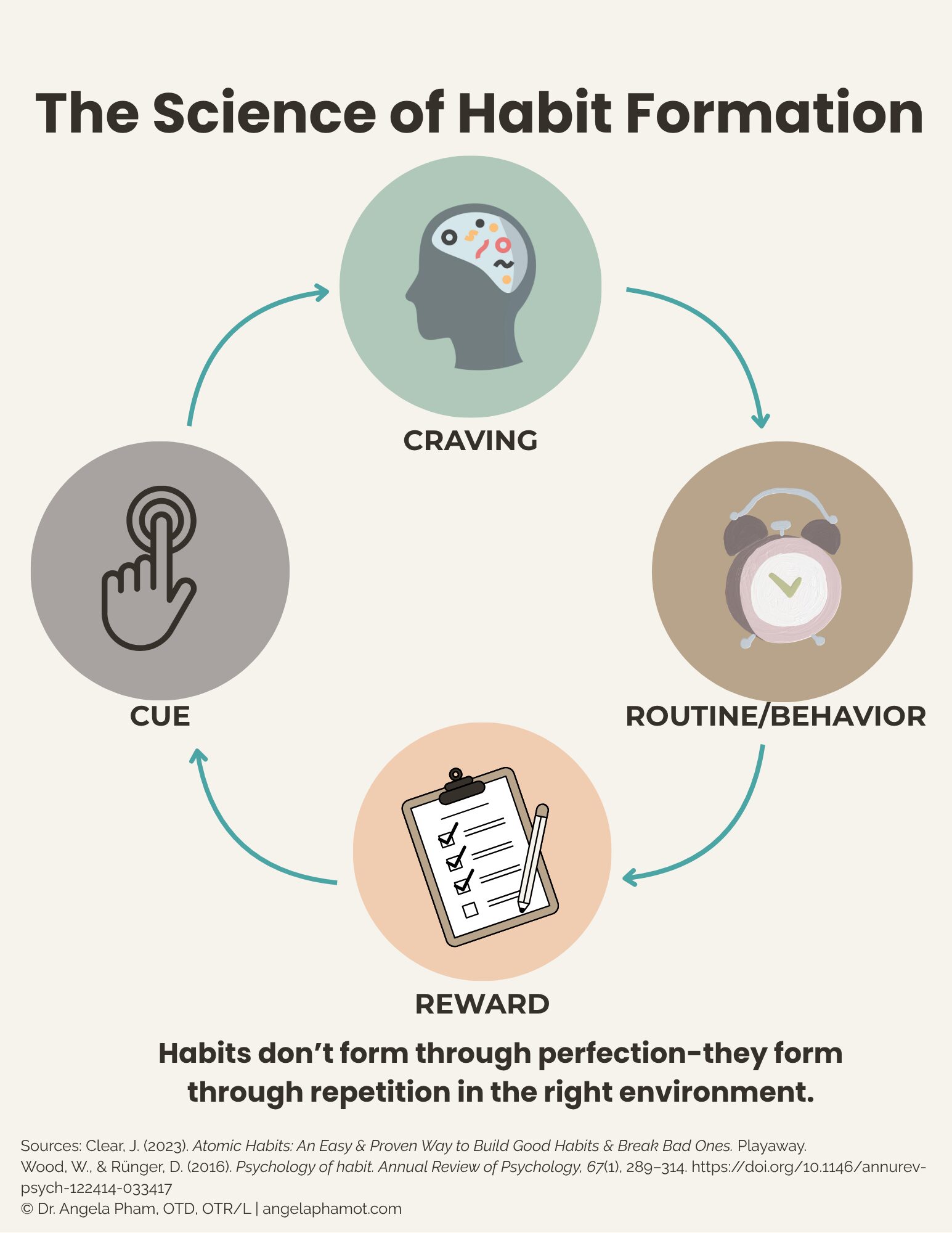
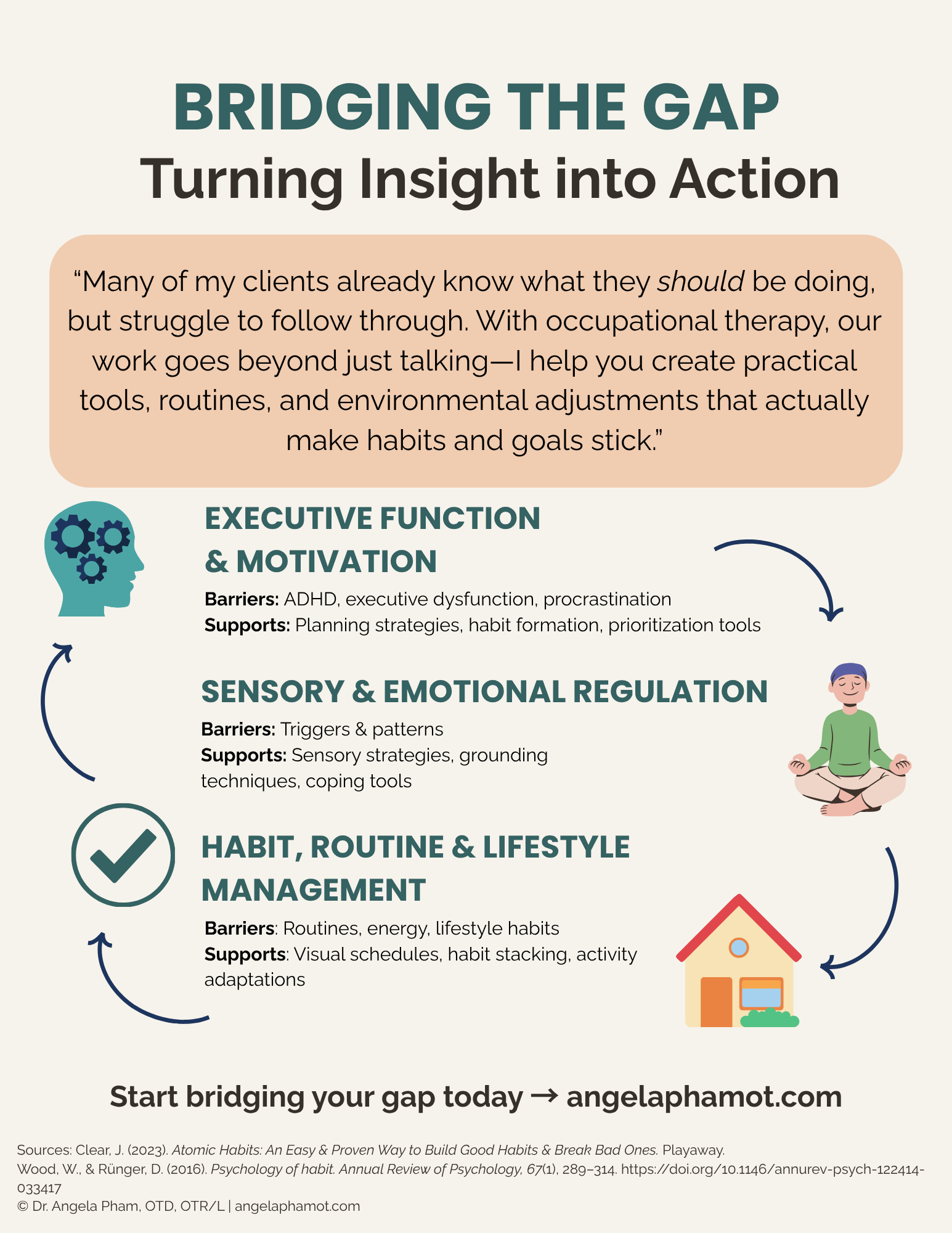
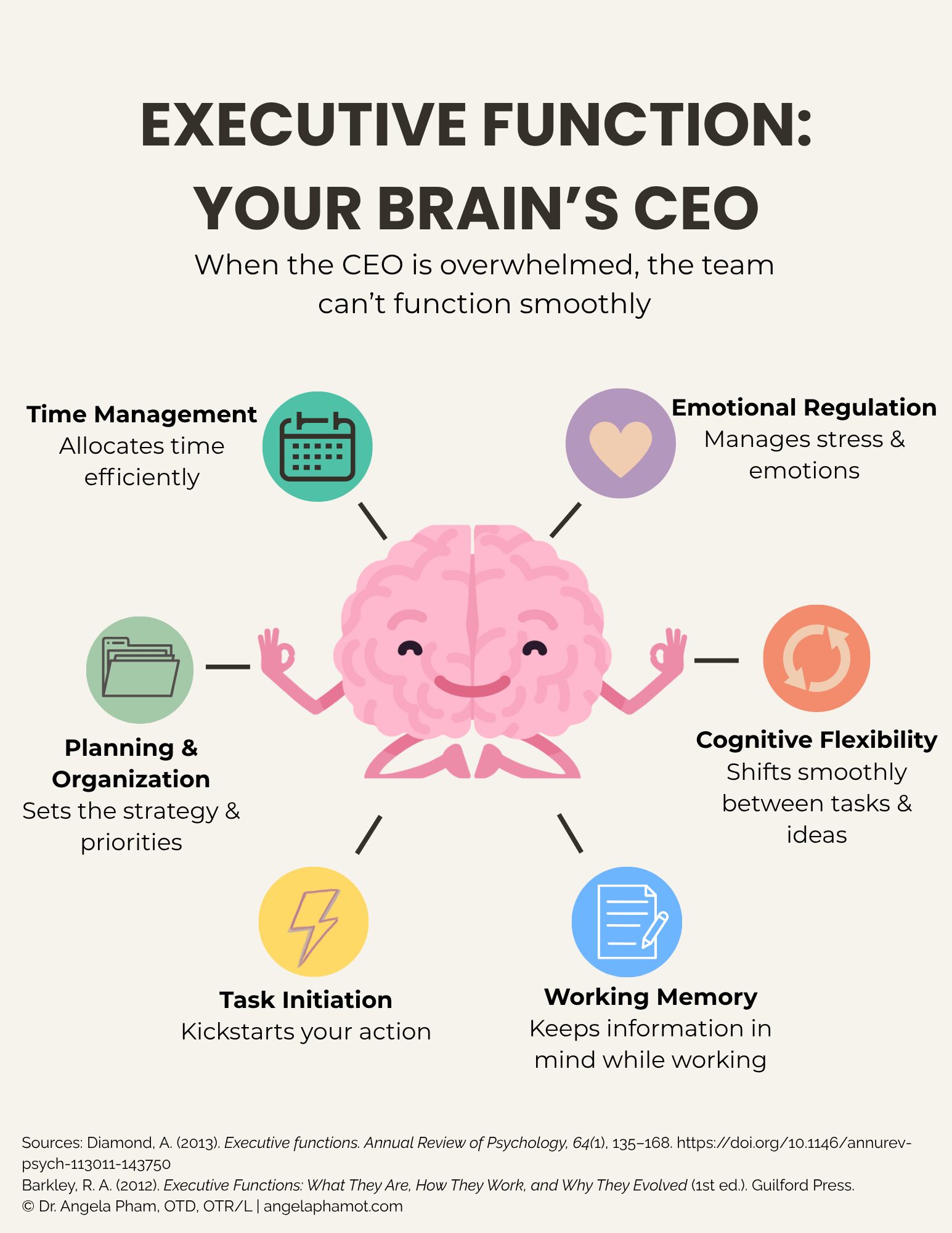
Image Credits
@myperfectpathpodcast ; Host Name: Daniel Koo
Popular
-
Inside the Future of Search: Robb Fahrion on Building a Global Team and Leading the Rise of GEO
-

From Supporting Local Boutiques to Building Brand Partnerships: Cinthia Jensen’s Creative Marketing Journey
-

Building Community Through Curiosity: Nathanial and Samantha Rowe on the Vision Behind UNEARTHED
-

Portraits of the Valley
-

LA’s Most Inspiring Stories
-

Building Creative Bridges: Torrey Tayenaka on Community, Collaboration, and the Future of Sparkhouse


