




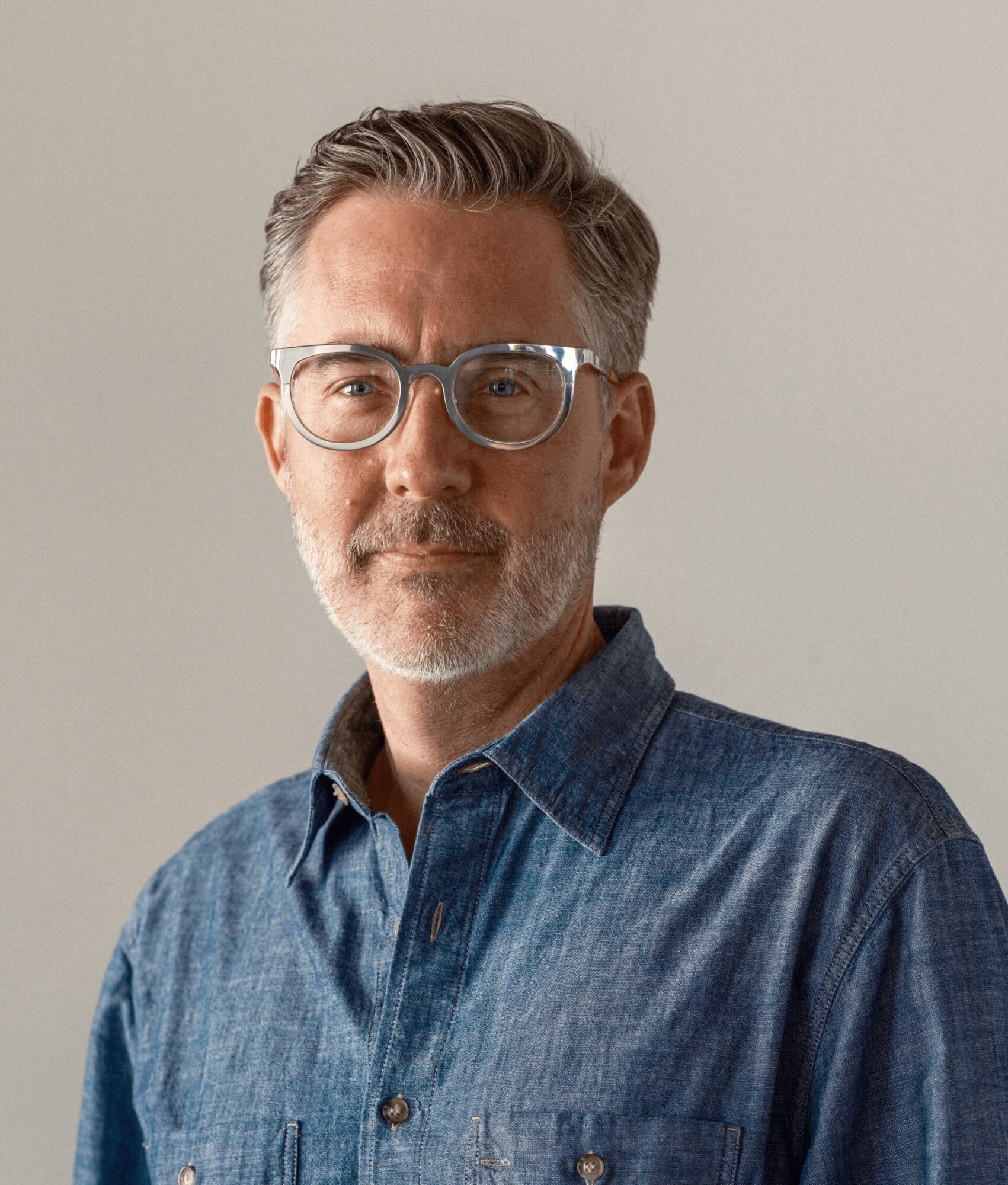
Today we’d like to introduce you to Allen Compton.
Hi Allen, thanks for joining us today. We’d love for you to start by introducing yourself.
I have a very zig-zag path into the profession of landscape architecture. I went to undergraduate school thinking I would be an electrical engineer, but by the end of my physics degree, I never wanted to look at another physics equation again. After graduation, I bought a ticket that took me around the world. I was gone for 9.5 months. I spent most of that time in Nepal, Thailand, Singapore, and Australia. I had always been interested in photography, so when I returned to the US, I began working for a commercial photographer and then I met a documentary photographer in North Carolina and studied with her for a year. She encouraged me to apply to graduate school in California, so I applied and was accepted into the photography program at the California Institute for the Arts. Just as I was finishing my degree, the dot-com era was ramping up, so I took a job as a design director for a technology company and then several others until the bubble burst in 2001. At that point I really wanted to find a way back to my creative practice. After lots of soul searching and conversations with others, I decided to enroll in the “Intro to the Profession of Landscape Architecture” class at UCLA Extension. It was remarkable. It was full of folks who were looking to get out of the current career path, so there were doctors, lawyers, screen writers, and even a stuntman, who said he needed something to do when he couldn’t jump out of buildings anymore. It was such a remarkable discovery. I thought, where has this been all my life? It really brought together so many thing that were important to me – the making of a physical space, structured thinking to make things buildable, and a creative drive.
I chose to continue and complete my degree at CalPoly Pomona in landscape architecture. I began working for Ahbe Landscape Architecture and then Rios Clemente Hail. They were formative years for me and gave me the confidence to launch my own practice in 2009.
Alright, so let’s dig a little deeper into the story – has it been an easy path overall and if not, what were the challenges you’ve had to overcome?
Just like almost all entrepreneurs, I am constantly learning how to make the business better. Starting from my garage with no employees, I had to learn how to run financial software, then what was required to hire someone, acquire liability insurance, standard contracts, etc. At the beginning, it felt like an overwhelming amount to learn, and while I have learned a tremendous amount, you can never be fully prepare for what is next. There are no rule books for navigating macroeconomic shifts, Covid, or federal funding uncertainties. You take a deep breath and take each one as they come.
Thanks – so what else should our readers know about SALT Landscape Architects?
SALT is a landscape architecture office, and we work on a wide array of projects, but the majority of them are in the public realm. We like to focus on landscape projects at the intersection of social and environmental justice, including public schools, parks, and other open space projects to support stormwater management and habitat restoration. We also work with private clients on technology campuses, market-rate, affordable, and permanent-supportive housing, as well as faith-based campuses. Most of these projects are in Southern California, though we also have projects in Nevada and Arizona.
Our office spends a tremendous amount of time in the early stages of a project to understand the context for our sites. What is the story of the place where we are working? What happened in this location over time? What are the political, ecological, and social stories of a place. These are our starting point for our work. We believe it is critical to work to connect people and communities to the history of a place.
A great example of this is our work on Salazar Park in East Los Angeles. Ruben Salazar was a Latino Journalist writing about the vibrancy of the Latino community in East LA at a time when their community was disparaged by the broader City. In 1970, the community organized the Chicano Moratorium, the largest anti-war and anti-Mexican repression march in the United States. As the peaceful protest of 20-30k people marched through the streets, the police showed up and their aggressive tactics created chaos. Ruben Salazar, among the marchers, retreated into a bar, the police arrived and shot a tear gas cannister into the bar, killed Ruben Salazar. The park, which was the destination for the march, was renamed after Ruben a month later in September, 1970. We are working with Los Angeles County, Kounkuey Design Initiative, and other consultants to rehabilitate the park and to bring these stories of the community into the design for current and future generations to understand.
Before we let you go, we’ve got to ask if you have any advice for those who are just starting out?
I think one of the most valuable things is to understand your own risk-tolerance. In order to grow, you have to know where your comfort zone is and become comfortable stepping out of it. Getting a business going takes risks, so you have to balance the pragmatism in setting up your operations with taking risks to get work and to take on things you have never tackled before.
Contact Info:
- Website: https://www.salt-la.com
- Instagram: salt_la
- LinkedIn: https://www.linkedin.com/company/18285783/admin/dashboard/
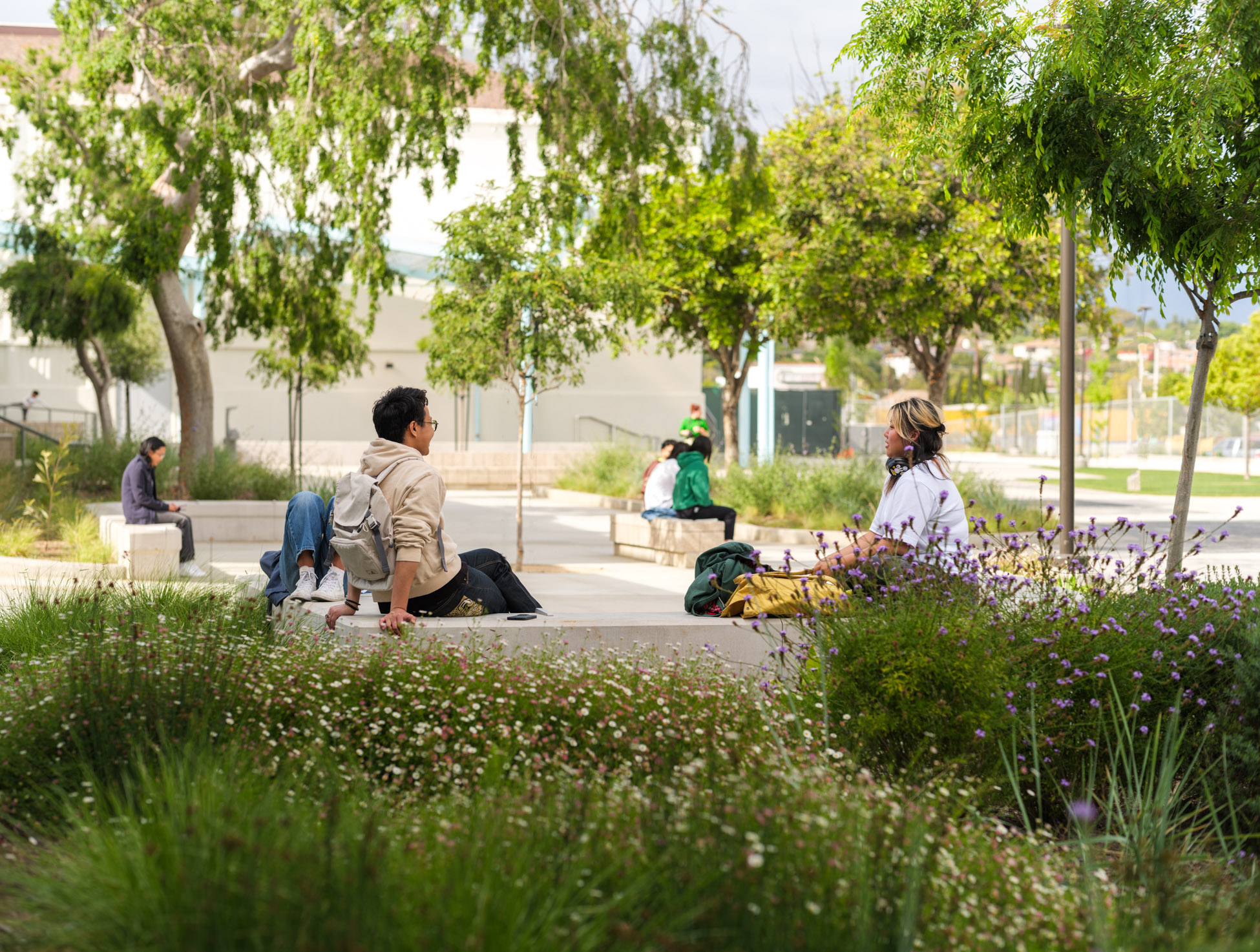
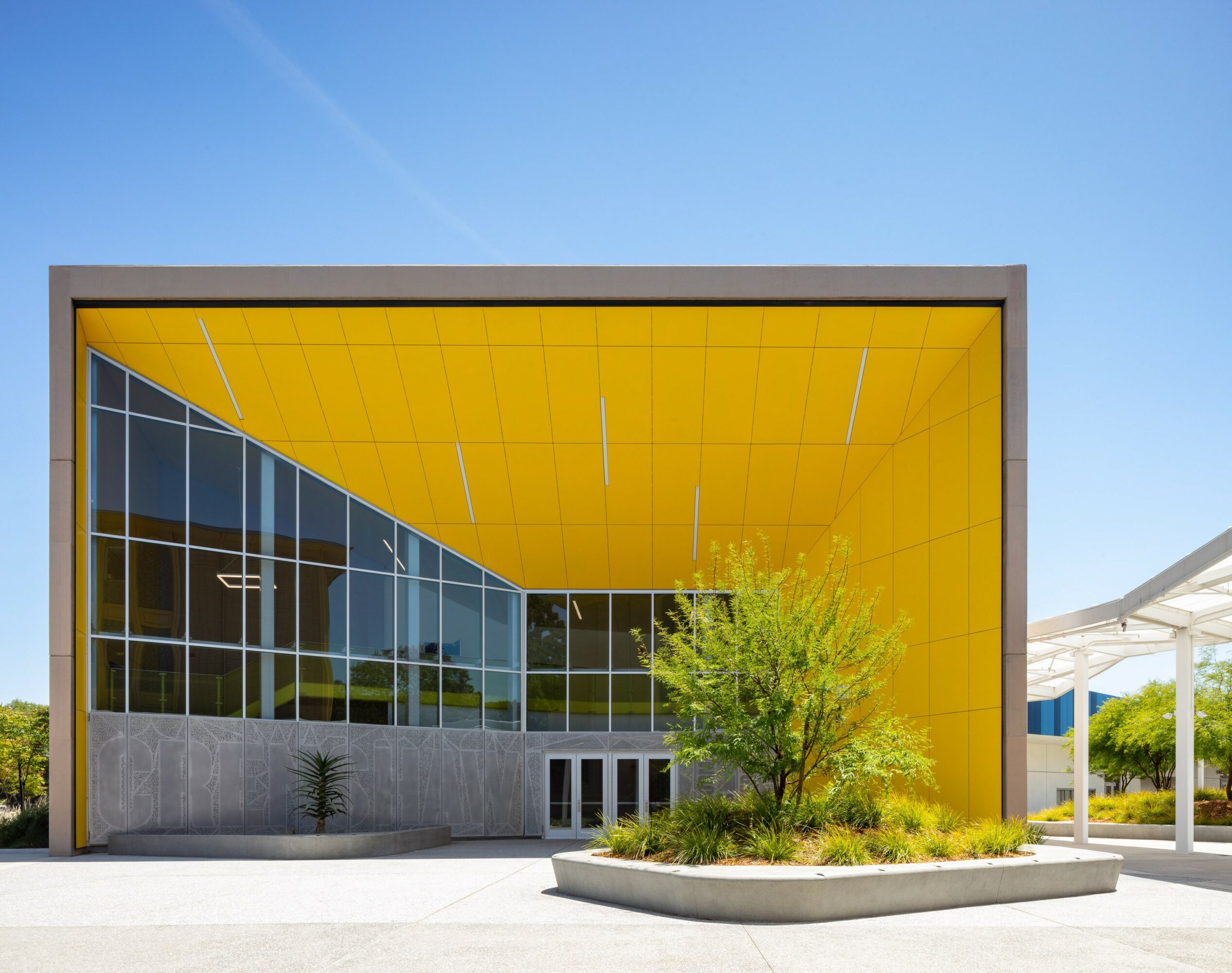
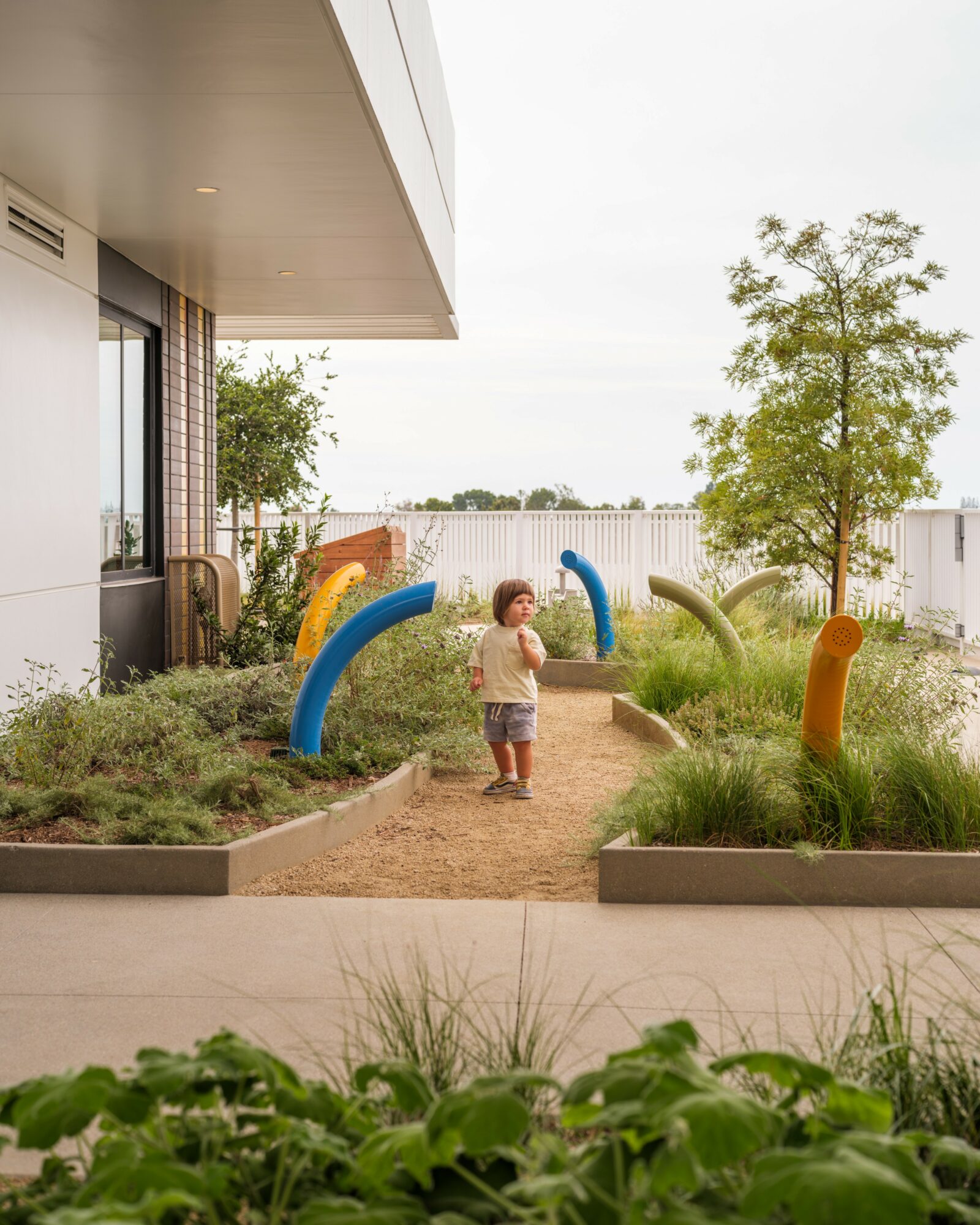
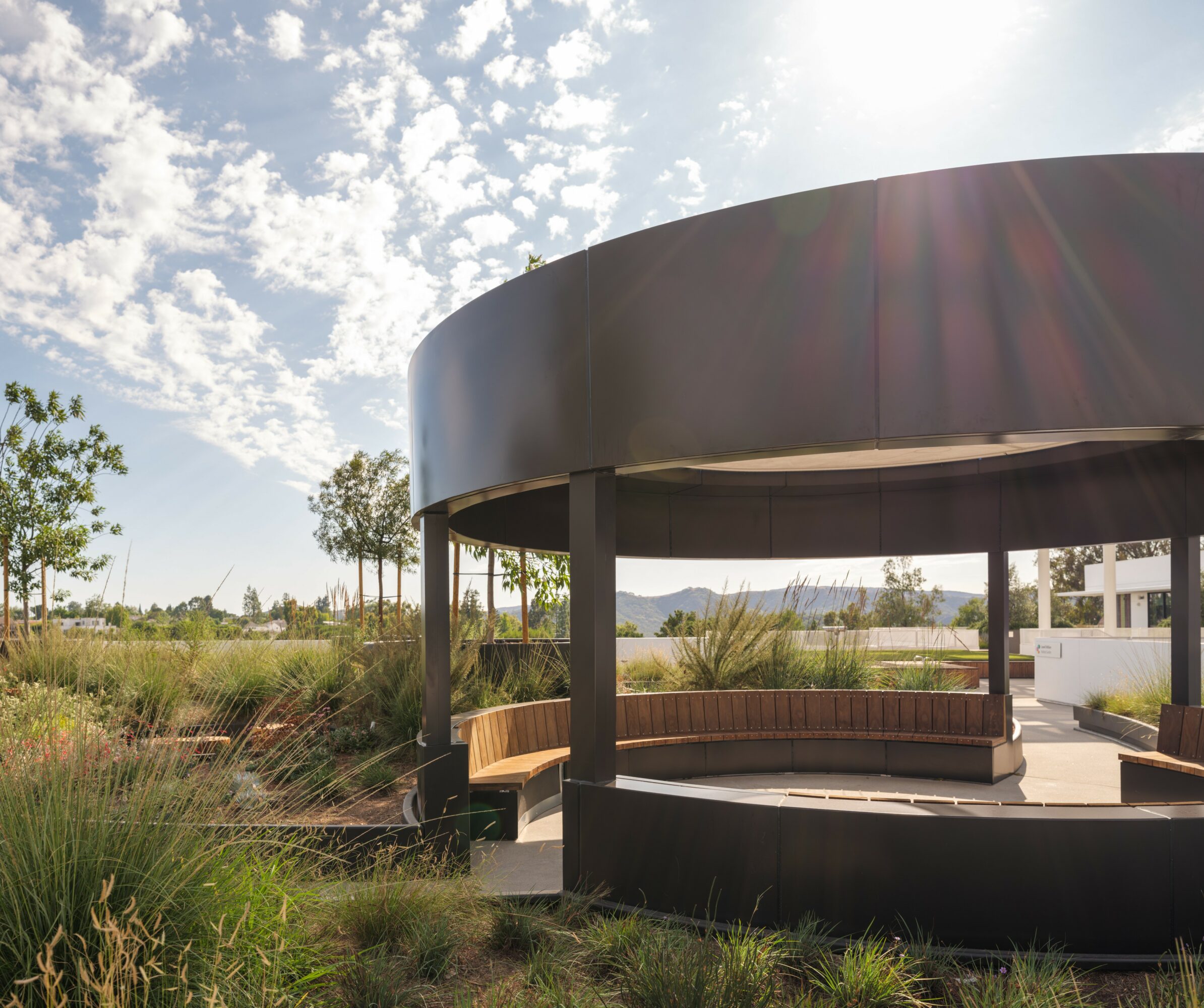
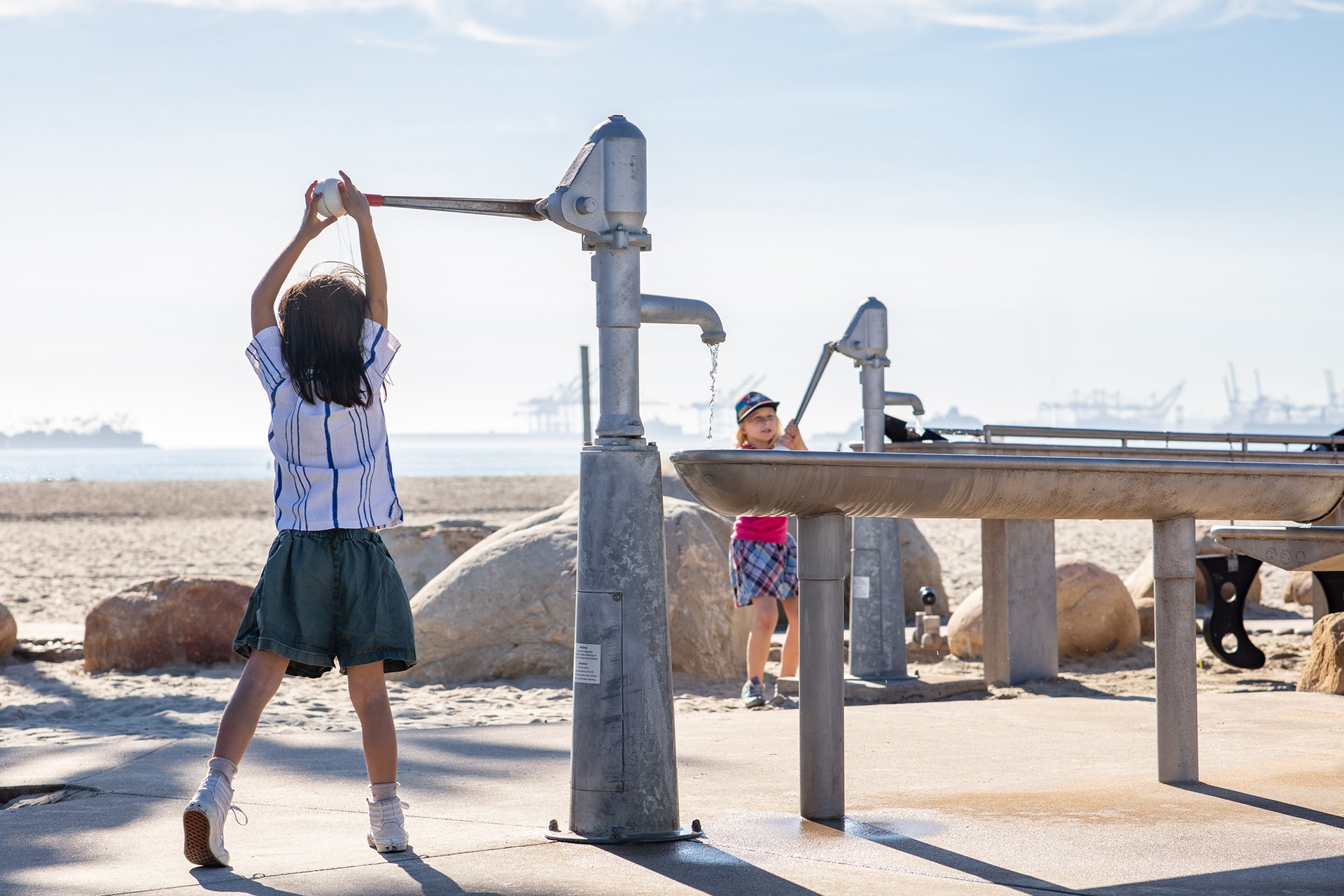
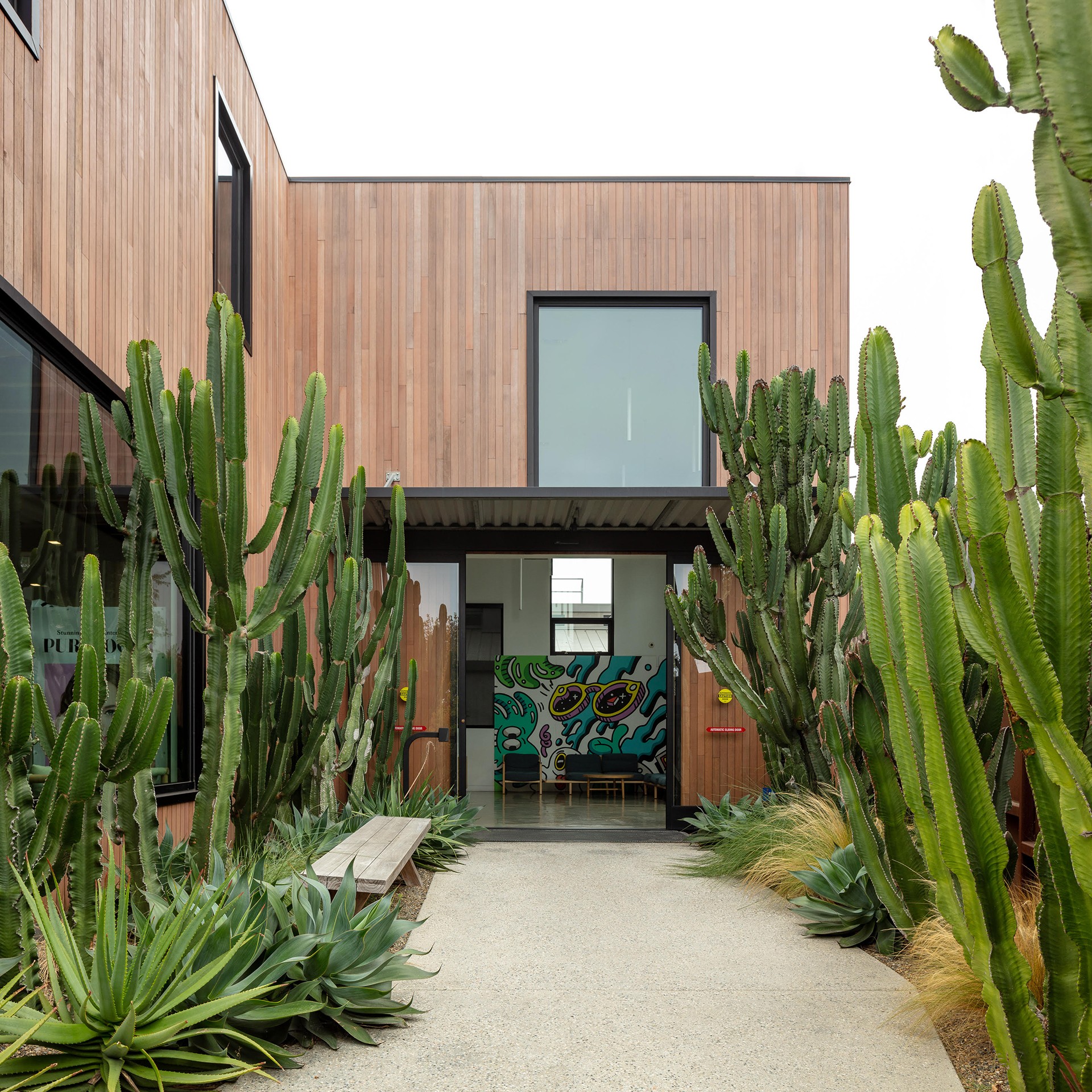
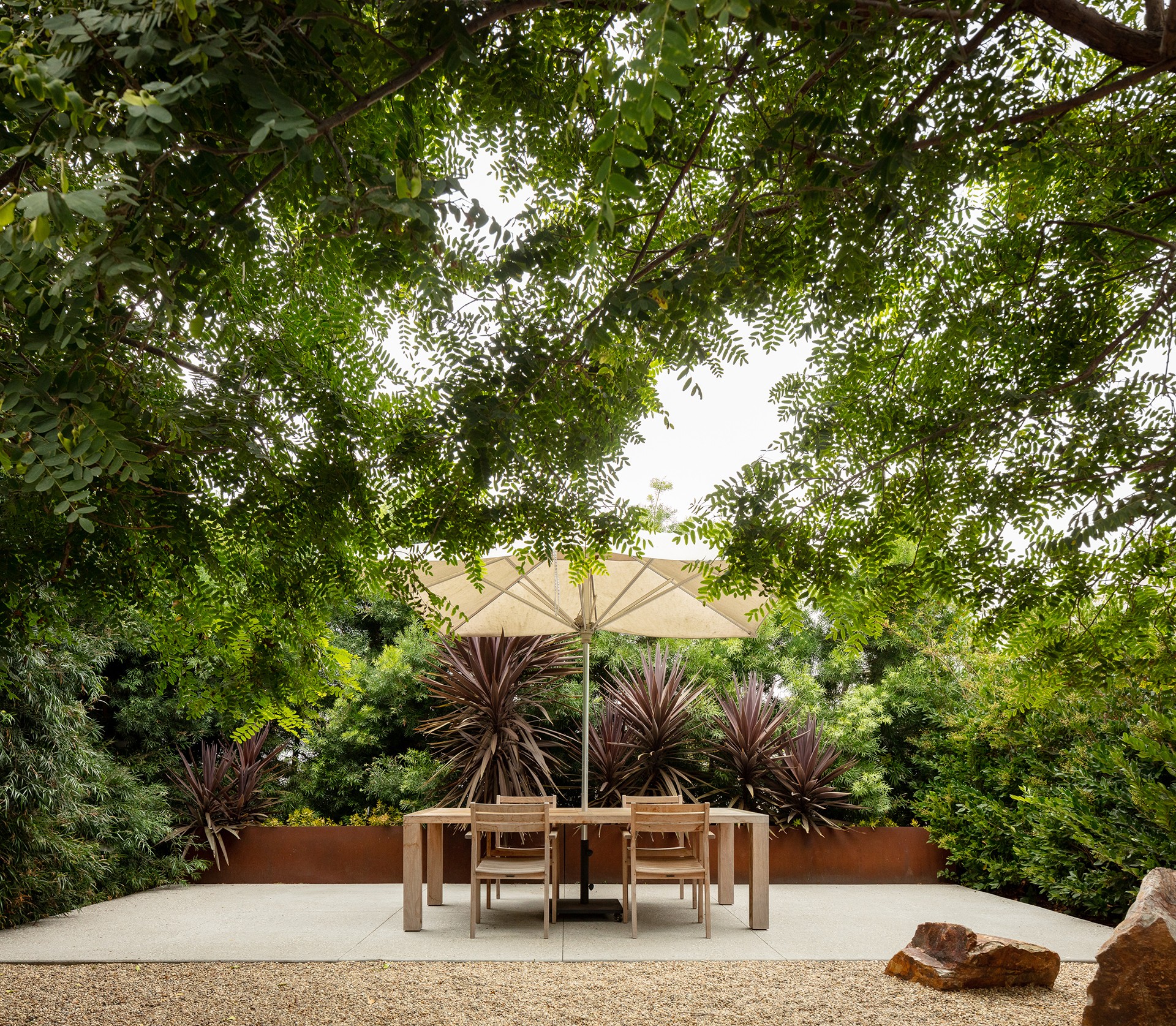
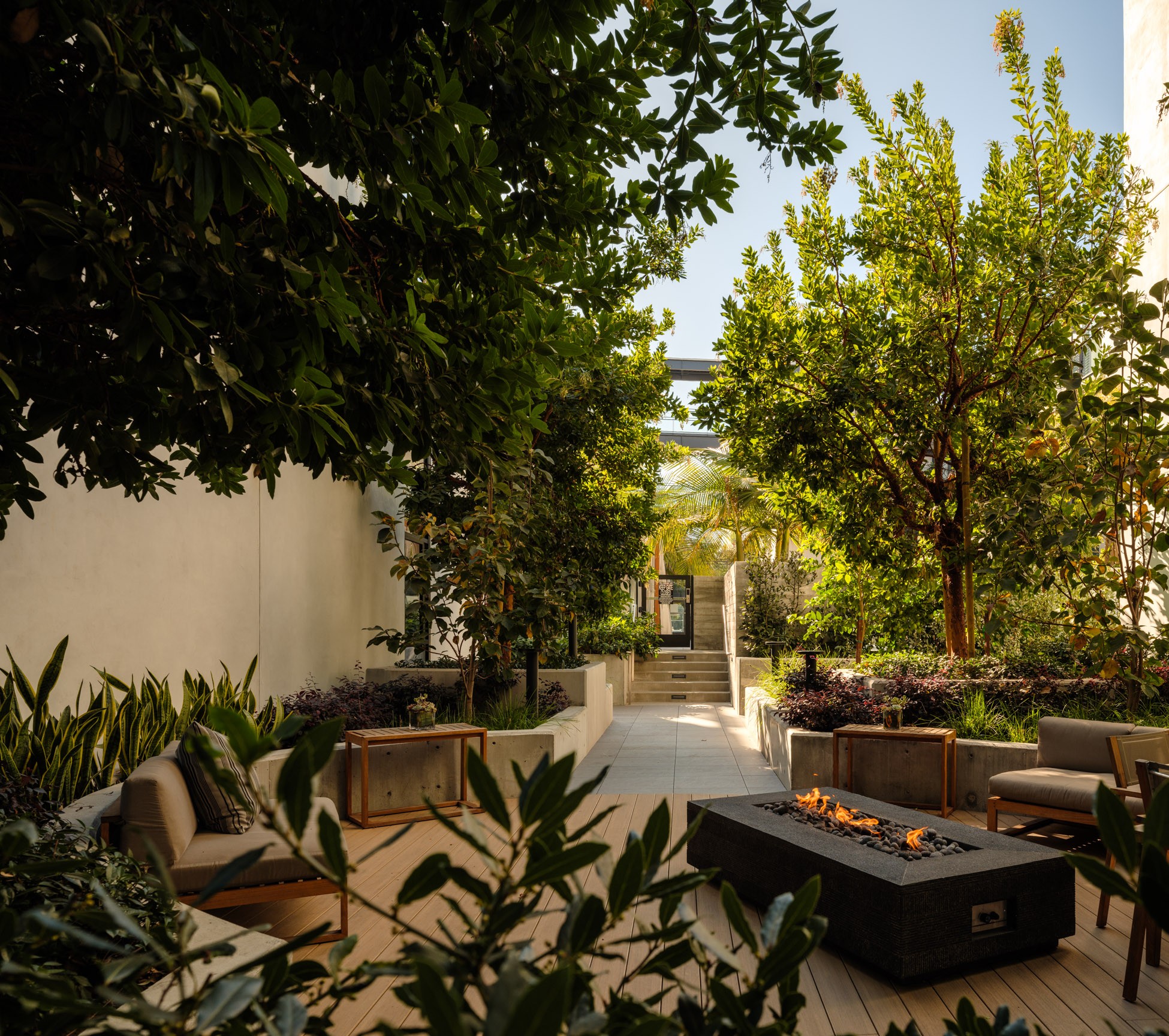
Image Credits
all photography by Michael Wells
Popular
-
Maagic Collins on Building a Fearless Publishing Platform for Truth, Advocacy, and Underrepresented Voices
-
Los Angeles Barea on Turning Green Superheroes into a Global Movement for Youth-Led Change
-

Trisha DuVivier on Bridging the Franchisor–Franchisee Divide with Workhero and “Franulate”
-

Portraits of the Valley
-

LA’s Most Inspiring Stories
-
Cedar Boschan on Elevating Black Music Rights and Driving Urgent Conversations Around Credit, Equity, and Artist Protection


