




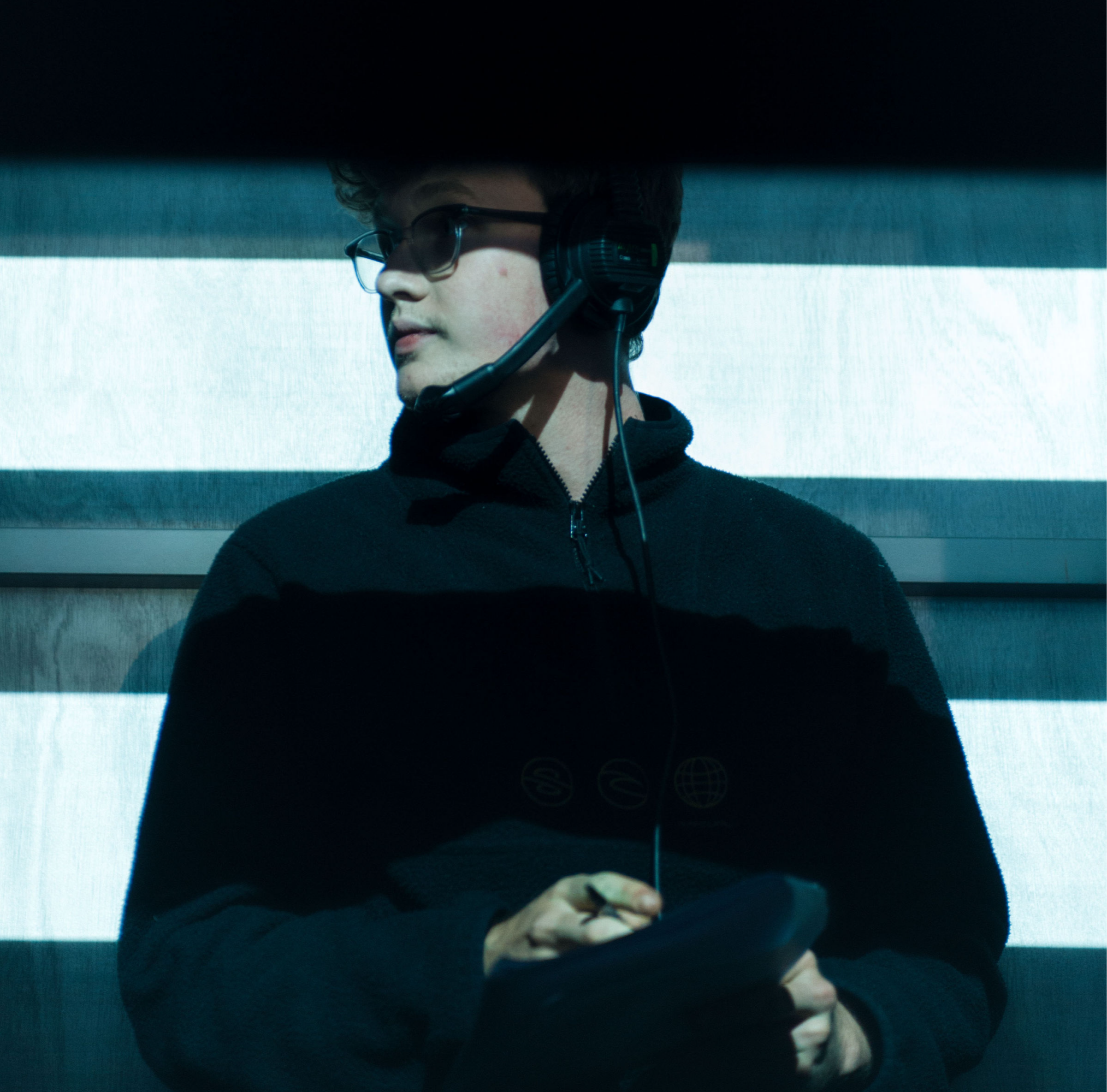
Today we’d like to introduce you to Tom Simpson.
Hi Tom, thanks for joining us today. We’d love for you to start by introducing yourself.
Funnily, I ended up in the arts almost by complete accident. My siblings are both heavily involved in the music/entertainment industry, and because of this, I spent most of my childhood growing up on tours and in the thick of things here in LA. While I had a passion for cinema, acting, and piano, these were just hobbies! I always wanted to work in Science and Astronomy.
I rediscovered my love of theatre in high school, though it wasn’t until the 11th grade that I got so sick of my physics class, I enrolled in a Theatre Production course through school, purely to drop out of Physics and get a free period. I turned out to be pretty good in the field and dropped out of college on my first day to pursue live-arts production full-time. I applied for a bunch of jobs I was wildly underqualified for. Somehow, a few great people gave me a chance to learn on the spot in real-world environments.
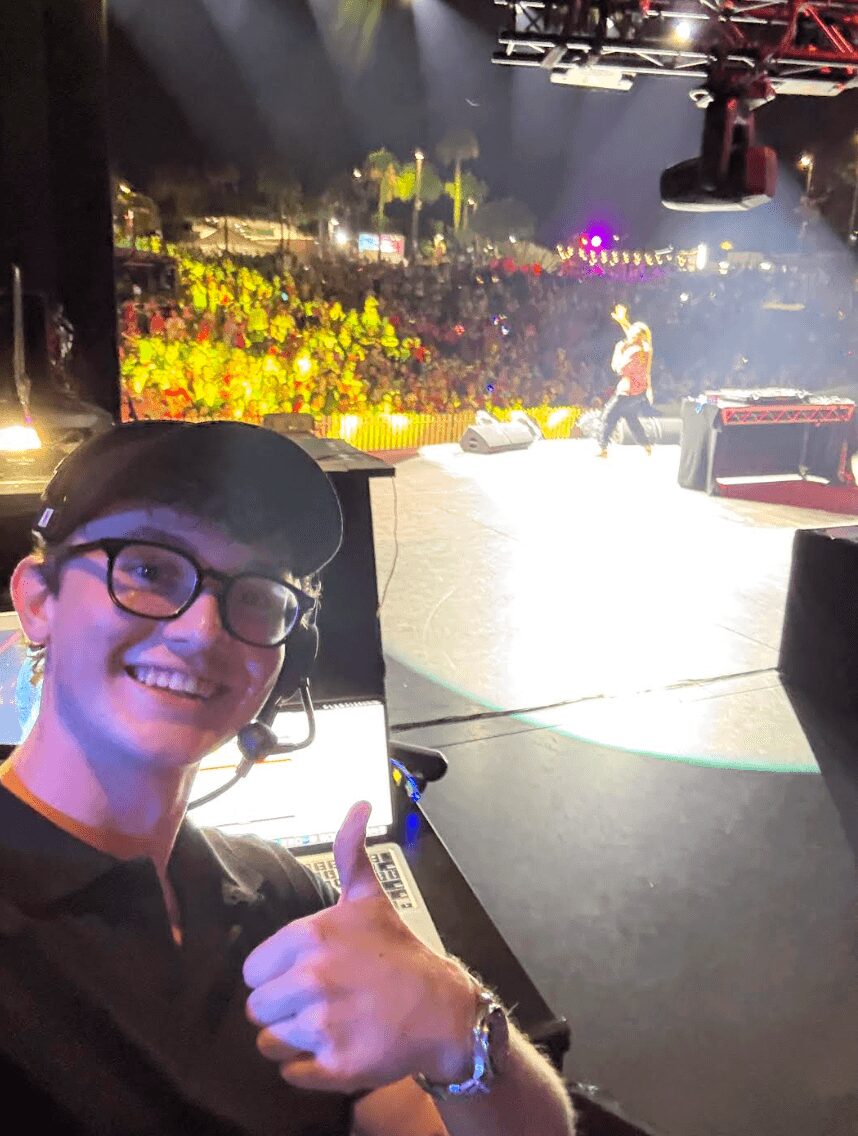
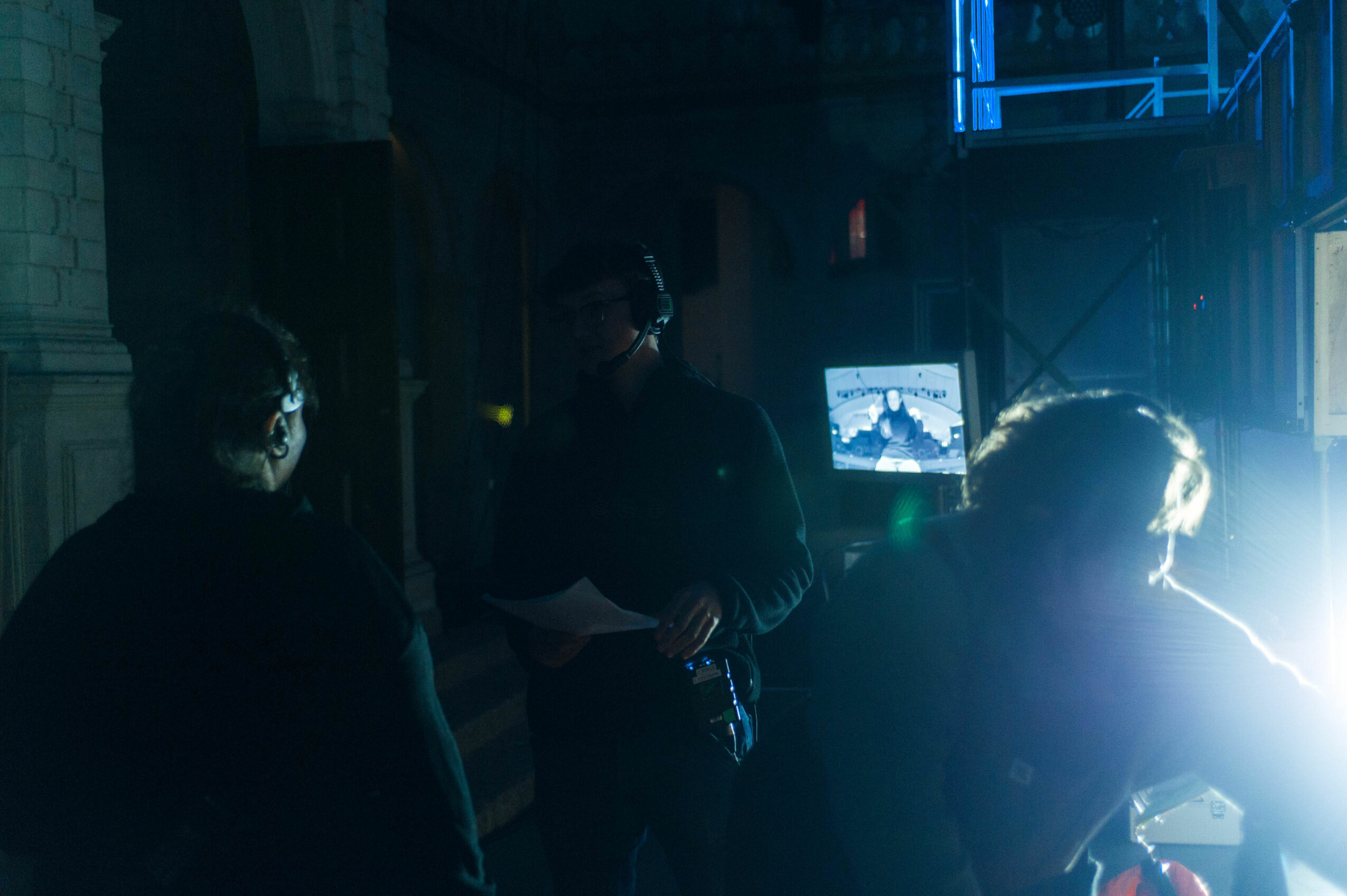
A lot of my early career was built on saying yes before I necessarily knew exactly how I was going to pull something off. My strongest skill set has always been learning something new, and boy, I absolutely ran with this. I picked up some stagehand work, which led to lighting, which led to programming, then to heading technical departments in the span of 2 years! In my early years, I had the joy of working through HOTA Gold Coast on projects with Queensland Ballet, Jack Johnson’s “Meet the Moonlight” tour, and the ‘Come From Away’ Australian tour.
My biggest turning point was moving to London to make an attempt at the West End. I spent the first few months working overnight shifts at a pub on my street until I landed my first real contract with Opera Holland Park. From here it was 0 to 100! I started in small production roles and over 3 years worked into Technical Directing for Theatre Companies I could have only dreamed of. Some of these highlights included projects with the Berliner Ensemble, Den Nationale Scene (Norway), RADA, Edinburgh Fringe and more!
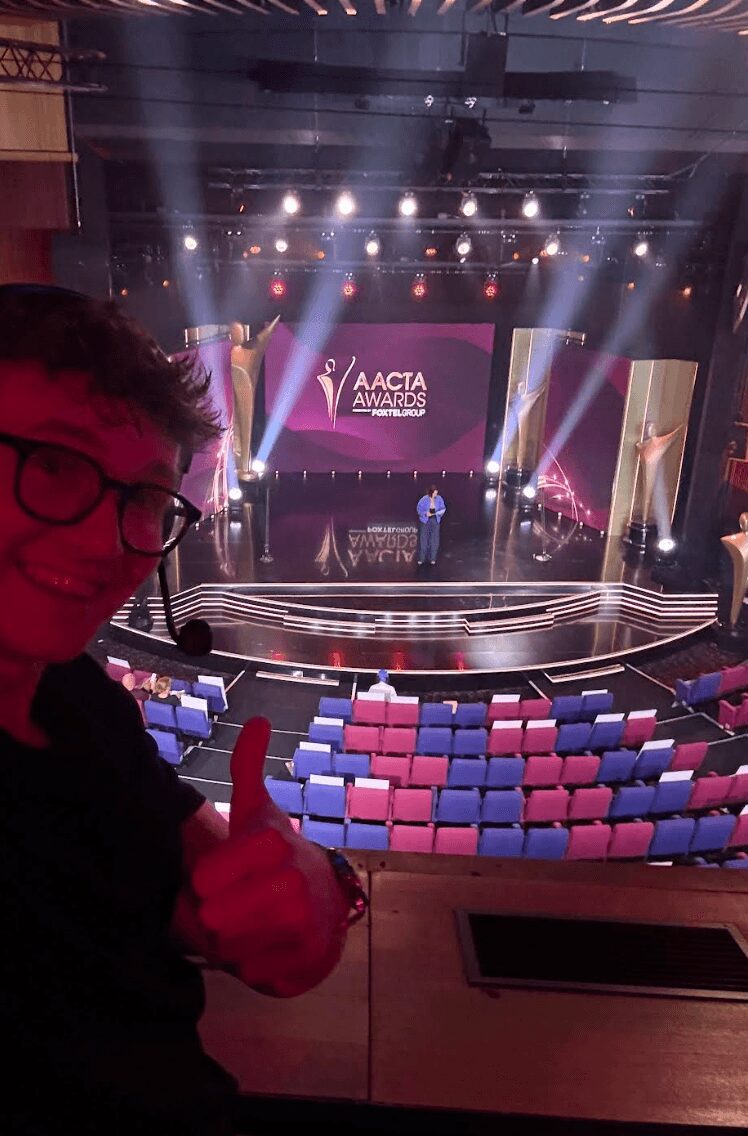
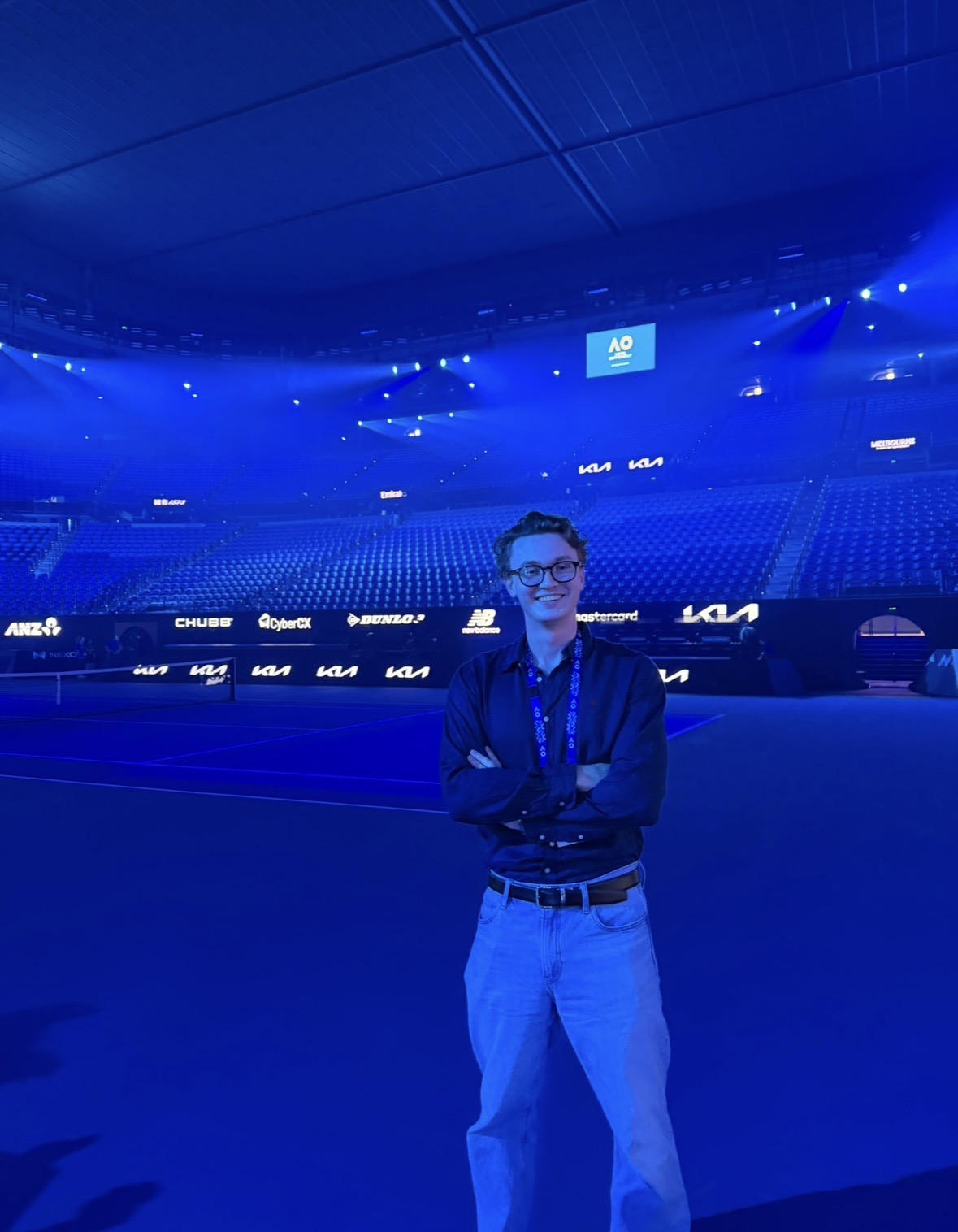
I moved back to Australia following a knee surgery and focused on Production and Stage Management from there. It was so exciting coming home and working now as a professional in the field. Australia is brilliant to work in as an emerging sector, and I was lucky to work with some really amazing people! From managing live performances at the Australian Open, lighting musicals in my hometown, or International TV broadcasts like the AACTA awards, I love Production Management and the arts because of the insane variety you get between jobs. One evening, I’m working on a fringe play in a pub basement, the next morning, I’m running a Citizenship Ceremony for the Government!
I am now immensely grateful and excited to be breaking into the US industry here in LA, and I look forward to the work that will arise from here.
Alright, so let’s dig a little deeper into the story – has it been an easy path overall and if not, what were the challenges you’ve had to overcome?
It was a smooth road until I started driving. Although, I think that’s true for most people in production, and the arts as a whole!
As most would have experienced, you can go 6 months working 7 days a week followed by 6 months without a job. That’s sort of the name of the game. Establishing myself as a young professional in a tight knit industry meant constantly fighting doubt and earning respect from long-term players.
On top of this, production enviornments in themselves can be incredibly intense. You’re constantly facing tight deadlines, large teams with differening needs, aligning requirments across different departments, creative expectaions vs. budget restraints, and finally your end-results criqtiqued by an audience ready to point out every mistake. There are these strange moments where you realise people are relying on you to make high pressure, split second decisions that can ruin or make a show. Early in my career, I messed up a plot and had an entire concert lighting rig patched BACKWARDS! It required an emergency overnight call and a small fortune to fix in time for show. Sometimes you screw up, you have to learn from it, and try not to take it home with you at the end of the day.
Even yet, all of these experiences shaped the way I work; Every hardship in the industry makes you that little bit stronger everytime, and I’m grateful for every experience I’ve had.
As you know, we’re big fans of you and your work. For our readers who might not be as familiar what can you tell them about what you do?
At its core, doing my work successfully means never knowing I was there in the first place.
Production management is making a complex show, with a million moving parts, function smoothly behind the scenes. You’re essentially the person responsible for turning a creative ambition into a functioning reality. You’re overseeing operational, technical, logistical, and personal aspects of a production.
It can be a series of coordinating everyone from creatives to performers, technical crews, suppliers, and producers to ensure all needs are met and the show runs seamlessly (some of the time…) At its best, Production Management is about creating a structured environment that allows artists to perform at the highest level possible.
There’s something very rewarding about being trusted with complicated environments, trying to find the intersection of so many needs and delivering them all simultaneously.
One of my favourite projects I’m very proud of was collaborating with the Berliner Ensemble on ‘Fremde als der Mond’ to deliver a piece about the life of Bertolt Brecht. I spent a great deal of time studying the Ensemble and the works of Brecht while training in the field. Little did I know I’d eventually get to become a part of that ensemble and incorporate my own technical spin into his very theatre company.
Another favourite was jumping in as a Live Events Manager for my brother Cody at the Australian Open 2026 pre-match performance. I’m a huge Tennis fan, so getting to work on my home Grand Slam was particularly exciting!
Are there any books, apps, podcasts or blogs that help you do your best?
I’m probably less romantic about technical productivity than people expect. While I spend a darn lot of time making plots, schedules, spreadsheets (god bless Microsoft Excel), and firing away emails. Most of production management is honestly just maintaining strong communication lines and positive relationships between departments.
With that said, Vectorworks, as a tool, and Coffee Break French, as a de-stressor, are two resources I couldn’t live without.
Contact Info:
- Instagram: https://www.instagram.com/tomsimpsonnn/
Popular
-
Maagic Collins on Building a Fearless Publishing Platform for Truth, Advocacy, and Underrepresented Voices
-
Los Angeles Barea on Turning Green Superheroes into a Global Movement for Youth-Led Change
-

Trisha DuVivier on Bridging the Franchisor–Franchisee Divide with Workhero and “Franulate”
-

Portraits of the Valley
-

LA’s Most Inspiring Stories
-
Cedar Boschan on Elevating Black Music Rights and Driving Urgent Conversations Around Credit, Equity, and Artist Protection


