




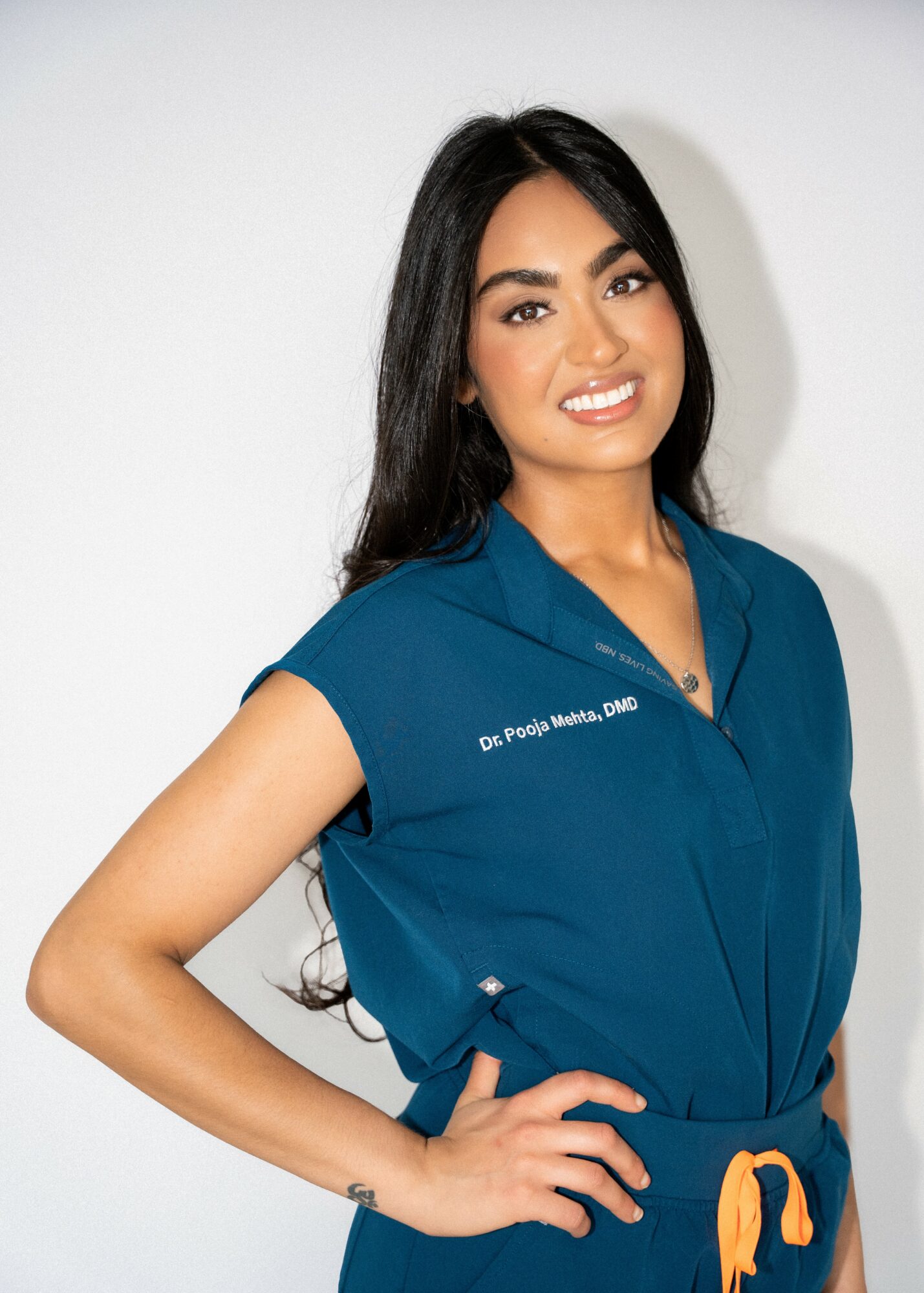
Today we’d like to introduce you to Pooja Mehta.
Alright, so thank you so much for sharing your story and insight with our readers. To kick things off, can you tell us a bit about how you got started?
I found my way to dentistry through a deep appreciation for both detail and connection, and early on I was drawn to cosmetic and implant work for its ability to truly change how people feel about themselves. What began as a technical pursuit quickly became personal, as I saw the confidence and ease that a restored smile can bring to someone’s life. Over the years, I’ve continued to grow through advanced training and experience, refining an approach that balances precision with empathy. Today, my work is rooted in listening closely, honoring each patient’s story, and creating results that feel natural, lasting, and genuinely reflective of the person behind the smile.
Can you talk to us a bit about the challenges and lessons you’ve learned along the way. Looking back would you say it’s been easy or smooth in retrospect?
I wouldn’t describe the road as smooth, but I would describe it as deeply intentional. In cosmetic and implant dentistry, the ‘road’ is paved with constant evolution. My biggest struggle hasn’t been the clinical work itself, but the steep learning curves required to stay at the leading edge. Transitioning to a fully digital workflow, for example, required a complete overhaul of our systems—learning new CAD/CAM softwares, mastering guided surgery protocols, and vetting new restorative materials like high-translucency zirconias or lithium disilicates.
There were moments where implementing a new system slowed us down temporarily, or a specific material didn’t handle exactly how the manufacturer promised. However, I chose to lean into those struggles because I refused to provide ‘yesterday’s dentistry.’ These hurdles forced me to become more than just a clinician; they made me a lifelong student and a systems architect. Today, those ‘struggles’ are the reason my practice can offer the precision and aesthetic predictability that our patients expect.
Thanks for sharing that. So, maybe next you can tell us a bit more about your work?
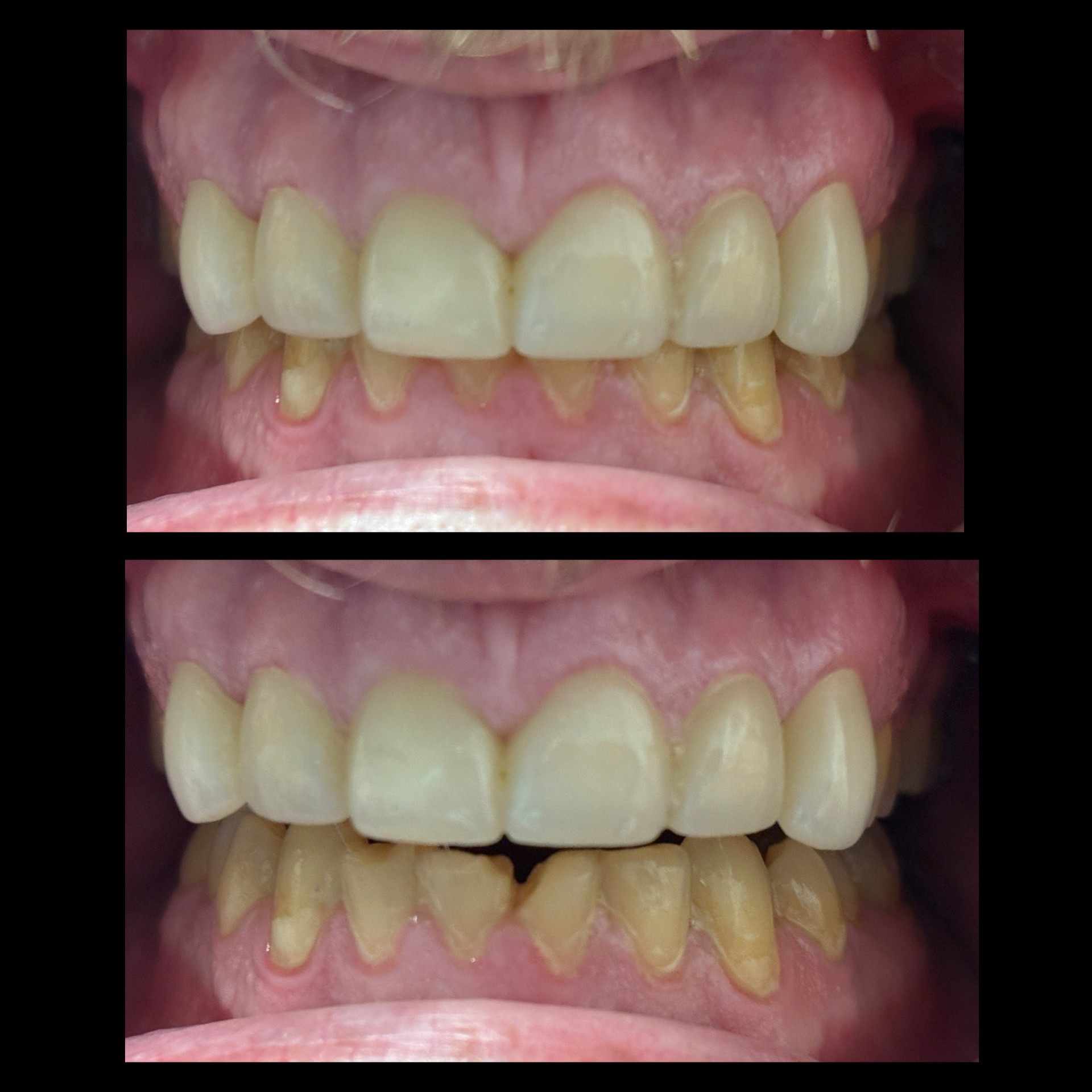
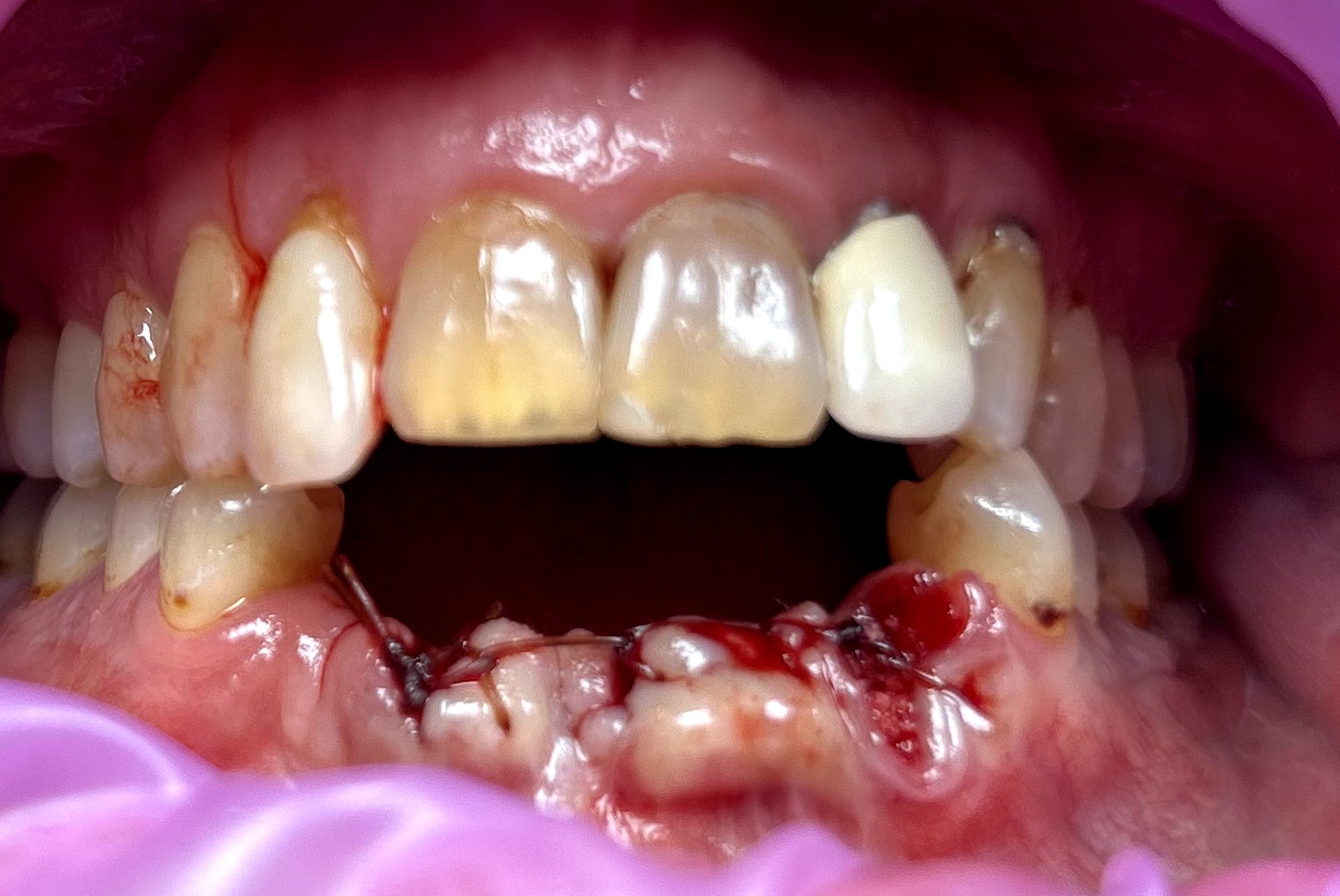
What I do & My Specialization: I am a cosmetic and implant-driven dentist, which means my daily work is dedicated to the total oral rehabilitation of my patients. I specialize in bridging the gap between functional health and high-end aesthetics. While many focus on one or the other, my practice is built on the philosophy that a beautiful smile is only as good as the foundation supporting it—specifically through advanced implantology and biomimetic restorative techniques.”
What I am Known For: “In the professional community and among my patients, I’m known for meticulous predictability. Whether it’s a single-unit implant in the aesthetic zone or a full-mouth reconstruction, I am known for using a heavy digital workflow—CAD/CAM, 3D imaging, and guided surgery—to ensure that the final result looks natural and lasts for decades.”
What I am Most Proud Of: “I am most proud of the ‘reveal’ moments, but more specifically, the cases where I’ve restored a patient’s dignity. I recently completed a case [insert brief mention of a complex case, e.g., a full-arch rehabilitation] for a patient who hadn’t smiled in years. Seeing their personality change as their oral health was restored is why I invested so heavily in the learning curves of this profession.”
What Sets Me Apart: “What truly sets me apart is my refusal to plateau. The dental field moves fast, and I’ve differentiated myself by being an early adopter of new materials and systems. While others might stick to traditional methods because they are ‘comfortable,’ I’ve spent my career mastering the newest techniques in bone grafting and porcelain artistry. I don’t just provide a service; I provide a high-tech, high-empathy experience that treats the patient, not just the tooth.
Before we let you go, we’ve got to ask if you have any advice for those who are just starting out?
My biggest piece of advice is to get comfortable being uncomfortable. In the beginning, the sheer volume of new techniques—from digital scanning to bone grafting—can feel overwhelming. Many young dentists shy away from complexity because they fear failure, but growth only happens in the ‘stretch zone.’ Seek out the most difficult cases under the guidance of a mentor, because that is where your clinical intuition is built.”
What I Wish I Knew: If I could go back, there are two things I wish I had understood earlier:
Technical Skill is the Floor, Communication is the Ceiling: You can place the most perfect implant in the world, but if you cannot communicate the value and the process to the patient, you’ll never get to do the work. I wish I had invested in ‘soft skills’ and psychology as early as I invested in clinical CE.
Invest in Systems, Not Just Gadgets: Early on, it’s tempting to buy every new piece of tech. I wish I knew then that a tool is only as good as the system behind it. Don’t just buy a 3D printer; build a workflow that makes that printer indispensable to your patient’s experience.”
The Final Takeaway: “Finally, remember that you are playing a long game. Mastery doesn’t happen in a weekend course; it happens through thousands of repetitions. Be patient with your progress, but be relentless with your standards.
Contact Info:
- Website: https://www.poojamehtadmd.com
- Instagram: https://www.instagram.com/drpooj.mehta
- Facebook: https://www.facebook.com/profile.php?id=61581234443362

Popular
-

LA’s Most Inspiring Stories
-

Maagic Collins on Building a Fearless Publishing Platform for Truth, Advocacy, and Underrepresented Voices
-

Los Angeles Barea on Turning Green Superheroes into a Global Movement for Youth-Led Change
-

Trisha DuVivier on Bridging the Franchisor–Franchisee Divide with Workhero and “Franulate”
-

Portraits of the Valley
-

Cedar Boschan on Elevating Black Music Rights and Driving Urgent Conversations Around Credit, Equity, and Artist Protection


