




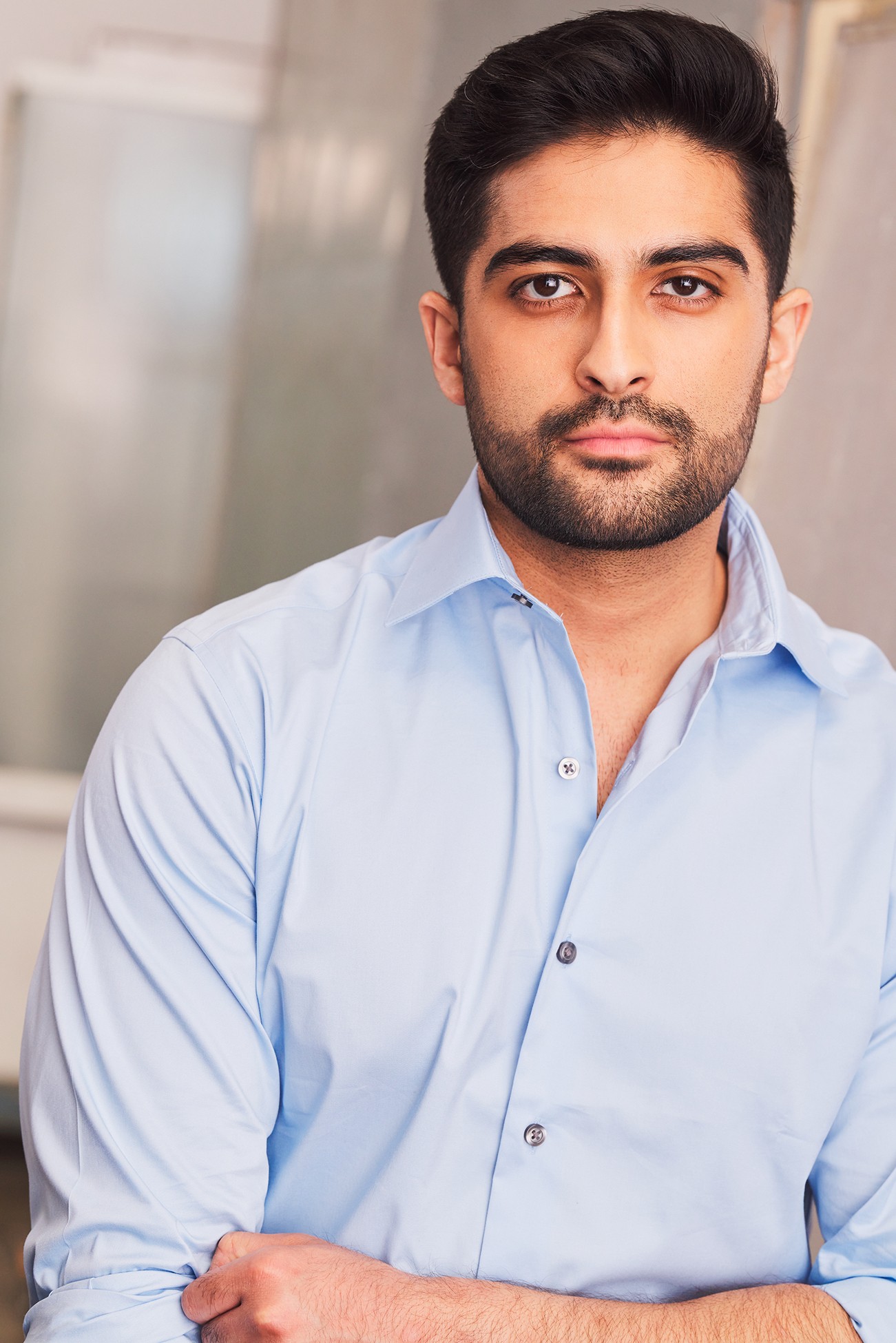
Today we’d like to introduce you to Nandi Sharma.
Hi Nandi, thanks for joining us today. We’d love for you to start by introducing yourself.
Though I was born and raised in Ohio, I always knew I wanted to pursue film in Los Angeles. Growing up, I was obsessed with movies and television to the point where I’d recreate scenes alone in my room, performing every role myself with costume changes like it was live theater. At the same time, I spent hours teaching myself dance by studying Bollywood films.
For years, it was all a secret hobby. But when I was around 15, my father — a respected priest in our community — walked in on one of my performances. Instead of discouraging me, he secretly signed me up for a solo dance competition in front of more than 300 people. I was furious at first, but he calmly told me, “I’d rather you find out now if this is what you’re meant to do than later. No matter what happens, you have our support.”
That performance changed my life. It opened the door to theater, dance, and performing in front of audiences regularly. Throughout high school, I took on leading roles in productions like *The Crucible*, *Eurydice*, *Don’t Drink the Water*, and *The Mystery of Edwin Drood*, while also performing in community theater productions of *The Great Gatsby* and *The Importance of Being Earnest*.
In college, I wasn’t a theater major, which meant I couldn’t audition for many of the productions on campus. Instead of letting that stop me, I started creating my own work. I launched a YouTube channel where I recreated scenes from films and television shows with friends, borrowing cameras from the journalism department until I could eventually afford my own equipment. During that time, I taught myself directing, writing, editing, and producing through pure experimentation and obsession.
Recreating scenes became my unofficial acting school. I would study every beat, every pause, and every choice actors made on screen, which eventually helped me develop my own instincts as a performer and storyteller. Over time, those recreations evolved into original short films, and that process became the foundation for the filmmaker I am today.
After graduating college, I moved to Los Angeles without connections, representation, or family in the industry. I used platforms like Actors Access to self-submit for anything I could — student films, independent projects, workshops, and short films — while building my own reel from the work I created. As I continued booking projects and developing my craft, those homemade scenes slowly gave way to professional work, allowing me to establish myself not only as an actor, but also as a writer, director, and producer committed to telling meaningful stories.
At the time, I was still driven by the same obsession I had as a kid: creating. I spent years connecting with other artists wherever I could find them — acting classes, restaurants I worked at, social gatherings, or mutual friends in the creative world. A lot of those collaborations were temporary, but each one pushed me forward. Eventually, I booked a lead role in a friend’s short film that earned me my SAG eligibility within my first year in Los Angeles, which later helped me secure the management team that still represents me today.
But one of the biggest lessons I’ve learned is that success in this industry isn’t just about talent or opportunity — it’s about balance. For a long time, I struggled deeply behind the scenes. As someone who experienced sexual abuse at a young age, I spent years carrying emotional patterns and coping mechanisms that quietly affected nearly every area of my life. Eventually, those struggles led me to a personal rock bottom that forced me to confront myself honestly and begin the process of healing.
That healing journey became the foundation for my short film HERO, which I wrote, directed, produced, and starred in. The film explores masculinity, vulnerability, trauma, and the importance of speaking openly about mental health — subjects I once felt afraid to discuss publicly. Creating HERO was one of the most emotionally difficult experiences of my life, but also one of the most meaningful. It reminded me why I fell in love with storytelling in the first place: not just to entertain people, but to make them feel seen.
Around the same time, I began finding my creative community in Los Angeles. Through years of collaborating with other filmmakers, actors, and artists, I met people who shared the same passion for creating meaningful work from the ground up. Those relationships eventually led to the creation of Weekend Pictures, an independent filmmaking collective focused on consistently developing original projects together.
Separately, one of the biggest projects I’ve been developing has been DON’T DO IT, a comedy series I co-created which leans into chaos, uncomfortable humor, and flawed friendships, while still grounding itself in real emotional struggles underneath the comedy. It’s been exciting to balance deeply personal dramatic storytelling like HERO with comedy projects like DON’T DO IT that let me explore a completely different side of myself as a creator.
At this point in my career, I still feel like I’m only at the beginning. But when I look back at the kid secretly performing movie scenes alone in his bedroom, I’m grateful he never gave up on the dream.
Can you talk to us a bit about the challenges and lessons you’ve learned along the way. Looking back would you say it’s been easy or smooth in retrospect?
It definitely hasn’t been a smooth road, but I think that’s true for most artists pursuing something they deeply care about. Moving to Los Angeles without connections or stability was both exciting and incredibly overwhelming. Like many actors, I spent years balancing survival jobs while trying to stay creatively fulfilled, and there were a lot of moments where rejection, financial stress, and comparison made me question myself.
One of the hardest parts wasn’t even the industry itself — it was learning how to maintain my identity and mental health while chasing a dream that can easily consume you. I put a lot of pressure on myself for years, especially because I tied so much of my self-worth to external success, validation, or momentum.
I’ve also been open about the fact that I experienced sexual abuse when I was younger, which affected me in ways I didn’t fully understand until adulthood. A lot of the struggles I faced emotionally — addiction, unhealthy coping mechanisms, isolation, shame — were rooted in pain I hadn’t properly confronted yet. Healing from that has been one of the hardest and most important journeys of my life.
Creatively, I think those struggles ultimately pushed me toward more honest storytelling. Projects like HERO came directly from that process of healing and self-reflection. And beyond the work itself, I’ve learned how important community is. Finding collaborators and friends who genuinely believe in each other has made all the difference for me, both personally and professionally.
I still have difficult days, and I still feel like I’m learning constantly, but I’m grateful that the road hasn’t been easy because it’s given me perspective, empathy, and a deeper reason to create.
Thanks – so what else should our readers know about your work and what you’re currently focused on?
I’m an actor, writer, director, and producer, but more than anything, I’m someone who genuinely loves the process of creating. I’ve never been interested in waiting around for permission, the “perfect idea,” or some big break to suddenly appear. A huge part of my journey came from simply making things consistently, even when the resources were limited.
What sets me apart is probably that I never stop trying to learn. When I first moved to Los Angeles, I met a lot of artists who weren’t interested in recreating scenes because they wanted to focus entirely on originality. I completely respected that perspective, but for me, recreating scenes became one of the greatest learning tools I could’ve asked for. It was affordable, accessible, and constantly challenged me as an actor and filmmaker.
Through those recreations, I learned timing, pacing, memorization, emotional stakes, directing, editing, and performance rhythm. One day I’d be studying Shah Rukh Khan delivering an emotional monologue in Kal Ho Na Ho, the next I’d be recreating Brad Pitt in Fight Club, or learning comedic chaos from Charlie Day singing “Dayman” in It’s Always Sunny in Philadelphia. As random as that sounds, those projects became my version of film school.
I’d say I specialize most in character-driven storytelling that balances emotional honesty with entertainment. Whether I’m working on something dramatic or comedic, I’m always interested in flawed, layered characters who feel real and relatable. I love stories that can make people laugh while still revealing something vulnerable underneath.
What I’m most proud of is building original projects from the ground up alongside people who genuinely care about storytelling. Creating HERO was an incredibly personal milestone for me, while developing DON’T DO IT and helping build Weekend Pictures reminded me how powerful collaboration can be when artists fully believe in each other.
At the end of the day, I just love being involved in storytelling in any form possible. Whether it’s acting, directing, editing, producing, comedy, drama, or creating something with friends on almost no budget, I feel most fulfilled when I’m actively making something. That consistency and willingness to keep creating, even without guarantees, is probably the biggest thing that defines me as an artist.
What does success mean to you?
For a long time, my definition of success was heavily distorted by addiction, insecurity, and external validation. I viewed success as momentum, recognition, money, attention, awards, or proving myself to other people. Even creatively, I think I sometimes chased the feeling of being “enough” through accomplishments instead of actually being present in my life.
As I’ve gotten older and done more healing work on myself, my perspective has changed a lot. I still have goals and ambitions, of course, but I no longer think success is something that only exists once you’ve “made it.” To me now, success looks more like consistency, discipline, emotional honesty, meaningful relationships, and being able to wake up feeling aligned with who you are.
I also think success is reflected in how you treat people along the way. Some of the artists and collaborators I admire most aren’t necessarily the most famous people — they’re the people who lead with kindness, integrity, humility, and genuine support for others.
Creatively, success for me is being able to tell stories that make people feel seen, understood, entertained, or less alone. If something I create can genuinely move someone emotionally or inspire them to reflect on their own life, that means more to me now than external recognition ever could.
I think I’ve learned that growth is rarely linear, and there’s something powerful about continuing to show up for your life, your healing, and your craft even on the difficult days.
Contact Info:
- Website: https://nandisharma.com
- Instagram: https://www.instagram.com/sharmakarma98/
- Youtube: https://www.youtube.com/@sharmakarmatv
- Other: https://www.imdb.com/name/nm13742391/
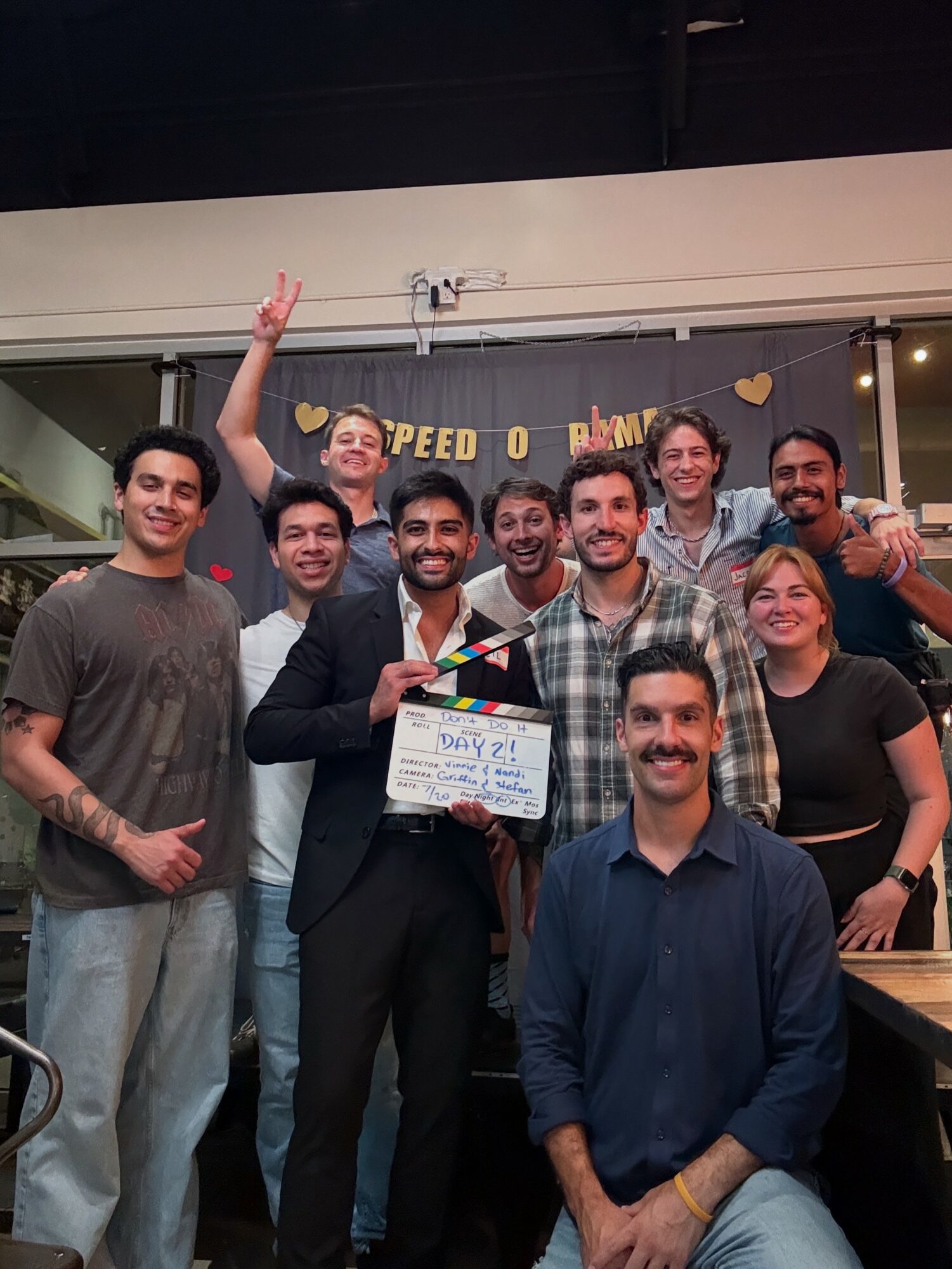
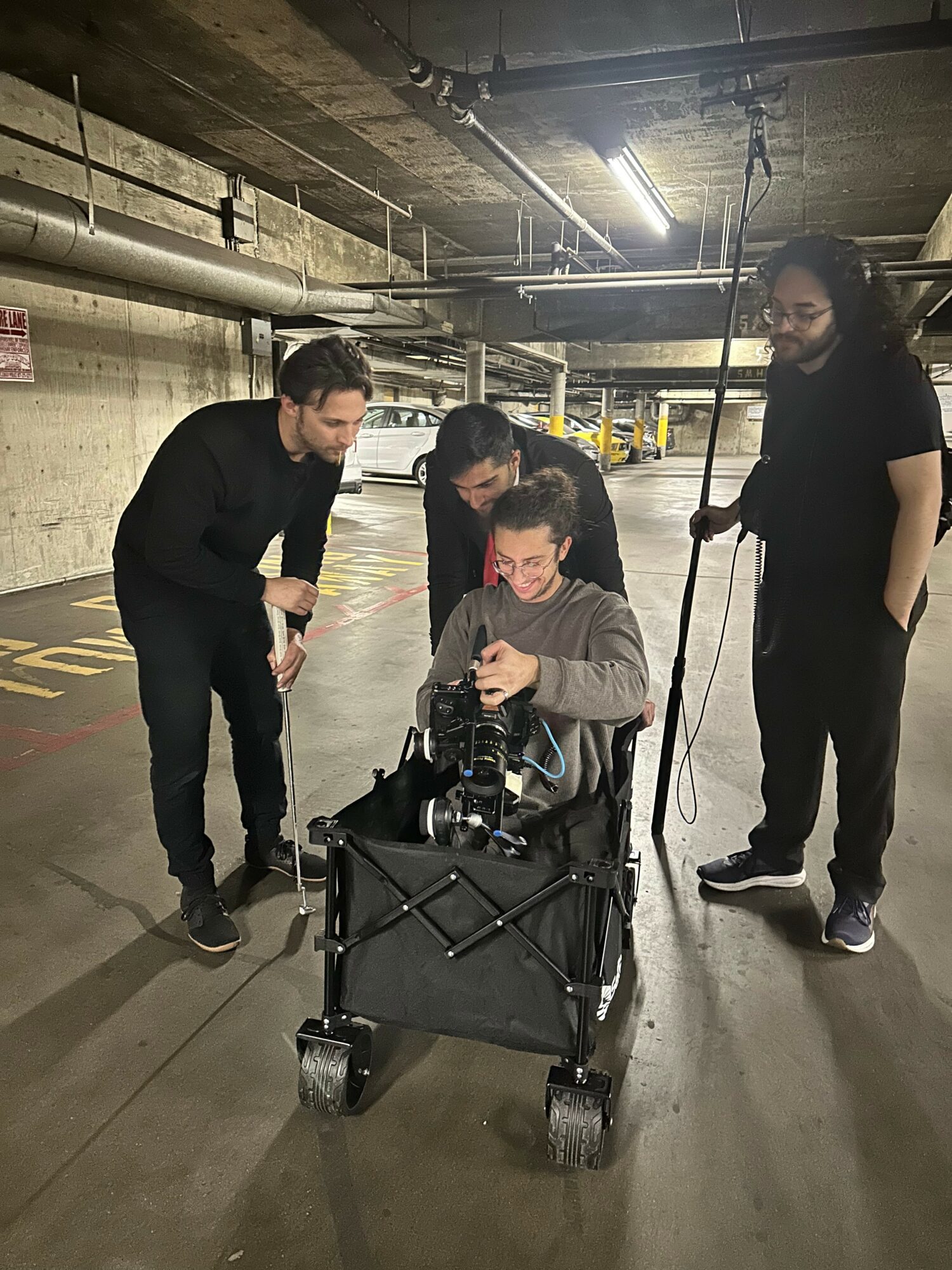
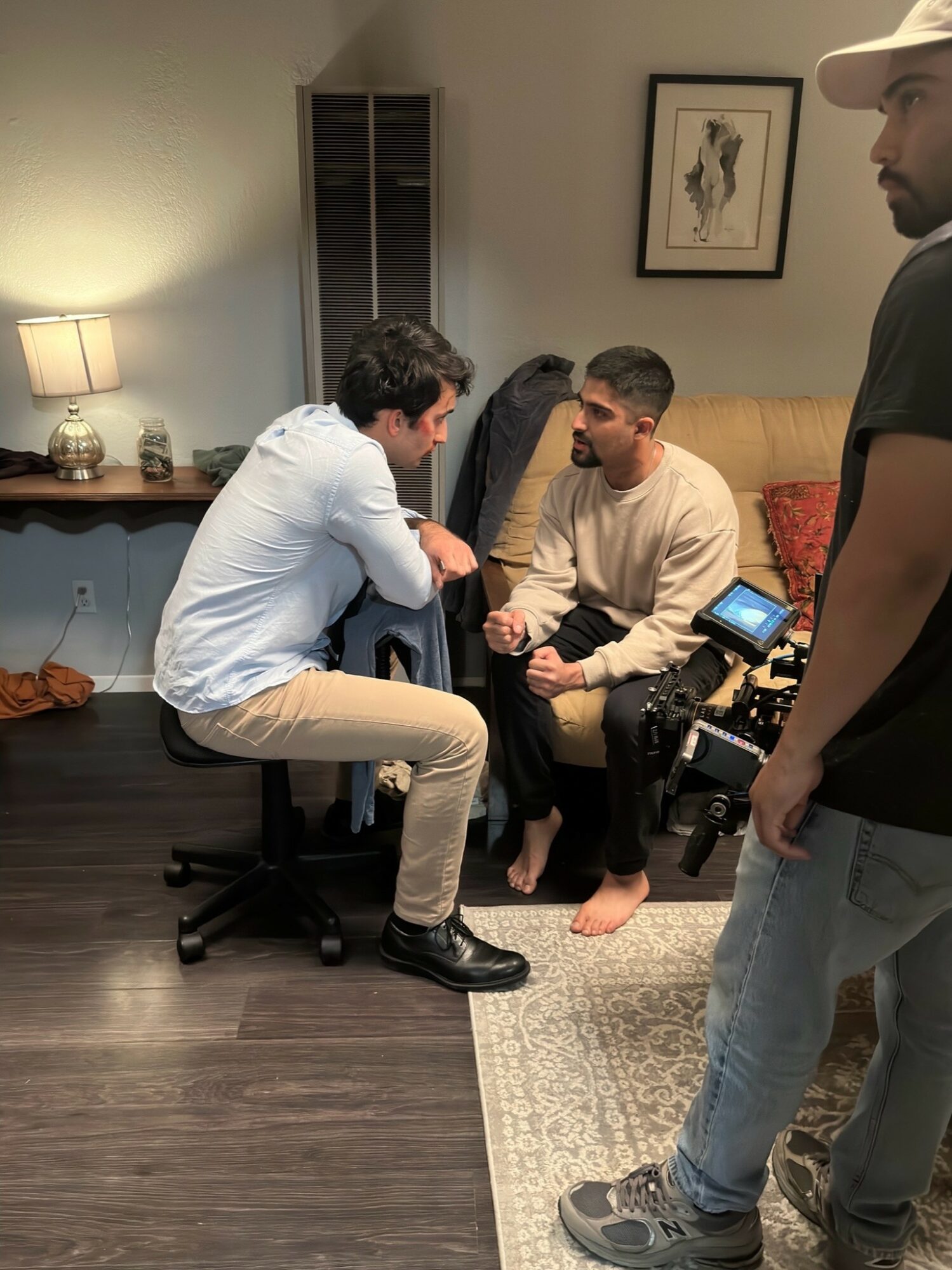
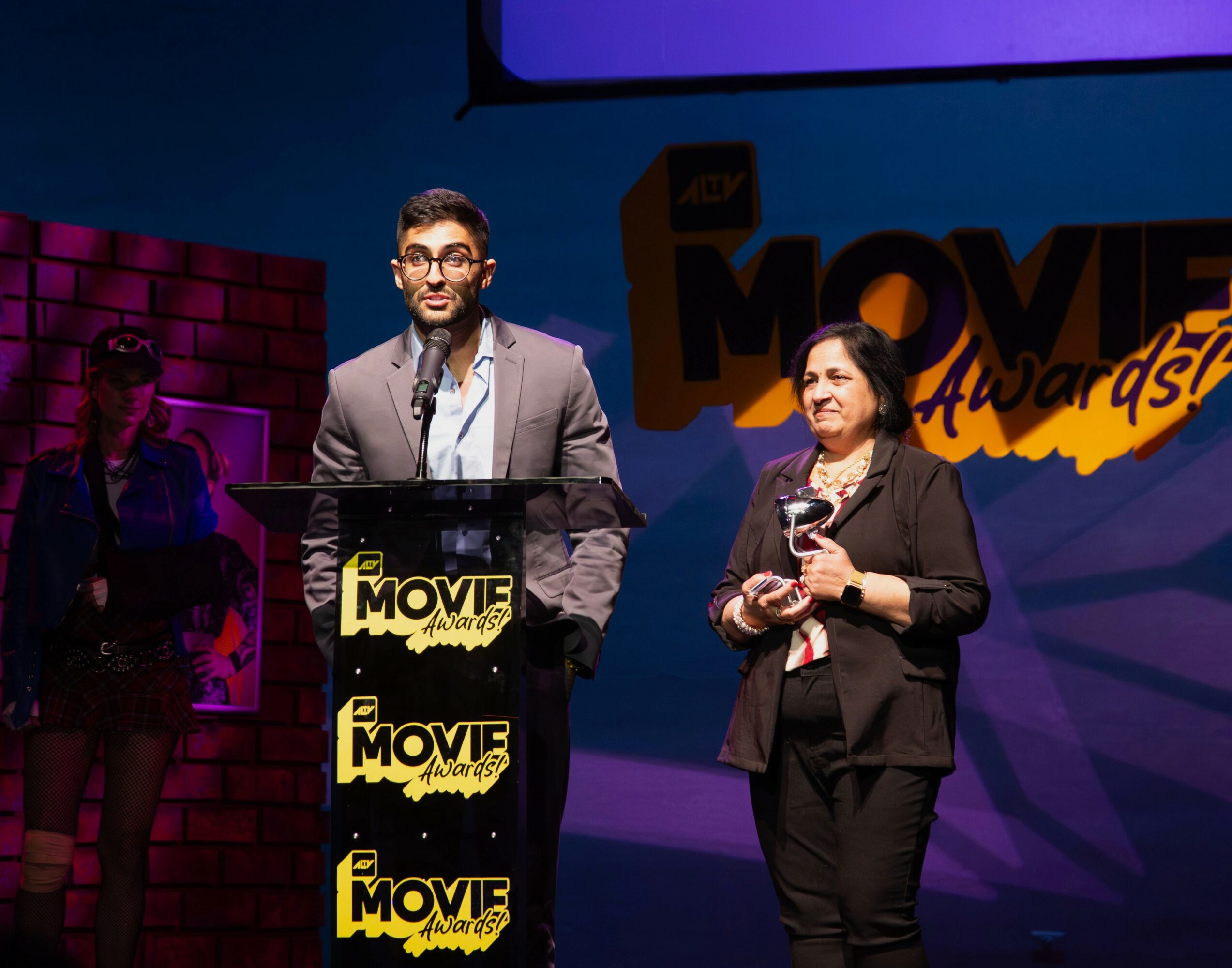
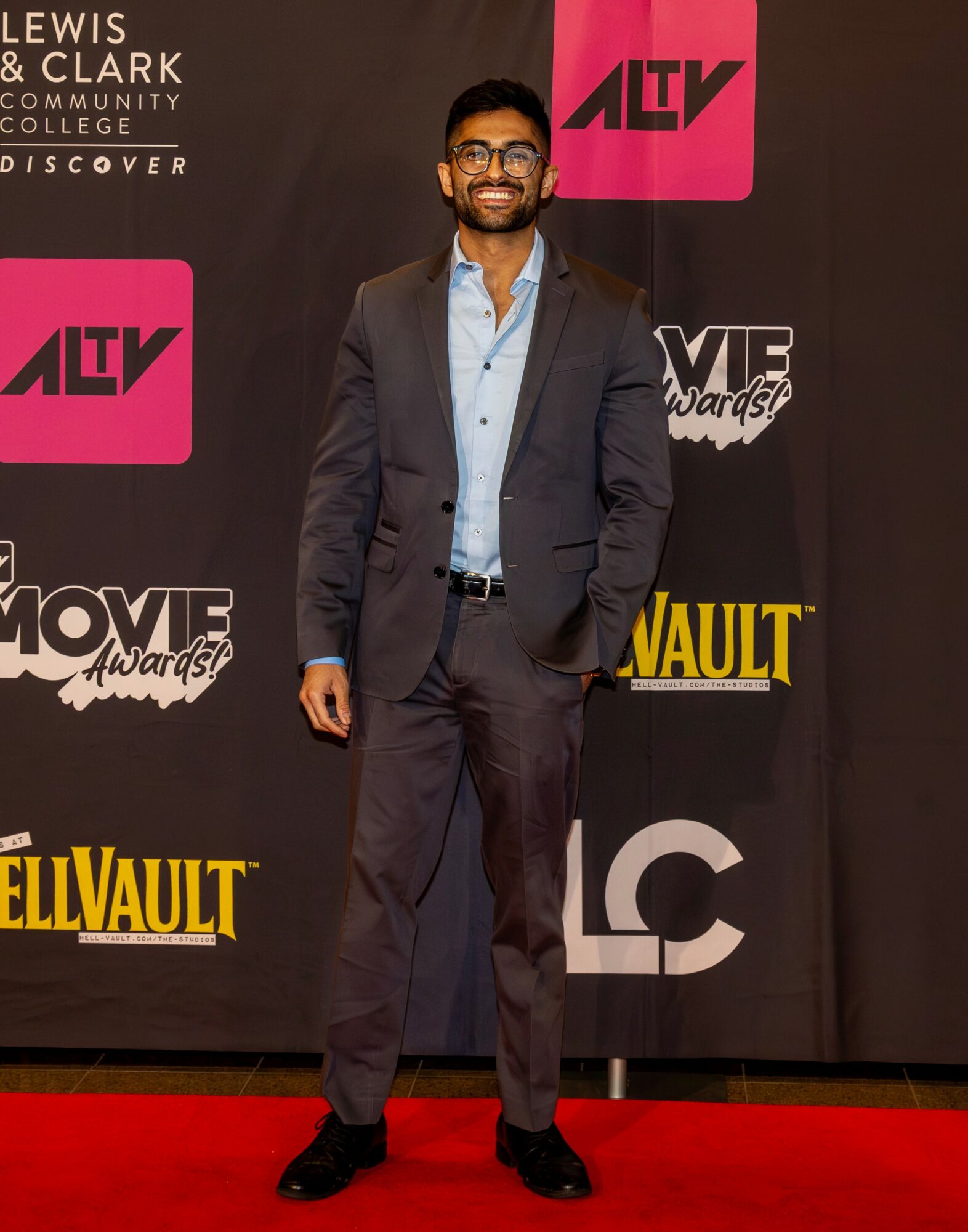
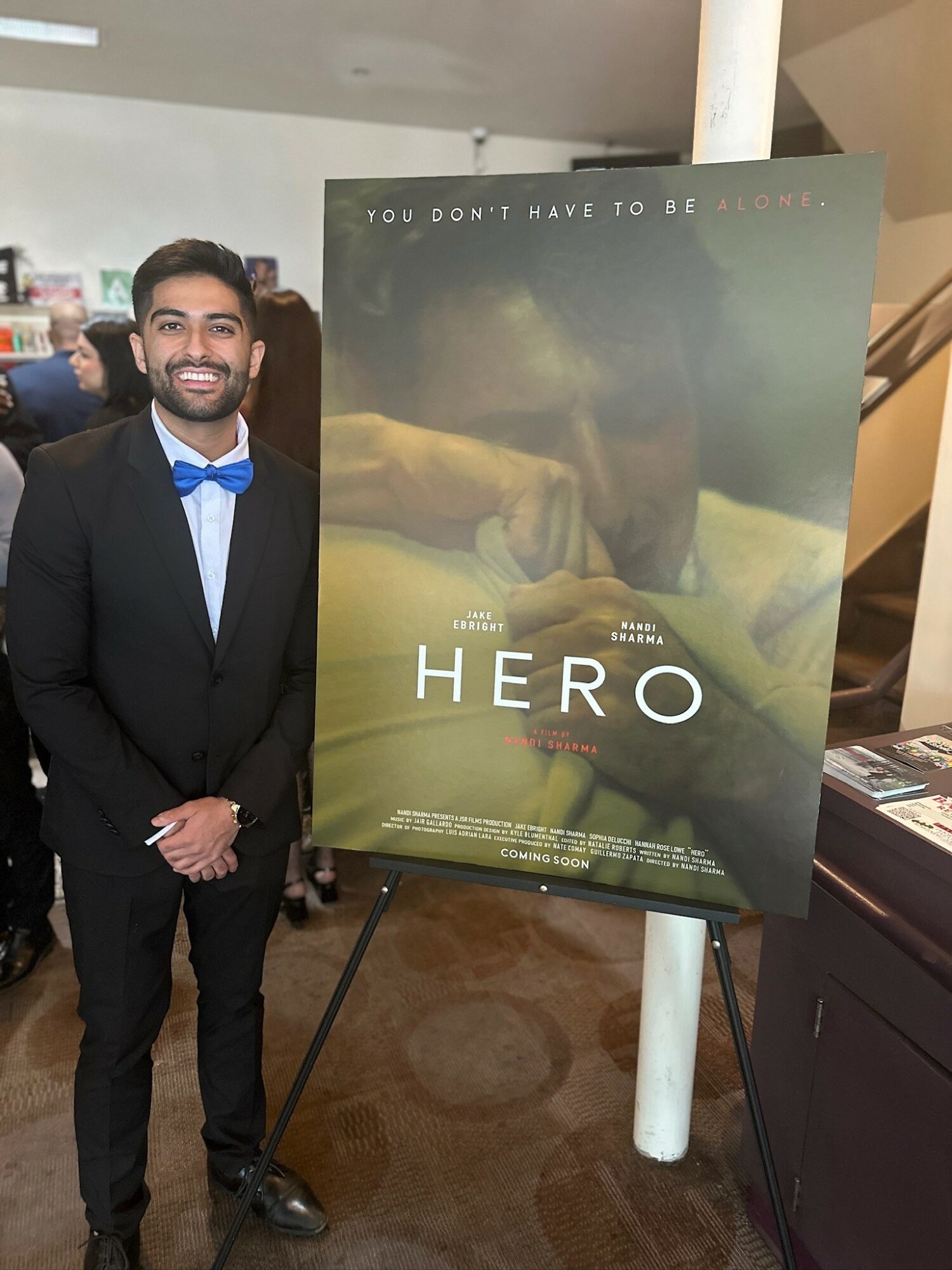
Image Credits
The Always Late TV Movie Awards (for red carpet picture and award picture)
Popular
-

Maagic Collins on Building a Fearless Publishing Platform for Truth, Advocacy, and Underrepresented Voices
-
Los Angeles Barea on Turning Green Superheroes into a Global Movement for Youth-Led Change
-

Trisha DuVivier on Bridging the Franchisor–Franchisee Divide with Workhero and “Franulate”
-

Portraits of the Valley
-

LA’s Most Inspiring Stories
-
Cedar Boschan on Elevating Black Music Rights and Driving Urgent Conversations Around Credit, Equity, and Artist Protection


