




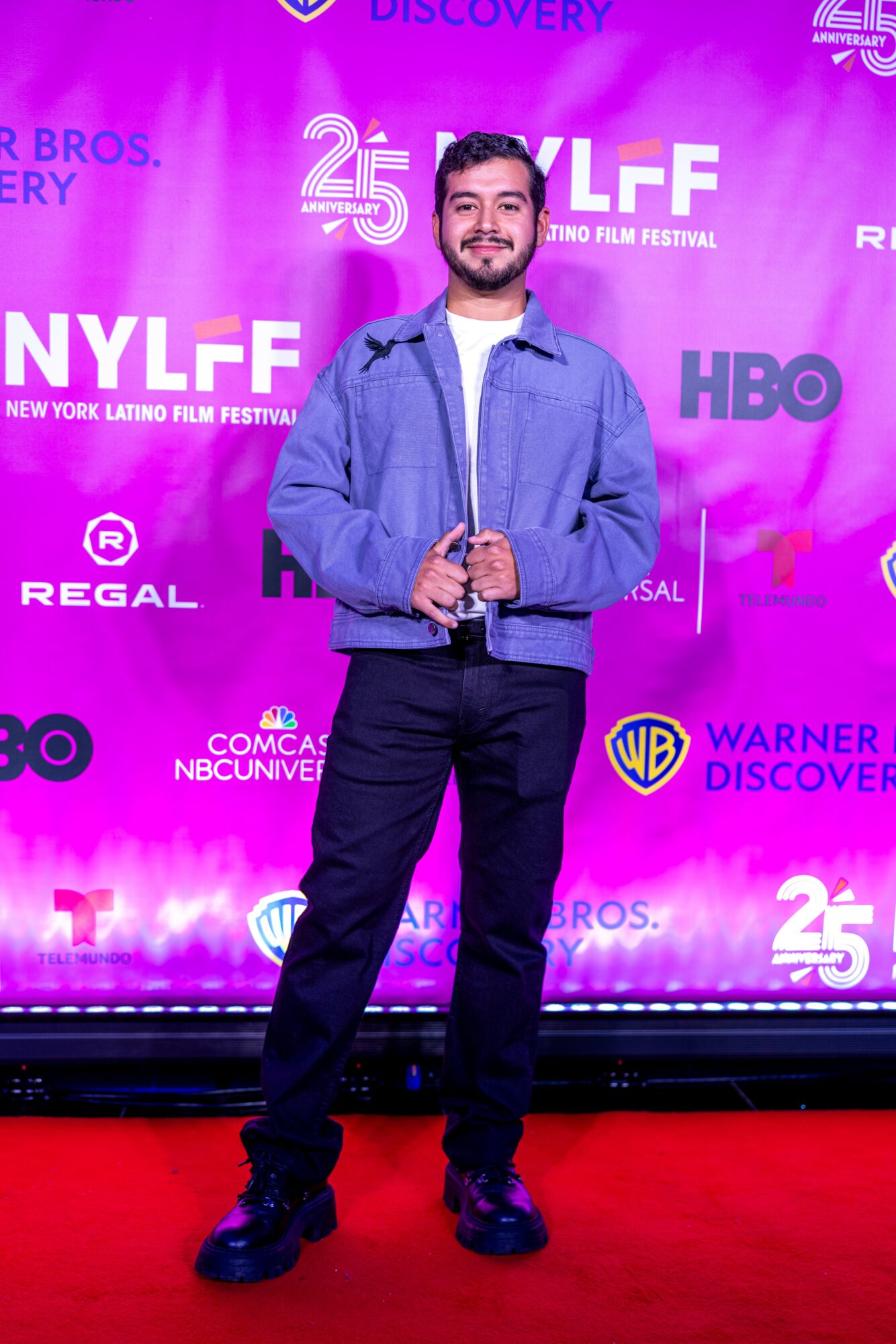
Today we’d like to introduce you to Luis Quijano.
Hi Luis, so excited to have you with us today. What can you tell us about your story?
It all started with my parents. They were the ones who infused art and culture into my life. Yucatan, my home state in Mexico, is a place that’s very rich in culture, tradition and color. We would go as a family to see the Jarana (signature music and dance from Yucatan, a fusion between Aragonese jota from Spain and the ancient Maya culture), to the Siglo XXI cinemas to watch all the new animated films, my sisters performed in local dance academies and did musical theater, and my mother did ballet when she was young, and every Sunday we would go to Librerías Dante and my father would buy us a book of our choice. Art and culture was always around us. Their appreciation and respect for art is what got me into this business. All I know is because of them and the art that I experienced through my young years, that later developed to a curiosity to make films.
When I chose to become a filmmaker, they never doubted even if they were a little afraid that I would go into a tough industry, but they’ve always believed in me. I’m where I am because of my family and also because of my relentlessness to continue and be good at what I do no matter the obstacles.
Alright, so let’s dig a little deeper into the story – has it been an easy path overall and if not, what were the challenges you’ve had to overcome?
Oh, definitely not. It’s never smooth. This is an industry of resistance.
For me, the biggest struggle has always been how long it takes to get anything off the ground. Even at the short film level, you’re dealing with financial/budget restraints and a massive time commitment. You’re developing, rewriting, pitching, trying to align people around something that only exists in your head at first. And most of the time, you’re doing that without any guarantee that it’ll actually get made or be successful because the industry is so volatile.
With horror specifically, that process becomes even more layered. When I was developing my short film Avem (2025, currently in film festivals), I realized pretty quickly that you’re not just pitching a story, you’re pitching an experience. You have to communicate tone, atmosphere, and intention in a very precise way. People want to understand what makes it scary, but also what makes it different. And if it leans into something like body horror, you’re asking people to trust a vision that can feel very visceral, sometimes uncomfortable, and not always “safe” in a traditional sense. And on top of that, add the political and social aspect of immigration that remains a talked about and somehow still controversial topic that will get people talking in both a positive or negative way.
Then there’s execution, which is where horror really exposes you. It’s such a technical genre. Everything matters; performance, sound design, pacing, practical effects. With Avem, a lot of the challenge was making sure the physicality of it felt real, that the horror wasn’t just conceptual but something you could almost feel under your skin. And when you’re working with limited resources, that becomes a constant problem-solving exercise. You’re figuring out how to achieve something ambitious without the infrastructure that bigger productions have.
What’s interesting is that horror is incredibly popular… audiences show up for it, festivals program it, it travels well. Avem has had an amazing life because of that. But at the same time, there’s still this underlying perception that it’s somehow less serious or less valuable than other genres. So you find yourself in this position where the audience understands the power of it, but it falls in the middle… does it fit more in a horror festival? A latino festival? Is it too graphic for a drama block? Is it too dramatic for a horror block? Are the politics risky?
Me Gusta Más Crudo (upcoming feature film) is another project that might be tough to sell. Extremely gory and intense, but also conceptual and elevated in the directorial vision, and political in its message. It was the toughest project to get the investment for, not only because it was the most ambitious and expensive so far but because of its extreme nature. I’m very excited to see where this project takes us. At the end you have to believe in what you are saying and what you create with the resources you have.
So yeah, it’s resistance at every stage… getting it made, getting people to believe in it, and then executing it in a way that actually delivers on the promise of the genre. But I think that’s also what makes it exciting. When it works, horror hits in a way that very few genres can.
Appreciate you sharing that. What else should we know about what you do?
Yeah, I’m a filmmaker. I write and direct, and I mostly work in horror. I like stories that feel very visceral where what’s happening emotionally is also happening physically in some way. That overlap really interests me: using horror to externalize things that are harder to express in a more traditional, grounded way.
I think what I naturally lean into is tone and atmosphere. Even when something is unsettling or intense, I want it to feel grounded, like you’re really inside the character’s experience. I’m less interested in just jump scares, and more in horror that sticks with you—though I do love moments of shock as well. I definitely live for audience reactions in the theater, especially those unexpected or extreme moments where you can feel the room shift.
Being Mexican, I also try to represent my culture and heritage in my work whenever I can. I don’t necessarily like the idea of being boxed in as a “Latino filmmaker,” because that can sometimes limit the kinds of stories people expect from you but at the same time, it’s very important to me that where I come from is present in my work. So far, all my projects have been about Mexicans, with Mexicans or set in Mexico, mostly in Spanish or a mix of languages. It’s just part of my perspective as a filmmaker.
My latest short film, Avem, is probably what I’m most known for right now. It’s had a really great festival run since it premiered at the New York Latino Film Festival, and then went on to screen at places like Screamfest Horror Film Festival and Salem Horror Fest, among others. We’ve had 16 screenings so far with a San Diego Comic Con screening coming in July. It’s been really meaningful because it’s a very specific and personal film so seeing it connect with different audiences has been incredibly rewarding. It also has a clear political undercurrent, which has been interesting because people have interpreted it in very different ways.
And yeah, I think what I’m most proud of is just staying committed to that voice. Horror is a strange space because it’s hugely popular but still not always taken seriously in certain circles. And the kind of horror I’m drawn to can be uncomfortable or unconventional, so it’s easy to feel pressure to soften it. But I’ve tried to resist that and just lean into what I actually want to make. And for me, the most important part is that emotional connection with the audience, because that’s what I always remember from the films that have stayed with me the most.
What would you say have been one of the most important lessons you’ve learned?
I think the biggest lesson for me has been to really stick to your vision, but also be very clear with your collaborators.
Every project comes with its own set of challenges. Things change, resources shift, ideas evolve, and if you’re not grounded in what you’re trying to say, it’s really easy to lose the film along the way. So having a clear vision isn’t just about being stubborn, it’s about having something solid to come back to when things get messy. Something that reminds you: this is what I want to tell, how I want to tell it, and why I want to tell it.
Sometimes it’s a gamble. With Avem, for example, I was very intentional from the beginning that I didn’t want music or heavy sound design in it, two things that are usually key in horror films. That decision informed everything, even during production. I was directing knowing the film would rely almost entirely on production sound, so we had to be very precise with blocking, performance, and environment, making sure everything we captured in-camera could carry the world on its own. Then in post, I stuck with that choice even as we started testing the film. It definitely sparked mixed reactions… some people felt it made the world feel unique and unsettling in a really specific way, and others felt it was too empty or too silent for a horror film. But I stayed with it. And even though it’s still divisive, a lot of people respond to that emptiness as it creates this kind of visceral feeling that connects directly to what the characters are going through and how they are literally hearing or feeling where they are emotionally and physically.
But honestly, just as important has been communication. Film is extremely collaborative, and especially in horror, where tone and execution are so precise, and where the stories tend to be very emotionally complex and exhausting. Everyone needs to be aligned. If people don’t fully understand what you’re going for, even small disconnects can completely shift the film.
On Me Gusta Más Crudo, for example, the shoot became very intense and constantly evolving from what was on the page. There were moments where some of the actors felt a bit lost in the process. It really reminded me how important it is to keep communicating clearly in the moment because as much as we’re all in sync creatively, no one is a mind reader. And if there’s no clarity about what a scene is really trying to express, it can become very hard to track what we’re building together. I’m fortunate that I had very prepared and trusting actors, so we never fully lost the objective of the scenes but it was also a reminder that it could easily have gone off track and become chaotic, both on set and later in post.
So for me, it’s really been about finding that balance: being confident enough to protect the core of the idea, but also clear and open enough so that everyone around you can actually help you bring it to life in the right way.
Contact Info:
- Website: https://www.balchefilms.com/en
- Instagram: https://www.instagram.com/luis_quijanoh
- LinkedIn: https://www.linkedin.com/in/luis-quijano-602b81165/
- Other: https://www.instagram.com/balchefilms/
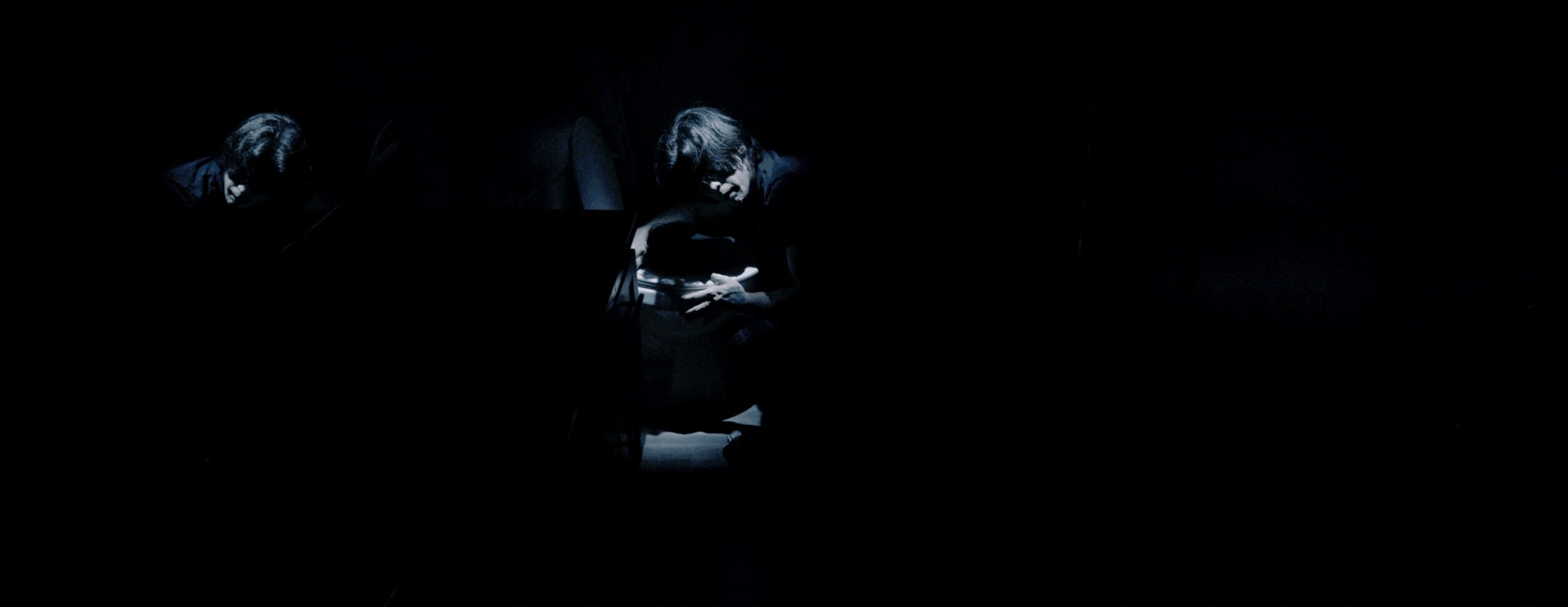
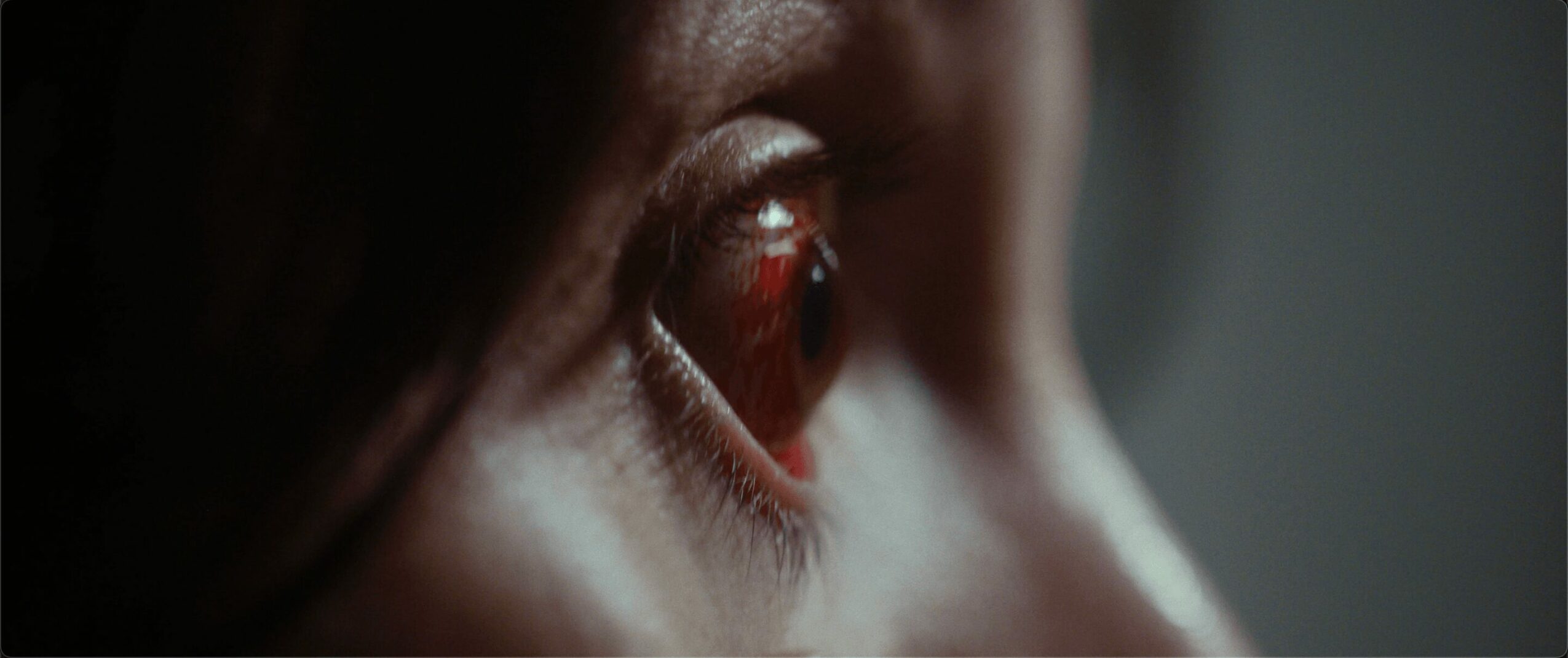
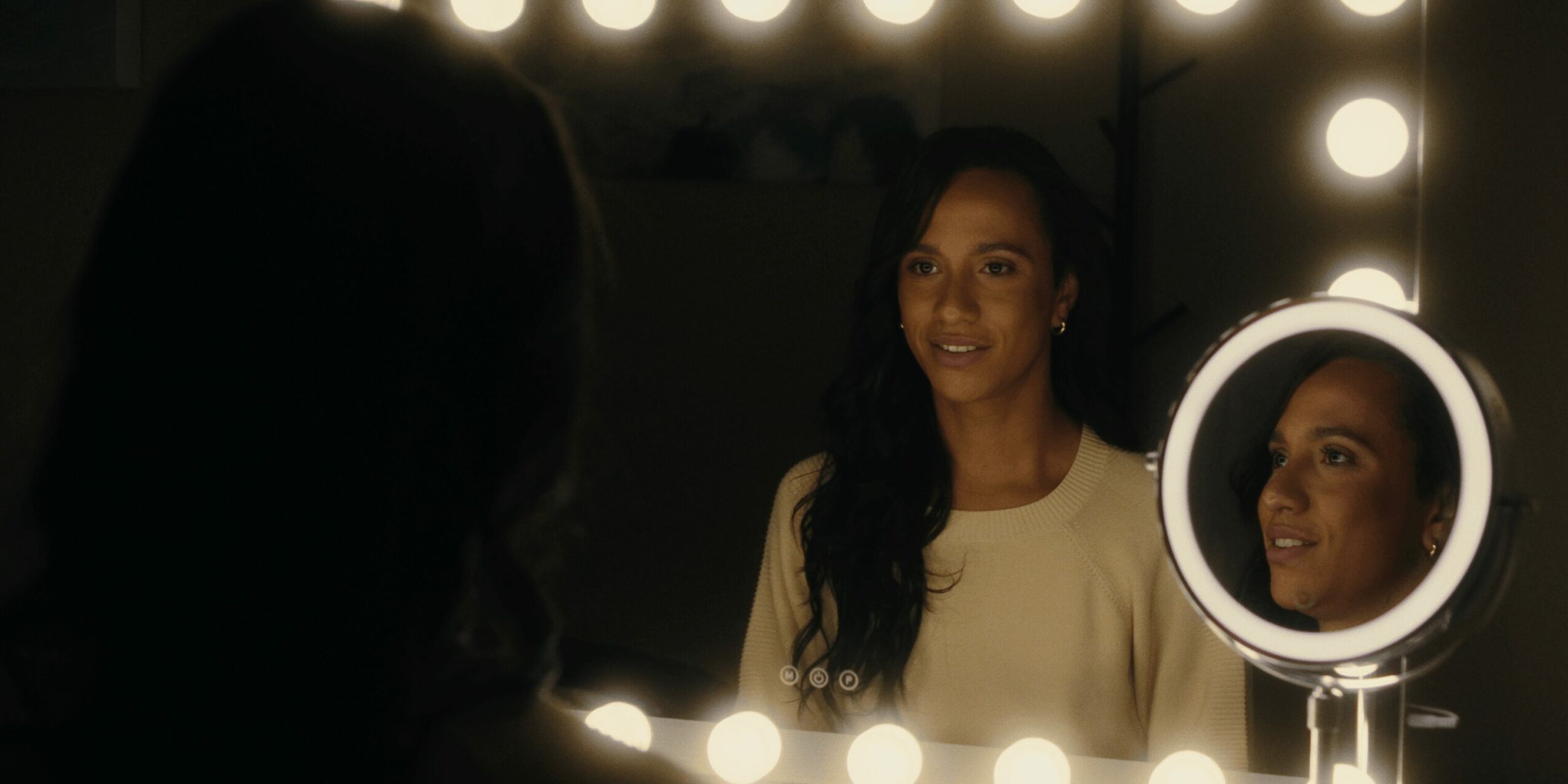
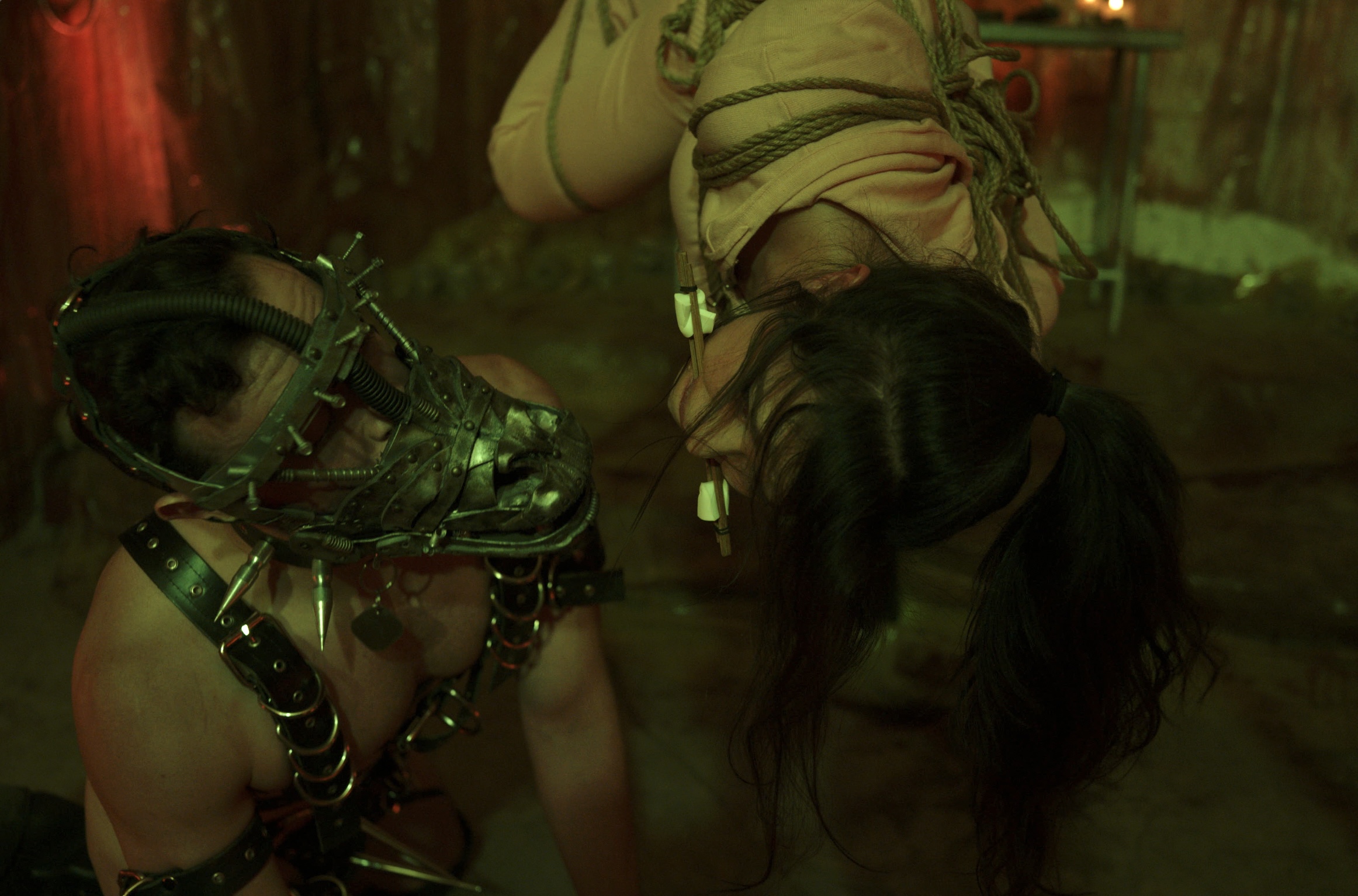
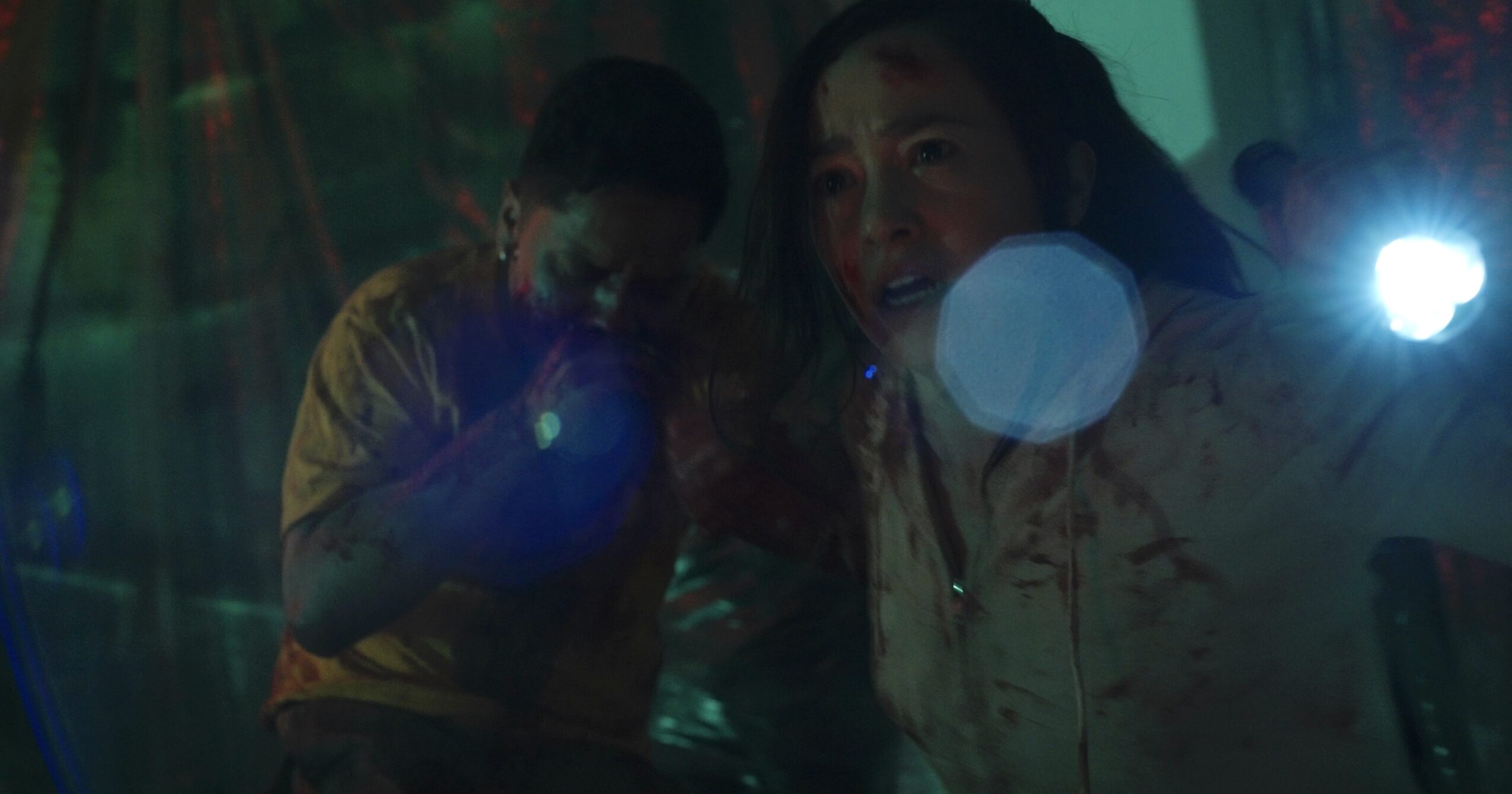
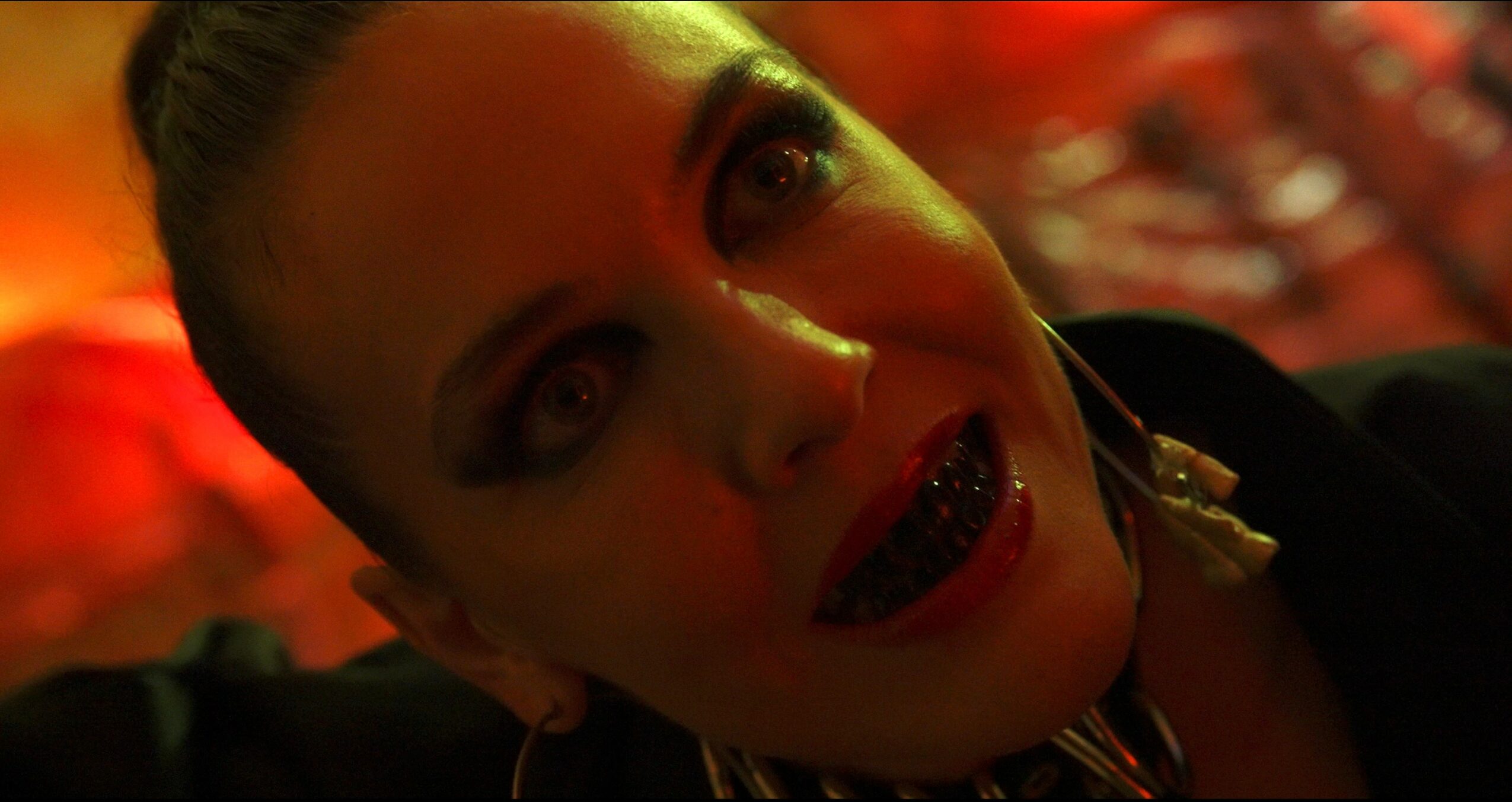
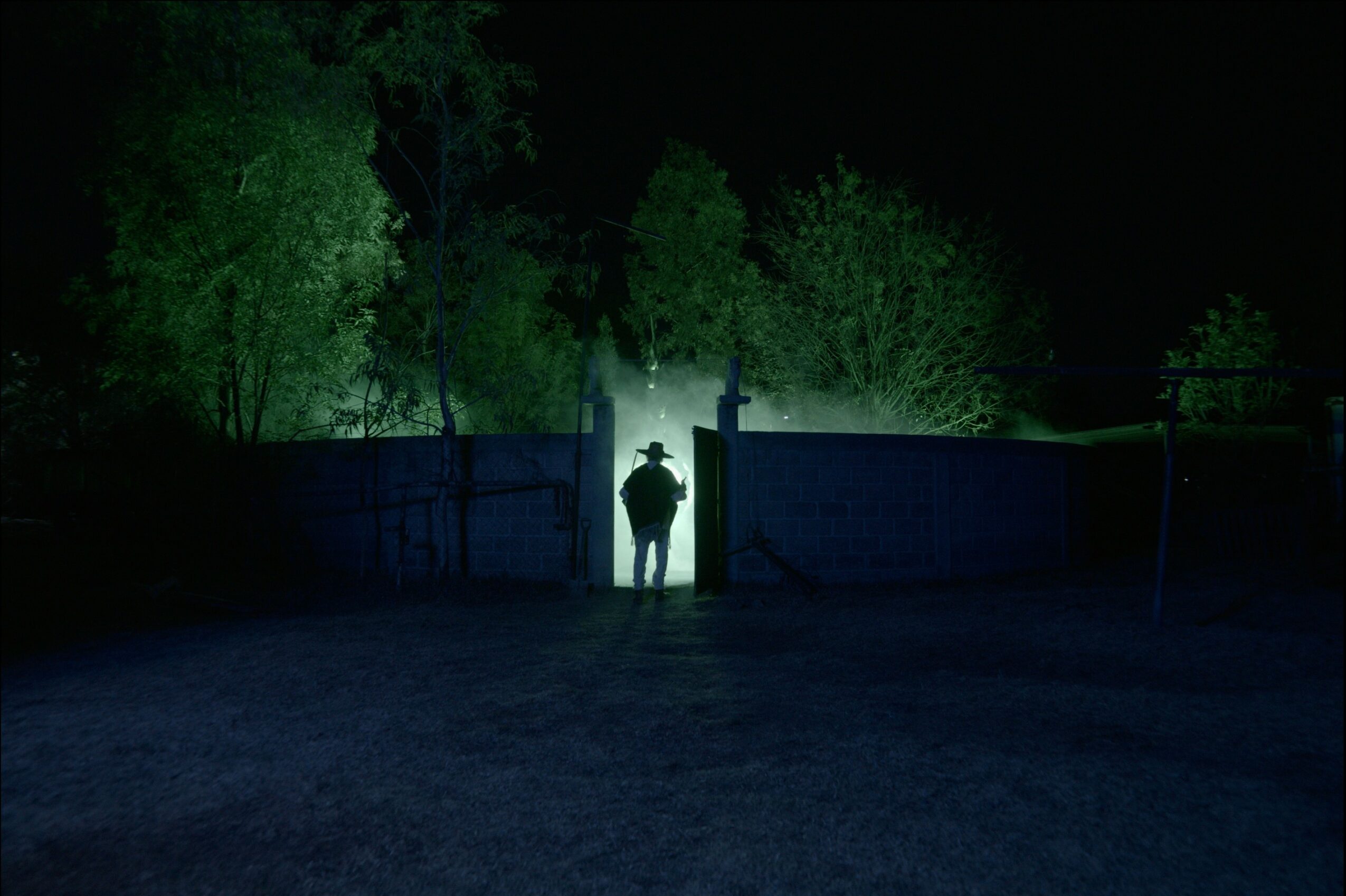
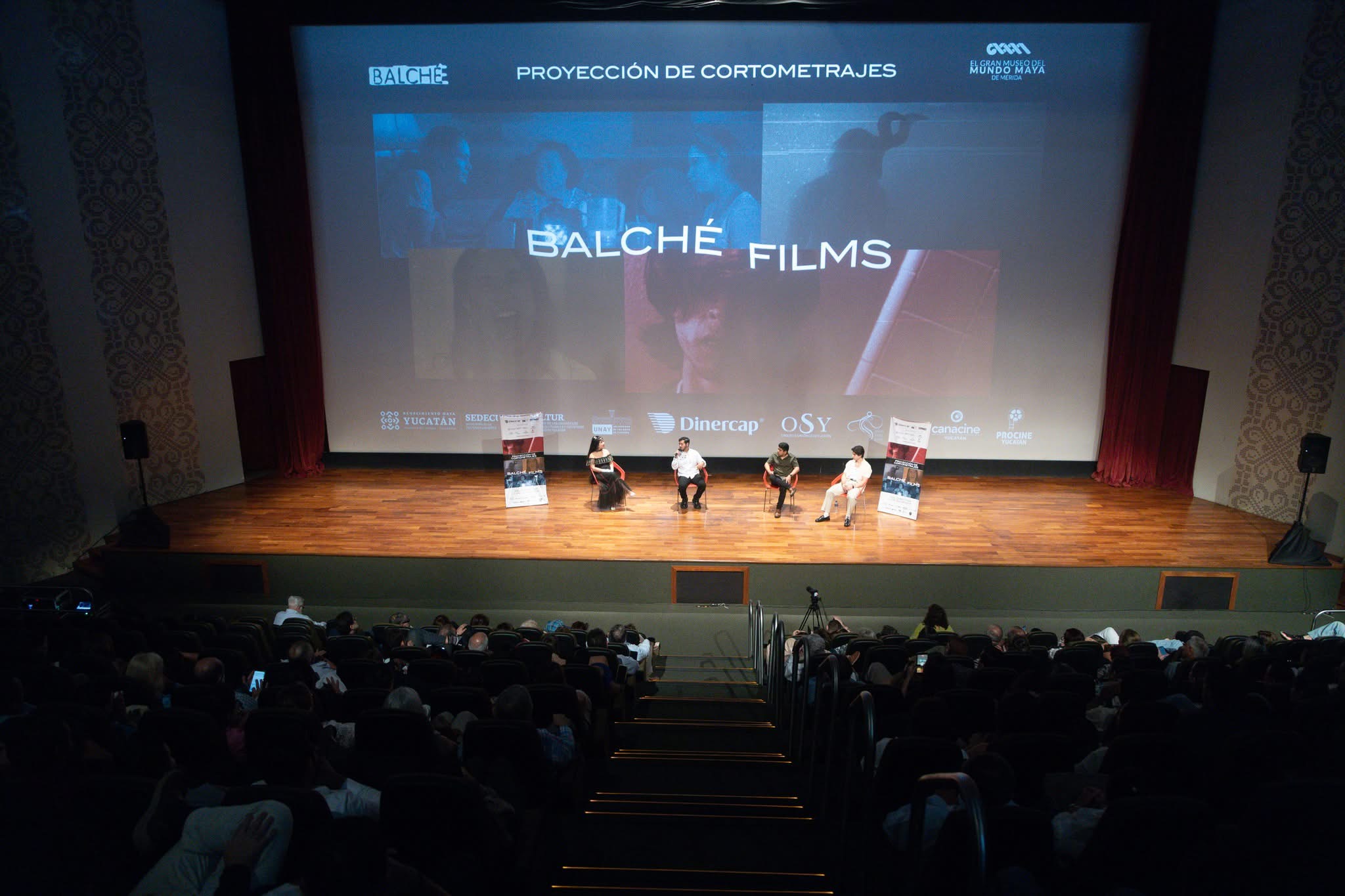
Image Credits
Natalia Yulfo
Fernando Quijano
Javier Bacelis
Popular
-

Maagic Collins on Building a Fearless Publishing Platform for Truth, Advocacy, and Underrepresented Voices
-

Los Angeles Barea on Turning Green Superheroes into a Global Movement for Youth-Led Change
-

Trisha DuVivier on Bridging the Franchisor–Franchisee Divide with Workhero and “Franulate”
-

Portraits of the Valley
-

LA’s Most Inspiring Stories
-
Cedar Boschan on Elevating Black Music Rights and Driving Urgent Conversations Around Credit, Equity, and Artist Protection


