





Today we’d like to introduce you to Josephine Rivera.
Alright, so thank you so much for sharing your story and insight with our readers. To kick things off, can you tell us a bit about how you got started?
My current status as an artist is truly only possible because of my luck, my own efforts in pushing the right buttons, the hard work of my parents, and the guidance of the far and few between teachers who’ve encouraged me along the way. Oh and the whims of the job market of course.
But let’s start here: Well hello! My name is Josephine Rivera. I’m a second-generation immigrant from that place that gets used as a gag to describe a random location in shows and movies—Nicaragua! I implore the public to associate it with the 2023 Miss Universe winner instead! and by proxy, the very hot and cool people from there (me). Please, I’m begging you!
I’m a girl who was born and raised in the mouth of the valley, about 15–20 minutes away from everything, primarily in the gem city of Glendale! I’m currently 30 years old and an artist by trade, and I wouldn’t have it any other way—despite the hostile conditions toward us right now. But was it ever not hostile? Haha.
To those of you reading, I need you to know that art is like the sun to me (a quote I co-opted from a recent interview with Tyler, the Creator). It’s a perfect metaphor for how essential creating is for me as a human. I’ve enjoyed putting crayon to paper just like any other kid, but the difference is that I did so in protest of doing anything else when I had to begin school, much to the dismay of my teachers. “She isn’t doing the work she’s supposed to, she sleeps in class, but she is clearly very talented!” This became a pattern: “She’s very distracted, she daydreams a lot, but her art is very good!” Call it maladaptive, but it could have been worse—I could have been bouncing off walls and causing overall disturbances. Instead, I was quiet and drew.
It wasn’t until second grade that an adult really nurtured this habit and told me that my drawing had value and should be encouraged. Her name was Miss McGuinness? Miss Mckuinnes? I’m not sure about the spelling, as I unfortunately lost contact with her very early on. She was an eccentric theatre personality turned teacher who put a lot of effort into inserting whimsy into our daily lives. She did this through involved art projects and special reading hours where she would turn ventriloquist and have her puppet read us stories. I can’t stress enough how much it bothers me that I never got to tell her how much her influence meant to me.
Into the Frying Pan:
That said, she was pivotal for me because I took her words to heart and tried to be the very best I could be at any art-related endeavor. It ignited a competitive spark, if you will. This spark led me to win a finalist award and then a second-place award in the “I Love My Neighborhood” poster contests. These contests were pushed by our city to promote a clean and beautiful city! The rewards included attending a Victorian tea party and making appearances at City Hall to lead a crowd in reciting the Pledge of Allegiance (that sounds creepy when you say it out loud, doesn’t it?)
Now, as a 7–8-year-old, that felt pretty cool. For the time, it was my biggest accomplishment thus far—look, Maw! I’m an award-winning artist! and I’m like, what, eight at the time? I’m sitting on gold here! But what I didn’t realize was that these tangible rewards were noticed by my parents. It began to shift their views on art as a career. I wouldn’t describe my parents as hard-asses who wanted me to become a doctor or lawyer, but seeing how much time I devoted to art became a point of tension as high school approached. Art was okay—until we started thinking about the future, right? I wasn’t outright barred from focusing on art, but I did receive backhanded comments from family like “Art is good as a hobby, but what about your career?” or “Fan art doesn’t pay the bills!” I had nothing to quell their worries though.
So, in other words, to survive this awkwardness, I needed to prove myself even more.
And that’s how it was during high school, trying to be the best at art, win scholarships, and prove to my parents that there was a legitimate future for me in the arts. And I believe I did that, because by the time I was heading into sophomore year, two other students and I qualified to attend Ryman Arts—a Los Angeles–based nonprofit organization that provides free, intensive art education and college/career guidance to talented high school students. This program offered classes in drawing and painting taught by professional artists, along with support like art supplies and portfolio development. The craziest part? all at no cost to the students!
I cannot stress enough how invaluable that was for someone like me, because at that age, formal art education was usually only available to kids whose parents could afford private classes. And high school art classes? They could only get you so far… so this was an incredible opportunity that I took very seriously. That said, if you got a kid who wants that fine arts instruction, and you as a parent can’t do private art classes, do look into Ryman Arts!
At the same time, I also went out of my way to do an after-school animation course. That meant that on top of a full six-period schedule, I had class on the weekends and after school. For a while, I was taking eight courses at once! From that grind I gained a ton of art mileage, earned a certificate of completion from both programs, won a scholarship, and built some strong fine art portfolio pieces.
That sums it up for my sophomore and junior year of high school, then came senior year….By then, my head was still very much in the clouds—I was fully set on pursuing entertainment design: visual development for movies, concept art for film and games, and even product design. But I would soon hit the ground real hard and deal with the reality before me….art school tuition prices. But here’s the kicker: art school is basically the main gateway into that world. I know that’s not 100% true, but for what I was aiming for, that was the path. No matter what, I needed the skills, and formal instruction seemed like the best way to get them.
Unfortunately, art school costs an arm and a leg. And because this is America, schools cared more about their university transfer rates than about students’ financial realities. I had to deal with my principal and even my own art teacher pressuring me to “just apply to the damn art schools” with no regard for the fact that—even with my scholarship—it was hardly enough to cover the tuition of a single term at my desired art school.
So I spent my last year of high school surrounded by peers excitedly talking about getting into their dream schools, while I was stuck defending my decision to start at community college. I didn’t feel like anyone was on my side during that time. It got so bad that I even considered pivoting away from art altogether—my morale was at an all-time low. But in the 11th hour, I received some sweet, much-needed extra validation: I was chosen as a merit award winner for the National YoungArts Foundation. Something I could put on my resume too! That fired me up to stick with my plan—to transfer from community college, stay frugal, and keep building my skills.
To this day, I thank myself for making that decision. Sure my debt is in the 20-30k range but it’s not the 80-100k range that others were boasting.
From there, it was more of the same—hitting the grindstone, taking classes, knocking out my GE’s and all. When I was finally ready to dive into the transfer/application process for my dream school (which at the time was ArtCenter), I was stopped in my tracks yet again by the monstrous tuition staring me in the face……No matter what I did—even if I had the skills to get accepted into my desired program—I would always have to contend with that damn tuition and the mountain of loans that came with it. So I had to take a hard look at how I wanted to move forward. That’s when I had a kind of aha moment:
Learning the skills needed to pursue entertainment design was becoming more accessible than ever. Did I really need that extra formal education?
That seed of an idea grew thanks to my college art teachers and colleagues, who emphasized the importance of 3D tools and software—how they were becoming essential to visual development and concept art. I told myself: 3D is ten times more foreign to me than 2D. I could fill in the gaps in my 2D knowledge on my own, but with 3D? I’d benefit from formal instruction.
And since I wasn’t the most computer-savvy person either… well, that settled it! I set my sights on Gnomon School of Visual Effects & Animation—apparently the best 3D school in the world! The tuition was also considerably less than ArtCenter’s, which made the decision easier. On top of that, the timing lined up perfectly. Gnomon had just launched their BFA certificate program, which meant my GE credits actually transferred—slashing my tuition costs even further.
Gnomon and Beyond:
While my peers were heading into their fourth year and nearing graduation, I was three years into college and preparing for another three years at Gnomon. A whole new gauntlet. I managed to scrape by the application process and got accepted. It probably helped that Gnomon wanted to bolster their brand-new BFA program—they even accepted such a late application and minimal 3D experience from me! By the time I got in, I’d only taken one humble Maya and ZBrush class. And if you know anything about those software’s, you know damn well that’s not enough time to be proficient. I was still very much in 2D-ville. And I would soon learn the hard way that I was in over my head. I started to truly grasp what this school offered—and the kind of reputation it had—when I heard others’ intense tales of applying and how life-changing it was for them to be accepted. I almost felt sheepish recalling how smoothly it had gone for me. That was foreshadowing, really, because soon I was face-to-face with the sheer talent and skill at this school. I realized fast that I had a lot of work to do just to keep up with my peers.
“But Josephine, you’re a 2D artist with little to no 3D experience! You couldn’t possibly hold yourself to the standards of people who’d been specializing in 3D before even coming here!” Oh, but I could—and I did.
I also realized the school itself was going through growing pains, struggling to bring in the right personnel to train students in the new program. Which meant we were literally getting a lower-quality education compared to those who chose the vocational track that Gnomon had to offer. For clarification, I don’t believe this notion to be true in current day as I think the BFA program has a much better curated selection of professionals to teach now. But at the time I was there, I had to lean heavily on asking peers for advice and making use of the schools learning resources outside of class. To keep myself a nice and honest, I was staying at school nearly 10 hours a day—even on weekends— and taking advantage of open lab hours. I can’t say I ever measured up to the superstar students there, but I’m proud of what I accomplished. I genuinely developed a love for 3D as an art form as well and… apparently it was good enough for Disney a little later down the line!
But before we get there, I have to note how the COVID-19 pandemic affected my transition out of Gnomon in 2020.
I was in my final term when the pandemic was coming to a head. During this term, we were supposed to be building our portfolios—making show-stopper pieces for employers—while also finishing the last courses in the curriculum. Stressful, but crucial. We were also anticipating the Employer Preview Day, where demo reel students had their work and business cards displayed for industry folks to hand-pick interns. An amazing resource to jumpstart careers…..
So imagine our dismay when we were told to leave campus because more and more people were getting sick. We were in the last stretch of Demo Reel. Luckily, I had invested in a solid workhorse computer at home beforehand, but others weren’t so lucky—they had to wait for the school to loan them workstations. Employer Preview Day was, of course, canceled. We were robbed of that opportunity, and of a proper graduation ceremony as well.
So there we were, haphazardly finishing our reels in the chaos. Needless to say, I was burned out beyond belief. I took the summer to decompress, then began applying like a madman in the fall. Surprisingly, it wasn’t the worst time to look—everyone being stuck at home created huge demand for movies, games, and TV. Interviews started rolling in late in the year.
Then December came, and disaster struck. My whole family caught the virus. We were all out of commission for a month. Some of us shook it off better than others. It was during this time that I got an interview offer from Disney—of all places. Of course I set it up. But my dad wasn’t recovering well. On the day of my interview, paramedics wheeled him out of the house. I wanted so badly to drop everything and reschedule. But my dad insisted I go through with it. So, through teary eyes, I got ready and sat down for the interview, pretending my dad hadn’t just been hauled off by EMTs to an unknown fate. Thankfully, that chapter of my life didn’t end as badly as it could have. I was left with minor lung scarring from my bout with COVID, but my dad pulled through. You have to remember—this was before vaccines, when COVID was tearing through people. But putting that aside—I got the job!
Suddenly, it felt like my decisions were paying off. I went on to have my name in the credits of four Disney features: Encanto (which won the Oscar for Best Animated Feature), Zootopia+, Strange World, and the centennial short Once Upon a Studio. To say I won the lottery of first industry jobs is an understatement. Especially while hearing the sweatshop like conditions of other VFX houses that my peers were working at, again I think I got REALLY lucky. But ironically, that’s where my luck ended, the bubble of entertainment demand soon burst. Companies were downsizing, outsourcing overseas, and the looming rise of generative AI made studios even more eager to cut jobs. Imagine the money they saw in stealing from artists and dodging union fees by exporting work—hubba hubba! So I was swept up in that wave and flushed out of the industry at the end of 2022.
I was able to stay afloat a little longer thanks to a gig recommended by my former supervisor (bless him), but when that wrapped, I found myself treading the same waters as so many others in my industry.
I’m sure it wasn’t obstacle-free, but would you say the journey has been fairly smooth so far?
Hell no! is an understatement. As you can tell from my story, the road to becoming an artistic professional is paved with blood, sweat, shit, and tears! Even more so if you’re not born into wealth. Doubly so if you’re chasing the fine arts— that said, my heart truly goes out to those artists who have to be businessmen on top of being creatives just to make it. Compared to those people, I’m just an artistic salaryman who got kicked from work, so now I have to start leaning into becoming my own manager like those artists! To think I specifically pursued entertainment design to just work for a company and get paid for doing the things I already love doing! can’t have my cake and eat it too I suppose.
In any case, I had to scratch and claw for what I had when I had it. And nothing changes even now—I’ll have to scratch and claw for what I want again. Simple as that.
As for struggles not directly tied to the art itself, one of the biggest mistakes I made was not taking care of myself mentally and physically. The art student lifestyle is not for the faint of heart—the all-nighters, the stress, the overconsumption of energy drinks and alcohol. By the end of my time at Gnomon, I was in the worst physical state I’d ever been.
Mentally, it was no easier. Every artist wrestles with the fear of coming up short, that’s par for the course. But layered on top of that, I had to endure two major family deaths and take on the role of supporting mentally ill family members. That’s not for the faint of heart either—the fear of walking in on a dead loved one, cleaning up after self-harm attempts, calming someone in the middle of an episode, bracing yourself against the chaos of loud breakdowns. It’s the kind of environment that leaves you with anxiety burning inside you like a candle that refuses to fizzle out.
And when all that compounds with school, work, and life, it eventually catches up to you in ways you never saw coming. You start to notice how much it’s holding you back. Then comes therapy and trying to untangle the damage while still pushing forward. In other words it’s my turn to take care of myself!
It’s tough. Even now, I’m still not out of the woods, so wish me luck!
Can you tell our readers more about what you do and what you think sets you apart from others?
At this point in time, my proudest professional achievement is having worked with Disney to help bring characters, creatures, and environments to life for four of the features I mentioned earlier: Encanto, Zootopia+, Strange World, and Once Upon a Studio. My specialty is 3D look development.
You know how people watch modern animated films, notice the tiny fibers on clothing, and marvel at how far 3D animation has come? Well, those details are done by none other than Lookdev Artists! We handle textures for skin, clothing, hair, and even inorganic surfaces. Think of it this way: imagine those chocolate Santas you see at Christmas. The chocolate itself is the 3D model, and the wrapper that gives Santa his cute little face and outfit? That’s the texture. That’s my job—I put the “wrapper” on 3D models! (Credit where it’s due, I borrowed that metaphor from one of the best teachers at Gnomon, Max Dayan.)
But what if I told you that my real finest achievement was winning first place in the Bayonetta 10th Anniversary Art Contest? Every entry was personally reviewed by Hideki Kamiya, the director of Bayonetta 1. I ended up winning a collector’s edition of Bayonetta 1 & 2 signed by both him and Bayonetta 2 director Yusuke Hashimoto. They even retweeted my artwork! To top it off, PlatinumGames—the studio behind the Bayonetta series—followed me on social media. I’ll never forget that.
If you had to, what characteristic of yours would you give the most credit to?
I never give up! listen I grew up on retro video games where to clear them, you just needed to do better and persevere! What you got a game over? try again and again and again and again!-
Also being personable I suppose, I’ve been told I’m very easy to talk to. I felt like a walking confessional at school. I would be eating lunch and people would unload their worries on me often, I didn’t mind though, I’m a yapper and I’ve had my fair share of troubles. I’m happy to lend an ear most of the time. Being personable is also really important in our industry. I one time had someone say to me at school “hey you have a really good system going on, you have no enemies!” and I said to them, you mean just being nice to people? I found that funny and a little disturbing.
Pricing:
- CG/3D FREELANCE rates are at $50.00 per hour!
- 2D SKETCH COMMISSIONS start at $30.00
- 2D CEL SHADED COMMISSIONS start at $60
- 2D PAINTED CHARACTER COMMISSIONS start at $150
- FACE PAINTING FOR PARTIES (ADULTS AND CHILDREN) $100 per hour
Contact Info:
- Website: https://jrivera3dworks.wixsite.com/josephinerivera3d
- Instagram: https://www.instagram.com/thewonderbun_/?hl=en
- Linkedin: https://www.linkedin.com/in/josephine-rivera-08ba771b4
- Other: https://vimeo.com/user114529587
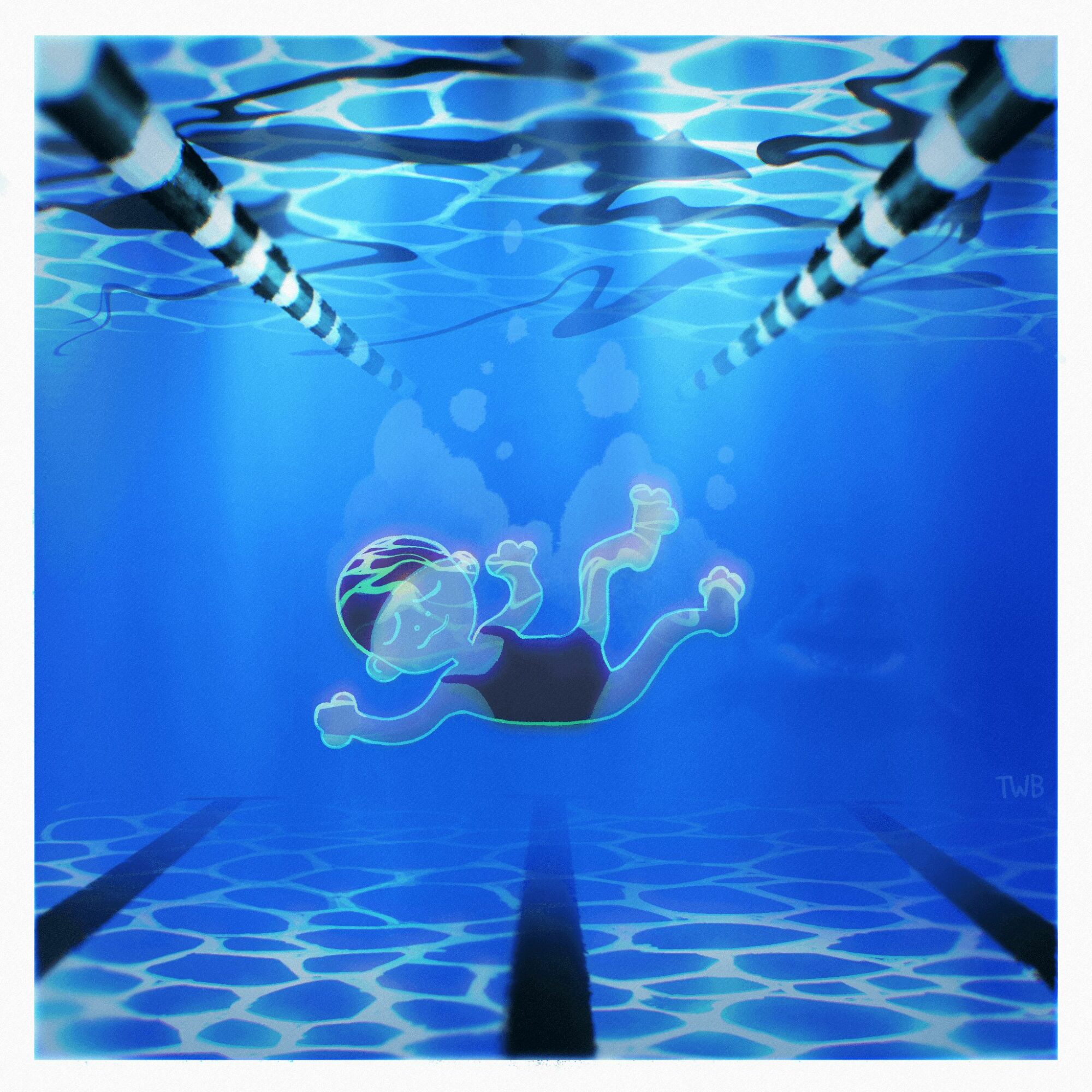
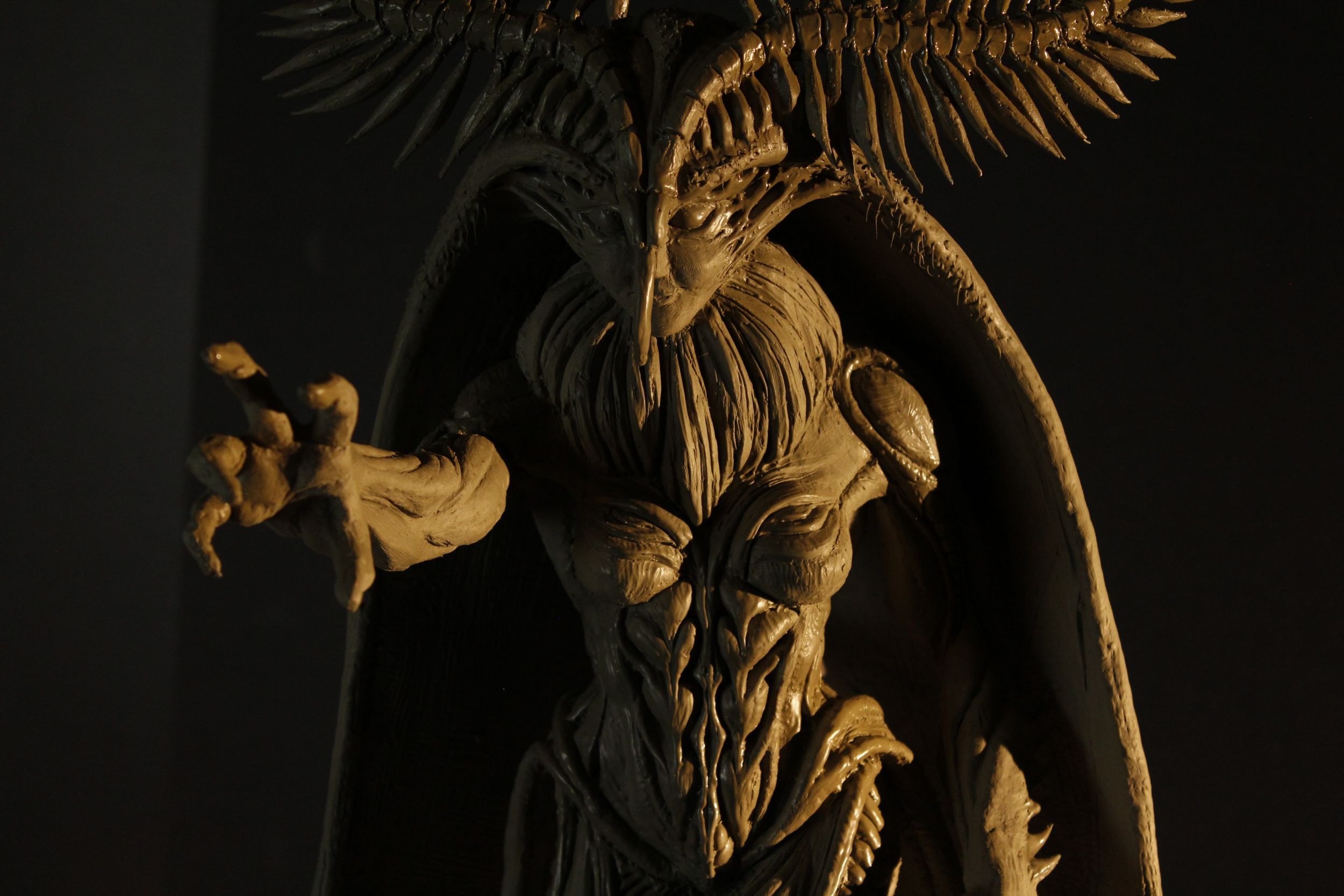
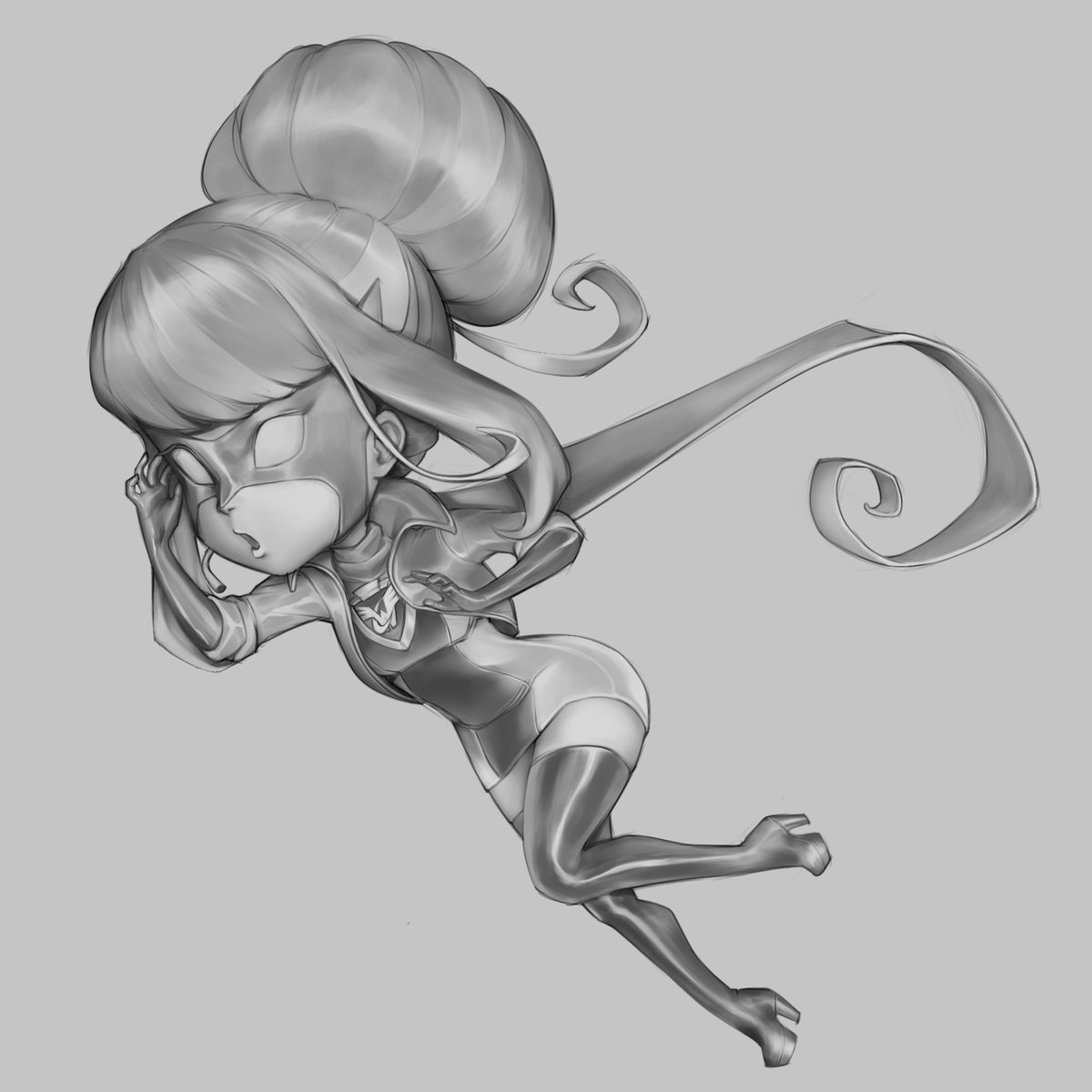
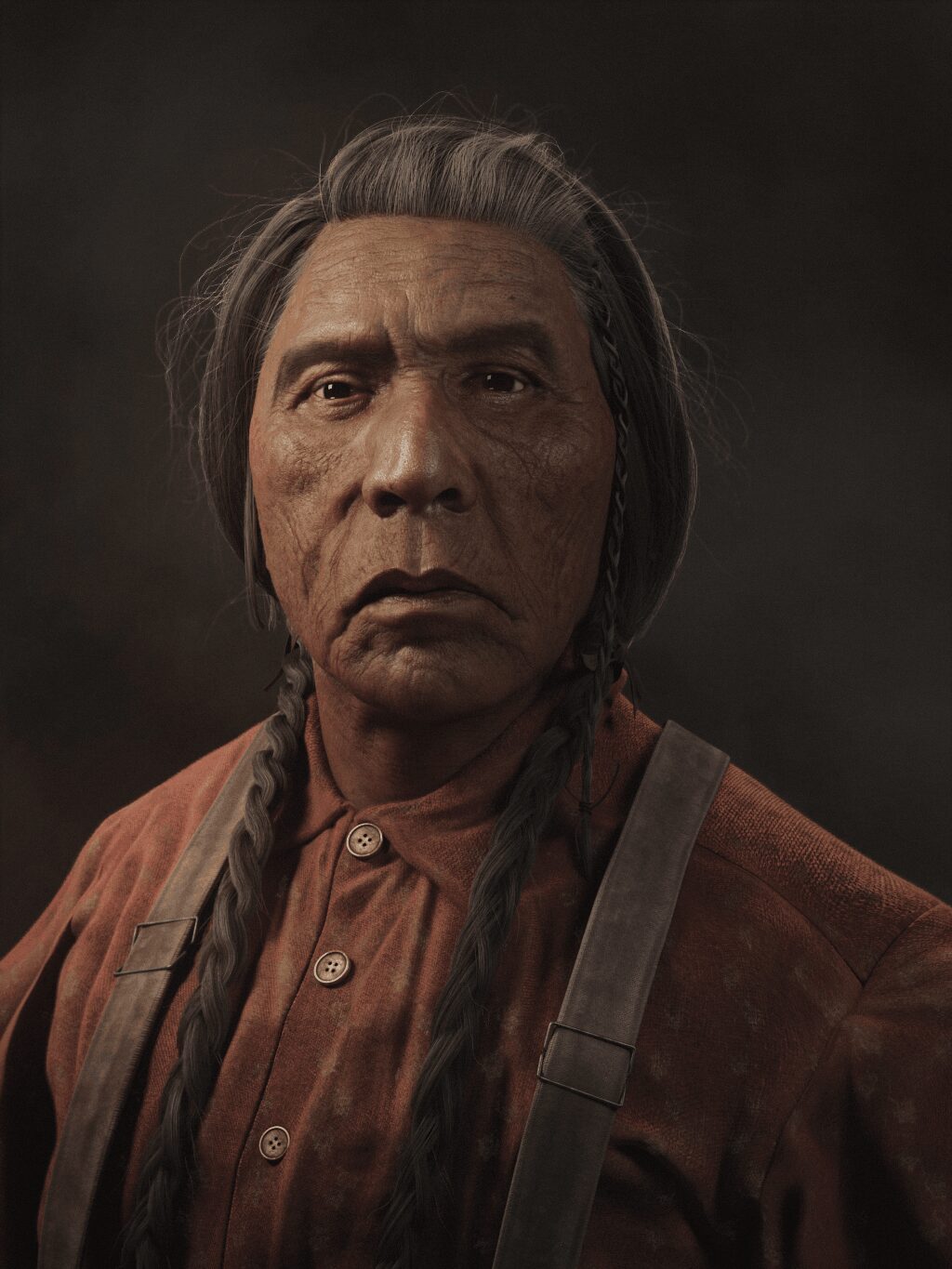
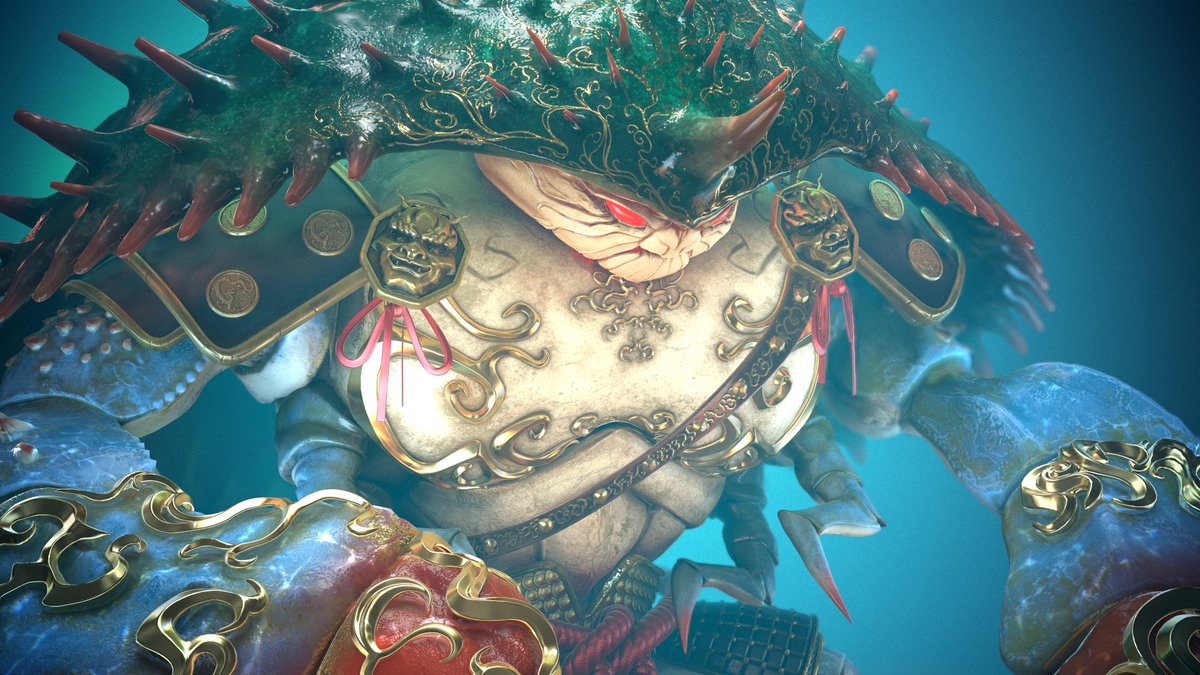
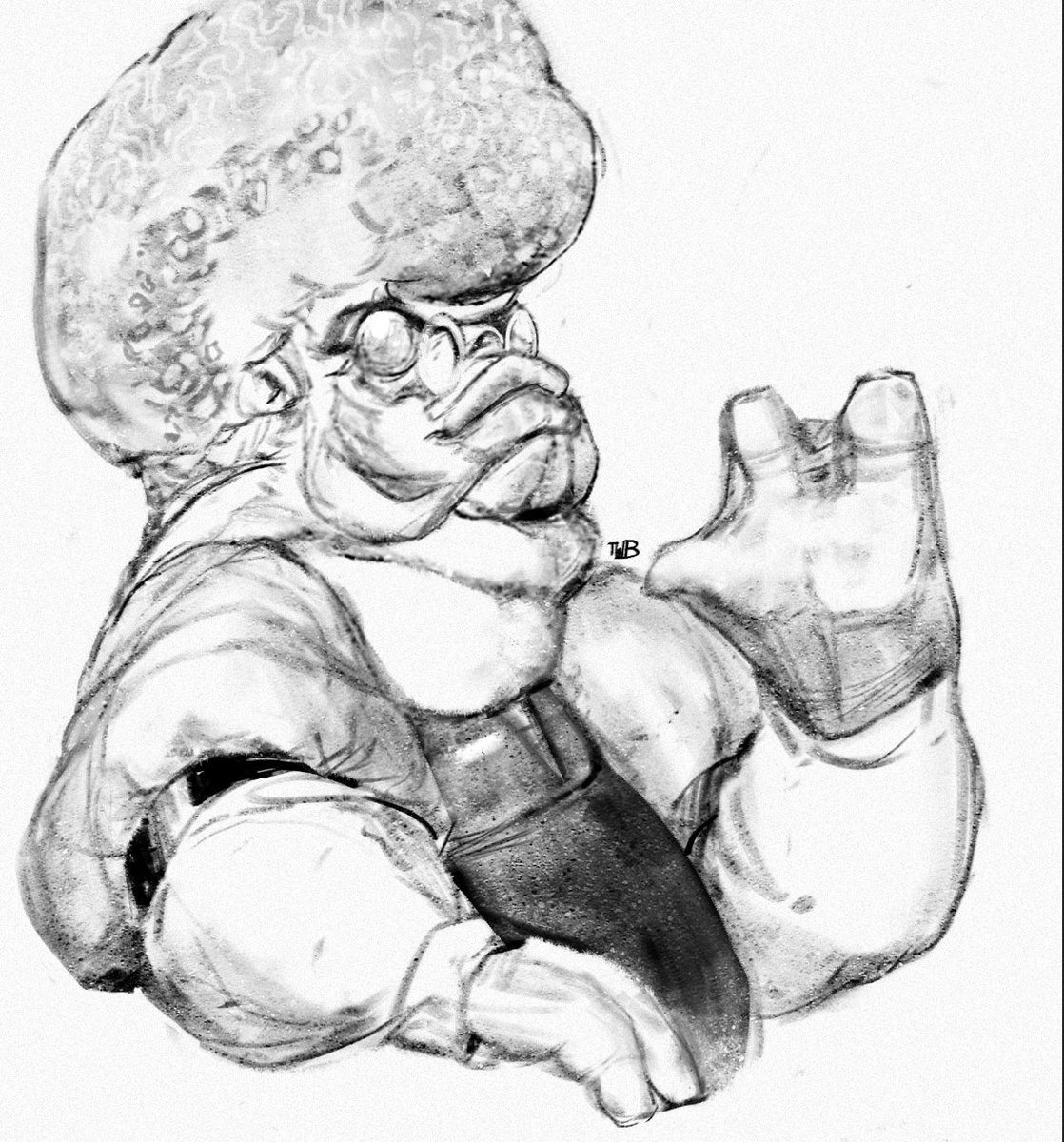
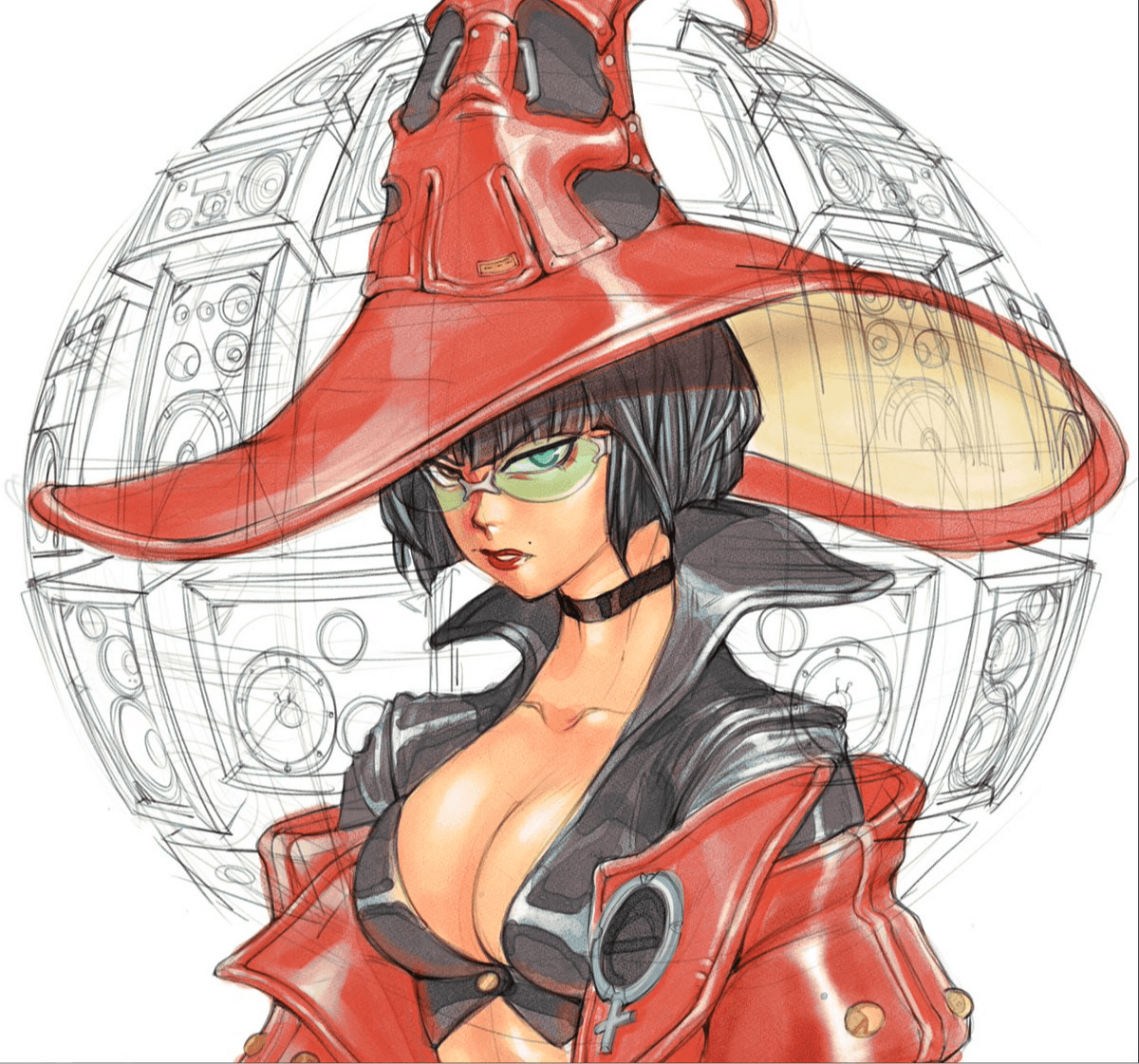
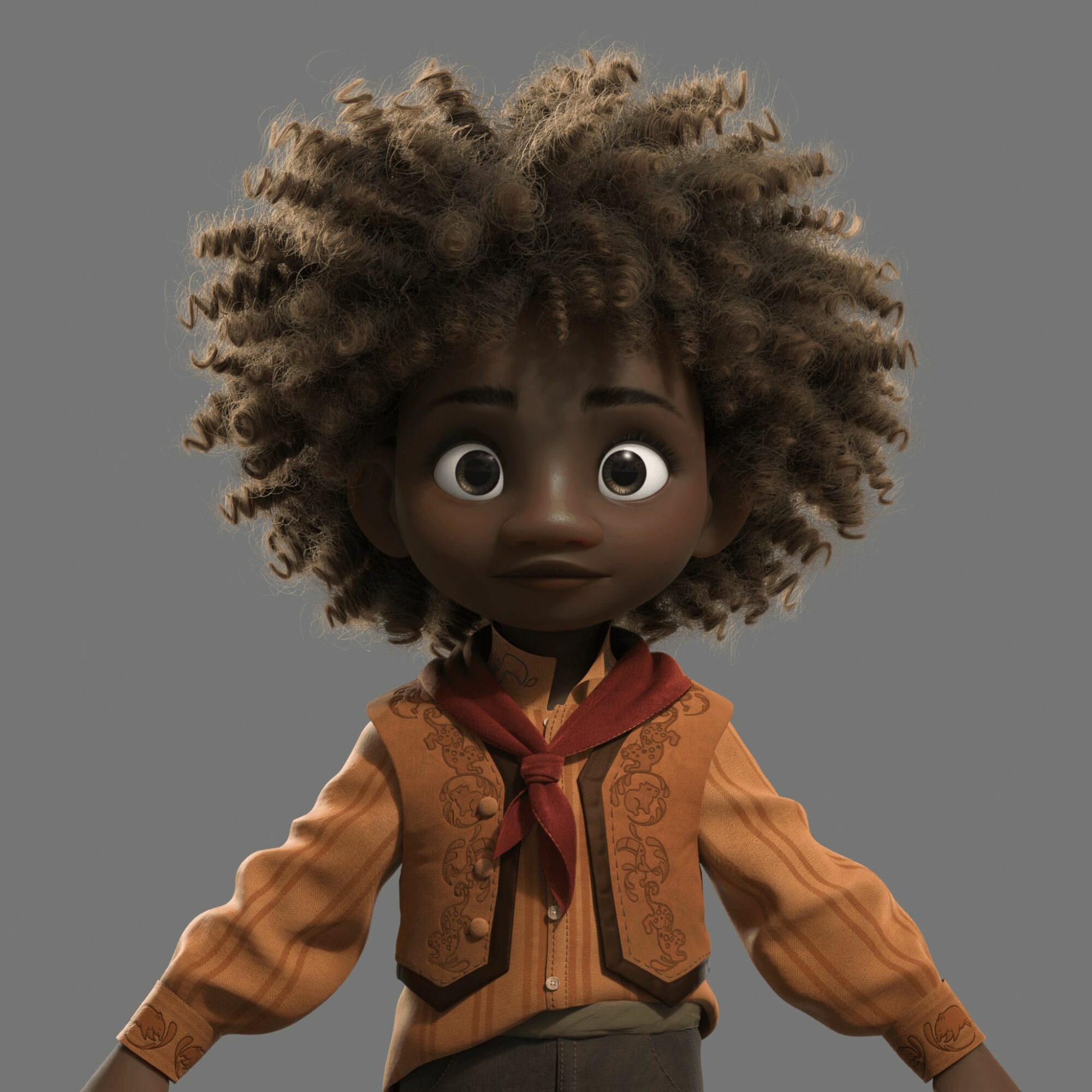
Image Credits
I am responsible for the images provided for this interview. They showcase various examples of my artwork over the years, ranging from traditional sculpture and oil painting to digital painting, 3D sculpting, and look development.
Popular
-

LA’s Most Inspiring Stories
-

Maagic Collins on Building a Fearless Publishing Platform for Truth, Advocacy, and Underrepresented Voices
-
Los Angeles Barea on Turning Green Superheroes into a Global Movement for Youth-Led Change
-

Trisha DuVivier on Bridging the Franchisor–Franchisee Divide with Workhero and “Franulate”
-

Portraits of the Valley
-
Cedar Boschan on Elevating Black Music Rights and Driving Urgent Conversations Around Credit, Equity, and Artist Protection


