




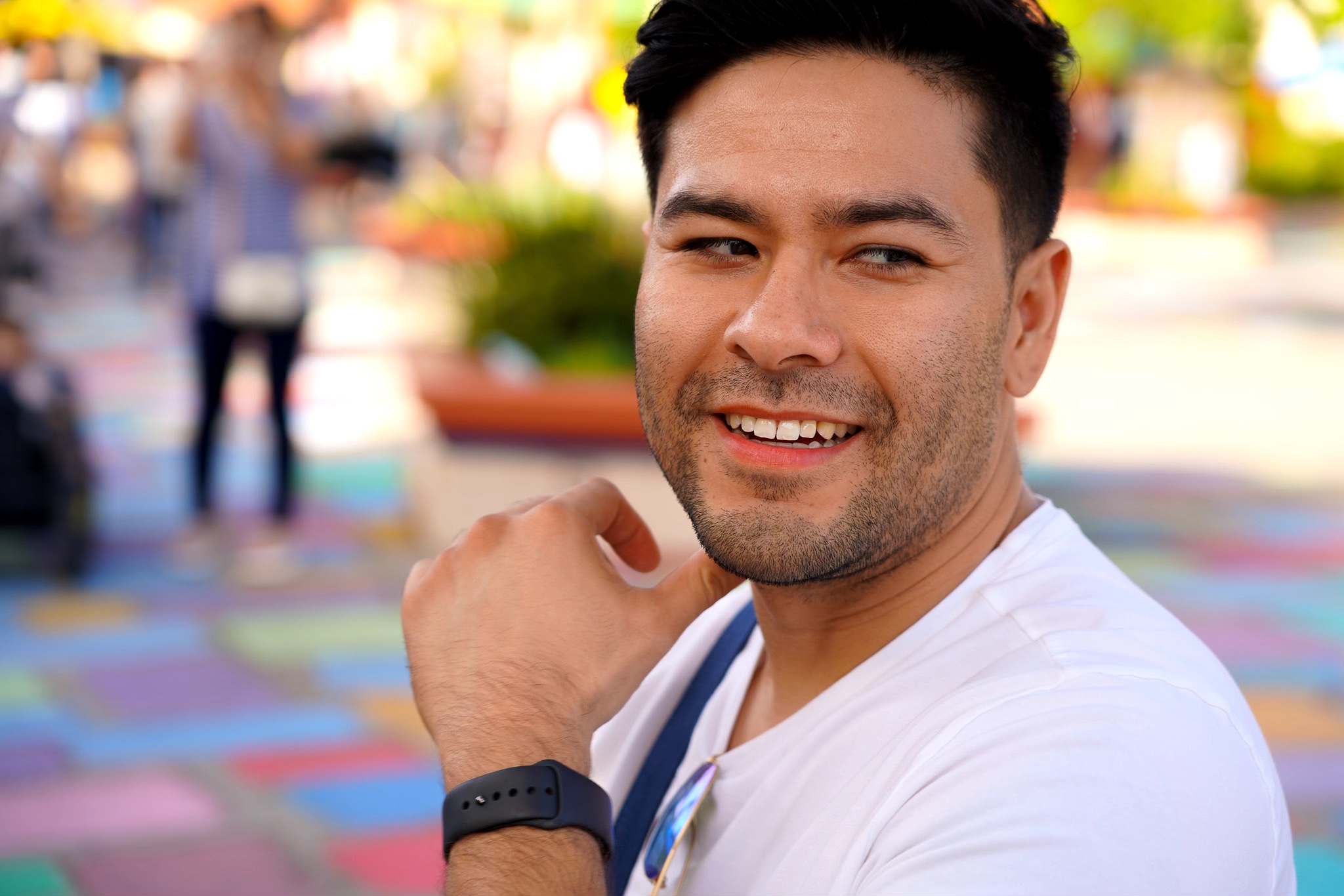
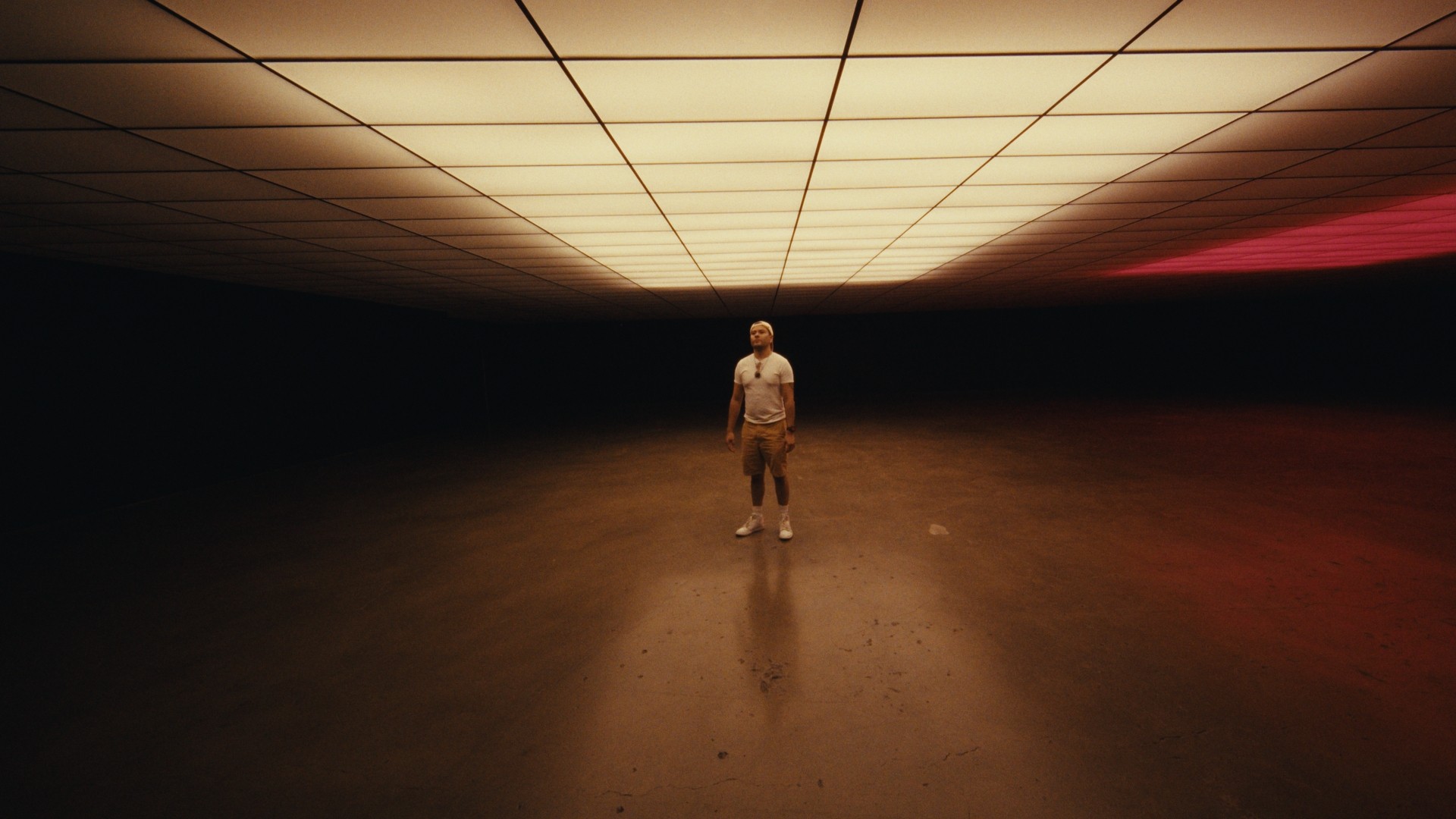
Today we’d like to introduce you to Joe Gonzales.
Hi Joe, it’s an honor to have you on the platform. Thanks for taking the time to share your story with us – to start maybe you can share some of your backstory with our readers?
Of course! I grew up in San Diego, CA and didn’t come from a particularly stable background, so I became pretty observant early on. I was a quiet kid and never really used my voice — I was always watching how people interacted and paying attention to how things worked behind the scenes. In a way, I became a storyteller through people-watching, coming up with different scenarios as a way to make sense of the world. Over time, filmmaking became the place where creativity, leadership, and problem-solving all came together for me.
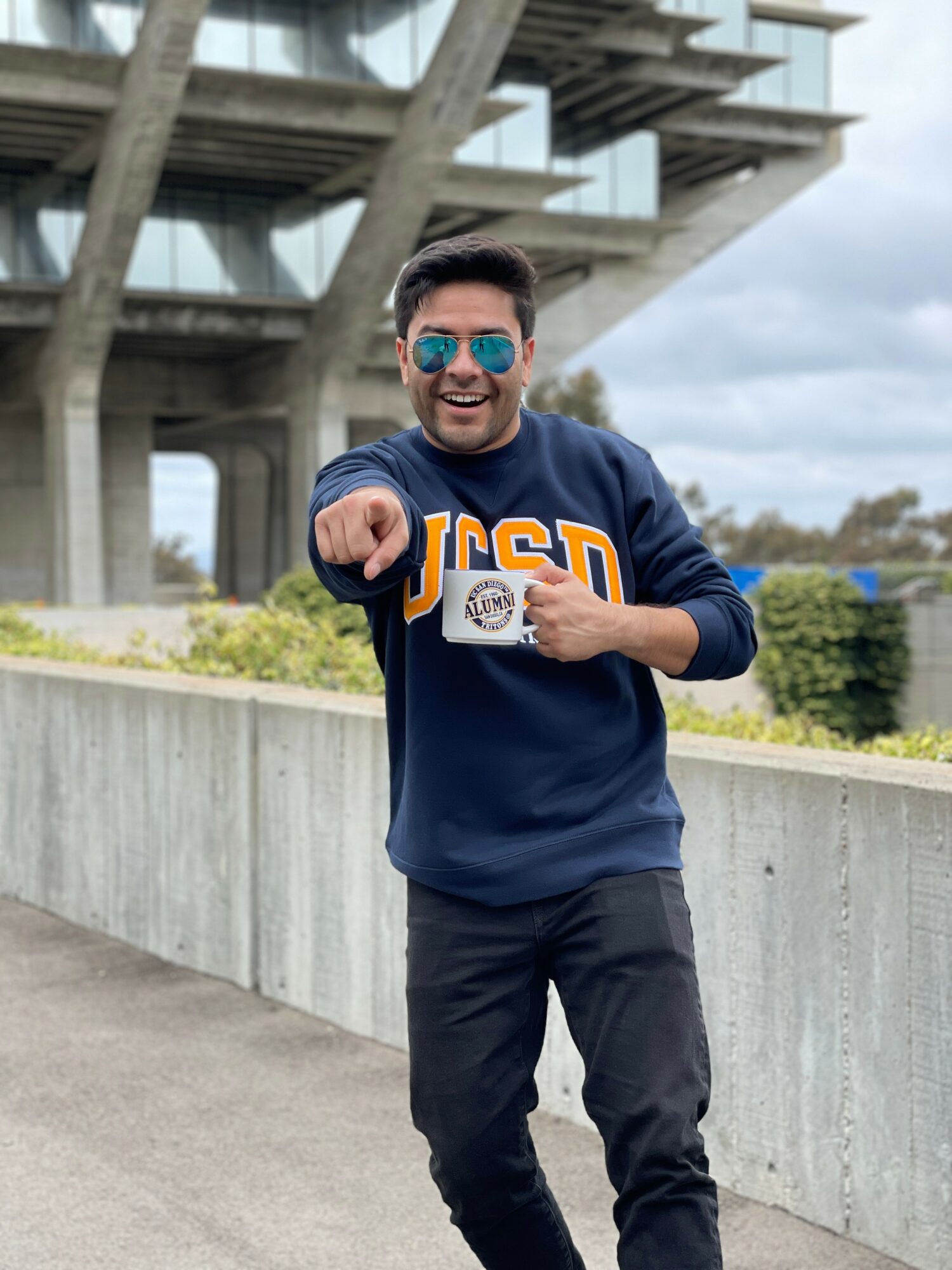
I didn’t take a straight path into film. I studied and worked at UC San Diego, then spent time in South Africa as a Primary School English Teacher with the Peace Corps. Those experiences really shaped how I see responsibility and leadership — working with limited resources, building trust across cultures and individuals, and showing up consistently even when things were hard.
When COVID hit, I was forced back to the U.S., and that became a turning point. I decided to fully commit to filmmaking and went on to earn my MFA in Producing from the American Film Institute. Since then, I’ve worked as a Producer and Line Producer across short films, podcasts, music videos, and vertical content. A lot of my work has been in fast-moving situations where you’re building structure as you go.
Over time, I realized I’m especially drawn to creating systems that protect creative work — helping teams stay focused, supported, and sane while getting projects across the finish line. Right now, I’m working as an Associate Producer with Podhead Studios while also carving out space for my own story-driven work. I see my career as a long game, and a lot of what I’m doing is about building something that lasts.
I’m sure it wasn’t obstacle-free, but would you say the journey has been fairly smooth so far?
Oh definitely not — not at all. It’s been extremely uneven. A lot of the early part of my life and career was shaped by instability, which meant I had to figure things out without much of a blueprint. I was the first in my family to go to college, the first to travel 22 hours away from home by plane, and I found myself stepping into an industry where I had no real experience or roadmap. I didn’t always have access, mentorship, or a clear path forward, so a lot of my learning came through trial and error. It also didn’t help that I didn’t discover I had ADHD until I was 32, which explained a lot in hindsight.
One of the bigger challenges was transitioning from service-oriented work, like the Peace Corps, into an industry that can be tough and heavily relationship-driven. I quickly realized film isn’t just about talent — it’s about timing, trust, and access — and learning how to navigate that while staying grounded took time. There were long stretches where work felt inconsistent, moments where the world felt like it was ending during the pandemic, and then again when the industry stalled during the writers’ strike. I spent a lot of time questioning whether I was moving fast enough or heading in the “right” direction. Going back to school at AFI during that period was both a risk and a reset.
More recently, the struggle has been learning patience. This industry often rewards visibility and speed, but I’ve had to learn to trust a slower, more intentional path — one focused on building real skills, relationships, and systems that last. It hasn’t been easy, but it’s been necessary.
Thanks for sharing that. So, maybe next you can tell us a bit more about your work?
Oh, I love this one. At my core, I’m a producer. Whether it’s film, podcasts, music videos, or vertical content, I’m usually brought in when things need structure. I love helping projects move from idea to execution — but for me, it’s not just about building budgets, schedules, and workflows. It’s about strengthening teams and ideas so the work is actually sustainable.
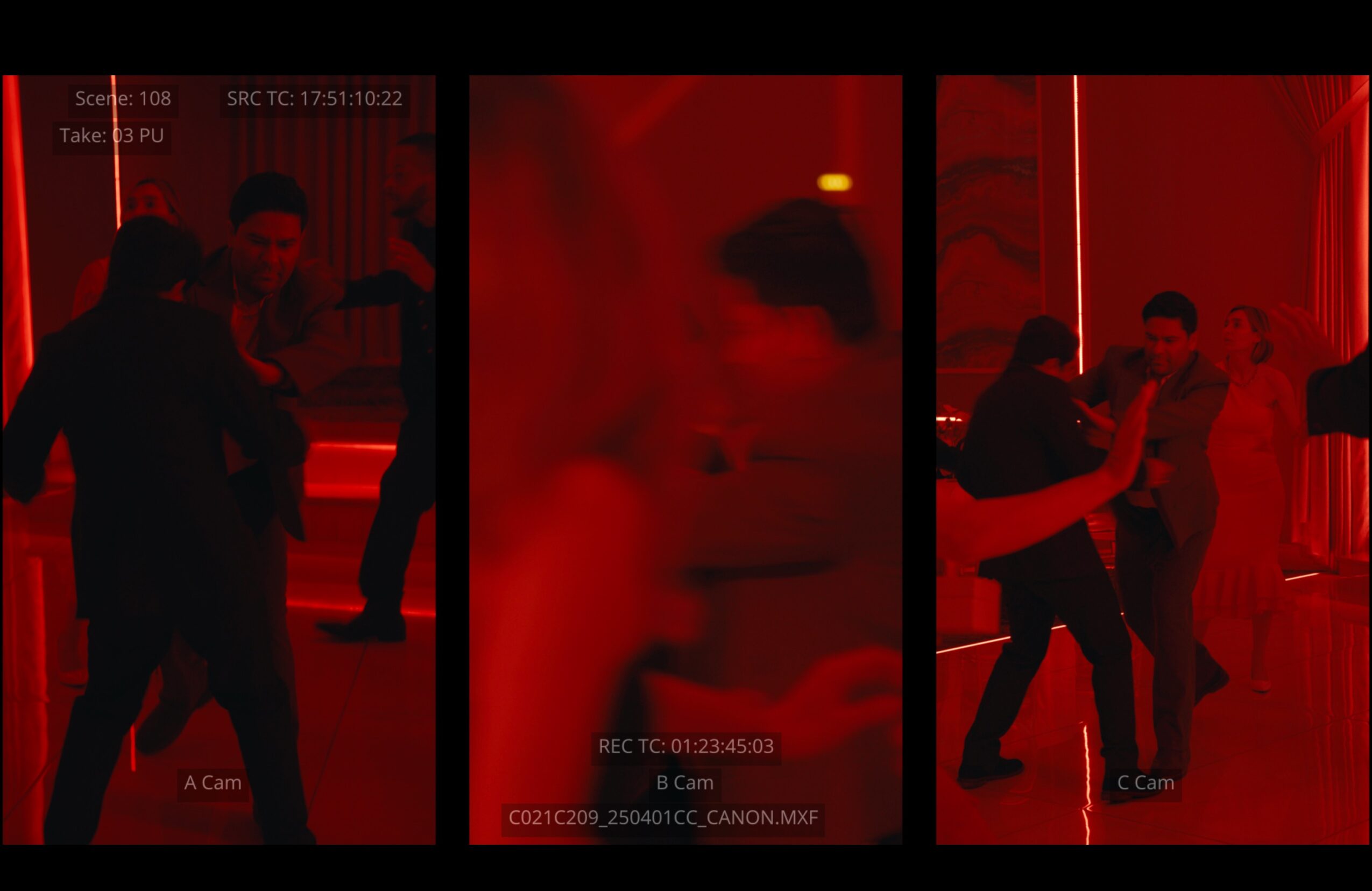
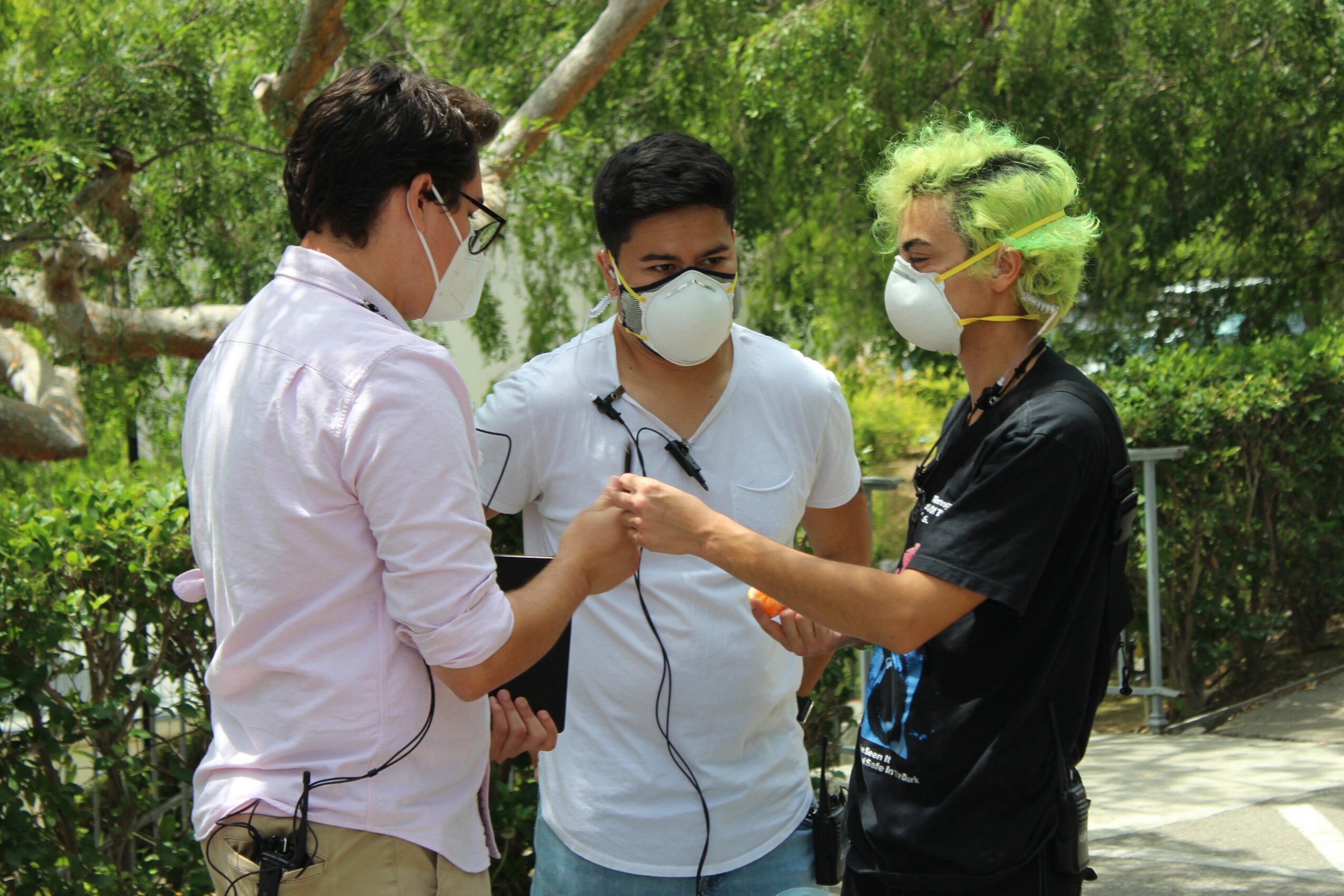
A lot of what I’m known for is staying calm in high-pressure environments. One of the biggest productions I’ve worked on was a K-pop music video for ENHYPEN, with over 100 cast and crew, shooting 19 hours straight in the desert in the middle of August. It was intense and hectic, but what I’m most proud of is that we made it through safely, no one got hurt, and everyone left feeling supported and taken care of. That matters to me as much as the final product.
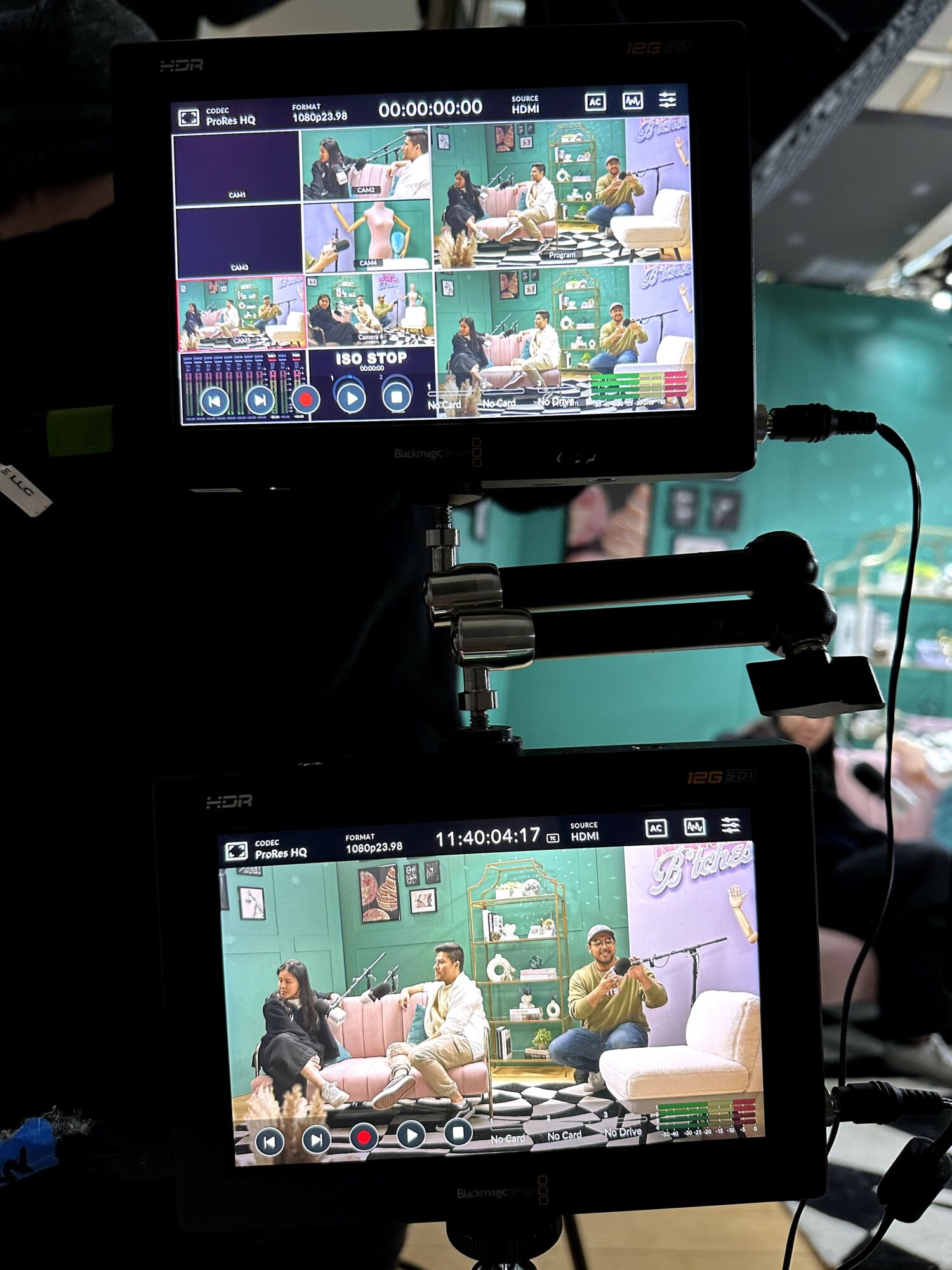
I’ve also produced and supported podcasts like Wizards of Waverly Pod, Ned’s Declassified School Survival Pod, and Fuller House Pod, as well as vertical series that have reached millions of viewers. Across all of those formats, the through-line has been the same: helping creative ideas survive real-world pressure.
What sets me apart is that I don’t see producing as just logistics or just creativity — it’s both. My background in service, education, and operations has shaped how I lead. I’m less interested in chasing attention and more focused on building trust, longevity, and work that actually lasts.
I genuinely care about creating systems that protect both the creative process and the humans behind it. Whether that’s mentoring younger crew members, refining workflows, or advocating for more sustainable production practices, I try to leave every project better than I found it. Currently, I’m working with Podhead Studios and have collaborated on projects involving Charlie Puth, Ettore Young, Sony, and a very viral social media series I’m not allowed to talk about just yet!
Is there any advice you’d like to share with our readers who might just be starting out?
My biggest advice is to be reliable. Talent matters, but people remember whether you showed up, followed through, and made their lives easier. If you do that consistently, you’ll get asked back.
Be proactive and ask questions — even when you feel awkward doing it. Nobody expects you to know everything when you’re starting out, but they do notice when you’re paying attention and trying to learn. Say yes to learning everything, not just the job you were hired to do.
Learn how to trust people and, just as importantly, learn how to speak up. Early on, I stayed quiet because I didn’t want to mess up, but your voice matters more than you think — especially when something feels off or unsafe.
Patience is a big one. This industry can make you feel like you’re behind or missing your moment, but most careers are built slowly, not loudly. Focus on building real skills and real relationships, and let momentum compound over time.
And finally — don’t forget the crackers. It sounds small, but it matters. So don’t forget the crackers.
Contact Info:
- Instagram: @joemunji
- LinkedIn: https://www.linkedin.com/in/josephalangonzales/
- Other: https://m.imdb.com/name/nm14200031/
Popular
-

Portraits of the Valley
-

LA’s Most Inspiring Stories
-

Maagic Collins on Building a Fearless Publishing Platform for Truth, Advocacy, and Underrepresented Voices
-
Los Angeles Barea on Turning Green Superheroes into a Global Movement for Youth-Led Change
-

Trisha DuVivier on Bridging the Franchisor–Franchisee Divide with Workhero and “Franulate”
-
Cedar Boschan on Elevating Black Music Rights and Driving Urgent Conversations Around Credit, Equity, and Artist Protection


