




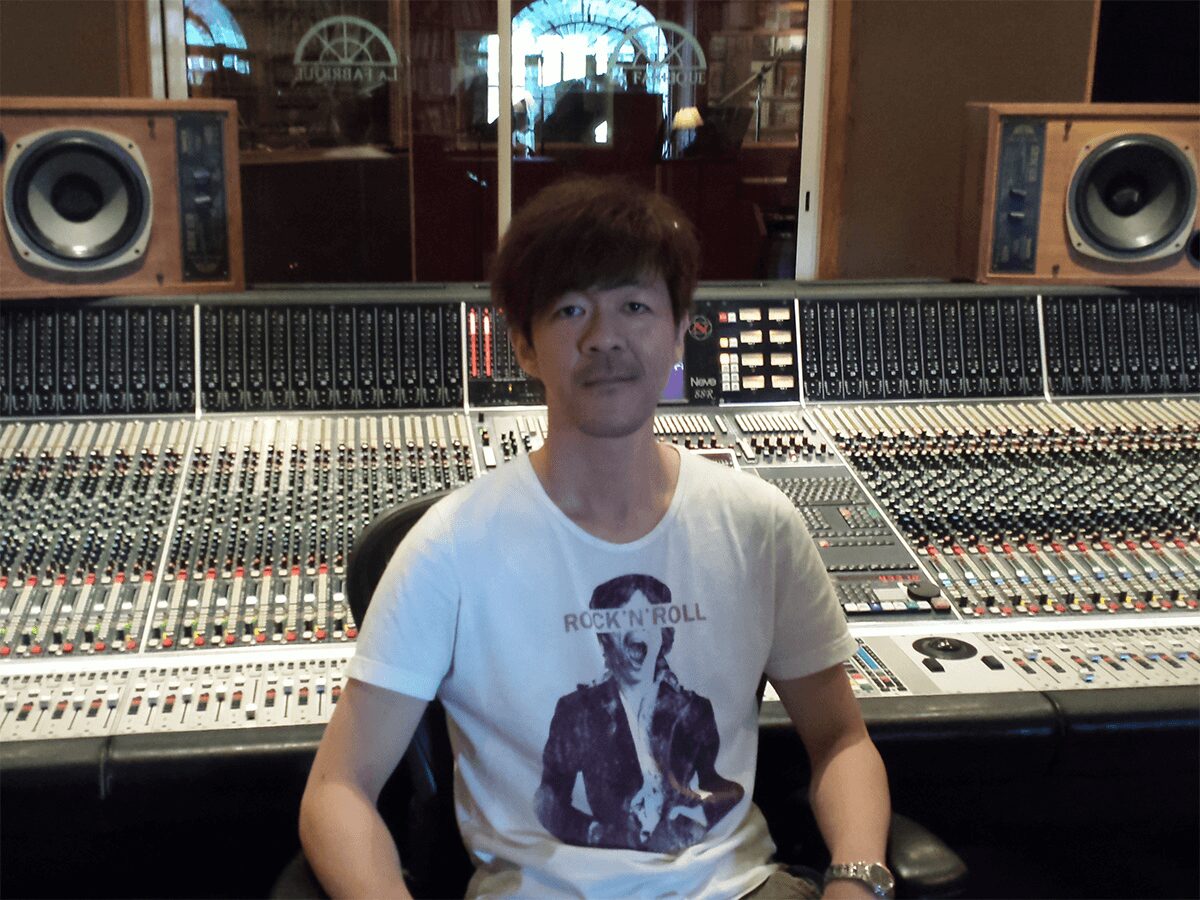
Today we’d like to introduce you to Hiroaki Takagi.
Hi Hiroaki, it’s an honor to have you on the platform. Thanks for taking the time to share your story with us – to start maybe you can share some of your backstory with our readers?
I am currently working as a recording engineer, mixer, music producer and guitar player.
My career started after winning the grand prize at an audition in 2005 where I performed a song that I personally wrote and composed. Following that opportunity, I made my debut with a band in 2006.
After leaving the band a couple of years later, I began working on music production for television programs and stage productions which eventually led me into the world of recording engineering.
Since my teenage years when I first started playing instruments, I had been deeply inspired by Western artists such as Aerosmith, Whitesnake and Mr. Big. I was especially fascinated by the sound production and recording styles of American and European music and I always dreamed of learning those techniques firsthand overseas.
In 2014, I moved to the United States (New York) to study music production and recording, and later relocated to Italy (Udine Venezia) in 2016 to further deepen my understanding of European and American sound aesthetics and recording culture.
I returned to Japan in 2019, shortly before the pandemic began. Since then, I have continued working internationally while being based in Japan, traveling to the U.S. and Europe several times a year for various music projects and productions.
Since 2024, I have also been working as a product development test engineer for the German audio plugin company Black Rooster Audio.
Would you say it’s been a smooth road, and if not what are some of the biggest challenges you’ve faced along the way?
It definitely has not been a smooth road. If anything, I would describe my journey as full of ups and downs, and now, I’ve learned to enjoy that unpredictability.
Japan is an island country and nowadays many Japanese teenagers have opportunities to travel abroad, even to nearby Asian countries. However, despite being deeply inspired by Western music and culture from a young age, I did not travel overseas for the first time until my early 30s.
My first destination was New York and I eventually moved to the United States about two years later. By general standards, I think I started relatively late.
Although I adapted fairly quickly to cultural differences, starting over in America was challenging. In Japan, I already had professional experience, but overseas I had to begin from the bottom again. I worked under assistants who were much younger than me and I had to rebuild my career step by step in a completely different environment.
Language was another major obstacle. I struggled especially with native English conversations and slang, so I attended ESL classes while continuing to work in studios. Since many of the recording sessions I participated in involved Black musicians and artists, I was exposed to a lot of Black American slang and culture. In a way, I now jokingly consider myself a Japanese person who understands Black slang unusually well.
At that time, Japanese society still had a relatively strong seniority-based culture. In contrast, I was inspired by the Western mindset where people could grow and advance based more on skill, experience and ability rather than age. That environment motivated me greatly, and looking back, I feel incredibly fortunate to have had those experiences.
Appreciate you sharing that. What else should we know about what you do?
I work as a recording engineer, mix engineer, music producer and guitar player.
Music production is made up of several different stages. First, there is the recording process where vocals and instruments are captured. Then comes the mixing stage where the balance, tone and space of each recorded element, such as vocals, guitars, drums and bass are carefully shaped into a cohesive sound. Finally, there is the mastering stage which focuses on the overall sonic balance and final presentation of the music.
These days, I mainly work as a mix engineer, although I still regularly participate in recording sessions in studios as well.
Originally, I started my career as a guitar player and songwriter, so I believe one of my strengths is that I truly understand the mindset and emotions of musicians and performers. I can communicate not only from a technical perspective, but also from a creative and artistic one.
Another strength is my ability to work comfortably in English and collaborate internationally. Because of my experience living and studying abroad, I am also familiar with Western approaches to music production and sound aesthetics, especially American and European rock and pop productions.
What I am most proud of is being able to bridge Japanese and Western music cultures through sound and communication.
What’s next?
There are three major goals I hope to achieve in the future, including some projects that I have already started working on.
Looking back, I feel that the opportunities and experiences I’ve had were not only the result of my own courage to take the first step, but also because of the many people I met along the way who supported me and believed in me.
First, I want to continue helping develop artists who have not yet been discovered by a wider audience. I would love to contribute to creating music that allows talented artists to reach more listeners around the world.
Shortly after I moved to the United States, one of the chief engineers who first taught me about American music production told me something I still remember vividly today.
“It’s great to dream about working with already famous artists. But just as important, or even more important, is finding undiscovered diamonds in the rough and helping them grow from the ground up through music.”
That advice has stayed with me ever since.
Second, I want to share the joy of music production with people in Japan who are passionate about creating music, including those who may be struggling or feeling frustrated with their progress. I hope that my experiences, including my failures and challenges, can encourage and support others who are going through similar situations.
During the pandemic, I started an educational music production program that was offered both online and partially in person. I would like to continue expanding that project in the future.
Finally, although I am currently based in Japan, I am also planning to move back to the United States again in the near future.
Many of the artists and musicians who inspired me and showed me the power of music when I was a teenager came from America and Europe. In many ways, those cultures and experiences continue to shape who I am today.
Contact Info:
- Website: https://hiroakitakagi.com
- Instagram: https://www.instagram.com/hiro.takagi/
- Twitter: https://x.com/takagi_sound_ny
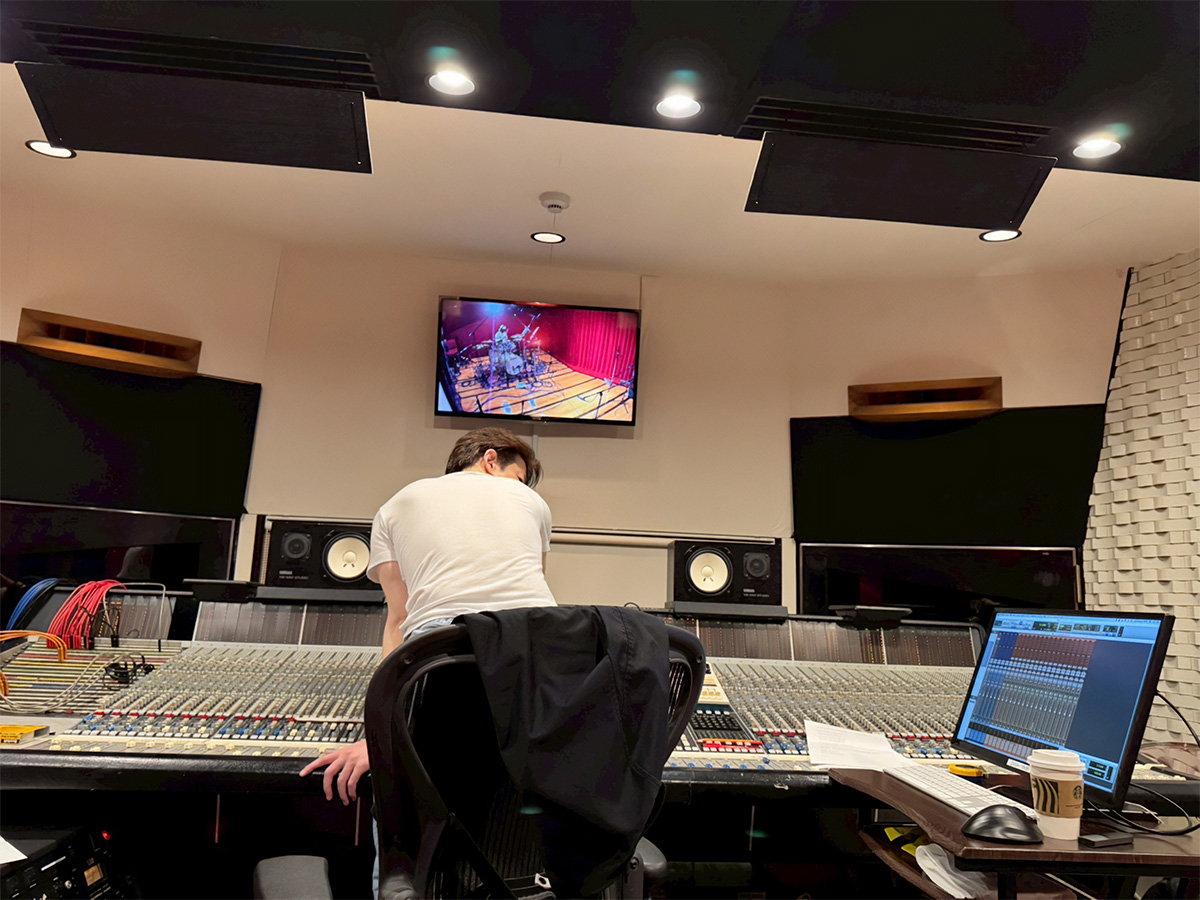
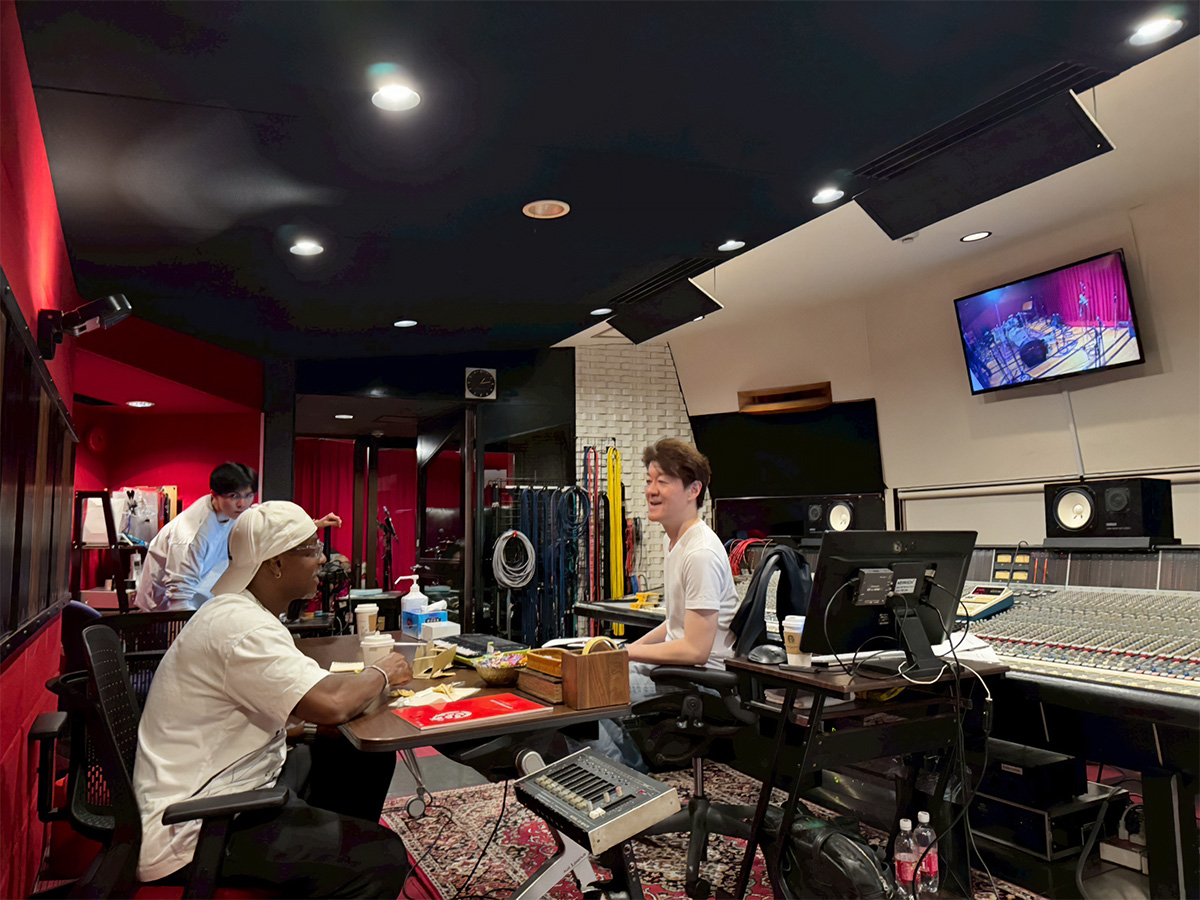
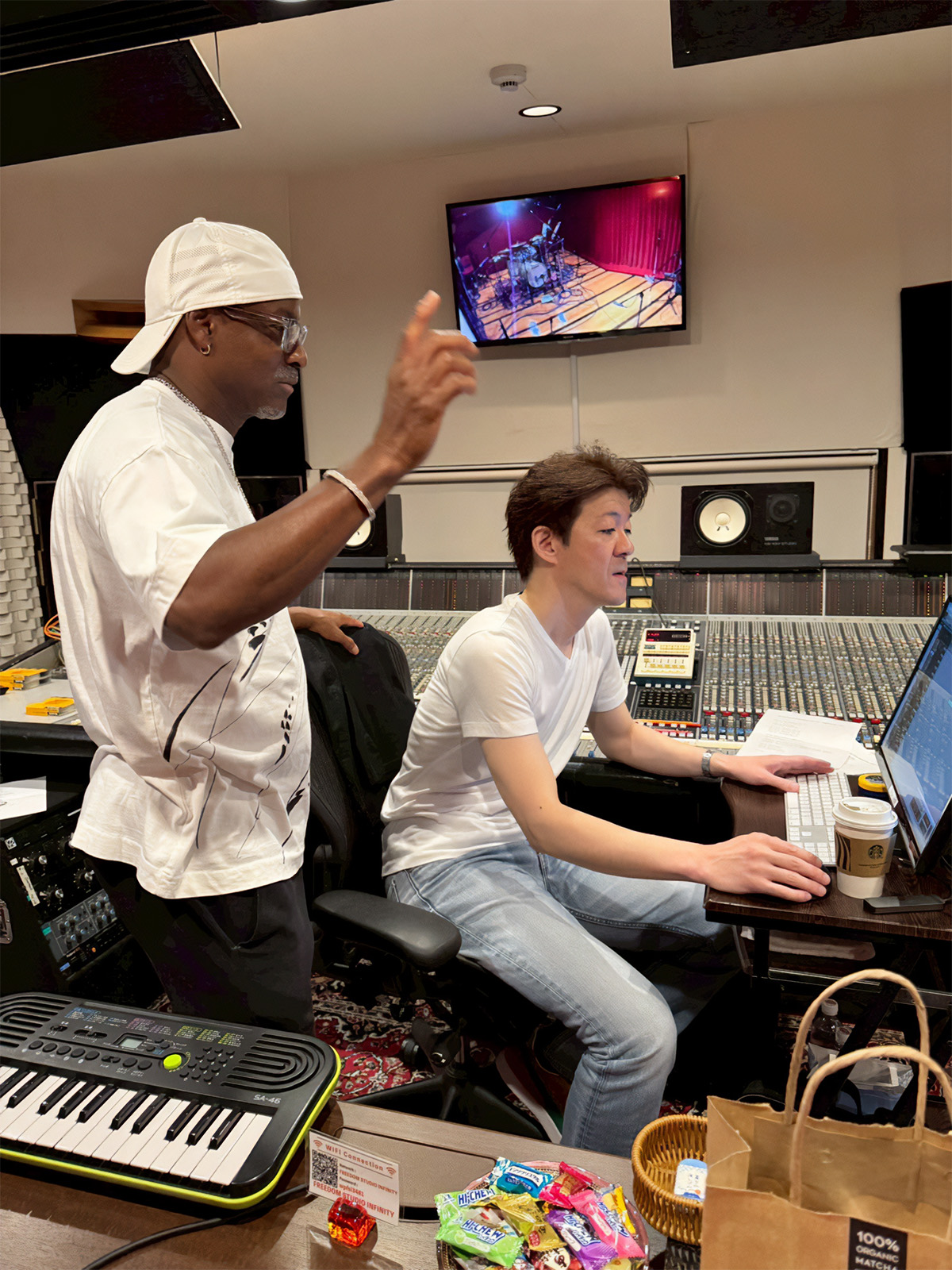
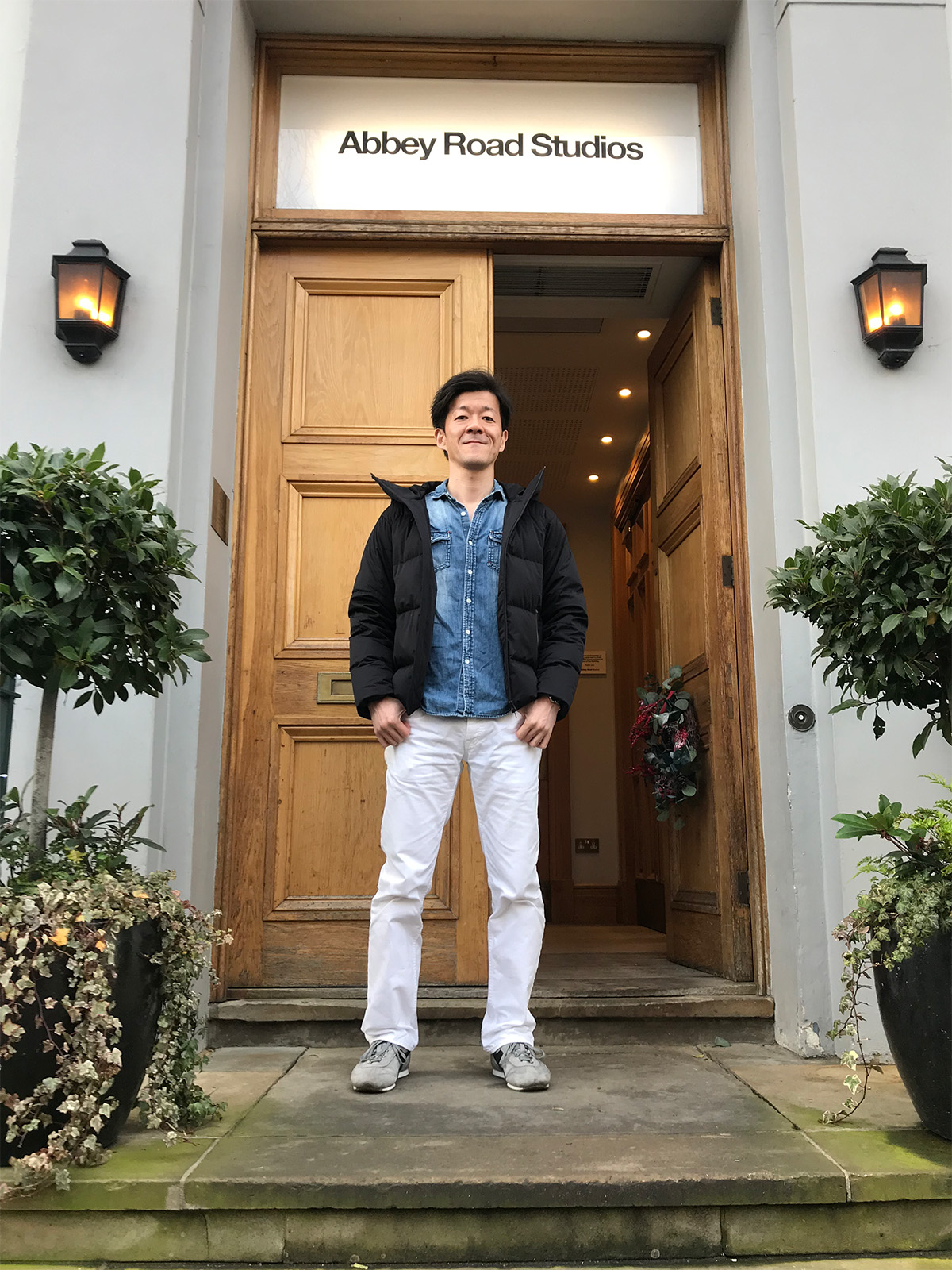
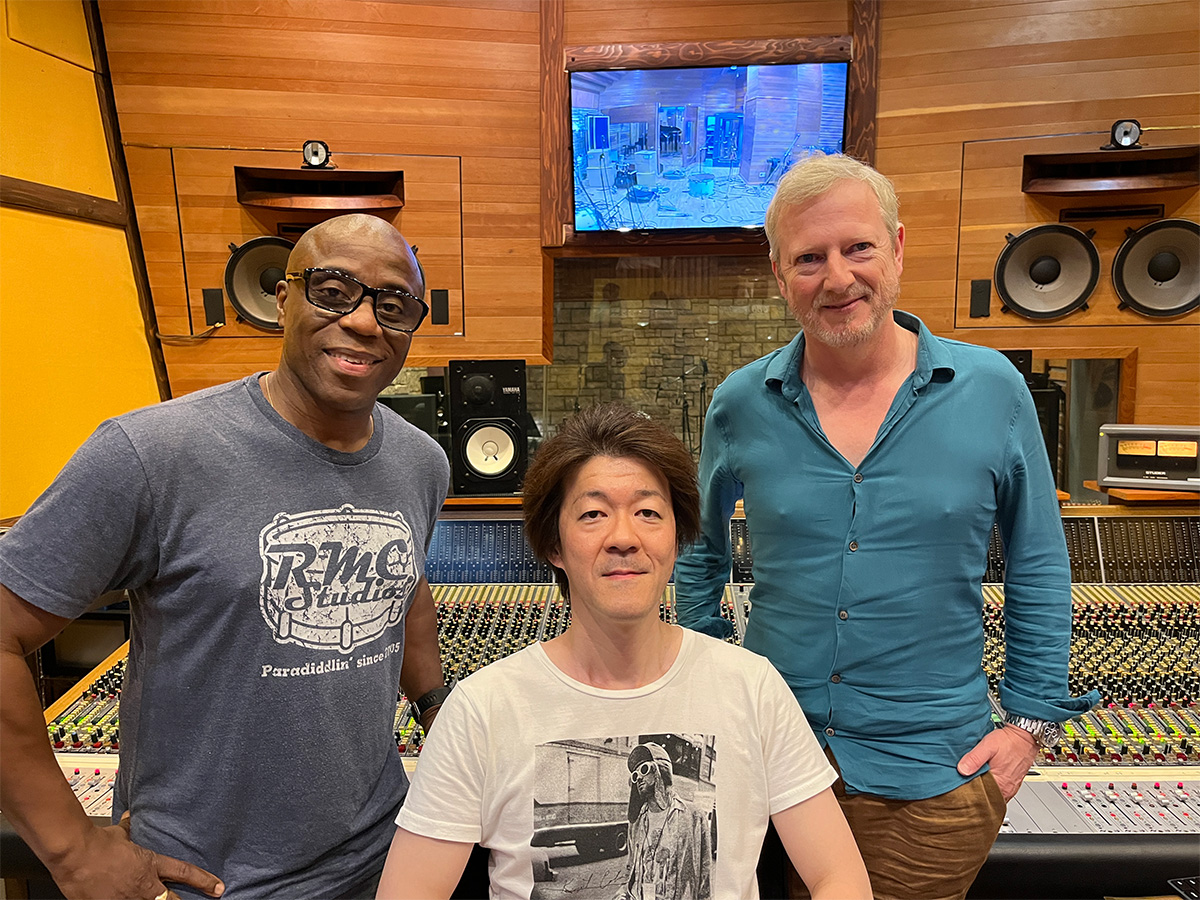
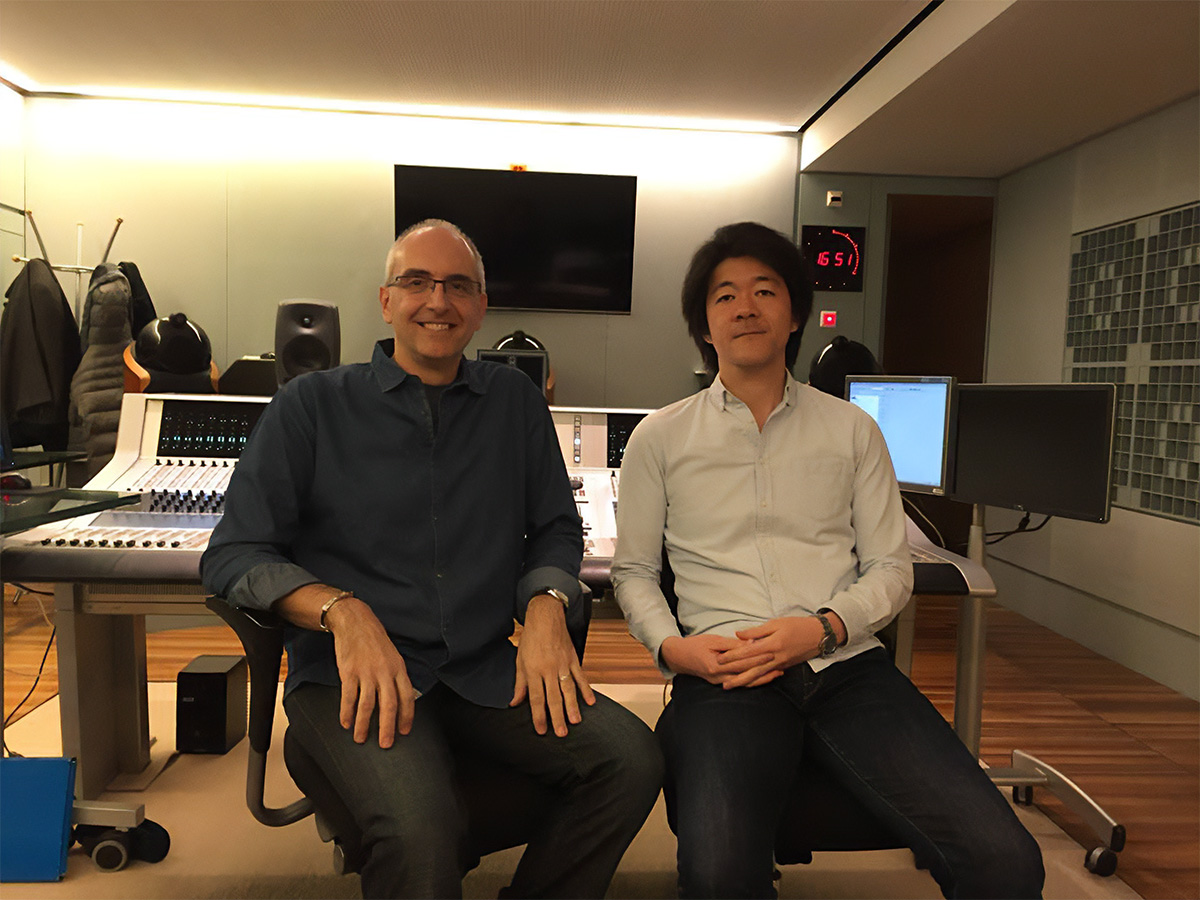
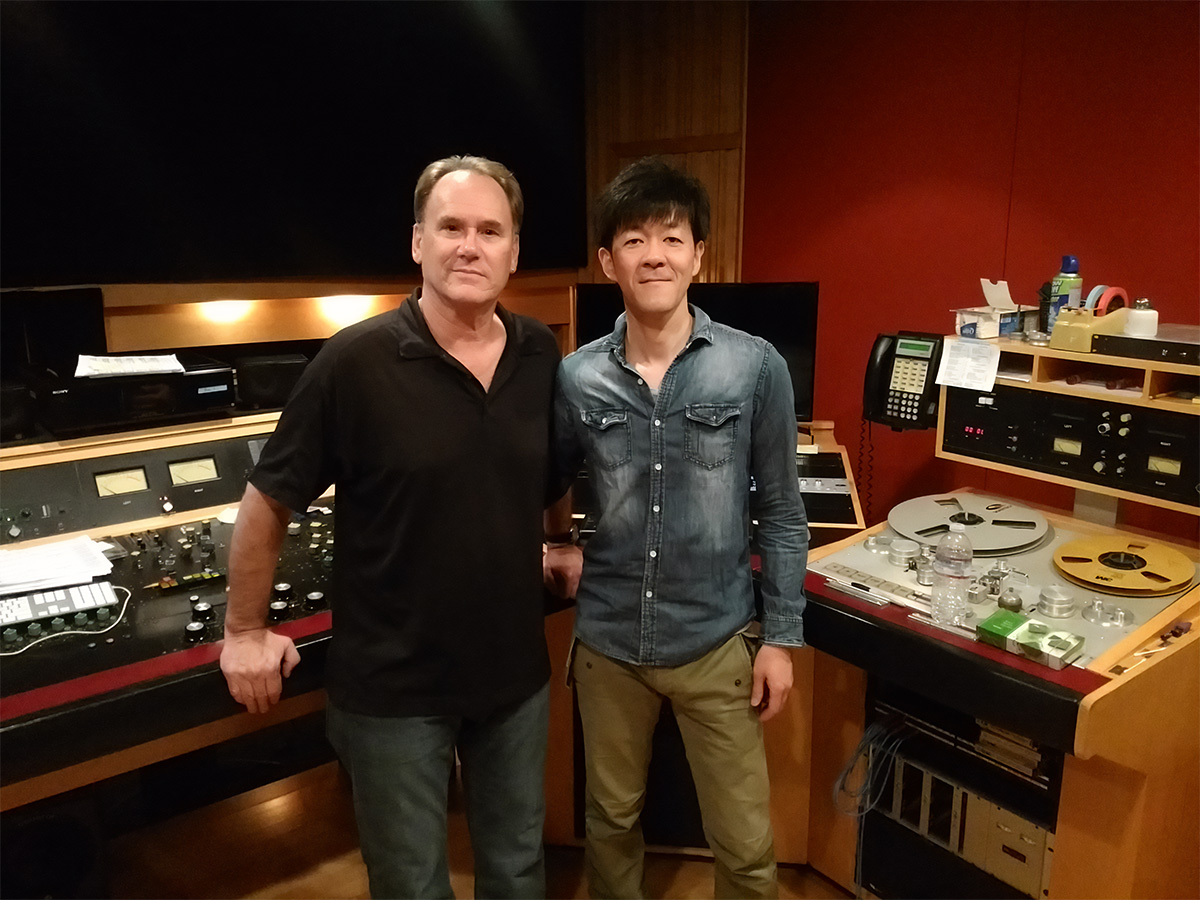
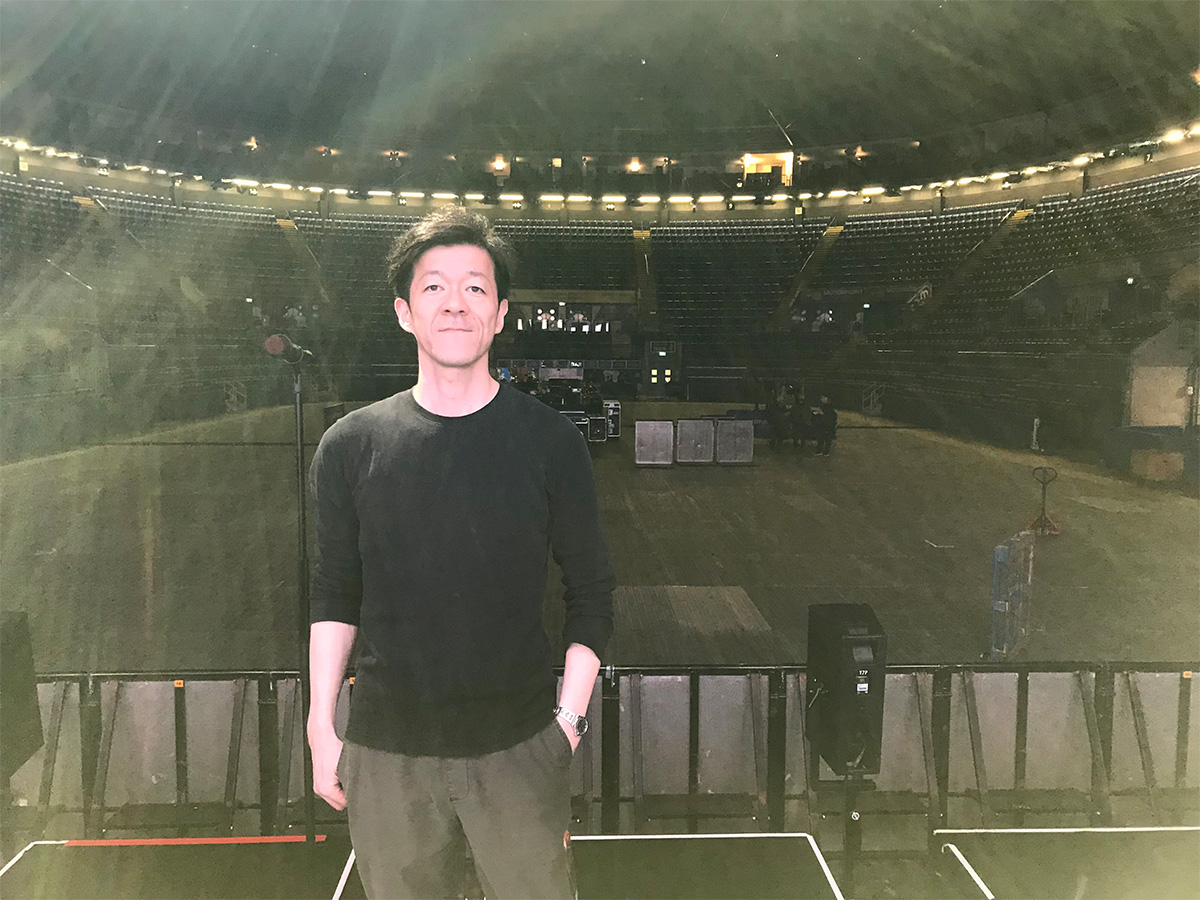
Image Credits
Photo 1, 2, 3: with Sonny Emory (Drummer for Eric Clapton, Earth Wind & Fire)
Photo 4: Abbey Road Studios London
Photo 5: with Derrick McKenzie and Matt Johnson (Jamiroquai)
Photo 6 : with Stefano Amerio (Chief Engineer and Owner of artesuono studios Italy)
Photo 7: Chris Bellman (Bernie Grundman Mastering LA)
Photo 8: Motorpoint Arena Nottingham, England
Popular
-

Maagic Collins on Building a Fearless Publishing Platform for Truth, Advocacy, and Underrepresented Voices
-

Los Angeles Barea on Turning Green Superheroes into a Global Movement for Youth-Led Change
-

Trisha DuVivier on Bridging the Franchisor–Franchisee Divide with Workhero and “Franulate”
-

Portraits of the Valley
-

LA’s Most Inspiring Stories
-

Cedar Boschan on Elevating Black Music Rights and Driving Urgent Conversations Around Credit, Equity, and Artist Protection


