



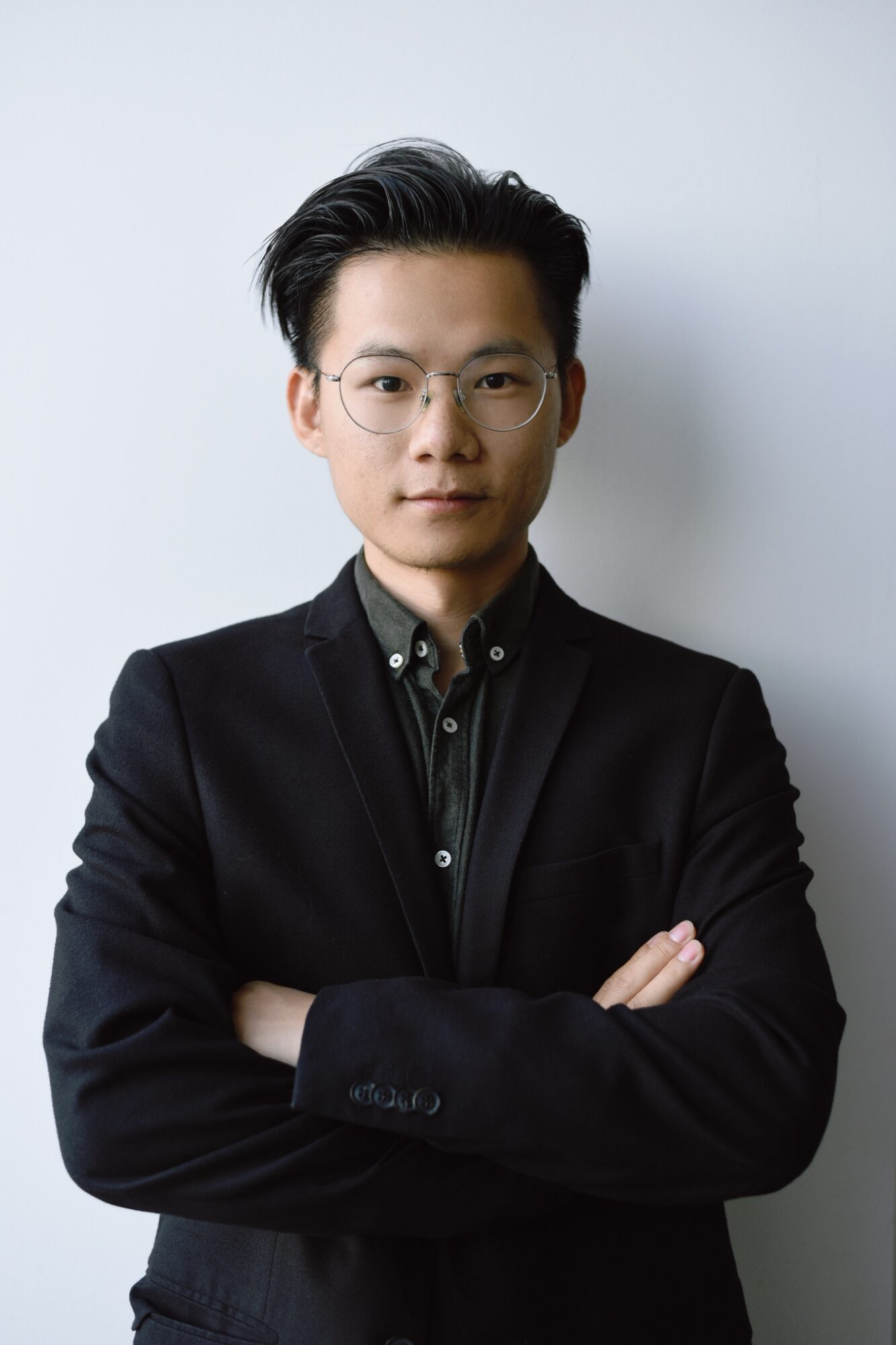
Today we’d like to introduce you to Gong Chen.
Hi Gong, we’d love for you to start by introducing yourself.
I’m Gong Chen, a licensed architect in New York State and a Certified Passive House Designer, deeply committed to sustainable design with a focus on revitalizing historic structures. My career centers on retrofitting aging buildings—whether single-family homes or landmarked apartments—by integrating modern efficiency with their original character. I specialize in navigating the intricate balance of preservation guidelines, spatial constraints, and energy performance goals, often aiming for high standards like Passive House principles.
What sets me apart is my knack for turning challenges—such as strict regulations or tight budgets—into opportunities through creative problem-solving, often in collaboration with engineers and clients. I’m proudest of developing retrofit strategies that have gained recognition as replicable models, delivering benefits like reduced utility costs and improved indoor air quality. This work bridges the past and future, ensuring historic architecture thrives while tackling climate challenges.
My architectural journey began with a curiosity for blending tradition with innovation, rooted in my upbringing in China and shaped by formal education. I earned a Bachelor of Architecture from China University of Mining and Technology and a Master of Science in Architecture from Pratt Institute, graduating with honors. Under the mentorship of Ted Porter, AIA, I entered the field of historic preservation, where I discovered my passion for reimagining old buildings sustainably.
I’ve pioneered two approaches: one for revitalizing historic single-family homes with preservation in mind, and another for upgrading landmarked pre-war apartments to meet high-performance standards despite spatial and regulatory limits. These methods have proven effective, enhancing living conditions and energy efficiency, and are now serving as models for sustainable upgrades across the U.S.
The path wasn’t easy—budget constraints, stakeholder conflicts, and strict preservation rules tested my resolve. Through collaboration with engineers, data-driven decisions, and persistent refinement, I transformed these obstacles into innovative solutions. This resilience has fueled my growth, and I’m now excited to expand this expertise independently, envisioning a future where history and sustainability harmonize.
I’m sure it wasn’t obstacle-free, but would you say the journey has been fairly smooth so far?
Not entirely. My journey has been a growth-filled challenge. Early on, working on preservation projects under tight constraints pushed my limits—budget limitations forced quick redesigns, stakeholder disagreements demanded careful mediation, and regulatory hurdles, like those from the New York City Landmarks Preservation Commission, often led to rejected proposals requiring multiple revisions. The technical challenge of fitting modern, energy-efficient systems into aging structures with limited space added further complexity, requiring creative collaboration with engineers.
Yet, these struggles taught me resilience and the power of teamwork. Each hurdle strengthened my ability to innovate, shaping me into the architect I am today. Overcoming them has been key to my success.
Thanks – so what else should our readers know about your work and what you’re currently focused on?
My work revolves around designing sustainable solutions for the built environment, with a special emphasis on retrofitting historic buildings. I craft strategies that enhance livability and reduce environmental impact, balancing preservation with modern needs. My innovative approaches, honed through years of practice, are what I’m known for, setting me apart by turning constraints into creative opportunities through collaboration.
Currently, I’m focused on advancing these models independently, leveraging my recent Passive House Designer certification to push for high-performance retrofits. I’m proud of their growing adoption, which promises widespread benefits for aging U.S. housing, and I’m committed to leading this charge.
In terms of your work and the industry, what are some of the changes you are expecting to see over the next five to ten years?
Over the next 5-10 years, I foresee the architecture industry transforming due to climate pressures and technology. A key shift will be the surge in net-zero building retrofits, especially for historic structures, driven by stricter energy codes and incentives—perfectly aligning with my expertise. Smart technologies, like AI design tools and IoT energy monitoring, will streamline these efforts, while adaptive reuse will address urban housing needs by repurposing old buildings.
I also expect greater interdisciplinary collaboration—among architects, engineers, and policymakers—to tackle regulatory and funding challenges. These trends excite me, reinforcing the need for innovative, constraint-based design where I excel. By 2030-2035, I envision an industry where sustainability and history coexist, building resilient cities for the future.
Contact Info:
- Website: https://www.tedporterarchitecture.com/people/gong-chen
- LinkedIn: https://www.linkedin.com/in/chancz/
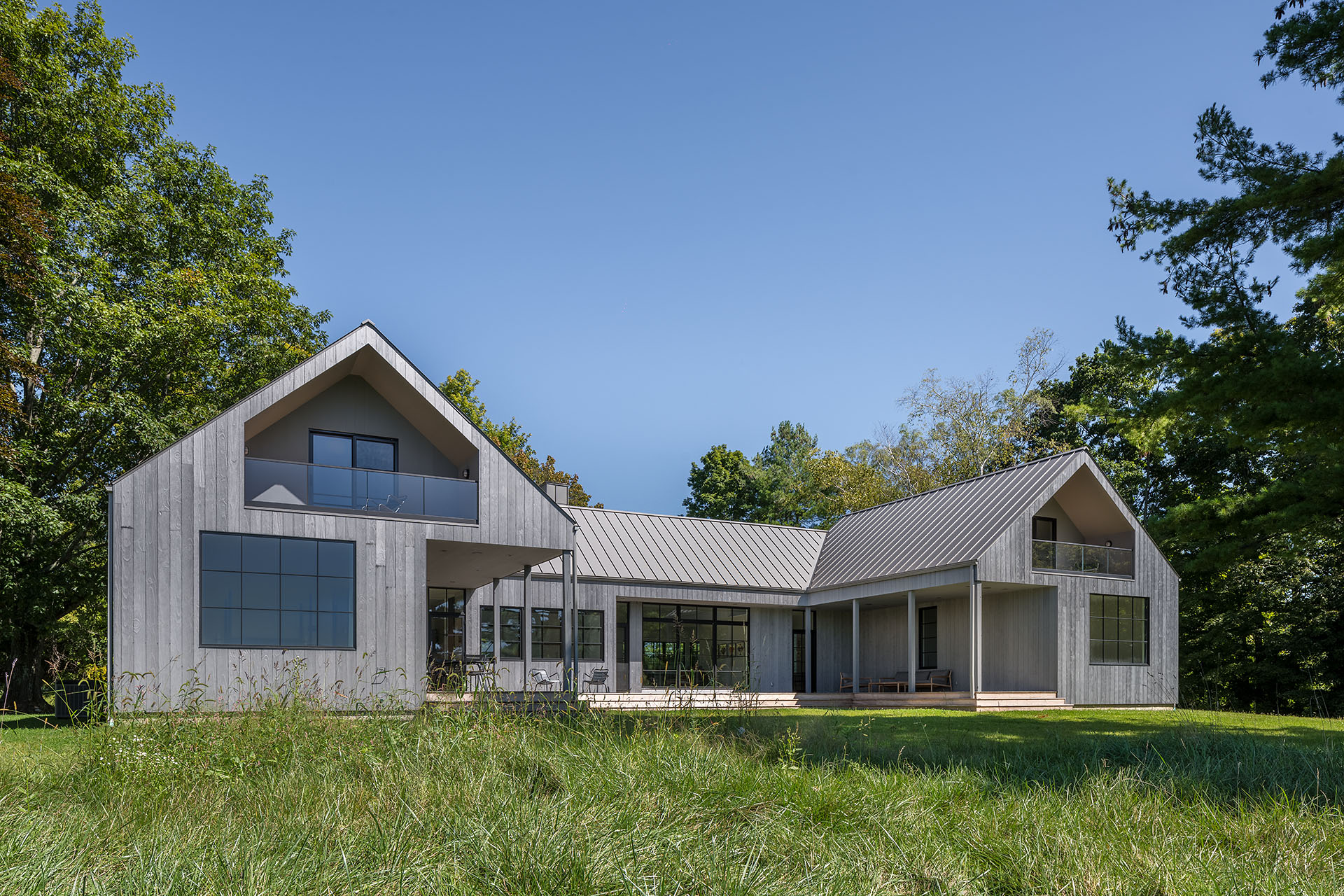
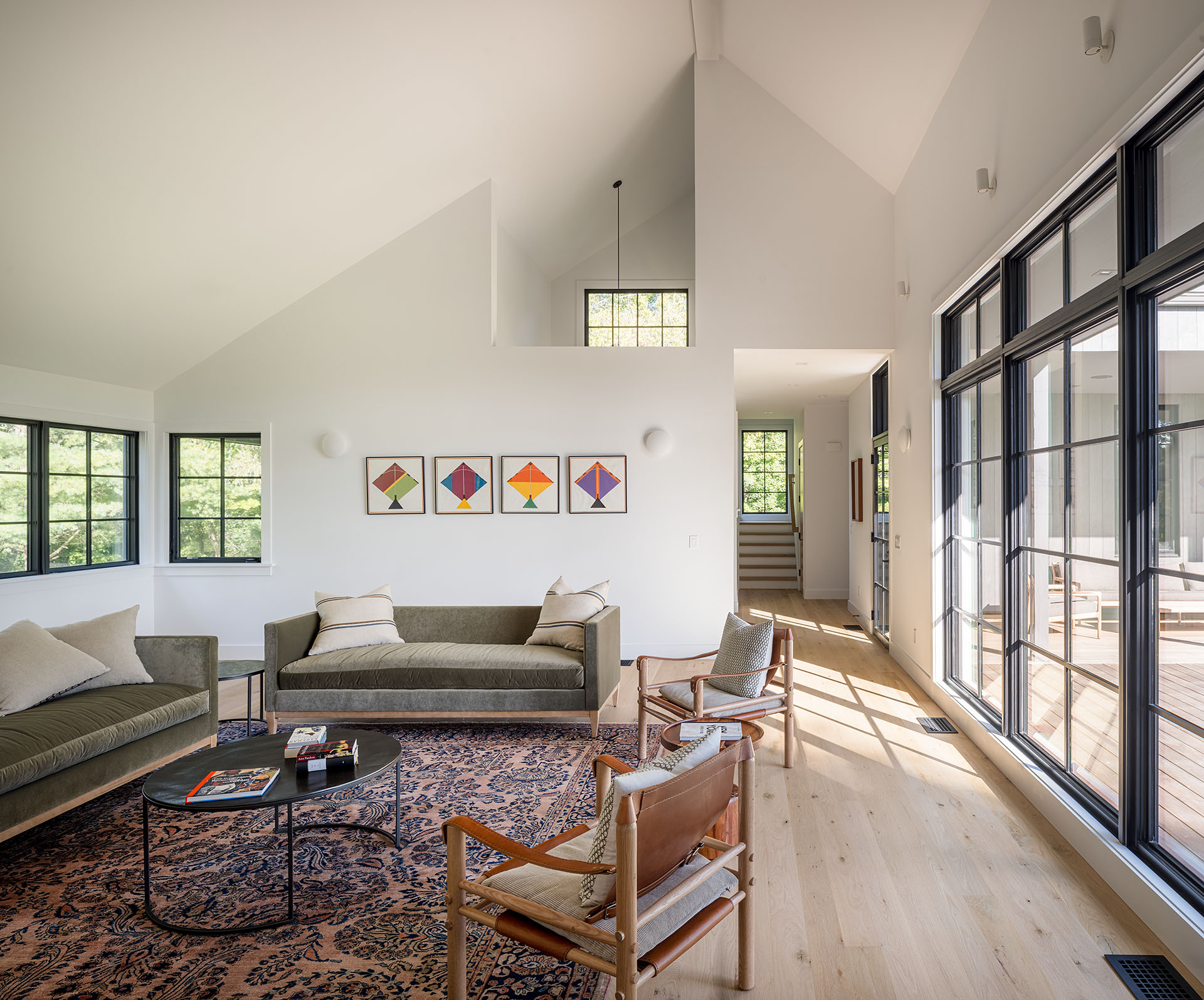
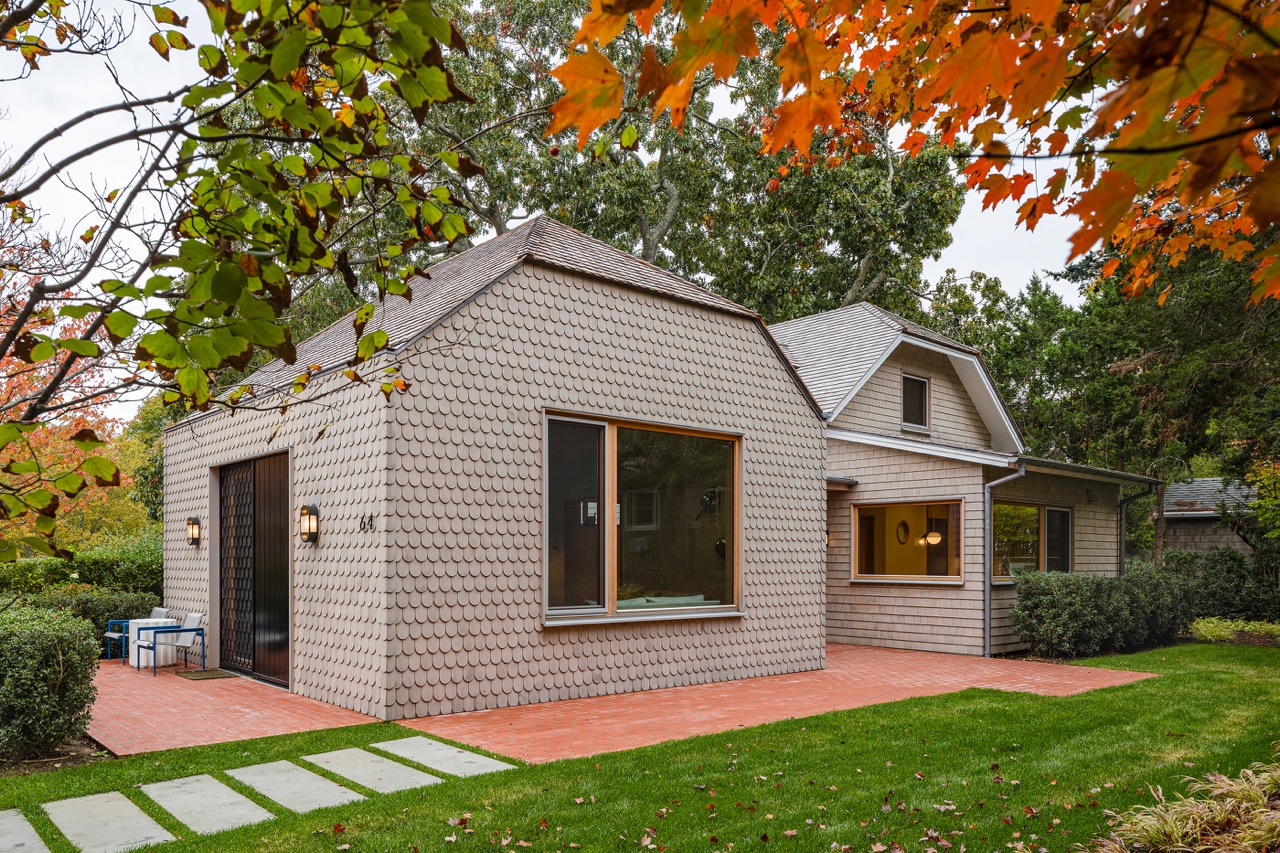
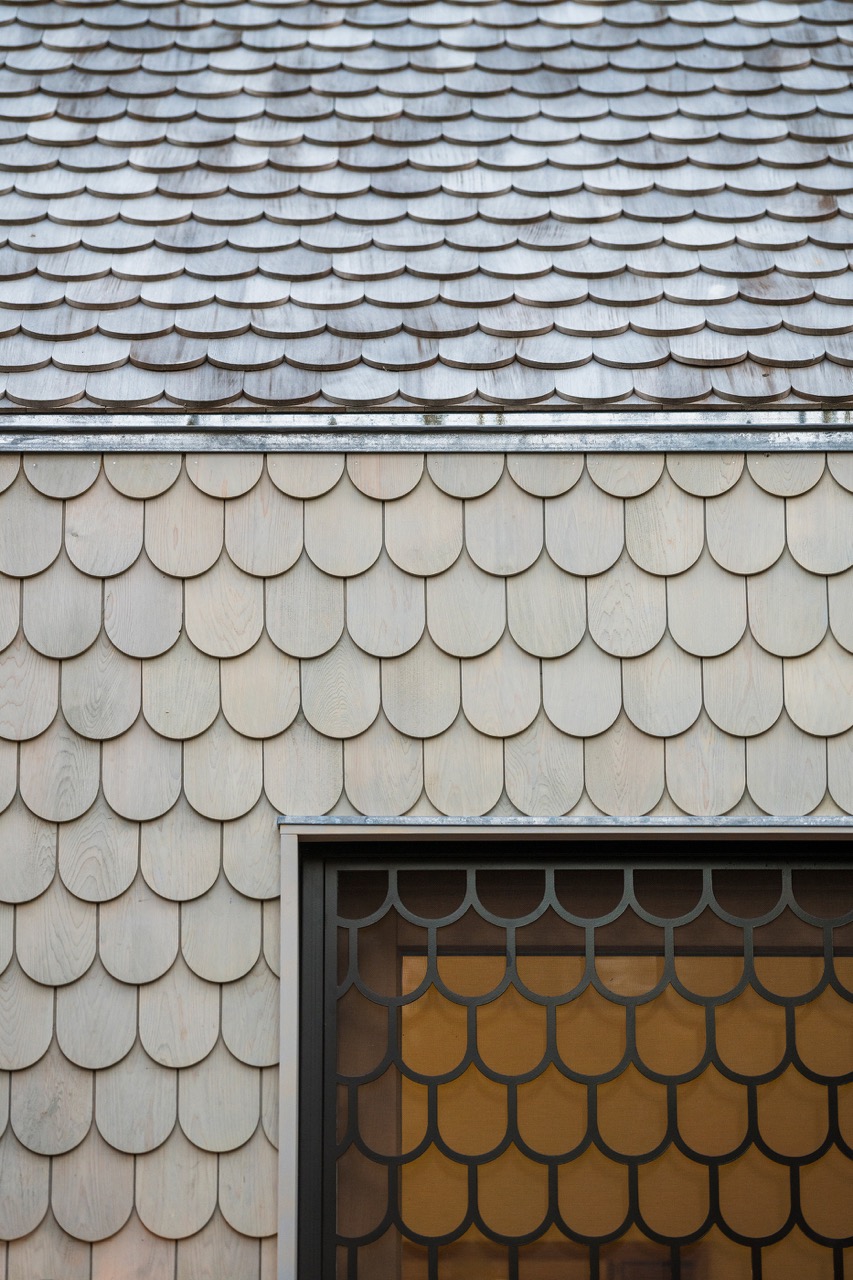
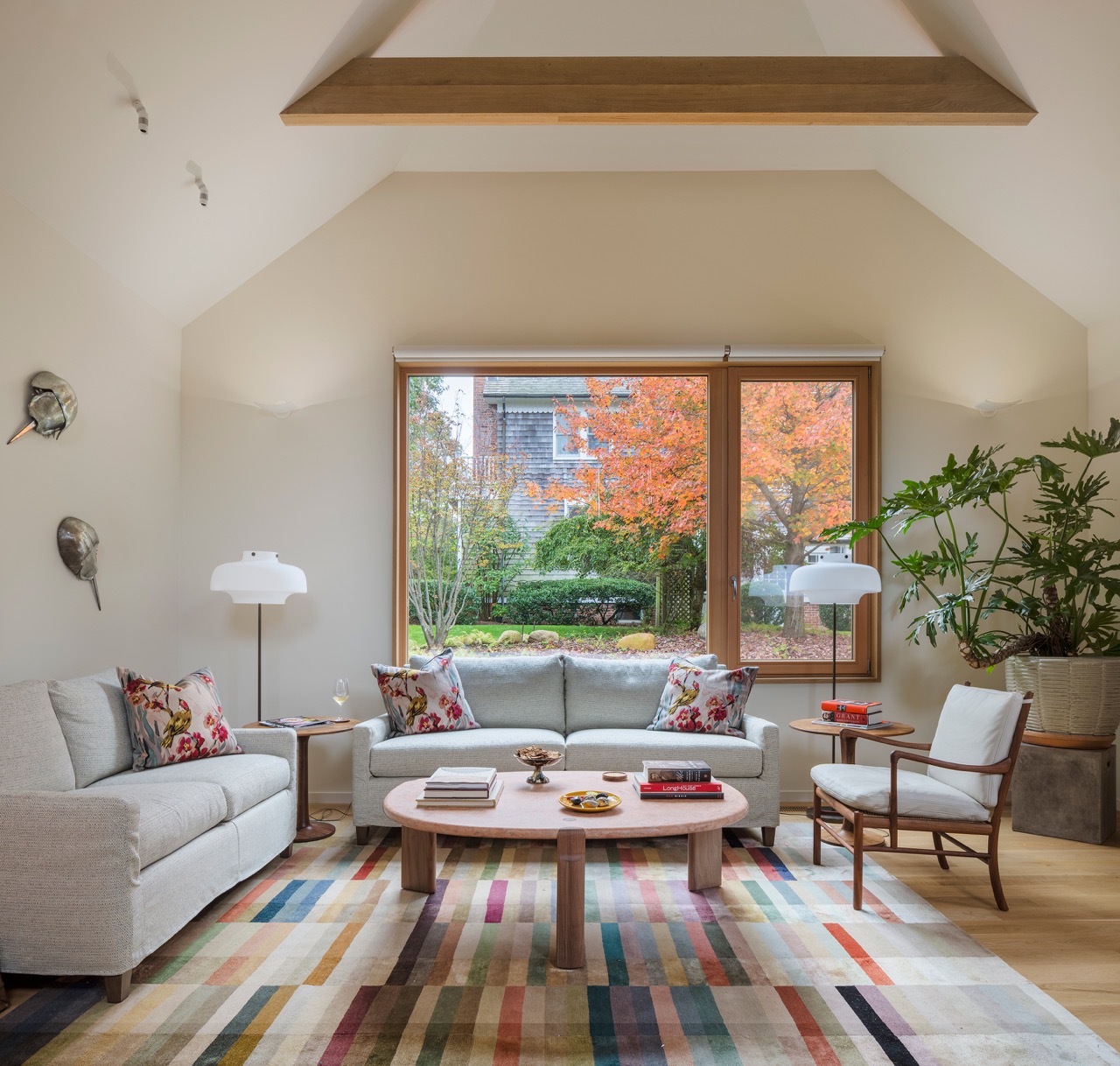
Image Credits
Ted Porter Architecture, PLLC
Popular
-

A New Chapter in Orange County: Paul Madahan Elevates the PaulDavid Salon Experience
-

Portraits of the Valley
-

LA’s Most Inspiring Stories
-
Inside the Future of Search: Robb Fahrion on Building a Global Team and Leading the Rise of GEO
-

From Supporting Local Boutiques to Building Brand Partnerships: Cinthia Jensen’s Creative Marketing Journey
-

Building Community Through Curiosity: Nathanial and Samantha Rowe on the Vision Behind UNEARTHED


