





Today we’d like to introduce you to Gina Calderone.
Hi Gina, can you start by introducing yourself? We’d love to learn more about how you got to where you are today?
More than twenty years ago, I started in very traditional physical therapy, treating high volumes of musculoskeletal pain in busy orthopedic clinics. Early on, I noticed that pain was never just physical. When I worked hands-on with people’s bodies, their muscles released and so did stories of trauma, grief, and unresolved emotional pain. Their bodies showed me that physical pain often carries an emotional history, and that people deeply crave safe touch and connection.
At the same time, I was teaching Pilates privately and saw how different healing looked when people were given time, attention, and agency. That led me to open a private practice where people with chronic pain—often after failed medications, procedures, and surgeries—kept finding their way to me.
Together, we uncovered how trauma memories live in the body as constant signals of threat, shaping posture, movement, and pain patterns. This realization took me beyond musculoskeletal treatment into the emotional and energetic systems of the body. I stepped out of the traditional model and developed what I now call Physioenergetic Therapy®, a framework that integrates physical therapy, nervous system regulation, emotional processing, and energy medicine to heal pain at the root.
In 2020, my work shifted toward younger populations, where I began focusing more on how mental health lives in the body. Today, my work is about helping people understand that the body isn’t broken—it’s communicating, and when we listen, real healing can begin.
Would you say it’s been a smooth road, and if not what are some of the biggest challenges you’ve faced along the way?
No, it hasn’t been a smooth road at all. I’m very often people’s *last stop*. By the time they reach me, they’ve usually seen multiple clinicians, tried countless modalities, gone through programs, procedures, and treatments that didn’t work. That means I’m not just treating pain—I’m also working through a deep layer of disappointment and skepticism. I often have to earn their trust one last time.
Early in my career, my work was considered very “out of the box.” Other physical therapists criticized it, saying it wasn’t real physical therapy, that it was woo-woo, or that it didn’t belong in healthcare. I wasn’t taken seriously. That was painful—but it also forced me to get clearer, more precise, and more grounded in what I was seeing clinically. And while the criticism continued, people were healing.
I’ve taken this work to CEOs of large insurance companies and hospitality groups, hoping to build pilot programs and integrate it into existing systems. The answer was always no. But those doors closing never changed the truth of what I was witnessing in the treatment room.
So no, it hasn’t been smooth. But I won’t give up. When you see people heal at the root, when pain finally resolves after years of suffering, you keep going.
Alright, so let’s switch gears a bit and talk business. What should we know about your work?
My work focuses on helping people understand how emotional experiences, trauma, and even generational stress live in the physical body. I specialize in working with chronic pain, complex conditions, and mental health as it shows up in posture, movement, breath, and the nervous system. Through Physioenergetic Therapy®, I integrate physical therapy, nervous system regulation, emotional processing, and energy-based work to help people heal at the root, not just manage symptoms.
What I’m most known for is being able to read the body—to see patterns that tell a deeper story about what someone has lived through and how their system adapted to survive. I work with people who often feel dismissed, misunderstood, or told that nothing more can be done. My role is to help them reconnect to their bodies in a way that restores safety, agency, and resilience.
What I’m most proud of is how deeply I care about people’s quality of life. I see a missing link in healthcare—one that addresses healing, not just treatment—and being able to provide that fills a very personal place in my heart. Losing my young nephew profoundly shaped my path and fueled a deep commitment to helping the younger generation reconnect their bodies and minds before pain, trauma, or disconnection turn into lifelong suffering.
What sets me apart is that I don’t separate the physical from the emotional or the human from the clinical. I listen to the body as much as I listen to the person. And I believe that when people feel seen, safe, and understood at the deepest level, real healing becomes possible.
Can you talk to us about how you think about risk?
For me, risk-taking has meant stepping outside the traditional boundaries of physical therapy when what I was seeing clinically didn’t match the limits of the model. I kept working with people who had already been in talk therapy, who understood their trauma intellectually, yet were still living with physical symptoms that medication was only masking. That made me ask a deeper question: *Do we already have tools, as physical therapists, to help the body actually heal?* And the answer, from my experience, was yes.
One of the biggest risks I took was trusting what I was seeing in front of me—using hands-on tissue work, movement, and nervous system regulation to help the body release when the story itself felt overwhelming. If the story is too much, I don’t push people to talk. I let the body lead. When the body feels lighter and safer, the mind can process without being retraumatized.
That approach wasn’t always welcomed. It meant practicing outside the comfort zone of my profession and being willing to be misunderstood. But I believe physical therapy holds enormous, largely untapped potential to support trauma healing and mental health through the body—through posture, breath, touch, and regulation.
My view on risk is this: when you’re grounded in care, ethics, and what actually helps people heal, not taking that risk would have been the greater failure.
Contact Info:
- Website: https://www.drginacalderone.com
- Instagram: @drginacalderone
- Facebook: https://www.facebook.com/drginacalderone
- LinkedIn: https://www.linkedin.com/in/gina-calderone-pt-dpt-64589034/
- Youtube: https://www.youtube.com/@drginacalderone

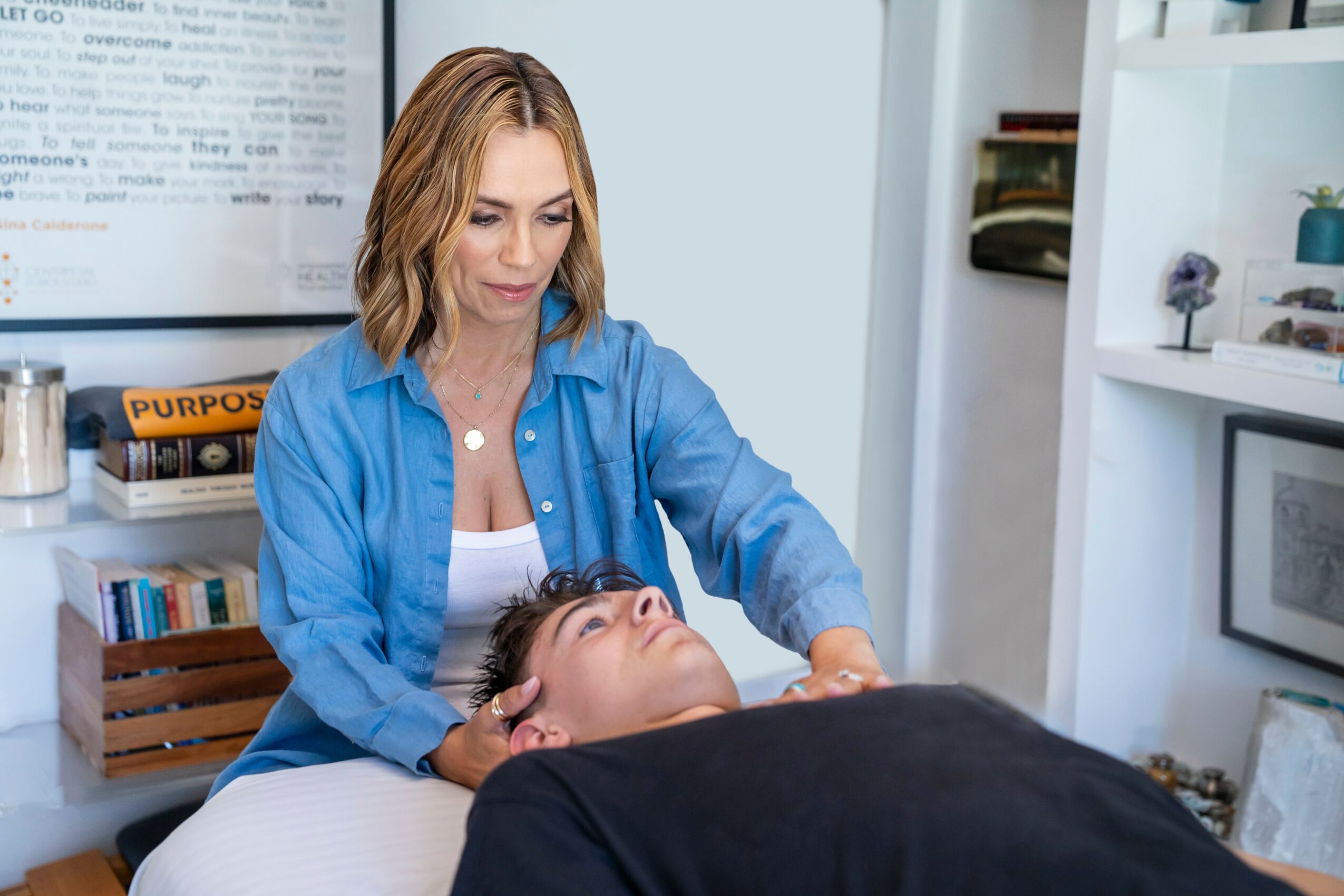

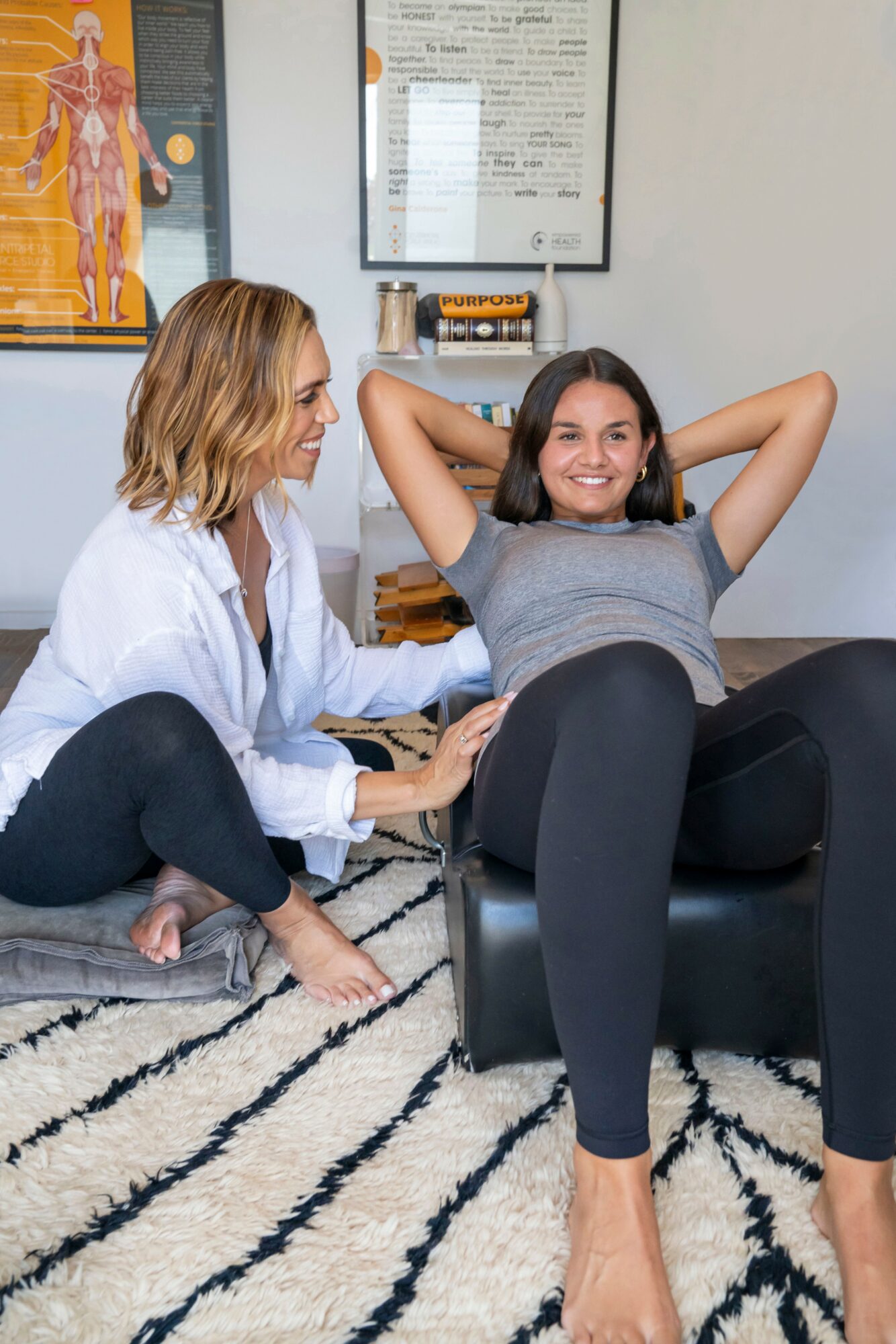
Image Credits
Images by Jessica Hill
Popular
-

Finding Balance Through Art: Theresa Croft on Blending Music, Wellness, and Visual Storytelling into a Holistic Creative Identity
-
From Street Corners to City Tours: Chef Chuck Glaster on Building SOULD Out Into a Culture-Driven Culinary Movement
-

Portraits of the Valley
-

LA’s Most Inspiring Stories
-

From Rock Bottom to Calling: How Hasani McLean-Davis Found Purpose Through Faith and Music
-

Building a Scalable, Soulful Travel Brand: How Abboud Khallouf Turned Morocco Into a Global Experience


