




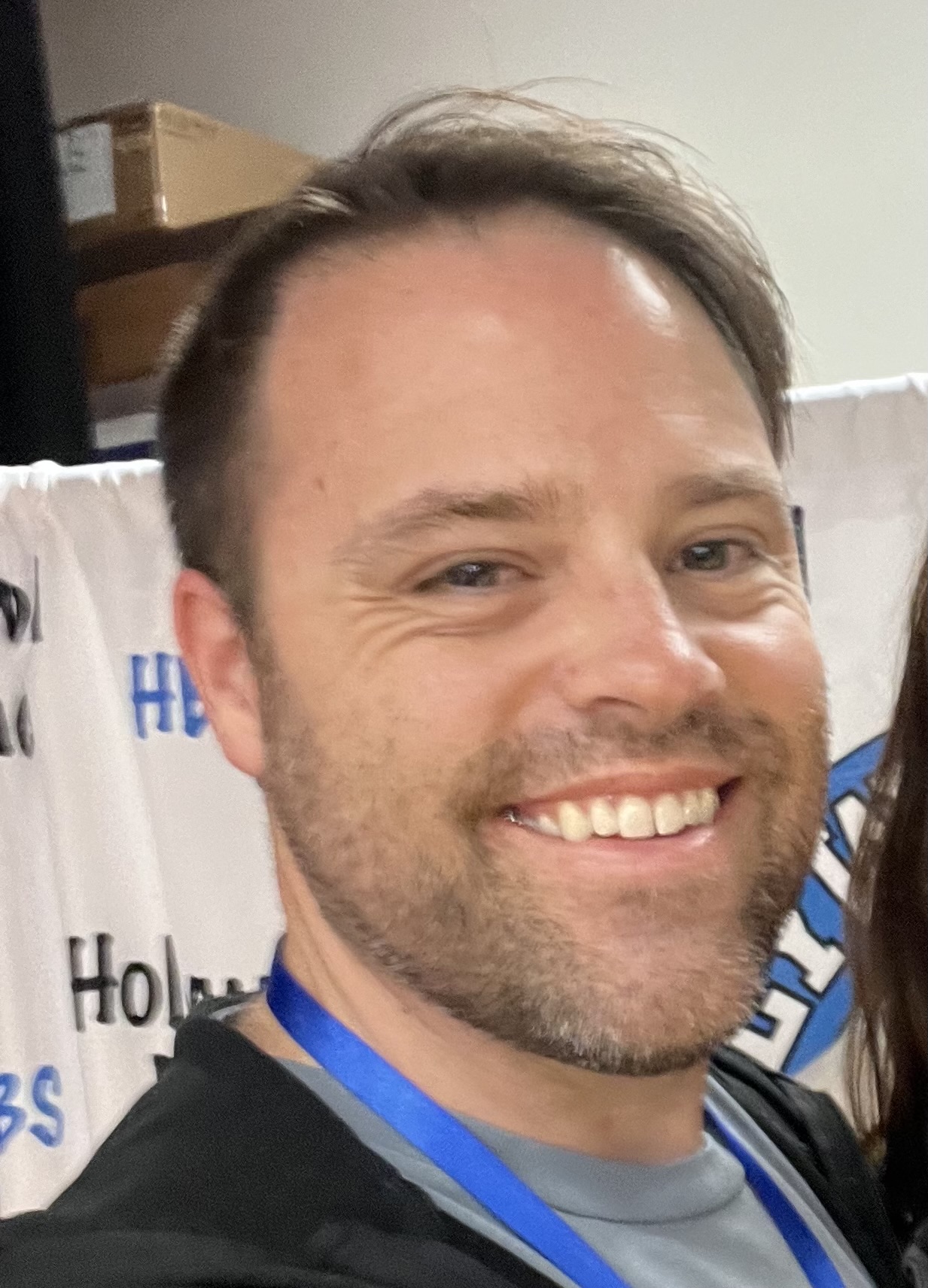
Today we’d like to introduce you to Chris Guthrie.
Hi Chris, it’s an honor to have you on the platform. Thanks for taking the time to share your story with us – to start maybe you can share some of your backstory with our readers?
This is my third career. Before becoming a teacher, I was an entrepreneur focused on eCommerce, product development, and marketing. I spent years building and running a business with a virtual team, but over time it stopped feeling fulfilling.
My wife is a long-time educator, and one summer evening I remember saying something like, “I should become a teacher so I can enjoy days like this.” She and a close friend—both teachers—told me I should seriously consider it. At the time, I didn’t even know programs like Career Technical Education (CTE) existed. After doing some research, I realized there was a pathway where I could teach based on my industry experience, and within about a month I had my preliminary teaching credential.
My first opportunity was stepping in as a long-term substitute for a woodshop teacher at Rio Mesa High School. I was honestly terrified—huge shop, heavy equipment, and my first time leading a classroom. But with the guidance of my wife as my mentor, I quickly realized how much I loved combining hands-on building with helping students learn new skills.
Shortly after, I found an opening for a manufacturing teacher at Moorpark High School that aligned perfectly with my background. The program needed a reset, and I was given the opportunity to rebuild it into something more modern and industry-aligned—focused on product development, CAD design, and 3D printing.
Now, a couple years in, I still feel incredibly grateful. I get to work with amazing students every day, build things, solve problems, and help prepare them for real-world opportunities.
Can you talk to us a bit about the challenges and lessons you’ve learned along the way. Looking back would you say it’s been easy or smooth in retrospect?
It definitely hasn’t been a completely smooth road. Transitioning into teaching later in life came with a steep learning curve. Classroom management, lesson pacing, and building curriculum from scratch were all things I had to figure out quickly.
Starting in a shop environment added another layer of pressure. Safety is always a top priority, and stepping into a fully equipped lab as a brand-new teacher was intimidating.
Another challenge is that CTE teaching positions are limited and very specific—you have to find the right opening that matches your industry experience at the right time. I was fortunate that the manufacturing position at Moorpark High School opened when it did.
Rebuilding the program itself has also taken a lot of time and energy. Many late nights have gone into designing curriculum, projects, and systems that are engaging for students but also aligned with real industry skills.
Can you tell our readers more about what you do and what you think sets you apart from others?
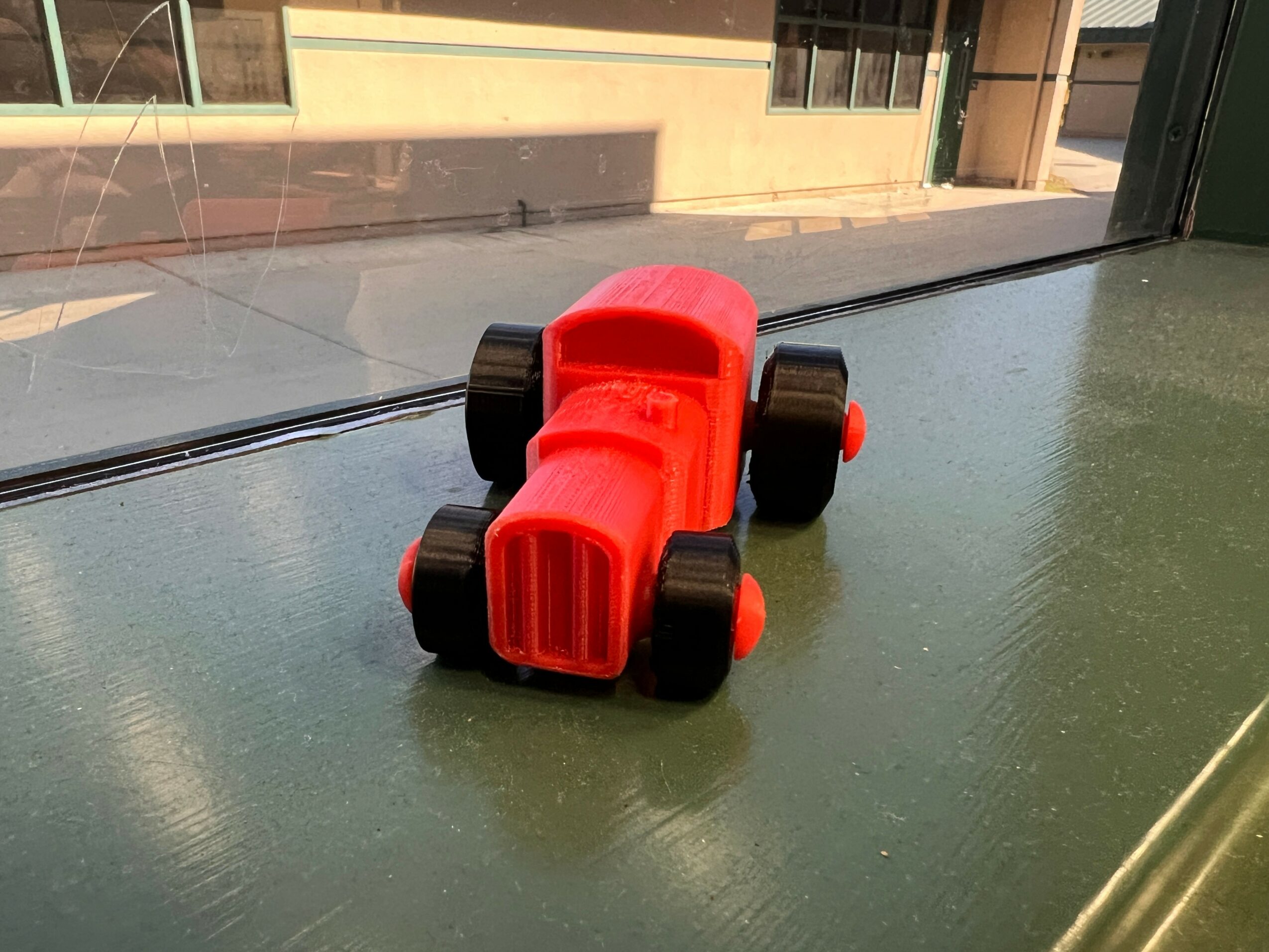
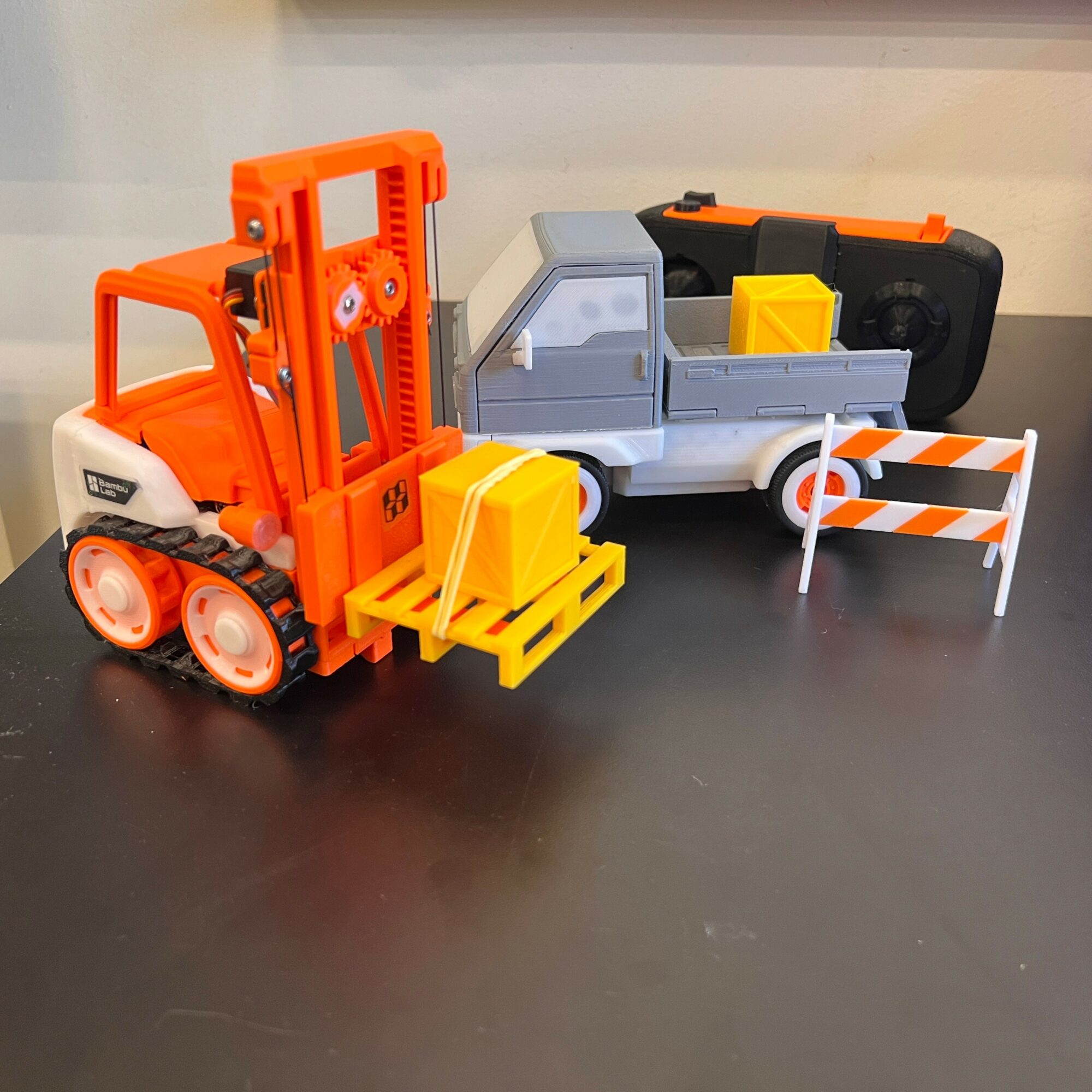
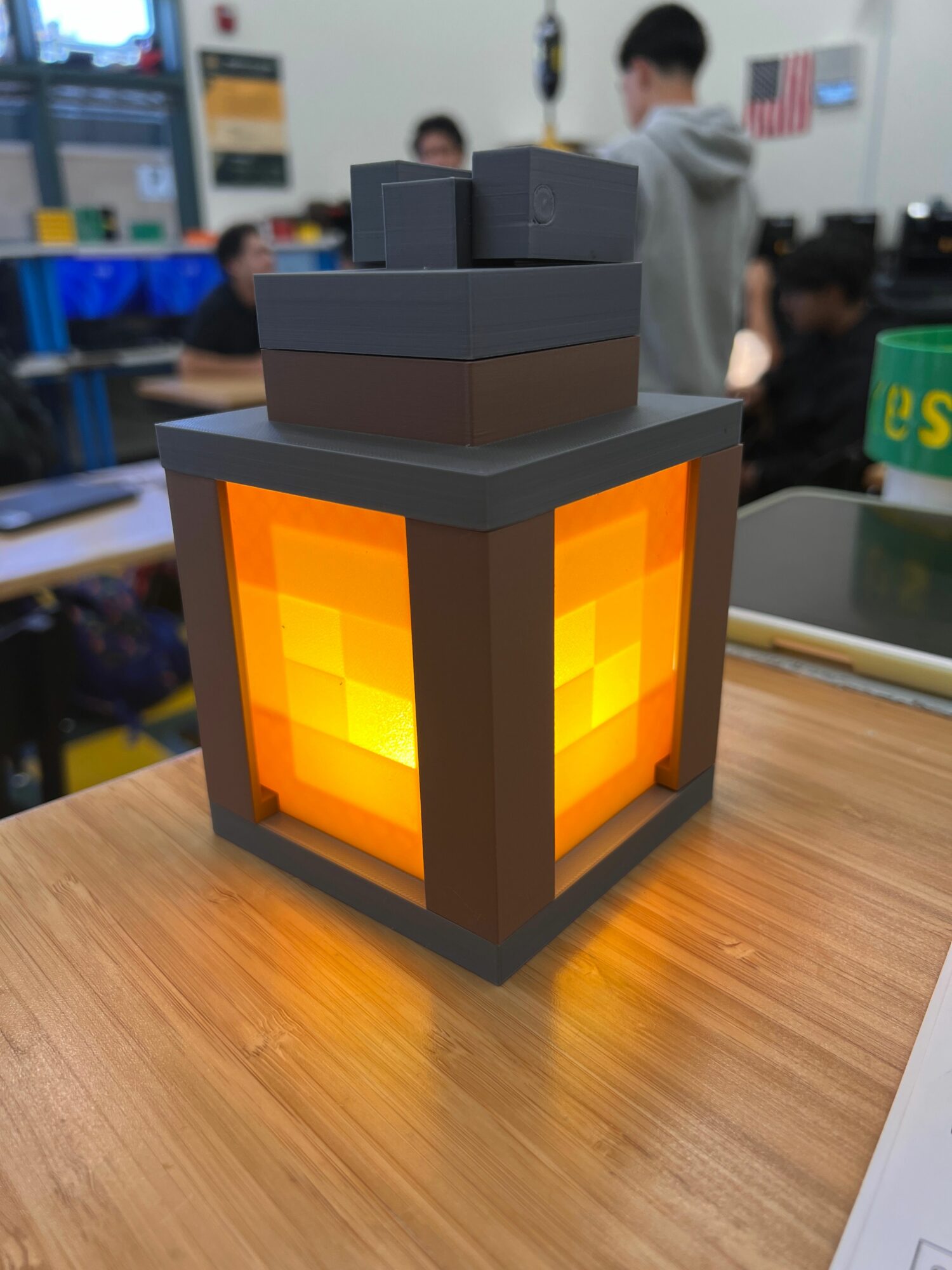
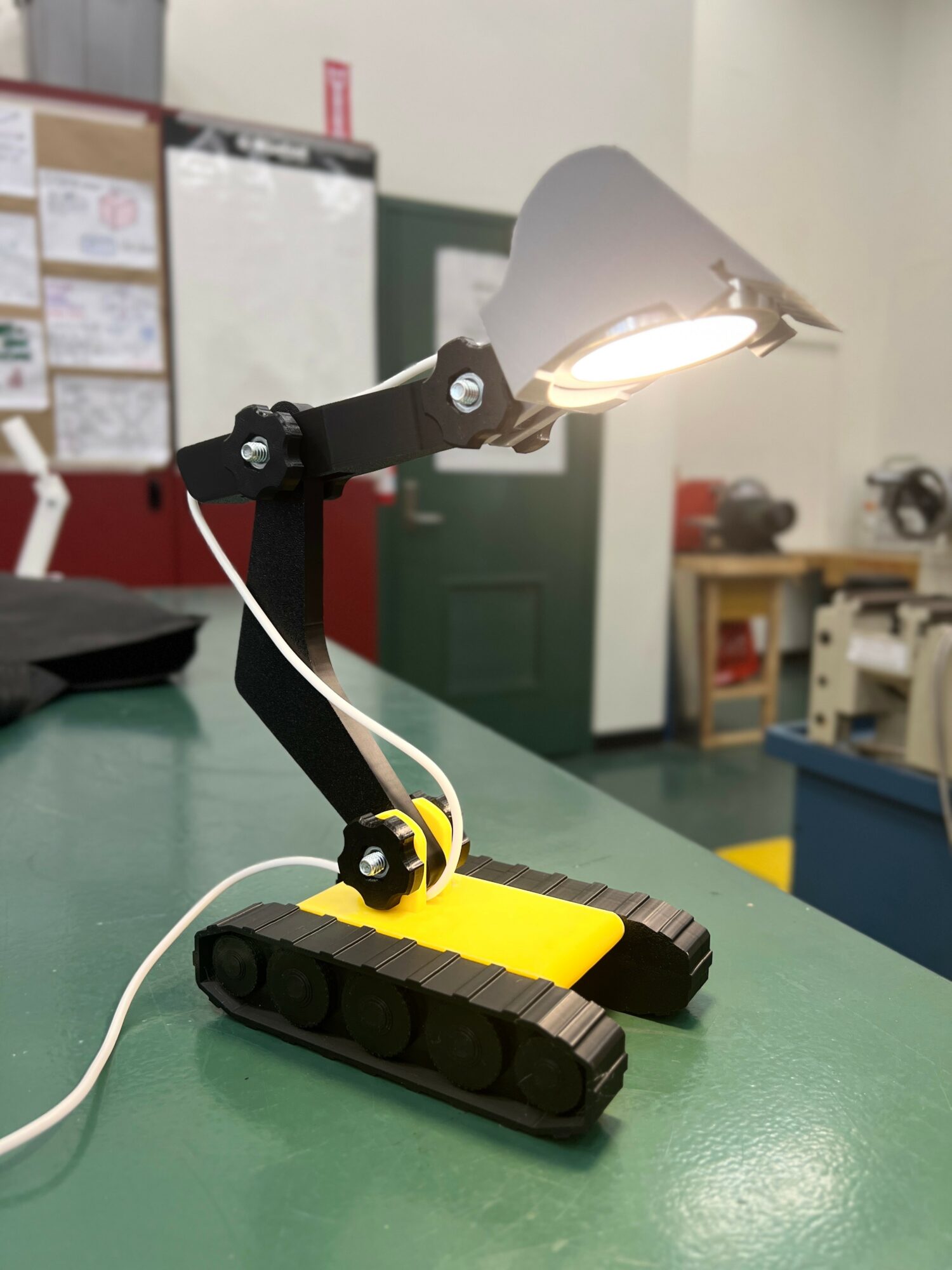
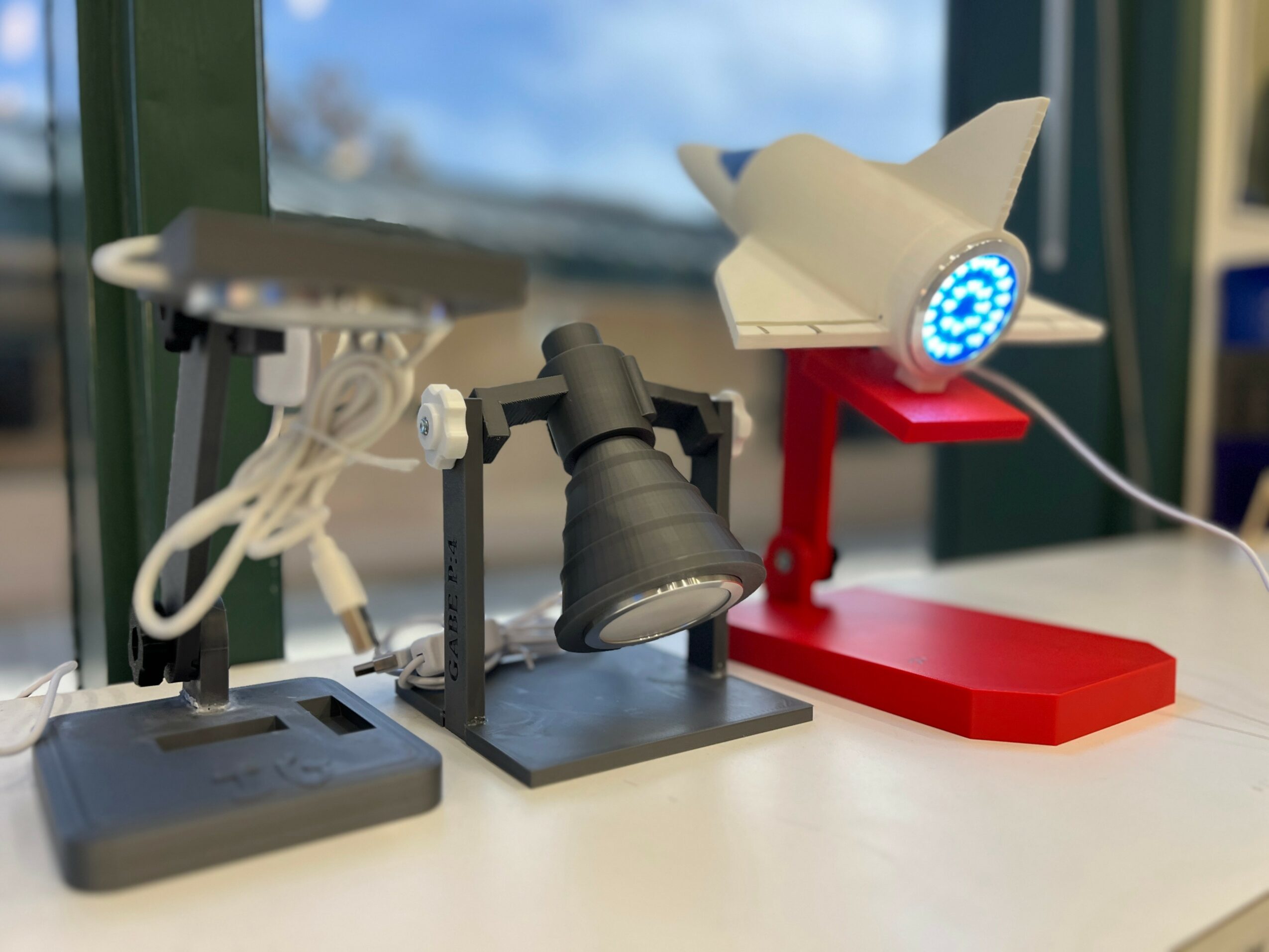
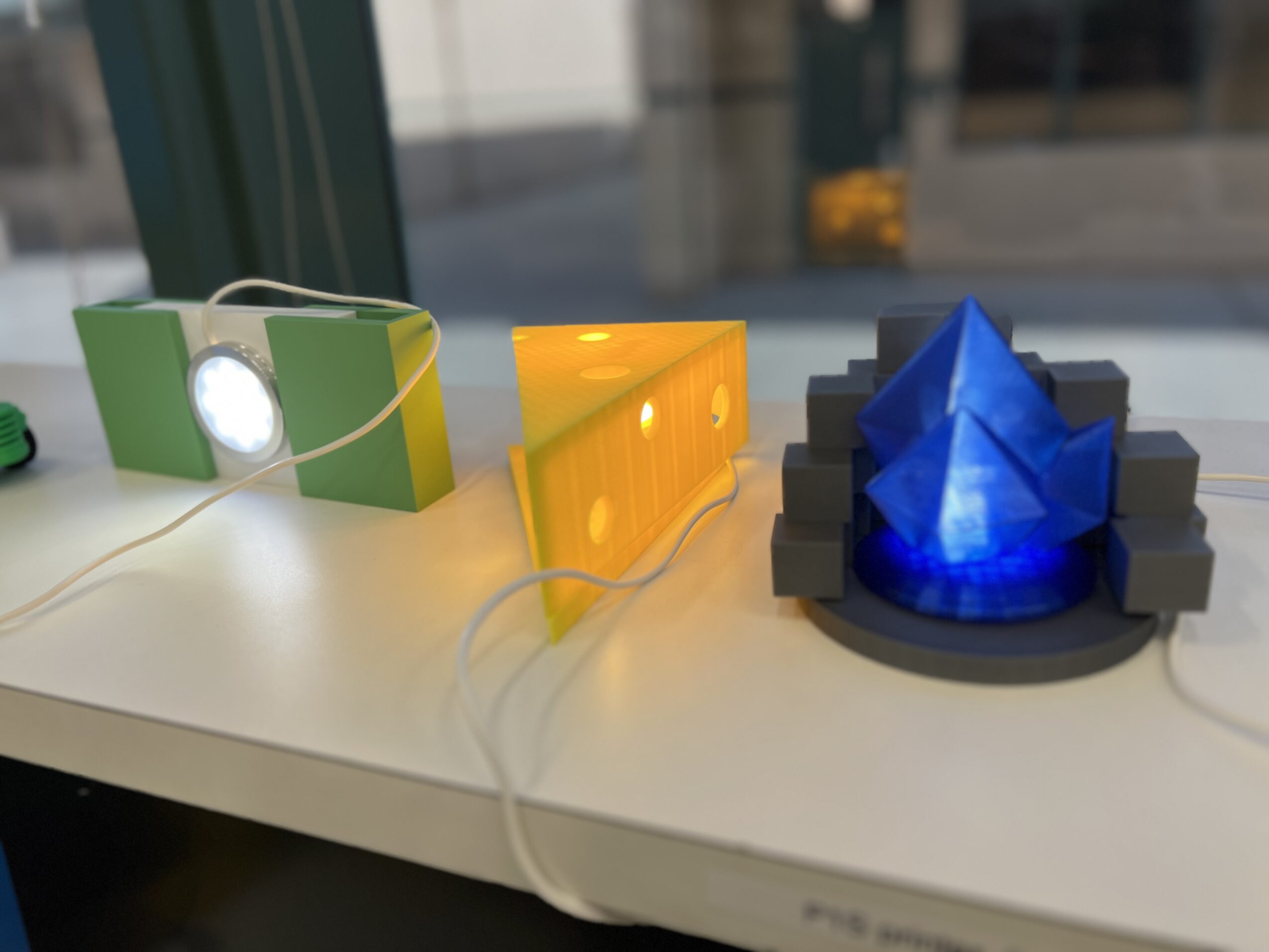
I teach Product Innovation & Design to about 85 students across grades 9–12. The program focuses on CAD design, 3D printing, rapid prototyping, and real-world product development.
What makes our program different is the entrepreneurial lens we bring into everything we do. Students don’t just make projects—they think about who the product is for, how it would be marketed, and whether it could actually be sold. For example, our 3D printing club is learning how to calculate profit and loss, and students have collectively generated around $400 this year selling items at school events.
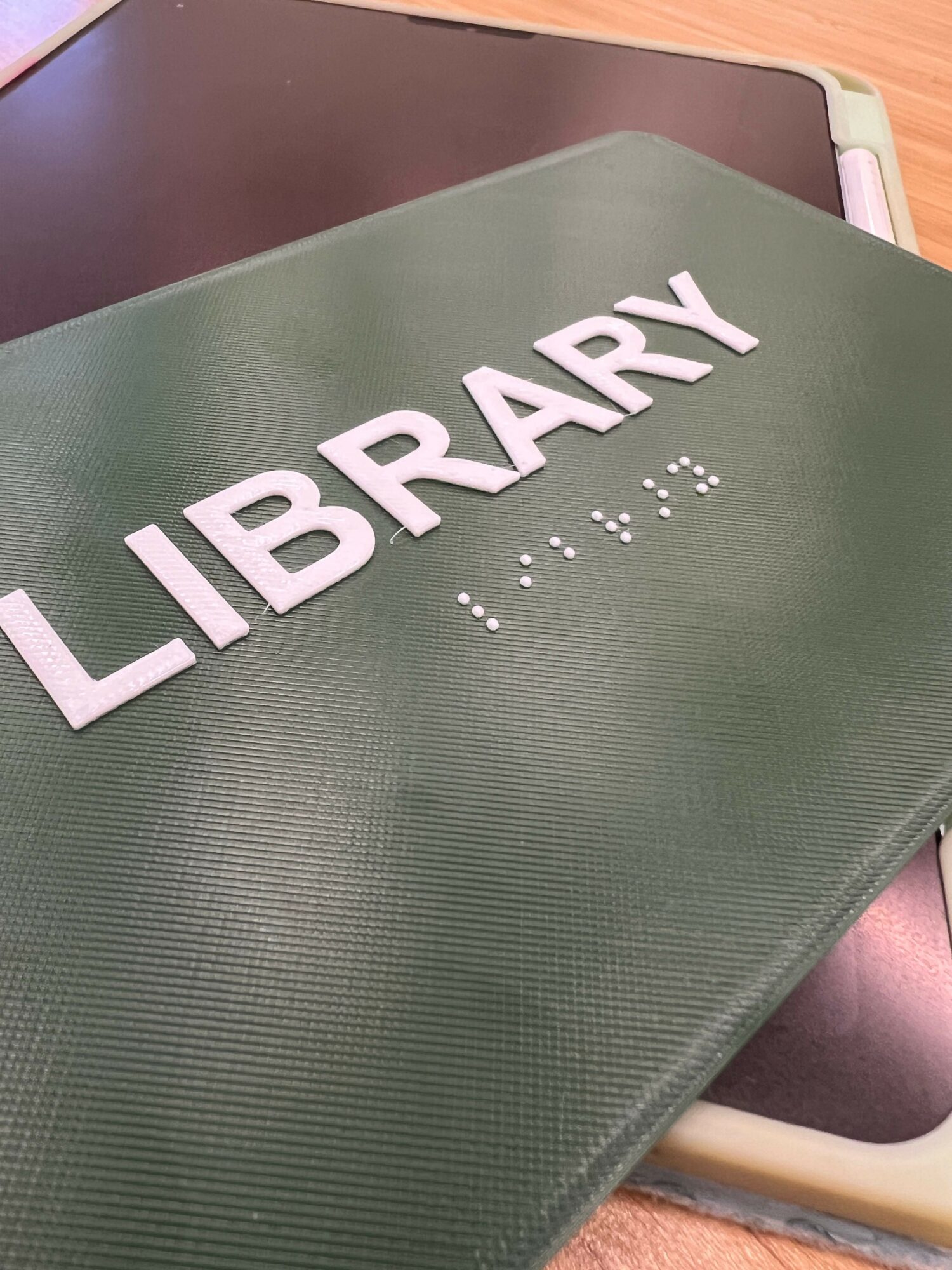
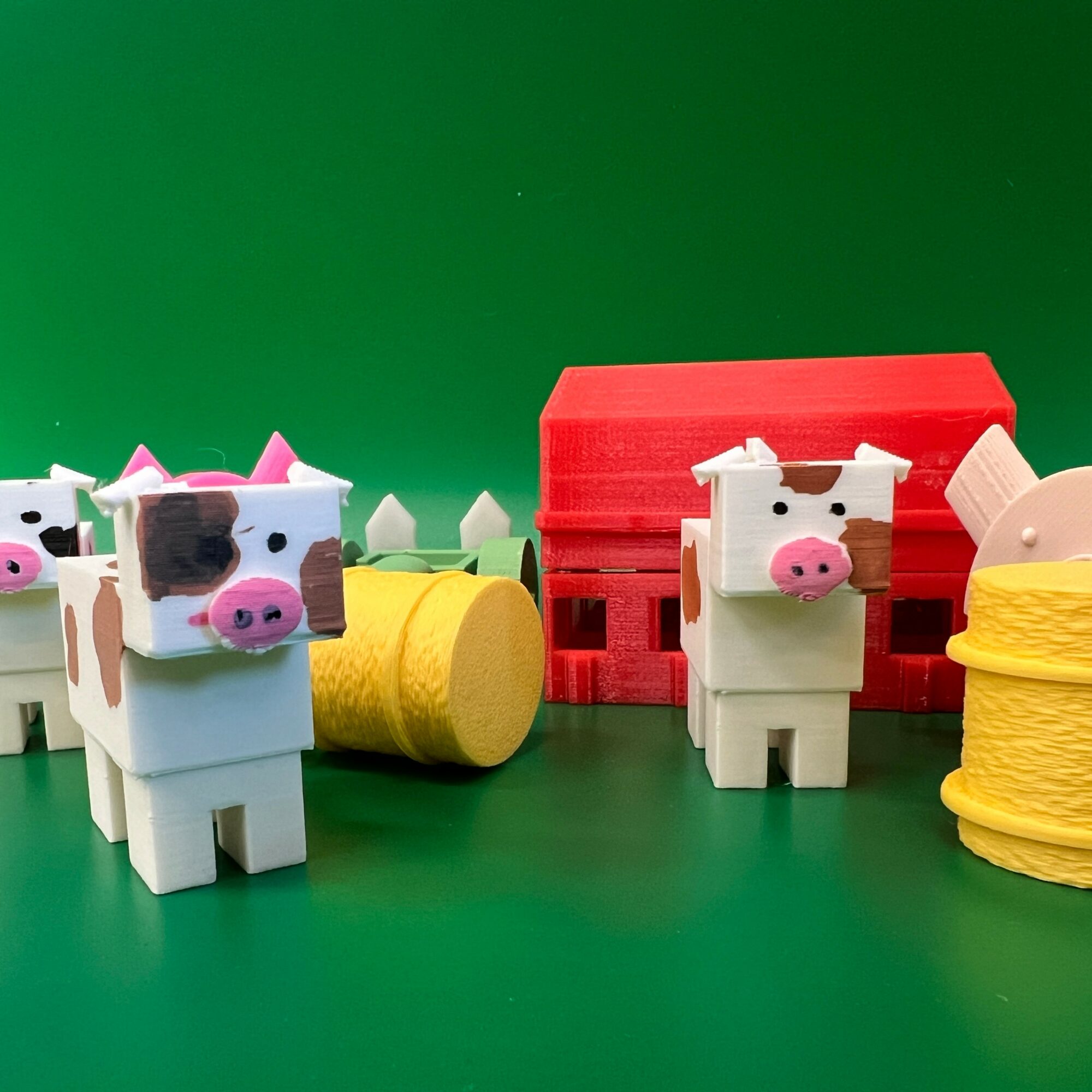
We also emphasize real-world impact. Students have helped replace room number signs across campus with ADA-compliant signs that include Braille. During the holidays, we run an annual toy drive where students design and create imaginative toy playsets that are donated to children in our community.
We integrate cross-curricular work as well—partnering with photography and video production classes so students can build eCommerce-style product pages with professional visuals.
From a technical standpoint, students use industry-grade software and tools, and we put a strong emphasis on foundational skills that local manufacturing leaders have told us are critical—especially accurate measuring using tools like calipers.
Beyond the technical side, I consistently encourage students to take risks, fail, and keep going. Some of the most meaningful outcomes I’ve seen aren’t just the projects—it’s the growth in confidence and mindset from students who learn that failure is part of the process.
Looking ahead, I’m currently planning a mobility aid design challenge in collaboration with programs like Make:able, Autodesk, and PrintLab to continue expanding real-world relevance.
As the program continues to grow, I’m actively looking to connect with local businesses that create physical products. There are many ways industry partners can get involved—guest speaking, donating materials or equipment (we can always use 3D printer filament), sponsoring projects, or helping us explore internship opportunities for students. Building those connections is the next big step for our program.
Are there any books, apps, podcasts or blogs that help you do your best?
AutoDesk Fusion. Tinkercad. CNC Kitchen (on Youtube). I’m an avid reader. I love Science Fiction (Dungeon Crawler Carl is amazing), Stephen King, and historical fiction (anything Kristen Hannah)
Contact Info:
- Instagram: https://www.instagram.com/mhs.makes
- Email: [email protected]
Popular
-

Portraits of the Valley
-

LA’s Most Inspiring Stories
-

Finding Balance Through Art: Theresa Croft on Blending Music, Wellness, and Visual Storytelling into a Holistic Creative Identity
-

From Street Corners to City Tours: Chef Chuck Glaster on Building SOULD Out Into a Culture-Driven Culinary Movement
-

From Rock Bottom to Calling: How Hasani McLean-Davis Found Purpose Through Faith and Music
-

Building a Scalable, Soulful Travel Brand: How Abboud Khallouf Turned Morocco Into a Global Experience


