



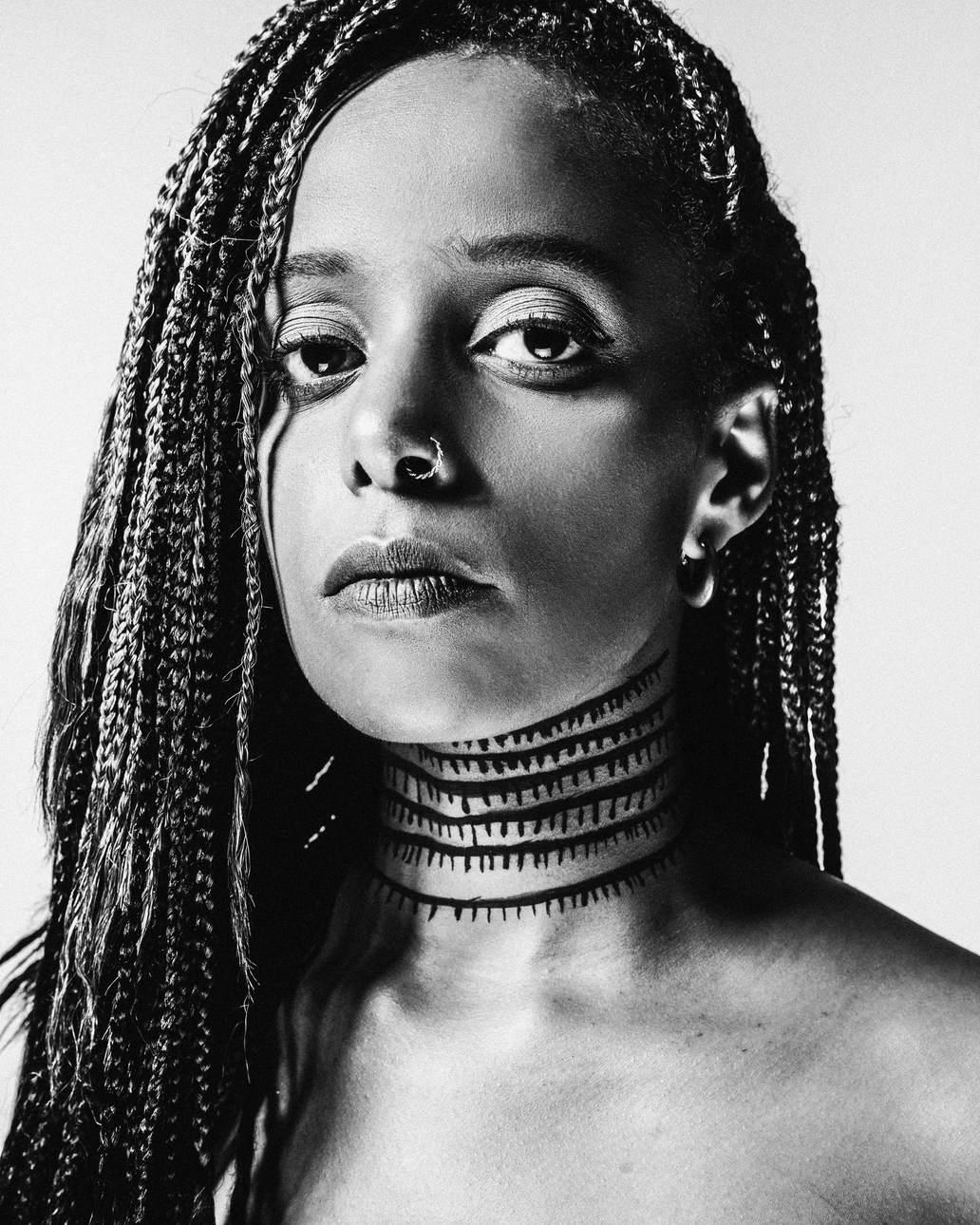
Today we’d like to introduce you to Aveva Dese.
Hi Aveva, thanks for joining us today. We’d love for you to start by introducing yourself.
I grew up in Israel as the daughter of Ethiopian immigrants, which meant I was constantly balancing two worlds. At home I’d hear the hypnotic rhythms and melodies of Ethiopia, and outside I was exposed to the diverse tapestry of music that makes up modern and Western pop. American soul and R&B were huge influences for me too—artists like Aretha Franklin and Lauryn Hill showed me how powerful a single voice can be.
Singing started as a personal outlet, but it soon became a way to bridge cultures. My big break came when I competed on the first season of “The Voice – Israel.” The exposure gave me the confidence to pursue music professionally and, more importantly, to embrace my heritage in my work. I began blending Ethiopian melodies and rhythms with the pop and soul sounds I love, creating a style that feels both global and deeply personal.
I’ve always seen music as more than entertainment; it’s an incredible tool for education and storytelling. Through my songs I share the stories of my community—our struggles, joys and hopes—and I try to highlight themes like identity, equality and empathy.
Growing up in a marginalized community with few opportunities taught me the importance of giving back. I’m grateful that music allows me to support others on a similar journey.
Since releasing my albums **“Who Am I?”** (2016) and **“In My Thoughts”** (2019), I’ve been fortunate to perform all over the world, including here in the United States. Playing at the Kennedy Center in Washington, D.C., and at festivals in New York and Los Angeles has reinforced how storytelling through music can resonate across cultures and borders.
I’m currently working on a new album slated for release in 2026, and I’m excited to share more of my story with U.S. audiences. My goal has always been to use music to promote empathy and unity while continuing to educate and support the communities that shaped me.
Would you say it’s been a smooth road, and if not what are some of the biggest challenges you’ve faced along the way?
It definitely hasn’t been a perfectly smooth road.
On a personal level, growing up as the child of Ethiopian immigrants in Israel, I often felt like I didn’t fully belong in either world. Resources and opportunities were limited in my community, so finding access to instruments, training and mentorship took creativity and persistence.
Professionally, there were moments when industry gatekeepers didn’t know how to categorize my sound. I was told my music was too “African” for pop radio or not “authentic” enough for world‑music purists. Navigating those expectations while trying to stay true to my identity was challenging.
Those struggles, however, have taught me resilience. They pushed me to blend my Ethiopian heritage and contemporary influences even more boldly, and they fueled my desire to create space for other underrepresented voices. I’ve learned to use my platform not only to perform but also to advocate for equality and opportunities for others. Every hurdle has ultimately shaped me into the artist and person I am today.
Thanks for sharing that. So, maybe next you can tell us a bit more about your work?
My day‑to‑day work is rooted in songwriting and performance. I write music that’s narrative‑driven, often pulling from personal experiences and wider social issues.
My focus is on creating music that brings people together, whether that’s through vibrant live performances that invite audiences to dance and reflect, or through songwriting that touches on themes like identity, resilience and unity.
Alongside performing with my band, I’ve written for television and children’s programming, which has allowed me to explore different ways of storytelling and reach listeners of all ages.
What I’m most proud of is how my music has become a bridge between cultures. When I see audiences from completely different backgrounds dancing to Ethiopian rhythms or connecting with a song about searching for home, it reminds me why I do this. It’s meaningful to know my voice resonates with people around the world and can inspire others who might be navigating their own hybrid identities.
What sets me apart is that I don’t fit neatly into any one box — and I embrace that. I sing in multiple languages, I’m as comfortable playing with traditional Ethiopian instruments as I am with a full electric band, and I’m committed to using my platform for social impact. Whether it’s volunteering in under‑resourced communities, speaking out about issues affecting marginalized groups or simply sharing the joy of music, I want my work to reflect both where I come from and the inclusive world I hope to help create.
Can you talk to us about how you think about risk?
I’m not someone who seeks out risk for its own sake, but I’ve learned that meaningful growth rarely happens in comfort zones. Pursuing a music career at all — coming from a community where stability is prized — was a major leap. Artistically, I’ve often chosen authenticity over predictability, even when it meant carving my own lane without knowing how it would be received. To me, taking risks means trusting your voice enough to share it, and being willing to step into the unknown when it aligns with your purpose.
Contact Info:
- Website: https://www.aveva-music.com
- Instagram: https://www.instagram.com/avevadese/
- Facebook: https://www.facebook.com/AvevaDesePage
- Youtube: http://www.youtube.com/@avevamusic
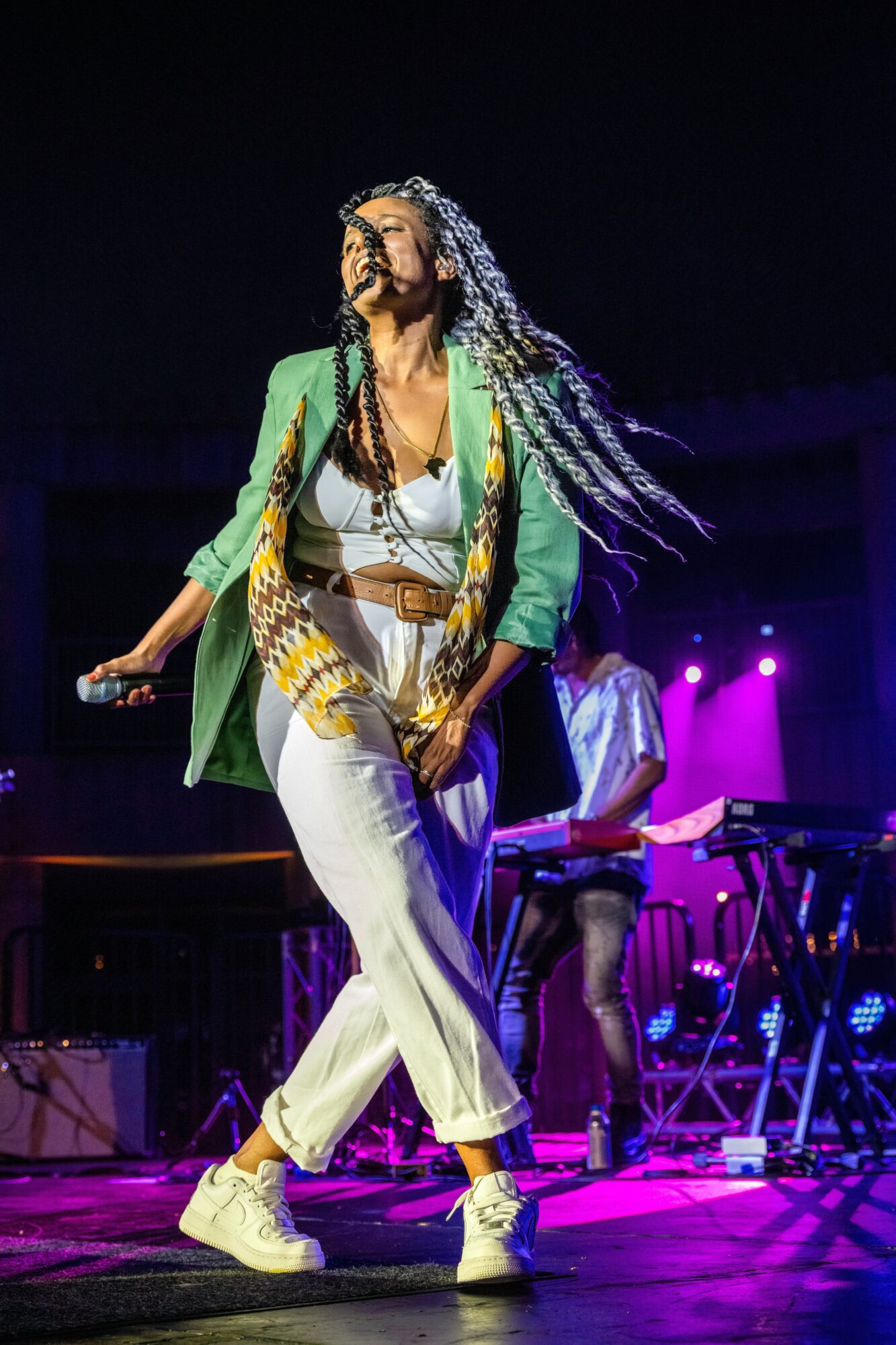
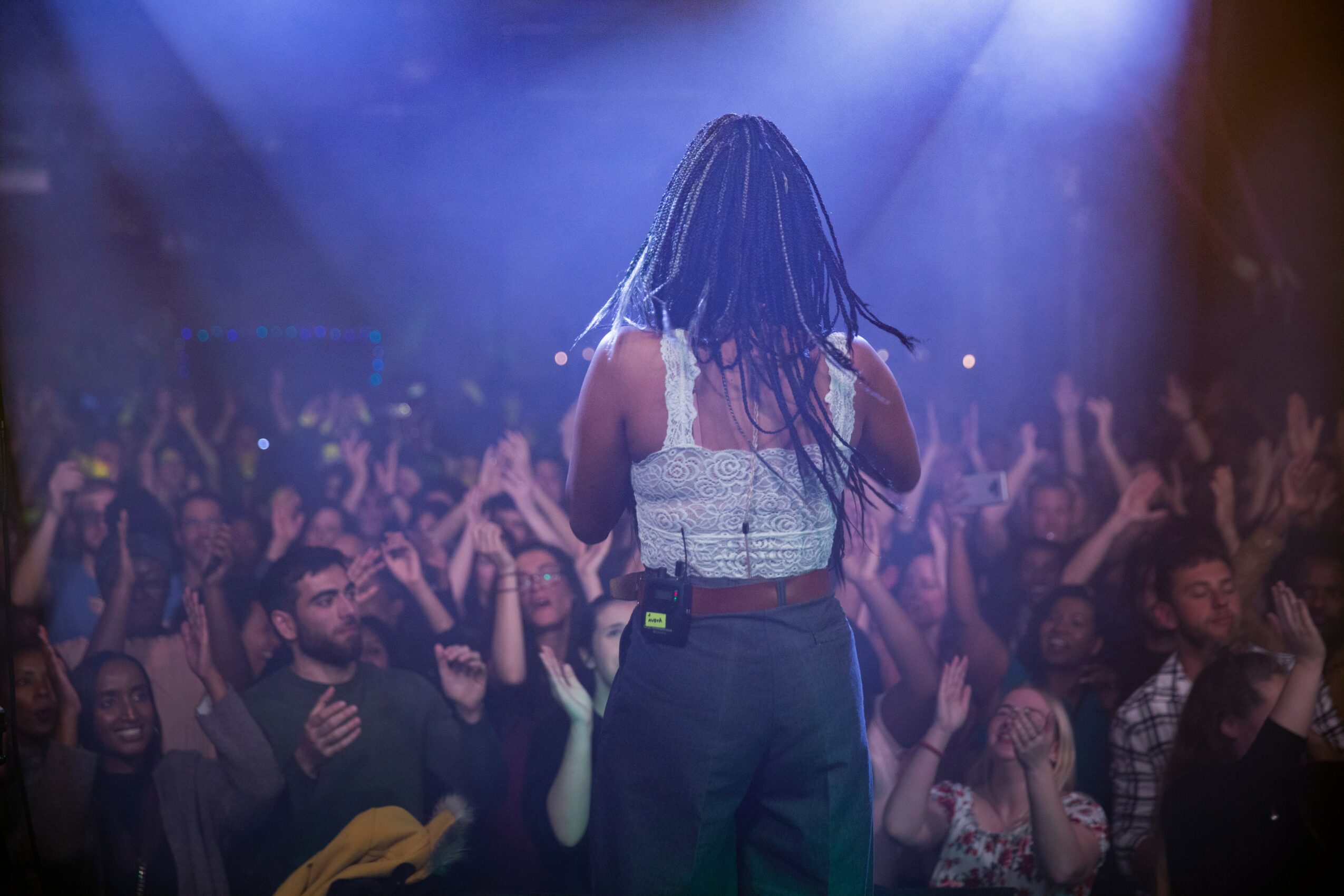
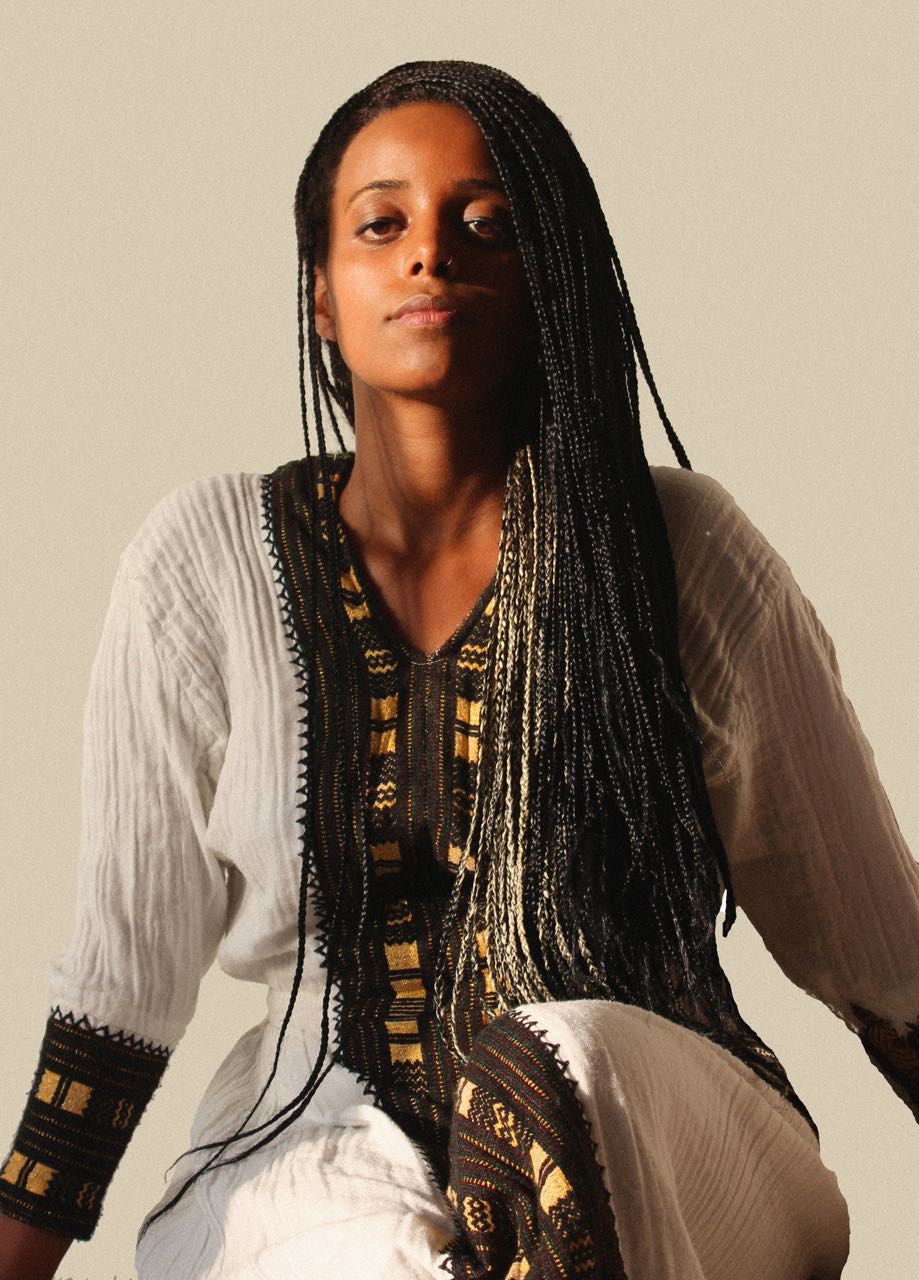
Image Credits
Ilya Melnikov
Gaya Sun
Harel Dahari
Derek Rath
Popular
-

Portraits of the Valley
-

LA’s Most Inspiring Stories
-

Inside the Future of Search: Robb Fahrion on Building a Global Team and Leading the Rise of GEO
-

From Supporting Local Boutiques to Building Brand Partnerships: Cinthia Jensen’s Creative Marketing Journey
-

Building Community Through Curiosity: Nathanial and Samantha Rowe on the Vision Behind UNEARTHED
-
Building Creative Bridges: Torrey Tayenaka on Community, Collaboration, and the Future of Sparkhouse


