



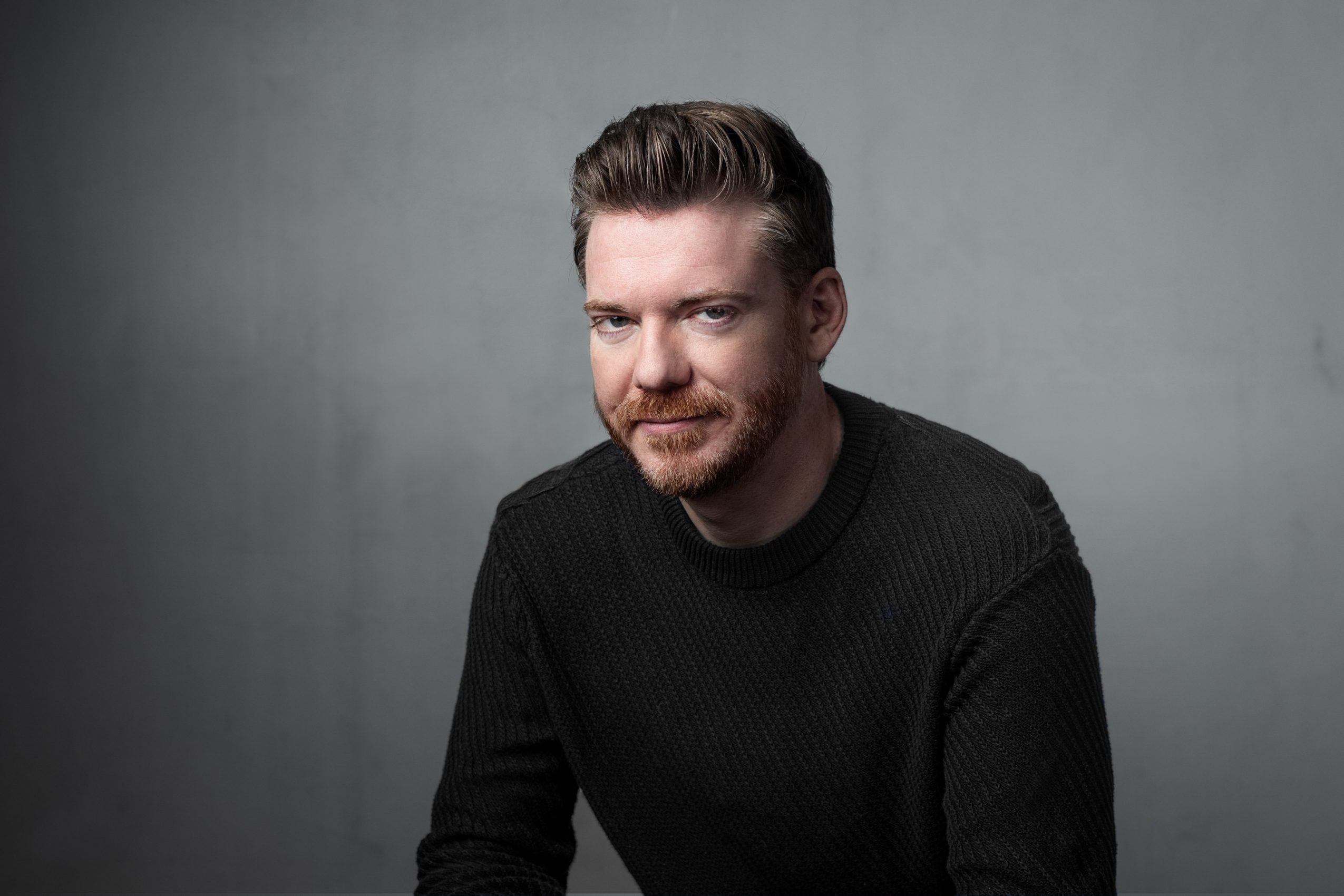
Today we’d like to introduce you to Ryan Speers.
Hi Ryan, thanks for joining us today. We’d love for you to start by introducing yourself.
I grew up in a middle-class home in Illinois with my parents and my older sister, about ninety minutes north of Chicago. So far north of Chicago that I could throw a rock from our front yard and practically hit Wisconsin. Growing up that far outside of the suburbs, I had a lot of rural space to run around in. I think that had a lot to do with where I am today. Roaming the forest preserves with my best friend, making short films on a Sony Handycam. Discovering film and darkroom photography at an early age. Having parents who were supportive enough to help me get into art school. Yet, as formative as those years were, I think the roots of my story run much deeper, back to much subtler experiences.
One instance that comes to mind was when I was around eight or nine. Whenever my family made our annual three-hour trek to my grandparents’ house in Iowa, I’d always find my way into my grandmother’s study, where she kept her National Geographic magazines proudly displayed on her desk. I remember climbing into her rolling chair, which was much too big for me, and tracing the magazine covers’ iconic yellow borders with my fingers. I remember the sensation of cool air on my face as I flipped through the pages. And I remember being enthralled by all the colorful visuals and exotic places. I’m grateful that my childhood was filled with little moments like these, from both sides of the family. I credit them with helping me develop a deep admiration for the natural world.
A sort of fun epilogue to that story, and something I find especially meaningful today, is that I have more in common with my grandmother than I ever thought I would. She was a photographer and writer, too. But sadly, I didn’t fully understand the extent of her accomplishments until after she passed away in 2019, when I came across an old black-and-white photograph of her standing in a newsroom full of men. Eventually, I learned she had been a prominent editor and director of a magazine in Des Moines, Iowa, in the 1940’s. Her work in agricultural journalism helped pave the way for later publications. She even spoke publicly about creating greater opportunities for women in magazine editing. If I’m lucky, maybe I got some of those same genes. I’d consider myself lucky if I achieved even a tenth of that.
Fast-forwarding to later in my life, four years after art school, I moved from Chicago to LA to pursue a career in film and TV production. LA was the last place I ever imagined living, and I resisted the idea for a long, long time. But after moving here, I got to explore California’s natural landscapes firsthand. It wasn’t long before I realized I was more passionate about photographing those places than about getting lost on a crowded film set.
Can you talk to us a bit about the challenges and lessons you’ve learned along the way. Looking back would you say it’s been easy or smooth in retrospect?
I think anyone who has ever worked as a freelancer would agree that the ups and downs of the lifestyle can really wear you down. There’s the uncertainty of where the next job is coming from, the inevitable bouts of imposter syndrome, and the challenge of taking on personal projects to further yourself without any promise of a return, all of this while living in a city where simply making a living demands significant financial resources.
Another challenge I’ve run into over the years is that when you become known for something creatively, like commercial photography, it can sometimes put you in a box. People start to associate you with that one thing, and it can be hard to break out of that perception when you want to explore other career avenues. For example, I remember a job where a colleague was looking through my portfolio and was being very complimentary about it all. And although they liked my documentary work, they also told me it wouldn’t do anything for my career and suggested I forget about it and focus only on commercial work. Of course, hearing that only made me want to rebel against the advice and prove to myself I could make something of it.
Then there were, of course, the physical challenges that go along with documentary work. The desert presents its own set of unique challenges, from the relentless sun to the extreme heat. Being pale-skinned, blue-eyed, and freckled, I’m not exactly built for that kind of environment. If you ever see a grown man lugging camera gear across a rugged desert terrain, covered head to toe in UV-protective clothing, wearing a goofy fisherman’s hat, and slathered in sunscreen, it’s not a mirage. It’s just me. And it’s not a pretty sight. Sometimes my gear gets so smeared with SPF fingerprints that it starts to look like it’s part of a crime scene. It’s moments like that I ask myself, “Why couldn’t I have developed an obsession somewhere cooler and with more shade, like the Pacific Northwest or something?” Of course, as I start framing up the next shot, all that goes away.
Can you tell our readers more about what you do and what you think sets you apart from others?
I’ve spent most of my career here in LA working as a commercial photographer and Director of Photography, shooting everything from cars to main title sequences for film and television. While I’ve had many rewarding and unforgettable experiences in the commercial space over the years, ones I wouldn’t trade for anything, I’m most proud of the documentary work I’ve made over the past decade. Over the last fifteen years, my concerns have shifted significantly toward California and the greater American West, specifically their origins, how they function, and how humans impact the landscape visually.
I have a tendency to get fixated on places. When I find a subject that interests me, it consumes me. I’ll spend an unreasonable amount of time trying to photograph every last detail of that place, going back over and over again. The Salton Sea here in Southern California is probably the best example of this. I’ve been photographing the ecologically stressed region since 2010. Then, in 2017, I began a passion project about it, one that I thought would last only a few months. Almost ten years later, I’m still plugging away at it. It’s by far the most expansive and challenging thing I’ve ever taken on. I’m extremely proud of it, as I never saw myself as the type of photographer who would document things like bird migration, biodiversity loss, water scarcity, and climate change. I can’t wait to share it with the world.
We’d be interested to hear your thoughts on luck and what role, if any, you feel it’s played for you?
I’m lucky to have the friends and parents I do. They’ve encouraged me from the very beginning, no matter what creative pursuit I was exploring at the time. Drawing, creative writing, music, film, photography—they were right there beside me for all of it.
Contact Info:
- Website: https://www.ryanjspeers.com
- Substack: https://ryanjspeers.substack.com/subscribe
- Other:Tiktok.com @ryanjspeers
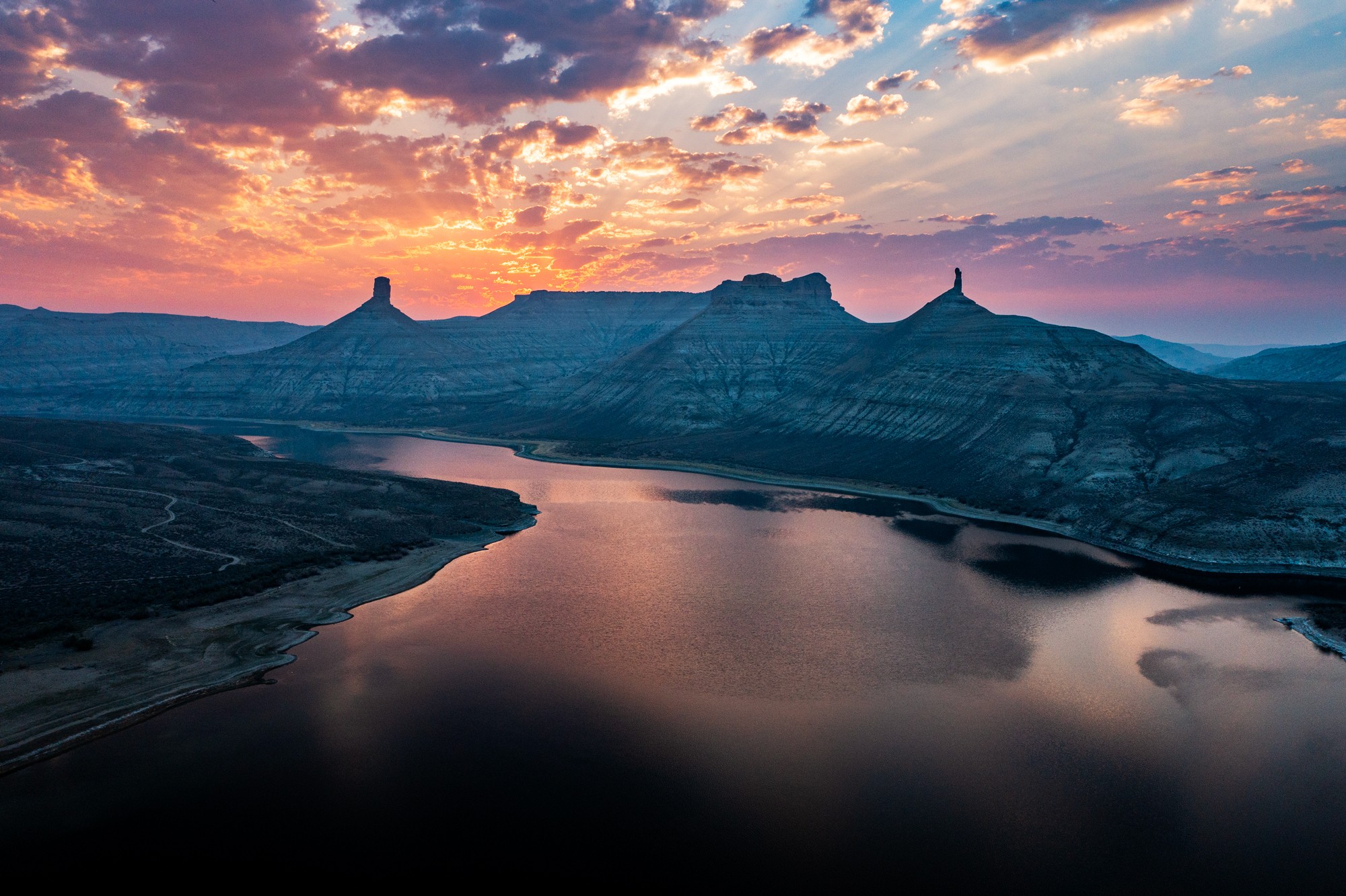
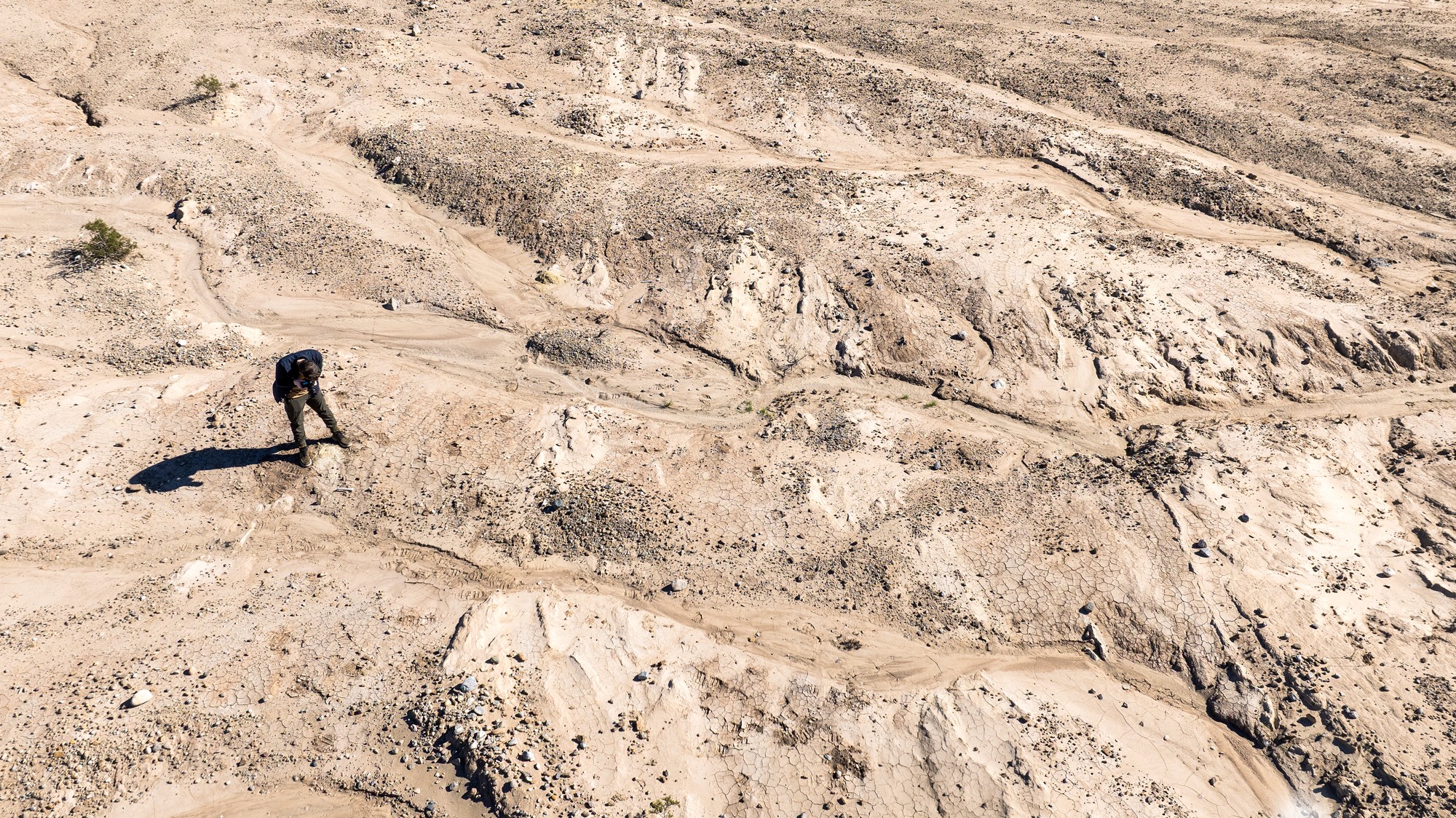
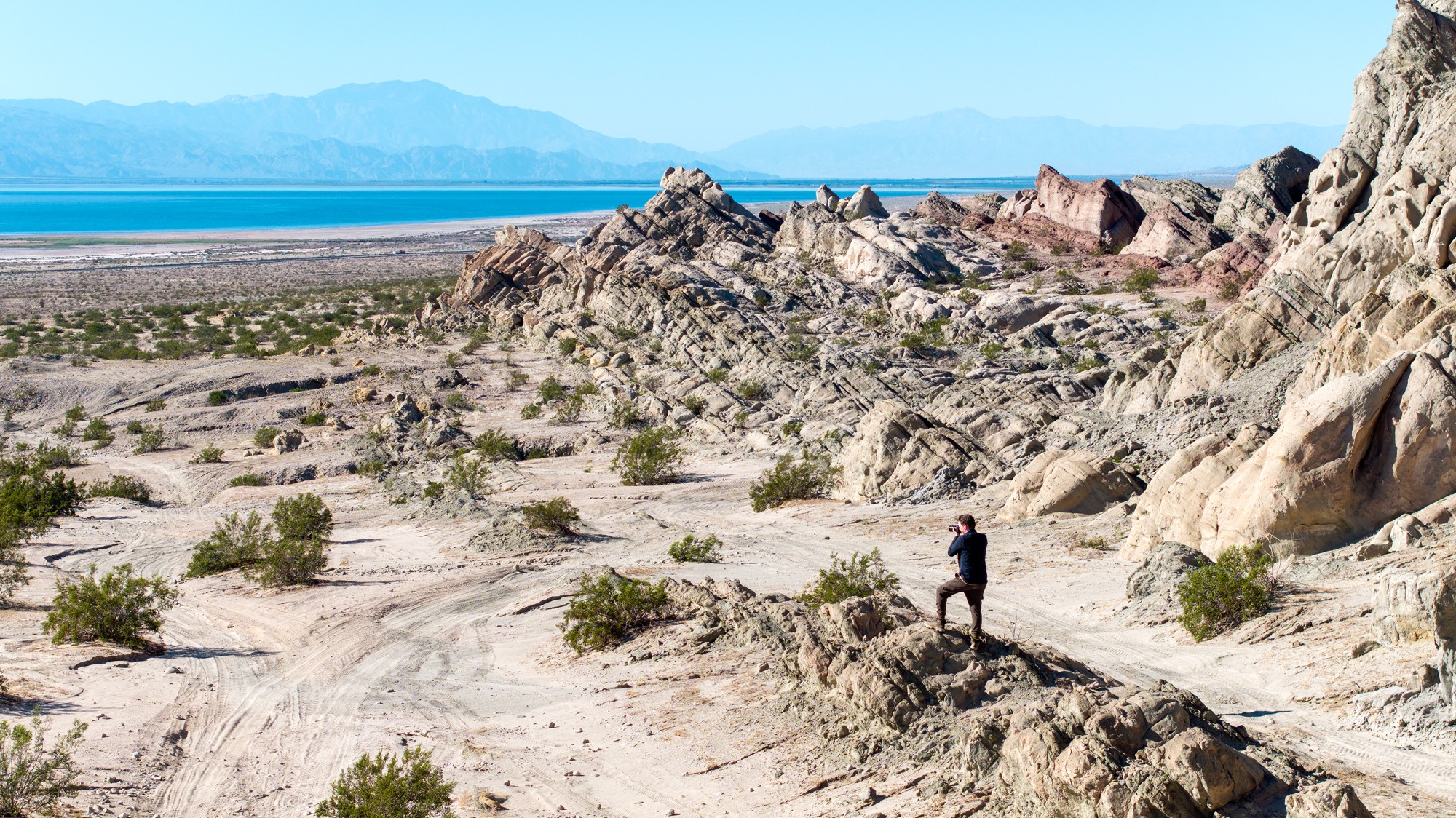
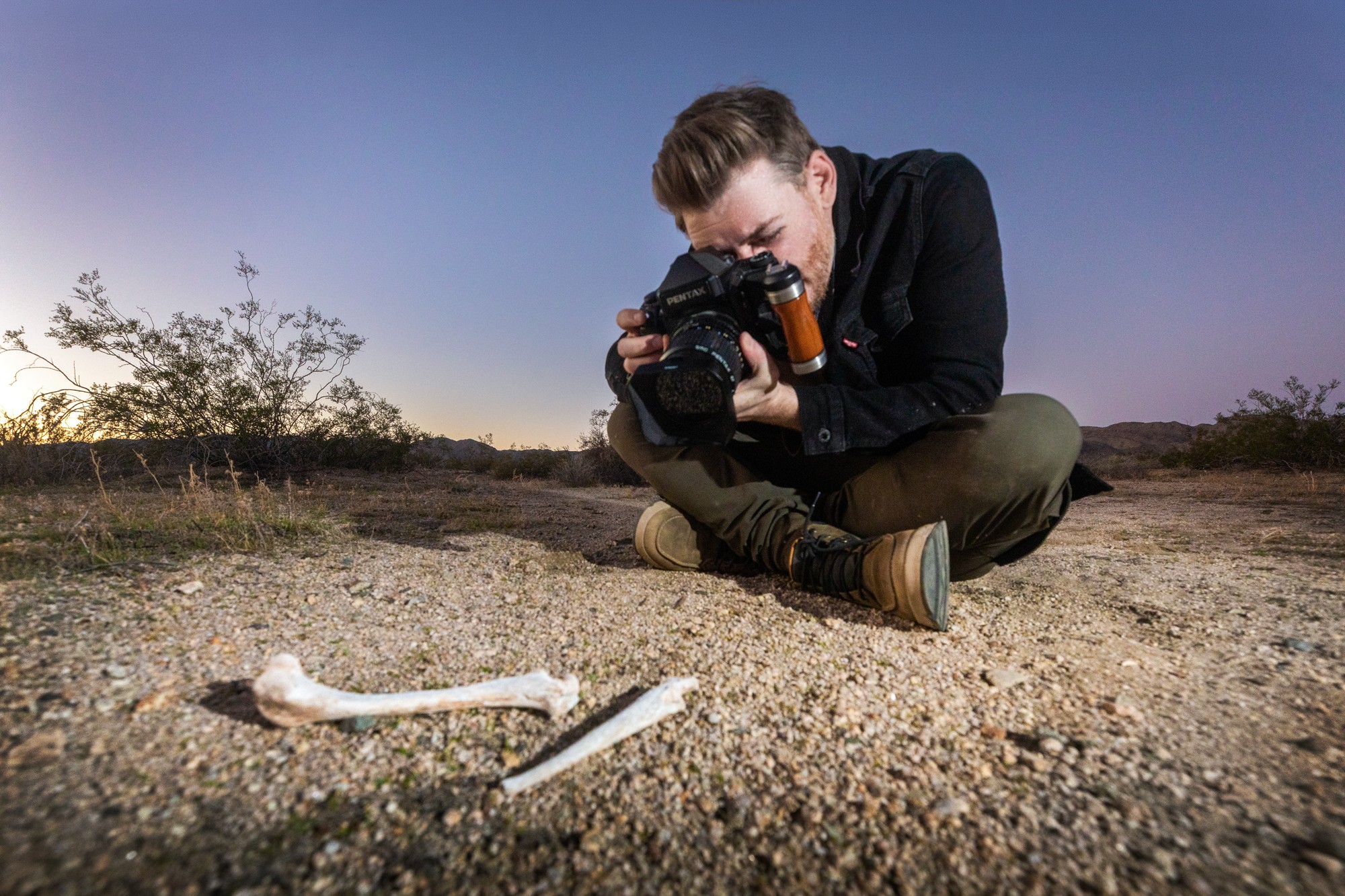
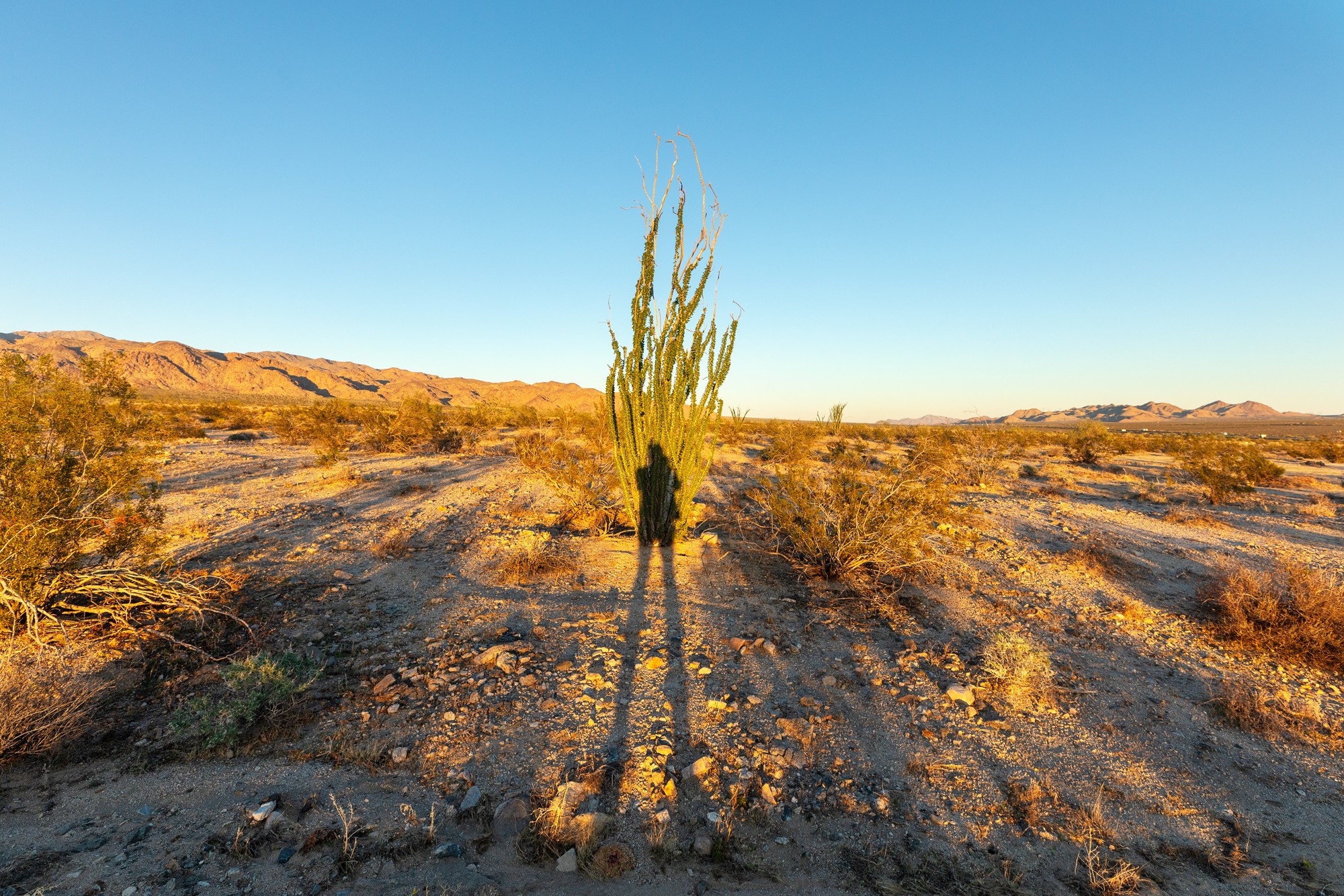
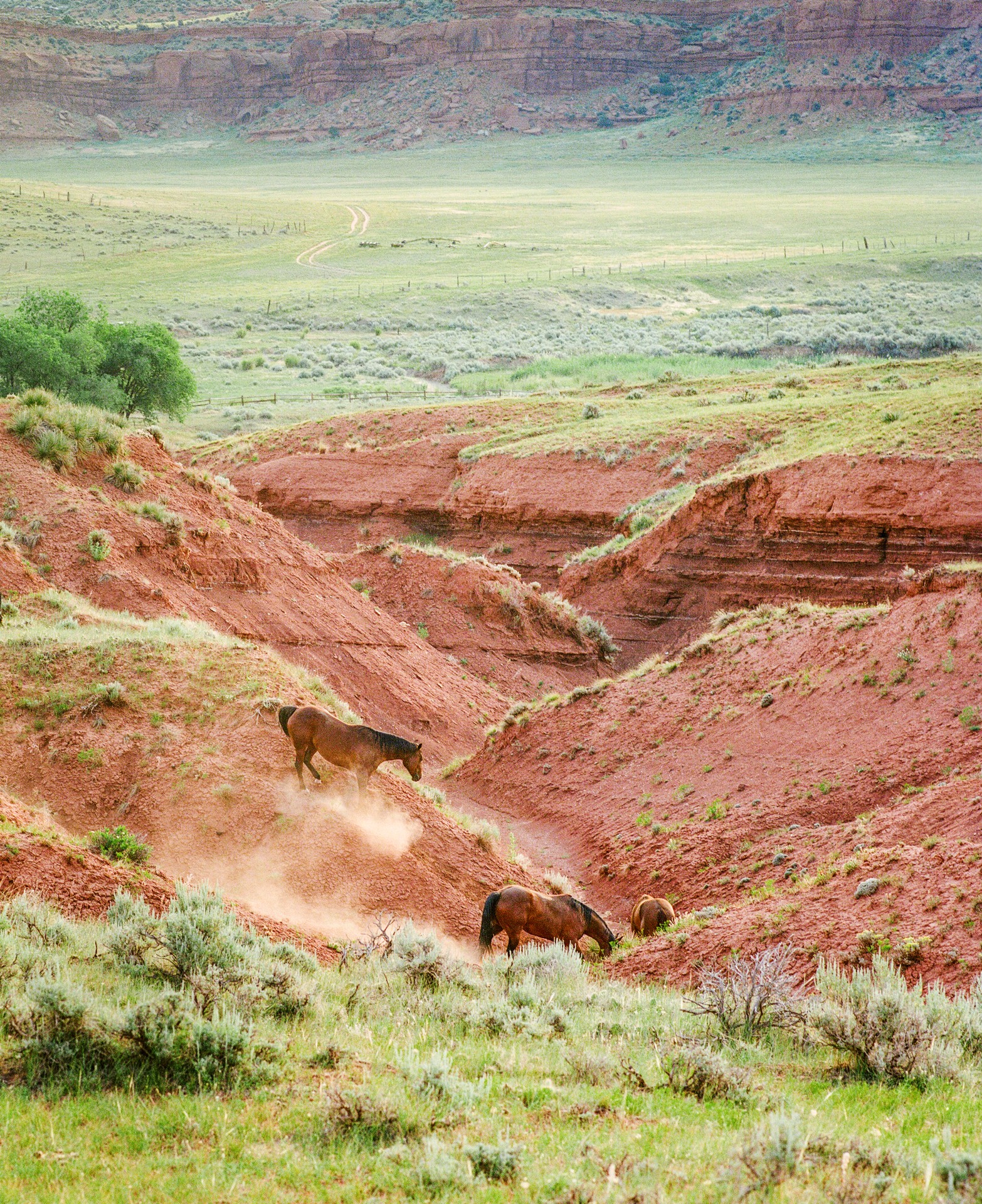
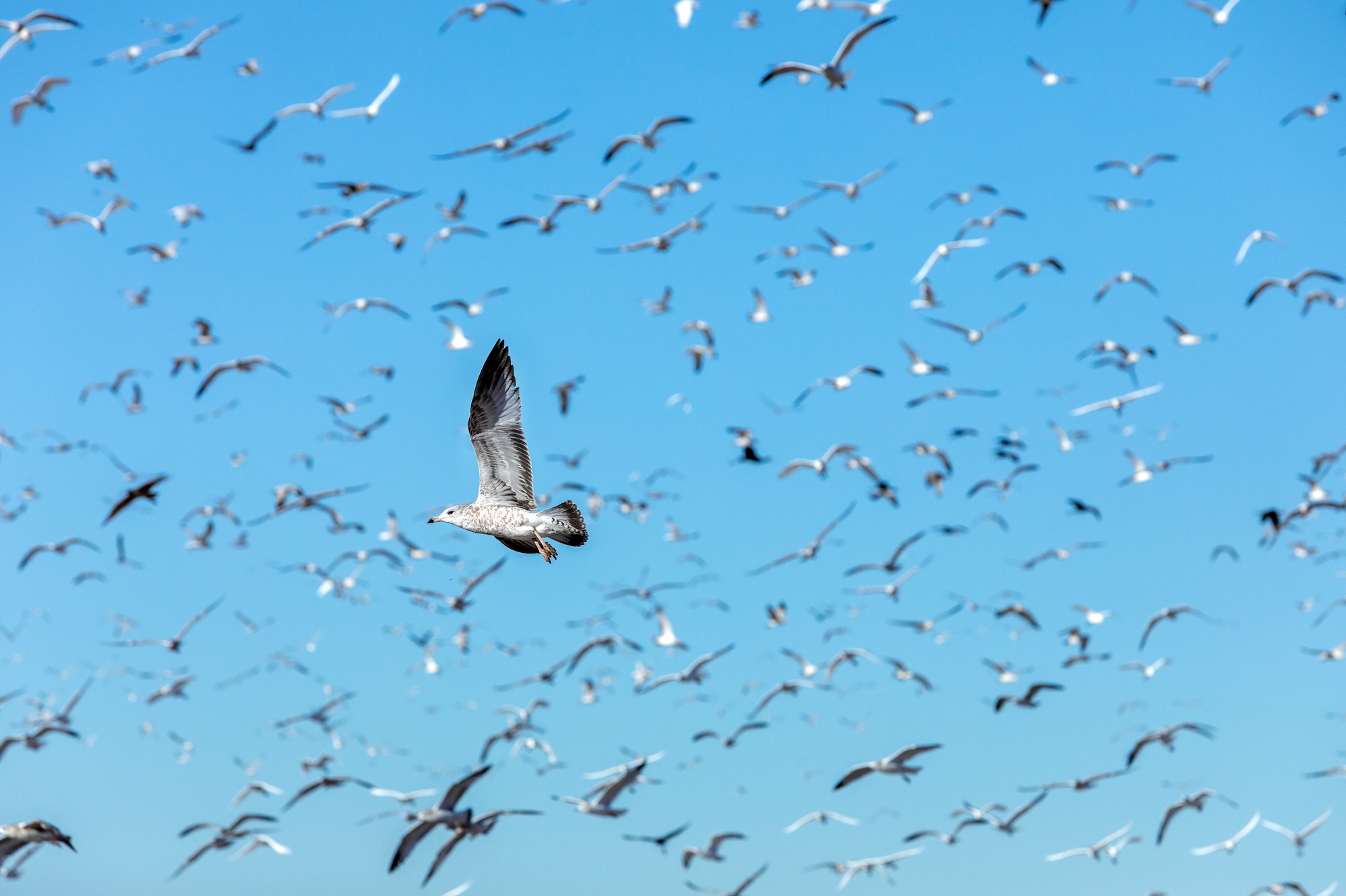
Image Credits
Ryan J. Speers
Popular
-

Portraits of the Valley
-
LA’s Most Inspiring Stories
-
Mason Ewing Is Bringing a World of His Imagination to Life Through Film
-

Dr. NanaEfua Afoh-Manin Is Rethinking What It Means to Be Healthy, Not Just Healed
-

Greg Hex Is Turning the Everyday Kitchen Knife Into a Modern Design Object
-

Rick Norris Learned That Building a Successful Business Means Building a Life You Actually Want to Live


