




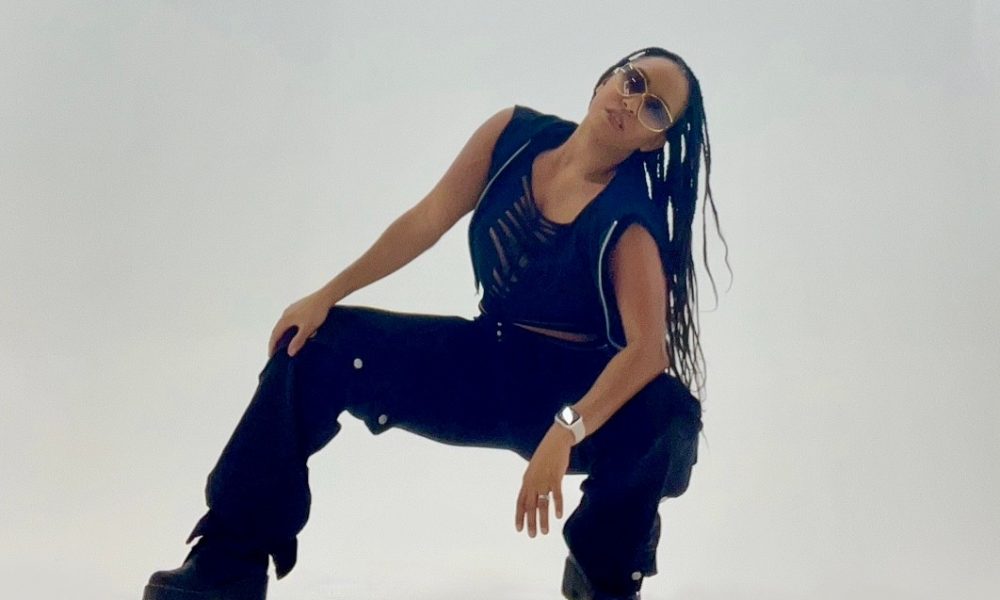
Today we’d like to introduce you to Symonne.
Hi Symonne, so excited to have you with us today. What can you tell us about your story?
My name is Symonne, and I am a House & Techno DJ, producer, and founder of Blaque Mária. A lifelong songwriter, I began DJing in 2013 after a friend introduced me to EDM as a means to get me to shell out too much money to go to a festival. It sent me down a rabbit hole of discovering the various genres and roots of electronic music, down to what would become my passion and music of my soul: House music and Techno (by way of Detroit techno). I was moved and inspired by the origins in the Black community and the living legends I discovered there.
I had an insatiable hunger for it, which led to me attending every event in Boston and devouring DJ sets on Soundcloud until I, too often, finding myself at home craving more music, decided to buy a little controller in secret and teach myself in my bedroom. A few months later, concerned friends popped by to see where I’d been, saw the decks, and the rest just snowballed from there. DJing for myself became DJing for a handful of close friends. Then, they would invite a few friends, and so on, until we were throwing house parties for 50+ people. Flash forward six years, and I was living in San Francisco, sharing the stage with the likes of global DJs like Charlotte de Witte, Shiba San, DJ Minx, Brodinski, and more. I would go to Burning Man and play these 18-hour sets. But everywhere I went in the scene, I saw few people who looked like me. Often the only woman and/or the only Black person on a line-up, I felt a strong sense of purpose to be part of the change.
It took many twists and turns, but life found me in Los Angeles in 2023, rebuilding my music career from scratch after a 4-year hiatus from DJing publicly. That June, I decided to finally step into that mission that had been on my heart for so long, and I founded Blaque Mária, an organization dedicated to advancing representation and celebrating marginalized communities in dance music, specifically women, Black, LatinX, Indigenous, and LGBTQIA+ people. We started with a monthly party called Blaque Gloss, which always featured all-women line-ups, but it’s since evolved to multiple collaborations, cross-promotions, and most recently, Blaque Mária Academy, which provides programs and courses to help more women and people of color enter DJing through a safe and inclusive space.
We all face challenges, but looking back, would you describe it as a relatively smooth road?
Any road worth traveling is going to have its bumps, but they are lessons and discomforts bound to be found outside of the comfort zone. That’s where all the growth happens, so I take it in stride.
A few of the struggles along the way that I’d share are:
– Finding and activating the right team: A mission-based organization will fail without passion and hard work. At the beginning, I wanted to bring on anyone who shared the vision. However, what I quickly found is that, while many people do want to be part of something like Blaque Mária, not everyone is willing to put in the time and effort. A key challenge has been finding those people with the right mindset, skillset, and work ethic to properly balance the workload and grow at the right pace.
– Financials: The first struggle is exacerbated by this one. Straight up, it’s a hard business to make money in. When I founded Blaque Mária, I had disposable income that I could use to fund the organization. I was a bit too free with that in the beginning and quickly realized that, while you have to invest, you need a business plan to be able to sustain it. With that plan came some trade-offs, which are hard to accept. For example, having to switch to a different vendor due to cost. Our commitment is to always pay our vendors and DJs, even if we do not make money in an event, but that does limit how often we can run events. Diversifying our portfolio, such as launching the BM academy, helps us generate revenue in other areas to help fund less profitable ventures.
– Perseverance through doubt: I will say that we have received tremendous support in the scene. However, we do get pushback and criticism from both sides. First, some in the dominant communities question why something like Blaque Mária is needed, or men get upset that we do not book them on our all-woman line-ups. This was not wholly unexpected. What I did not expect were the disparaging comments we initially received from a few members of the marginalized communities we strive to serve? We made the decision to include multiple groups in our mission, but individuals from one group may not always support those in another or feel that we are allocating time or exposure in the right way. That part was hard. It’s never easy reading hate online, especially when it’s from a stranger, but that’s when support systems and perseverance become all the more important. There are far more people who believe in us and support us than those who don’t.
Thanks – so, what else should our readers know about your work and what you’re currently focused on?
I am a former business executive who has always struggled to juggle my creative pursuits. This February, I hopped off the corporate ladder to bet on myself. So, as of right now, I am a full-time DJ, producer, author, activist, and entrepreneur. That last part is key because, as an independent musician, you are many things – I’m now a graphic designer, social media manager, growth marketer, copywriter, video editor, event producer, promoter, CFO, and much more.
I specialize in making and bringing audiences dance music with soul and emotion, specifically House and Techno. I am proud to be biracial, and I identify as a Black woman. I hope that anyone can feel that when they hear my music or sets before they see me. I use my music and writing to foster connection, build empathy, and imagine a better future. That’s what makes the artist so pivotal. Society cannot reach what it can’t envision. Art helps us explore what’s possible and ignite a conversation on how we might get there.
I’ve had a number of people tell me that, since going to Blaque Gloss, they are now keenly aware of the gender balance of DJ line-ups, even at the micro-local level. Some have stopped going to events with zero or low representation. That’s impact.
I approach everything heart-first, and we’ve built those values into Blaque Mária – that’s the North Star when things feel murky or difficult, and I’m proud of being quick to act when anything is misaligned with that mission of impact, authenticity, and inclusivity.
In terms of your work and the industry, what are some of the changes you are expecting to see over the next five to ten years?
Well, the big thing on everyone’s mind right now is AI. There’s no denying that will continue to cause a major shift in the arts & entertainment industry in the years to come. I think a lot about it in terms of the impact it will have on the artist.
AI is already “DJing” for me on Spotify. It’s already composing full tracks. We already have the first fully AI rappers and singers. AI used to be able to write you a screenplay, but now OpenAI has put some checks and balances in.
On the one hand, all these technological advances have democratized the arts, which is great, but it’s also commoditized them significantly, which is not, especially since we still have not fixed the systemic disparities by gender, race, sexual orientation, and caste. How do we ensure that the audience can know and tell the difference between a human and AI? Where is the ethical line in leveraging this technology in the creative process? Given how genAI works, how do we ensure it does not leave behind the many artists of marginalized communities upon whose data its learning models rely?
I expect that we’ll see a lot more AI artists and AI-enabled artists, as well as more regulations around it. It will also continue to change how we experience art and events, especially as innovation brings the cost down. We can expect further blurring of the physical and digital music experiences.
There’s also the hot debate around royalties and artist compensation. ‘Indie artist’ used to be a dirty word, but not so much anymore. We’re seeing huge stars go fully independent and being better for it. Artists are reclaiming their masters. Platforms like Bandcamp and Distrokid are growing. I believe we’ll see major changes in how labels work or what they even are. There are huge social media accounts curating music with millions of followers – it’s an easy step for them to become a ‘label,’ or a new kind of it. People, especially DJs, are gravitating to smaller imprints, local labels, and independent music to find more unique sounds, and I believe that shift will grow even more pronounced.
And lastly, I believe we will see a lot better representation on all line-ups but especially major festivals and events – especially if I have anything to say about it. The power is in the people’s hands, and people are starting to demand it. So, I’m really optimistic that in 10 years, we will start to see parity on these line-ups, at least for women, but hopefully along more dimensions and with intersectionality as well.
Contact Info:
- Website: https://lnk.bio/blaquemaria
- Instagram: www.instagram.com/its_symonne
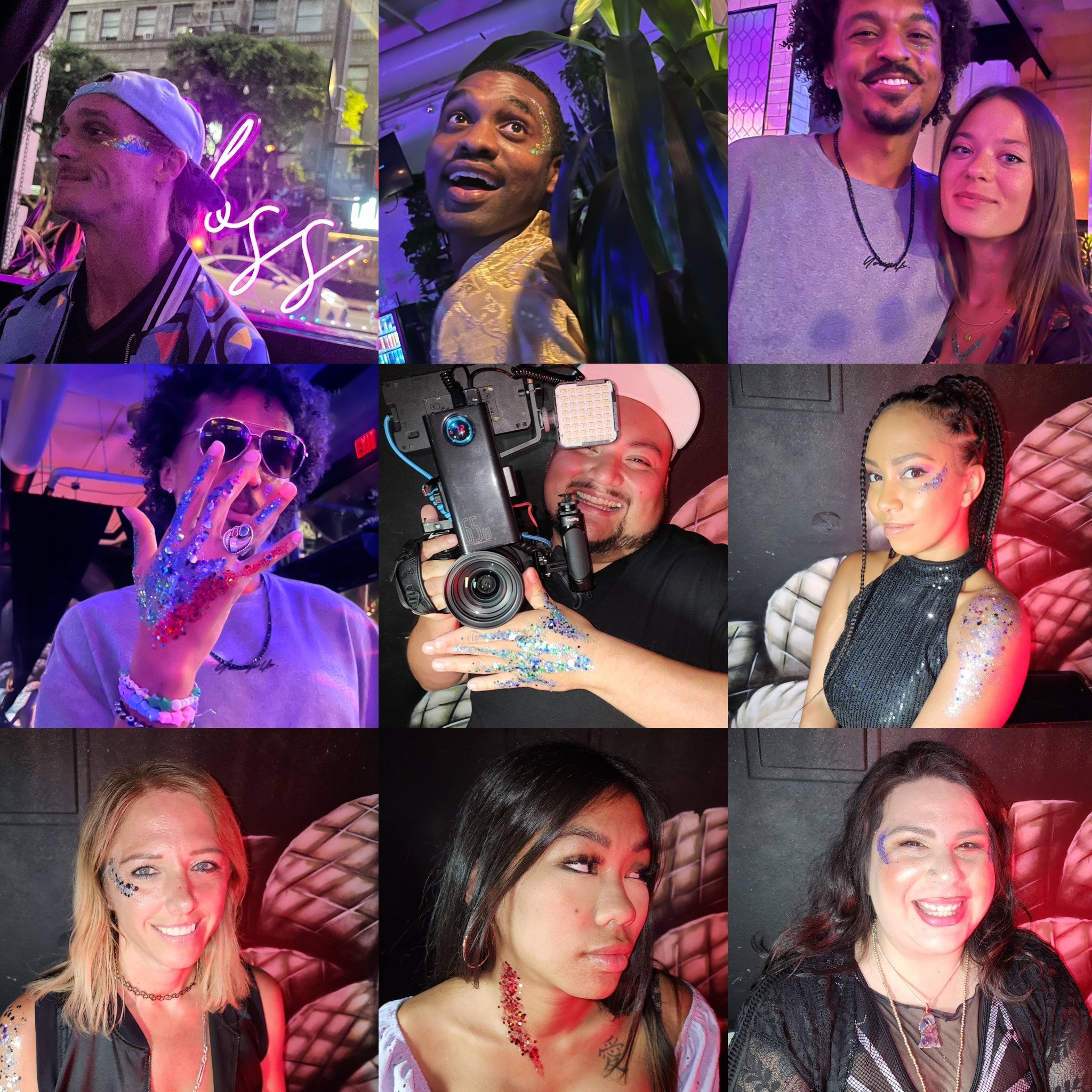
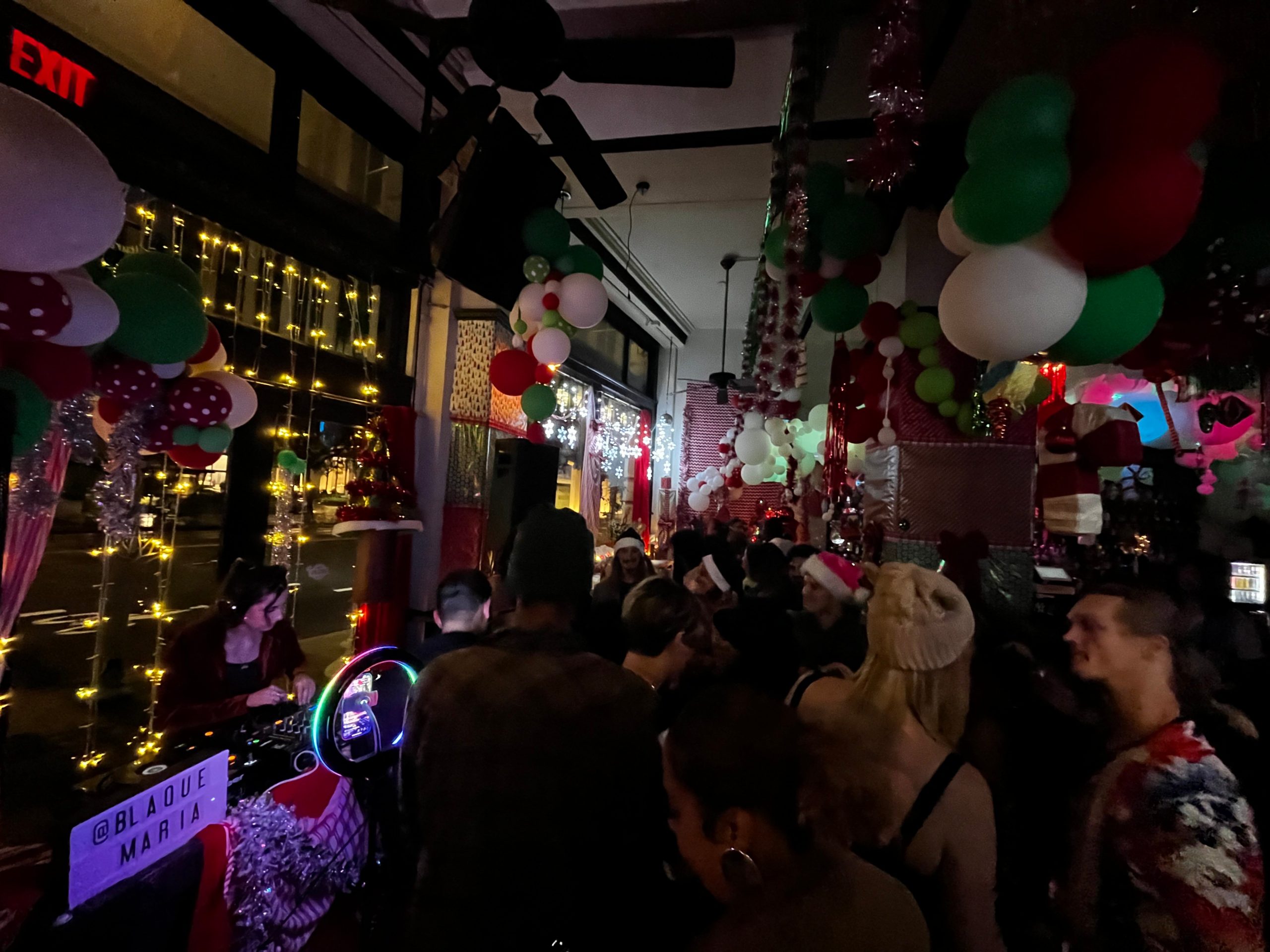
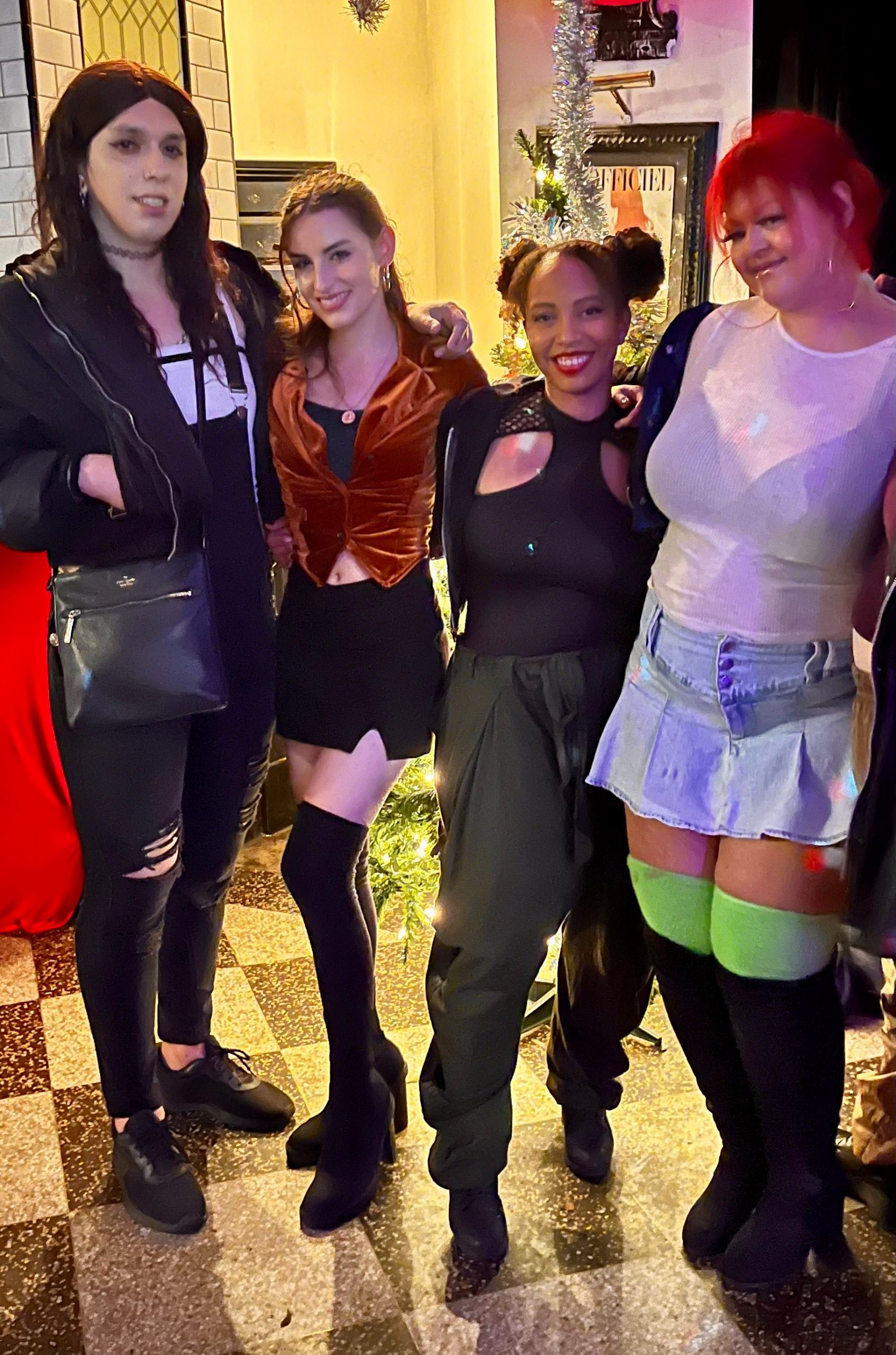
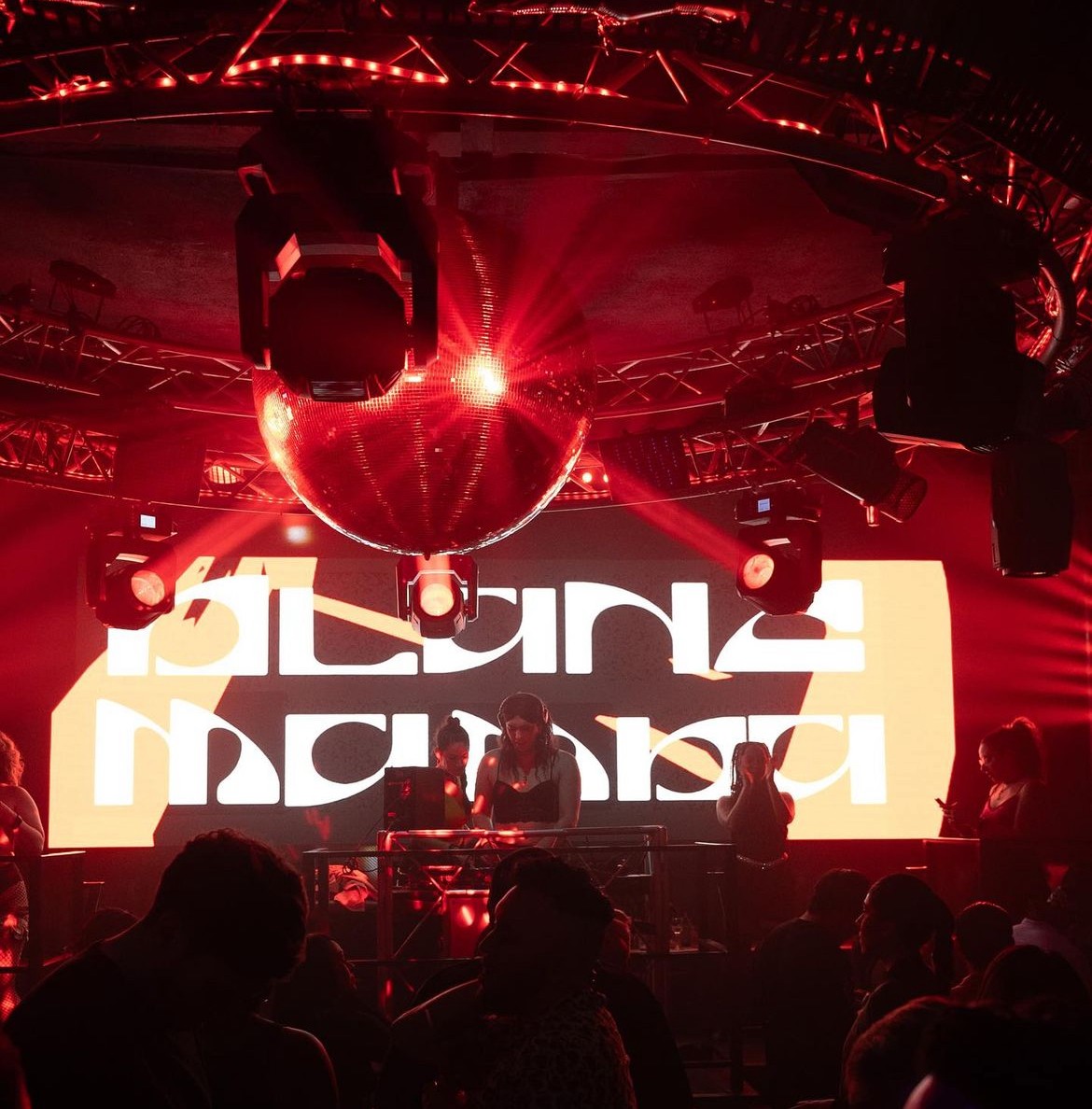
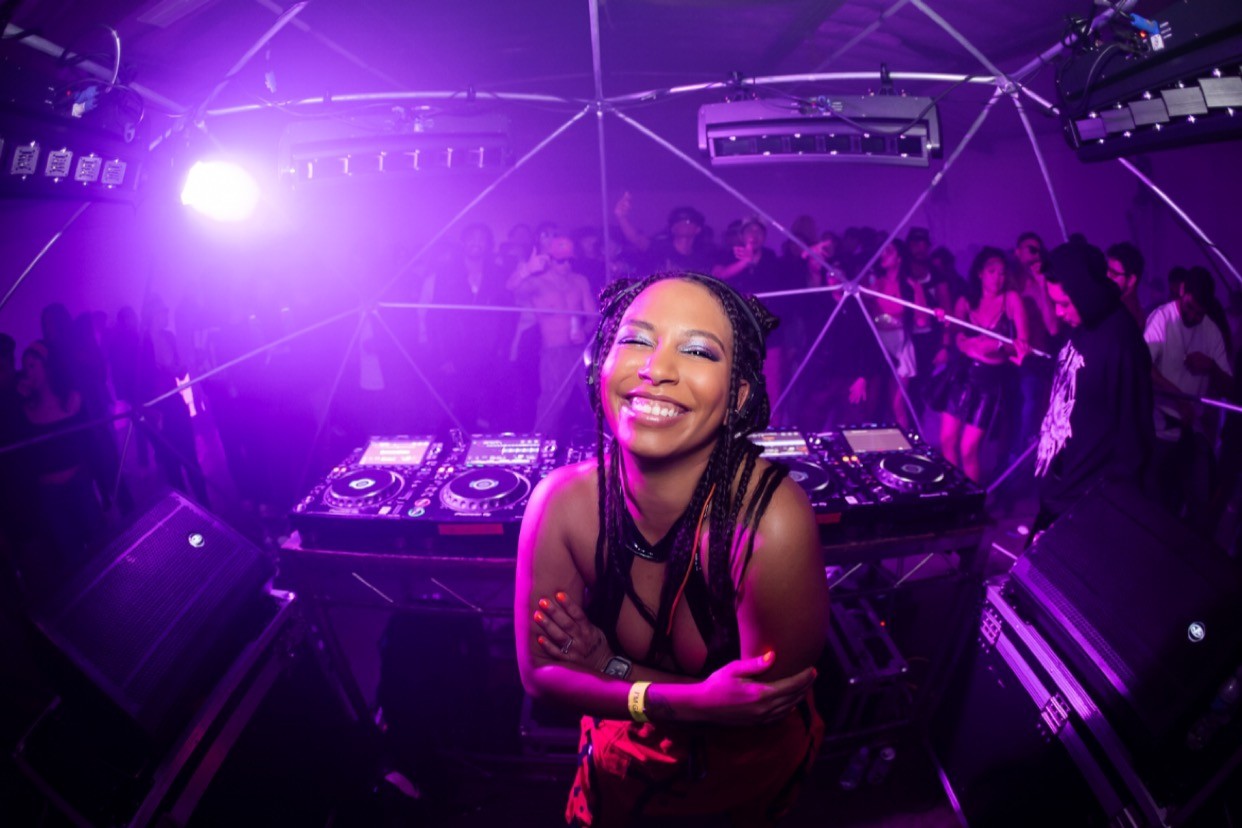
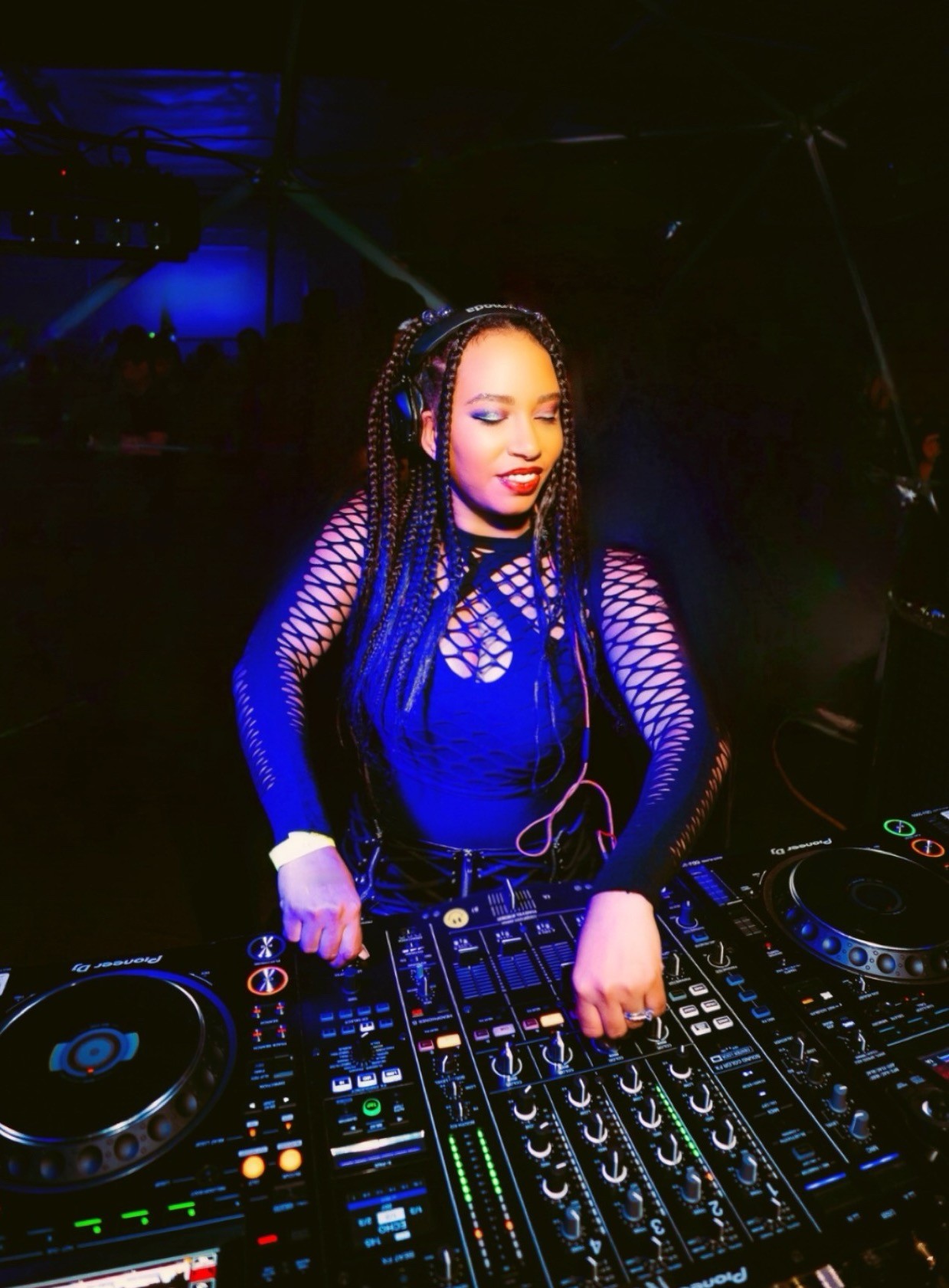
Image Credits
@its_symonne
@digitalmamimusic
@mundocruzofficial
Popular
-

LA’s Most Inspiring Stories
-

Maagic Collins on Building a Fearless Publishing Platform for Truth, Advocacy, and Underrepresented Voices
-

Los Angeles Barea on Turning Green Superheroes into a Global Movement for Youth-Led Change
-

Trisha DuVivier on Bridging the Franchisor–Franchisee Divide with Workhero and “Franulate”
-

Portraits of the Valley
-
Cedar Boschan on Elevating Black Music Rights and Driving Urgent Conversations Around Credit, Equity, and Artist Protection


