



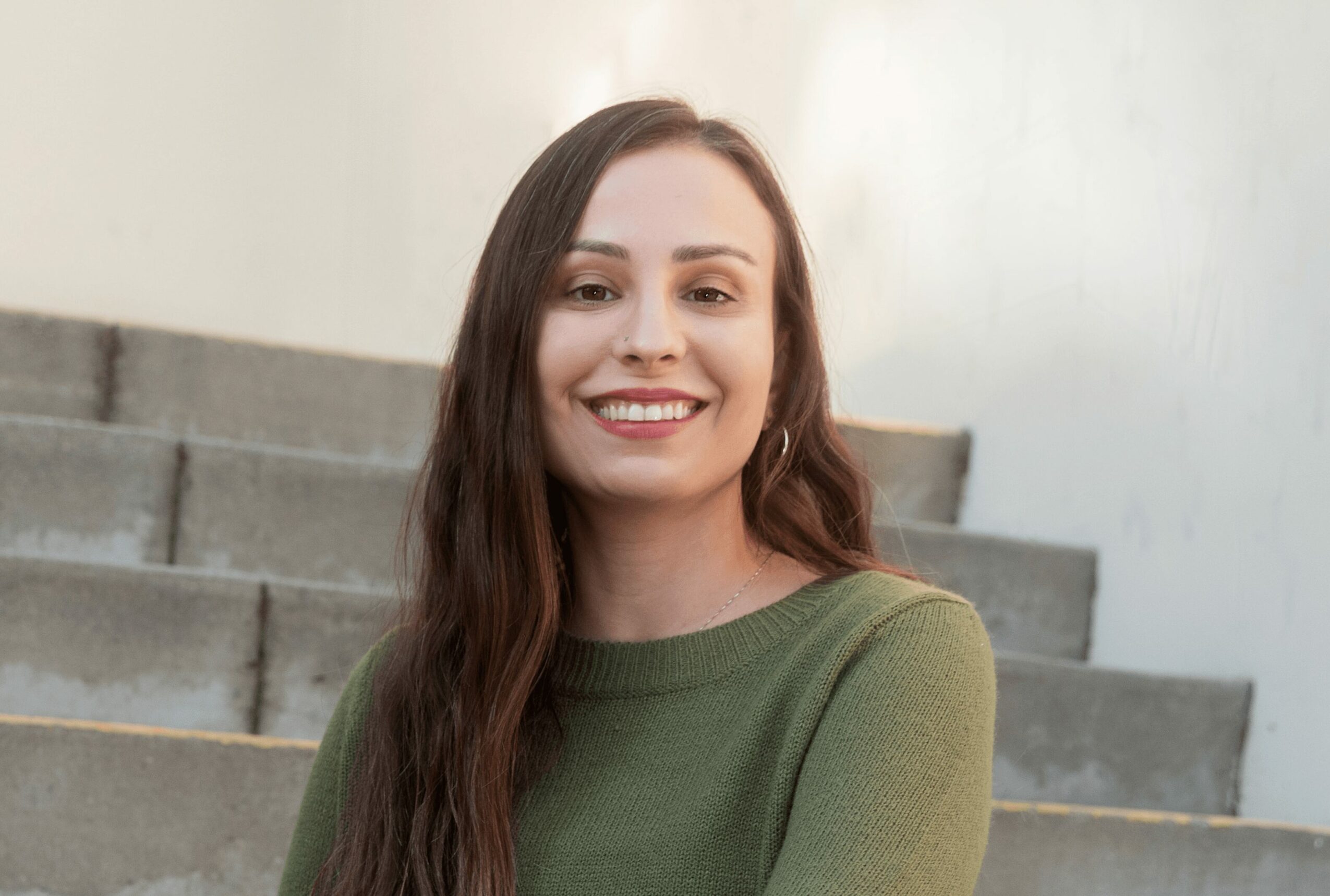
Today we’d like to introduce you to Luisa Novo.
Alright, so thank you so much for sharing your story and insight with our readers. To kick things off, can you tell us a bit about how you got started?
First of all, thank you for having me again in your publication!! Last time I was working on the workplace comedy web series pilot breakLAND, my first comedy project. I am happy to say it got produced in 2020, which is crazy to think now .The shoot went really well and it screened at great festivals, but unfortunately in 2021 while the pandemic was still looming big over the world, so not many opportunities to see it in person with an audience. Filming breakLAND was one of the most fulfilling and fun directing experiences I have had so far. Circling back to something I had said in my previous interview: finding the right collaborators is key, and makes a huge difference in the final product.
Since 2020 I have also been in development on the Anthology Feature Through the Blinds, a collection of 7 short films by 7 women directors, all taking place in the same house through the decades – 50s to 2010s. We met at a Directing Actors Workshop through the Alliance of Women Directors in 2019, and during a potluck in January 2020 we were talking about how hard it is to get your first feature made as a new director. Becca, one of the Anthology directors, shared an idea she had had for a while about making an Anthology Feature about women’s fears. A lot of us were excited about that, and about making an ambitious feature project together, helping each other push the boulder up the hill. It’s been a long journey but we are starting production this fall, and we got the CA tax incentive. We learned so much through these 5 years about how to get a project off the ground, and we are still learning. As always, finding the money is the hardest part, specially for something that is not as commercial with first time directors. But we keep grinding because we believe in our stories and you have to be the change you want to see in the world.
The through line is that you have to find your community, give back as much you get from it, because you cannot succeed in this business on your own.
I’m sure it wasn’t obstacle-free, but would you say the journey has been fairly smooth so far?
There’s no such thing as a smooth road in the entertainment business. It’s winding roads, with detours and bumps all the way. People say if you can see yourself doing anything else, go do that, because it’s so hard and competitive in this industry that you have to really have a passion for it.
The hardest thing that I and everyone I know go through is financing. Specially in the last 5 years, with the pandemic followed by the strikes, corporate consolidation in the industry and a struggling economy. A lot of gatekeepers and investors being conservative with their projects. The avenue all new directors try is to get a fellowship/grant. For feature scripts, fellowships help get institutional support and a stamp of approval for your project, elevating its value, but there’s no guarantee that funding will materialize. Or directors have to shoot really low budget however they can scrape the money and resources together. The uphill battle continues, you have to go day by day, step by step, having your belief in and passion for your project as your grounding center.
Thanks for sharing that. So, maybe next you can tell us a bit more about your work?
I continue to work as an Assistant Director and Production Assistant as my “day job”. I have worked on amazing projects that I’m really proud of, and seeing other directors do their thing is always inspiring and educational. One of the best on set experiences I have had was on the set of Thelma, an action comedy directed by Josh Margolin starring June Squibb. Set culture comes from the top down, and everyone in this project was amazing, nice, collaborative, talented and cared about the people involved in the film as much as they cared about the end result. Setting that tone is so important and it is reflected in the final film.
Another great experience was working on the film D(e)ad, written by Izzy Roland and directed by her mother Claudia Lonow. It was based on their family, most of the actors are their family members, and they produced it fully independently and through crowdfunding. Izzy is known through Dropout TV and their fan base really showed up through crowdfunding and now to watch it in theaters. Because they are ALSO doing distribution fully independently dealing directly with theaters to schedule screenings. The audience is clamoring to watch it they keep booking and adding showing all over the US, and in Canada and Europe!! Not only the movie is great, the way they are doing this is super inspiring to independent filmmakers.
Networking and finding a mentor can have such a positive impact on one’s life and career. Any advice?
Mentorship is the backbone of this industry. When you hear someone that is successful talk about their trajectory, most likely they will mention the mentors they had along the way. And mentorship can be an ongoing thing, or it can be about one project, or one subject, it’s a malleable thing and each person has different needs. It can be daunting looking for a mentor because you think everyone is so above you and busy that even asking someone feels out of the question. At least I have felt that way. So they way I choose to approach is just meet people (aka network) and keep in touch, learn from them, ask them for help if it feels appropriate, and just keep that relationship going. And you can be a mentor to someone else, even if you think you have not made it, other people might see it differently. It’s all about perspective.
My advice for networking is going to events, screenings, workshops, bring a friend if you are not comfortable at the beginning. Once at these events talk to people as you would to a friend, meaning don’t get bogged down with pitching yourself and your next project, but connect to them on a human level and common likes and dislikes. Organically your past or future work will come into the conversation because that’s what you both do and are there for. And always ask questions and try to learn about the other person more than talk about yourself. Don’t start a conversation with the mindset of: what can this person do for me? That’s the worst and people will get turned off. In the end, if the conversation flows well, connect on social media or share email and phone numbers, whatever method you prefer to keep in touch.
Contact Info:
- Website: https://www.luisanovo.com
- Instagram: https://www.instagram.com/luisamnovo/
- LinkedIn: https://www.linkedin.com/in/luisanovo/
- Other: https://imdb.me/luisanovo
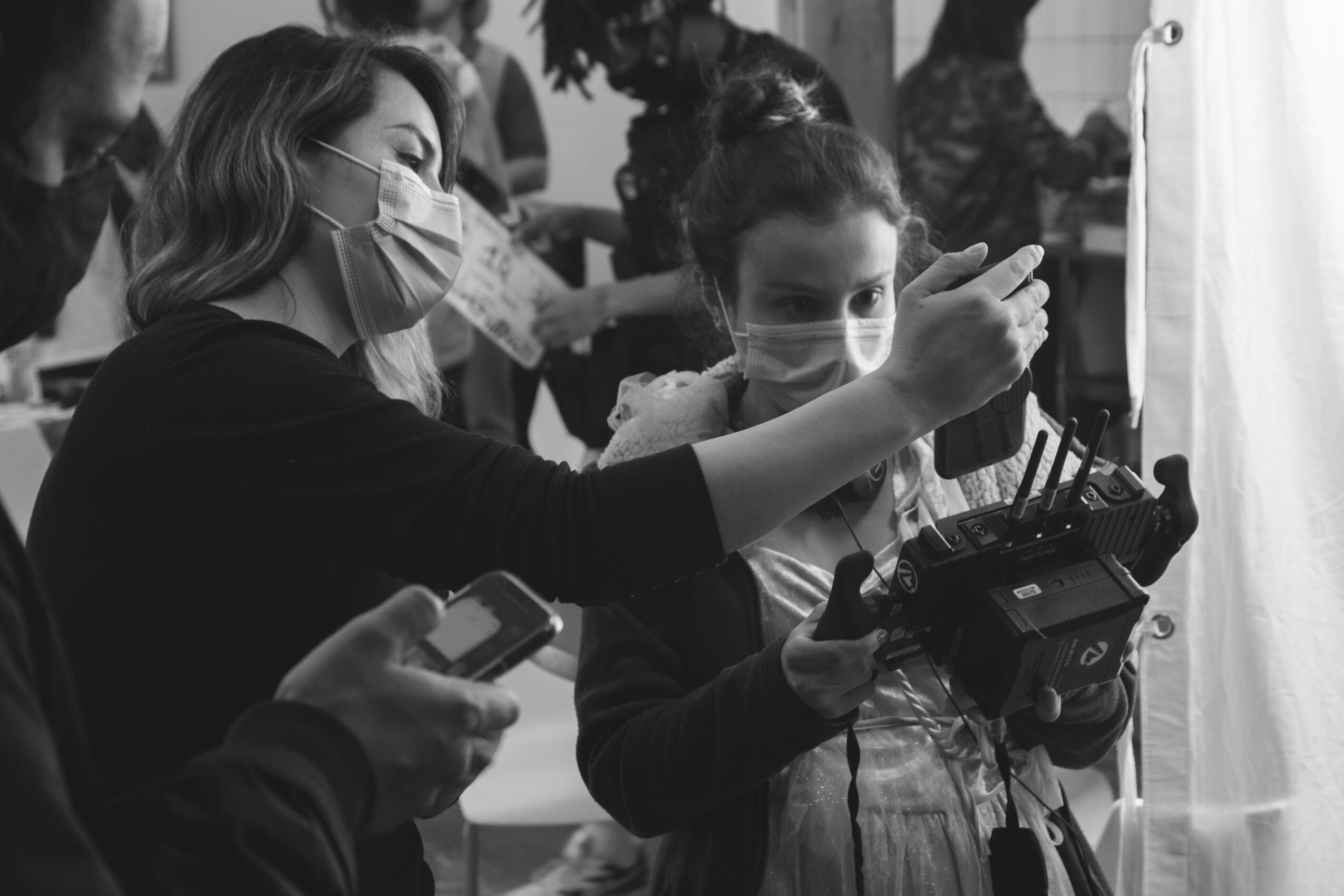
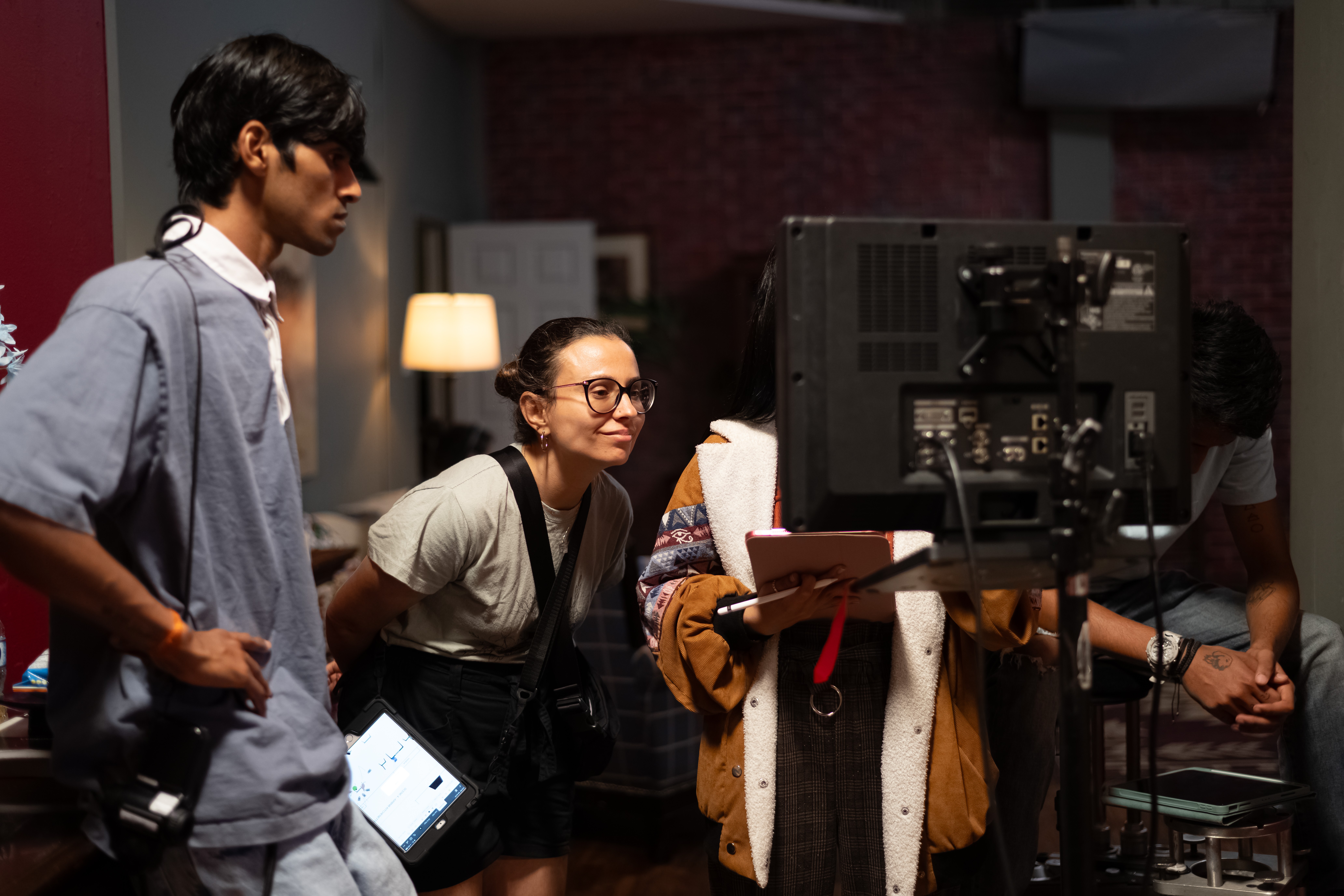
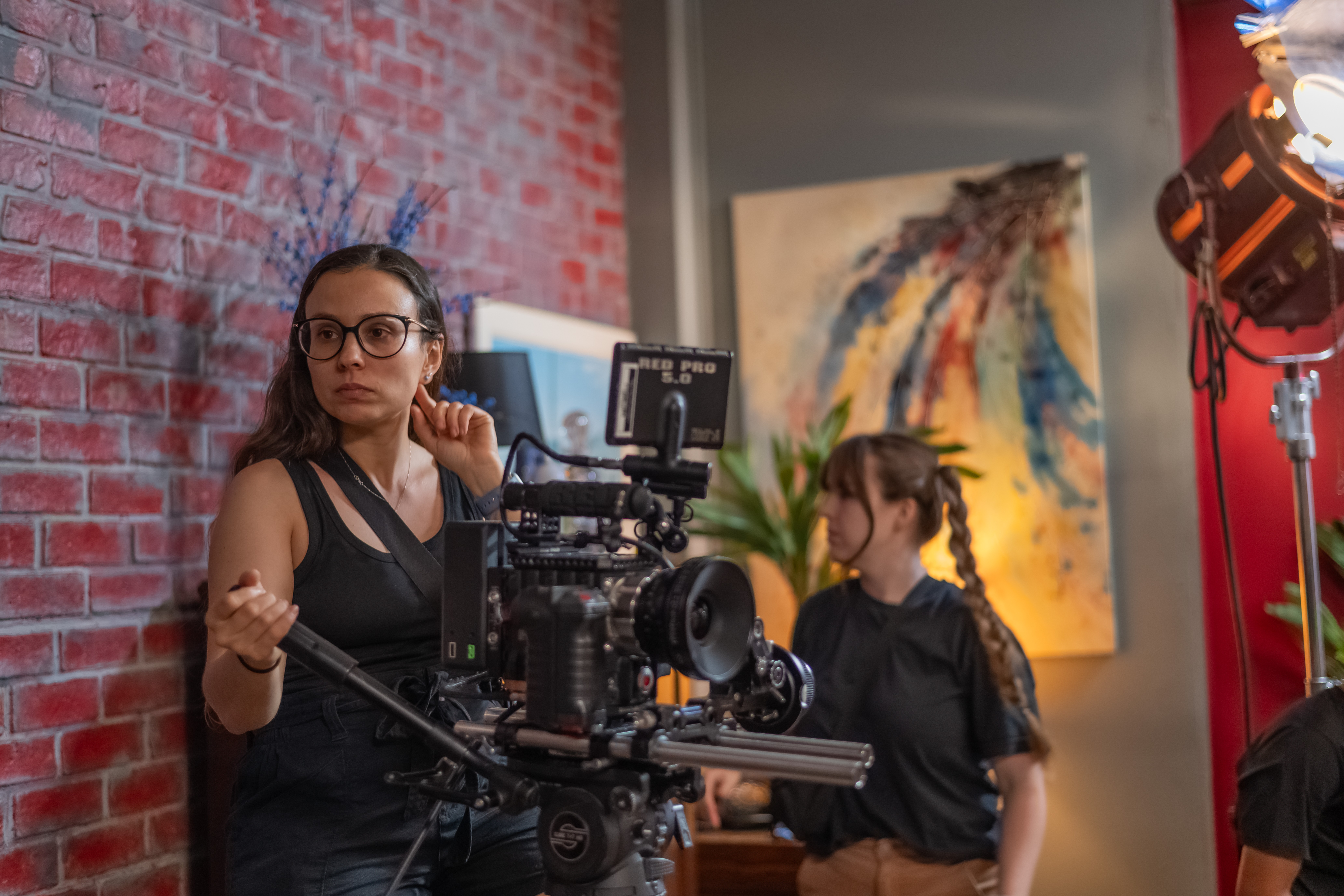
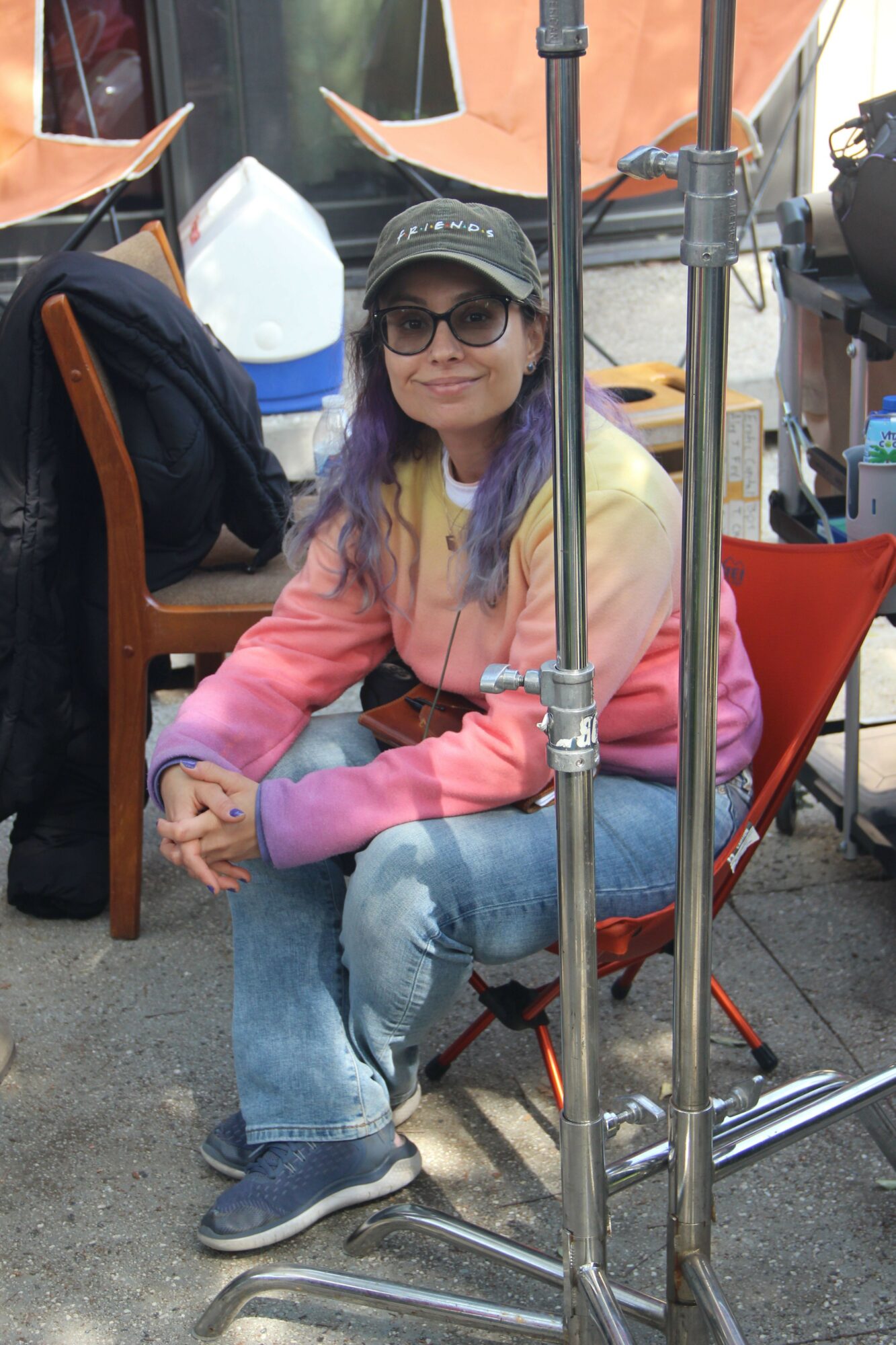
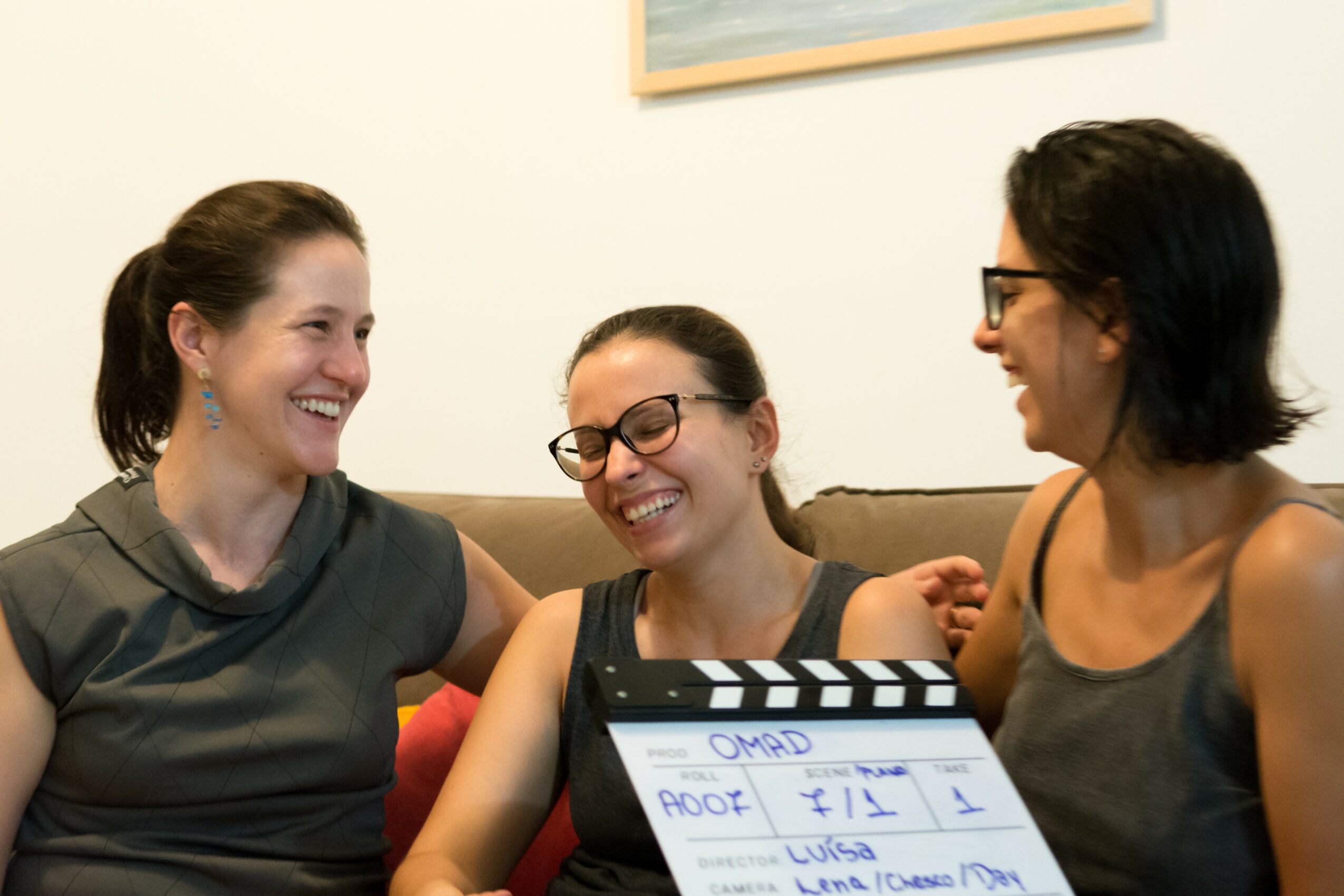
Image Credits
Paula Neves, Ian Van der Werff, Kushagra Jain, Bruno Bondarenv de Souza
Popular
-

Portraits of the Valley
-

LA’s Most Inspiring Stories
-
Inside the Future of Search: Robb Fahrion on Building a Global Team and Leading the Rise of GEO
-

From Supporting Local Boutiques to Building Brand Partnerships: Cinthia Jensen’s Creative Marketing Journey
-
Building Community Through Curiosity: Nathanial and Samantha Rowe on the Vision Behind UNEARTHED
-
Building Creative Bridges: Torrey Tayenaka on Community, Collaboration, and the Future of Sparkhouse


