




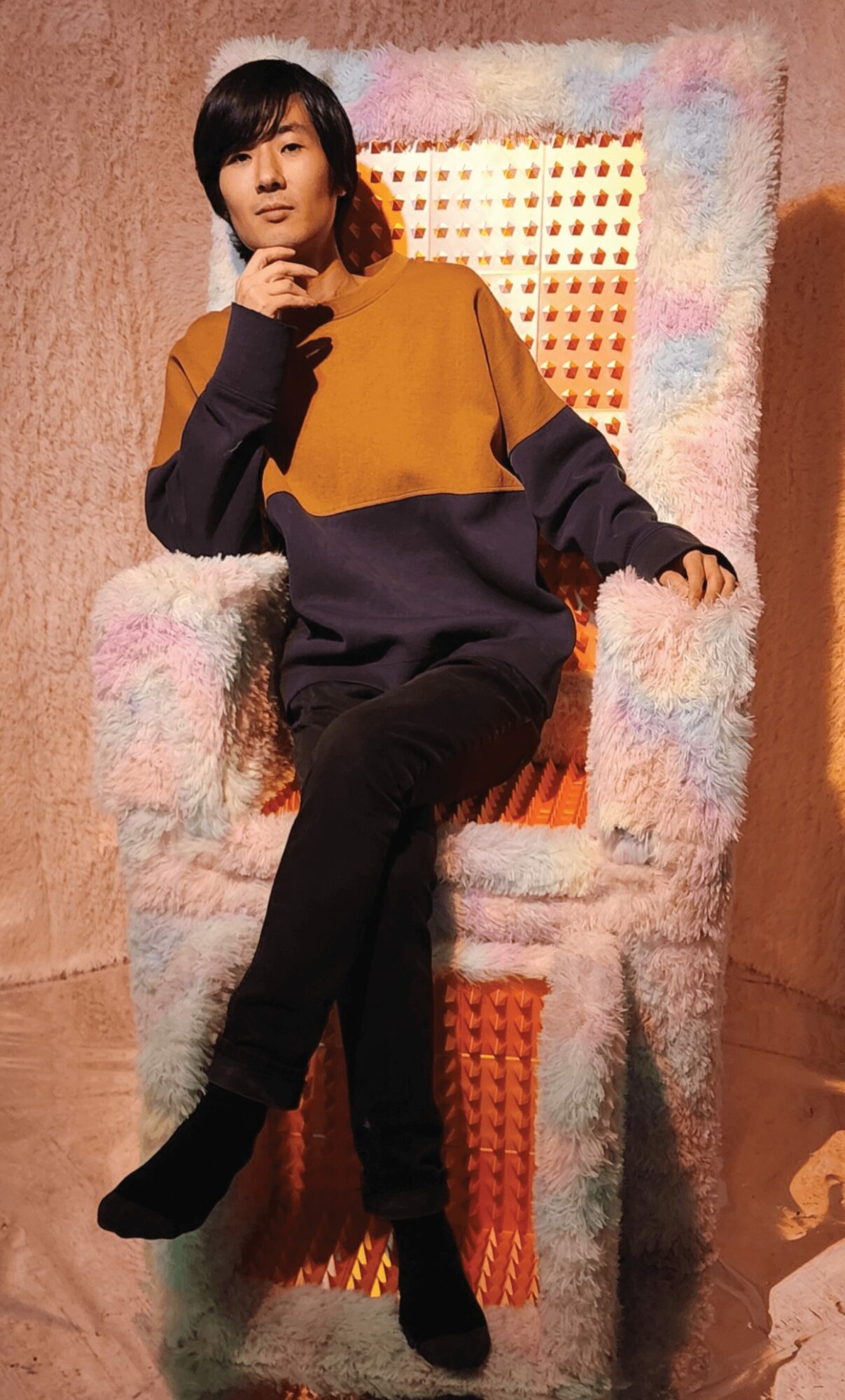
Today we’d like to introduce you to David (han Jin) Kim
Hi David (Han Jin), thanks for sharing your story with us. To start, maybe you can tell our readers some of your backstory.
I am a multidisciplinary artist based in New York, specializing in installation and interactive sculpture with a strong focus on 3D printing technology. My practice merges 3D printing with casting and mold-making, utilizing materials like resin and silicone to create immersive and thought-provoking works. In addition to my artistic practice, I am also a STEAM educator, teaching elementary students and fostering a hands-on approach to design.
My curiosity about 3D printing began in late 2019 when I took a 3D modeling class in college. My professor briefly introduced us to 3D printers and demonstrated their basic functions. I was immediately fascinated by their potential. However, the COVID-19 pandemic disrupted my studies, prompting me to return to Korea for safety. During my 18 months there, I purchased my first 3D printer and began experimenting with it. Through trial and error—especially failed prints and technical challenges—I taught myself invaluable skills.
In 2021, I returned to the U.S. for my final year of college. During my first semester as a senior, I was given a large studio space in the school’s sculpture department. With ample room to work and many peers eager to incorporate 3D printing into their projects, I decided to invest in my own printers to save time. What started with a single FDM printer quickly grew to a collection of two FDM and two SLA printers by the end of the semester. My deepening passion for 3D printing led me to work with a Greek sculptor, assisting in the additive manufacturing of his past works on a smaller scale.
Later, I had the opportunity to work at Peloton’s headquarters in NYC as a 3D prototyping technician. There, I collaborated with an exceptional engineers and prototyping team who exposed me to advanced additive manufacturing techniques. I gained hands-on experience working with and repairing 3D printers, a rare opportunity that significantly expanded my technical expertise. I also learned how to produce high-quality finished prints. This experience marked a turning point in my career, solidifying my passion for 3D printing and its limitless possibilities in art and design. Not long after leaving Peloton, I decided to establish my own art studio in Gowanus, Brooklyn.
What started with just four 3D printers I had purchased in college quickly expanded to 16—three SLA and 13 FDM printers—within a six months. This rapid growth was driven by an unexpected exhibition opportunities, which motivated me to upgrade my equipment to meet the gallery’s request for higher-quality work. The new printers, being faster and more precise, allowed me to elevate my art, making the exhibition a great success. Featuring renowned artists, musicians, and performers from around the world at ArtBath NYC x Blue Gallery, the event opened doors to even more opportunities, including a showcase at the University of Rochester and being invited to be an artist guest speaker in Toronto, Canada.
We all face challenges, but looking back would you describe it as a relatively smooth road?
There were times when I struggled with the decision of whether to fully commit to making art again and invest in a dedicated studio space—which would mean taking on the financial responsibility of rent—or to take a more stable path by working for a company like Peloton or another 3D printing firm. The latter option would allow me to keep 3D printing as a hobby from home using my original printer, without the pressures of running a studio.
I went back and forth, weighing the risks and benefits of each path, unsure if I was ready to immerse myself in art again. However, after taking a year and a half break from creating, I realized that my passion for making art hadn’t faded. I missed the creative process, the experimentation, and the thrill of bringing new ideas to life. Ultimately, I decided to take a leap of faith and secure my own studio space, knowing that, despite the uncertainties, this was the path that truly excited and fulfilled me.
This led to another challenge just a few months after securing my art studio. I needed to prepare for both my open studio event and a major city exhibition I had been invited to. As a sculptor, prototyping is a crucial step in transforming ideas into finished artwork. However, 3D printers are prone to breakdowns and failed prints, making production unpredictable.
I had to decide whether to invest in higher-quality printers. More printers would speed up production but also increase costs, material waste, and the likelihood of failed prints. Despite the risks, I took the plunge. The expenses exceeded my expectations due to machine issues and ongoing design refinements, but in the end, the investment proved worthwhile—the exhibition was a resounding success.
Thanks for sharing that. So, maybe next you can tell us a bit more about your work?
My work explores the cultural and aesthetic language of BDSM—examining themes of power, control, and societal perception. Having lived in Canada and the United States since childhood, I contrast these perspectives with those of Korea, where Confucian values often restrict open discussions about sexuality. I’ve noticed stark differences between East Asians who have lived abroad and those who have not.
My personal experiences have deeply shaped my art. When my family first discovered my interest in BDSM, their reaction was one of shame, a pivotal moment that pushed me to question societal taboos. During the COVID-19 pandemic, working at an adult shop in Korea exposed me to widespread misconceptions, amplified by negative customer reactions. Visiting BDSM bars in Korea further revealed a recurring issue: the overly dark, stereotypically “kinky” environments that seemed to reinforce fear and stigma rather than fostering a more welcoming and nuanced space.
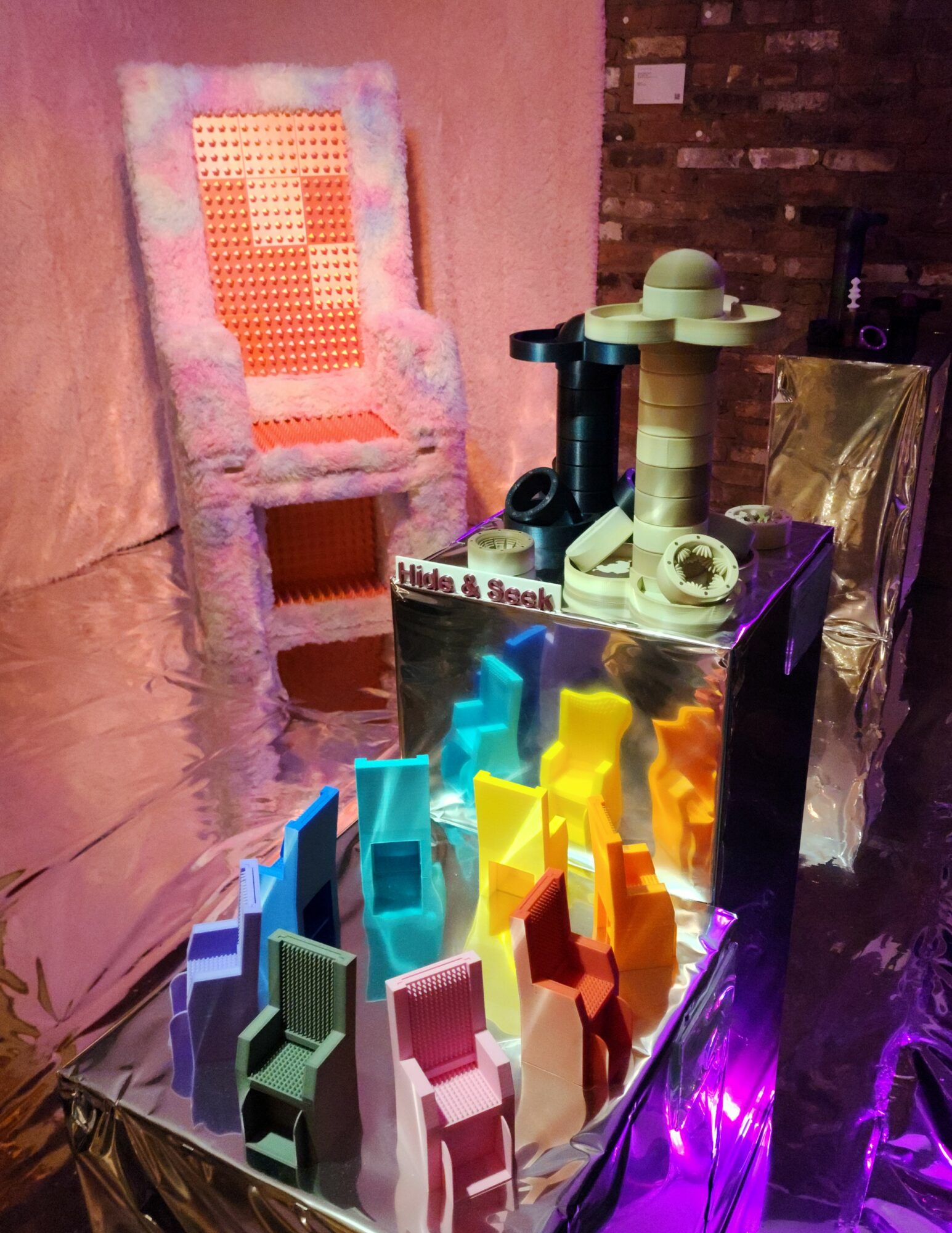
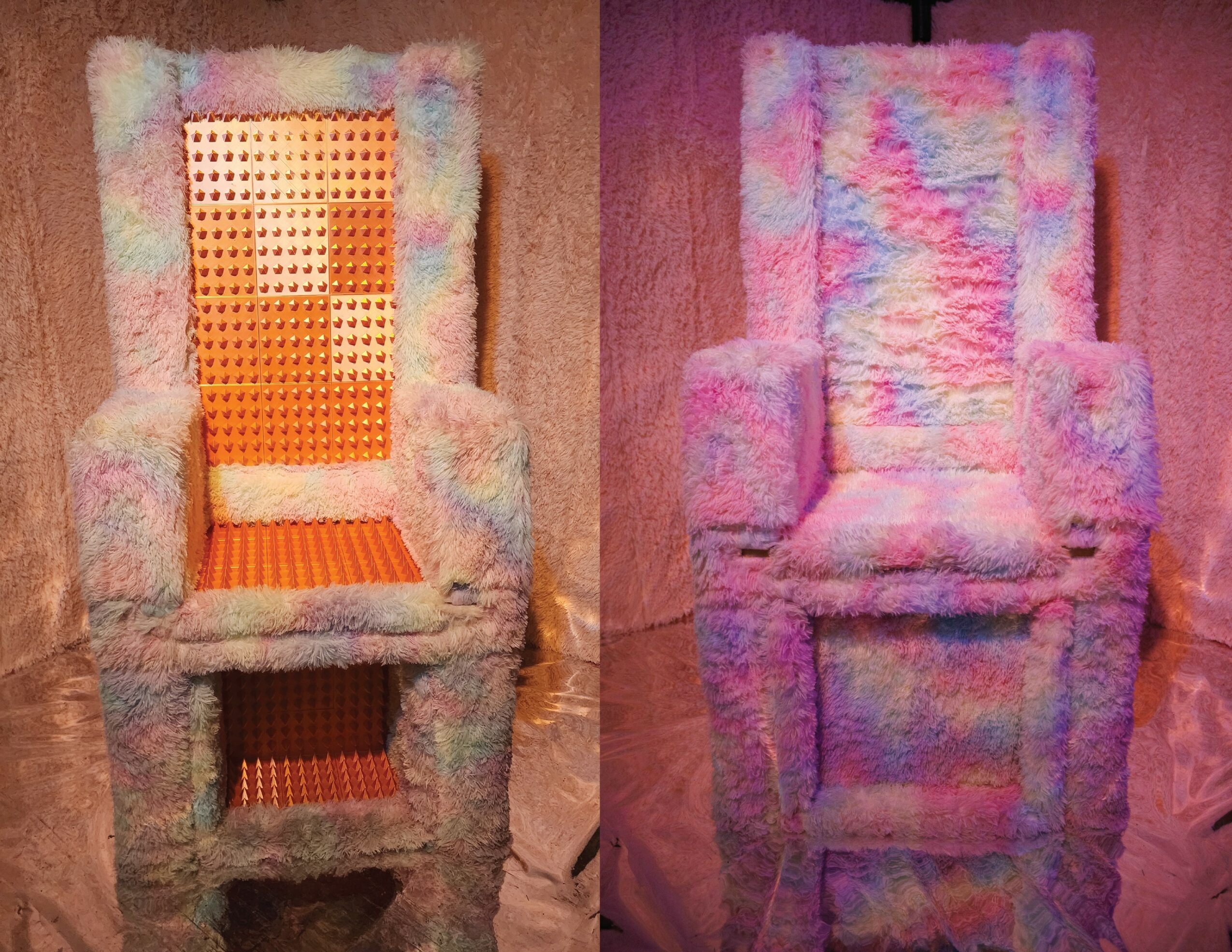
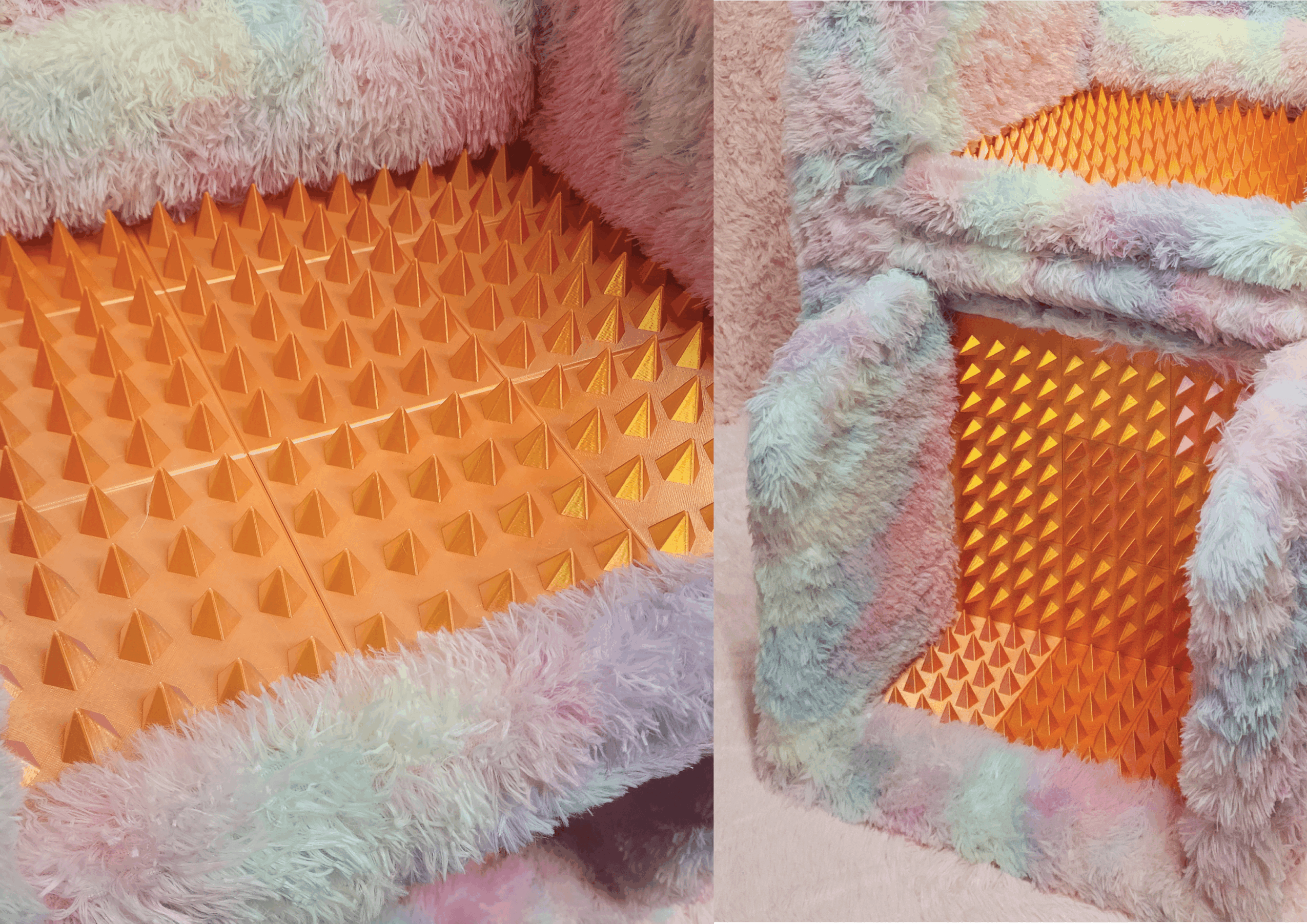
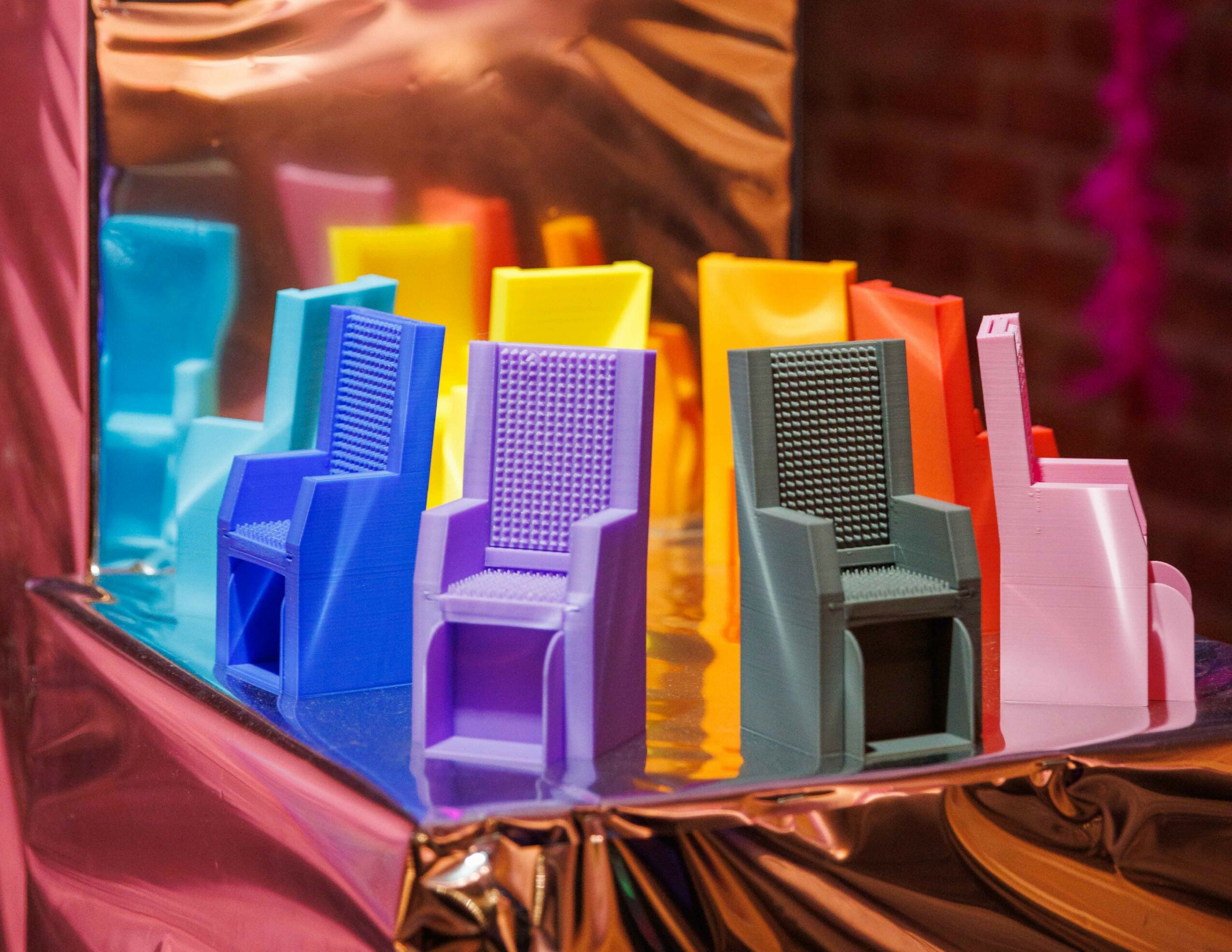
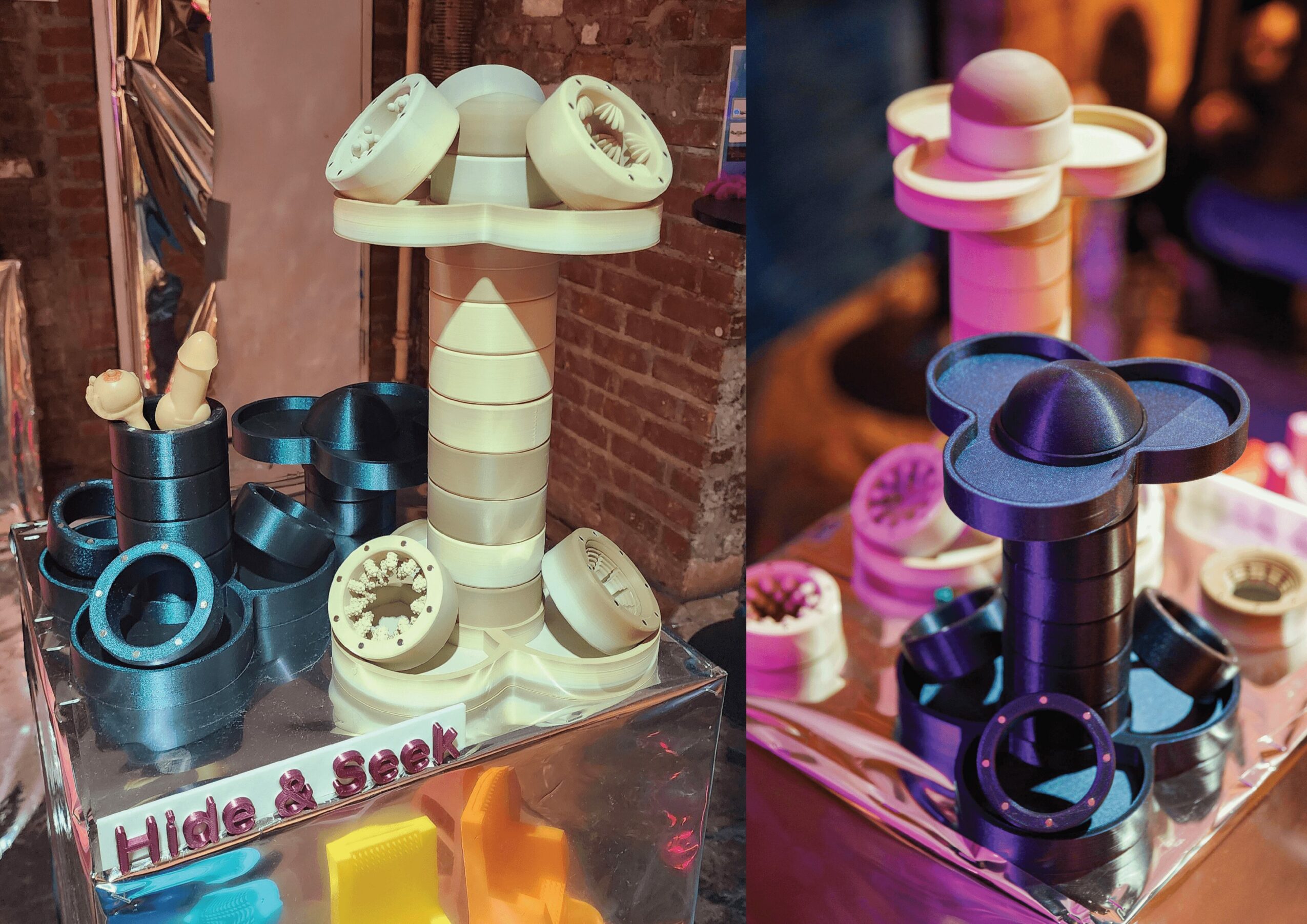
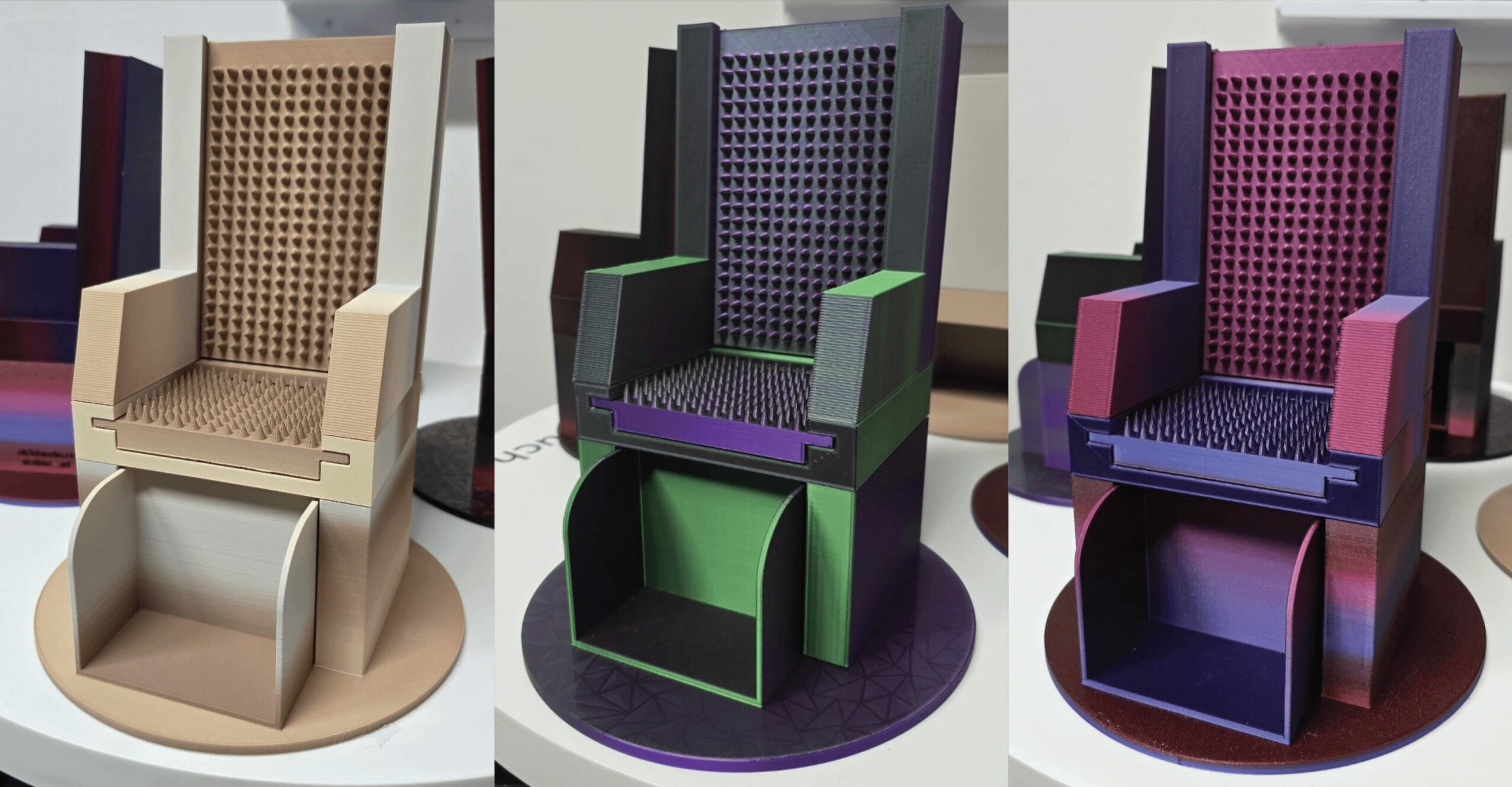
To challenge intimidating perceptions, I use 3D printing to design adult toy prototypes and furniture in vibrant colors, emphasizing that BDSM can be both joyful and fulfilling. By creating playful yet functional pieces, I strive to foster positive associations and reshape public perceptions. My meticulous prototyping process ensures that each design is both visually striking and highly practical. Through my work, I aim to break down misconceptions and contribute to broader conversations about sexuality, identity, and self-expression.
Pricing:
- 3D Print Chair – $35 – $110
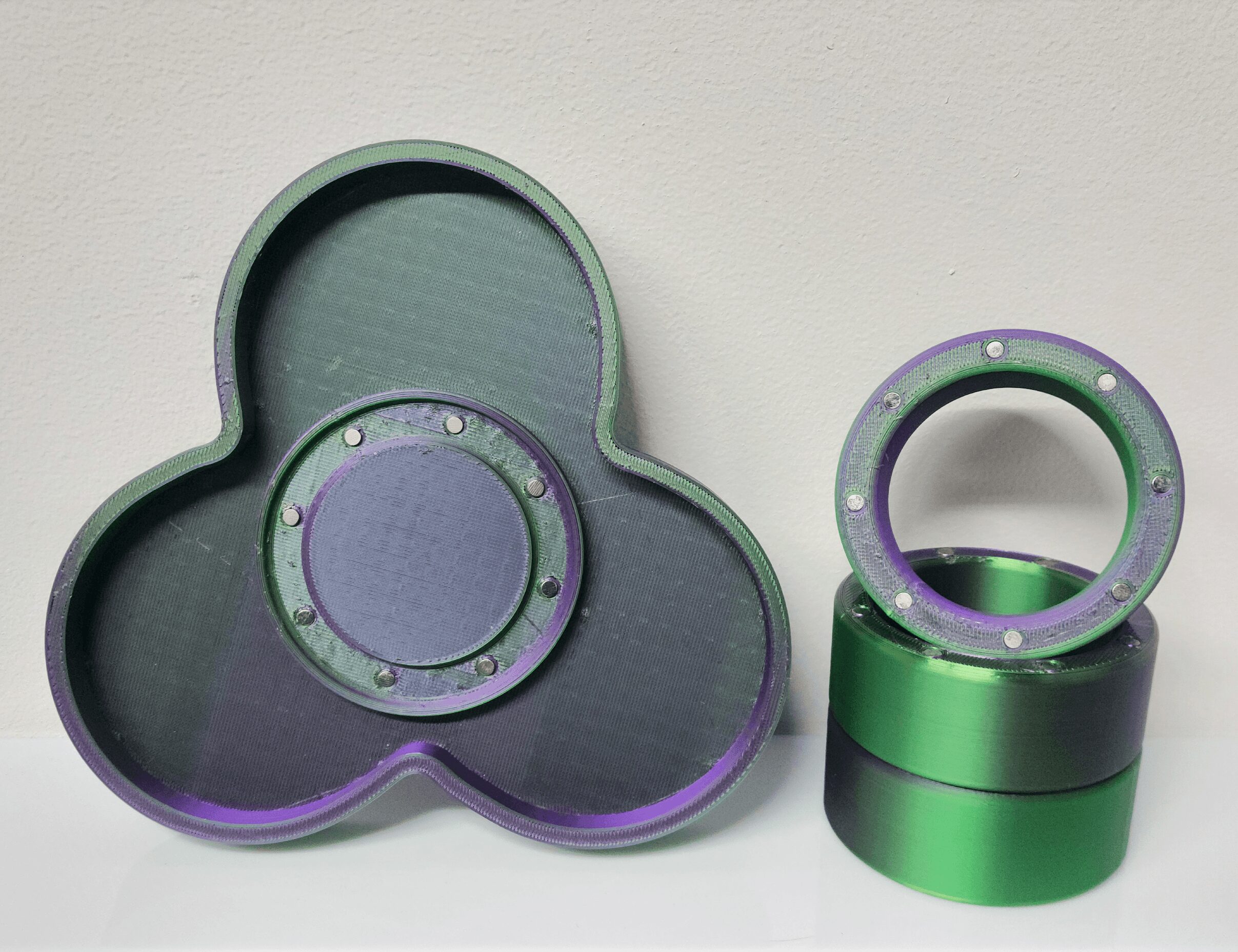
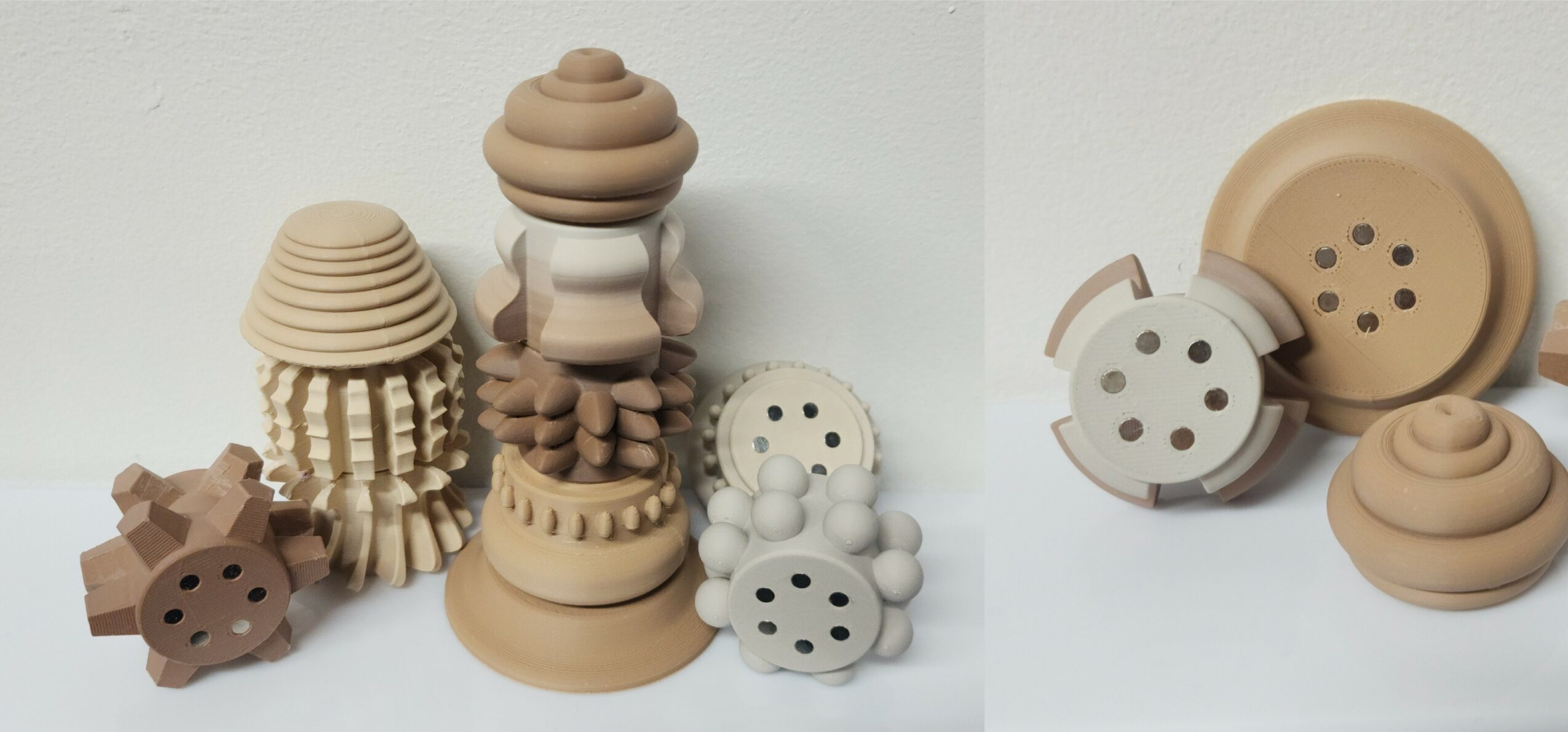
- Hide & Seek – $100
Contact Info:
- Website: https://www.dk3dstudio.com
- Instagram: https://www.instagram.com/dkim__art/
- LinkedIn: https://www.linkedin.com/in/david-kim-072520241/
Popular
-

LA’s Most Inspiring Stories
-

Maagic Collins on Building a Fearless Publishing Platform for Truth, Advocacy, and Underrepresented Voices
-

Los Angeles Barea on Turning Green Superheroes into a Global Movement for Youth-Led Change
-

Trisha DuVivier on Bridging the Franchisor–Franchisee Divide with Workhero and “Franulate”
-

Portraits of the Valley
-

Cedar Boschan on Elevating Black Music Rights and Driving Urgent Conversations Around Credit, Equity, and Artist Protection


