




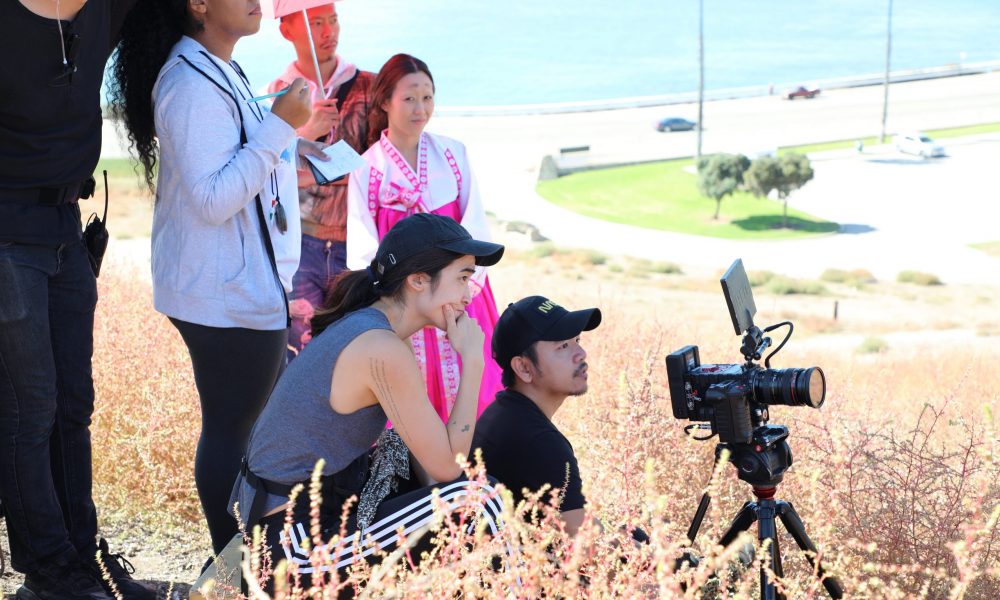
Today we’d like to introduce you to Christina YR Lim.
Alright, so thank you so much for sharing your story and insight with our readers. To kick things off, can you tell us a bit about how you got started?
I initially set out to be a theatre artist, after falling in love with the art form in college. I immediately moved to NYC and trained at a 2-year conservatory hoping it would launch me into a creative life of storytelling. But this was back in the early 2010s when being a POC performer meant you had to rely on stereotypical casting to make any sort of living. So after several years of trying to navigate this without falling into this pitfall, I grew increasingly frustrated. It led me to the realization that if I wanted the simple privilege of telling truthful human stories, I would have to tell my own. By then, the lack of AAPI voices was glaringly obvious to me, and contributing to changing this fact became my main creative goal. Without a moment of hesitation, I changed courses to filmmaking and have dedicated myself to creating dynamic AAPI stories ever since.
We all face challenges, but looking back would you describe it as a relatively smooth road?
Interestingly, the years before I changed courses to filmmaking were my biggest struggles. I think it was because it was before I realized my creative motive was to tell AAPI stories which made my direction much more aimless. Since cultivating a deep passion for bringing AAPI voices to mainstream media, I have had creative struggles in that I have much to learn about the film industry and an endless amount of growing to do as a creative. But I have been fortunate because having this bigger understanding of why I tell stories and what effect I hope they will have, has served as a compass for all my creative endeavors.
As you know, we’re big fans of you and your work. For our readers who might not be as familiar what can you tell them about what you do?
I often tell people that I’m stuck in my tween years because I love to tell coming-of-age stories, especially focusing on those awkward adolescent years when we shift from being told how our world is to learning to define it for ourselves. (Maybe because I’m truly still trying to figure this out for myself?) I also tend to explore this in family dynamics that are AAPI driven (of course) and grounded in comedy.
In terms of your work and the industry, what are some of the changes you are expecting to see over the next five to ten years?
In the next decade or so, I hope my industry goes further toward inclusion and diverse voices. But my guess (and hope) is that there will be much more dynamics within diverse voices. What I mean is – as a Korean-American filmmaker, I’m often asked to bring that aspect of my voice to the forefront. But the truth is, the heart of my stories is never about being Korean. It’s usually about something that’s human and universal and the story just happens to be told through the Korean lens. I think in the next coming years, the industry will learn how to treat POC stories more in this way which will be the gateway to incredibly innovative and dynamic stories that we have yet to see.
Contact Info:
- Website: https://www.christinayrlim.com/
- Instagram: https://instagram.com/christinayrlim


Popular
-
Inside the Future of Search: Robb Fahrion on Building a Global Team and Leading the Rise of GEO
-

From Supporting Local Boutiques to Building Brand Partnerships: Cinthia Jensen’s Creative Marketing Journey
-

Building Community Through Curiosity: Nathanial and Samantha Rowe on the Vision Behind UNEARTHED
-

Portraits of the Valley
-

LA’s Most Inspiring Stories
-
Building Creative Bridges: Torrey Tayenaka on Community, Collaboration, and the Future of Sparkhouse


