




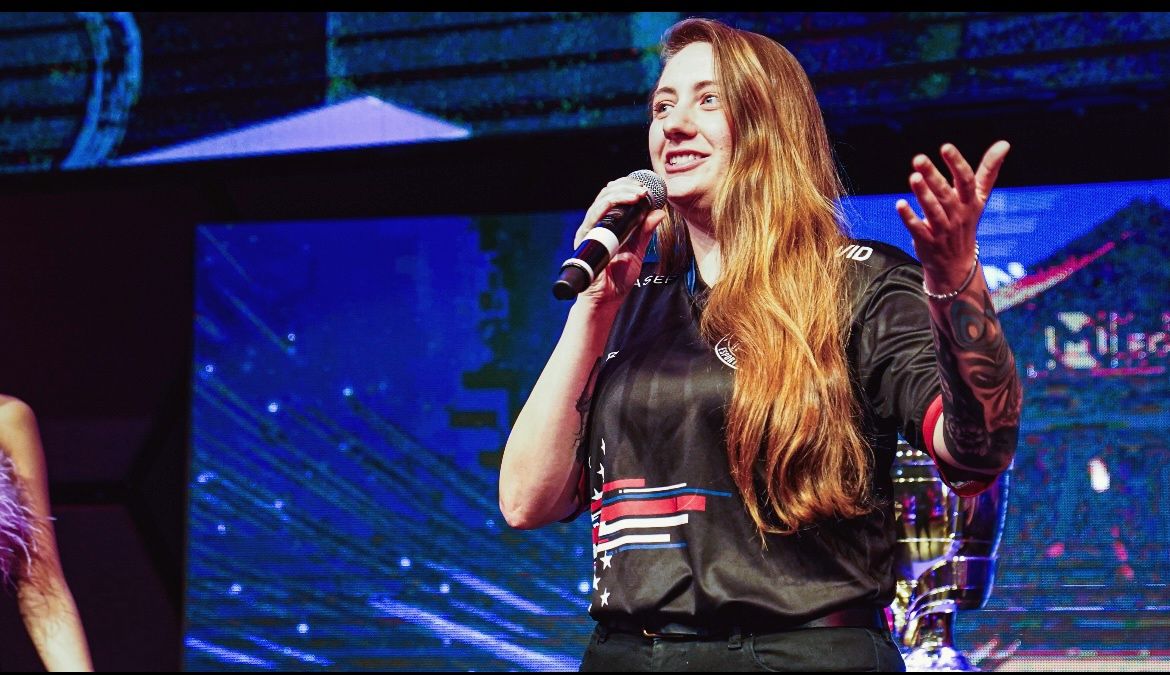
Today we’d like to introduce you to Bethany Pyles
Hi Bethany, can you start by introducing yourself? We’d love to learn more about how you got to where you are today?
My name is Bethany Pyles, and I go by the handle “Indyburgh” online. My online persona reflects my roots—”Indy” comes from Indianapolis, Indiana, where I was born, and “burgh” is from Pittsburgh, Pennsylvania, where I was raised. Both cities have a strong sports culture and an industrial feel that still resonates with me today. I grew up surrounded by brick houses, cold winters, steaming pierogies, and an unwavering loyalty to your team. In addition to that, I was also raised in a family of music teachers, which left a lasting imprint on me. The influence of those educators shaped how I coach, build curriculum, and approach public speaking today. With two older brothers who were into video games and fantasy football, those interests quickly became a part of my life too. Little did I know that my gaming handle would grow to have such significance as time went on.
After earning my Bachelor of Arts in Anthropology, I moved to San José, Costa Rica, to enroll in an immersive Spanish language academy. That experience became the catalyst for my next move—to Santa Cruz, Bolivia, where I lived and worked as a TEFL instructor and international basketball coach for several years. I fulfilled a deep desire to travel and experience life far from home. Eventually, I returned to the U.S. and began using my degree as a social worker, spending several years as a caseworker for refugees and survivors of intimate partner violence.
Throughout all of this, gaming remained a constant in my life. It helped keep my inner child healthy, especially during the stress of moving across the world and absorbing the trauma that came with long shifts as a caseworker. When I hit a point of burnout, I started to reflect on what consistently brought me joy. That’s when I realized how much gaming, like traditional sports, had always fueled my competitive nature and connected me with others. I began to engage more deeply with the growing community of esports enthusiasts.
Eventually, my passion for gaming and my desire for a new chapter led me to Long Beach, California, where I became the Esports Coaching Director for Connected Camps. This was my first major step into the world of esports and competitive gaming. I was lucky to work alongside two brilliant professors and authors, Katie Salen and Mimi Ito, who mentored me and helped shape me into the leader I am today. Their expertise in play, technology, and design had a huge impact on me. Together, we built North America’s first online esports coaching program for high schools. After three years, we were providing near-peer esports coaching to thousands of students across the region. My role involved recruiting, training, and managing collegiate coaches who would be placed in high schools with thriving esports programs, helping teams compete in tournaments.
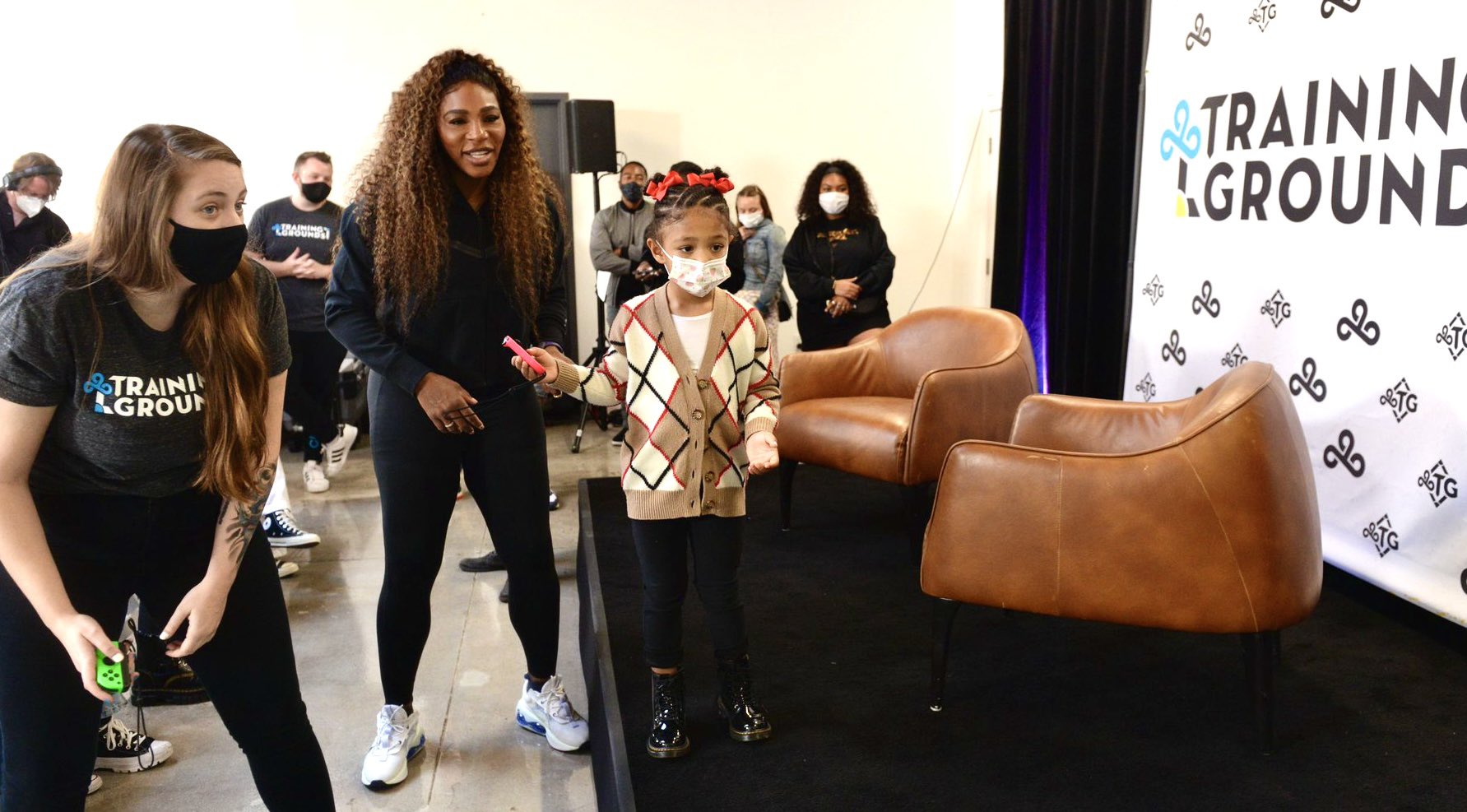
As my reputation in the industry grew, I had the privilege of authoring and facilitating the Microsoft Esports Teacher Academy and the NASEF Esports Coaching Academy. Not long after, I joined Cloud9 as the Director of Coaching, where I worked on their “Training Grounds” program, which provides coaching to gamers with different skill levels. A highlight during my time with Cloud9 was organizing a Growth Mindset initiative with Serena Williams, aimed at bridging traditional sports and esports through coaching and mentorship.
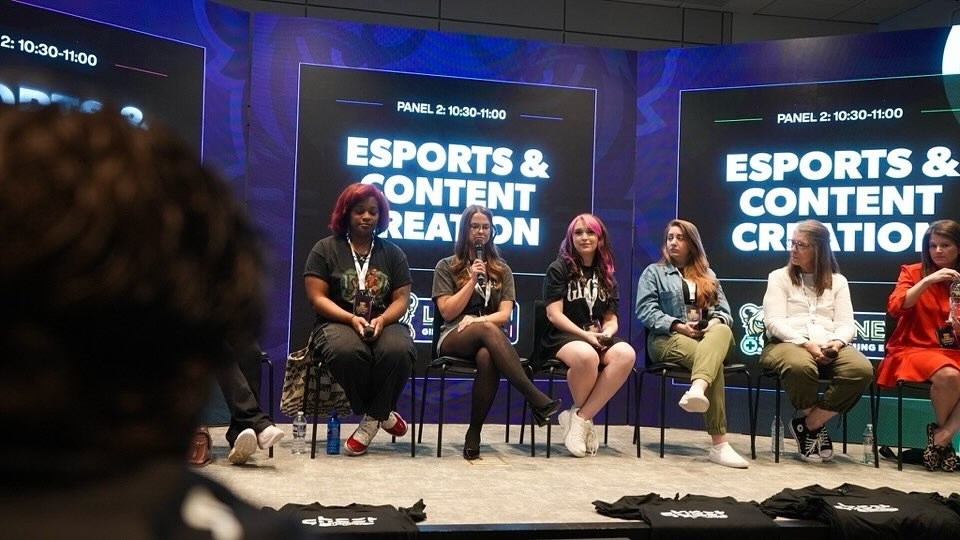
One thing that became obvious as soon as I entered the esports world was the lack of diversity. The majority of teams, players, and staff were men, and that imbalance pushed me to advocate for more inclusivity. I started speaking at events about the importance of player development and the need to uplift marginalized communities in gaming. This advocacy led me to collaborate with like-minded teams and organizations, where I began organizing women-focused tournaments, consulting marketing agencies, and creating safe spaces for underrepresented gamers to thrive and be celebrated.
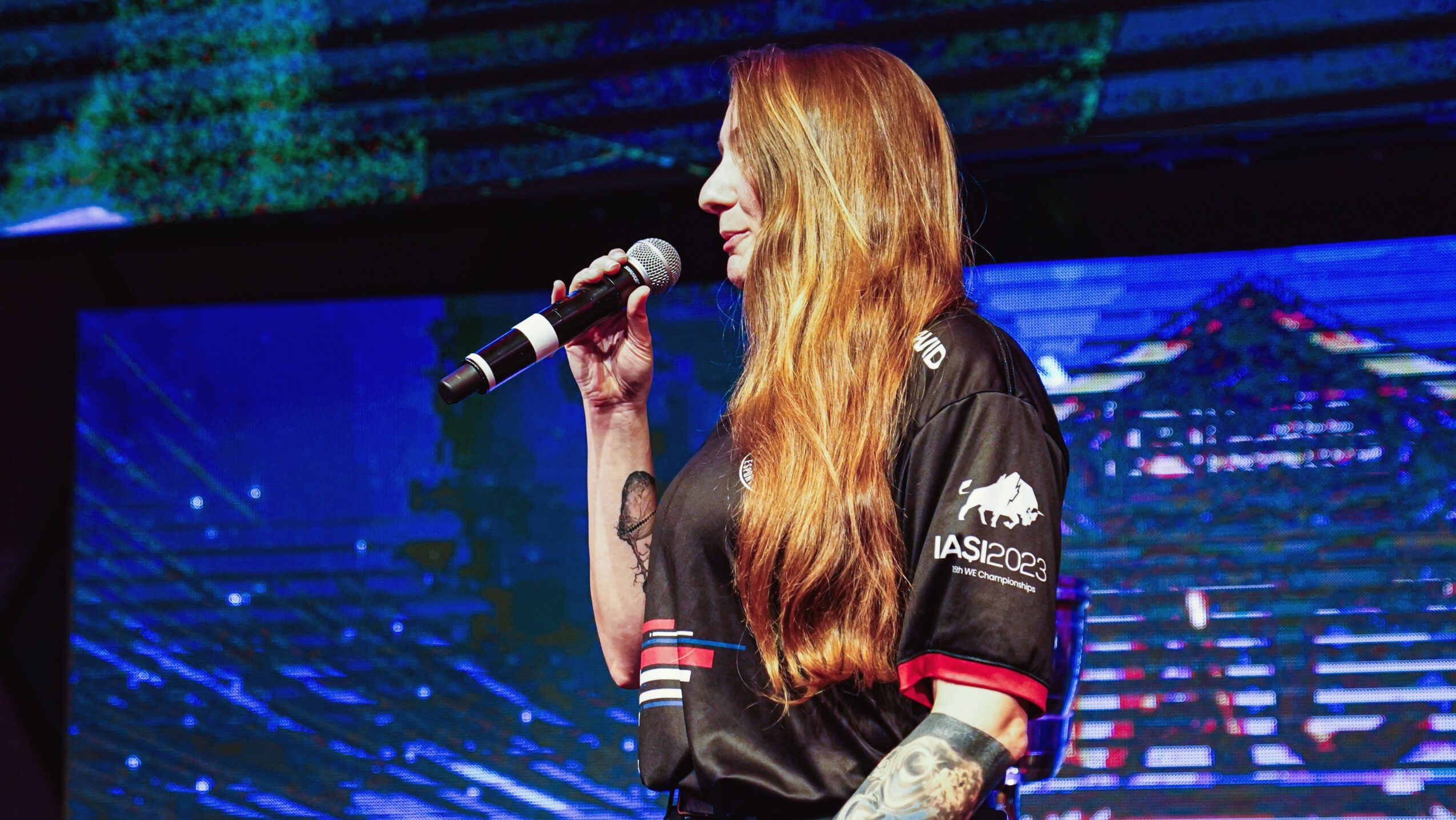
Currently, I’m working with the United States Esports Federation as the Player Development Specialist, where I recruit, coach, and manage six teams of athletes who compete and train internationally.
Can you talk to us a bit about the challenges and lessons you’ve learned along the way. Looking back would you say it’s been easy or smooth in retrospect?
I’ve always believed that anything worthwhile is going to be challenging, and that’s something I carry into my coaching. Conflict is inherent in the game—it’s not something you avoid or eliminate. Instead, it’s an opportunity to solve for a win. That’s true in esports, and it’s true in life. Whether it’s in work, relationships, or personal goals, when things get rocky, it pushes us to show up and get creative with our next move. Just like in a game, overcoming challenges often requires a combination of planning, patience, perseverance, and a supportive network.
This industry is still young, which means there’s so much to build and not a lot to learn from yet. It’s a constant cycle of trial and error, failing, and getting back up again. Having worked in both for-profit and non-profit spaces, I’ve learned that no matter the end goal, surrounding yourself with leaders you can learn from is key to avoiding major roadblocks. And just as important, staying a lifelong learner is the first step to becoming an expert in your field.
With the rapid changes in technology, digital marketing trends, and evolving community interests, it’s critical to have expertise but also the flexibility to adapt. It’s about constantly reinventing, re-creating, and strategizing while staying curious about new possibilities. That challenge is what fuels my passion for this work—but I’ll admit, it’s not for everyone.
Can you tell our readers more about what you do and what you think sets you apart from others?
I work in esports, specializing in coaching and development. Currently, I manage and coach six teams of athletes for the United States Esports Federation, where we train and compete internationally. This year, I had the opportunity to travel and train athletes in Jakarta, Indonesia, and Daejeon, Korea, which were both eye-opening experiences on the global network of esports and a pathway for cross-cultural exchange between nations.
What sets me apart is my focus on inclusivity and creating safe spaces for marginalized communities. The industry is still male-dominated, and I’ve made it my mission to not only develop talent but also create opportunities for women and other underrepresented groups.
I’m especially proud of my advocacy for diversity in esports and the mentorship programs I’ve helped create, like Cloud9’s “Training Grounds” initiative. A standout moment for me was working with Serena Williams on a Growth Mindset project that connected traditional sports and esports through coaching and mentorship.
Having worked in a range of environments, from international coaching to social work, my broad experiences have given me a unique perspective. My focus isn’t just on preparing players for competition, but on developing people. I prioritize social-emotional skills, empathy, and creating well-rounded individuals who can thrive both in and out of the game. Esports is about more than just winning—it’s about building resilience, fostering teamwork, and helping players navigate challenges with confidence and compassion. That’s the kind of growth I aim to cultivate in every player. . In an industry that thrives on fandom and prize pools, my approach is unique in instilling mentalities and skills that empower the person, not just the player.
What quality or characteristic do you feel is most important to your success?
The quality I believe is most important to my success is a people-first approach focused on relationship building. In an industry that’s growing but still relatively small, the connections I make and the reputation I build can significantly impact my opportunities—whether it’s networking, receiving invitations to events, or landing job offers.
I’ve found that cultivating meaningful relationships allows me to connect with others on a human level, which is crucial in a space where collaboration and support are essential. By presenting myself authentically and showing genuine interest in the people I work with, I create an environment where trust can flourish. This approach not only helps me establish a strong network but also encourages open dialogue and shared growth.
This mindset has opened doors for me and enabled me to contribute to likeminded communities. In the end, it’s about letting people see you as a human, which is the foundation for building a lasting and positive impact in this industry. Gamers have a knack for spotting authenticity, and they naturally gravitate toward people who are real, transparent, and genuinely advocating for them.
Contact Info:
- Twitter: https://x.com/indyburgh
Popular
-

Portraits of the Valley
-

LA’s Most Inspiring Stories
-

Maagic Collins on Building a Fearless Publishing Platform for Truth, Advocacy, and Underrepresented Voices
-

Los Angeles Barea on Turning Green Superheroes into a Global Movement for Youth-Led Change
-

Trisha DuVivier on Bridging the Franchisor–Franchisee Divide with Workhero and “Franulate”
-

Cedar Boschan on Elevating Black Music Rights and Driving Urgent Conversations Around Credit, Equity, and Artist Protection


