




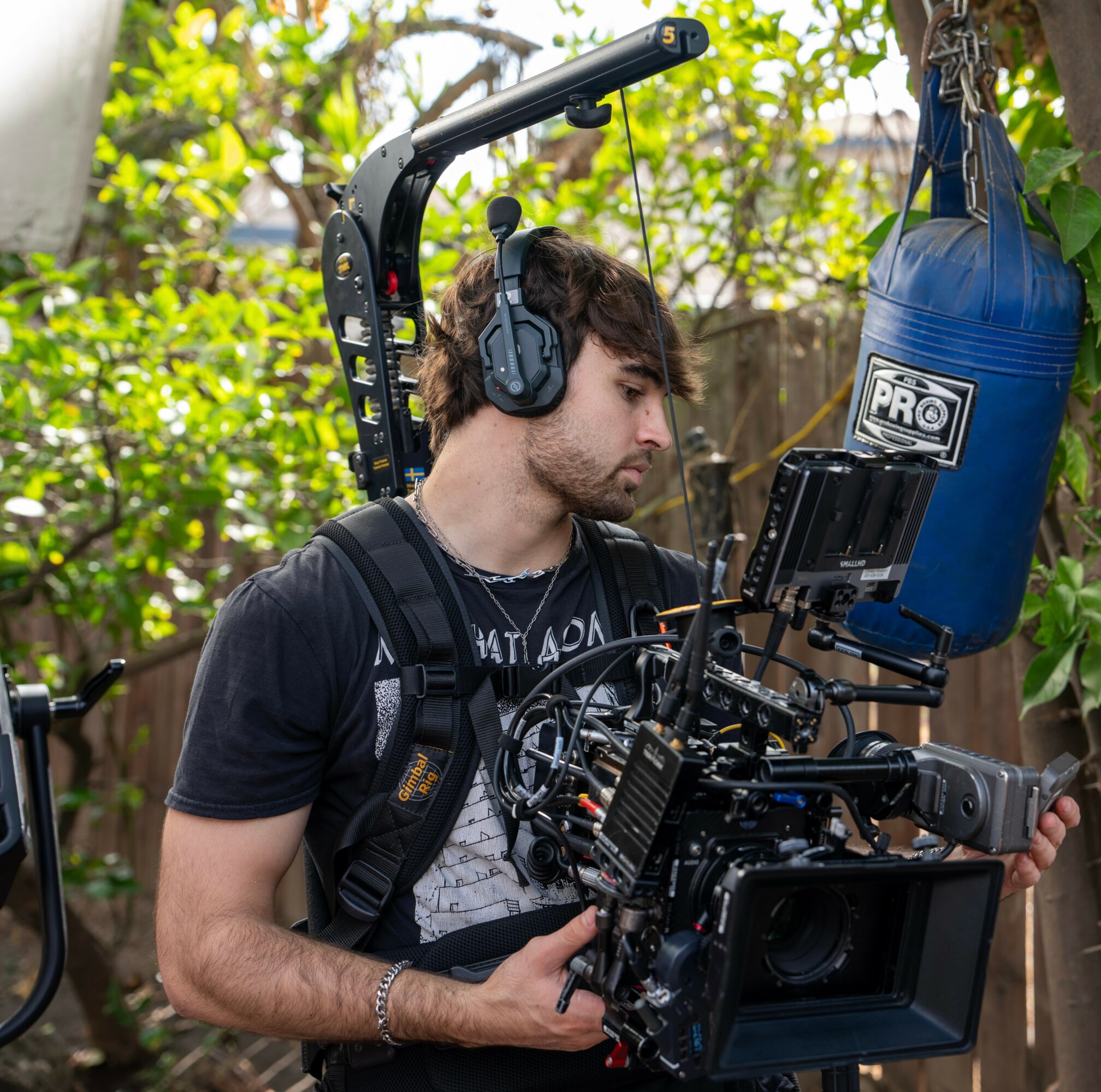
Today we’d like to introduce you to Alex Arguijo.
Hi Alex, so excited to have you on the platform. So before we get into questions about your work-life, maybe you can bring our readers up to speed on your story and how you got to where you are today?
From the beginning, I was always interested in photography and capturing moments. I got my first camera around 7th grade, a Canon Rebel T6i, and immediately became obsessed with using it. I would bring it everywhere: family trips, summer camps, hanging out with friends. I even started making recap videos of my friends at Woodward Tahoe, which was probably my first introduction to storytelling through film.
In high school, I took a summer class called K-Cat TV, where I made my first short film. Around that time, I became fascinated with action sports filmmaking. Growing up, I spent countless hours watching snowboarding and mountain biking documentaries and dreaming about creating films for companies like Red Bull or Monster Energy. At that point, college honestly wasn’t part of my plan. I thought I would graduate, move to LA, and figure things out as I went.
My parents had other ideas, though, so I started at a community college in the Bay Area. Because it was right after COVID, most classes were online, and it was honestly a difficult period for me socially and creatively. A lot of my friends had moved away, and I felt pretty isolated trying to figure out where I belonged.
Eventually, I visited some friends at Santa Barbara City College and realized it offered something I had really been missing: community. On top of that, SBCC has one of the strongest community college film programs in California, so transferring there felt like the right move.
Before SBCC, I had never really stepped foot on a film set. Suddenly, in my Production 1 class, I was DP’ing my first short film with a real crew around me. That experience completely changed everything for me. I learned so much in such a short amount of time and met many of the people who are still some of my closest friends today.
While at SBCC, my parents encouraged me to apply to four-year film schools. Up until then, I hadn’t really thought seriously about that path, but eventually I decided it was worth taking the opportunity seriously. After researching programs, I narrowed my list down to Chapman and LMU.
As I learned more about Chapman — the number of films they produce, the facilities, and the close-knit nature of the program — I realized it was where I truly wanted to be. I poured everything into my application and portfolio film. After being denied by LMU, I honestly thought my chances at Chapman were slim, so getting an interview felt huge. A few interviews later, I found out I had been accepted.
Chapman was a major turning point for me. My first year there was a wake-up call in the best way possible. I was surrounded by incredibly talented filmmakers whose work pushed me to take my craft more seriously and make the most of my time there. As a transfer student, it sometimes felt like I was playing catch-up socially and creatively, but that experience pushed me to work harder, collaborate more, and grow quickly.
Even though my time at Chapman was relatively short, it’s where I evolved the most as a filmmaker. Being surrounded by people who genuinely lived and breathed film every day was incredibly motivating, and I’m very grateful I had the opportunity to be part of that environment.
Now, post-grad, I’m in the stage of figuring things out and building a career one project at a time. The industry feels a lot more real once you leave school, and you quickly realize no one is going to hand you opportunities — you have to create them yourself. I’ve been lucky to work on some amazing projects with talented friends and collaborators, and right now my biggest goal is simply to keep creating work that everyone involved is genuinely proud of.
Alright, so let’s dig a little deeper into the story – has it been an easy path overall and if not, what were the challenges you’ve had to overcome?
I don’t think the road has been smooth by any means — it’s definitely had its ups and downs. Right now, the biggest challenge I’ve faced came from an independent production a few friends and I from Santa Barbara were working on. During the shoot, the truck carrying almost all of our equipment was stolen.
At first, it felt devastating just from a production standpoint, but the harder part has been everything that came afterward. We’ve made very little progress with insurance, and now a group of twenty-somethings is facing the possibility of being held liable for over $100,000 worth of gear. It’s a pretty overwhelming situation to navigate at this stage in our lives and careers.
I’ve spent a lot of nights replaying everything in my head and wondering what I could have done differently, but at this point it’s largely a waiting game while everything hopefully gets resolved. The part that weighs on me the most is that several incredibly generous people trusted us enough to lend gear for the project free of charge. Knowing that their equipment was taken and that they’re stuck in limbo while this gets sorted out has been really difficult.
At the same time, the experience has opened my eyes to how supportive and thoughtful the film community can be. So many people have reached out asking how they can help, and that support has genuinely meant a lot to me. We’re currently planning to launch a GoFundMe to help reimburse some of the smaller vendors while the insurance situation continues to unfold.
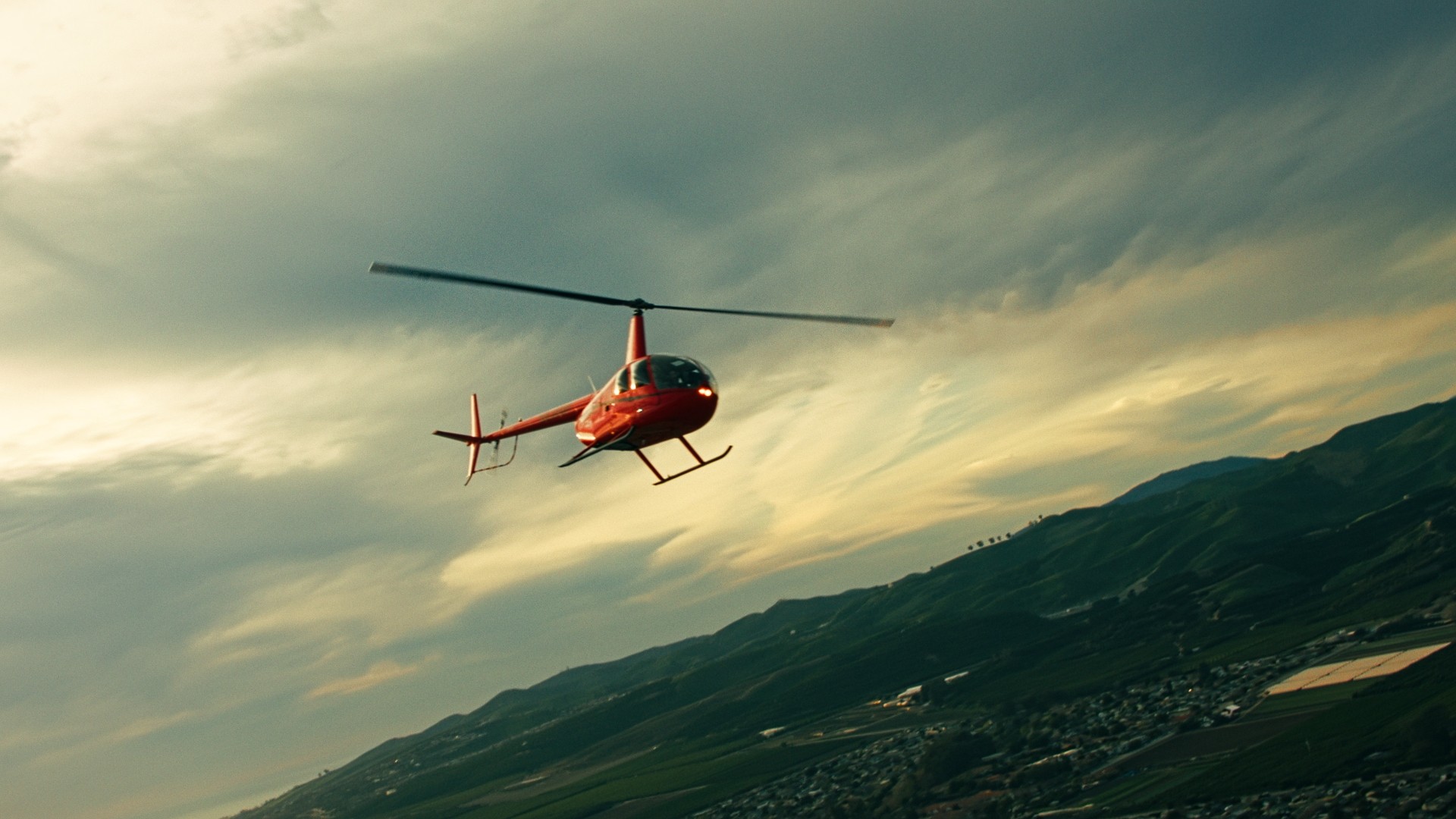
Not everything has been bad, though. I have been grateful to work on some super awesome projects, including stuff with helicopters, awesome travel shoots, and big clients.
Can you tell our readers more about what you do and what you think sets you apart from others?
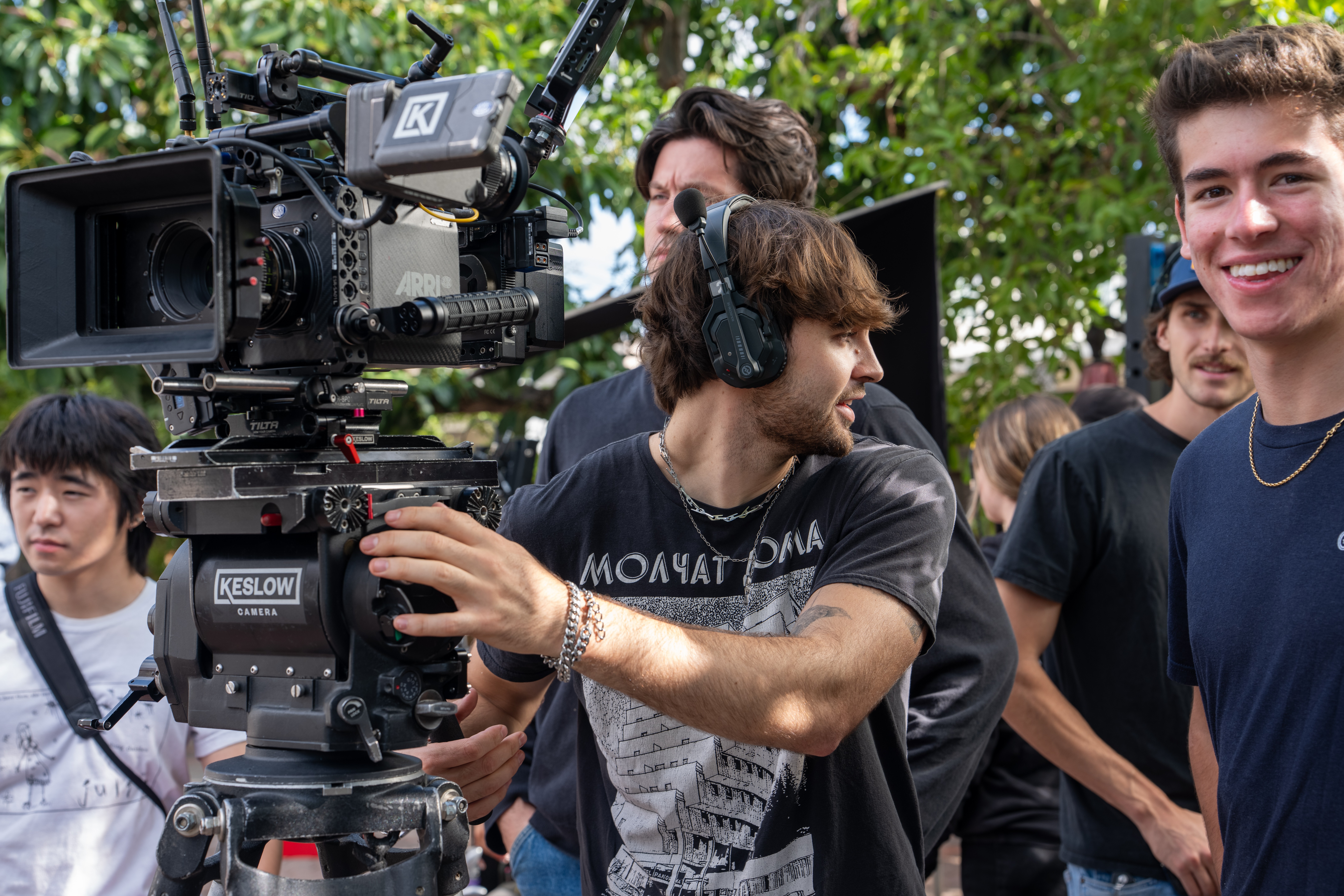
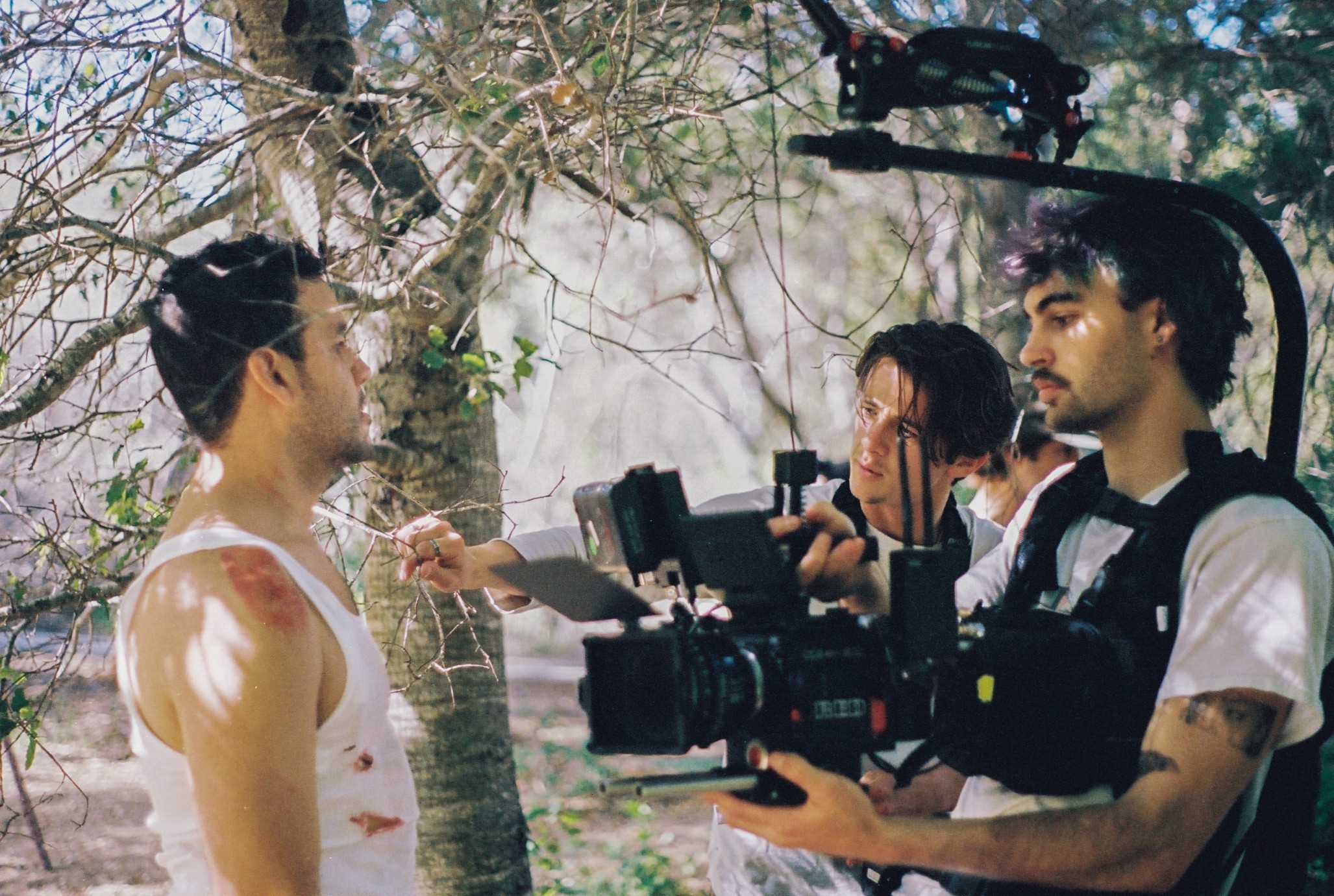
I primarily work as a cinematographer, which is where I feel the most at home creatively and where I believe I do my best work. At the same time, I also spend a lot of time camera operating and working in grip and electric, which has become an incredibly important part of my growth as a filmmaker.
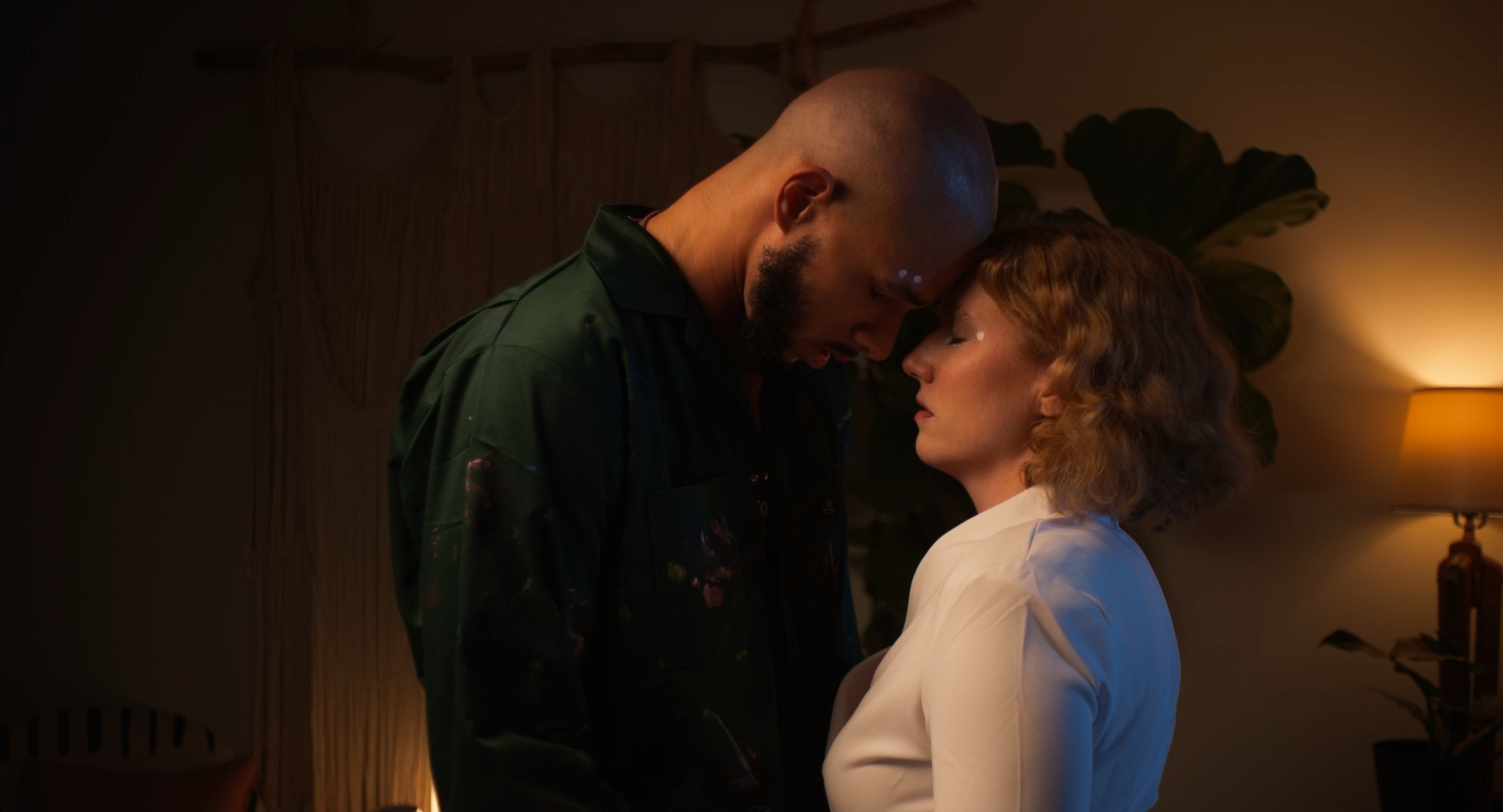
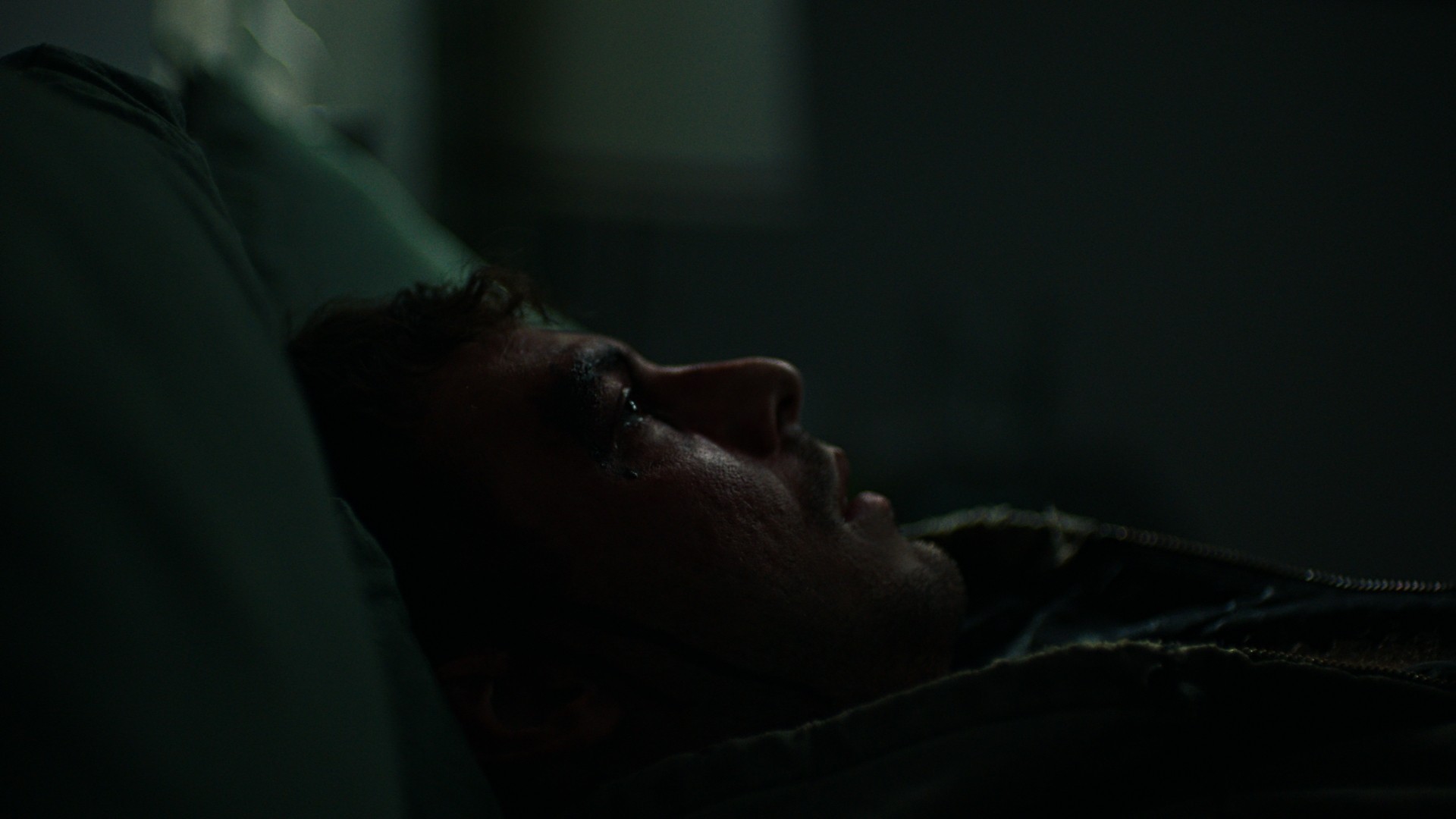
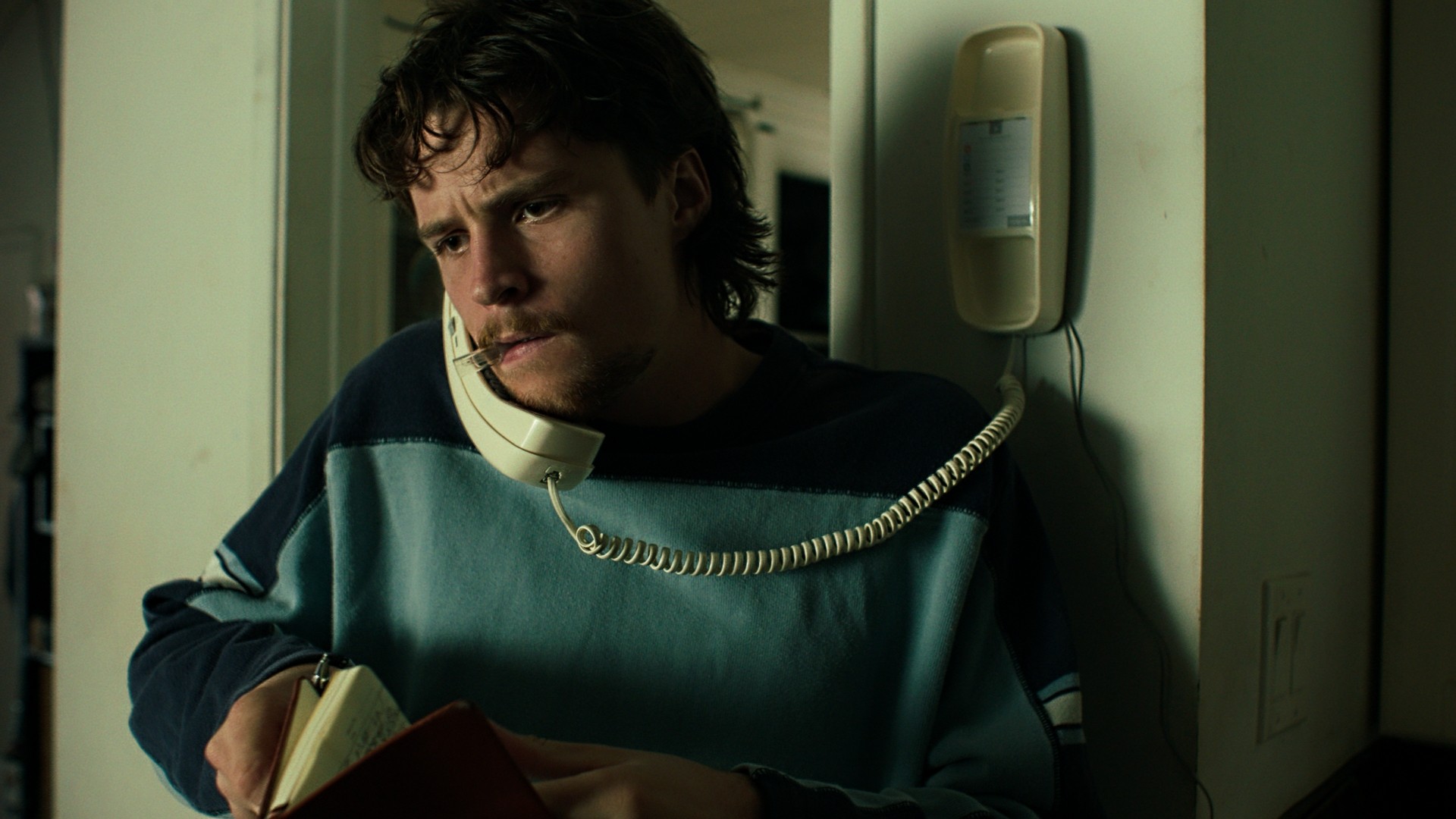
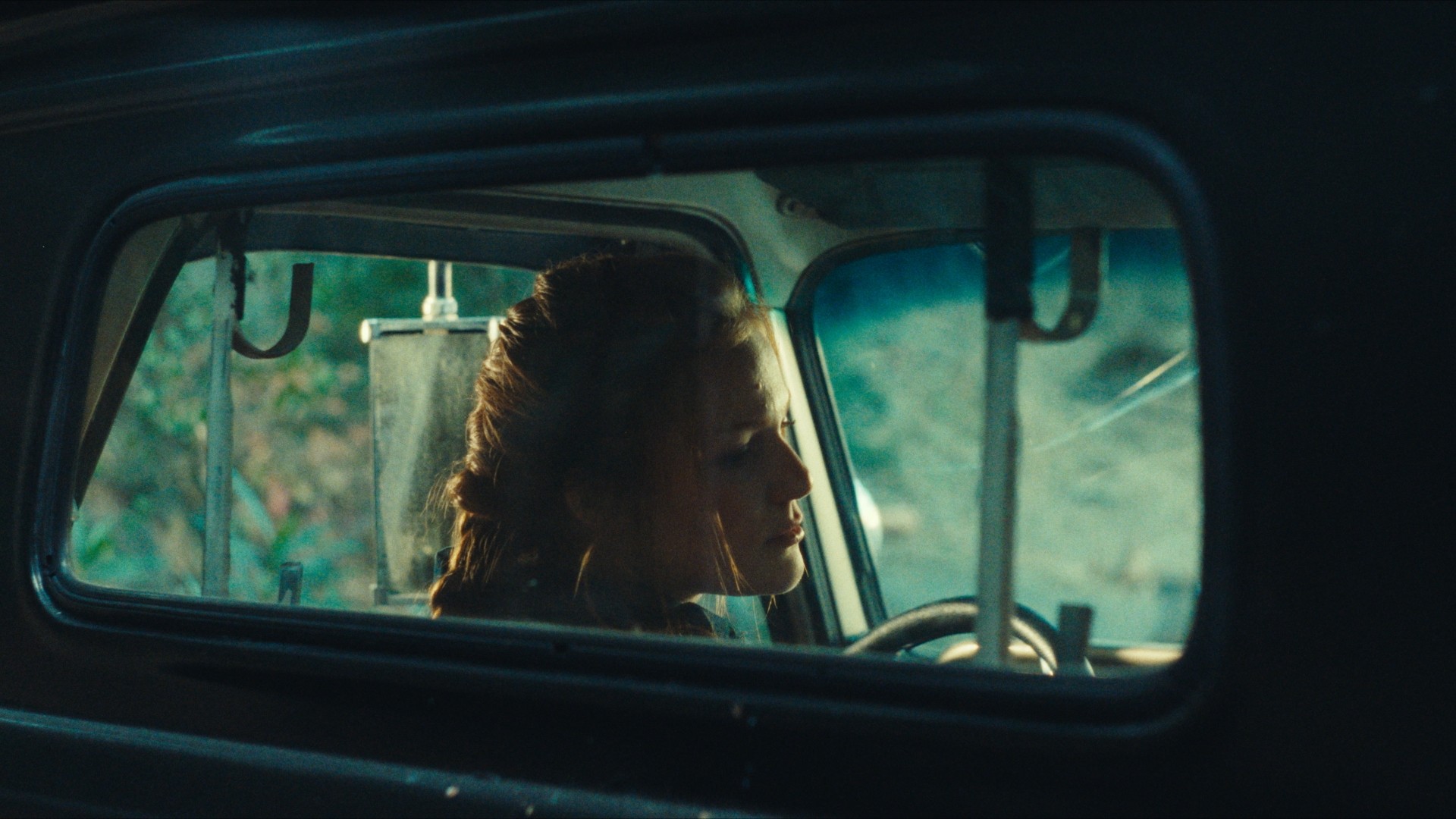
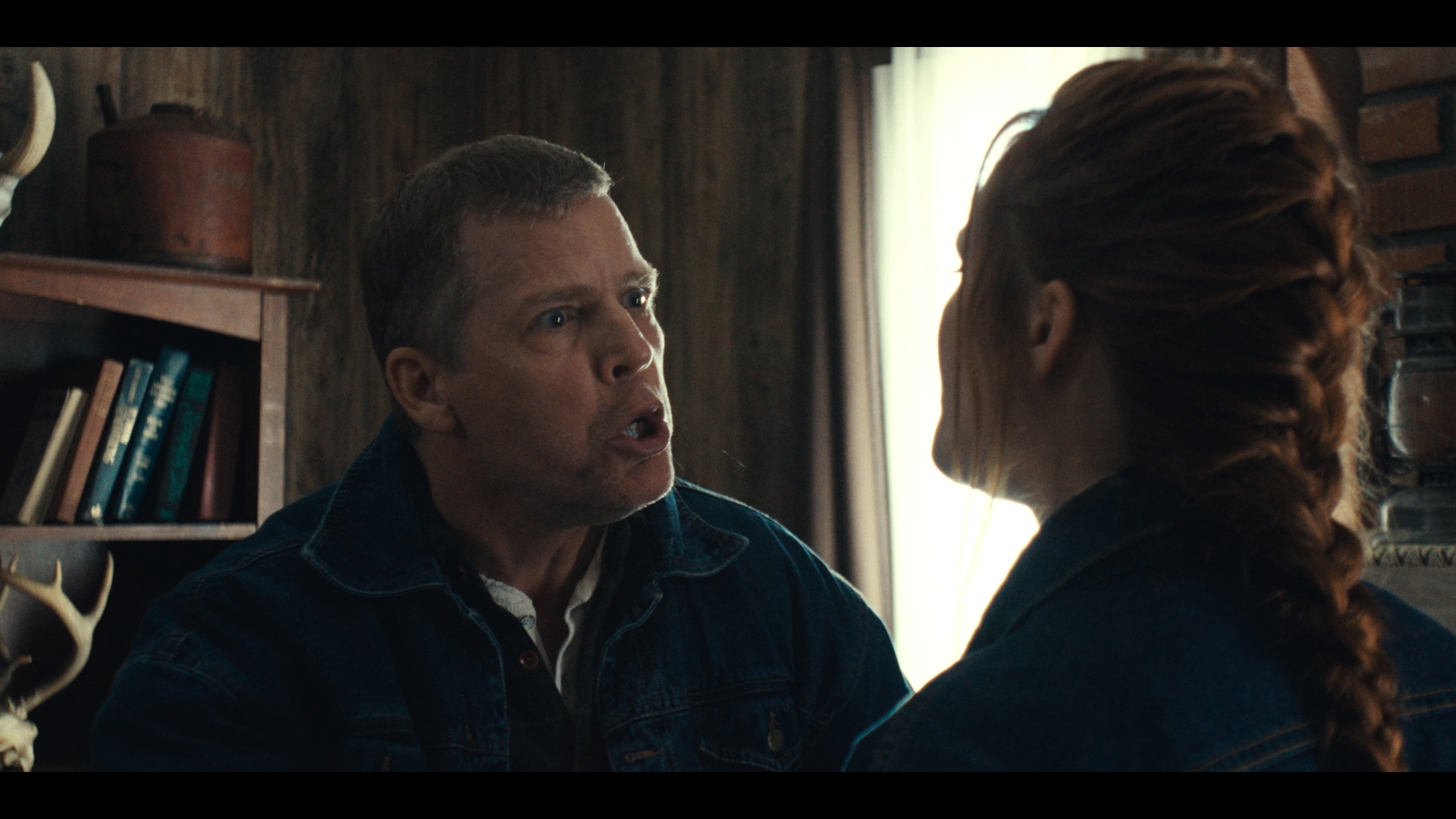
As a cinematographer, I’ve worked on a variety of narrative short films, which is still one of my favorite forms of storytelling. I love building the visual language of a story and figuring out how emotion, movement, lighting, and composition can all work together to support the narrative. There’s something really meaningful to me about telling a story through images and creating visuals that make people feel something.
Recently, I’ve also started working more in music videos and commercials, which has been exciting because they allow for a different kind of creativity and experimentation. I love collaborating with a team of creative people and watching ideas evolve through conversation and collaboration. Some of the most rewarding moments on set come from bouncing ideas off one another and discovering something unexpected that makes the project stronger.
One thing I value a lot is communication and collaboration. As a cinematographer, you’re constantly working with multiple departments at once, so being able to lead collaboratively and create a positive environment on set is incredibly important to me.
Outside of DP work, I’m always trying to learn from the people around me while operating or working in G&E. Working as a grip or electrician on larger productions has taught me an enormous amount, not only technically, but also in understanding what crews actually need from leadership. It’s helped me become more aware of what I’m asking of my own crew as a cinematographer and how important it is to respect everyone’s time, effort, and craft.
At the end of the day, filmmaking is such a collaborative process, and I think one of the most important parts of being a DP is making sure your crew feels valued. They’re the people helping bring your vision to life, and I never want to lose sight of that.
If you had to, what characteristic of yours would you give the most credit to?
Honesty and hard work. I think anything is possible if you’re honest and hardworking. Honesty allows people to trust you and your vision. And you need to prove you can work hard for people to give you the jobs that require hard work.
Contact Info:
- Website: https://alexarguijo.com
- Instagram: https://www.instagram.com/alex.arguijo/
Popular
-

Portraits of the Valley
-

LA’s Most Inspiring Stories
-

Que Johnson on Building Brands That Last: From Visibility to True Market Authority
-

Christina Wren Steps Into the Director’s Chair to Tell Stories That Feel Like Home
-
JordanL on ‘Breathe,’ Belief, and Building a Movement Beyond the Music
-

Megan Birney Rudert on How Access to Light Is Powering a More Sustainable and Equitable Future


