




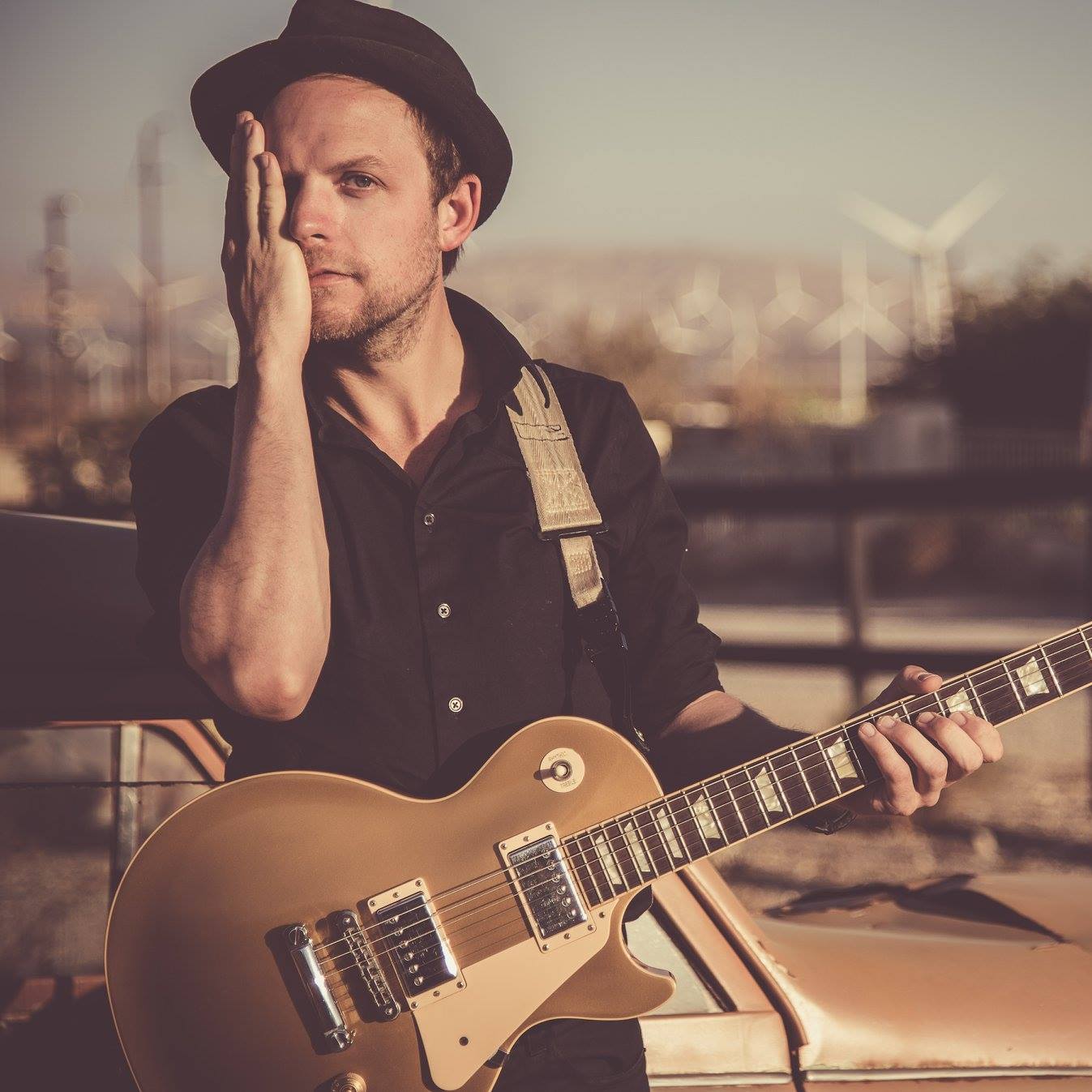
Today we’d like to introduce you to Ryan Beatty.
Hi Ryan, so excited to have you on the platform. So before we get into questions about your work-life, maybe you can bring our readers up to speed on your story and how you got to where you are today?
I grew up in Norwood, Pennsylvania — a small town outside of Philadelphia a location called Delaware County or “Delco”. From a young age, I was drawn to creating things, whether that meant setting up a lemonade stand to buy hockey gear or figuring out how to use brothers Commodore 64 to do things I probably wasn’t supposed to be doing. I had a lot of energy, a lot of ideas, and not a lot of resources — so I had to learn how to make things happen from scratch.
Hockey was my first love. I started playing after watching The Mighty Ducks, saved up for my gear, and practiced constantly. I was never the biggest kid on the ice, but I had speed and heart — and that was enough to get me noticed by coaches like Bob Hartley, who later went on to win a Stanley Cup with the Colorado Avalanche. I still remember drinking Sprite out of the Calder Cup at his Hockey camp when his team the “Hershey Bears” won that year. That moment stuck with me — not because of the trophy, but because it showed me how far passion and work ethic could take you.
Around 10 years old I picked up a guitar inspired by Back to the Future Part 1 and in high school, music took over. I joined a band called Fivepie, and eventually got invited to audition for a new group. When I showed up, they told me they didn’t need a guitarist anymore — they needed a keyboard player. At that point, I had barely used a piano, but I didn’t want to miss the opportunity. I bought a Yamaha CP88, a microKORG, and locked myself in a room until I could play the songs. It worked. I joined the band, and we went on to tour, record, and eventually sign a development deal through a label connected to Island Def Jam. We lived traveled long hours packed in a van, played some memorable shows with artists like Good Charlotte and Darryl McDaniels, briefly was managed by Michael Lang who co-created Woodstock. We pretty much did everything we could to make it.
At the same time, I started learning how to market on Myspace. I built one of the first automated music promotion systems — tools that could target fans, send messages, and boost engagement without needing a huge team. I turned that into a business and began helping other bands gain traction online. At its peak, I was bringing in five figures a month — all self-taught — working with artists across genres. That experience taught me how to scale attention, how to read digital behavior, and how to create value in an emerging space.
Eventually, the band broke up due to things outside of my control. It was a tough ending to something I’d put everything into, and it left me feeling like I had to start over — again. I moved to Los Angeles looking for a reset, but that came with its own set of challenges. I lost funding for a startup, sold my dream car just to stay afloat, and bounced between couches and spare rooms while picking up whatever work I could — piano gigs, marketing work, tech support, even front desk jobs at a dispensary shout out to “Green Goddess” in Venice Beach!
Along the way, I ended up working behind the scenes on projects with brands like Adidas, Tiffany’s Jewelry, and Cindy Crawford’s Meaningful Beauty, composing music, helping with shoots, and staying as close to creative work as I could. One of the more surreal moments came when I was hired to record audio on a music video shoot for “Hey DJ (Remix)” by Meghan Trainor, Sean Paul, and CNCO. During a break, I played the piano quietly — next thing I knew, I was in wardrobe and featured in the official video, opening the clip on piano. It felt like a full-circle moment after years of grinding behind the scenes.
One of the most intense chapters of my life came when I became a witness in the Harvey Weinstein trials. A friend of mine was directly affected, and I supported her through it. I later testified in both the New York and Los Angeles cases. It was emotionally exhausting but deeply necessary — and it reminded me how important it is to stand up when something matters.
Eventually, I became a personal assistant to an inventor named Boyd Willat. That experience opened me up to new ways of thinking about systems, design, and the connection between creativity and utility. Through Boyd, I met Dr. Robert Sibley — an orthopedic surgeon with a unique, non-surgical spine treatment system that had been validated across thousands of patients. We clicked immediately and started working to modernize the program.
Now, we’re building a next-generation spinal restoration platform that blends medical precision, functional biomechanics, and AI-driven diagnostics. Approximately one billion people worldwide experience spine pain, with a significant portion suffering from chronic neck and back problems
We’re aiming to provide a better path for people suffering with these issues, without rushing them into surgery, and with a focus on long-term outcomes and prevention.
Looking back, my story has been anything but straightforward. I’ve reinvented myself more times than I can count. But through every pivot — music, tech, marketing, caregiving, legal advocacy, and now medicine — the common threads have been persistence, creativity, and a desire to create lasting change.
Through it all, I also never stopped skating. It’s been my way of staying grounded through everything. Big shoutout to The Night Skate, LA Friday Night Skate, LA Skate Hunnies, and all the incredible skate communities out here — your support, energy, and love have meant more than you know. You’ve helped keep me moving, balanced, and connected these past few years.
Alright, so let’s dig a little deeper into the story – has it been an easy path overall and if not, what were the challenges you’ve had to overcome?
It’s definitely not been a smooth road — far from it. I’ve had to start over more than once, often after investing everything I had into something that didn’t go the way I hoped. From losing funding for startups, to navigating the sudden collapse of a band I believed in, to dealing with moments where I wasn’t sure where I’d sleep that night — there were a lot of times where things felt completely uncertain.
There were financial lows, emotional burnout, and stretches where it felt like I was constantly rebuilding from scratch while watching others seem to move effortlessly forward. But each of those experiences taught me something — whether it was how to problem-solve under pressure, how to keep showing up even when it’s uncomfortable, or how to stay grounded in what matters.
Skating, music, community, and the drive to build something meaningful always kept me going. The obstacles didn’t break me — they gave me the tools to build with more clarity, more compassion, and more purpose.
Alright, so let’s switch gears a bit and talk business. What should we know?
Right now, I’m focused on working alongside Dr. Robert Sibley to modernize and scale a non-surgical spine treatment system that’s helped thousands of people avoid unnecessary surgery. We’re building out a platform that integrates functional diagnostics, proprietary rehab protocols, and AI — with the goal of improving patient outcomes, reducing corporate healthcare costs, and making high-quality spine care more accessible. What sets us apart is our focus on data-driven treatment and human-centered design — it’s not about quick fixes, it’s about sustainable recovery and prevention.
How do you think about luck?
Luck has definitely played a role in my life — both good and bad — but I’ve come to believe that what you do with it matters more than which kind you get.
I’ve had moments where things just aligned — like being hired to record sound on a music video set and somehow ending up featured in the actual video playing piano. That wasn’t strategy — that was just showing up, staying open, and saying “yes” when the door cracked open.
I’ve also had stretches of tough luck. Not because of one big failure, but because life piled up — I ran out of money, lost my footing, and had to rebuild more than once. There were times I didn’t have stable housing or a backup plan. But those moments taught me how to adapt, stay resourceful, and keep going even when it felt like everything had stalled out.
I don’t depend on luck — but I respect it. When good luck shows up, I try to meet it with humility and hard work. And when it doesn’t, I dig in, learn what I can, and keep building. At the end of the day, luck might open a door — but showing up, again and again, is what gets you through it.
Contact Info:
- Instagram: http://www.instagram.com/ryanmbeatty
- Soundcloud: https://www.soundcloud.com/ryanbeattysound
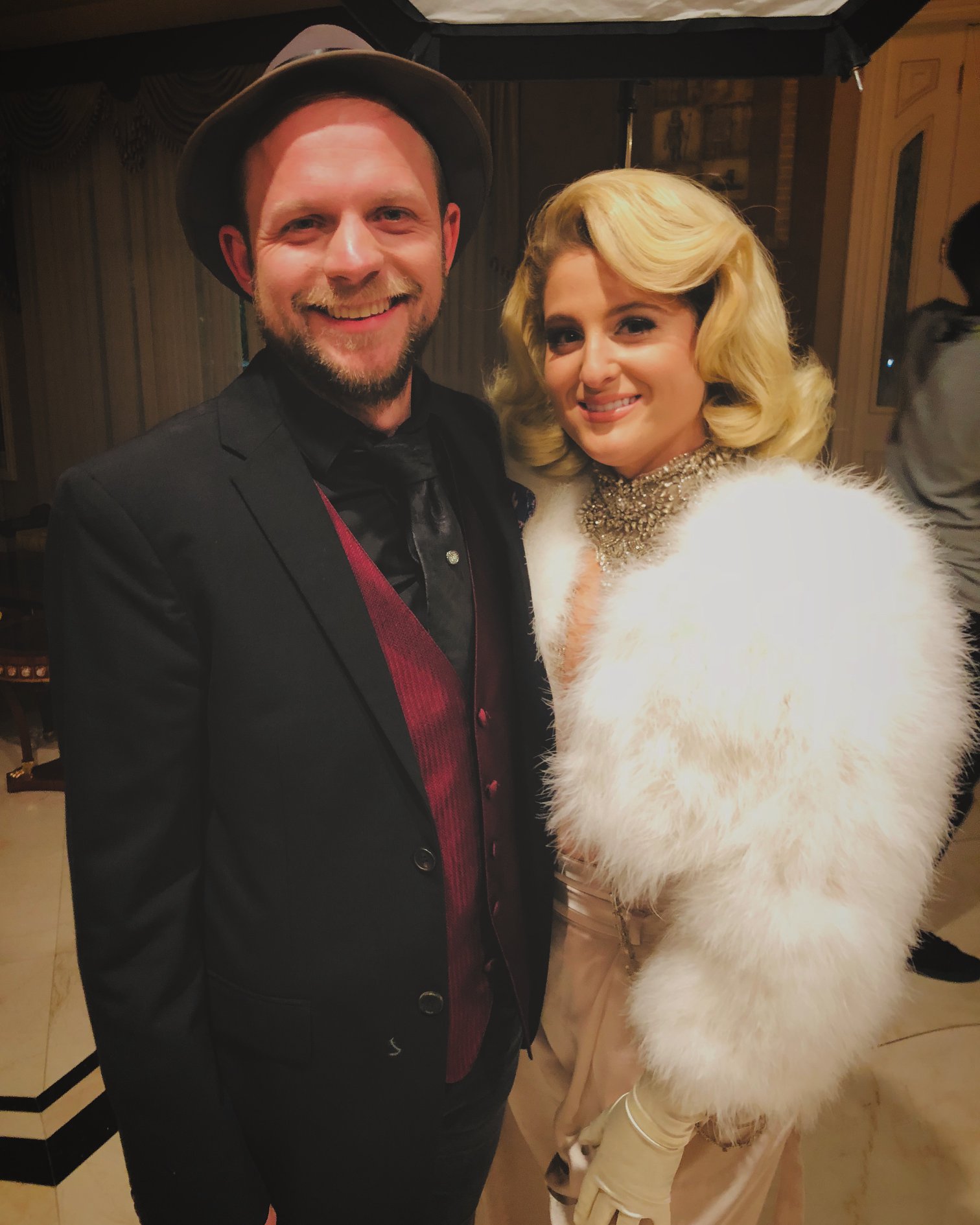
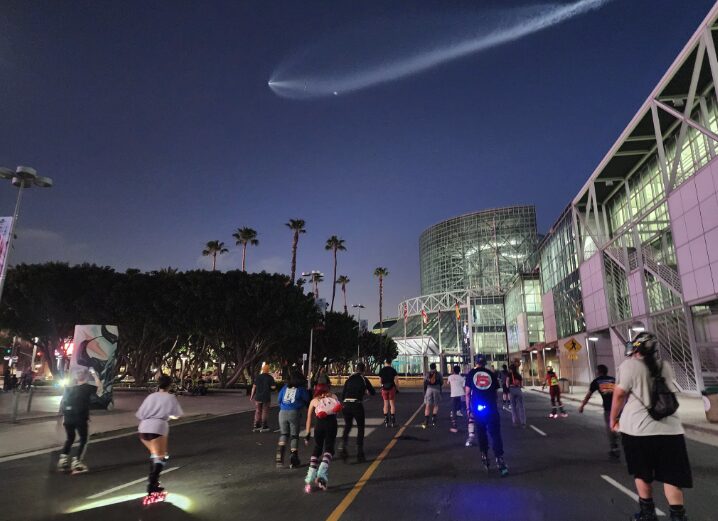
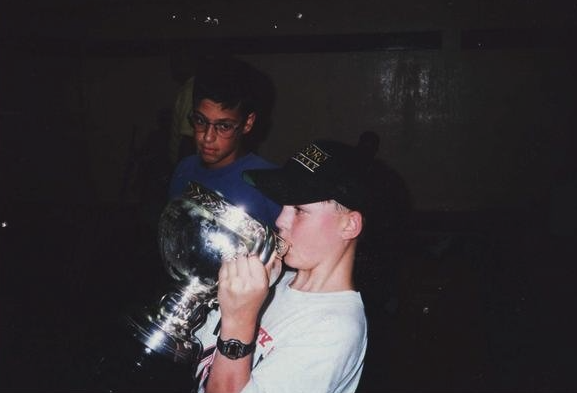
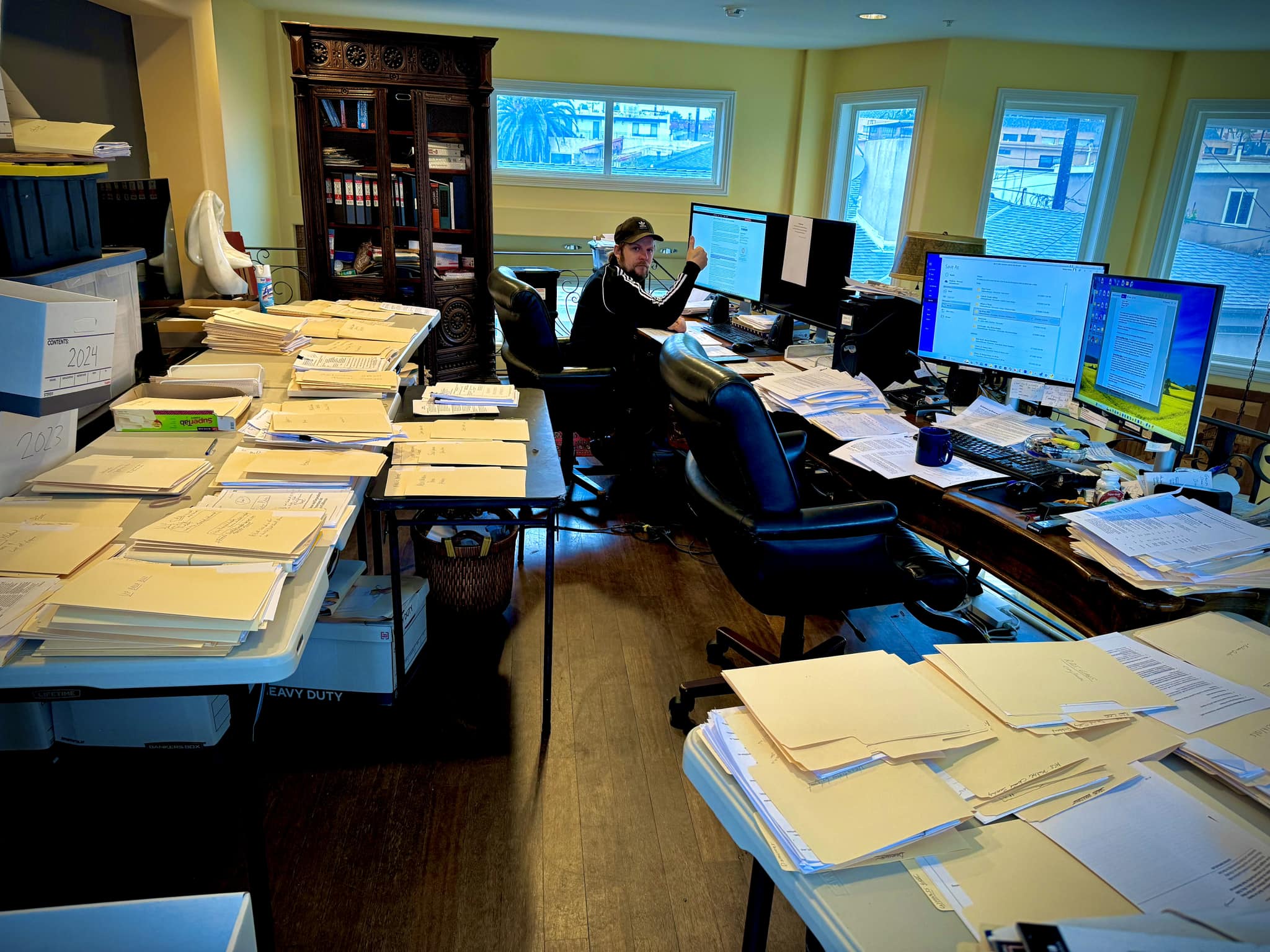
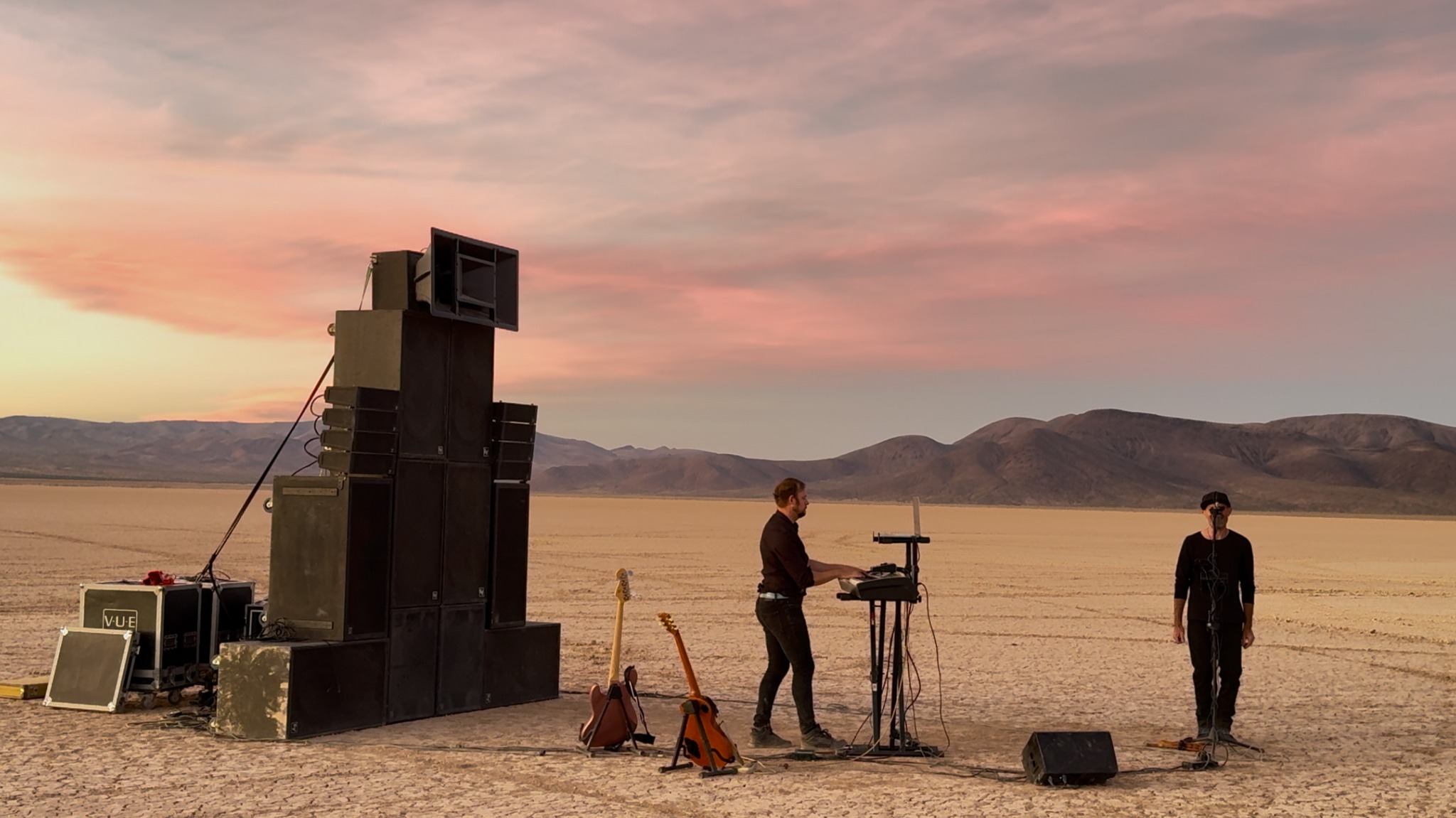
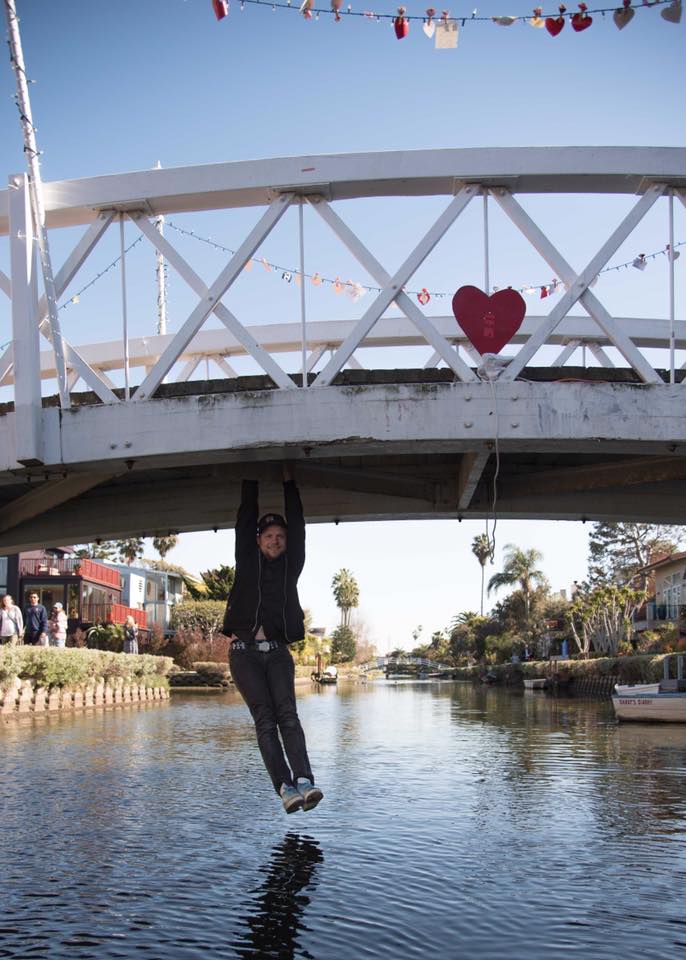
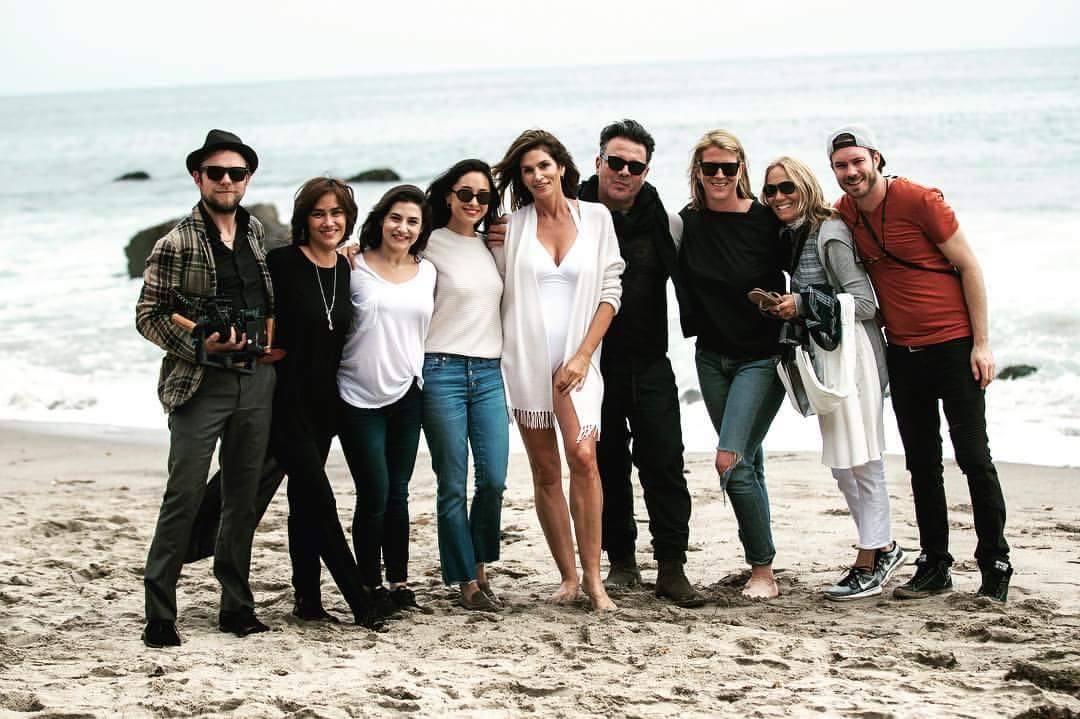
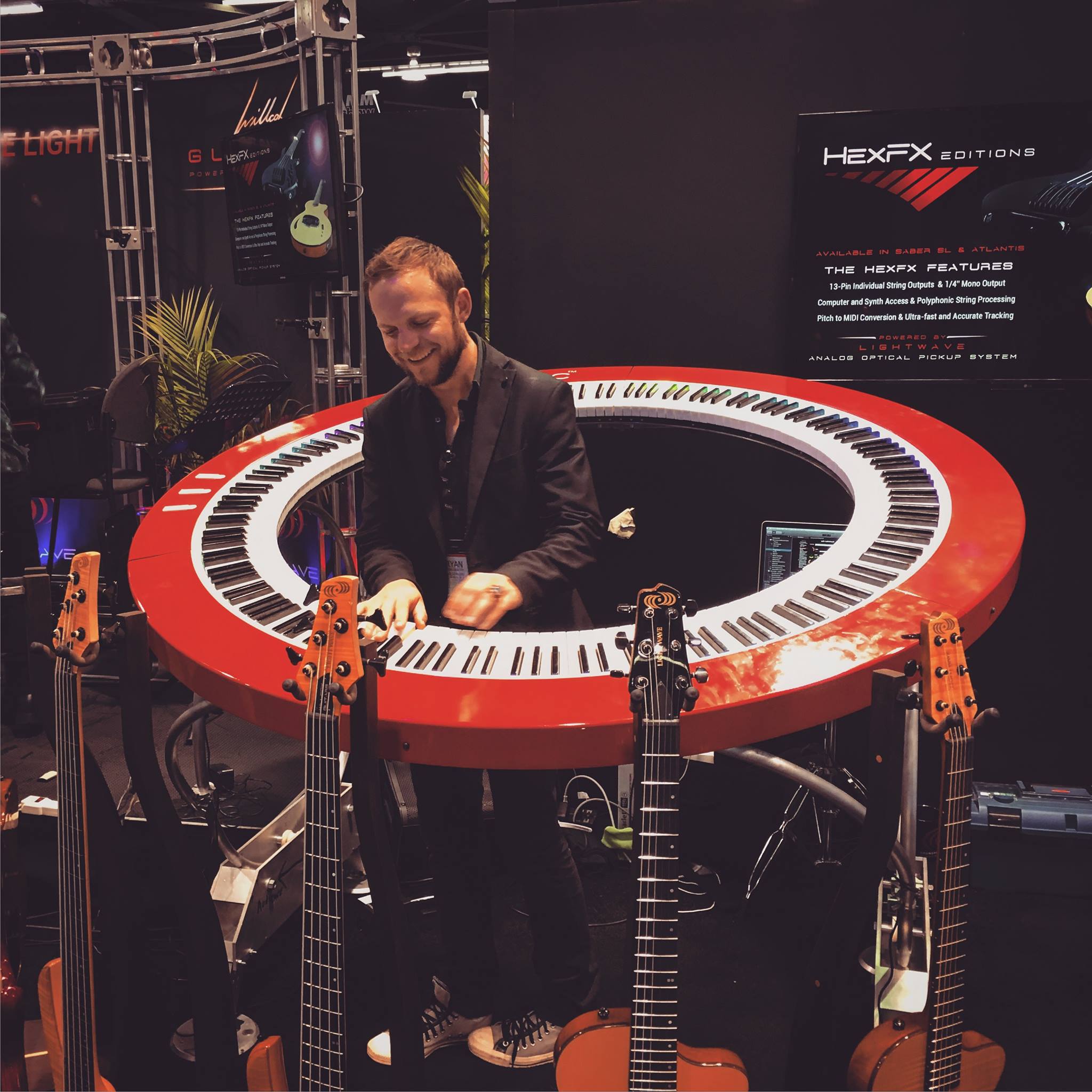
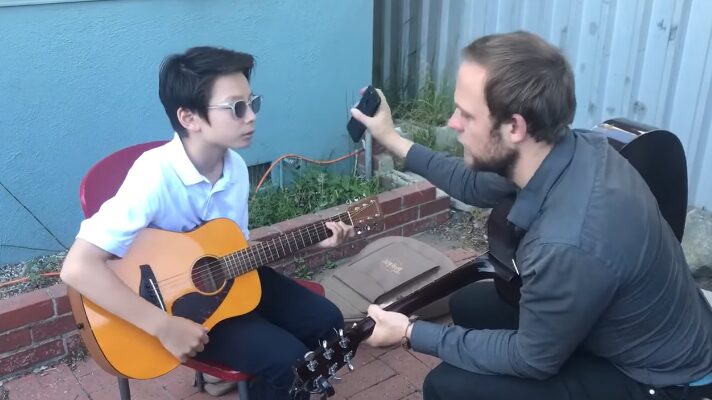
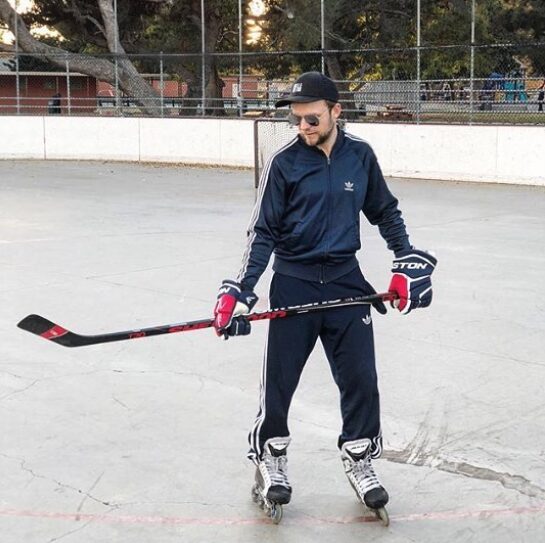
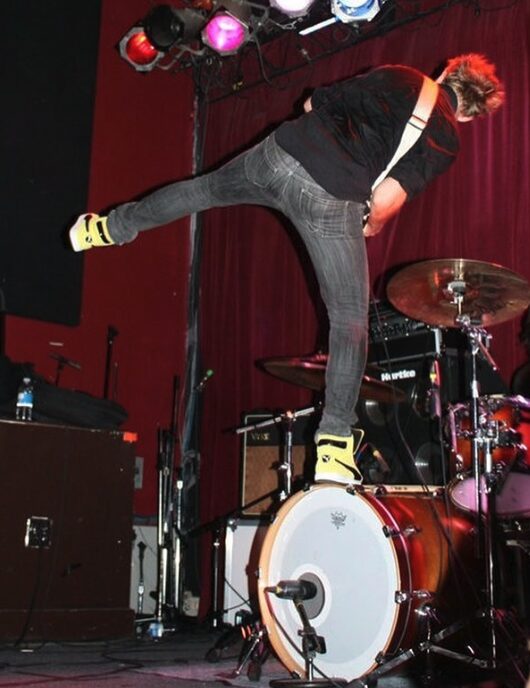
Image Credits
Picture of Skaters in Street with Rocket: Dan Benveniste
Popular
-

Portraits of the Valley
-

LA’s Most Inspiring Stories
-
Maagic Collins on Building a Fearless Publishing Platform for Truth, Advocacy, and Underrepresented Voices
-
Los Angeles Barea on Turning Green Superheroes into a Global Movement for Youth-Led Change
-

Trisha DuVivier on Bridging the Franchisor–Franchisee Divide with Workhero and “Franulate”
-
Cedar Boschan on Elevating Black Music Rights and Driving Urgent Conversations Around Credit, Equity, and Artist Protection


