




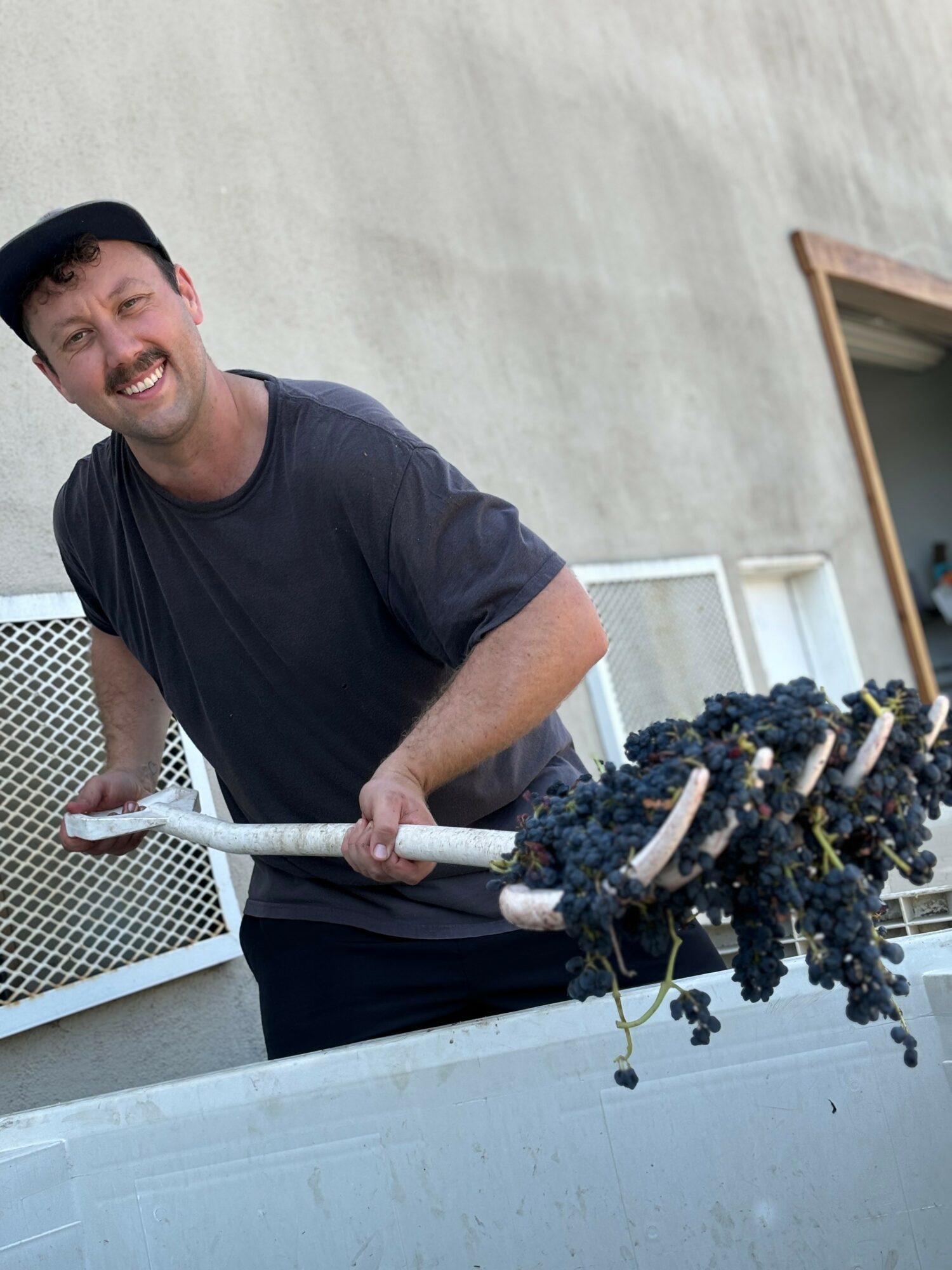
Today we’d like to introduce you to Peter Clausen.
Hi Peter, so excited to have you with us today. What can you tell us about your story?
I got in to winemaking sort of by accident. After I graduated from college, I was looking for any ol’ job to pay the bills, and I ended up working at a large winery in their tasting room. One day they needed some help in the back with bottling and I volunteered to check it out, and I think I really fell in love with the whole process that day. I really appreciated the agricultural connection, and I have always enjoyed working with machines and problem solving, which are all daily occurrences in winemaking. I ended up helping more and more at that winery in production, and eventually I decided I wanted to make a career out of it.
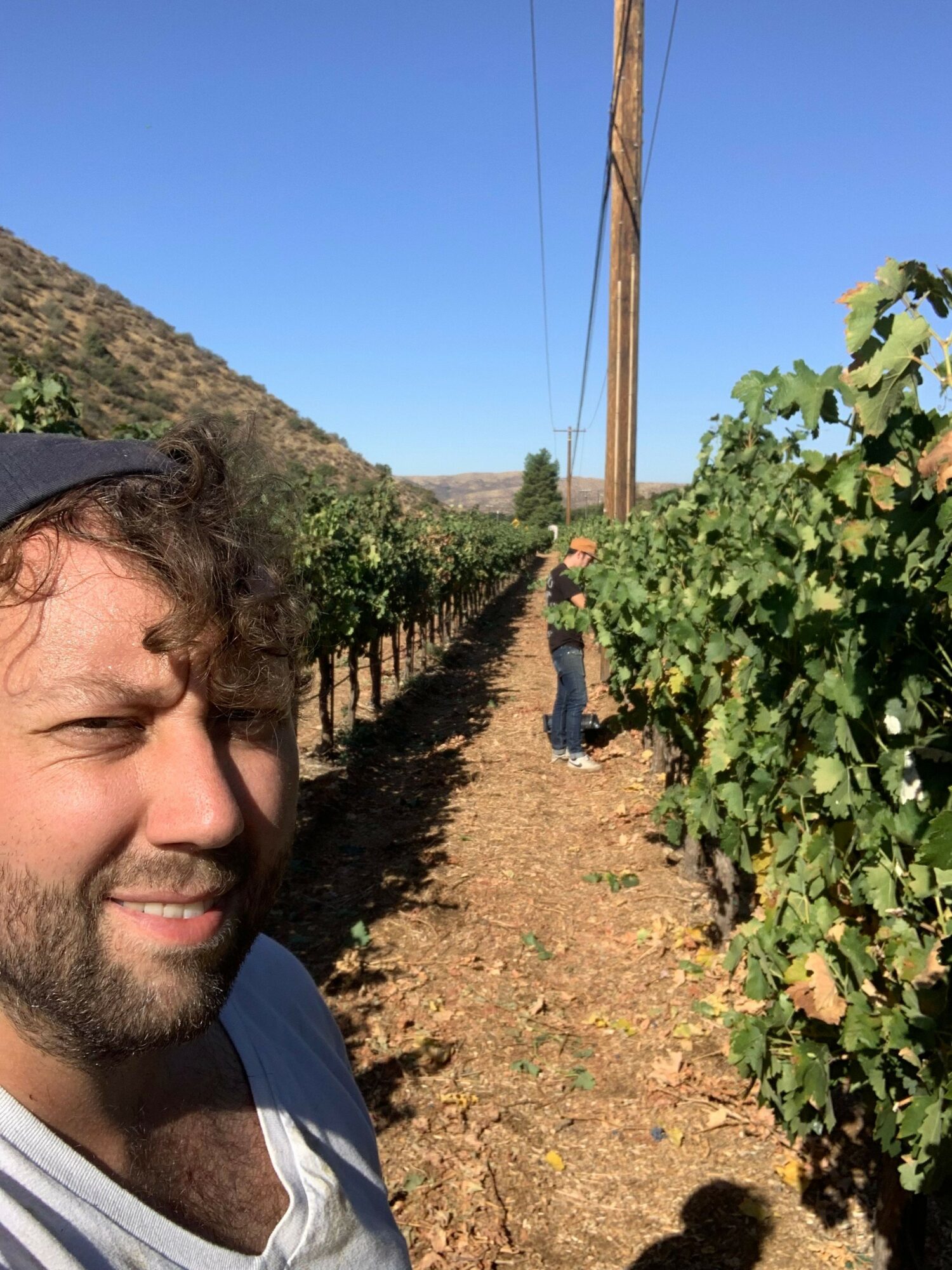
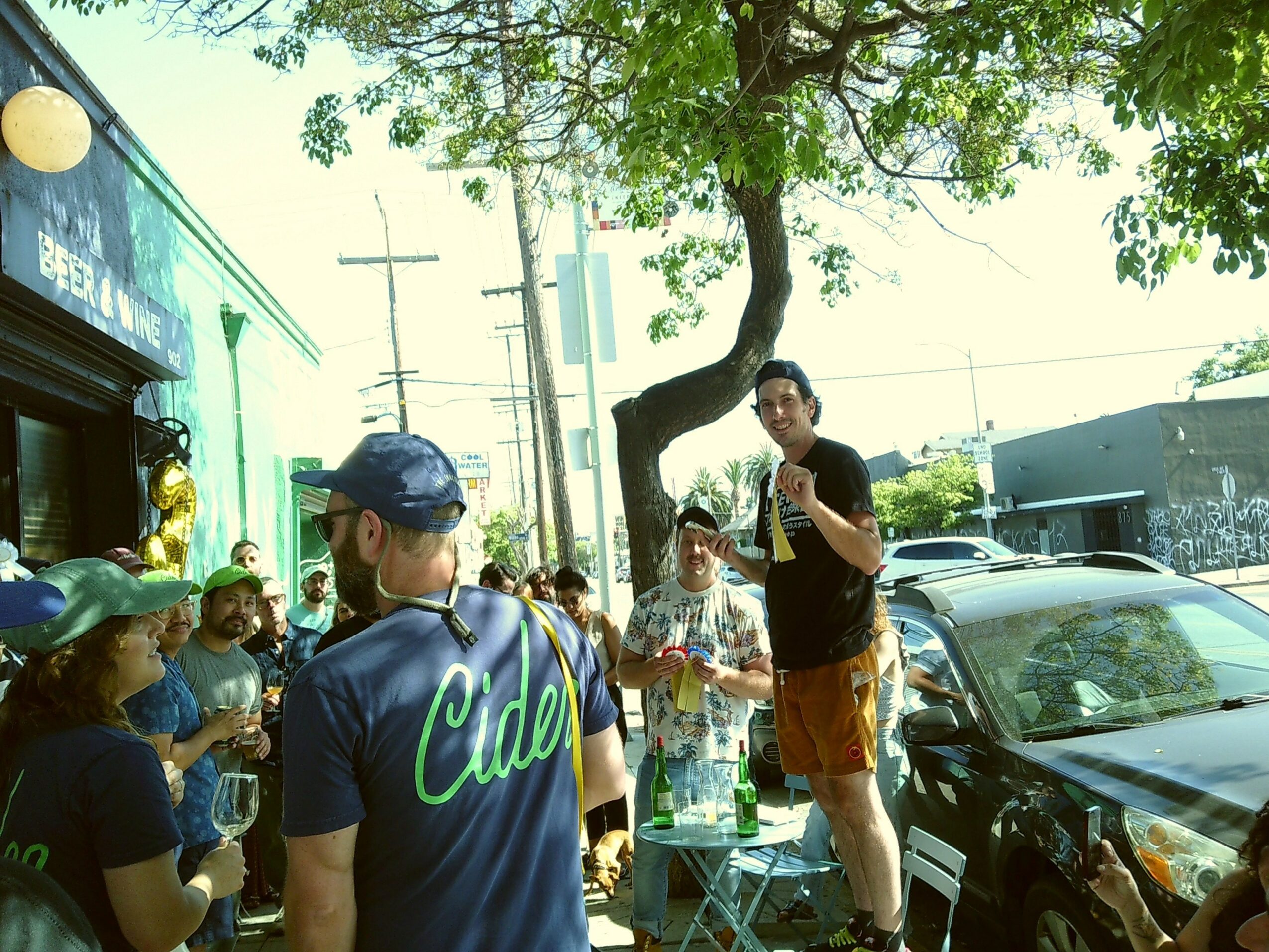
I figured California was the place to be for winemakers, so I moved out to LA where I had some family to crash with while I got my feet under me. I ended up working at a few different places, making wine, cider, and beer.
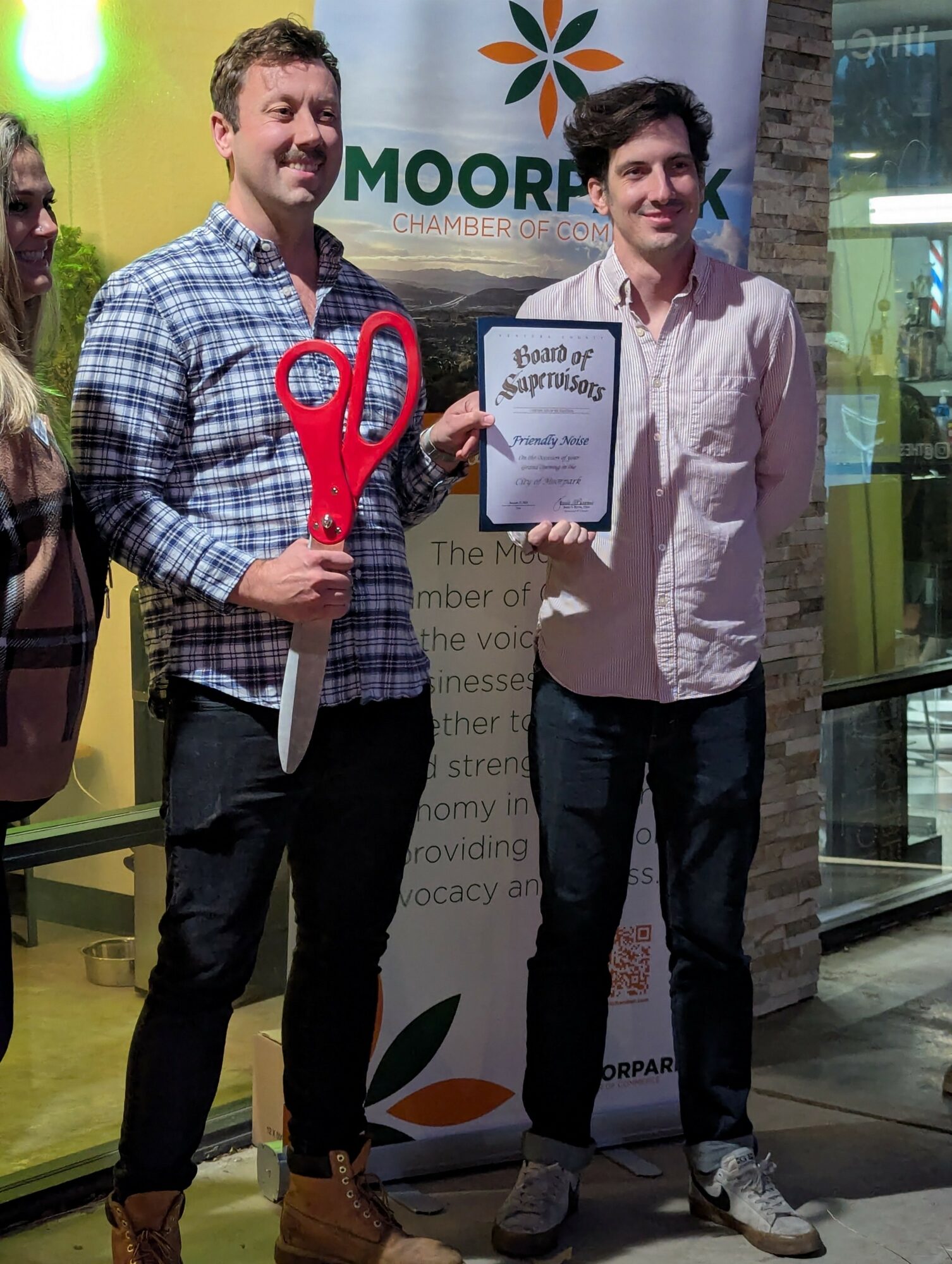
After working like mad during the pandemic at a cider spot, I decided to take matters in to my own hands, and I opened Friendly Noise with my friend Andrew. We really wanted to have full creative control of what we were making and how we presented it, and we’ve been happily struggling ever since.
Would you say it’s been a smooth road, and if not what are some of the biggest challenges you’ve faced along the way?
There are no smooth roads, just different kinds of bumps.
Trying to start a famously not-profitable business with no money is hard. I had to learn a lot of new skills since we didn’t have the money to pay people to do anything. I had plenty of experience making wine, working in cellars, and selling beverages, but necessary business things like accounting and Quickbooks, web design, social media management, and everything other little thing involved in running a business were all pretty new to me.
It’s also a tough business to get paid in. A good portion of my week is chasing down past due invoices, and unfortunately as a small producer, we don’t have a lot of leverage over customers that don’t pay on time. If we threaten to withhold more products, they just buy something else. Some people just get offended when you try to collect money on time. Polite persistence goes a long way, but it can be exhausting.
Great, so let’s talk business. Can you tell our readers more about what you do and what you think sets you apart from others?
We named our winery “Friendly Noise” after the sound of a crowded bar, which in our business’s conception during the pandemic, was a noise we really missed.
We focus on making ciders and wines using naturally occurring yeast, minimal additives, and lesser-known grapes/apples/growing regions. Stylistically, we try to make crowd-pleasing stuff you’d feel good bringing to a party – dry, fruit-forward, easy to enjoy and not think too much about. We want our beverages to be something that enhances your enjoyment of social situations, not something that is the focus of your social gathering.
It’s also been really important to us to remain independent. There are so many small brands out there that have taken lots of investment money, or have outside interests guiding their products, and we just didn’t want to do that. I have accepted that this is probably not going to be a path to outstanding riches, and making our ciders and wines is our way of expressing ourselves and is our liquid art. If I had to list our core values as a business, I would say transparency and honesty are at the top of the list – we make tasty drinks from simple ingredients, and if you ask us, we’ll tell you exactly how we made them.
What has been the most important lesson you’ve learned along your journey?
I have learned two important lessons on this journey:
One: make things for yourself. If you, as the person making your products and running your business, do not like what you are making, you cannot expect anyone else to like what you do. The excitement for what you are creating has to come from within, and it is infectious and endearing if you genuinely have it.
Two: Don’t buy things if you can’t pay for them up front. American business culture runs on debt. You don’t have to. Sometimes you have to take a calculated financial risk, but just remember that being debt-free is more profitable than getting ahead by digging yourself in to a money hole.
Pricing:
- We always try to keep our prices as low as possible. We’d rather sell our stuff faster and get more people to drink it than make a big margin and no one enjoys it.
Contact Info:
- Website: https://www.friendlynoise.com
- Instagram: @friendlynoise


Popular
-

Inside the Future of Search: Robb Fahrion on Building a Global Team and Leading the Rise of GEO
-

From Supporting Local Boutiques to Building Brand Partnerships: Cinthia Jensen’s Creative Marketing Journey
-

Building Community Through Curiosity: Nathanial and Samantha Rowe on the Vision Behind UNEARTHED
-

Portraits of the Valley
-

LA’s Most Inspiring Stories
-

Building Creative Bridges: Torrey Tayenaka on Community, Collaboration, and the Future of Sparkhouse


