



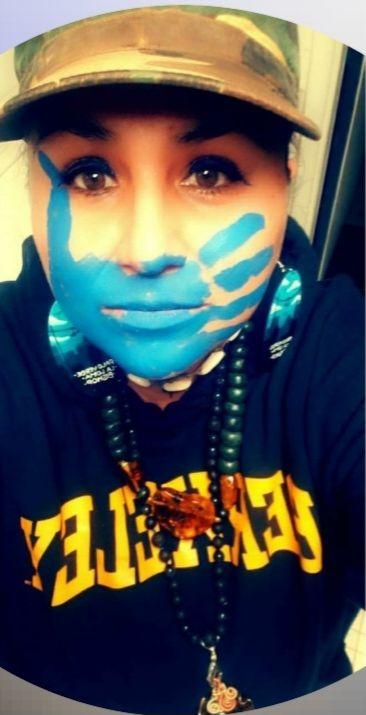
Today we’d like to introduce you to Melissa Arechiga.
Hi Melissa, so excited to have you on the platform. So before we get into questions about your work-life, maybe you can bring our readers up to speed on your story and how you got to where you are today?
My confidence came from surviving experiences meant to break me and my family. The women in my life — my grandmother, my mother, my tías — were all strong, outspoken women who carried the strength of our ancestors. That strength runs through our bloodline. It’s not something I had to learn from the outside — it’s something that’s always been in us, passed down through generations of Native and Brown women who resisted, survived, and kept going no matter what.
I didn’t grow up being told what I could or couldn’t do — I learned that by doing it. Life taught me resilience long before I ever had a word for it. I’ve made mistakes, started over more than once, and had to rebuild my sense of self after being torn down. What helped me grow confidence wasn’t pretending to be perfect; it was owning my story — including the hardest parts — and understanding that growth is a lifelong process. Life is a journey, not a race.
I didn’t take a straight path to get here. I dropped out in seventh grade, later earned my GED while incarcerated, and eventually graduated from UC Berkeley. That journey — and later receiving a Governor’s pardon — reminded me that your past doesn’t define you. What defines you is what you choose to do with it.
Founding Buried Under the Blue gave me purpose beyond myself. I know now that my role is to finish what my family and the three communities of Palo Verde, La Loma, and Bishop never got to — justice, truth, and accountability. My mission is to make sure our history is finally told correctly, without protecting corporate interests or politicians who caused harm.
Confidence doesn’t always come first; sometimes it grows from resistance — from taking action, speaking truth, and standing up for what’s right, even when your voice shakes and support feels small. Speaking out against the Dodgers and exposing their ties to ICE hasn’t been easy, especially when most of their fan base are Brown, detribalized Natives — the very people whose dollars keep that system alive. The Dodgers are nothing without us. Part of my work is helping our people remember who we are and recognize the power we already hold. The tables are turning — truth has power.
Alright, so let’s dig a little deeper into the story – has it been an easy path overall and if not, what were the challenges you’ve had to overcome?
Not at all. I’ve had to rebuild my life from the ground up — emotionally, spiritually, and financially. Being formerly incarcerated, fighting stereotypes, and standing up to men who tried to silence, bully, and discredit me. Going up against powerful institutions like the Dodgers hasn’t been easy.
Every obstacle has become a teacher. The hardest moments forced me to find my strength and my voice. I learned that healing and justice work aren’t smooth roads — they’re winding paths that test your faith, your patience, and your purpose. But you learn and grow through it.
What keeps me going is knowing this fight isn’t just mine; it’s generations deep. My family’s story — and the story of Palo Verde, La Loma, and Bishop — reminds me that even through destruction, we can rebuild. That’s what resilience looks like: refusing to let anyone else write the ending for you.
Great, so let’s talk business. Can you tell our readers more about what you do and what you think sets you apart from others?
I’m the founder of Buried Under the Blue, a women-led and descendant-led nonprofit dedicated to preserving the true histories of Palo Verde, La Loma, and Bishop — three Mexican and Indigenous communities violently destroyed to build Dodger Stadium — and fighting for reparations, dignity, and historical truth.
What sets us apart is that our work comes directly from the descendants of those who lived this history. We’re not outsiders studying it — we are the story, reclaiming it from decades of distortion and erasure. Our Change.org petition, “Demand Justice for the Communities Destroyed to Build Dodger Stadium,” lays out our core demands for justice and repair — a starting point for accountability and healing.
We specialize in truth-telling through education, art, oral history, and advocacy — creating projects that connect the past to the present. Our work includes storytelling events, school collaborations, and public campaigns that call out ongoing harm and uplift community voices.
Right now, we’re developing a public reparations campaign and gathering statements of support from artists, historians, and community leaders through our new initiative, “Buried No More: Voices for Justice and Reparations.”
I’m most proud that our organization has become a voice for truth that can no longer be ignored. Every project we do is an act of reclamation — ensuring our families’ names and stories are no longer buried under “Chavez Ravine.”
People can stand with us by donating $25 or more to receive one of our shirts — the Displacers or Abrana Arechiga designs. Every shirt is a symbol of survival, truth, and resistance. It helps fund community education, truth-telling, and the continued fight for justice — keeping our history alive and our movement growing.
How do you think about happiness?
What makes me happy is seeing truth come to light — when someone hears our story and finally understands what happened, when descendants reconnect, when our community stands taller in our identity. Healing and truth are my joy. It’s not the easy kind of happiness; it’s the deep kind that comes from knowing your ancestors are proud and that you’re walking in purpose.
My happiness is rooted in integrity, determination, and spirit. Integrity keeps me grounded in truth, even when it’s uncomfortable or misunderstood. Determination reminds me to keep moving forward, no matter how many times life tries to knock me down. And spirit — that inner voice, that ancestral knowing — is what guides me through what I wasn’t supposed to survive and toward the work I was meant to do.
Happiness, for me, isn’t about perfection or ease. It’s about living in alignment with truth, honoring where I come from, and making sure our people are never forgotten again.
Pricing:
- Donations of $25 or more help fund our community education and advocacy work. Supporters receive one of our limited edition shirts — Displacers or Abrana Arechiga — as a thank-you. All proceeds go directly to Buried Under the Blue to support our ongoing campaigns for justice and reparations
- Our zines are $5
- Stickers $ 1
Contact Info:
- Website: https://www.buriedundertheblue.com
- Instagram: Buried Under the Blue
- Facebook: Buried Under the Blue
- Twitter: Buried Under the Blue
- Youtube: Buried Under the Blue
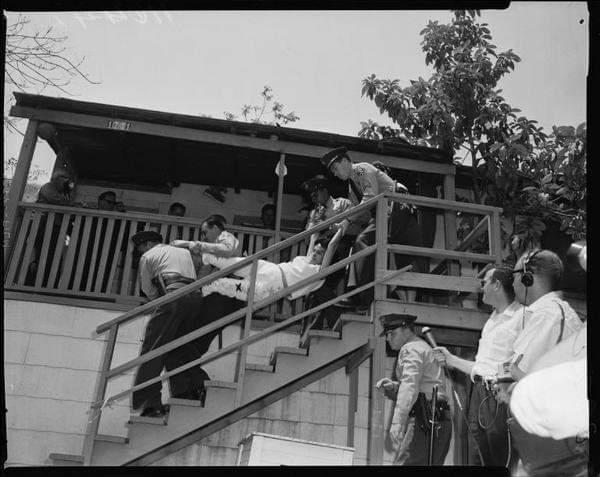
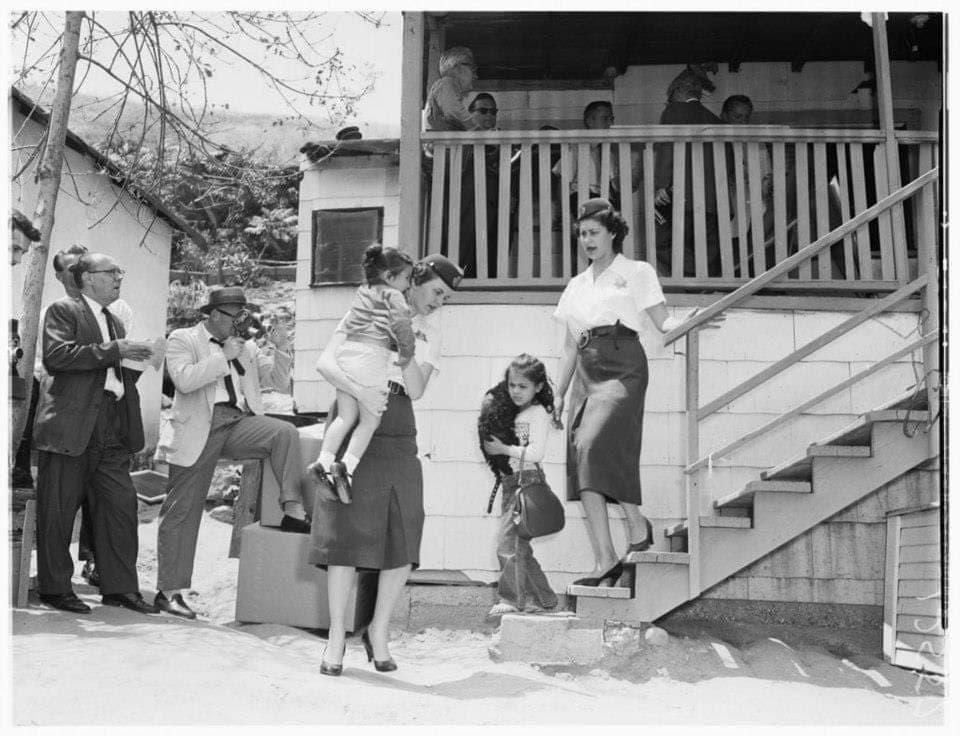
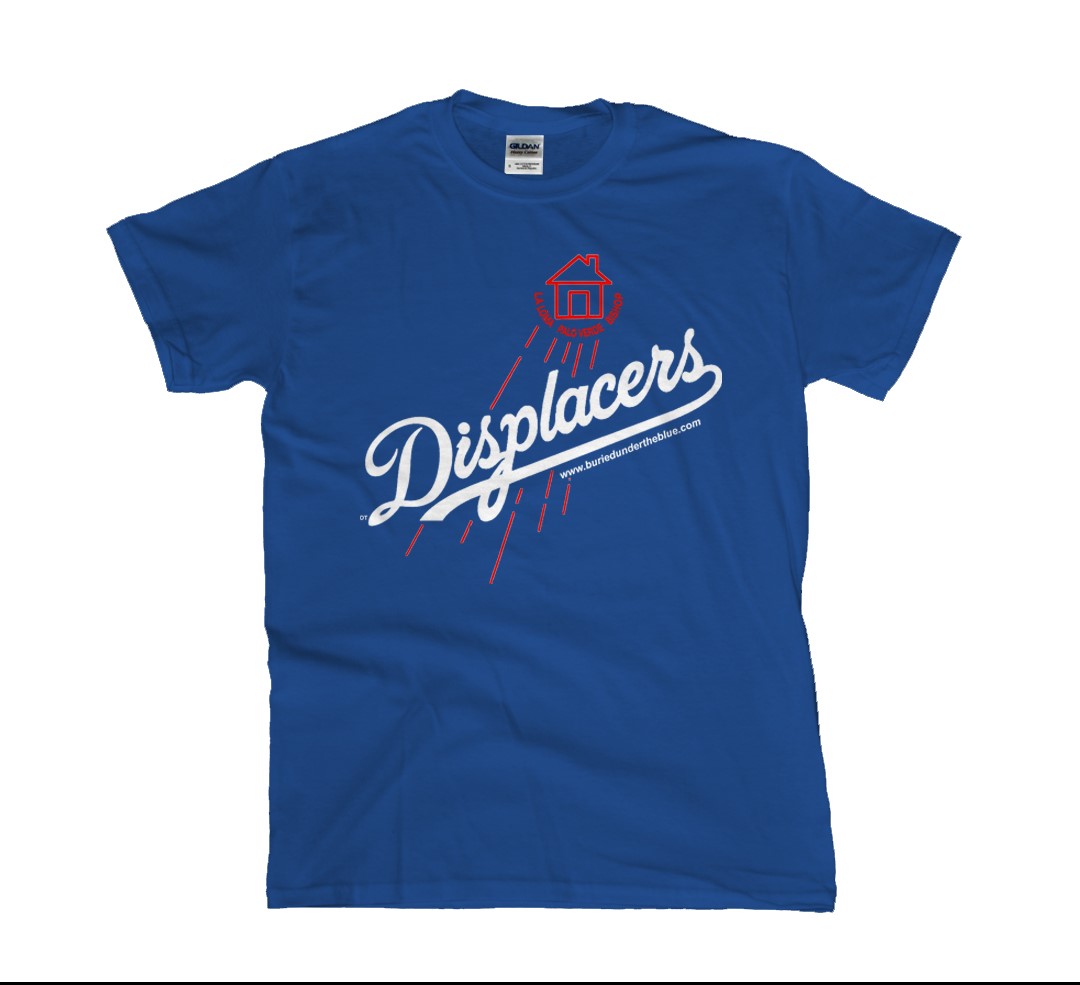
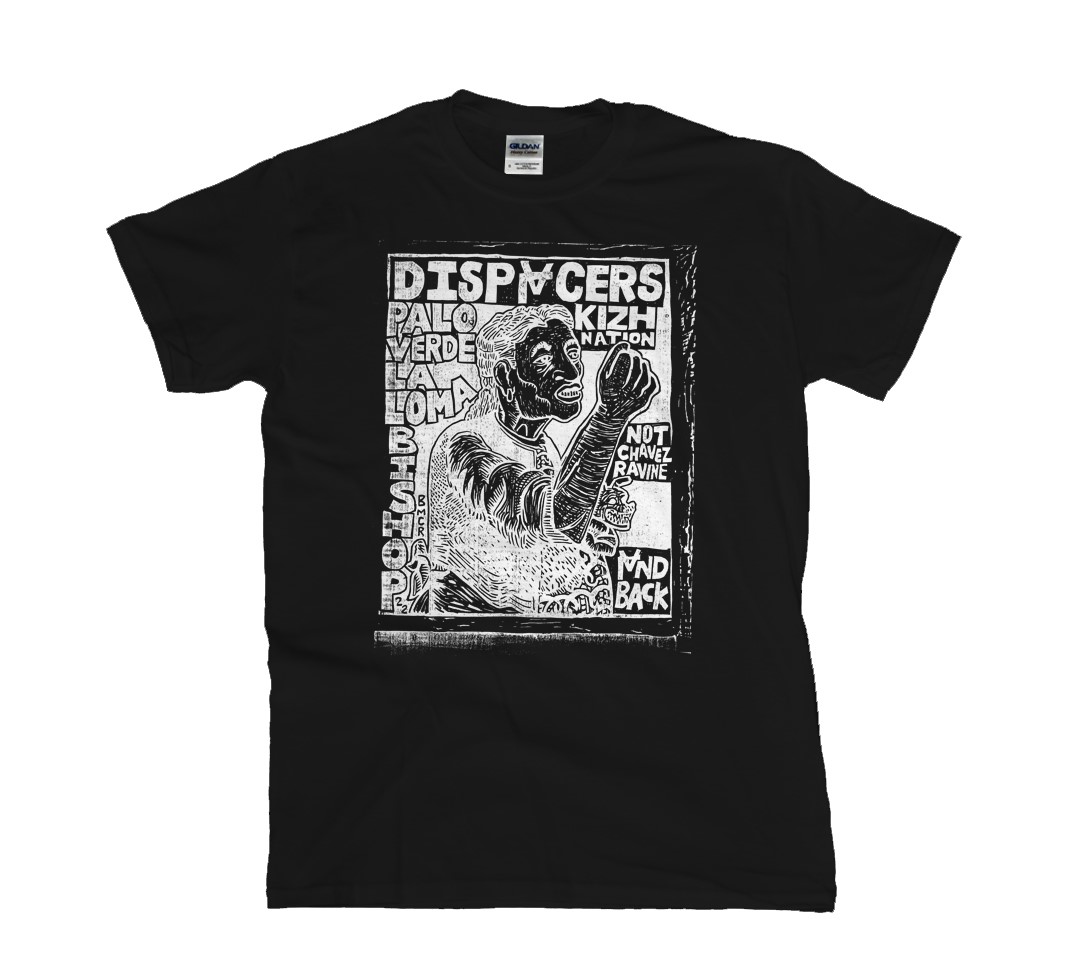
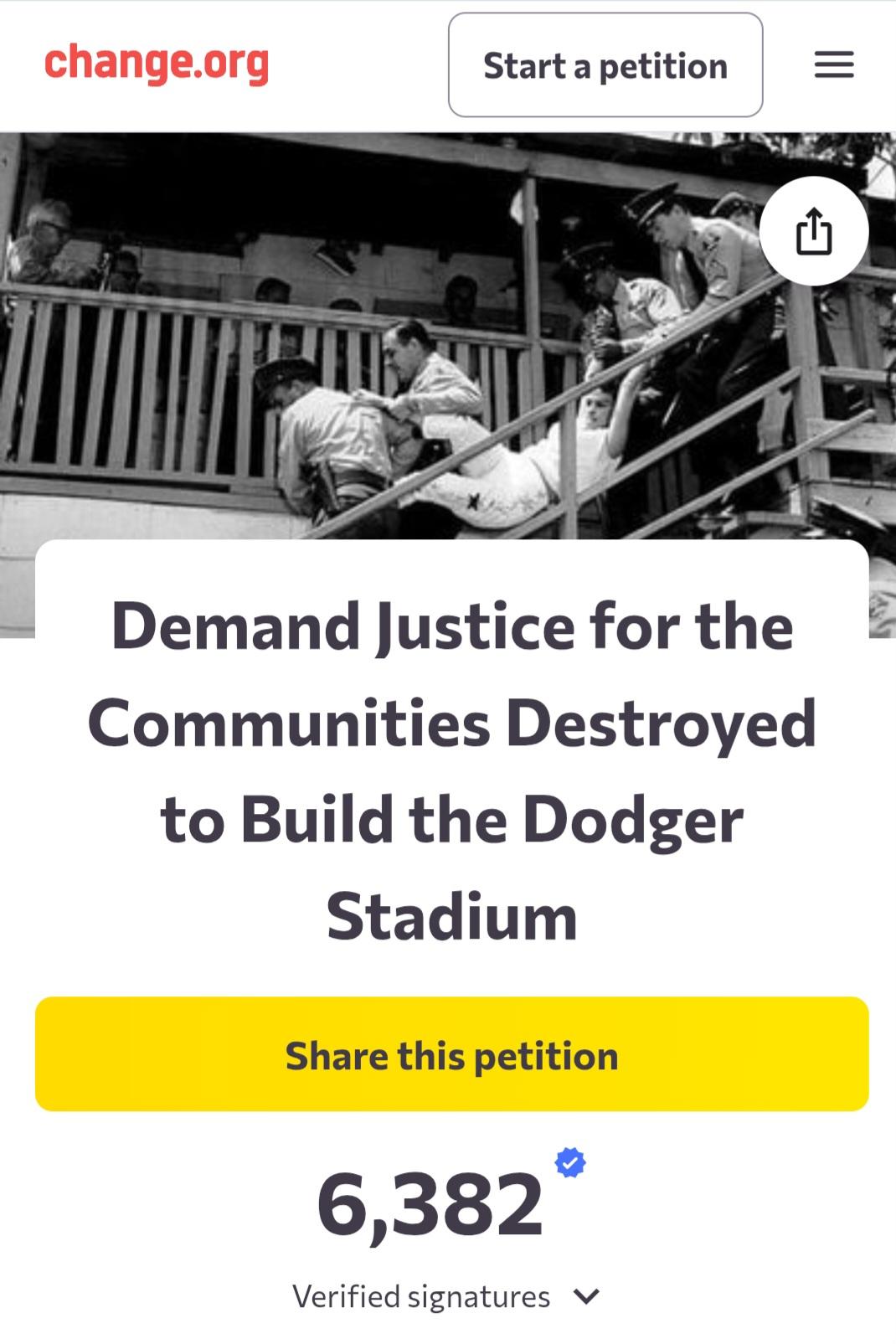
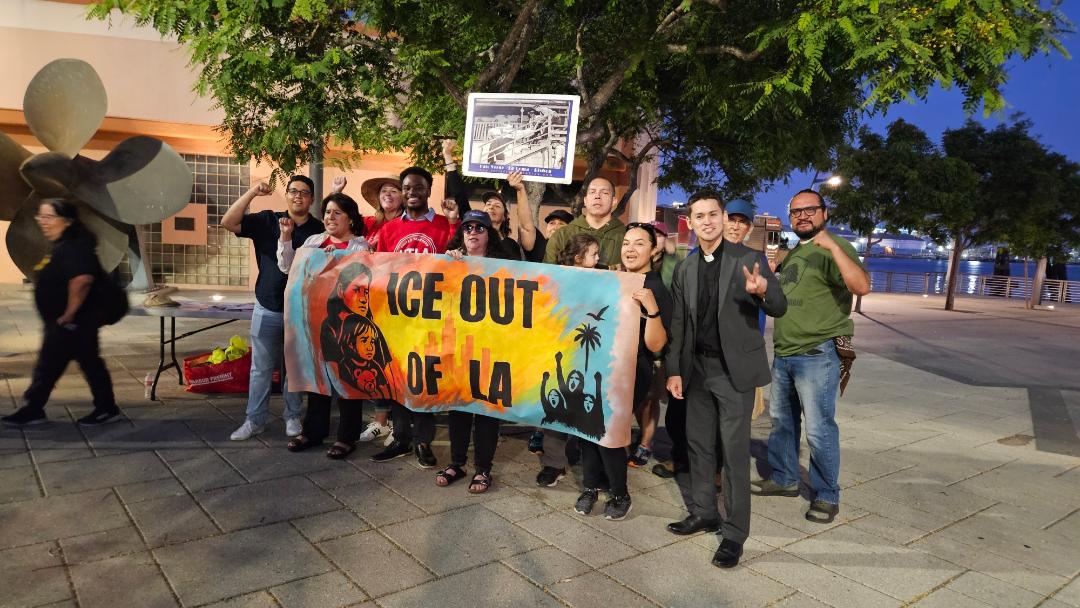
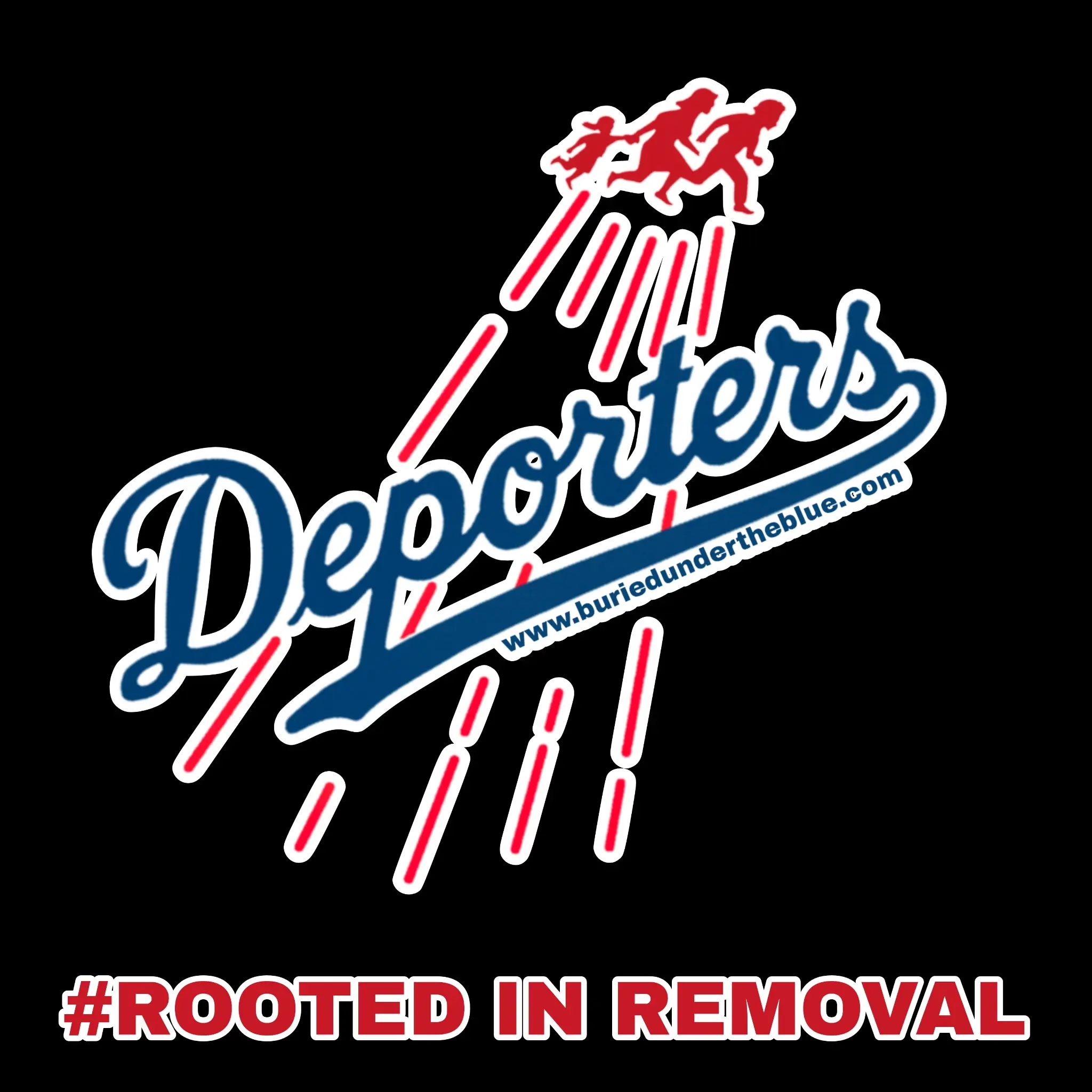
Image Credits
1. Personal Portrait — “Dodger Silence is Violence”
Caption: “Dodger silence is violence — but we’re still here, reclaiming our truth and voice. The blue hand represents both the harm inflicted and the healing we’ve created from it.
Photo Credit: Courtesy of Melissa Arechiga
2. Buried Under the Blue Logo
Caption: “Buried Under the Blue — a women-led and descendant-led nonprofit reclaiming the true history of Palo Verde, La Loma, and Bishop, and fighting for reparations and historical truth.” Photo Credit: © Buried Under the Blue
3. ICE Out of LA Image
Caption: “Standing with community against ICE, holding the photo of my tía being carried out of our home. Our group recognizes that what happened to our families in Palo Verde is the same violence ICE inflicts on brown people today — the same system the Dodgers’ ownership invests in .”
Photo Credit: Courtesy of Buried Under the Blue / ICE Out of LA campaign (for editorial use only)
4. Historical Family Photos: Photo 4a: “An iconic moment known as Black Friday — my tía Lola being dragged out of our home in Palo Verde as our family fought to stay. A lasting image of resistance and truth.”
Photo 4b: “My mother as a child, being carried out that same day — a reminder of the deep cost of displacement and the generations still seeking justice.”
Photo Credit: Courtesy of Arechiga Family / Buried Under the Blue Archives
5. Buried Under the Blue Shirts & Petition
Caption: “Support the work — donate $25 or more to Buried Under the Blue and receive one of our shirts: Displacers or Abrana Arechiga. Every shirt helps fund community education, truth-telling, and the fight for reparations. Our petition on Change.org shares our demands for justice for the communities destroyed to build Dodger Stadium.”
Photo Credit: © Buried Under the Blue
6. Deporters: Rooted in Removal-This piece confronts the ongoing legacy of forced displacement and removal, drawing a line between past and present. It reflects the lived experiences of communities uprooted — from the destruction of Palo Verde, La Loma, and Bishop to the modern-day deportations that continue to target Brown and Indigenous families. The artwork symbolizes resilience, ancestral memory, and the intergenerational struggle to survive, resist, and reclaim what was taken.
These images illustrate the work and story of Buried Under the Blue, a nonprofit dedicated to preserving the histories of Palo Verde, La Loma, and Bishop, and advocating for justice and reparations for families displaced to build Dodger Stadium.
Included are:
• Personal portrait: me with a blue hand over my mouth, symbolizing the silencing of brown communities and the ongoing fight for truth.
• BUB logo representing the organization and its mission.
• Advocacy image: “ICE Out of LA” highlighting campaigns addressing ongoing harm to brown communities.
• Historical photos: iconic images of my family and community, including my tia and mother, documenting what was lost.
• Merchandise and petition: our Displacers and Abrana Arechiga shirts and petition, showing ways supporters can get involved and amplify our work.
These visuals and digital art “Deporters” together tell a story of resilience, cultural survival, and active resistance, giving a fuller picture of our history and ongoing advocacy.
Popular
-
A New Chapter in Orange County: Paul Madahan Elevates the PaulDavid Salon Experience
-

Portraits of the Valley
-

LA’s Most Inspiring Stories
-
Inside the Future of Search: Robb Fahrion on Building a Global Team and Leading the Rise of GEO
-

From Supporting Local Boutiques to Building Brand Partnerships: Cinthia Jensen’s Creative Marketing Journey
-
Building Community Through Curiosity: Nathanial and Samantha Rowe on the Vision Behind UNEARTHED


