




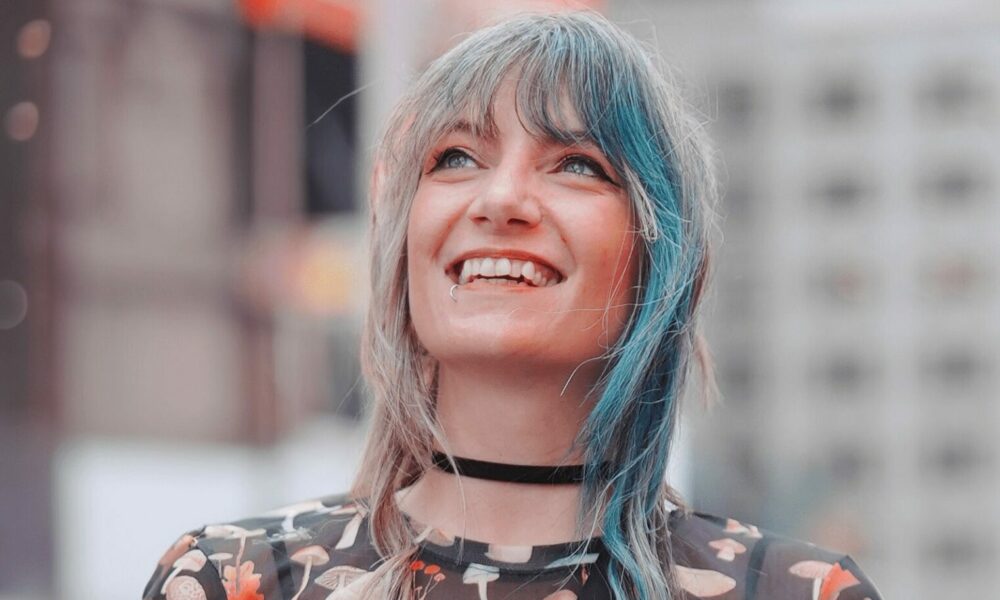
Today, we’d like to introduce you to Mel McCann.
Hi Mel, can you start by introducing yourself? We’d love to learn more about how you got to where you are today.
Sure! I’ve always been a massive fan of animation. Since I was a kid, it was something I clung to.
The first time I saw Ariel singing “Part of Your World,” the craft instantly entranced me. The way she reached toward the screen sincerely reached into my being. To this day, Glen Keane is one of my favorite animators. Anyway, I was always picking up a pencil and drawing on any scrap of paper I could grasp. My mom had to send in many bills with scribbles on the envelopes. However, even with this passion for art, I didn’t expect to go into the field of animation.
It wasn’t until I was sitting in a Sociology course in community college at 19, doodling when I should have been paying attention to the exam review, that it clicked: I wasn’t in the right place. I didn’t know exactly where it should be, but I knew it wasn’t there. I was also well aware that I had to convince my family and friends that attending art school was the right path. Though I don’t think you must attend college to be a successful artist, it just made the most sense for me.
Growing up in a single-parent household, I knew it was risky because of the “starving artist” stigma that comes with the field. And being so far removed from the industry, I had no idea how I would break in. Regardless, I had enough awareness that I needed those four years to study the practice and take this career seriously. That’s how I found the College for Creative Studies in Detroit. Who would have thought there was an art school so close to home that could give me the tools I needed to have a chance to pursue animation? I didn’t know it yet, but it was my best decision- though one of the most financially risky investments. The uncertainty of employment weighed heavily upon graduation.
Earning my BFA a few years after the 2008 recession was a huge bump that altered where I expected to land: Las Angeles. Though I was storyboard testing for studios like Cartoon Network and getting some interest from other properties, it was tough to land that first gig when so many talented people with experience were available. It reminds me of what we’re seeing in the industry today. Regardless, I had to prove that making such a massive investment in earning my degree would pay off. I became more open to taking on different creative roles, such as graphic design, and turning into a creative director role while doing some freelance character animation on the side.
Working in design gave me insight into branding and a fast-paced environment. It also allowed me to see another way to use animation in the commercial industry. Doing ‘cel’ animation (frame-by-frame) freelance for studios such as Gunner and Yeah Haus early on also helped me fall in love with this aspect of the advertising industry: the excitement of jumping from project to project, encapsulating characters in just 30 seconds, and figuring out how to complement editorial illustrations. It was an exciting experience and allowed me to grow significantly from the range of projects I got to touch.
As my animation work began to build, I was invited to teach a production course for animation at my alma mater, which led to a full-time position and a director role. Teaching is an incredible experience, especially if it’s related to your field. It brought me back to understanding the basics, articulating workflow processes, diving deeper into technical aspects, and revisiting the youthful ambition of exploring my creative freedom. It completely altered my understanding of what I do.
Eventually, growing into a role as an assistant professor and later the director of animation also taught me many things and fulfilled me in ways I never anticipated. It is incredible to watch a student grow through four years of development, not just in their skill set but in their creative voice and as a young adult. Seeing them go off to do brilliant work or sometimes even become a partner or colleague is fantastic. It also helped me understand what it’s like to be a strong leader because you’re not only there to mentor, but you can also teach folks. It showed me how to articulate a process, develop a healthy production schedule, and continue exploring what I want to say as an artist.
These experiences have been instrumental in developing my practice, Eat Rice Studio, and advancing my animation career. Working with various studios and people worldwide has been an incredible journey, filled with opportunities to meet professionals, learn from their processes, develop lasting partnerships, and create beautiful work. Additionally, this journey has enabled me to provide my students with their first studio experience and to contract work with talented alumni, which is immensely rewarding.
Reflecting on my story, I’ve realized that following what feeds your passion, taking risks, giving back, and continuously learning truly pays off. However, being patient with yourself and your progress is equally important. Success doesn’t have to happen here and now and precisely how you imagined it; taking your time and being open to exploring the offbeat path is excellent.
We all face challenges, but would you describe it as a relatively smooth road?
Imposter syndrome was my biggest struggle early in my career. You never completely get over it, but learn to manage it as you grow into your practice. The worst thing about imposter syndrome is not valuing yourself enough, which later can lead to issues with rates and overworking. It can also affect your perspective of yourself, and people can sense that from you and, in turn, treat you the same.
I learned to counteract this by reminding myself, “These studios hired you for a reason.” As I gained more experience, I realized that many people, even the most skilled in the highest roles, battle this feeling. We’re all just big kids trying to figure things out. You get to a point where you can talk yourself out of the behavior or take a moment to acknowledge that it’s bubbling up and move on. That shot isn’t get done if you’re sitting there beating yourself up. It will significantly impact your output as well.
The hustle mindset was another struggle along the way. Being eager and willing to pull all-nighters and overextend myself on multiple projects was a terrible approach. Not only does your health suffer, but the animation does, too. Continuing this pattern makes it easier to experience burnout as well, which can be crippling and take months to recover. Unfortunately, “hustle culture” results from many creative industries, especially entertainment and advertising.
Don’t get me wrong, sometimes you still have to bring the hustle, but that project you’re working on isn’t worth killing yourself. It’s just a tiny blip compared to the most essential things encapsulating your being. I’m not saying that anyone should miss a deadline or not meet the goals they set out to achieve. But finding a healthy balance, better understanding your habits, setting boundaries, and feeding your brain by experiencing life are all significant factors in continuing to practice in a creative field.
The last challenge for me was not being taken seriously, not just as a symptom of being a woman but also as a kind and open person. Some people may take advantage of that or see it as a weakness. Now that I have a much more established reputation, I don’t see it as much, but it was incredibly frustrating early on. There were folks I worked with who had zero experience in cel animation, dismissed my expertise, and didn’t understand the complexity of the process. It was incredibly frustrating, and many of us are still burned by it. We’re here to bring magic—to put essence into a 2-dimensional character. It’s the narrative’s charm, the thing that audiences connect to.
It’s something that can’t be approached the same way each time. It’s just a feeling encapsulated in drawings, rhythm, and repetition. With that, it can be a push-and-pull battle when the person(s) you’re working for doesn’t trust the artist to bring it to life. It always makes me think of a cheeky comment my mentor Steve Stanchfield shared when working with the brilliant female animator Luisa Moreno, who would always say to her directors in her low, raspy voice, “Don’t worry, darlin’. You’re going to love it.”
Great, so let’s talk business. Can you tell our readers more about what you do and what you think sets you apart from others?
Eat Rice Studio is my baby—it’s both the name of my freelance business and the home of providing cel animation projects. At Eat Rice, collaboration is at the heart of everything we do.
Whether you’re an individual client or a bustling studio, you can tap into my creative expertise for your animation projects or harness the full breadth of our talent pool for comprehensive production support. From curating specialized teams to handling character animation, storyboarding, and design, we can oversee every aspect of production, adapting to meet the needs of any project.
With a strong background in animation and a rich network of talented alumni and colleagues, we bring a keen eye for assembling the perfect team for each project. The studio seamlessly taps into this extensive network when a project calls for a specialized crew, including cel animators, storyboard artists, compositors, and visual developers. By tailoring the team to meet the unique requirements of each project, we ensure that only the most skilled and personable professionals are involved, guaranteeing exceptional quality and results every time.
Our versatile leadership, collaborative and adaptable approach, specialized team curation, and emphasis on quality and personalized solutions set us apart. These elements and our strong network and commitment to excellence make us stand out for clients seeking exceptional animation and production services. We pride ourselves on our ability to bring magic to life, encapsulating the essence of storytelling in every project we undertake.
What are your plans for the future?
Lately, we’ve been diving into developing some original content. We’re excited to produce bite-size short films that let us flex our creative muscles and make the kind of work we truly want to create. There’s nothing better than working with friends and exploring a narrative together.
We’re also venturing into other creative endeavors, like apparel development and gallery work, to broaden our artistic horizons. Exploring new possibilities during our downtime and figuring out how else “Eat Rice” wants to express itself has been a fun and rewarding journey.
Contact Info:
- Website: http://www.eatrice.studio
- Instagram: https://www.instagram.com/eat_rice
- Facebook: https://www.facebook.com/EatRiceStudio
- Linkedin: https://www.linkedin.com/in/melmccann/
- Twitter: @melimator
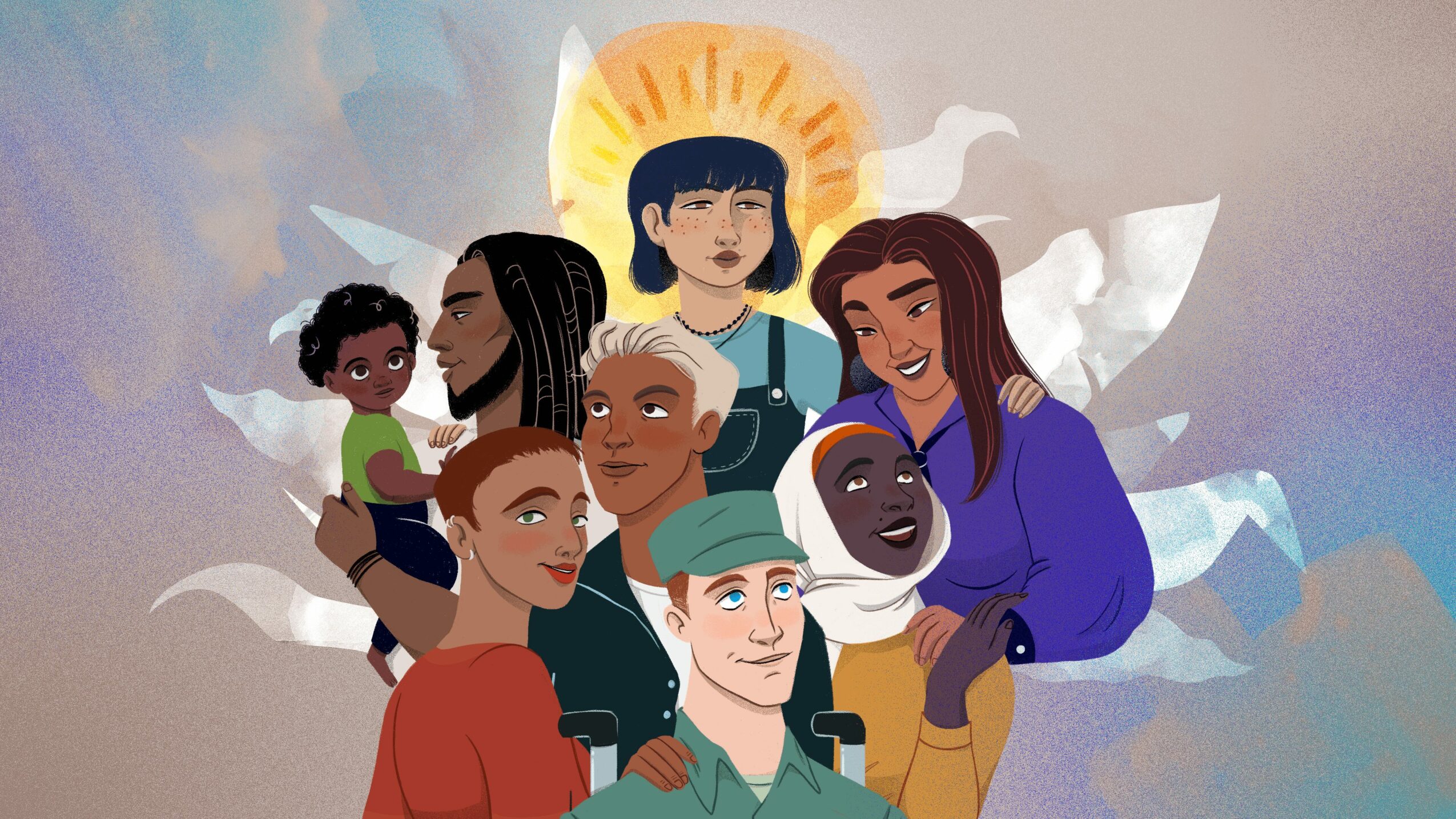


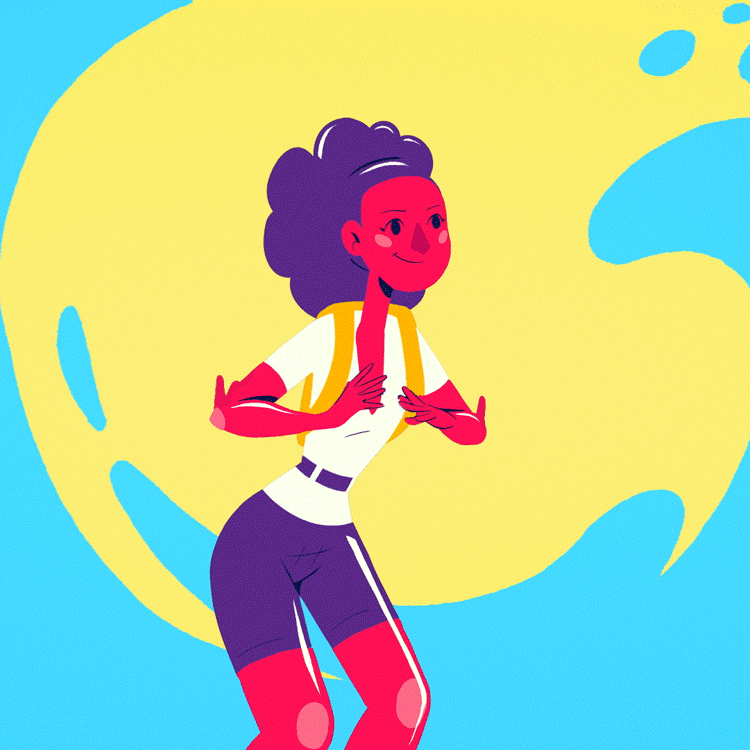
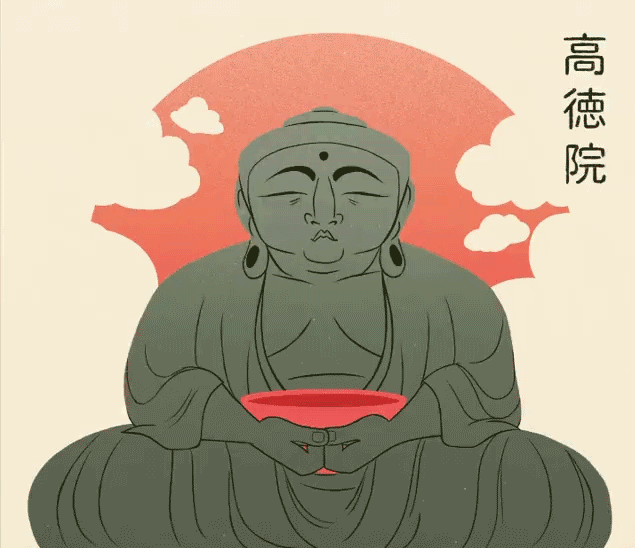
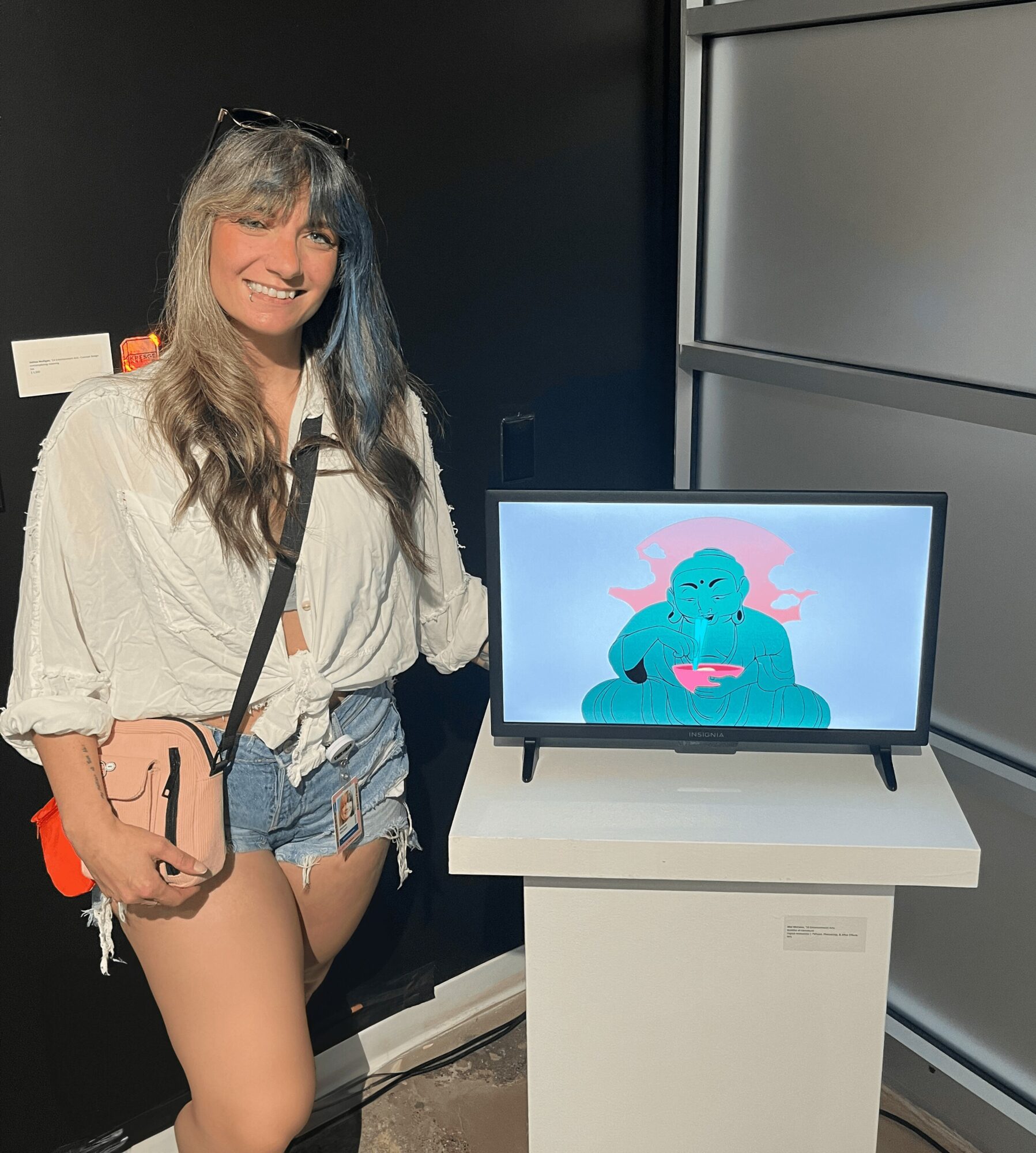
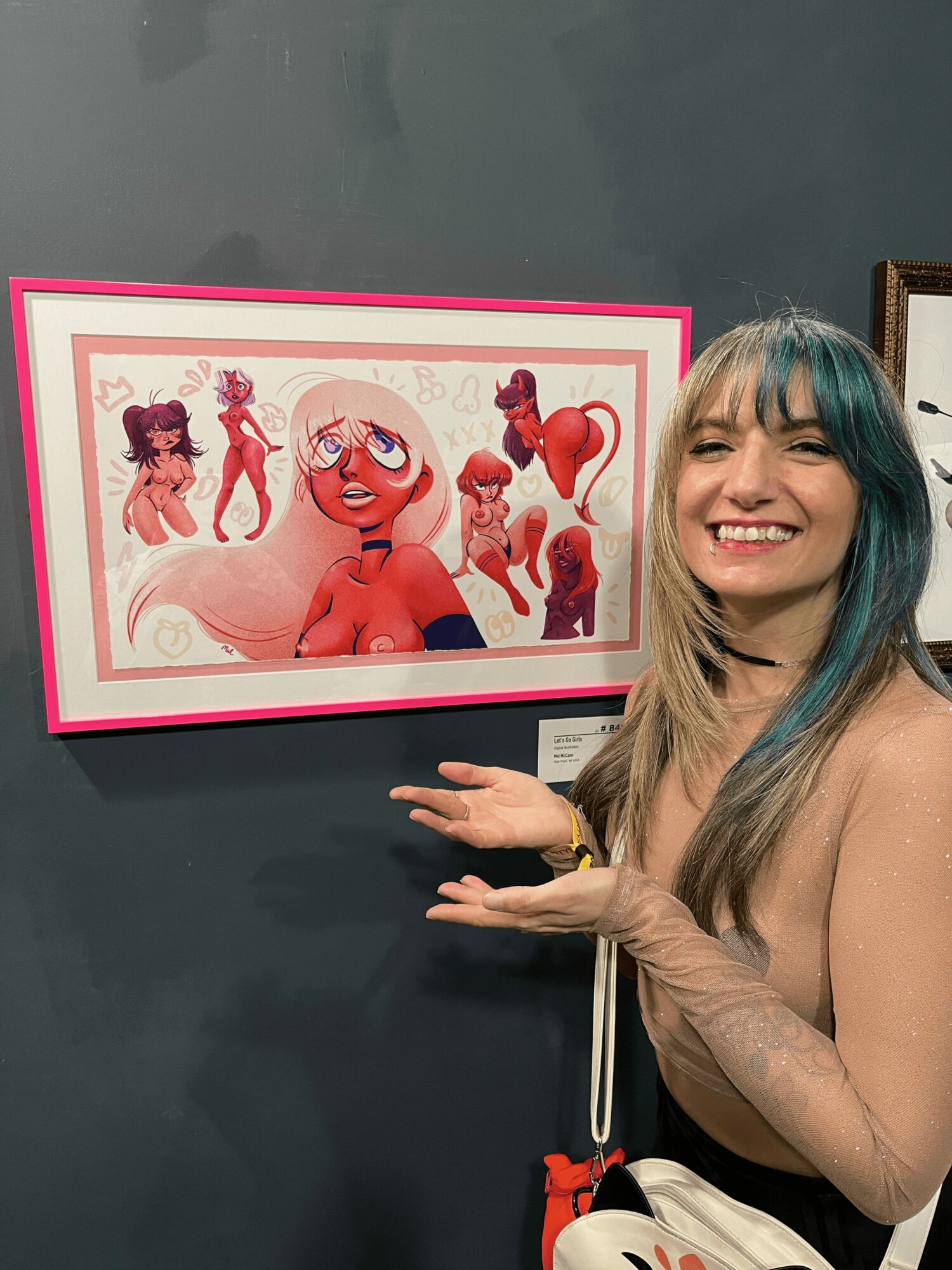
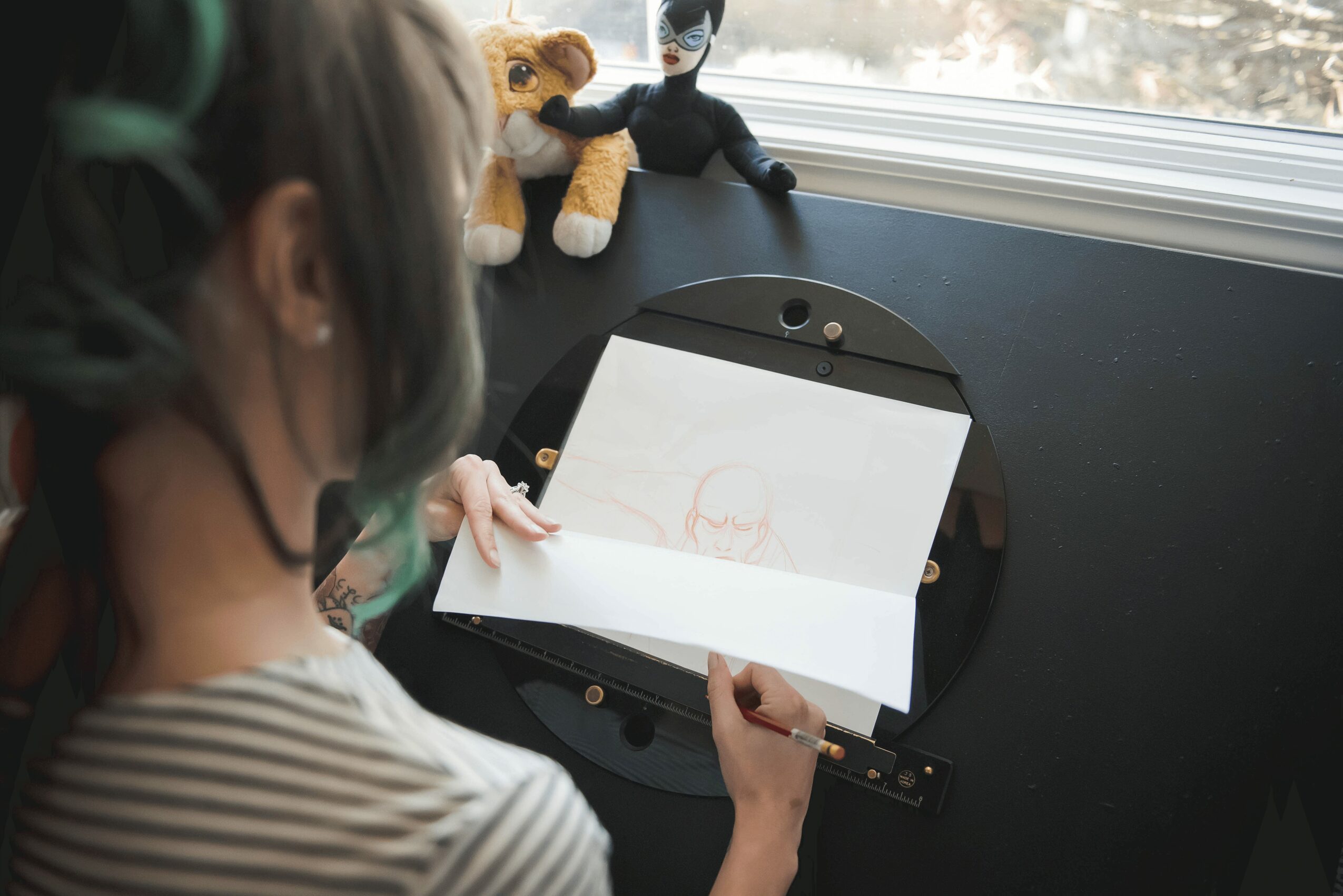 Image Credits
“Getcha Morty” character animator and storyboard artist | Directed by Yeah Haus | Client: Adult Swim “Care for Each Other” illustrator and art director | Directed by Zara Creative | Client: Ford SDI “Psych-Out” character animator | Directed by First Fight “Koala Boys” animator and art director | “My Party Animation Jam” coordinated by Dillan Murillo and Senna Church “Climber” animator, art director, and storyboard artist | Directed by Yeah Haus | Client Culturelle “Buddha of Kamakura” animator and art director | Personal Project “Buddha of Kamakura” shown at Re/View Alumni Exhibition 2024 “Let’s Go Girls” shown at Dirty Show 2024 “Roadkill” over shoulder shot od traditional animation
Popular
-
Inside the Future of Search: Robb Fahrion on Building a Global Team and Leading the Rise of GEO
-

From Supporting Local Boutiques to Building Brand Partnerships: Cinthia Jensen’s Creative Marketing Journey
-
Building Community Through Curiosity: Nathanial and Samantha Rowe on the Vision Behind UNEARTHED
-

Portraits of the Valley
-

LA’s Most Inspiring Stories
-
Building Creative Bridges: Torrey Tayenaka on Community, Collaboration, and the Future of Sparkhouse


