




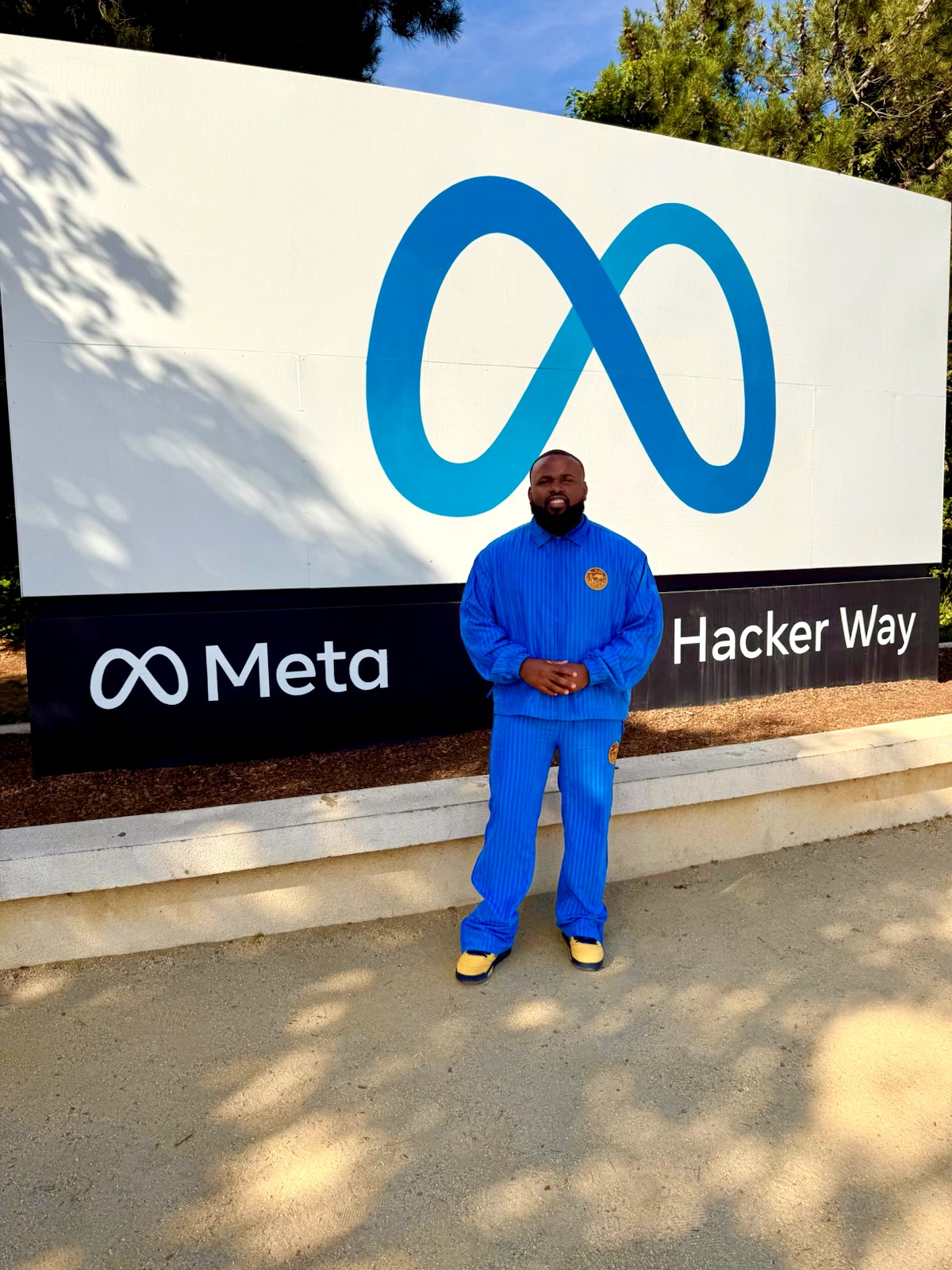
Today we’d like to introduce you to Zuri Godfrey.
Hi Zuri, thanks for sharing your story with us. To start, maybe you can tell our readers some of your backstory.
My story is a journey of pivoting from the football field to the workplace. At Howard University, I was a division one varsity athlete, but after my sophomore year, I realized the NFL wasn’t my path. I traded my cleats for corporate, landing opportunities at Google, ESPN, NFL, Nike, and PwC. After receiving a full-time conversion offer from Google, I completed two rotations in the coveted Associate Product Marketing Manager program before being promoted to Brand Marketing Manager where I led social strategy and creator advocacy.
Since then, my career has been a whirlwind of bridging the gap between tech giants and the creator economy. During my time at Google, I spearheaded major brand activations such as their sponsorship of CultureCon NYC and partnership with The Pivot Podcast. I’ve always witnessed that if you meet the moment with authenticity, the brand love and revenue will follow.
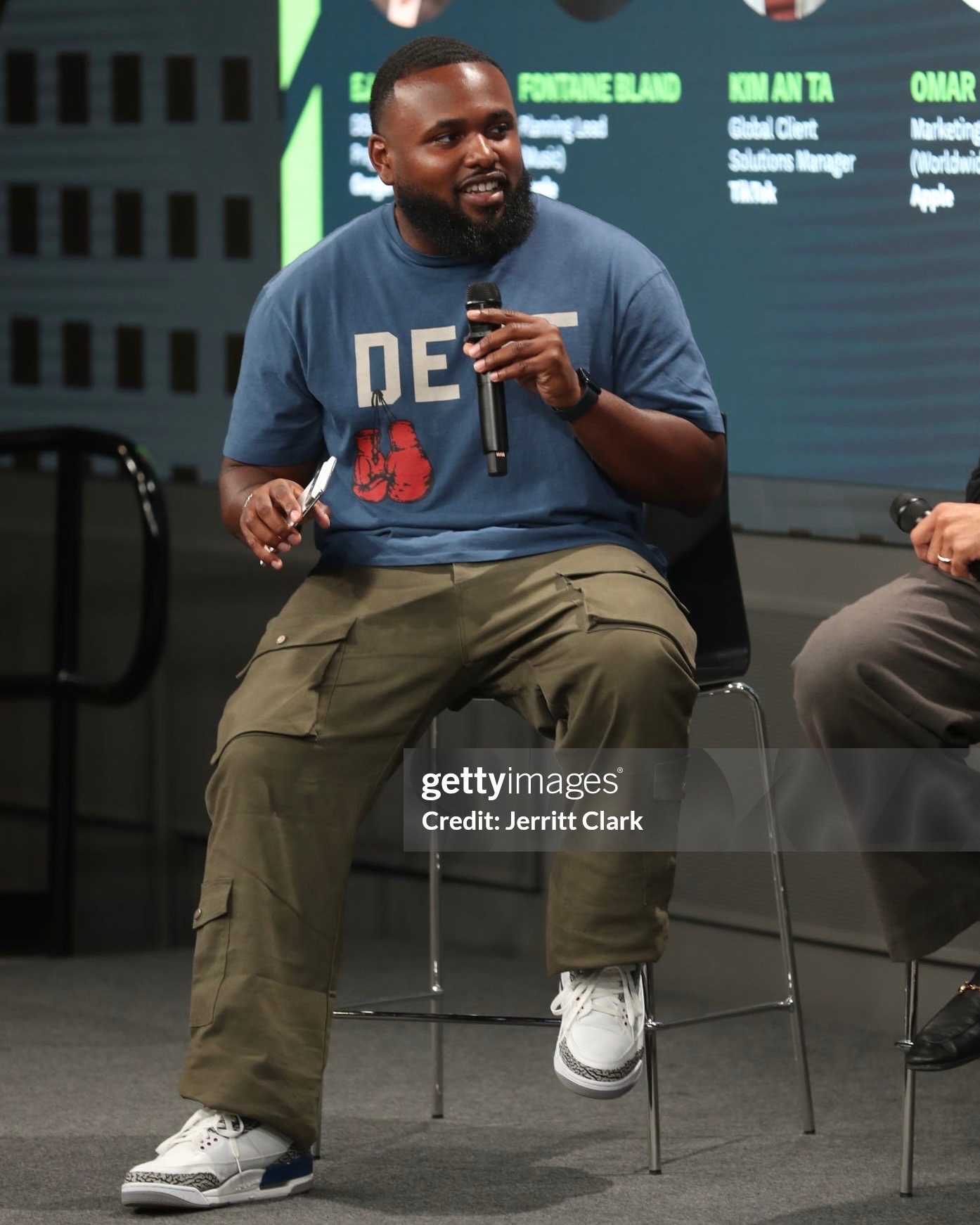
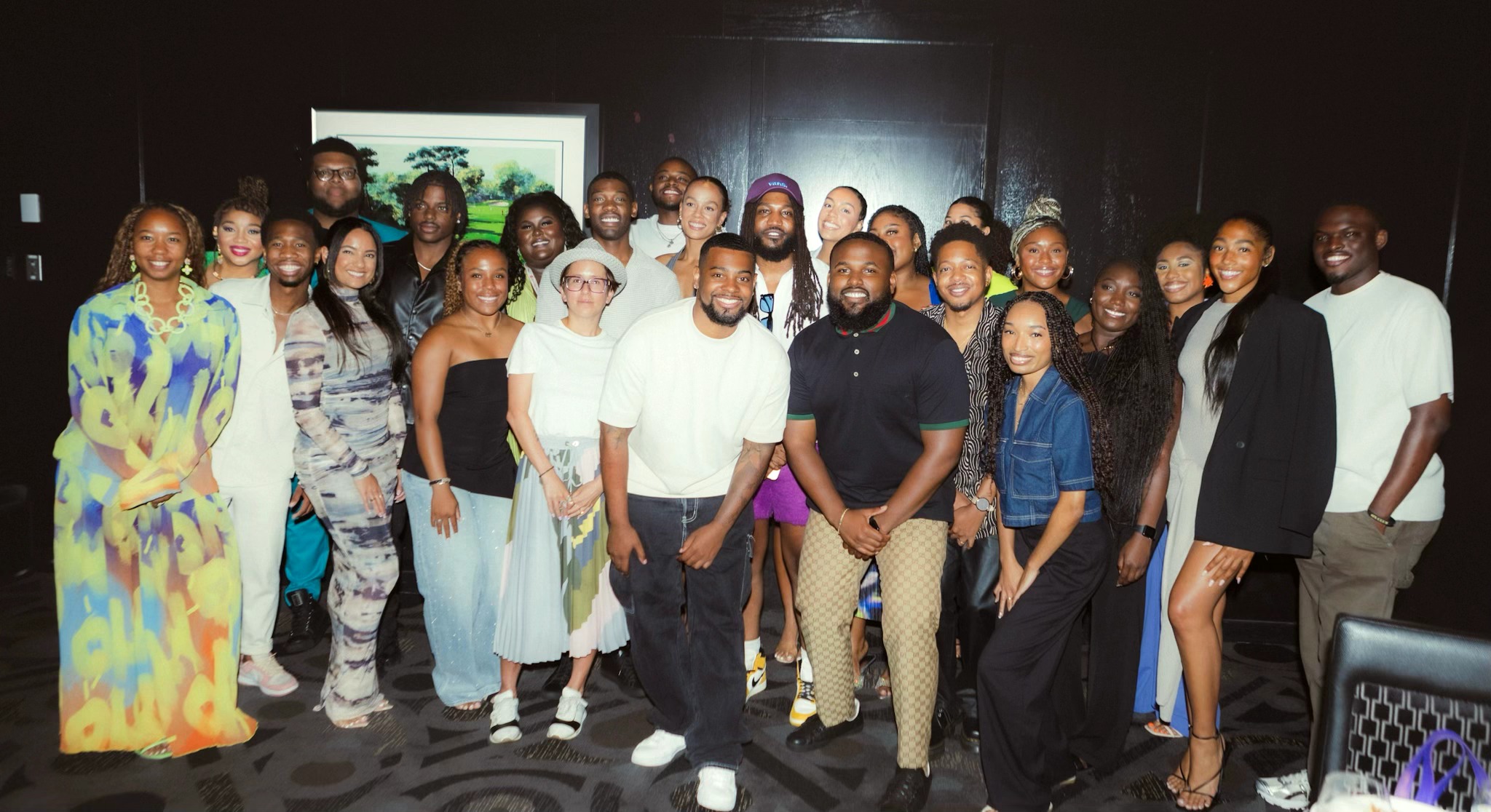
Today, I’m at Meta as an Integrated Marketing Manager (Wearables), supporting campaign, social, and influencer efforts for the new Meta Ray-Ban Display AI glasses. But as much as I love rising up in my “9-to-5,” my “5-to-9″—my true why—has always been about reaching back. I founded The Village, a nonprofit and mentorship program that has helped over 200 college students and early career professionals land roles in marketing with a 90% placement rate. Whether I’m speaking on a stage or hosting an event for The Village, my goal remains the same: redefining what’s possible at the intersection of culture, community, and technology.
Alright, so let’s dig a little deeper into the story – has it been an easy path overall and if not, what were the challenges you’ve had to overcome?
If I’m being completely honest, the road has been anything but smooth. But I know everything had to happen to lead me to where I am today, and I am grateful for those struggles. From the outside, it probably looked like I was moving from one win to the next—going from an athlete at Howard University to working in Big Tech. But on the inside, I had to navigate an identity crisis.
This really started when I arrived at Howard as a preferred walk-on. I had to grind every day just to prove I belonged on the team. While everyone else saw me as an athlete, I’m someone who commits 100% to everything I do. I didn’t just want to be on the team; I wanted to be on the starting roster.
The hardest part wasn’t the physical toll on my body; it was the realization that I wasn’t going pro. While my high school friends were deep in the chase for the league, I was facing the reality of what came next. I pivoted and focused on corporate America while finishing my Business Management degree. Watching them prepare for scouts while I prepped my resume for job interviews felt like grieving a life I wasn’t ready to let go of yet.
After graduation—even though I had a full-time offer from Google—I took an internship at ESPN in sports marketing focused on college football. On paper, it was a dream. However, being at those games for work and standing on the sidelines, I couldn’t stop the “what ifs.” Nobody realized I was struggling because, from the outside, I was “killing it.” In reality, I was hurting and found myself even disappointed because I was so close to a game that no longer included me as a player.
In hindsight, that was the closure I needed to move on. I realized I needed a clean start where my value wasn’t measured by stats, so I chose the tech route over the business side of sports. It was a way to step off the field entirely and build something that belonged to me, not just the athlete I used to be. The road wasn’t smooth, but those bumps were exactly what forced me to finally find my own lane.
Appreciate you sharing that. What else should we know about what you do?
I currently serve as an Integrated Marketing Manager at Meta, coordinating our go-to-market strategy with a focus on social and influencer for our innovative Wearables. In this role, I also quarterback our measurement to ensure we are driving cultural relevance and product revenue for Meta Ray-Ban Display.
I was approached for this role because of my expertise in social-first marketing and the creator advocacy. I specialize in building bridges between tech giants and the creator economy through modern marketing. What truly sets me apart is that I’m not just a strategist; I’m a creator myself. With over 40K followers and 1M annual impressions on LinkedIn, I understand the ecosystem from the inside out. This perspective allows me to move beyond traditional marketing and develop strategic initiatives that foster genuine discovery and monetization for talent.
I am most proud of my ability to convey how complex technology fits into consumers’ everyday life in a manner that participates in culture while still driving resonance and eventually, revenue.
Can you share something surprising about yourself?
Most people see my marketing work today, but they might not realize that I started my career by pitching an idea that would impact over 500 million people. During the summer of 2020, while the world was reacting to the murders of Ahmaud Arbery, Breonna Taylor, and George Floyd, I was serving as an intern at Google. While many teams were focused on short-term or one-off marketing ideas, I identified a massive gap in one of our core products: Google Calendar did not recognize Juneteenth. I firmly believed that if our brand wanted to authentically lean into their users to help them, it needed to provide a sustainable solution rather than a temporary tactic.
To get this approved, I leveraged competitive insights, notably that Apple had already adopted the holiday on their calendar, which shifted the conversation from a moral argument to a necessary competitive move. I also leaned on my village by enlisting the support of the Chief Diversity Officer and my immediate teammates to sell-in the monumental idea. By framing the inclusion of Juneteenth as a way to drive brand favorability and goodwill, the idea was approved and implemented within weeks. This experience taught me that impactful brand work comes from meeting the consumer with an immediate solution that provides them a sense of belonging.
Contact Info:
- Website: https://www.zurigodfrey.com/
- Instagram: https://www.instagram.com/zurigodfrey/
- LinkedIn: https://www.linkedin.com/in/zurigodfrey/
Popular
-

Finding Balance Through Art: Theresa Croft on Blending Music, Wellness, and Visual Storytelling into a Holistic Creative Identity
-

From Street Corners to City Tours: Chef Chuck Glaster on Building SOULD Out Into a Culture-Driven Culinary Movement
-

Portraits of the Valley
-

LA’s Most Inspiring Stories
-

From Rock Bottom to Calling: How Hasani McLean-Davis Found Purpose Through Faith and Music
-

Building a Scalable, Soulful Travel Brand: How Abboud Khallouf Turned Morocco Into a Global Experience


