



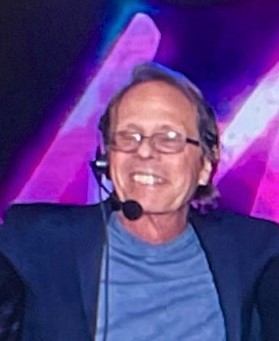
Today we’d like to introduce you to Steve Shoemaker.
Hi Steve, thanks for joining us today. We’d love for you to start by introducing yourself.
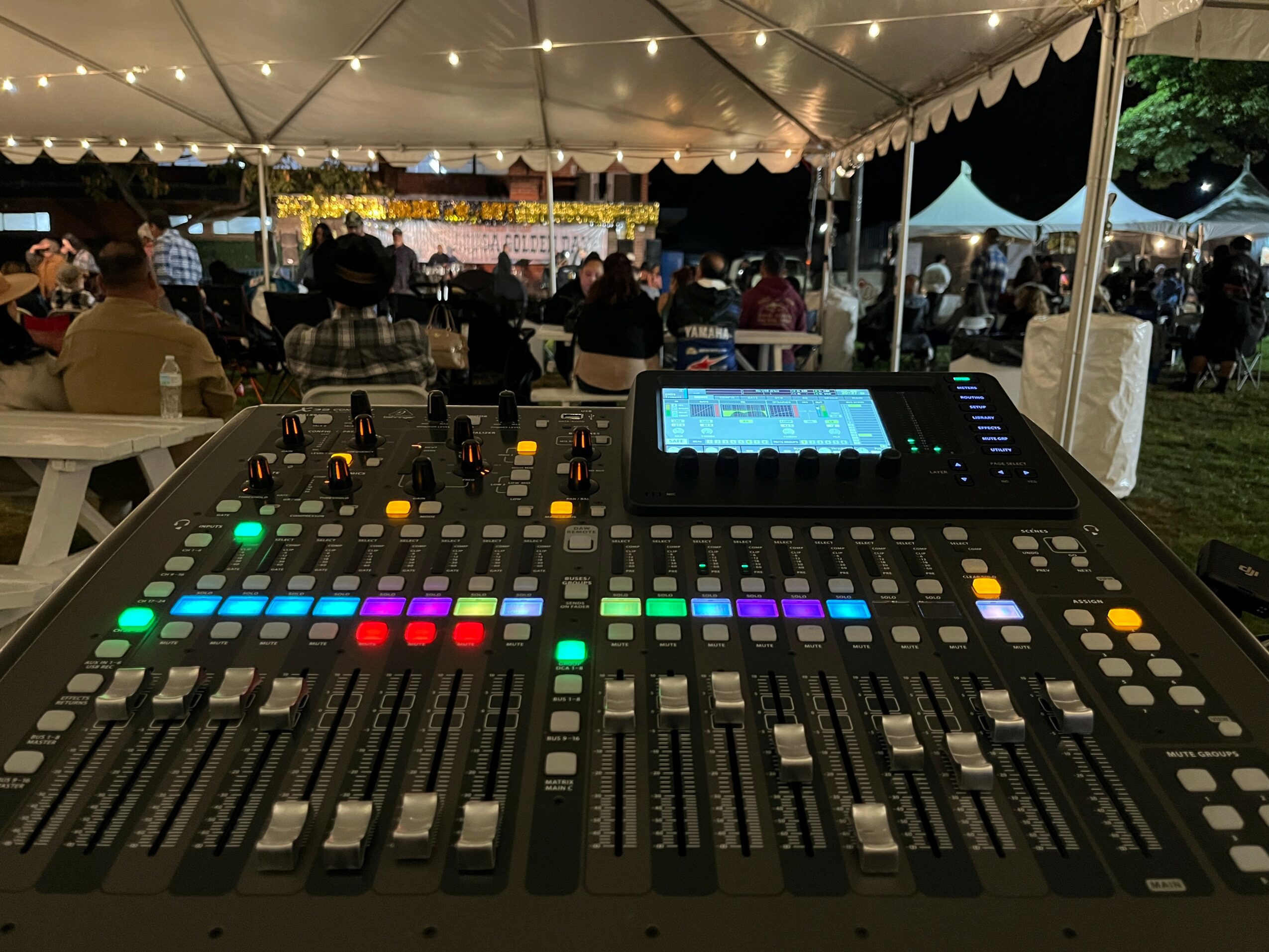
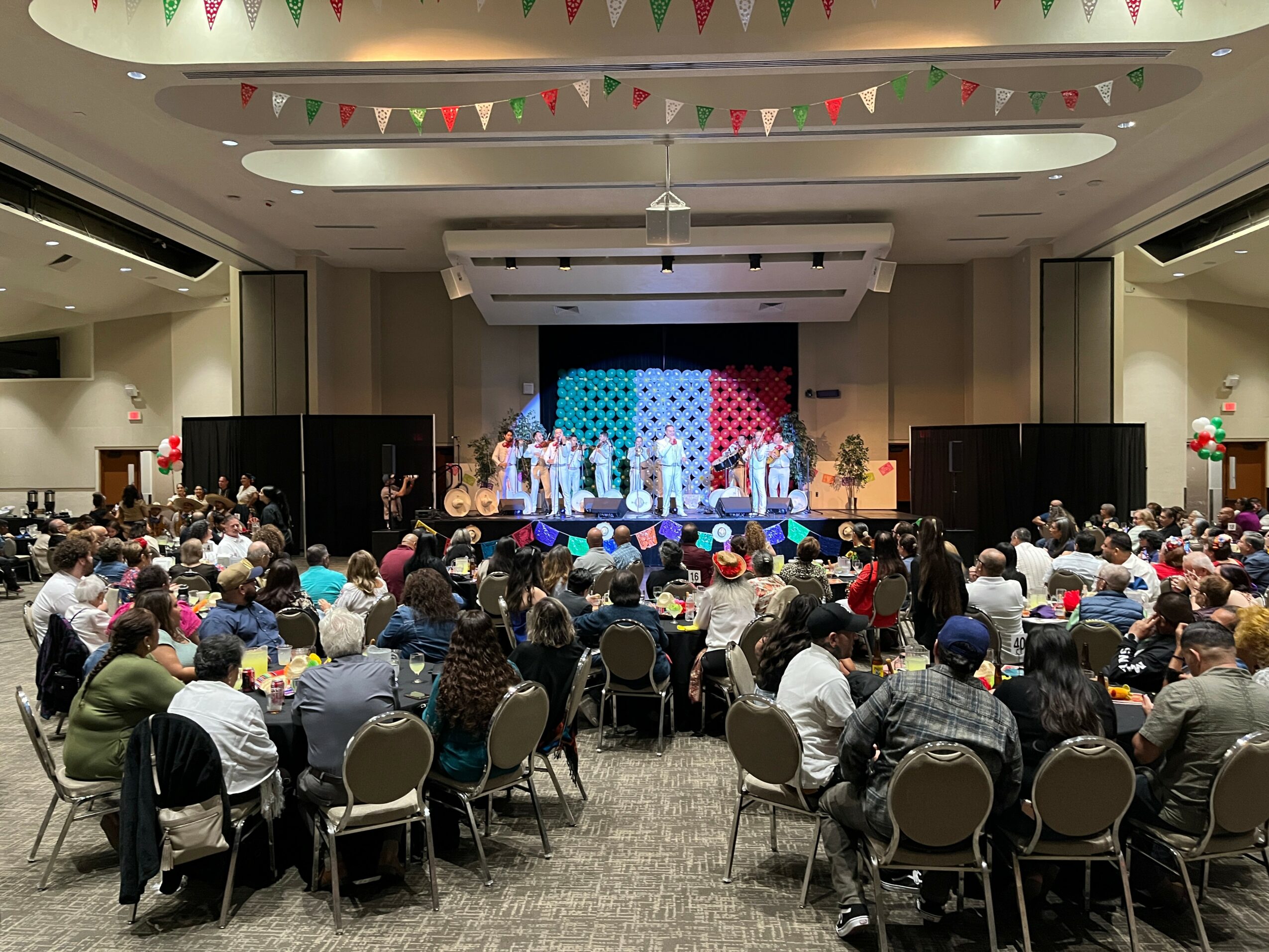
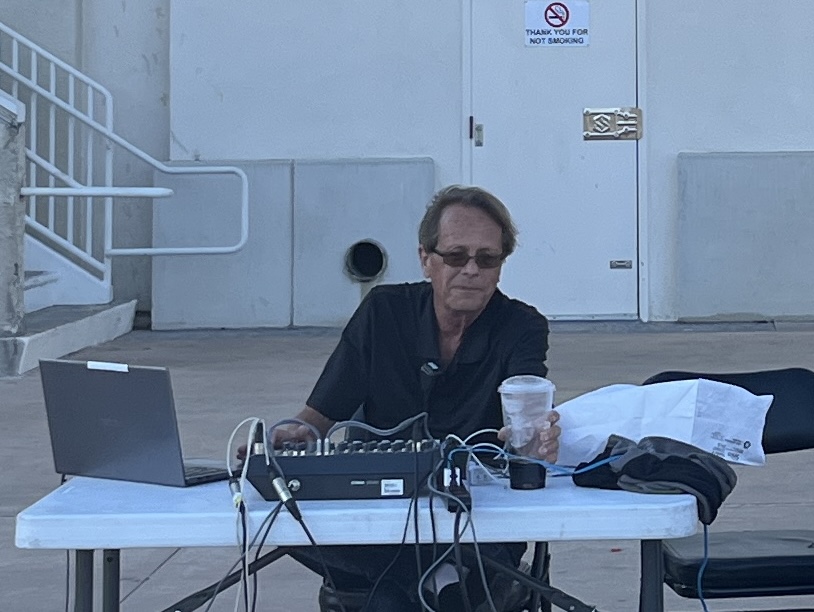
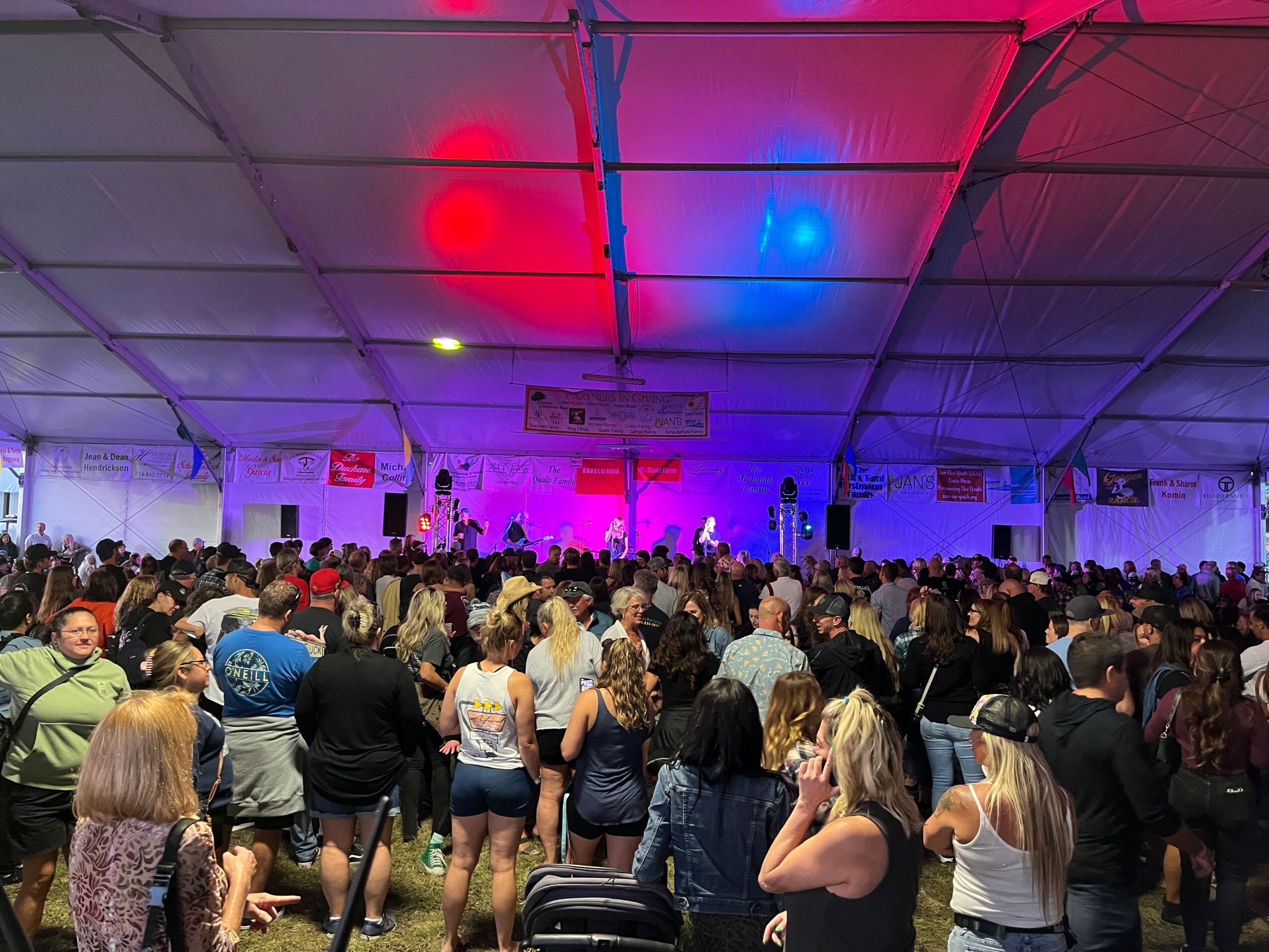
Starting in my early teens, I was in original bands. In my late twenties, I opened a musical instrument, and pro audio shop. People started hiring me to run sound for their events, and band gigs. One thing lead to another, and I closed the retail store, and went full time running sound. I got booked for all types of event.s Clubs, larger concerts, fundraisers, business meetings, festivals, Schools. weddings, cultural events church services, and any other types of events that you can think of.
I haven’t needed to advertise, or pound the pavement to get gigs. People ask me for cards when I’m mixing a show, or call the people that hired me to get my contact information. I am very grateful for that. My favorite story about that, is when I was invited to a meeting for a five concert series. I had a media kit with photos, testimonials, and a demo CD with seven minutes of snippets of my live mixes. When I handed it to them, they said, “We don’t need all that. We have heard all about you. The reason you are here, is to let us know if you can live with our budget.”
We all face challenges, but looking back would you describe it as a relatively smooth road?
For the most part, it was smooth sailing. I didn’t take any type of Live Sound course, or attend seminars. As the level of shows offered rose to higher levels, I needed to rise in technical knowledge in order to be successful at those gigs. Back then, I made a lot of phone calls to associates that began with, “Have you ever done a gig that……………?” I worked Freelance with larger A/V companies doing corporate gigs when I wasn’t booked on my own gigs. Whatever position on the crew they offered me, I accepted. You can pick up a wealth of knowledge by watching and listening to everything while working those gigs. You also learn how not to have problems on your own gigs by watching supervisors get themselves in trouble on their gigs.
The hardest things I went trough was the time that my van caught fire, and I lost everything. Then six years later, my fully loaded van was stolen, and I had to rebuild again from the ground up. After that, it was smooth sailing again, until covid-19 hit. Live Entertainment was completely shutdown for eighteen and a half months. With the gigs that were confirmed, I was going to have a record year, and there were more gigs that were in negotiations. Then all of a sudden, I had nothing to do.
I was humbly grateful that as soon as it was announce what day Live entertainment would open again, the phone started ringing, and the emails were coming in. Not all of my accounts survived the shutdown, but the ones that did survive wanted me back at their service. There was some rebuilding, but after going through those other two things, it felt very easy.
Alright, so let’s switch gears a bit and talk business. What should we know about your work?
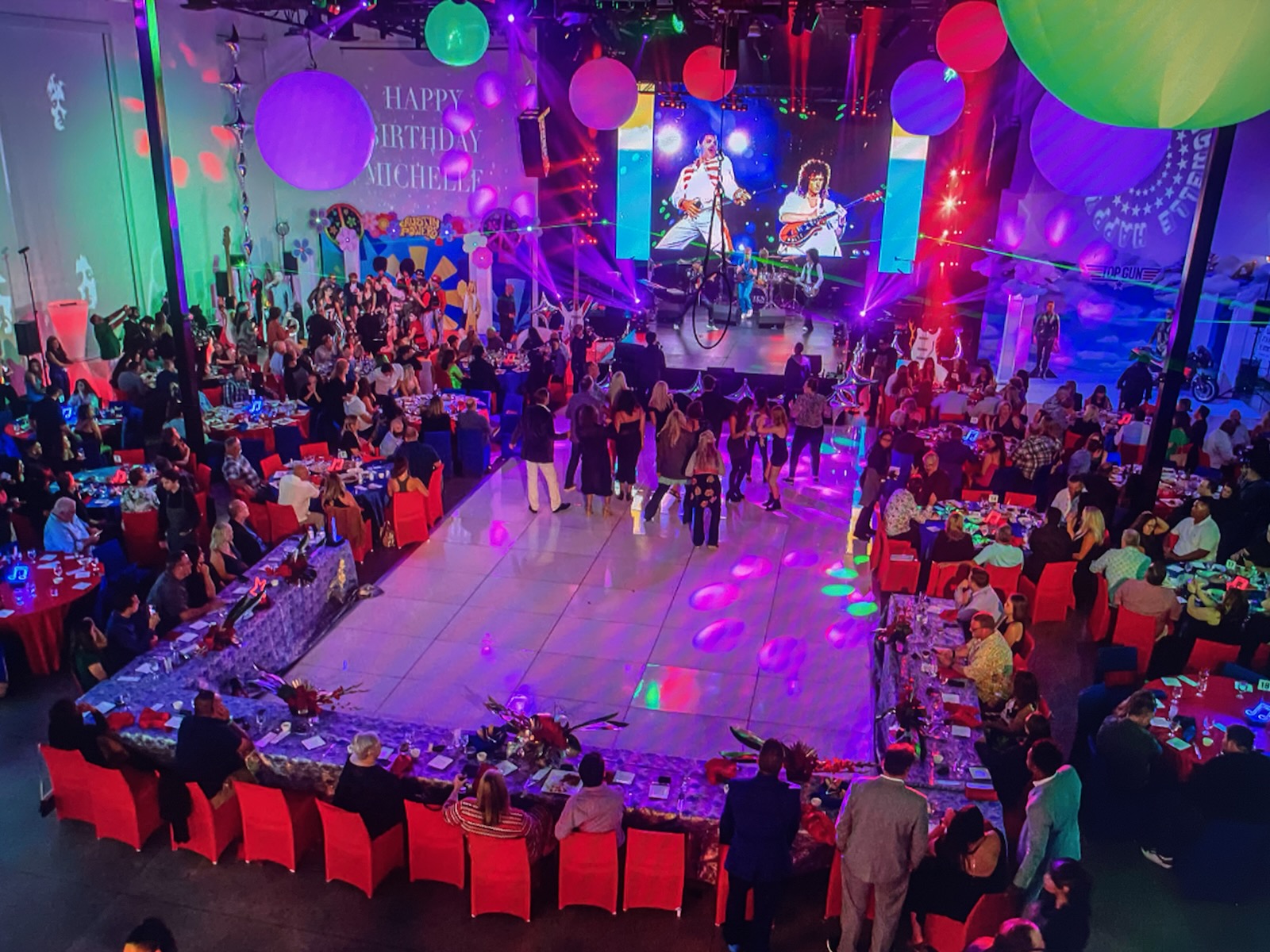
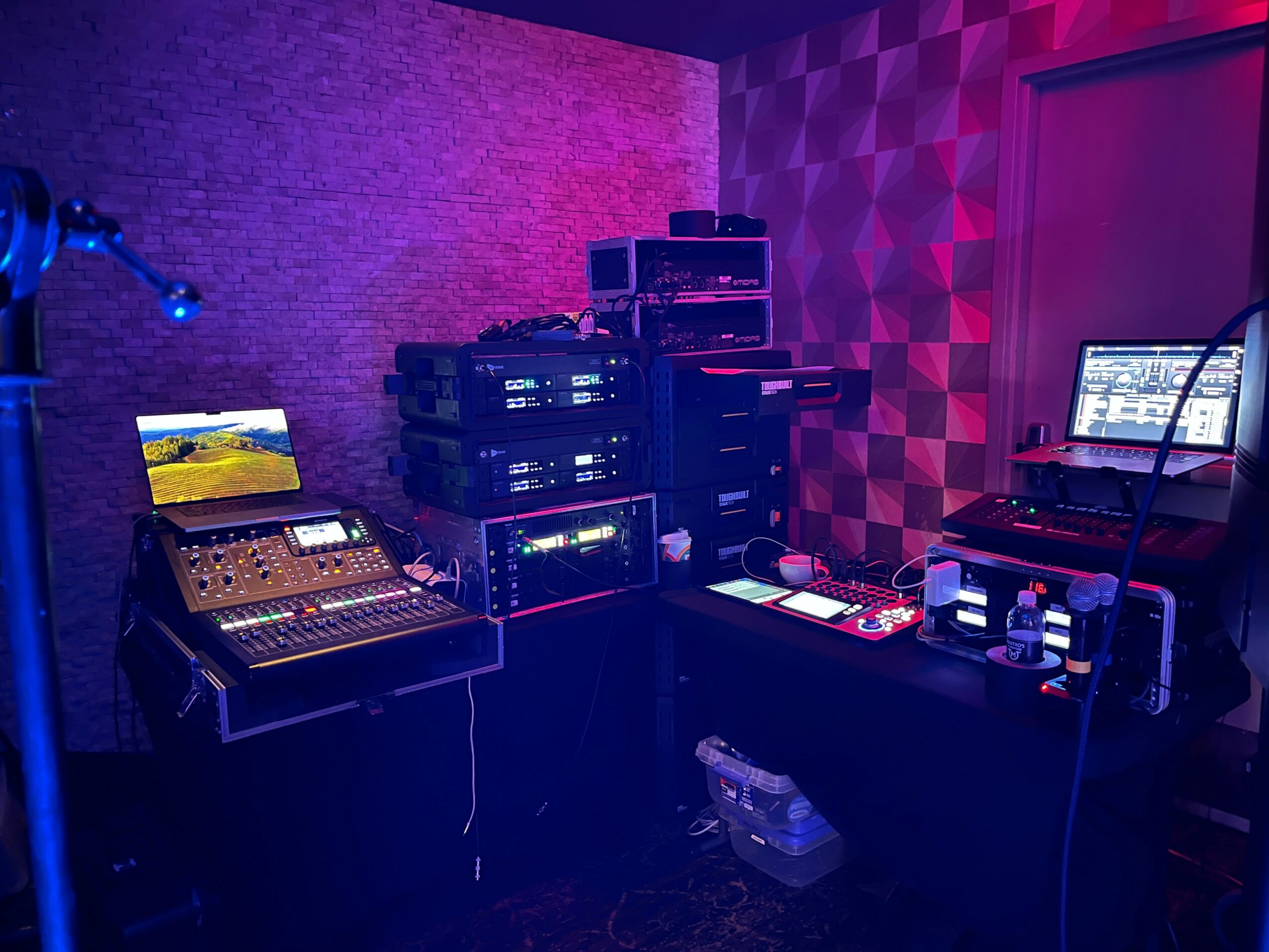
When people ask me what I do for a living, I say that I make noise and play with my toys. We enjoy what we do. It is as much of an art, as it is a business. That includes how the system is set up to work best in the room, and the attention to detail while mixing the show. Pre-show communication with everyone involved in an event is crucial. First time clients are often surprised when I ask for a meeting with the decorator. The thing is, the decorator has things to place throughout the room, and I have equipment to place throughout the room. Negotiating the layout in advance of setup day, prevents a lot of aggravating conversations, and time on setup day.
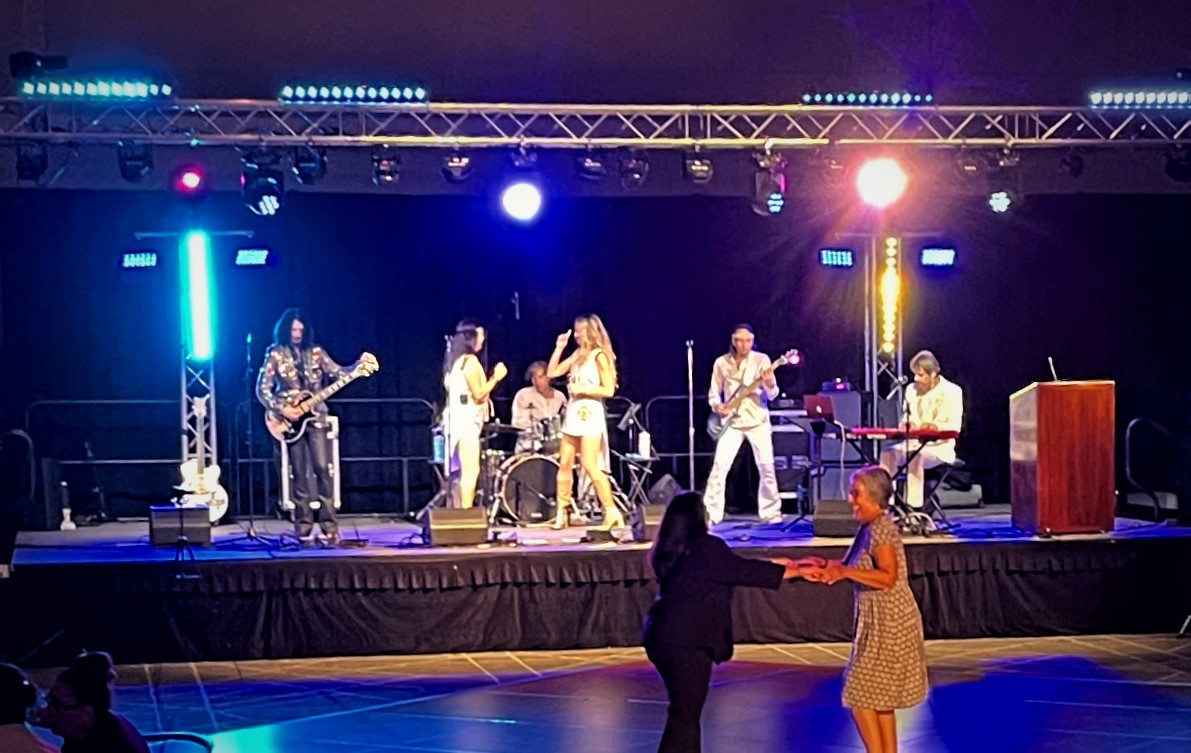
When mixing a tribute band, or a period themed band, I ask for their setlists in advance, so I can study up on the vocal effects, and instrument tones that were used on the original recordings. Matching those sounds during the live performance, gives the audience the true experience of the genre. It is also good for the performers, because when I at least get very close to making them sound like the original recordings, people walk away from the show saying, “Those were great! They sounded just like them!
It is important to respect the craft, the people we work for, and the paces that we work in.. I run a well groomed, pleasant, polite, and well behaved crew. We show up for setup earlier than most do, to insure that everything is ready to go, well before the show’s start time. A smooth, and even timeline keeps the pressure off of an event. It doesn’t have to be hectic.
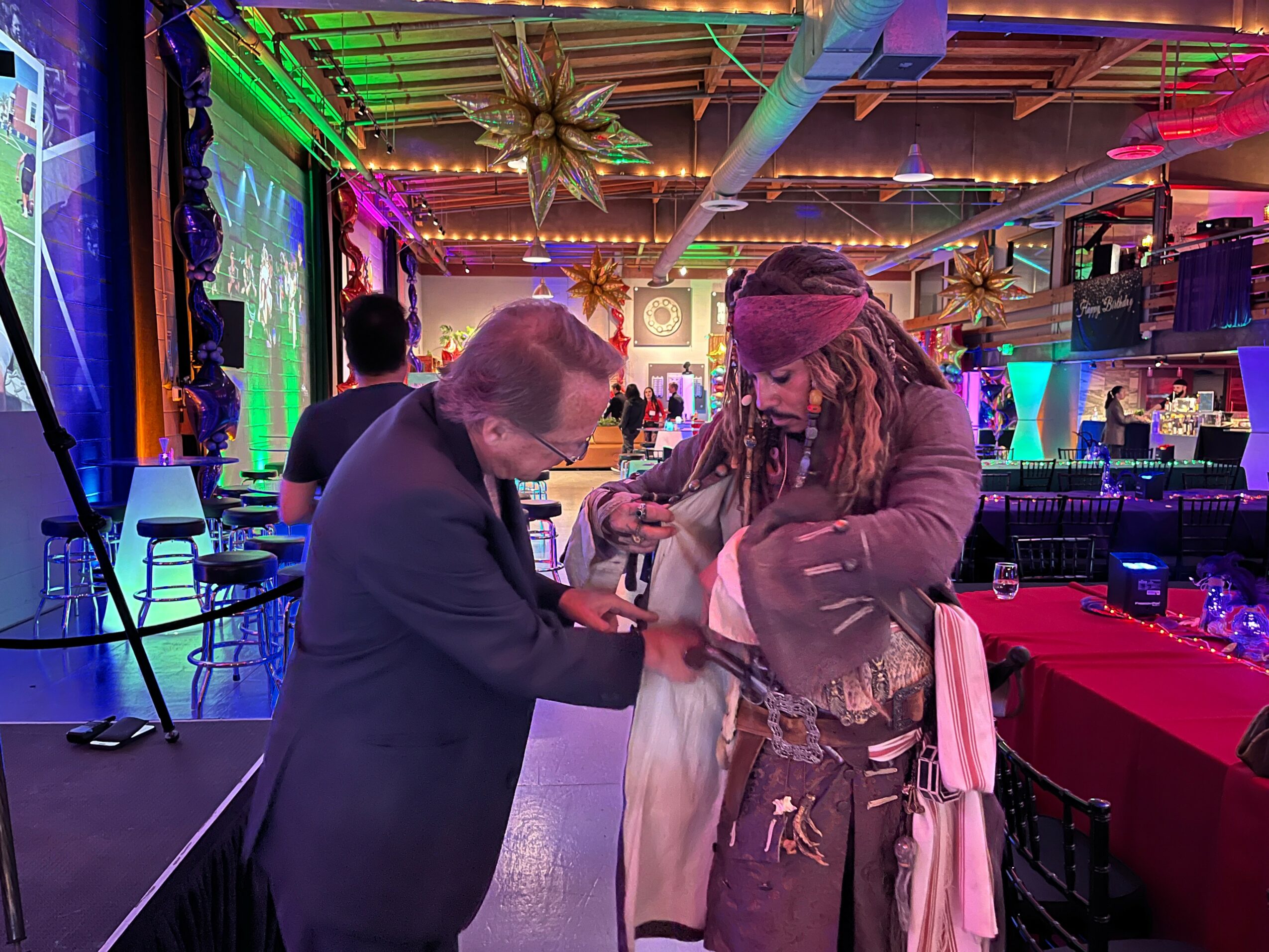
There was an event where there wasn’t a written timeline. The MC would tell me what was going to happen, right before we were going to do it. At one point, they were going to ask any veterans in the room to stand, then they would thank them for their service. I Asked the MC if he wanted me to play the National Anthem. He said, “Wow! I hadn’t thought of that! How do we do it?” When it was finished, some of veterans came up, some wiping tears from their eyes, and thanked him.
The industry standard on things like that, is “give the clients only what they ask for”. However, by offering a suggestion, I helped turn a nice moment in the evening into a very heartfelt, and memorable moment. I love doing extra things to enhance the impact of things on an event.
What my job is, is to make everyone happy. The sound and lighting systems are the tools to that are used to do it with. The technical crew and performers as a team, help people enjoy themselves, and forget their problems for a few hours. That is a wonderful thing to GET to do for a living.
What sort of changes are you expecting over the next 5-10 years?
Now that most of us have gone from analog to digital systems, the manufacturers have upped their game for the pedals that the players use. We are starting to see more silent stages these days. Instead of the guitars, basses and keyboards going through amps, they are going into pedals, that we take a feed from. More drummers are using electronic drum sets, that don’t make any noise on stage, A lot of bands have switched from monitor wedges to in-ear monitors. In a summer concert series I did this past summer, two out of five bands ran silent stages. We are going to see more bands switching to that method. It will most likely be many years for that to 100%, but ii is on it’s way to becoming the majority.
A few times in the last couple of decades, there have been unsuccessful attempts to replace sound engineers with electronic devices. I predict that they will try to put us out to pasture with AI, but so far, no machine yet has been able to keep up with us, and do everything that we do during a show.
Pricing:
- Our pricing is reasonable, and done per event.
Contact Info:
- Website: Steve Shoemaker Live Sound.com
- Instagram: Instagram: @steve_shoemxr
- Facebook: https://www.facebook.com/profile.php?id=100054363274495
- Youtube: https://www.youtube.com/@stevenshmkr
Popular
-

Portraits of the Valley
-

LA’s Most Inspiring Stories
-
Inside the Future of Search: Robb Fahrion on Building a Global Team and Leading the Rise of GEO
-

From Supporting Local Boutiques to Building Brand Partnerships: Cinthia Jensen’s Creative Marketing Journey
-
Building Community Through Curiosity: Nathanial and Samantha Rowe on the Vision Behind UNEARTHED
-
Building Creative Bridges: Torrey Tayenaka on Community, Collaboration, and the Future of Sparkhouse


