




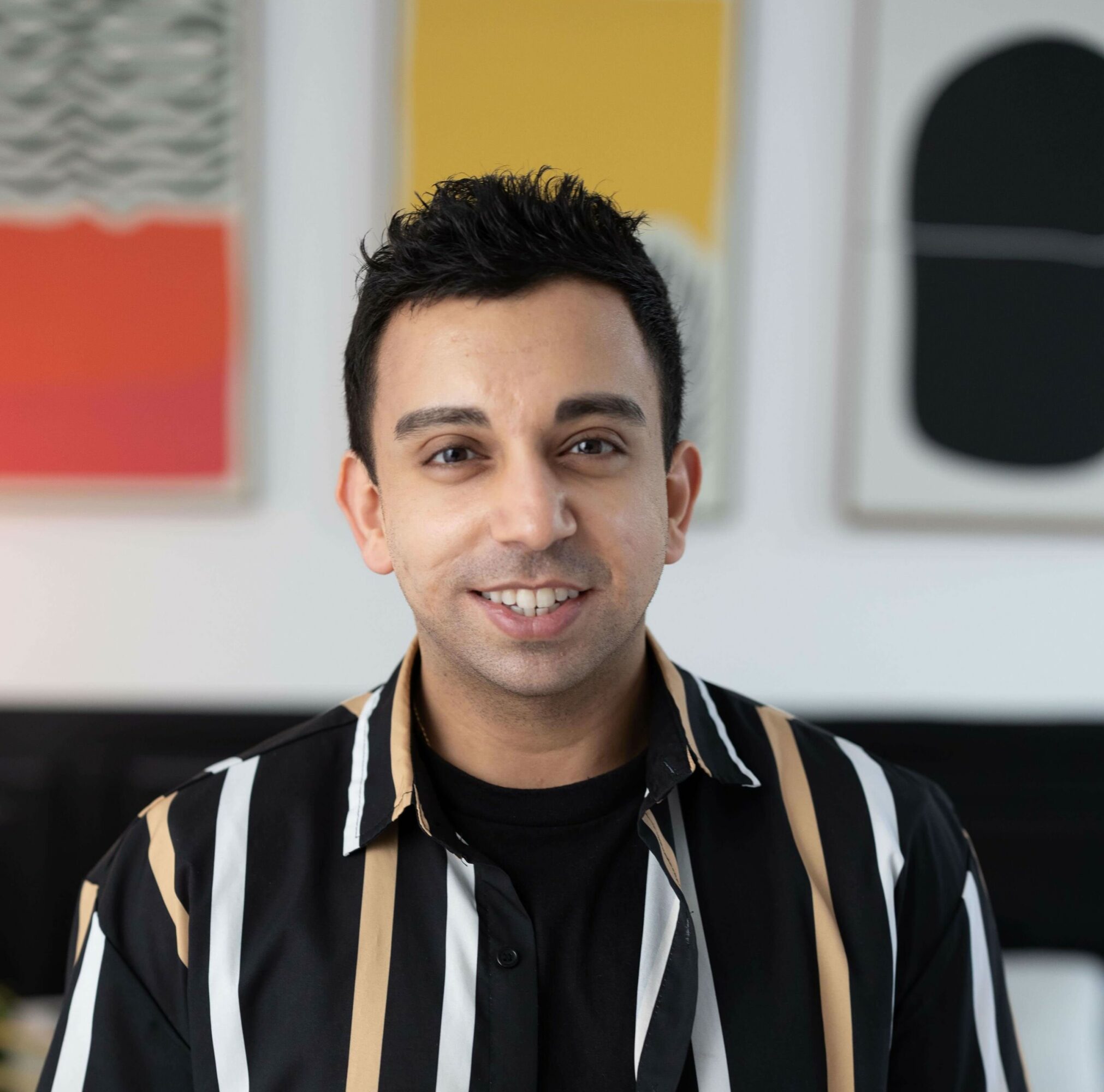
Today we’d like to introduce you to Payam Khastkhodaei.
Hi Payam, so excited to have you on the platform. So before we get into questions about your work-life, maybe you can bring our readers up to speed on your story and how you got to where you are today?
My journey began when I lost passion for classical piano. The rigid methods and unrelatable songs didn’t work for me or my learning differences (ADHD and dyslexia). When I started teaching at the age of 16, I saw my students struggling with the same issues: boring songs, confusing sheet music, and lack of motivation.
However, it wasn’t until a couple of years later, while studying developmental psychology at university, that I had my “aha” moment. In class, we explored how the brain learns language through a complex process of pattern recognition, association, and neural rewiring. It begins with sound recognition and mimicry, meaning you learn to speak a language first, and later learn to read it, just as a child learns their first language. This is how all languages are acquired.
That made me wonder, why is music, the universal language, taught backwards? Why do students learn to read sheet music before they can “speak” it, or in our case, play it? This question led me to develop a new notation system and methodology for teaching piano, one that begins with a language students already know: ABCs and 123s. We call this our alphanumeric notation.
The Payam Method is simple: it applies the psychology of language learning to piano. Just like how people learn to speak a language before they learn to read it, I figured out a way to teach students to “speak” music with ABCs and 123s before reading complex notation. As time went on, it became clear how this alphanumeric approach resonated with so many people. In addition to teaching piano in a way that was easy to understand, I also personalized every student’s experience, teaching them songs they actually loved instead of forcing standard curriculum. Who wants to learn classical music when you can learn the theme song to Super Mario Brothers?
The results of this new approach confirmed I was onto something big: students stayed engaged, they won competitions, and achieved in 4 years what traditionally takes 12. We built an environment where passion drove progress, not pressure. Today, we’re a nationally ranked piano school transforming how students fall in love with music. We opened our first school in California in Santa Monica and have plans to open more throughout Los Angeles to satisfy parent interest in a better way to learn piano.
Alright, so let’s dig a little deeper into the story – has it been an easy path overall and if not, what were the challenges you’ve had to overcome?
It hasn’t been entirely smooth. When I first developed the Payam Method, I was 18 years old and there was a lot of skepticism from new students and their parents. The piano had been taught the same way for hundreds of years, and now a “kid” is reinventing how to teach it? However, as the years passed, I let our results speak for themselves. Our students were ranking the top in their districts, state, and even at nationals. After many years of showing consistency and continuing to grow a strong student body, people were more open in giving the Payam Method a try.
By age 20, I was completely booked with no capacity for new piano students. Then I started hiring and training teachers, and opening more schools.
As you know, we’re big fans of you and your work. For our readers who might not be as familiar what can you tell them about what you do?
Payam Music teaches piano lessons in brick and mortar schools as well as online. Our schools are the only place students can learn to play piano using the Payam Method. In the age of AI and tech, there is something refreshing about coming to a physical location, sitting next to a teacher, and doing a completely offline activity. Parents love that piano gets kids off their screens and provides an outlet to express themselves.
The thing that sets us apart the most is our approach to piano. We use the Payam Method, which is essentially based around the alphanumeric notation I built. In addition to our proprietary notation, our schools specialize in personalized piano instruction that adapts to each student’s interests and learning style. Every lesson is tailored around music that excites the student, whether that’s pop, rock, classical, or anything in between. We’ve also developed a comprehensive curriculum that emphasizes pattern recognition and technique mastery over boring repetition.
What I’m most proud of is the transformation I see in students. They don’t just learn piano; they fall in love with music and gain confidence that extends far beyond the keyboard. It has been one of the biggest accomplishments of my life, being able to see the impact our school is having on so many students. We’ve built an environment where students genuinely want to practice because they’re passionate about what they’re learning. Our students actually call their homework “funwork.”
I believe what truly sets us apart is our philosophy: we believe learning piano should be joyful, not stressful. While traditional piano lessons push rigid classical training and practicing to the point of boredom, we meet students where they are and help them discover what they love about music. The fact that we’re making piano accessible to everyone while achieving exceptional results proves that passion-driven learning works better than pressure-driven methods.
It doesn’t hurt that we’re nationally recognized for our results. Our students reach diploma level, the black belt of piano, in 4 years versus the national average of 12 years. We’ve produced numerous PTA Reflections winners and consistently rank as the top piano schools in the US.
What would you say have been one of the most important lessons you’ve learned?
The biggest lesson I’ve learned throughout my journey is the importance of challenging the status quo. It sounds simple, but it’s one of the hardest things to actually follow through on, especially when you’re building something new in an industry rooted in tradition.
Piano education has been taught in virtually the same way for hundreds of years. It has rigid methods, rote memorization, and a narrow focus that often disconnects students from the joy of music. I knew there had to be a better way. That’s what led me to develop the Payam Method: a new approach that prioritizes connection, creativity, and modern learning styles. But creating something different is just the beginning. Convincing people to try it, and not giving up? That’s the real challenge.
Early on, I found myself constantly having to explain and justify what I was doing to students, parents, teachers, and skeptics. It was exhausting at times, and there were moments where it would have been easier to quit or conform. But the more resistance I faced, the more it reaffirmed that I was onto something important. Disruption doesn’t come with applause, it comes with persistence. What I’ve realized is that every industry is waiting for someone to be bold enough to ask: “Is this really the best way?” That one question can spark innovation, shift paradigms, and open doors to entirely new possibilities. But it takes vision, belief, and a whole lot of grit to walk that path, especially when no one else sees what you see yet.
So, if you’re building something that challenges the norm, lean into it. Don’t be discouraged by resistance, it’s part of the process. If you believe in your idea, your product, your method—whatever it is—keep going. Every great innovation we benefit from today started with someone who refused to accept the way things had always been done.
In the end, the lesson is this: challenging the status quo isn’t just a strategy, it’s a mindset. And it’s one every entrepreneur needs to embrace if they want to build something truly meaningful.
Contact Info:
- Website: https://www.payammusic.com/
- Instagram: https://www.instagram.com/payammusic/
- LinkedIn: https://www.linkedin.com/company/
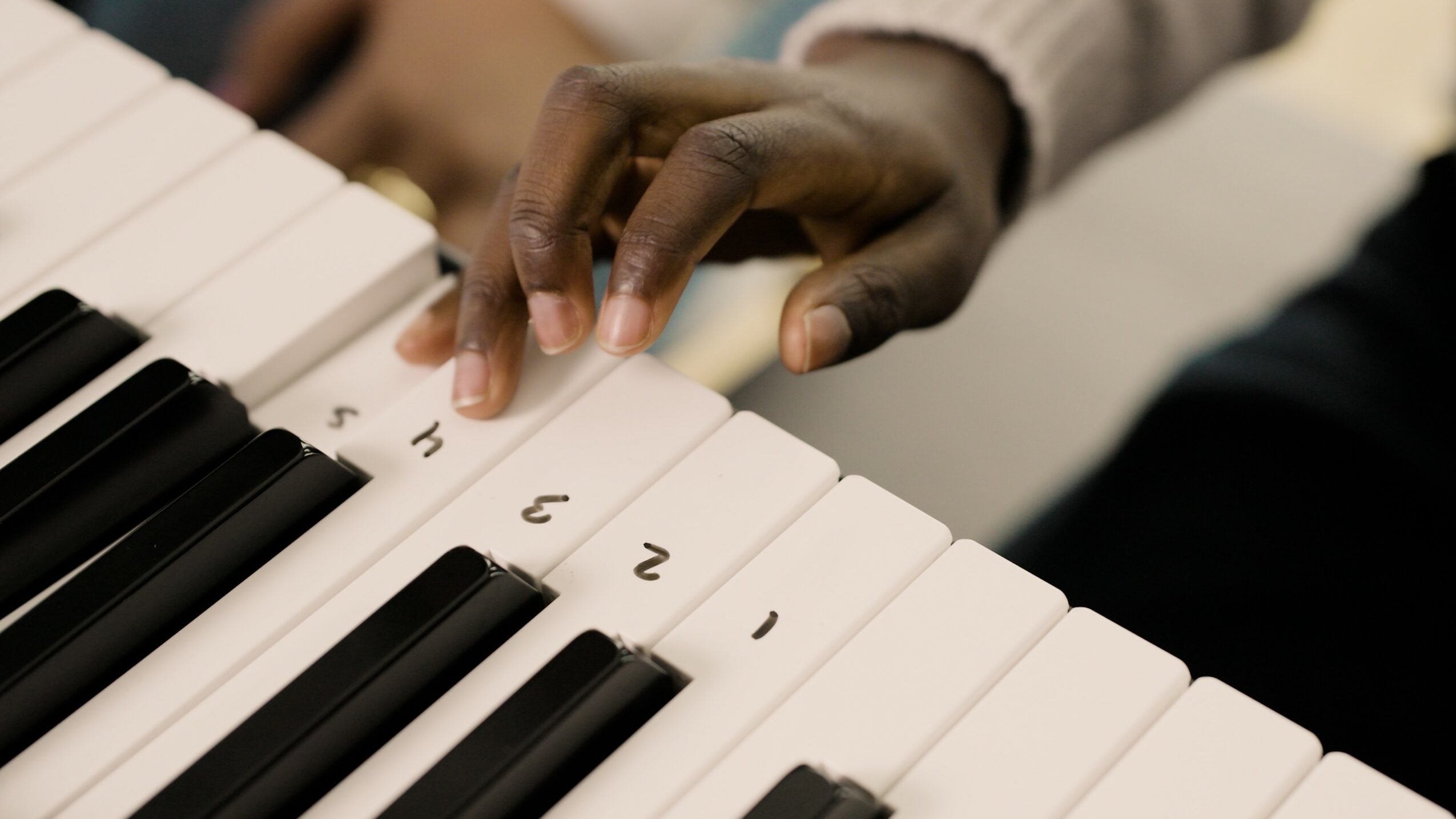
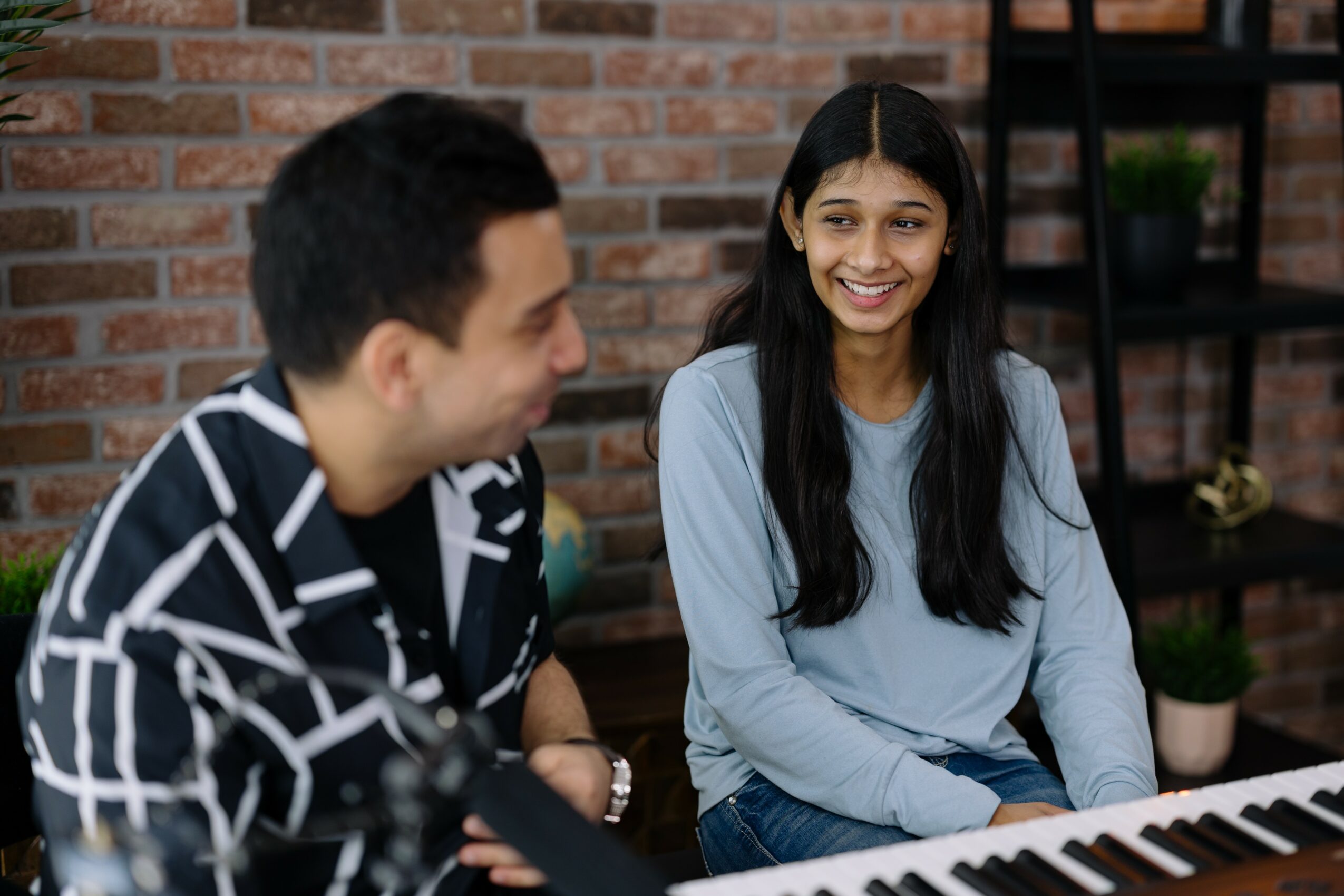
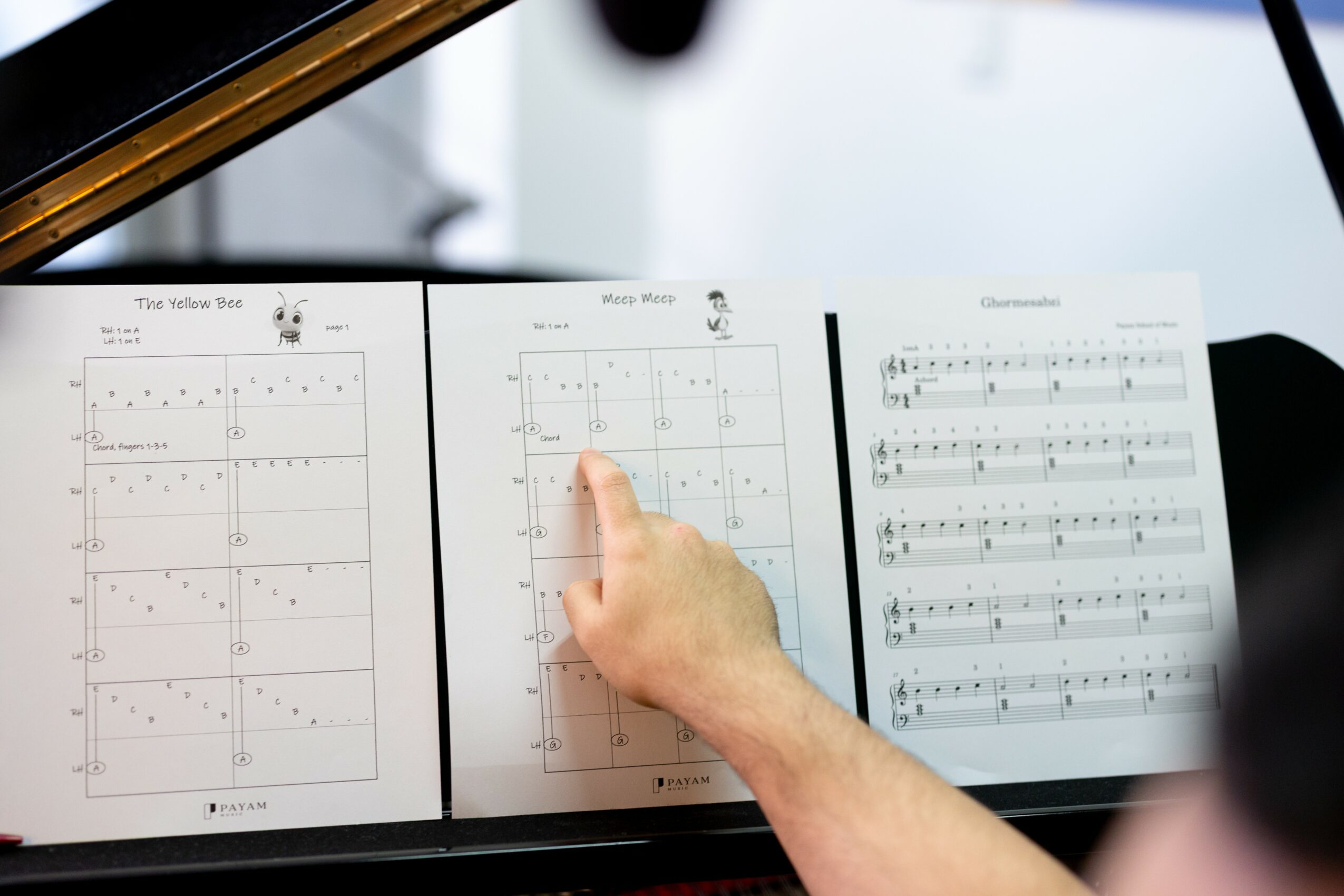
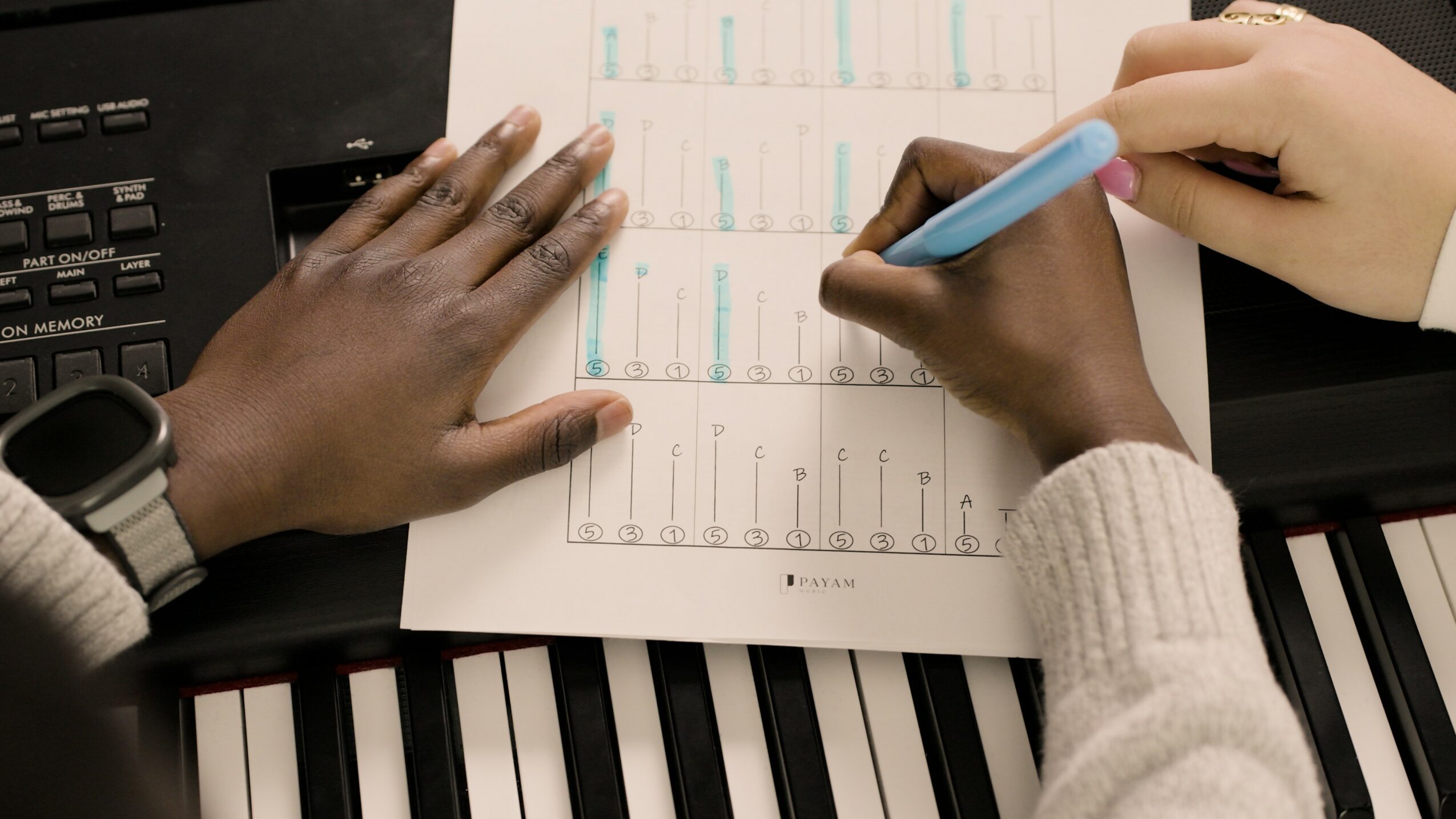
Image Credits
Brett Bollier
Popular
-

LA’s Most Inspiring Stories
-

Maagic Collins on Building a Fearless Publishing Platform for Truth, Advocacy, and Underrepresented Voices
-
Los Angeles Barea on Turning Green Superheroes into a Global Movement for Youth-Led Change
-

Trisha DuVivier on Bridging the Franchisor–Franchisee Divide with Workhero and “Franulate”
-

Portraits of the Valley
-

Cedar Boschan on Elevating Black Music Rights and Driving Urgent Conversations Around Credit, Equity, and Artist Protection


