




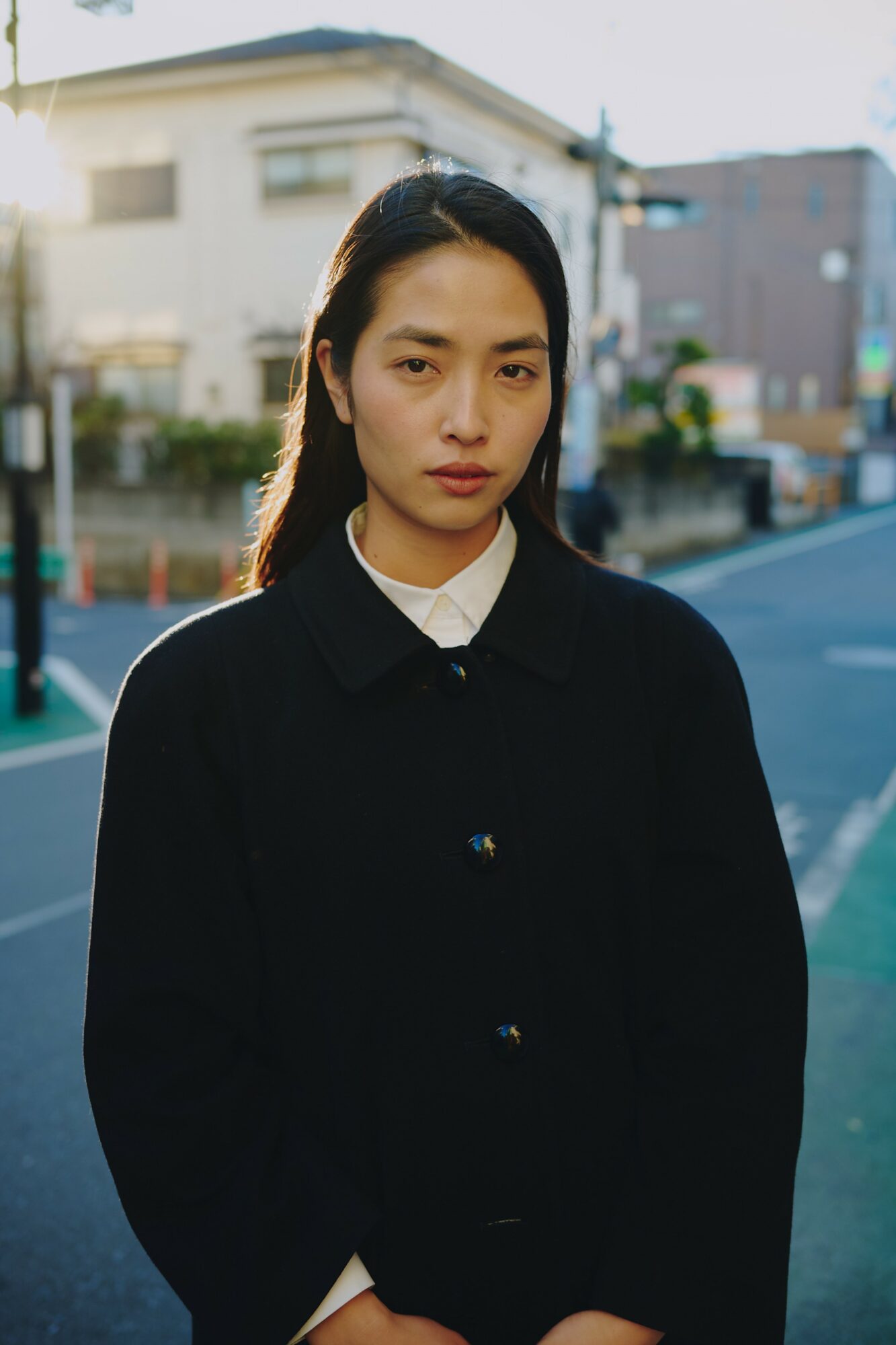
Today we’d like to introduce you to Naomi Otsuka.
Alright, so thank you so much for sharing your story and insight with our readers. To kick things off, can you tell us a bit about how you got started?
Growing up, I was deeply curious about human beings and human nature. Before art entered my life, philosophy was my primary way of exploring and releasing that curiosity. In college, I studied philosophy with a focus on aesthetics, and my research centered on a thesis titled “Beauty Assists Justice: The Potential of Cultural Aesthetic Exchange Through Art.” This research continues to shape both my artistic practice and my long-term vision.
In my thesis, I explored how conflicts between people often stem from conflicting notions of justice. Because humans rely on limited sensory perception—often with overconfidence—our sense of justice can become emotional, irrational, or inconsistent. I argue that cultural aesthetic exchange through art can expand our perception of beauty and reality, strengthening empathy and sensory awareness. With enriched aesthetic experience, justice itself can become more rational, holistic, and humane. In this sense, beauty functions as a salve—softening hardened hearts and bridging divisions across cultures and time.
After graduating, I faced a decision: whether to pursue academia and become a philosophy professor, or to embody my philosophy through art. I chose art. I decided not only to study these ideas, but to live them—to become a form of “living philosophy” and actively participate in cultural aesthetic exchange within society.
Once I made that decision, I searched for my own artistic language—a space where my always-busy mind and heart could release tension and creativity honestly. Art became essential for me, especially during moments when expressing myself verbally to others felt unethical because of my lack of clarity. I was also drawn to a career that would allow me to explore myself deeply while encountering interesting people and perspectives every day.
At the core of this exploration was my fascination with emotions. I wanted to understand how emotions could be verbalized, musicalized, and visualized. I experimented with many forms of expression, including writing poetry and stories, composing music, and painting self-portraits. Through this process—especially through my first theatre project with Director Shu Matsui in 2023—I realized that acting became a central space where my philosophical thinking, emotional inquiry, and other artistic practices could come into dialogue, allowing me to explore these ideas and emotions through lived, embodied experience.
This journey ultimately led me to commit to studying Method Acting and pursuing my acting career in Los Angeles. I chose Los Angeles over Japan because I deeply believe in the power of cultural aesthetic exchange. To pursue this, I continue exploring how to embody Japanese aesthetics through acting. Japanese aesthetics finds beauty in imperfection, impermanence, and the authenticity of natural processes—and I believe it has the potential to foster empathy and unity. For me, embodying Japanese aesthetics means planting seeds of compassion. Even when portraying hatred, I focus on the internal struggle not to hate, recognizing that every human being is worthy of respect. I strive never to be a source of division, and this inner conflict adds emotional depth and layers to my performances. As a Japanese actor, I aim to bring unique perspectives to life through my work. I seek to understand, categorize, and integrate both Eastern and Western approaches to thought and movement—such as the use of tension in the body—to balance “Japanese-ness” and “American-ness” for each role.
I chose Method Acting because my strength lies in my kinesthetic sense and my habit of personalizing artworks—I feel that a great book or song always synchronizes with who I am in that moment. Since childhood, I have instinctively stored emotional memories—what I think of as an “emotional shelf” inside my heart. Through the Method, I can access and use them to bring maximum value to every emotional experience. Method Acting is like grabbing my own heart, taking it out, and showing it to others. The Method helps me transform poison into medicine—turning toxic experiences and emotions into a source of understanding, releasing the fears my unconscious mind usually avoids, and ultimately freeing myself. I become brave and clear through the Method!
This is how I began acting, and this is how I continue growing as a Method actor in Los Angeles.
Alright, so let’s dig a little deeper into the story – has it been an easy path overall and if not, what were the challenges you’ve had to overcome?
No! It has not been a smooth road. One of the most difficult breakthroughs was understanding where I wanted to go as an artist and how to get there. It took me a long time to figure out how to use my heart and my life fully. The key was focusing on the mountain in front of me—making the most of each opportunity to transform my inner self. In doing so, I naturally encounter new challenges—higher mountains—that continue to push me further, again and again.
After college, I faced depression, but a theatre opportunity allowed me to transform my struggles into light. Through this experience, I gained conviction in pursuing acting and chose to study Method Acting in Los Angeles. At school, I learned both the foundations of acting and how to navigate the art world. Now, I feel no doubt or confusion in my daily work to grow and become a great actor. It feels profoundly meaningful that Los Angeles allows me to embody the ideas I explored in my college research on cultural aesthetic exchange—nothing in life feels random or meaningless. Not only through acting and other artistic forms, but also through research and practical endeavors, I seek to contribute to cultural aesthetic exchange and to share the transformative power of art in fostering a more humanistic world throughout my life.
Another ongoing struggle has been my inner self-critique. Through acting, I realized that this inner critic constantly reminds me not to act “wrong,” which makes it challenging to portray characters with differing ethics. It also affected my writing: I would tear up my poems because I felt judgmental toward my own honesty, trying to become someone else instead of embracing myself. Writing has helped me release this critic, allowing me greater freedom as an artist. Elia Kazan writes in The Actor’s Vow that “the best and most human parts of me are those that I have inhabited and hidden from the world.” I have been working on those hidden parts through writing—focusing on aspects I once considered ugly—to become a freer, more authentic artist.
This year marks a new phase in my artistic journey. I am beginning to grasp my originality as an artist through acting and writing. To recognize this originality more vividly and fully embrace it, I plan to create more work than ever before, including acting projects, storytelling, poetry, and music. I will launch My Heart Portrait Project, in which I draw or paint a portrait of my heart before going to bed every night, culminating in my first exhibition at the end of the year. I am excited to give form to my unique artistic vision.
Thanks – so what else should our readers know about your work and what you’re currently focused on?
I do acting and writing. I write plays, short stories, and poetry, which I sometimes set to music. What fascinates me most is human beings—their desires, behaviors, and the subtle dynamics of connection—so I spend a lot of time observing and studying them. My artistic practice sits at the intersection of conceptual exploration, philosophical inquiry, and intimate human experience. I’m particularly interested in how desire, attachment, and authenticity shape our relationships and our sense of self.
For example, in my short story The Purple Moon, three men and three women gather on the one night of the year when the moon turns purple, placing fruits on a table and exploring nudity and simplicity in a playful, ritualistic way. The fruits act as metaphors for the human body and desire—while initial attraction is drawn to appearance, true satisfaction proves far more complex. The story illustrates that no single fruit—or form of love—can fully satisfy; variety and curiosity are natural parts of human experience. In the end, they mix all the fruits into a fruit punch, symbolizing the beauty of embracing diversity, simplicity, and layered human desire. Through this playful ritual, the story invites reflection on attraction, intimacy, and the ethics of connection.
In my ongoing project Woman With a Back Door, I explore the many forms love can take in one woman’s life. The story follows a woman torn between a boyfriend and two close friends, each shaping her differently: with her boyfriend, she experiences calm and stability; with one friend, laughter and self-discovery; with the other, deep observation and inspiration. To understand love, she experiments imaginatively—envisioning rainy days with each man, becoming a cat to perceive her boyfriend’s perspective, and writing letters she reads aloud to her doll. Through these exercises, she explores desire, respect, and ethical connection. The story follows her journey to understand what romantic love truly means, examining how different relationships shape her identity, emotions, and sense of self, and revealing the complexity and richness of human connection.
My strength lies in making the intangible—emotional tension, moral ambiguity, and subtle shifts in perception—visually and experientially perceptible. I use metaphor, symbolic gesture, and playful experimentation to invite audiences into reflective spaces, allowing them to reconsider their own desires, relationships, and ethical choices.
What sets me apart is my combination of philosophical inquiry with sensory and emotional richness. I aim not just to tell stories or create performances, but to craft immersive experiences where audiences can contemplate intimacy, authenticity, and the ethics of connection in everyday life. My work is both meditative and playful, seeking to reveal the extraordinary in ordinary gestures and relationships.
I bring this same spirit of exploration to acting. I am drawn to it because the depth of an actor’s performance comes from the quality of their emotional exploration, which is my favorite activity. To me, acting is the discovery of emotions—the audience witnesses this discovery and, in turn, reflects on their own inner world. Acting allows me to experiment with my questions through my body and heart, not just through imagination.
Alright so before we go can you talk to us a bit about how people can work with you, collaborate with you or support you?
My hope is to continue encountering projects that synchronize with my life—ones that allow me to deeply struggle with myself to get closer to my true self. I strive to become an actor who inspires others to tackle seemingly insurmountable challenges and confront even the most negative tendencies of their own hearts with tenacity, rather than blaming others or lamenting past pain.
I am grateful for opportunities to collaborate in film and theatre, and I am always open to meaningful creative exchanges. I am also exploring possibilities with a publishing company interested in sharing my writing with a wider audience, as well as with a music composer who shares a similar aesthetic sensibility.
For collaboration inquiries, please feel free to reach out to me at [email protected].
Contact Info:
- Instagram: https://www.instagram.com/naomidayo88/
- Twitter: https://x.com/naomiotsuka716?s=21&t=B8nJc4jibZVqLOlb7F1I
- Youtube: https://www.youtube.com/@fishunderanorangetree
Image Credits
英里
Popular
-

Maagic Collins on Building a Fearless Publishing Platform for Truth, Advocacy, and Underrepresented Voices
-
Los Angeles Barea on Turning Green Superheroes into a Global Movement for Youth-Led Change
-

Trisha DuVivier on Bridging the Franchisor–Franchisee Divide with Workhero and “Franulate”
-

Portraits of the Valley
-

LA’s Most Inspiring Stories
-
Cedar Boschan on Elevating Black Music Rights and Driving Urgent Conversations Around Credit, Equity, and Artist Protection


