




Today we’d like to introduce you to Muna Malik.
Hi Muna , so excited to have you on the platform. So before we get into questions about your work-life, maybe you can bring our readers up to speed on your story and how you got to where you are today?
I moved to Los Angeles, CA in 2017 to work for a disaster relief NGO fully committed to non-profit work. In the course of a year, my entire life changed, and I met my mentor, Hank Willis Thomas, who inspired and encouraged me to explore what it meant to be an artist. This push led me to take a trip to Somalia to explore my unknown roots. In 2017, I stepped onto my ancestral soil in Somalia for the first and only time. Waves of emotions, long dormant, overwhelmed me. Amidst this kaleidoscope of feelings, a sense of belonging emerged, a reconnection to my roots. This sharply contrasted with my upbringing in Yemen, where I often felt like an outsider, a black girl in an Arab milieu. Despite shared religion and language, I was caught in a world where I was simultaneously present and absent.
My journey led me through Minneapolis, Minnesota, New York, and Los Angeles, CA, each place where the view from my new home echoed this dissonance. This diasporic purgatory, a paradoxical existence, became a constant companion on my life’s path—a sentiment shared by many in diasporic communities. As a Somali, Yemeni, Muslim woman, I have frequently grappled with the societal expectations and stereotypes that have been imposed upon me. Through my work, I am committed to dismantling these expectations and creating a platform for multifaceted, intricate, and nuanced narratives of identity. My artistic practice is multidisciplinary, employing painting, film, and sculpture as tools to explore a wide spectrum of themes, including history, gender, popular culture, social justice, and identity politics.
Would you say it’s been a smooth road, and if not what are some of the biggest challenges you’ve faced along the way?
Being an artist isn’t an easy road. You have to be comfortable with change and constant movement. In this discomfort comes true freedom. I have the ability to make my living with my hands and imagination. Sometimes, you have to really push through doubt to make things possible. I’ve found that the biggest obstacles and challenges I’ve faced have come from within.
As you know, we’re big fans of you and your work. For our readers who might not be as familiar what can you tell them about what you do?
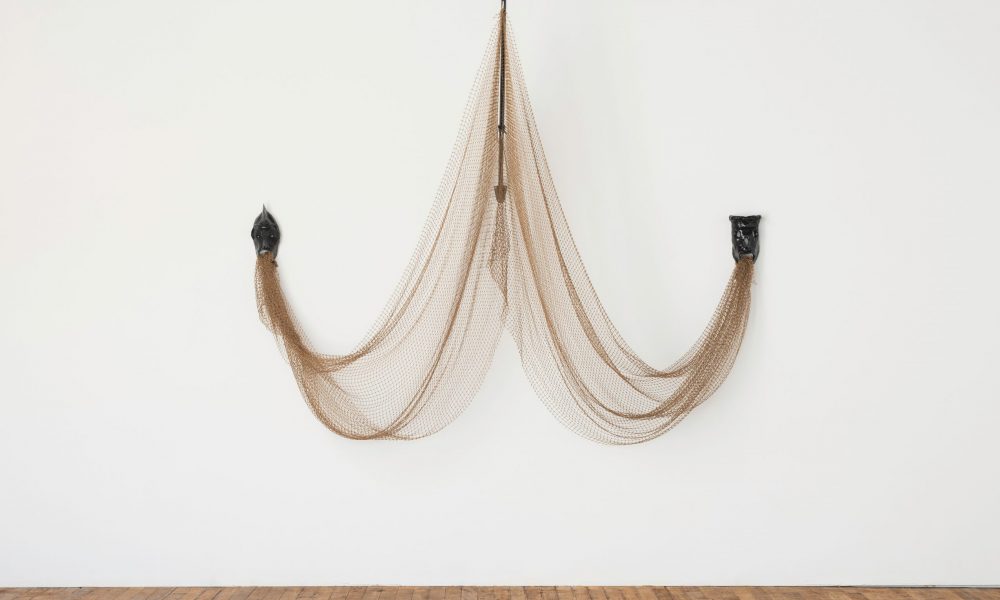
At the heart of my creative journey are fundamental questions that have shaped my identity. For instance, how does one articulate the shadow of 30+ years of conflict and displacement? How can refugees’ biographies reflect the contradictions of trauma and joy? Where does one’s identity reside when nowhere feels quite your own? My latest show and MFA Thesis exhibition at USC Roski School of Art and Design on February 16th aims to address these questions and my relationship with American identity as a first-generation immigrant from two nations that have been negatively impacted by American imperialism. I am interested in how one’s identity can feel constantly in flux or evolving as it is shaped and mapped across different nations through multiple migrations while also being informed by the political tensions inherent in each space that prohibit migrant peoples from ever fully being seen or understood.
So, before we go, how can our readers or others connect or collaborate with you? How can they support you?
Come see my show! A Diasporic Purgatory is an investigation into the politics of land, nationhood, and belonging. Offering a multi-dimensional perspective on the complexities of identity against the backdrop of conflict, increased displacement, and the broader socio-political landscape of migration.
Opening – Friday, February 16, 2024 6pm to 9pm
Exhibition is on view Feb 17 – 24, 2024
Gallery hours: Wed – Sat: 12 – 5pm
Contact Info:
- Instagram: https://www.instagram.com/themunamalik/
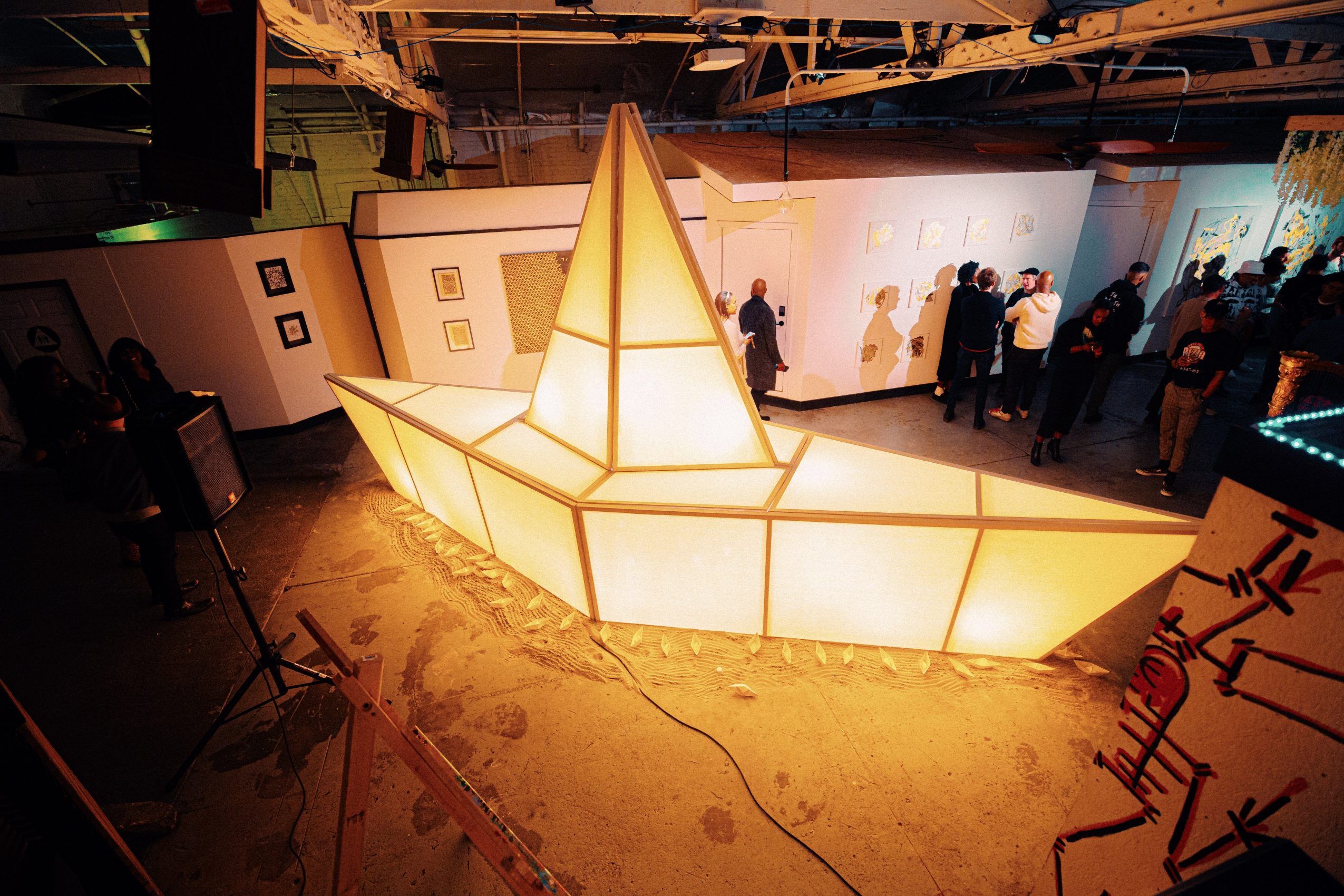
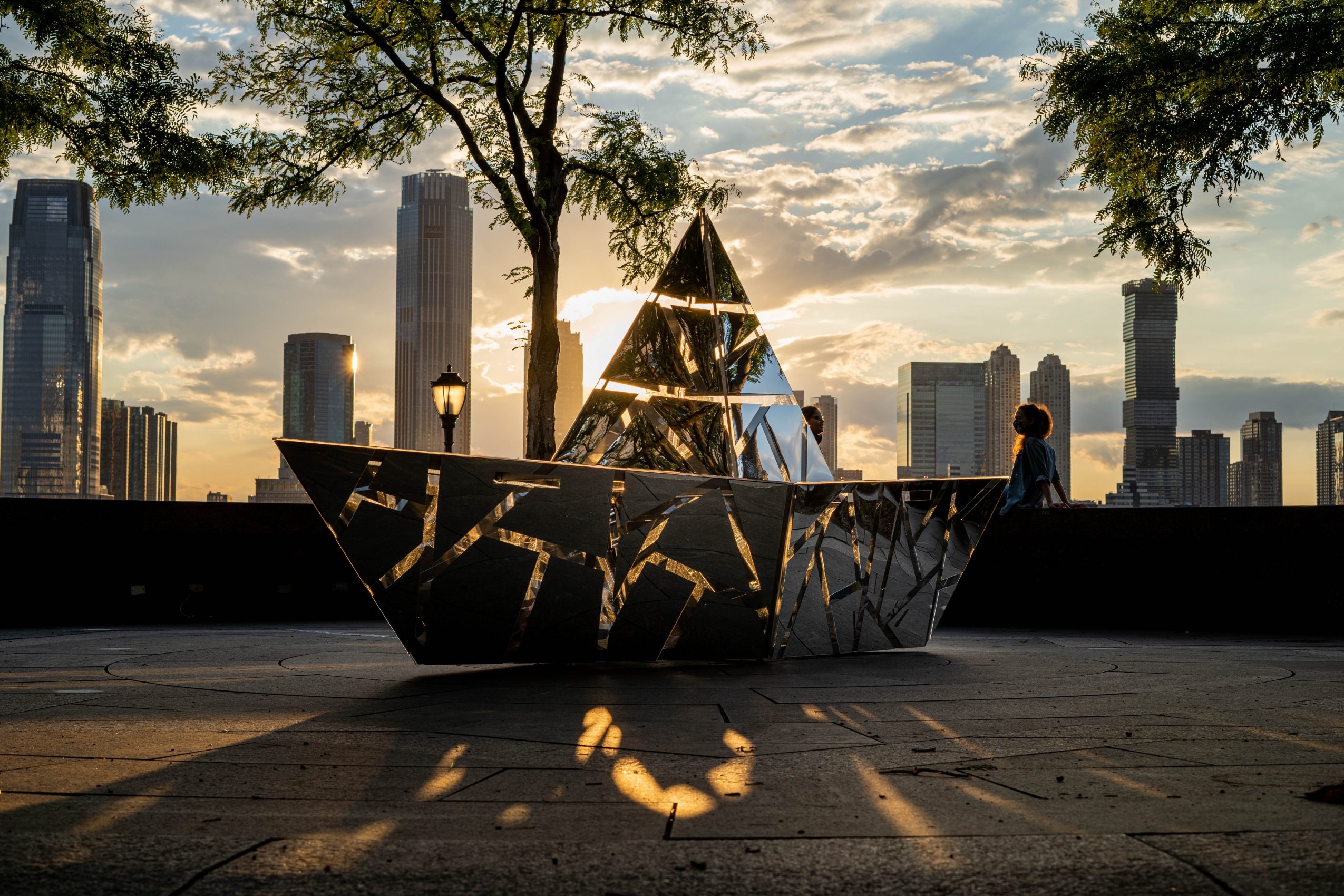
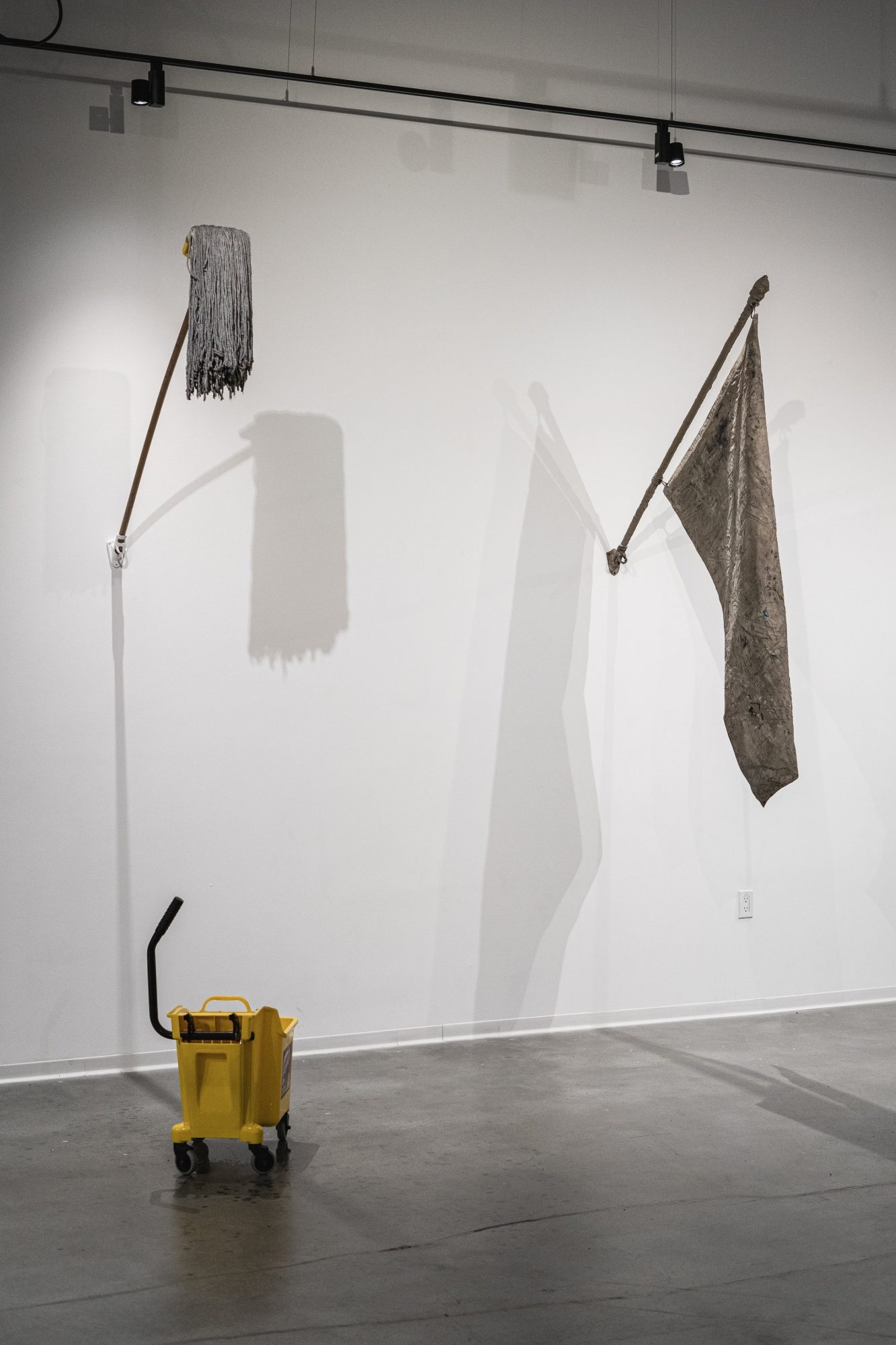
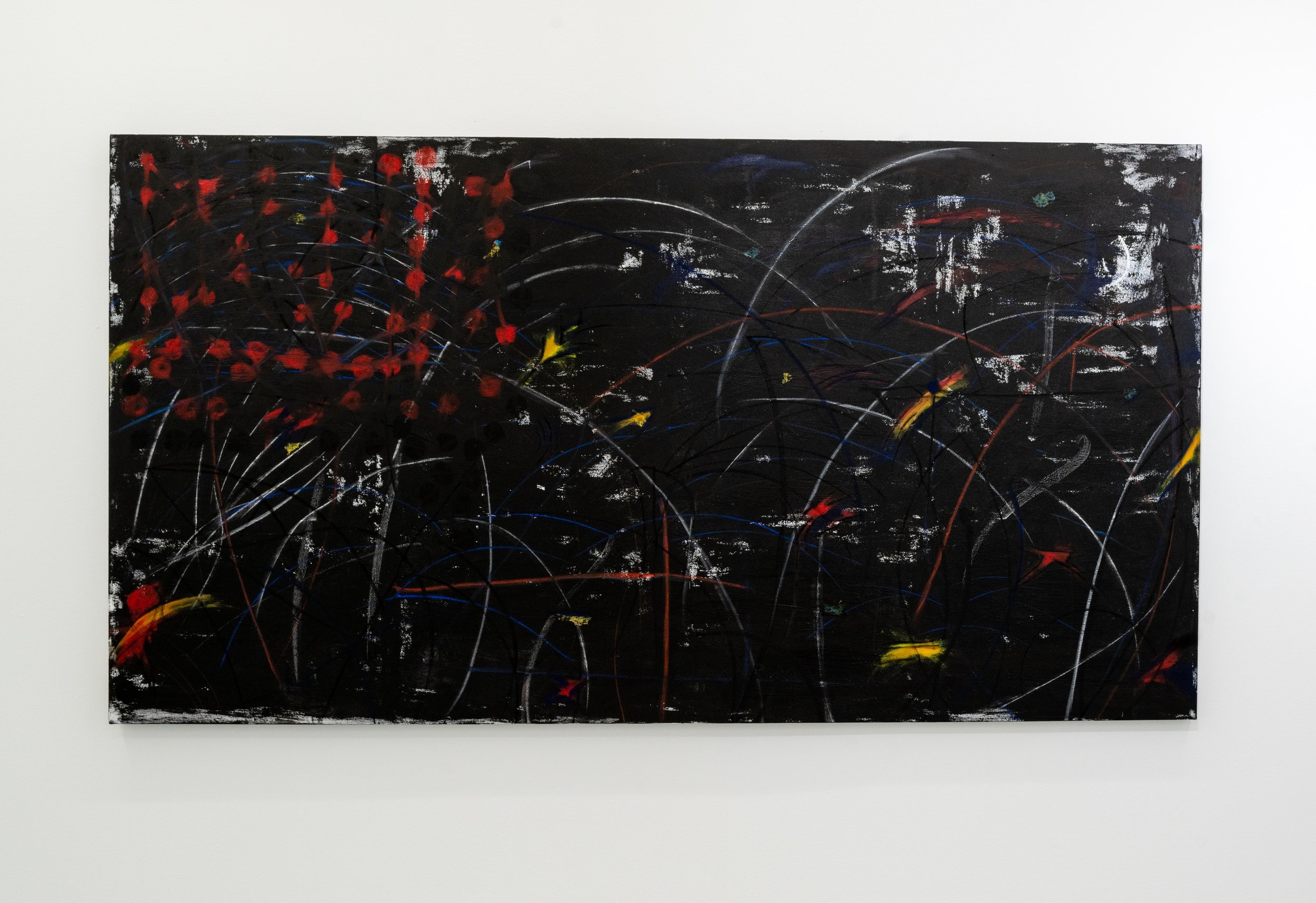
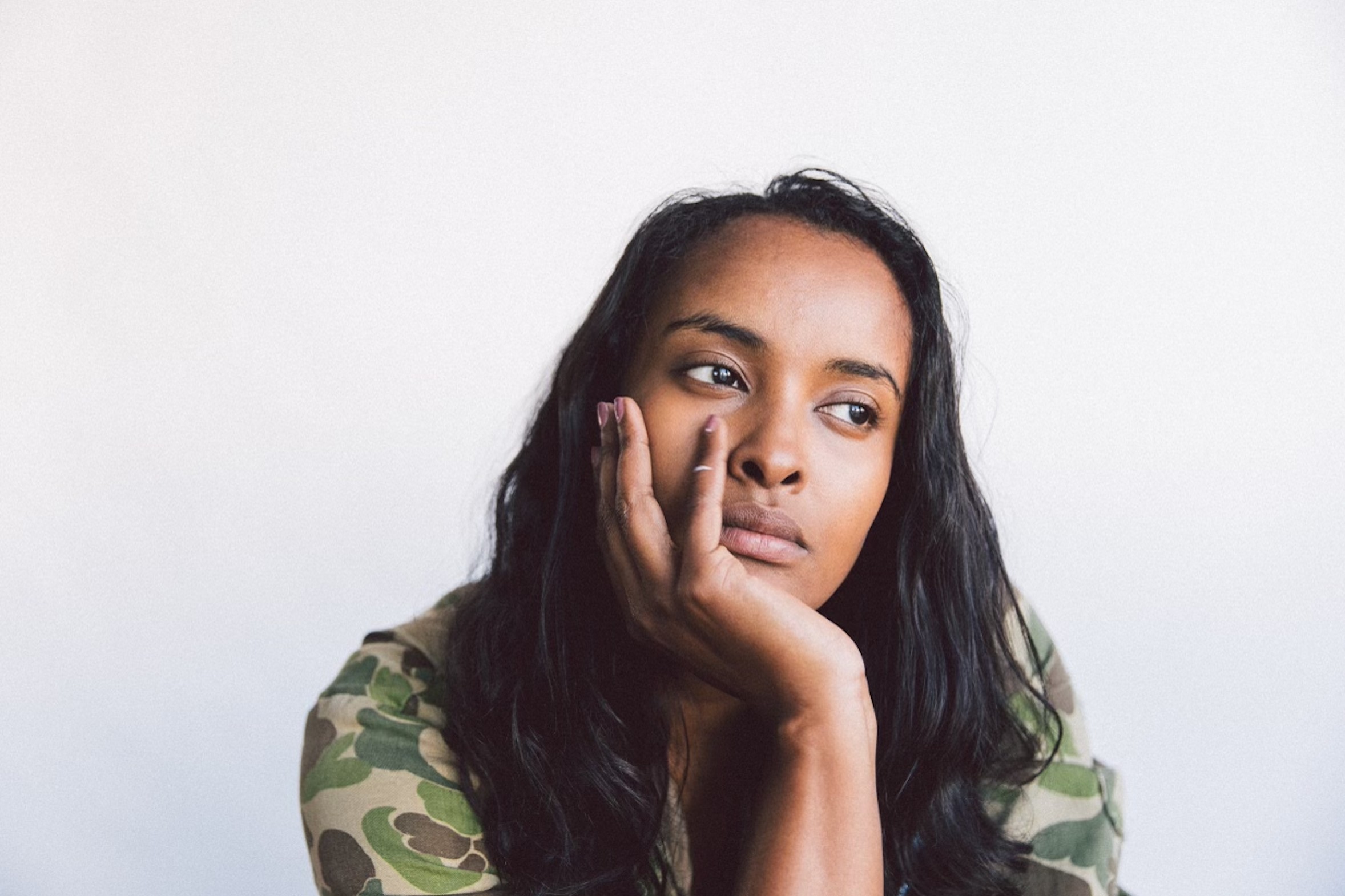
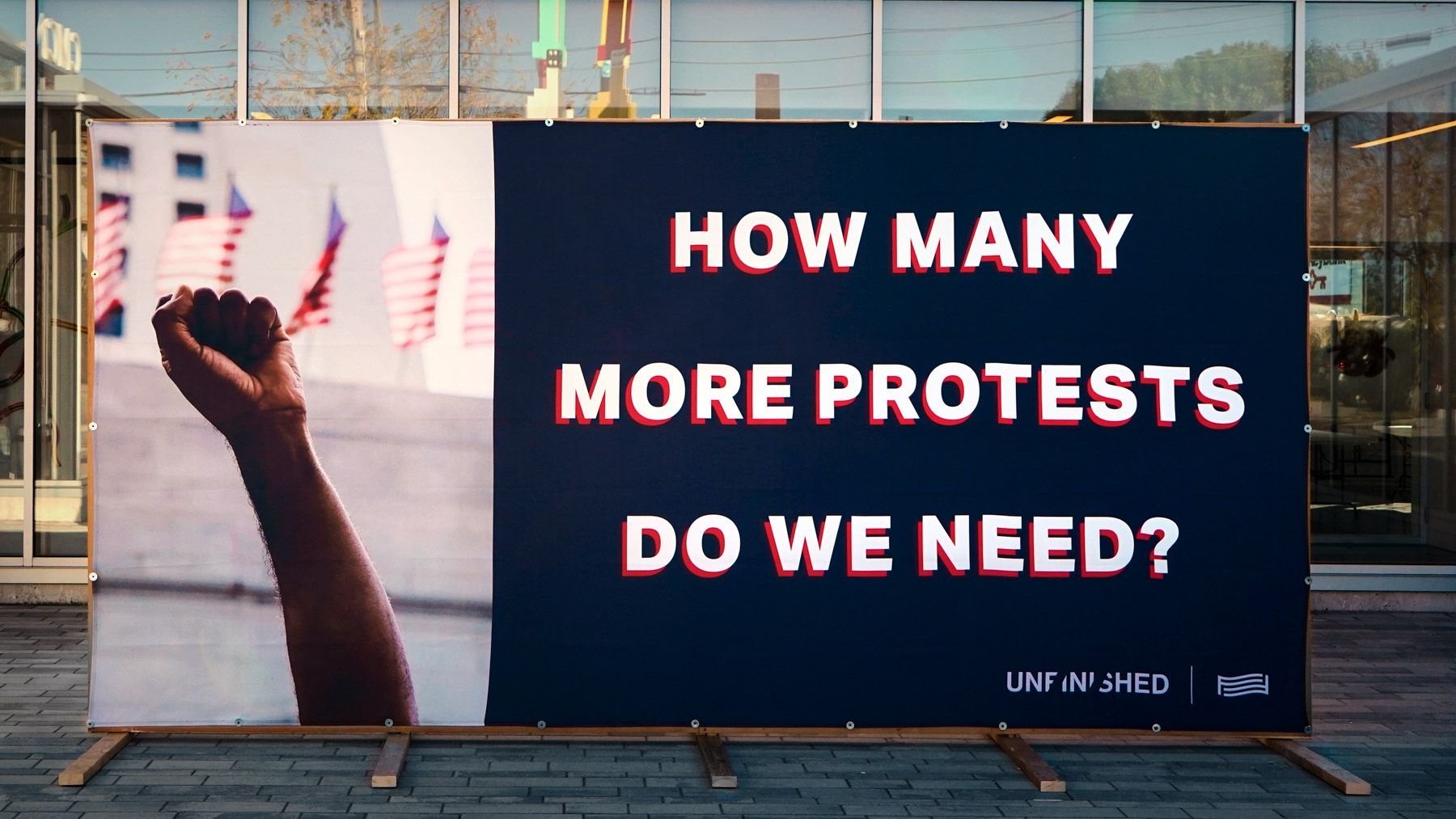 Image Credits
Daniel Johnson Muna Malik Jeremy Hinen Rachel Romanski Kavi Gupta Gallery Muna Malik
Popular
-

Maagic Collins on Building a Fearless Publishing Platform for Truth, Advocacy, and Underrepresented Voices
-
Los Angeles Barea on Turning Green Superheroes into a Global Movement for Youth-Led Change
-

Trisha DuVivier on Bridging the Franchisor–Franchisee Divide with Workhero and “Franulate”
-

Portraits of the Valley
-

LA’s Most Inspiring Stories
-
Cedar Boschan on Elevating Black Music Rights and Driving Urgent Conversations Around Credit, Equity, and Artist Protection


