




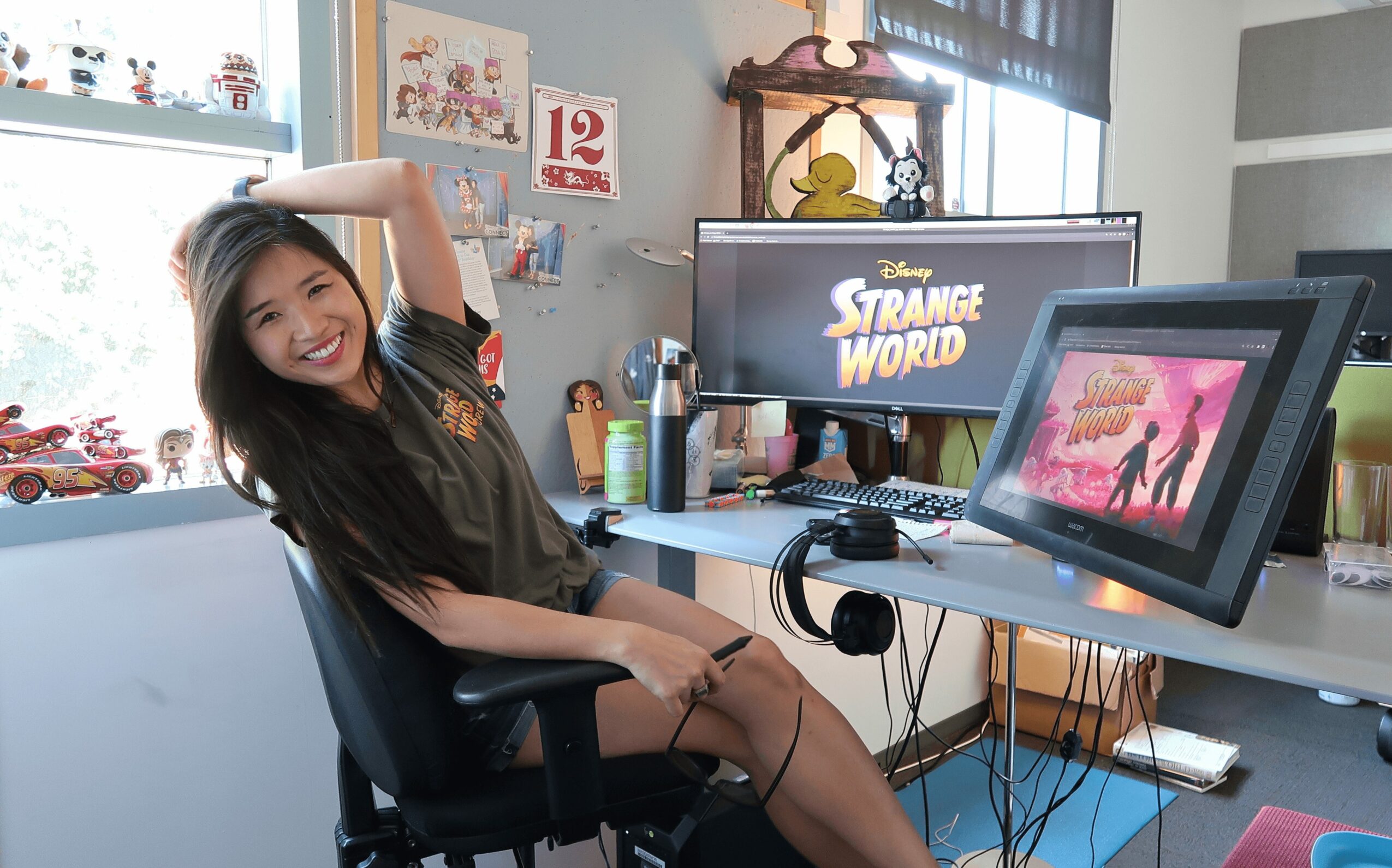
Today we’d like to introduce you to Laura Han
Hi Laura, can you start by introducing yourself? We’d love to learn more about how you got to where you are today?
Animation wasn’t something I initially set out to do—honestly, it wasn’t even remotely on my radar for most of my life. I attended MIT with the goal of becoming an astrophysicist (I’ve always loved space and NASA—still do!), but like many college students, I pivoted a few times before landing in business and marketing after graduation. I spent a year working in NYC before moving to Seoul, South Korea, where I worked at Coupang, an Amazon-like startup, and later studied full-time at Seoul National University to master the Korean language. During my time there, I also took on side gigs, including co-hosting a radio show with K-pop star Aaron Kwak from NU’EST. But ultimately, I realized my long-term path wasn’t in Korea, so I returned to NYC and took another marketing job.
It was in that job that I hit a breaking point. I felt unfulfilled, lost, and stuck in a career that didn’t ignite any passion in me. I took a leave of absence to figure out what I genuinely wanted to do, but instead, I fell into a deep depression, spending weeks in bed and going to therapy twice a week, feeling incapable of moving forward. Then, one night, completely by chance, I put on Cars. I wasn’t expecting anything—I just needed background noise—but those first five minutes changed my life. The revving engines, Lightning McQueen’s self-motivation, and Sheryl Crow’s Real Gone sparked something in me I hadn’t felt in years. And then it hit me: adults made this movie. This world that captivated me wasn’t just for kids—it was created by people, artists, animators. And for the first time in a long time, I felt something close to a calling.
Over the next six months, I worked up the courage to pivot toward animation. I kept my marketing job while taking classes at the School of Visual Arts in NYC, slowly learning the craft and software. One defining moment came when I attended an Inside Out screening where Pete Docter was doing a Q&A. As I nervously waited in line for his autograph, I told the person behind me how terrified I was about transitioning careers. When I opened my book later, I saw that Pete had drawn Fear from Inside Out and written, “Never fear! Good luck in animation!” That tiny moment of encouragement from someone I admired meant everything.
Shortly after, I quit my marketing job, moved back home, and enrolled in Animation Mentor full-time. It was terrifying. I spent the next year and a half dedicating every waking moment to learning animation, pulling all-nighters, questioning if I was good enough, and pushing through countless moments of self-doubt. Then, finally, my breakthrough came—a coveted internship at Sony Imageworks in Vancouver.
At Sony, I worked under incredible mentors and was eventually promoted to Animator, getting to contribute to films like Spider-Man: Into the Spider-Verse. From there, I was accepted into DreamWorks’ apprenticeship program, where I trained under industry legends (including some of my original Animation Mentor instructors!) before being promoted to full-time animator. I worked on several films and Universal theme park attractions before receiving an offer that was beyond anything I had ever dreamed of: a position as an animator at Walt Disney Animation Studios.
Working at Disney was a full-circle moment. I contributed to Encanto, Wish, and theme park attractions like Zootopia Hot Pursuit at Shanghai Disneyland. One of the most significant moments of my career happened at Disney—hitting my one-year mark and getting to sign the “A.” It’s a rite of passage for Disney animators, a tradition where we sign a giant letter “A” from the original Animation building signage. It’s a moment that signifies becoming part of Disney animation history, a tangible mark that says, you were here, you were part of this legacy. I’ll never forget the feeling of signing my name alongside so many artists I admired—truly a moment where I felt like I had “made it.”
But at some point, I realized I was burning out. After nearly seven years of nonstop work, I found myself losing the love I once had for animation. I made the difficult decision to step away to reconnect with my passion. I started a YouTube channel, LauraOutLoud, and took time to rediscover the balance between loving animation and taking care of myself—one of the most valuable lessons I’ve ever learned.
Today, I’m working at Sunrise Animation on David, releasing later this year. And strangely, after all these years, something in animation has clicked for me in a way it never had before. I’m not sure where I’ll be in five years—or even by the end of this one—but if there’s one thing I’ve learned, it’s that this journey is unpredictable, exciting, and worth every challenge along the way.
Can you talk to us a bit about the challenges and lessons you’ve learned along the way. Looking back would you say it’s been easy or smooth in retrospect?
On paper, my journey might look like a smooth road, but in reality, it’s been anything but. It has easily been one of the most challenging—yet rewarding—paths I’ve traveled. The hurdles have ranged from struggling to grasp certain animation concepts, tackling technical challenges, and adjusting to the fast-paced demands of a studio environment, to one of the biggest battles of all: imposter syndrome.
I’ll never forget the first time I had to present a shot I animated in dailies. Picture a dark theater-like room, filled with about 20 people, all watching your work projected on a massive screen. And then, you wait as the director and supervisors critique it in front of everyone. I panicked. I dreaded hearing what was wrong with my shot and felt completely exposed. It took years—truly years—to separate myself from the feedback and understand that critiques weren’t personal; they were about making the work better. At some point, something clicked, and now, receiving and discussing notes in a group setting feels second nature.
Imposter syndrome, though, is an entirely different beast. It was particularly tough for me because I didn’t come from a traditional art school background—I had only recently pivoted into animation, while many of my peers had been training for this their entire lives. I constantly felt like I was playing catch-up, questioning whether I truly belonged. It took years to silence that voice of doubt, but once I did, my confidence skyrocketed—and with it, my animation improved exponentially.
Beyond personal challenges, the animation industry itself is facing difficult times. The current climate in entertainment feels uncertain, and the industry’s increasing focus on profit over creative storytelling has made it hard for many artists to keep the passion alive. My greatest hope is for studios to return to the heart of what animation is truly about: creating stories that inspire, spark imagination, and bring joy to audiences. Because at the end of the day, that’s why so many of us fell in love with this craft in the first place.
Thanks – so what else should our readers know about your work and what you’re currently focused on?
I am a 3D character animator, which means I specialize in bringing characters to life through movement, expression, and performance. Animators are often called the “actors of animation” because we don’t just make characters move—we give them personality, emotion, and nuance. Every facial expression, every subtle gesture, even the smallest flick of a finger is carefully crafted by an animator to make a character feel alive.
One of my favorite projects I’ve worked on to date is Encanto. It was an incredibly special film for many reasons—not only because of its vibrant storytelling and heartfelt music but also because it was completed during the height of the pandemic. Despite the challenges, it was an unforgettable experience. I especially loved animating parts of Isabela’s song, What Else Can I Do?. Those shots remain some of my all-time favorites, from Isabela and Mirabel surfing up a vine to their playful, dynamic movements. The process of filming my own reference, acting out their performances, and translating that into animation was so rewarding—watching those moments come to life in the finished film felt truly magical.
What sets me apart as an animator is my sensitivity and deep sense of empathy. For most of my life, I saw my emotional nature as a weakness—I often felt things too deeply, and it was hard to control. But in animation, I’ve realized it’s actually my greatest strength. Being able to fully step into a character’s shoes, to feel what they feel, and to make acting choices that reflect authentic emotion is what allows my animation to resonate. The more I embrace that part of myself, the more it elevates my work. Animation is all about storytelling through movement, and I’m grateful every day that I get to bring characters to life in a way that makes people feel something.
So maybe we end on discussing what matters most to you and why?
At my core, I’ve always wanted to bring joy to others and add a little more light to the world. It sounds simple—maybe even cliché—but whenever anyone asked me what I wanted to do with my life, that was always my first instinct. Animation became the tangible way for me to do that.
For me, animating isn’t just about creating work I can be proud of—it’s about the moment. That moment in a theater when I glance around and see smiles, hear laughter, or notice someone wiping away a tear. It’s in those quiet, unspoken reactions that I feel the most humbled and grateful for what I do. Because I know firsthand what it means to be on the receiving end of that magic—to sit in a dark theater and, even just for a little while, feel completely transported, comforted, or inspired by a story unfolding on screen.
The world can be a heavy place, and if I can help create even a small moment of escape, a sliver of joy, or a spark of hope—just like animation once did for me—then that’s what matters most. Continuing to bring that kind of happiness into the world through storytelling is what drives me, and I hope, as an industry, we never lose sight of that.
Contact Info:
- Instagram: @laurahhan
- LinkedIn: https://www.linkedin.com/in/hanlaura/
- Youtube: https://www.youtube.com/channel/UCfungxzDcaxF_hj5rd5yeBA
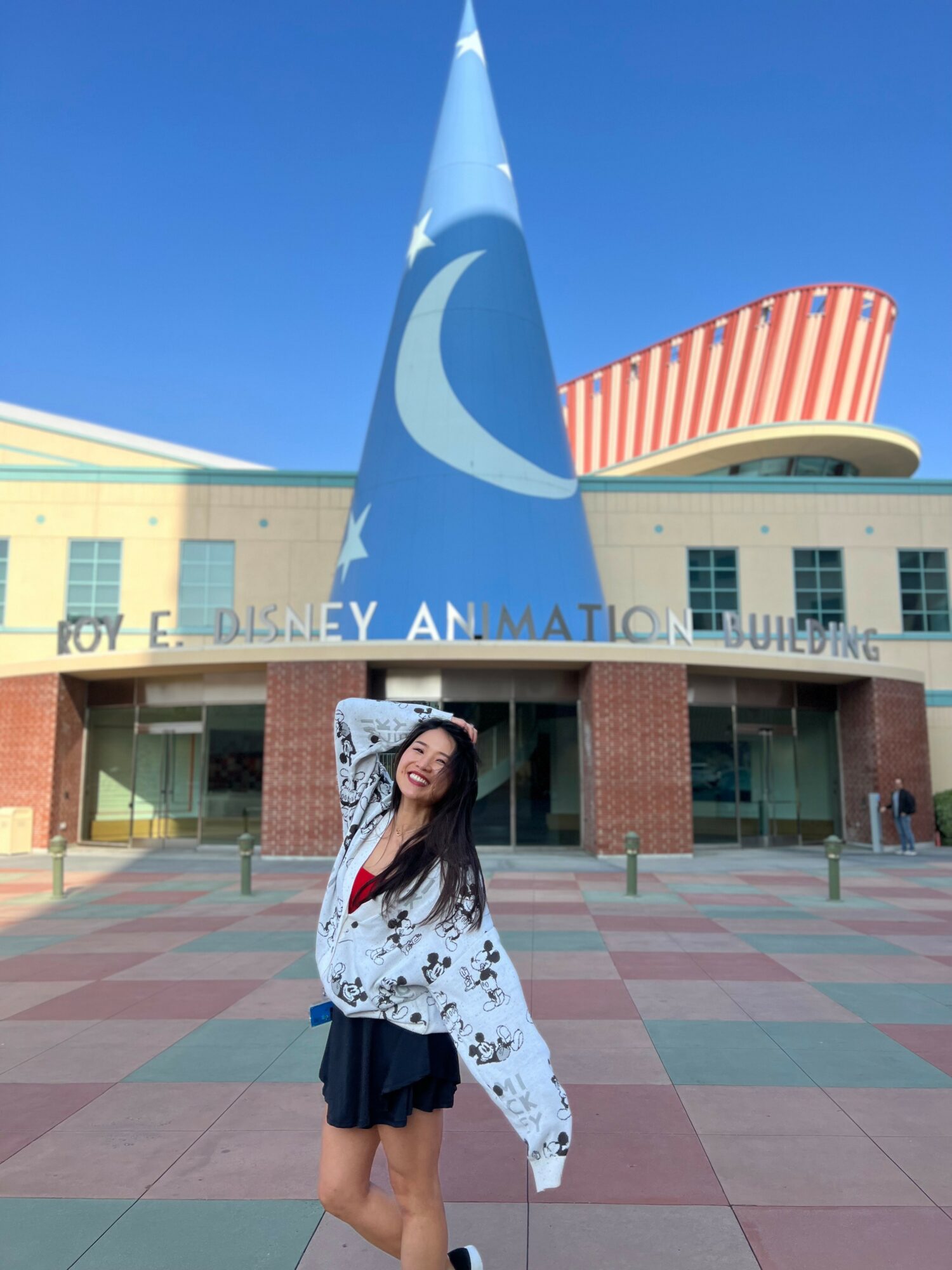
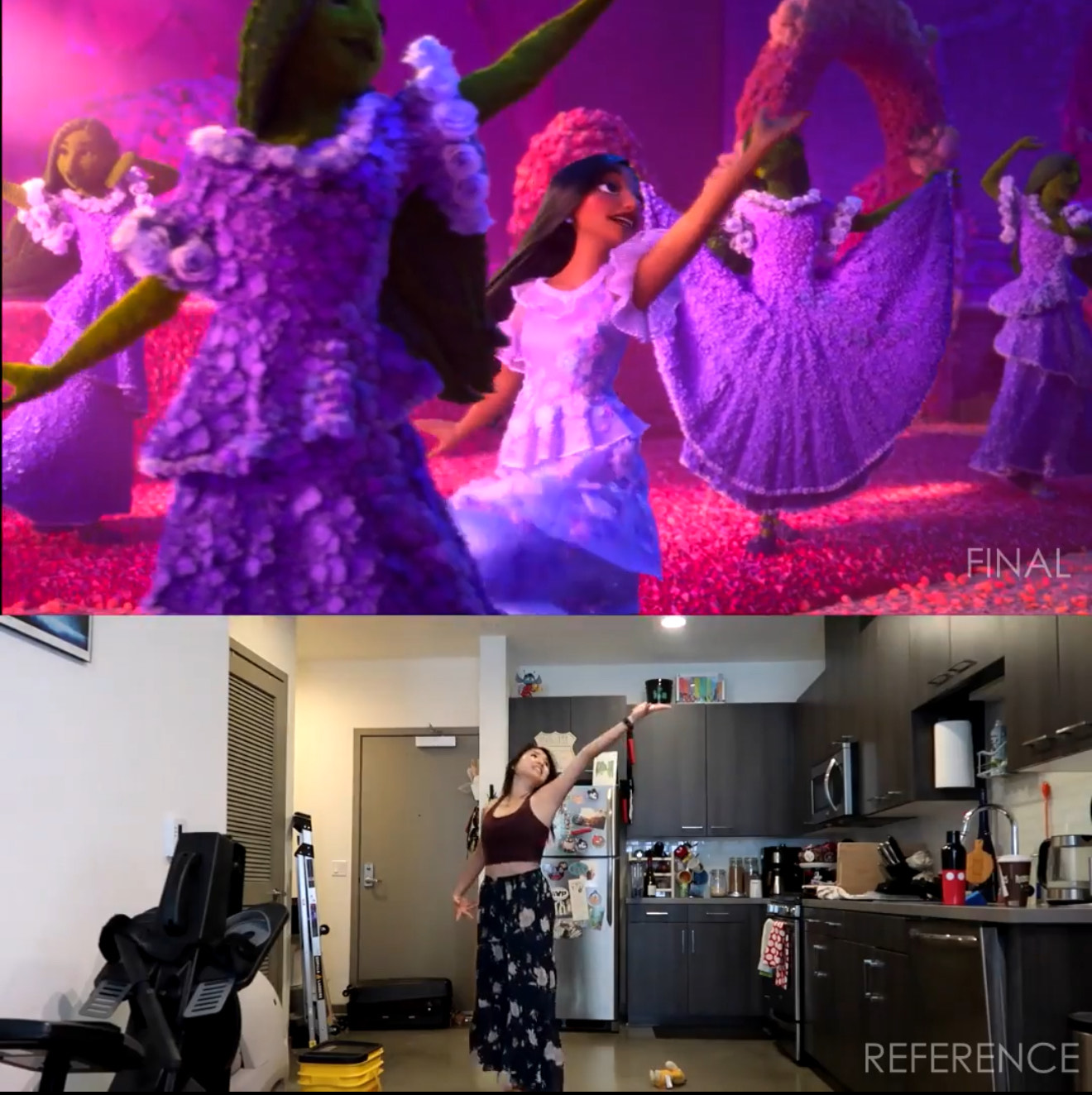
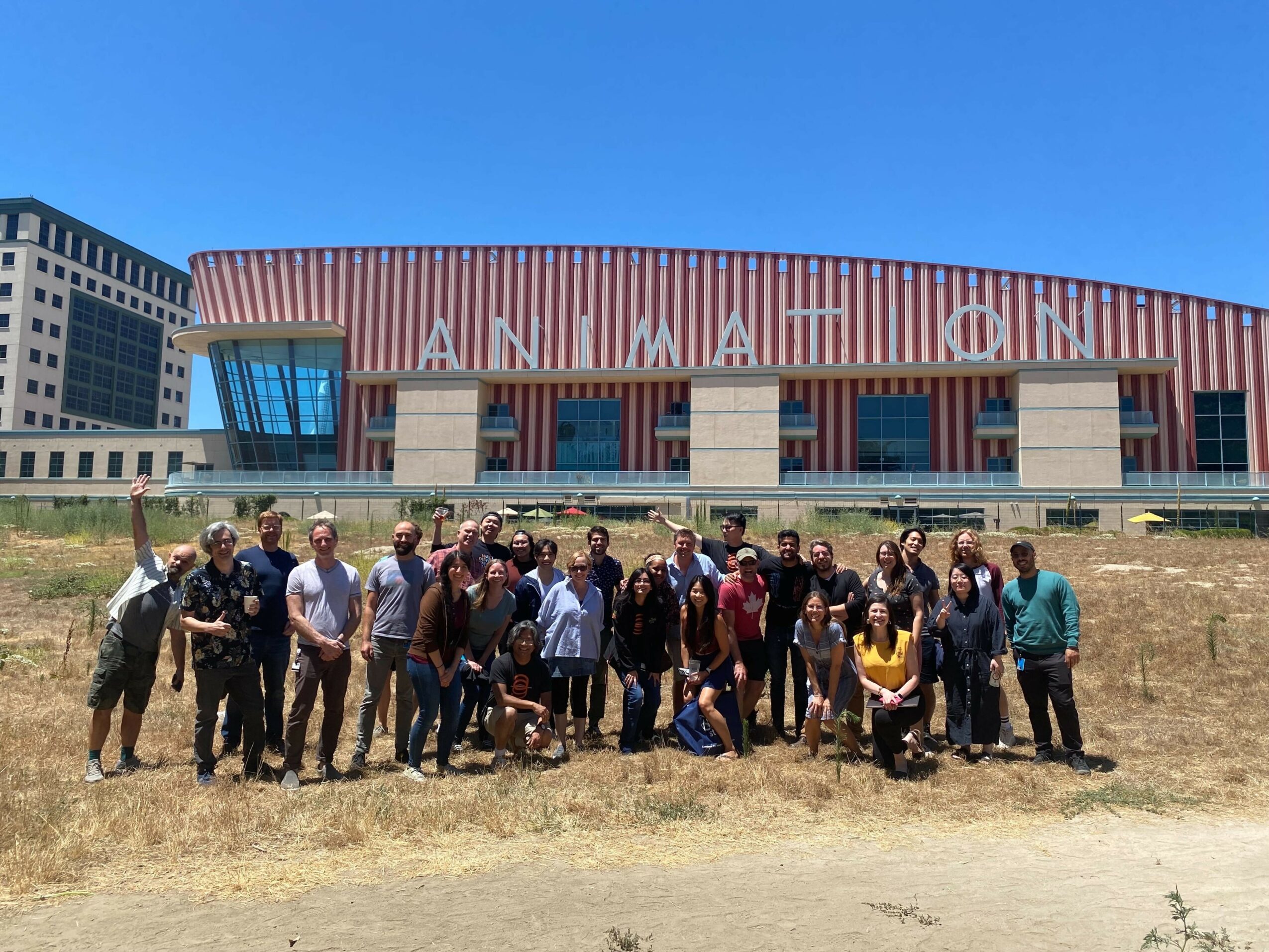
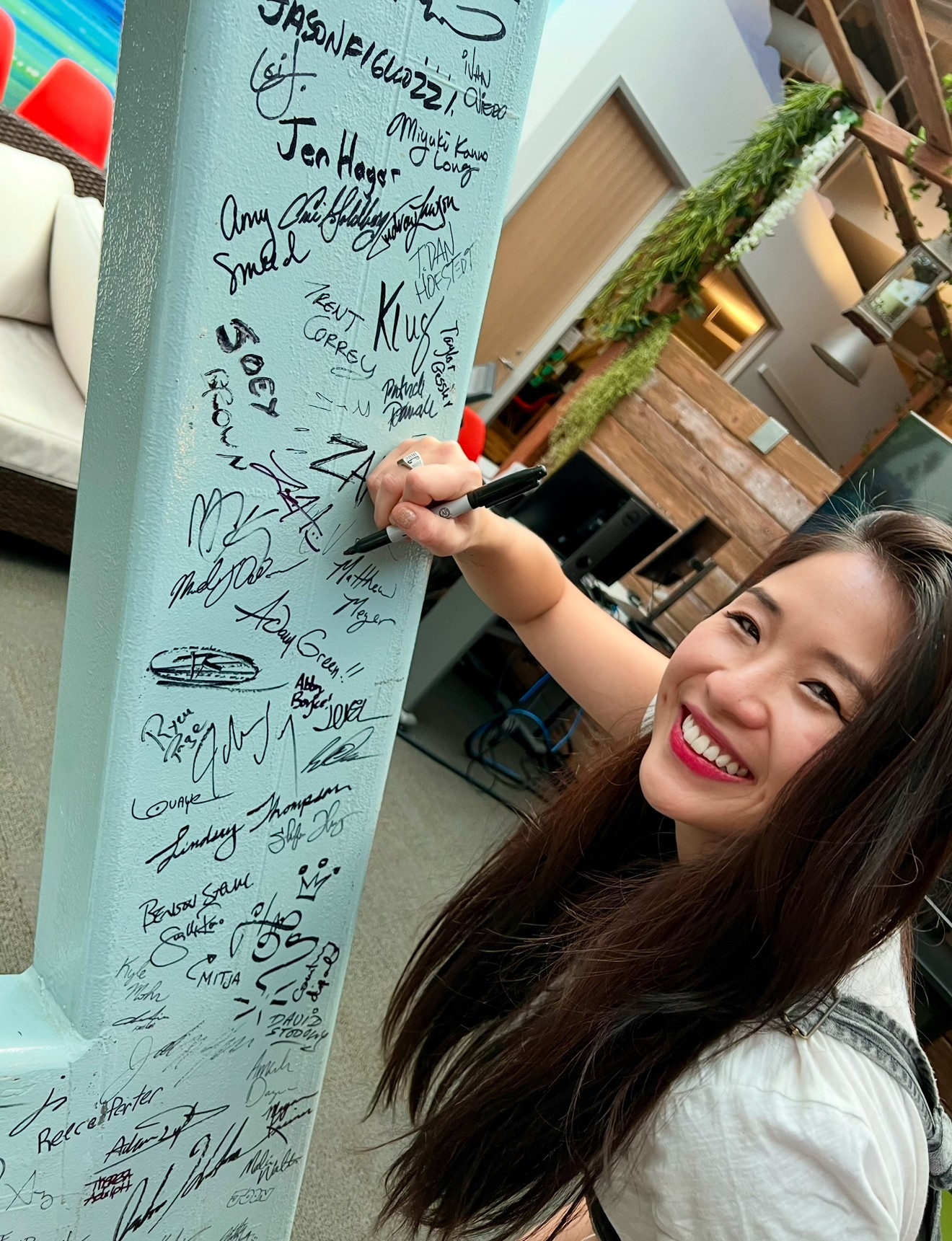
Image Credits
All photos taken by me!
Popular
-

LA’s Most Inspiring Stories
-

Maagic Collins on Building a Fearless Publishing Platform for Truth, Advocacy, and Underrepresented Voices
-

Los Angeles Barea on Turning Green Superheroes into a Global Movement for Youth-Led Change
-

Trisha DuVivier on Bridging the Franchisor–Franchisee Divide with Workhero and “Franulate”
-

Portraits of the Valley
-
Cedar Boschan on Elevating Black Music Rights and Driving Urgent Conversations Around Credit, Equity, and Artist Protection


