




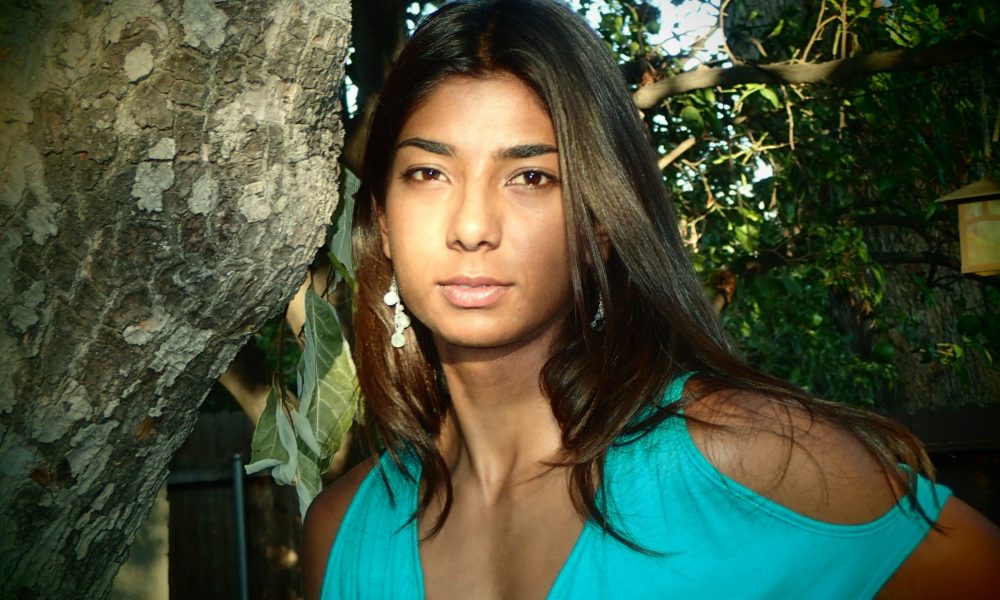
Today we’d like to introduce you to Juhi Bansal.
Hi Juhi, so excited to have you on the platform. So, before we get into questions about your work life, maybe you can bring our readers up to speed on your story and how you got to where you are today.
Today, I’m a composer and conductor with a particular interest in music built around storytelling and bringing together different styles, but it feels like a strange and twisting path that has led up to here. I grew up in India and then in Hong Kong before moving to the U.S. for college, and for the longest time expected and planned to be either a computer scientist or writer or to open a martial arts studio. While I loved music and studied a number of different instruments, coming from a non-musical family, I couldn’t really imagine what that meant to be a professional musician. And even after deciding to pursue music professionally, I had no idea what that would actually look like.
Where the pieces started coming together for me was in realizing that I could find ways to build music around my experiences as a woman, as an Indian, as someone in love with wilderness and travel and different cultures and science and all sorts of unrelated things. Once I started using each new project as an opportunity to tell a story about things I feel really matter, the pieces clicked.
I’ve been lucky enough to write orchestral music inspired by hearing the songs of humpback whales underwater, to write an opera about women’s histories and heritage and how fragile these are to the passing of time, to write music about transformation and overcoming and bringing different cultures together through the legends we tell about the stars. Each new project is a chance to explore in sound and in collaboration a story I believe is worth telling.
Can you talk to us a bit about the challenges and lessons you’ve learned along the way? Looking back, would you say it’s been easy or smooth in retrospect?
For a long time – both as a music student and earlier in my career – one of my biggest challenges was that my music didn’t fit the paradigm of what “classical music” was supposed to be. That style comes out of such a Euro-centric tradition, and with my background and the musical influences I grew up listening to, mine never fit completely neatly into that box. As an early career artist, that made it challenging to have my work taken seriously.
One of the most exciting things to me in the last few years has been that (alongside larger societal conversations about diversity and what that means), there has been an immense shift in openness towards music that draws on different genres, styles, cultures. So much of being a musician in the past was defined by where your music should physically be categorized under genre; with the way that technology has changed and the shift from brick-and-mortar record stores to streaming and instant access, that’s simply no longer true. I’m thrilled to see so many musicians working between styles and cultures, creating fascinating music that brings together different elements in unexpected ways. While for a long time that was an obstacle I had to navigate, it has been so exciting and fulfilling to see those expectations of what classical music should be and what it can be changing and turning on its head.
Appreciate you sharing that. What else should we know about what you do?
My music is centered on stories about themes I care about – women’s voices, bringing together different cultures and ways of seeing the world, celebrating and protecting wilderness and the environment. Often, I write for traditional ensembles like orchestras and choruses, using themes, texts, and sonic images to tell stories. Other times, my work is collaborative, grounded in working with other artists to create something where music and other forms of media come together. Some of my favorite projects have included working with writers and poets, sound designers and electronic artists, filmmakers, and visual artists to create music that tells stories both through sound and through these other forms of media.
One of my favorite recent projects is a short film commissioned by the Prototype Festival, inspired by the story of the Bangladesh Girls Surf Club, for example. The piece was commissioned as a digital operatic short by the Prototype festival, and I was tremendously lucky to be able to build this around a collaboration with Western and Hindustani singers, cello, electronics, and film and to build it around music first, with the film to follow. The music brings together completely different musical styles (singing in English with Hindustani-style singing in Bengali, with instrumentals that move between the grooves of surf rock and the colors and sound of something more avant-garde).
https://www.youtube.com/watch?v=hwwFRV1Uwf4
Another recent project centers on women’s stories, and specifically on the voices of women from Afghanistan. Love, Loss, and Exile is a song cycle for soprano with piano and cello that was commissioned by Songfest and gave me the opportunity to build something around the incredible tradition of landays (a form of oral poetry from Afghanistan). One of the most remarkable things to me about this form of poetry is that it is predominantly spoken by women, even in a strongly patriarchal culture where women’s choices are limited, and girls are often married away between the ages of 12 -14. In this poetry, Pashtun women tell their stories in their own words, unfiltered and unchecked by the men’s voices that surround them. The music I created lives in a hybrid space that draws on everything from Afghan folk styles to the raga-based music of India to classical art songs and contemporary instrumental textures.
https://www.youtube.com/watch?v=3kkMnIirdoA
We’d be interested to hear your thoughts on luck and what role, if any, you feel it’s played for you.
I think the trickiest thing with luck is that you don’t always know how it came into play behind the scenes. In my career, it has been a repeated theme to apply for something (an opportunity, a job, a competition) to get the rejection letter (or no response at all) and to feel like I had failed. The irony of luck coming into play was finding out months or years after that perhaps I was second in line for a job I didn’t get, or a few members of a committee loved my work but were outvoted, or some other set of circumstances where my work made an impression, but I had no idea. Then, months or seasons, or years later, I’ll get a call for a project and it’s from someone who learned of my work from the opportunity I didn’t get but for whom it resonated enough that they remembered. What I take away from that – and what I try to pass on to my own students when I teach and mentor – is that it’s always worth putting your work out there, sharing it with people and making it visible, and to not let either the fear of rejection or actual rejection stop you. You might be surprised at the kinds of opportunities it can create, all while you think you have failed at something.
Contact Info:
- Website: www.juhibansal.com
- Instagram: @juhibansalmusic
- Youtube: https://www.youtube.com/channel/UC7p8Uzn-v2Xr1Zxwti4AjPA
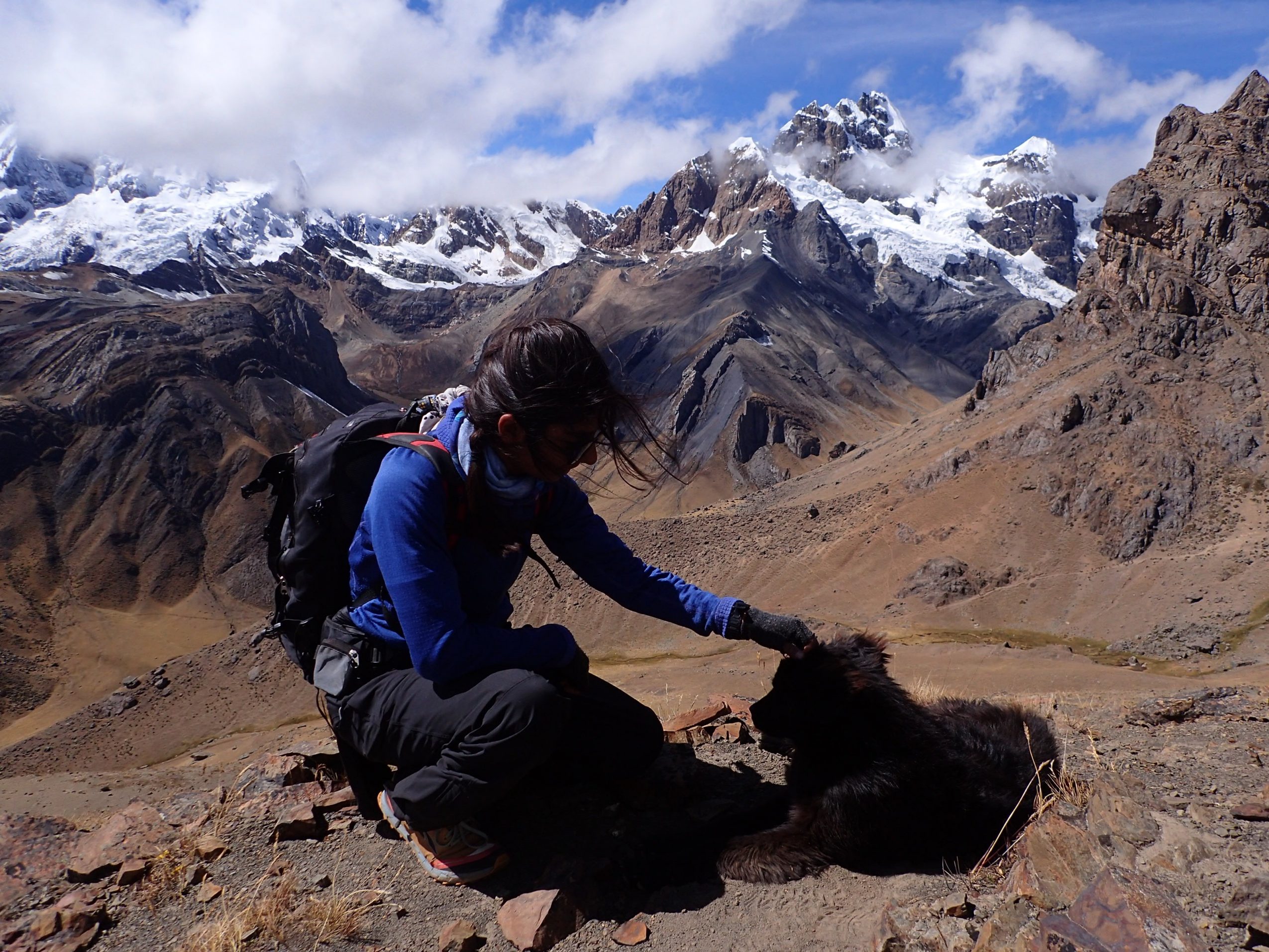
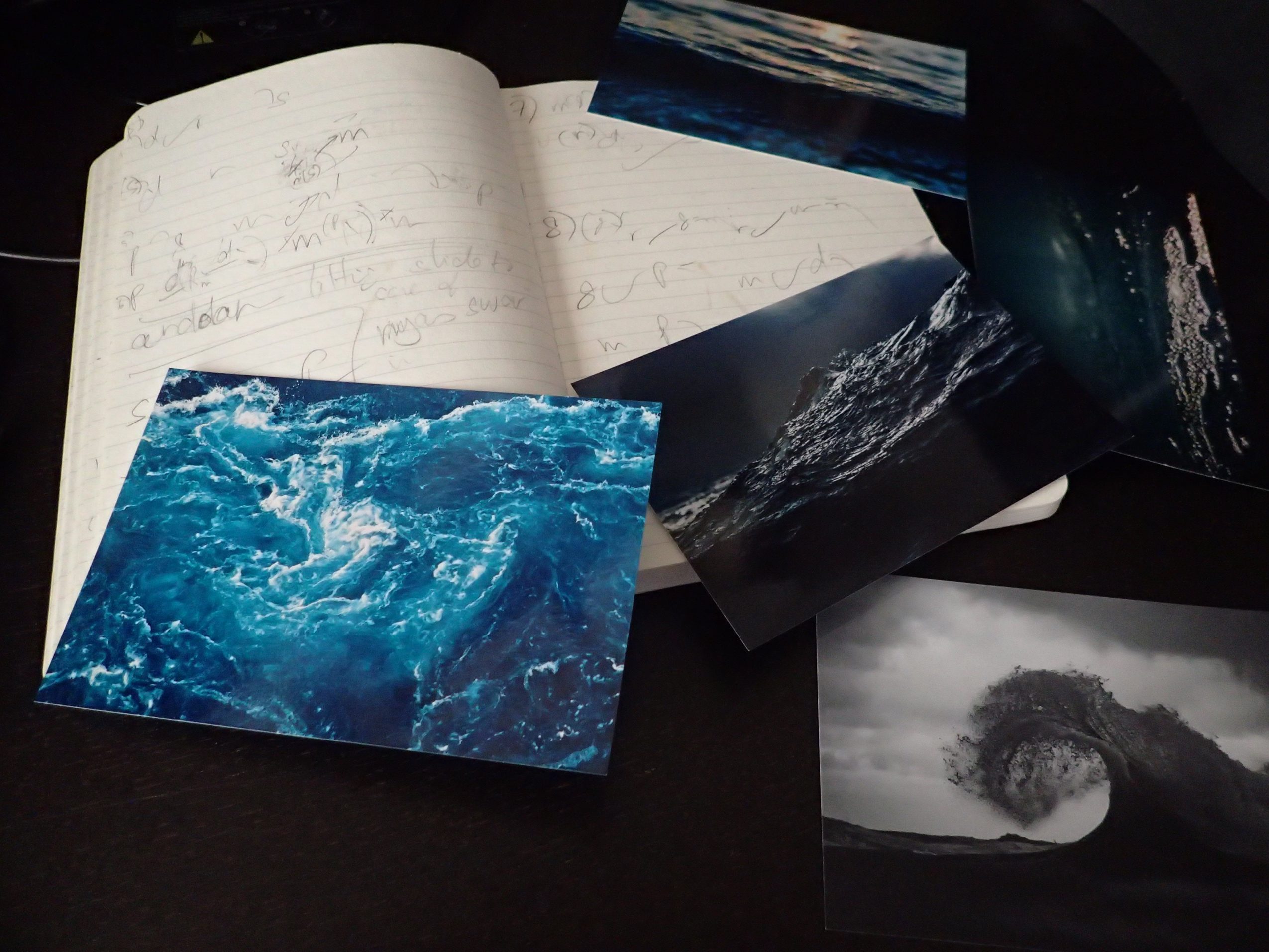
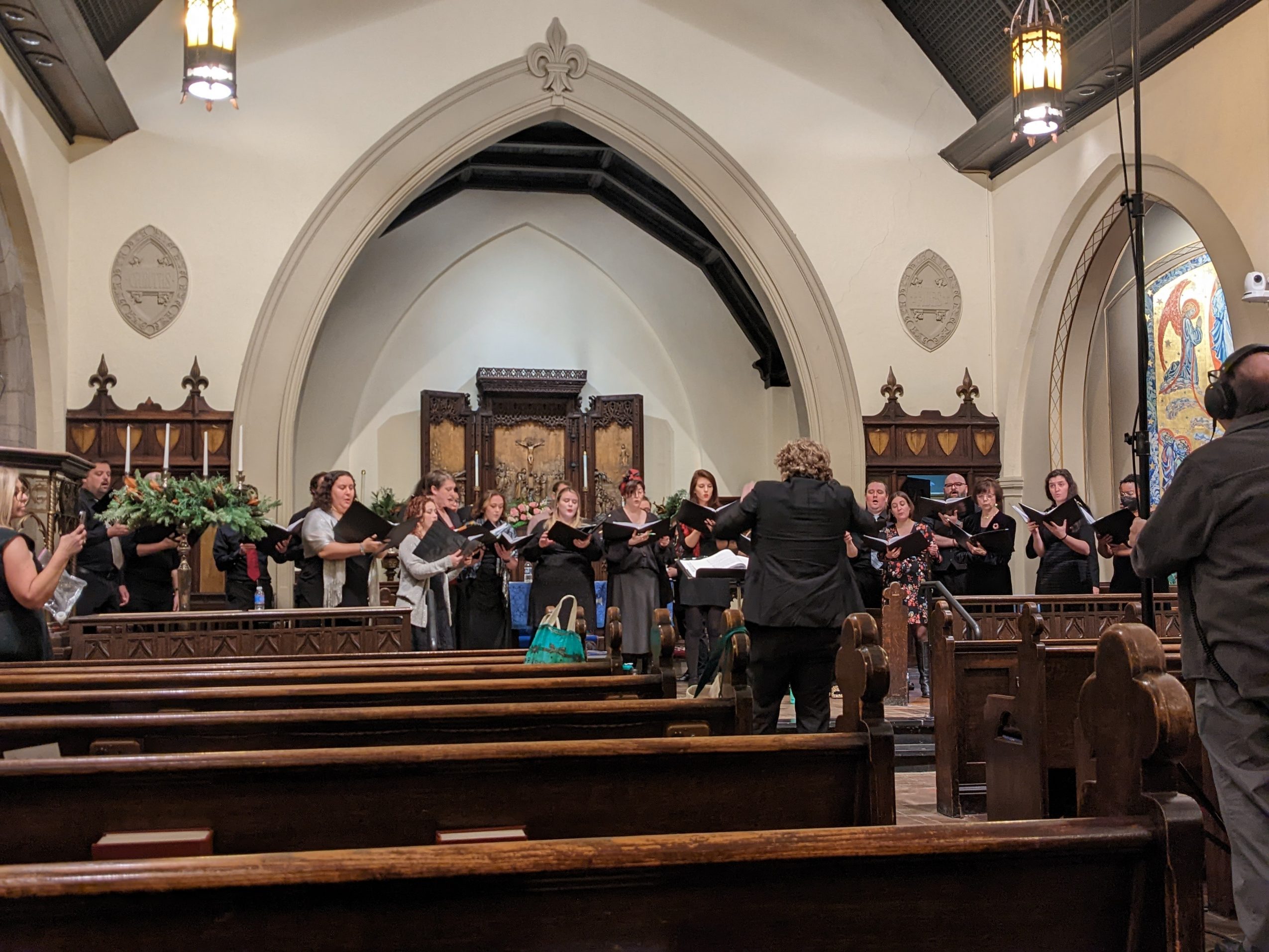
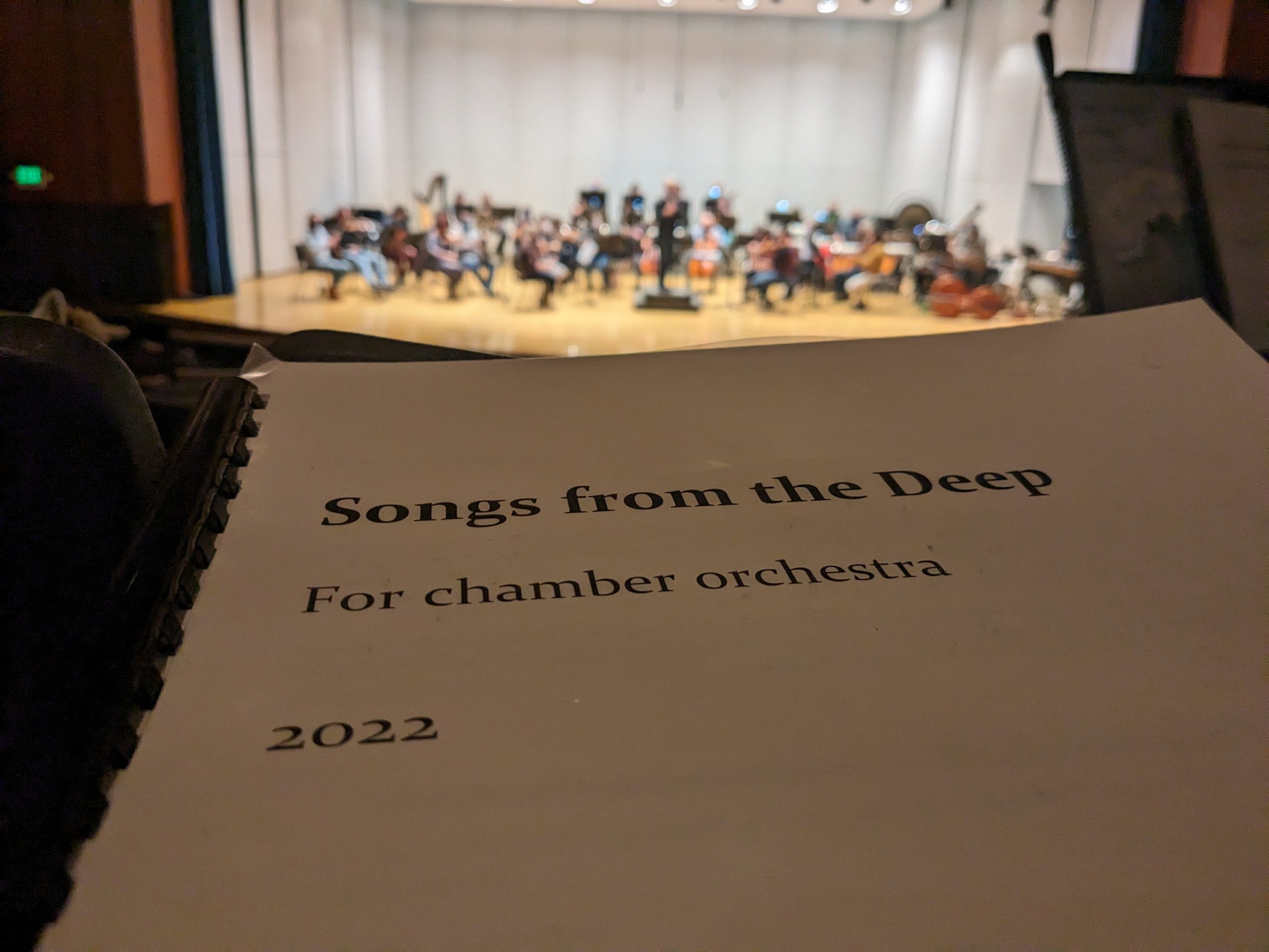
Image Credits
Juhi Bansal
Nic Gerpe
Popular
-

Portraits of the Valley
-

LA’s Most Inspiring Stories
-

Maagic Collins on Building a Fearless Publishing Platform for Truth, Advocacy, and Underrepresented Voices
-
Los Angeles Barea on Turning Green Superheroes into a Global Movement for Youth-Led Change
-

Trisha DuVivier on Bridging the Franchisor–Franchisee Divide with Workhero and “Franulate”
-
Cedar Boschan on Elevating Black Music Rights and Driving Urgent Conversations Around Credit, Equity, and Artist Protection


