




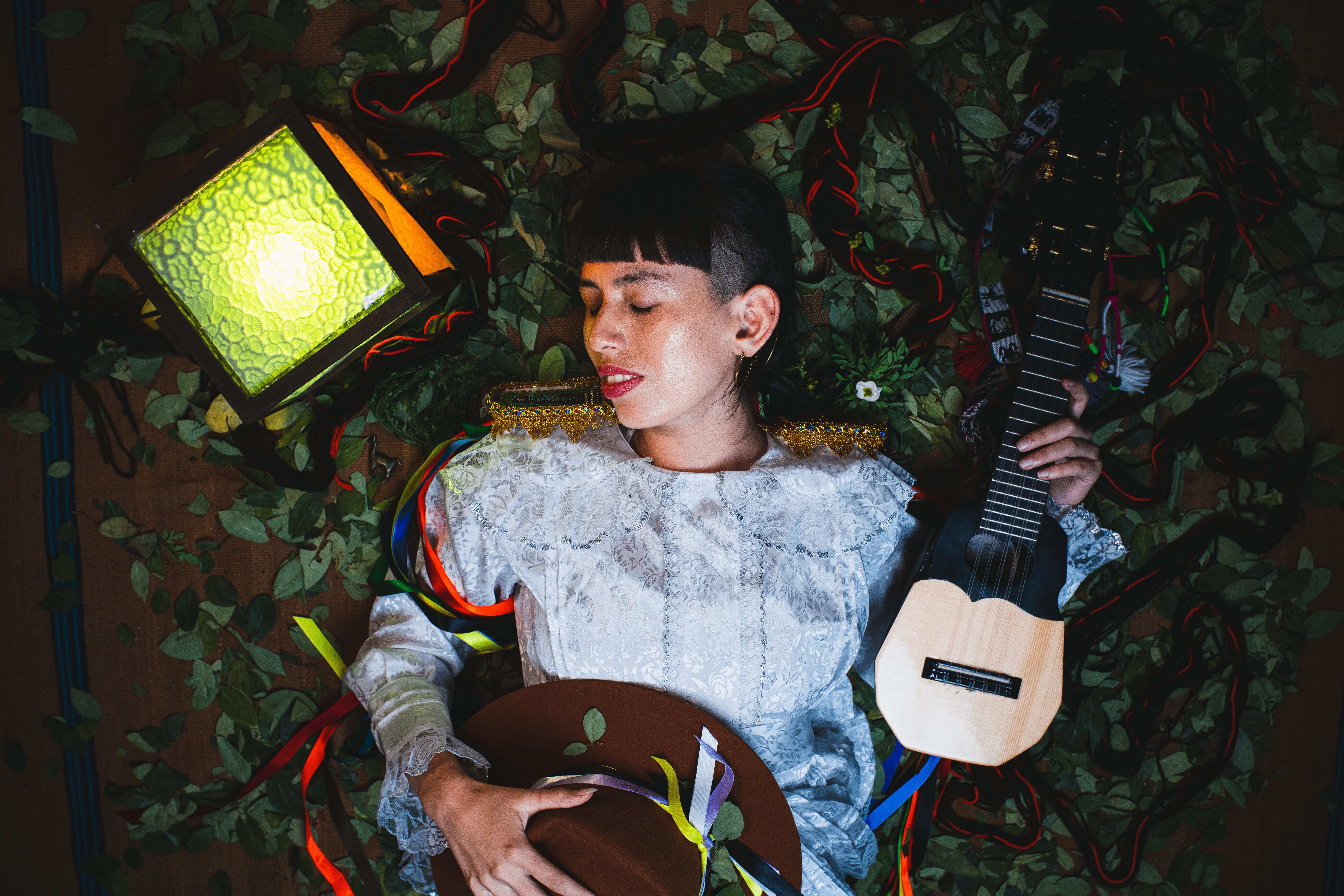
Today we’d like to introduce you to Anaís Azul.
Anaís, we appreciate you taking the time to share your story with us today. Where does your story begin?
I was born in Lima, Perú and by age 4, my family immigrated to California after they won the visa lottery. While this was by no means a cash prize, it was a huge privilege to have access to green cards by the luck of the draw and it made our migration process smoother than many of my immigrant peers. Growing up in the Bay Area, I had the luxury of going to bilingual public schools from Kindergarten through middle school. Spanish was my first language and the language I spoke at home, and my parents encouraged my curiosity about my Peruvian heritage. When my parents divorced at age 7, I started splitting my time between them both. The times I was with my dad, we had long commutes to school. The silver lining of this time is that it was when my love for an eclectic range of music emerged. My dad and I burned playlists onto CD’s to listen to on the commutes. The CDs ranged from Bossa Nova, to Rock, to experimental music and Oldies. When I turned 12, my mom landed a full time teaching job that allowed her to start taking me on 2-month long trips to Perú every other summer. That’s when I started to build a relationship with the Andes mountain region, specifically Cusco. Cusco is where my maternal grandfather was from and where I still have lots of beloved relatives. I didn’t realize then that that would be the seed that fueled my desire to learn music from the Andes. Those Andean melodies started braiding themselves into my subconscious, weaving amidst melodies of the commute mix CDs. By the time I reached college, I pursued a BFA in music Composition and Theory and ultimately got an MFA in Vocal Performance and Composition. Since then, I have been touring as a solo artist in Europe, Perú, and across the U.S. I have been teaching music from public schools, universities, to 1-on-1 bilingual lessons. Just this month, I released my debut album “Simp’ashani: Canciones Trenzadas” which is a result of dedicated research into my queer Andean identity (I share more a couple questions down). Here is the link to listen on your favorite streaming platform: http://ffm.to/simpashani
Would you say it’s been a smooth road, and if not what are some of the biggest challenges you’ve faced along the way?
Though we had migratory privileges through the visa lottery, my family and I still experienced a lot of struggles shared by other immigrants. When we first arrived in California, my parents and I lived with my aunt and paternal grandparents in a two bedroom apartment. It was crowded to say the least. Both of my parents are dedicated artists and educators making their way in life and it took many years for them to be in a financially comfortable place. So, I grew up with adult roommates until I was 14 years old. Despite the financial challenges, what I never lacked was emotional and career support from my parents. They always supported me pursuing music from bartering their art to get me piano lessons to encouraging me to apply for scholarships. I also have my public school teachers to thank for instilling in me at a young age that good grades can equal financial aid and I always held on to that in order to pursue higher education in the U.S. In 2018, I faced my biggest challenge of my adult life. I was hit by a car, fracturing my knee and prompting an existential crisis. At the time, I was in a band hiding behind a moniker and the car accident was the push I needed to become a solo artist and let my art contain all of my multitudes: from my classical training to my experimental spirit to my diasporic longing for the Andes.
Thanks for sharing that. So, maybe next you can tell us a bit more about your work?
On September 6th, I released the project I am most proud of: my debut album “Simp’ashani: Canciones Trenzadas” (which translates to “I am braiding: braided songs”). The album is a result of the research I conducted while on my Fulbright U.S. Student Scholarship, which gave me the opportunity to return to Perú to study Charango (from Ayacucho and Cusco) and Quechua for 9 months.
“Simp’ashani: Canciones Trenzadas” began as a project compiling Andean music to create an album of multilingual (Quechua, Spanish, and English) reinterpretations of these songs using experimental electronic production. The album includes field recordings, interviews, and original compositions about my journey re-connecting to my Indigenous ancestry and the pre-colonial queer identities that I see myself in. In “Simp’ashani: Canciones Trenzadas” I braid in a heartfelt way my Andean heritage and music with my diasporic longing to create a place to belong in.
I have been committed to healing through music and while other projects of mine such as my debut EP “Vulnerable” (2022) have been broadly about healing mental health, my debut album is about healing intergenerational trauma. I have also always stood by the notion that we are microcosms of our big picture reality and “Simp’ashani: Canciones Trenzadas” is no exception. The album has interviews and songs that discuss the social conditions (such as imperialism) that cause migration, state sanctioned violence, and love– all themes relevant to anyone watching the multiple ongoing ecocides (such as the one occurring in the Amazon Jungle) and genocides in the world (such as the one in Palestine– ceasefire now). Ultimately, my hope is for my album to be evidence that we immigrants and children of immigrants are not alone in our search for home. You can listen to the album on your favorite streaming platform here: http://ffm.to/simpashani
Is there any advice you’d like to share with our readers who might just be starting out?
Be honest with yourself. Be honest about your capacity and availability, I know I have reached burn out more than once as an independent artist by spreading myself too thin. Also be honest about how you feel, which means trusting your intuition. If you have a bad feeling about something, ask yourself why, but don’t gaslight yourself into ignoring that internal wisdom. Also, be patient. You know the saying, slow and steady wins the race. I know it’s easy to want instant gratification, but it takes a lot of commitment to your craft to get where you want to be. On that note, be open to having your goals change as you grow. You are not a stagnant being, you are fluid. Finally, don’t be too proud to ask for help. I know I could not have produced my album without my life-long friend and collaborator iri.des (or without my amazing musician collaborators Luis Ramirez and Renzo Ramos) and I was about to try to do it by myself! Remember that it takes a village and that there are people out there that believe in your art and want to be by your side to create worlds with you.
Contact Info:
- Website: https://anaisazul.com
- Instagram: https://www.instagram.com/stories/anaisazul/
- Facebook: https://www.facebook.com/anaisazulmusic/
- Linkedin: https://www.linkedin.com/in/anais-azul/
- Youtube: https://www.youtube.com/c/anaisazul
- soundcloud: https://soundcloud.com/anais-azul
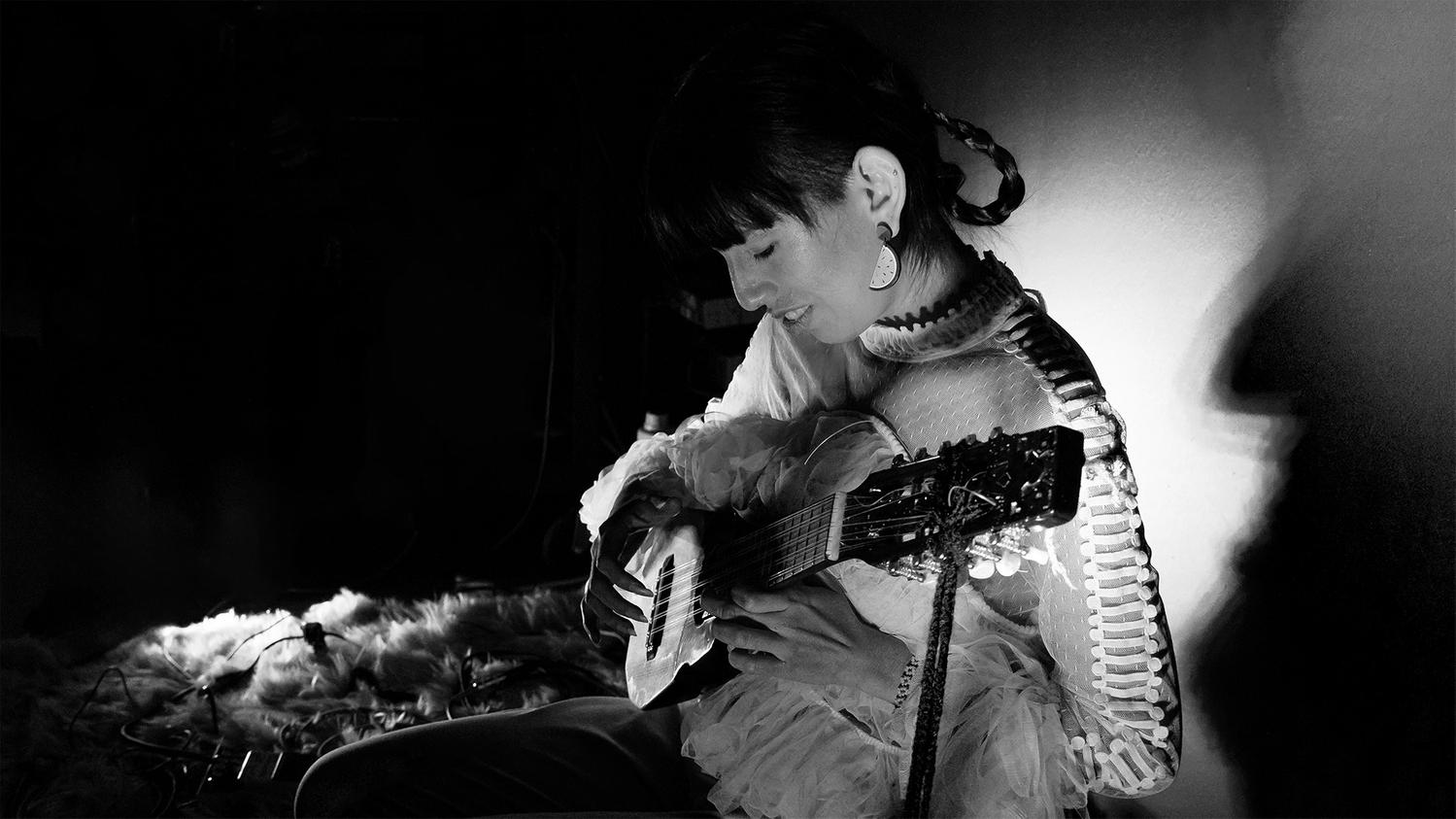
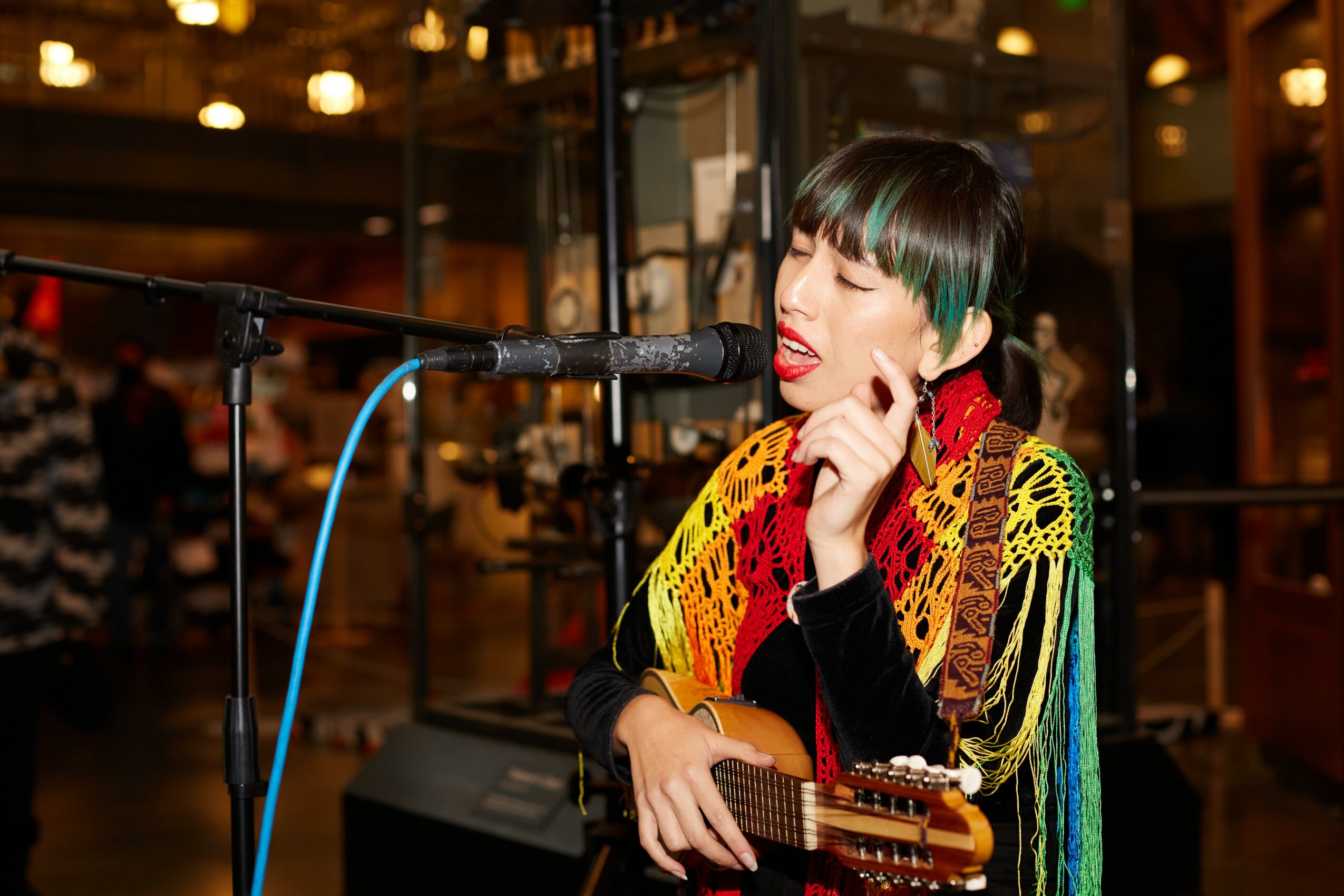
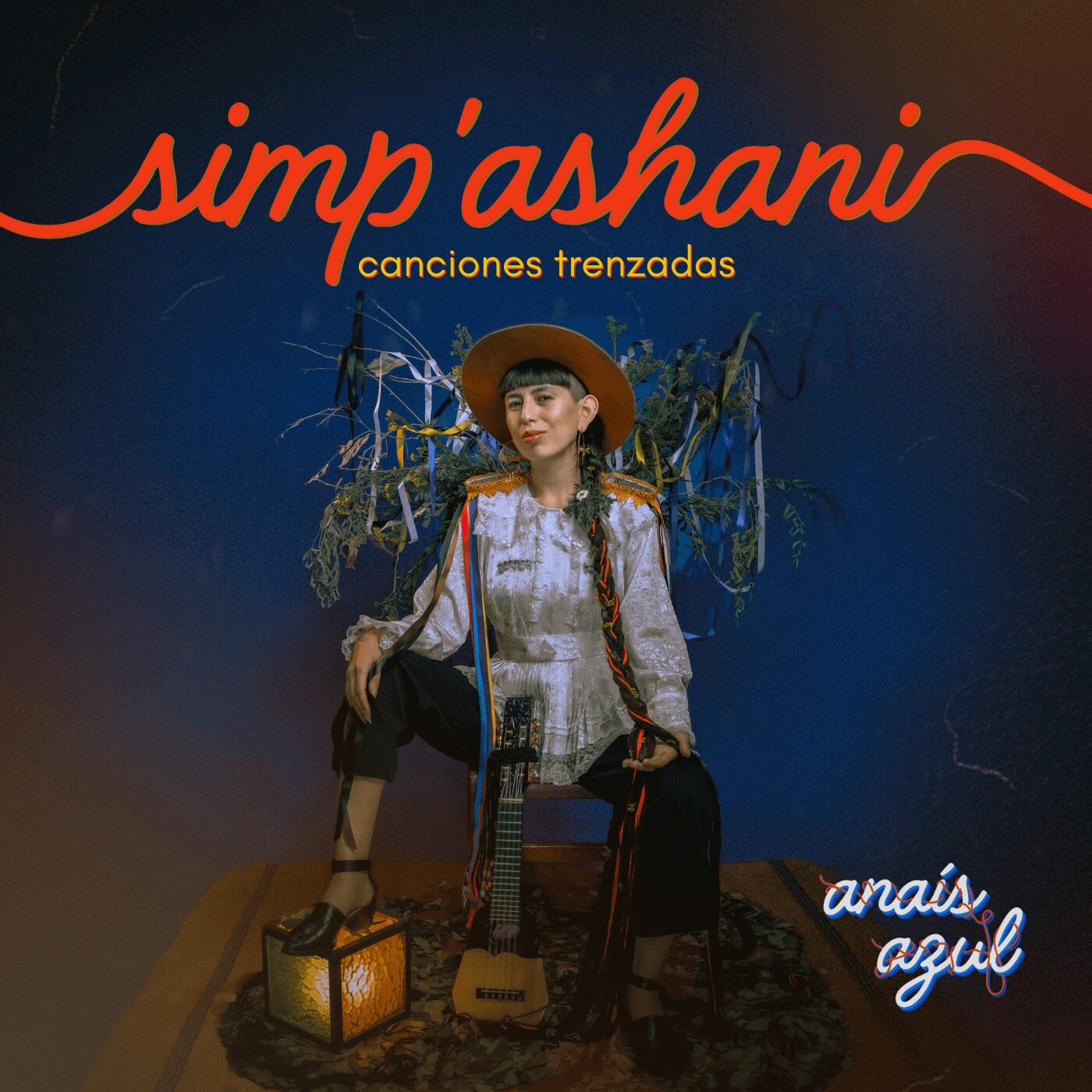
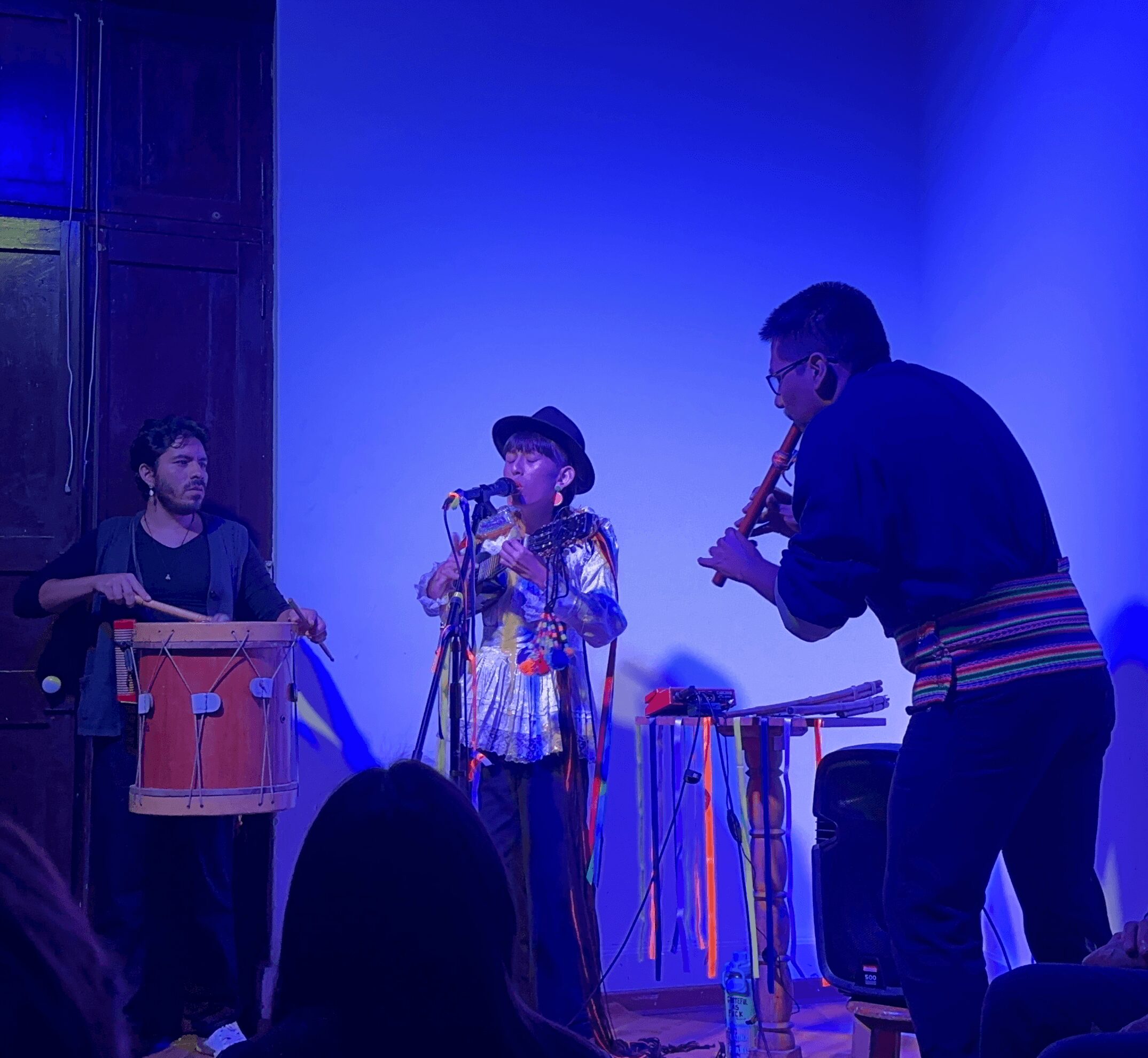
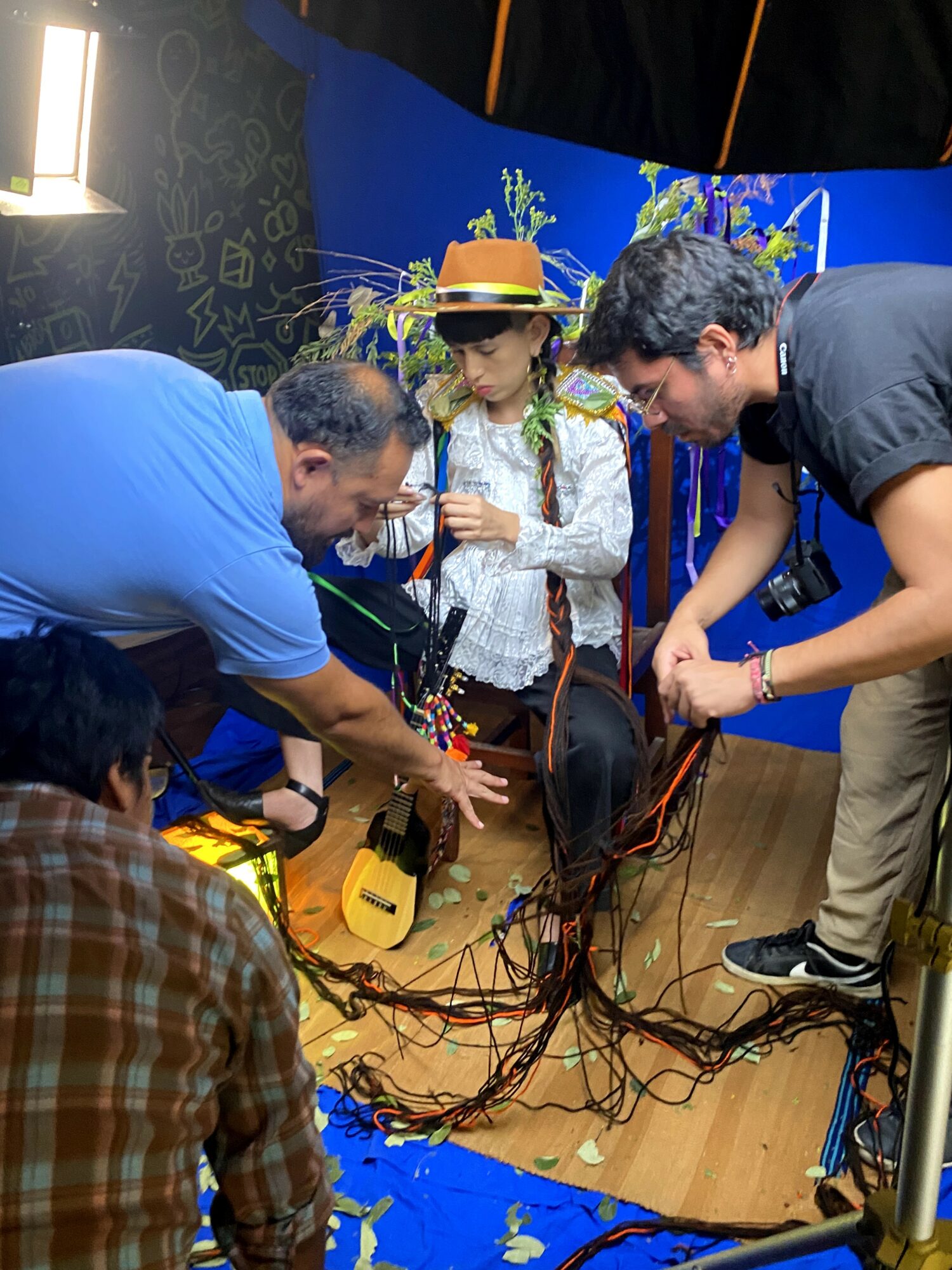
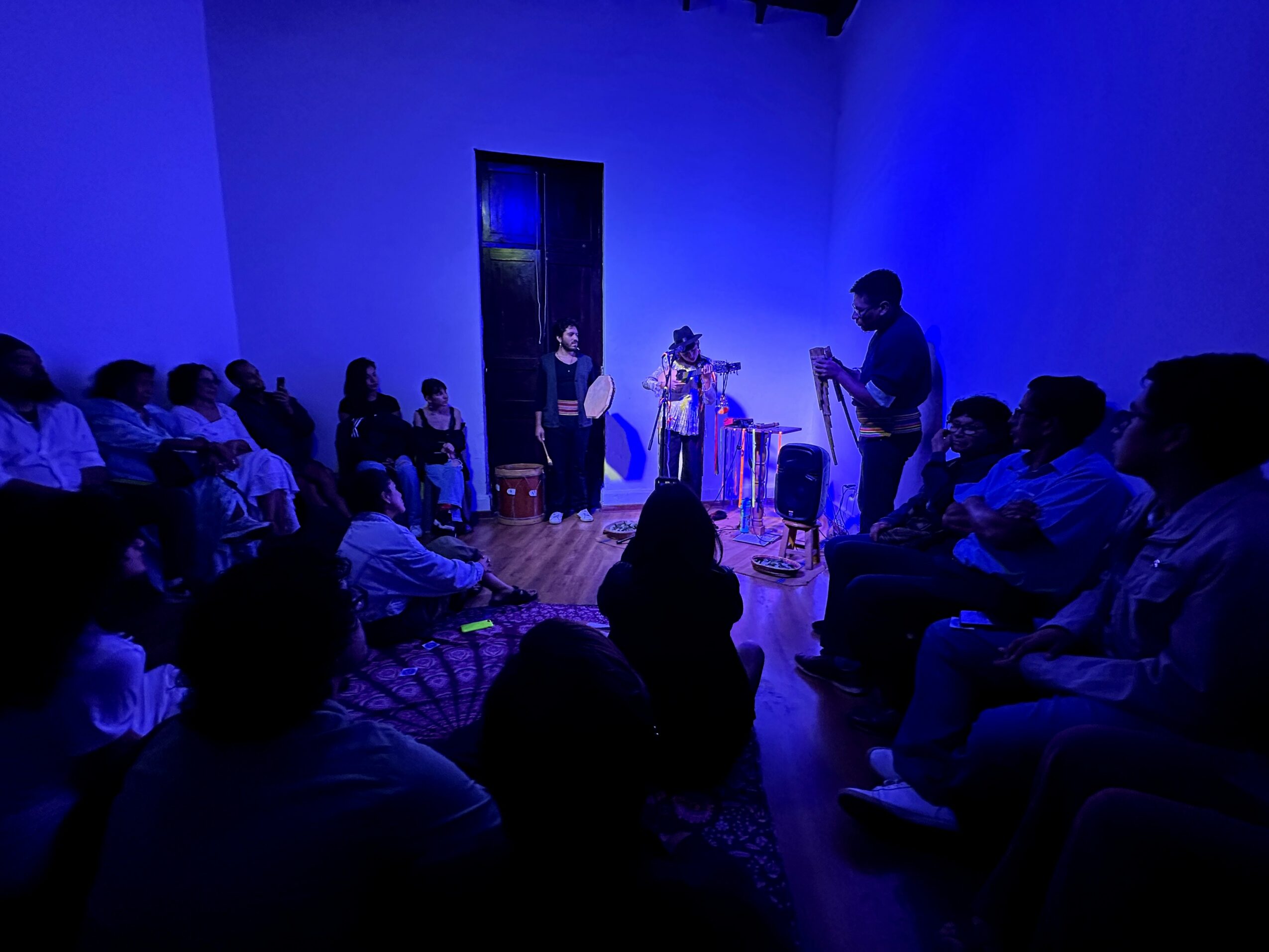
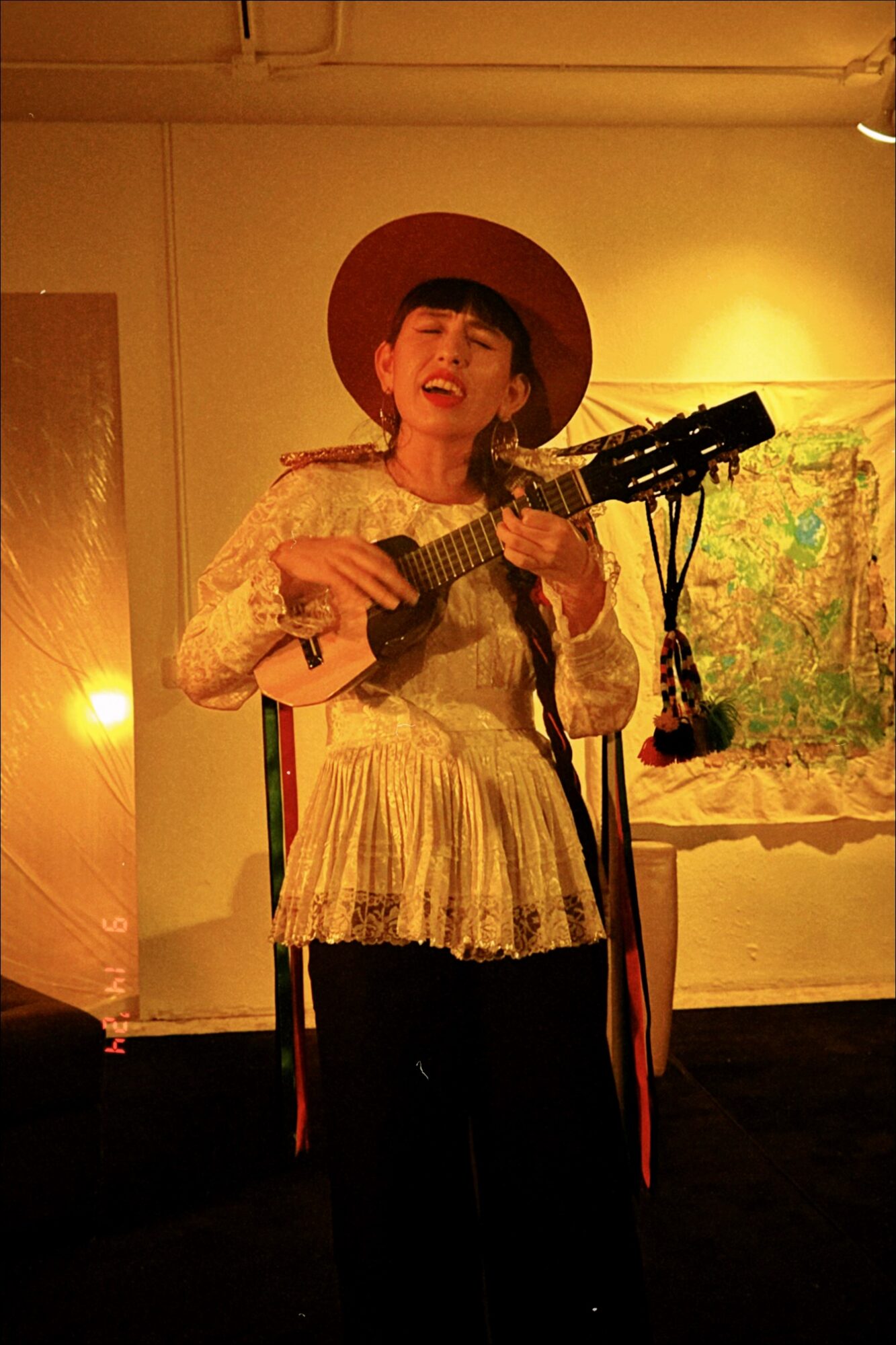
Image Credits
Brian Hashimoto, Bliss Katherine, Juan Luis Hurtado Andrade, and Grace Solano
Popular
-

Maagic Collins on Building a Fearless Publishing Platform for Truth, Advocacy, and Underrepresented Voices
-

Los Angeles Barea on Turning Green Superheroes into a Global Movement for Youth-Led Change
-

Trisha DuVivier on Bridging the Franchisor–Franchisee Divide with Workhero and “Franulate”
-

Portraits of the Valley
-

LA’s Most Inspiring Stories
-

Cedar Boschan on Elevating Black Music Rights and Driving Urgent Conversations Around Credit, Equity, and Artist Protection


