


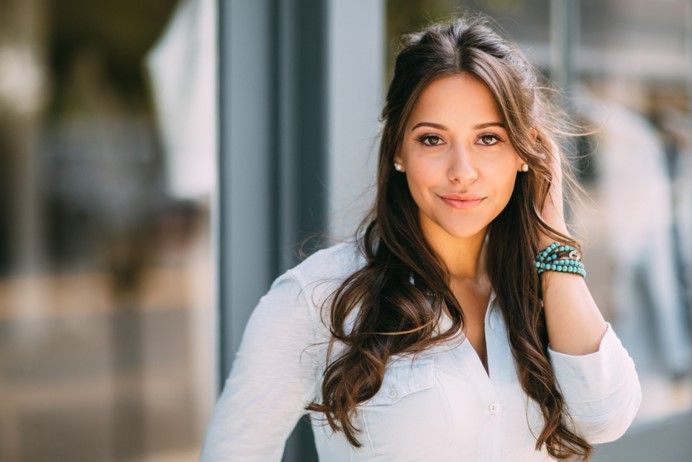
Today we’d like to introduce you to Arianna Shining Star Pane.
Arianna, please kick things off for us by telling us about yourself and your journey so far.
Most people who aren’t in the film industry have no idea that color grading even exists, but I fell into the craft through pure serendipity. I was actually studying criminal psychology at the time – doing brain scans, analyzing what makes a person want to commit a crime, real Mindhunter type stuff. I was still planning on pursuing my Ph.D. in neuroscience when I first learned about color grading. A friend of mine was interning at a post facility and happened to shadow a colorist one day. She loosely described the process – being in a dark room with the colorist pushing buttons on a giant keyboard and changing the image but I still really had no idea what color grading was. I grew up loving to paint and draw, and this really rough description of coloring piqued my interest. From there, I shadowed a color session and immediately fell in love with how it is the perfect blend of art, science, and storytelling. Coincidentally, I was studying at USC, so I started coloring all my friend’s student films and never looked back.
Can you give our readers some background on your art?
Color grading is an incredible art form. Each project I work on – feature films, television, music videos, and commercials – all call for a different approach and attention to different details – kind of like flexing different muscles. Coloring features and television mean you get to think of how the color can elevate the storytelling. Every aspect of filmmaking leads back to the story and how you want subconsciously impact how the viewer feels. Color grading has the power to do this with incredible subtlety. With narrative work, we start the process by talking about how we want the viewer to feel in each of the scenes, in the movie as a whole, etc. We’re not just making pretty pictures, but we’re thinking critically about what the characters’ motivations are in each scene, and how we can use color to subconsciously drive the narrative. Music videos are totally different – you get to be ultra creative and play in an enormous sandbox. You get to push and pull the footage in a really interesting way and really color outside the lines. Commercials call you to think about the brand and target consumer, another totally different mindset.
What would you recommend to an artist new to the city, or to art, in terms of meeting and connecting with other artists and creatives?
I have met so many amazing creatives from the film community through Instagram. Don’t hesitate to reach out to someone whose work you appreciate and admire – shoot them an email and ask them if they’d be up for a chat over coffee. I’ve found the filmmaking mafia to be such a supportive community, both with making friends and also helping each other professionally. One of my favorite side hobbies is playing match maker with creatives. The fast-paced nature of color grading means I get my hands on a lot of different projects, and in turn, get to collaborate with tons of different teams. Anytime a director asks me for DP recommendations; I love setting people up not only based on creative aesthetic but also who I think about will get along well with each other, shooting across the world for a month. I’m proud to report a solid success rate, even made for some professional marriages! We’re all in this ride together and the more friends you have in the industry, not only do you feel more supported, but you also get more inspired. I’m constantly inspired by the excellent work my friends and colleagues create.
As an artist, how do you define success and what quality or characteristic do you feel is essential to success as an artist?
Elevating the creatives’ vision beyond what they had imagined is true success for me as a colorist. That’s the most incredible feeling. Color is a unique part of the filmmaking process because it’s the very last creative stage. That means that so many people have poured their heart and soul into a project from the very beginning, sometimes that can be years, even over a decade or longer from when the project was initially conceived of or a script was written. As a colorist, I am afforded the enormous privilege – and I really think of it as a privilege – to have the last creative touch. What’s most important to me is not the buttons I push and knobs I turn to get the right look for the project, but rather sending the team off with that elusive feeling that all artists seek; they created something even more incredible than what they had envisioned, and now it’s a real breathing piece of their artwork with their voice, that they now get to share with the world.
What’s the best way for someone to check out your work and provide support?
I promise they don’t pay me for promotion but again – Instagram! Social media has its drawbacks, but it’s a great visual platform for a visual medium, and I love how it connects creatives around the world.
Contact Info:
- Website: http://www.ariannashiningstar.com
- Email: [email protected]
- Instagram: @ariannashiningstar


Getting in touch: VoyageLA is built on recommendations from the community; it’s how we uncover hidden gems, so if you know someone who deserves recognition, please let us know here.
Popular
-

LA’s Most Inspiring Stories
-

Maagic Collins on Building a Fearless Publishing Platform for Truth, Advocacy, and Underrepresented Voices
-

Los Angeles Barea on Turning Green Superheroes into a Global Movement for Youth-Led Change
-

Trisha DuVivier on Bridging the Franchisor–Franchisee Divide with Workhero and “Franulate”
-

Portraits of the Valley
-

Cedar Boschan on Elevating Black Music Rights and Driving Urgent Conversations Around Credit, Equity, and Artist Protection