




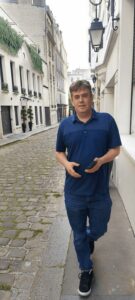
 Today we’d like to introduce you to Nicholas White
Hi Nicholas, thanks for joining us today. We’d love for you to start by introducing yourself.
Driving for photos in urban L.A. started in 2016 as a hobby after work as a method to unwind and learn about the city. Seeing neighborhoods in person taught me a lot about the cities in which I’d lived, from Claremont, CA to Chicago, IL to Columbia, MO to Hollywood, CA. My driving had taken me through the picturesque but relatively bland Mulholland Drive.
After a weeknight late-night food run in downtown L.A., I turned left on Bay St. just south of 7th St., instead of taking Alameda Ave. to the 101 and into the suburbs. A few blocks down Bay St. was a lavish spread of detailed paint arrangements of graffiti art works. Haunted eyes and a “Ghostbusters'” Slimer character were a new kind of energy. A “Jurassic World” scene of a monstrous dinosaur about to eat a shark was buried in another alley. It was like stumbling into an electric, oozy subculture.
I took photos for my own purposes as a scrapbook of where I had been. I had just started an Instagram account and was filling it with a few pictures from the red carpet, where I worked as a reporter. As an entertainment journalist, I didn’t have a huge following. The Hollywood photos were mostly flat, promotional, and not that compelling.
I had never taken photography seriously, just having an Android camera phone and in recent years having taken pictures with a blurry lens. I posted a few photos on Instagram from my graffiti art adventures and had a surprisingly involved response from people, more than my red-carpet photos. It became a way to have fun with strangers through pictures I took on my phone.
For my style, I try to have a graffiti art/street art fusion that represents how people feel in person, looking at the piece at the street level. I’m drawn to pieces with sharp and ironic social points of view and creative-explosion graffiti art styles I’ve never seen. I avoid photography cliches that focus on broken things and broken people to make neighborhoods appear worse than they are. My thing is about capturing the area’s life.
Part of my mission is to remain as true as I can to the essence of the work and artist. My creative focus as a photographer is to be more three-dimensional than someone who takes a photo facsimile of somebody else’s work. I try to capture the graffiti art and street art in the context of the neighborhood, adding a creative photo signature beyond replicating someone else’s work.
I enjoy most working with night shots, using the outstanding natural dark light and streetlights of L.A. to bring out the life of the city. Wild streets have calmed down. Access to more difficult-to-reach places is easier, without car or foot traffic. This is when many artists are active, giving the time an energy that the day hours don’t have.
I strive to be an “all city” photographer, capturing sections of the full city of L.A., not limited to one neighborhood or region. I frequent South Central L.A. from 22nd St. south to Watts. This is where the city’s best and most creative graffiti art images are to be had. I have taken pictures in Venice, Downtown, Long Beach, Crenshaw, Koreatown, the Valley, East L.A., and the Hollywood Hills.
My photos of graffiti art and street art number in the thousands, including pictures from Paris, St. Louis, Las Vegas, Chicago, and neighborhoods throughout L.A. Hundreds of independent artists have been spotlighted on my IG.
The Arts District downtown was a good photography training ground, as tons of interesting street art lurks everywhere from 1st through 7th streets — including on sidewalks — and a lot of it looks good at night. It’s not really a dangerous area, as many Arts District residents have expensive housing, which is patrolled by security.
To go into the alleys of South Central or to gangland for graffiti art photos is to assume some risk in interacting with criminal or police presence. There usually was no cause for concern, however. Embracing potentially dangerous L.A. neighborhoods at night was somewhat breaking an illusion that bad things might happen. This part of L.A. is where many graffiti art and street art photos work the best in the city.
I was faced with the prospect of photographing exclusively graffiti tags or colorful mural photos, like other similar photographers do. A fair number of social media accounts and blogs in L.A. and in cities around the world assume a form like this. That predictable road felt as though I was a graffiti groupie.
I am always honing my creative aspects to strive for more inspired shots. I don’t use a real camera, drones, or videos. I don’t do splashy visual effects other than color enhancement tweaking. I take still photos with my phone. It will probably be that way indefinitely.
I’m sure it wasn’t obstacle-free, but would you say the journey has been fairly smooth so far?
Developing a specialty is the fun part. Affecting how people respond to the work, particularly the artists themselves, is the challenging part.
Most importantly: I try my best not to make enemies. Graffiti in every city has a lot of politics and alliances. I avoid that as much as possible, even if I’m perceived as a peripheral guy.
I learned early that using my real name while posting graffiti photos was out of step. It was not great to so clearly reveal my identity. The standard in this field was not publishing your face or identifying your real name, even as a photographer: “no face, no case,” as the saying went. Publishing my name didn’t make a big difference to me because this was mostly legal art.
I pledged not to take photos of gang graffiti because who needed that kind of attention.
Could I get money for all the time and energy invested? Selling photo-based products of others’ work could be a copyright infringement without artist financial arrangements, so I don’t sell my photos. I do it purely for non-commercial fun.
A personal highlight was writing and photographing three graffiti art and street art features for LA Weekly in 2020 and 2021. One story was about tagger vandalism on L.A. street art and murals; a second was about 3D graffiti art and AR street art; and a third was about photo-sharing online of illegal graffiti. I’ve been interviewed by a photography website, FStop, and one of my Alec Monopoly photos was in a Porsche advertorial.
Who would have ever thought I’d be writing about this? I tried to make things as accurate as possible because “streets is watching,” and people love to mock mistakes.
My goal is to write about this beat for the New York Times, Washington Post, or Wall Street Journal.
Alright, so let’s switch gears a bit and talk business. What should we know about your work?
Many miles away from South L.A.’s graffiti art scene was my day/night job: interviewing celebrities at Hollywood and Beverly Hills red carpets, where I had worked for years, covering news and charitable events. The worlds of urban graffiti art and Hollywood promotional galas could not be more separate.
I started as an entertainment reporter in 2002 as an intern for Entertainment Weekly magazine, and went on to freelance for People, Us, Variety, and other entertainment news outlets for years. My specialty was in newsy celebrity interviews that took a unique angle and didn’t alienate celebrities.
I’ve interviewed public figures such as Vicente Fox, Al Gore, Dolores Huerta, Leonardo DiCaprio, Meryl Streep, Beyonce, Timothee Chalamet, Robert DeNiro, Lady Gaga, George Clooney, Barbara Boxer, Billy Idol, Zendaya, Jennifer Lopez, and Mark Cuban.
I am most proud of influencing other major new outlets around the world after my stories were published. For example, the Washington Post published a scoop from my Sumner Redstone interview, and the BBC wrote about my Tommy Chong interview. Journalism is only as fun as what you cover.
I have two degrees in magazine journalism, from Northwestern U. (MSJ 2002) and the U. of Missouri – Columbia (BSJ 2001), and have studied business at UCLA Extension.
Is there anything else you’d like to share with our readers?
Thank you to the graffiti artists and street artists of L.A. Angelenos are spoiled with the amount of inspired and interactive work for free. In some other cities, tags are more insular and intended mostly for people in the local graffiti scene. L.A.’s public pieces bounce off streetlights and are commissioned in new and edgy ways by neighborhood leaders. Most people, even those unacquainted with the scene, can get something out of it. For me, it’s a blast to photograph these pieces.
Contact Info:
- Instagram: https://instagram.com/nicholas.e.white
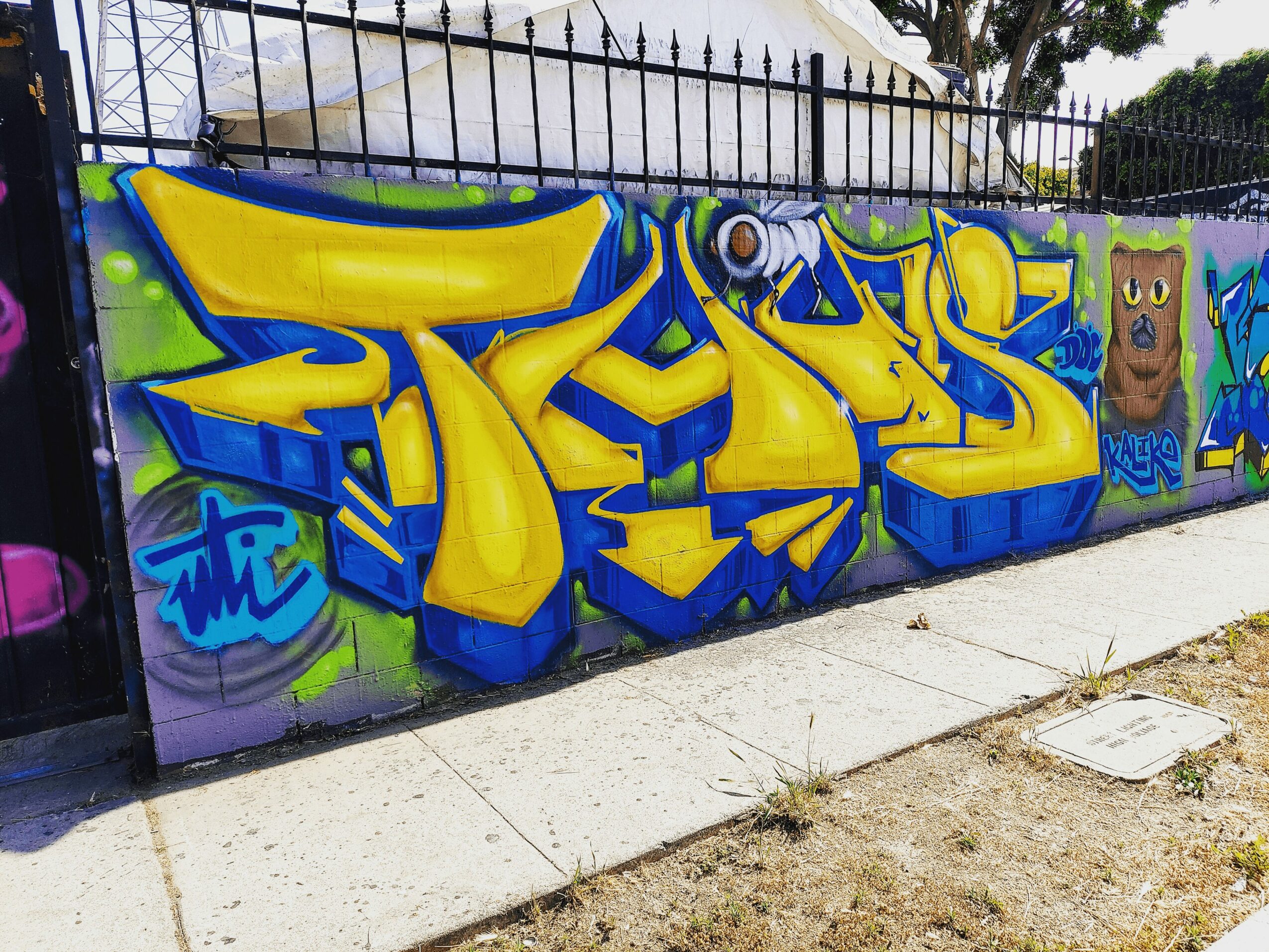
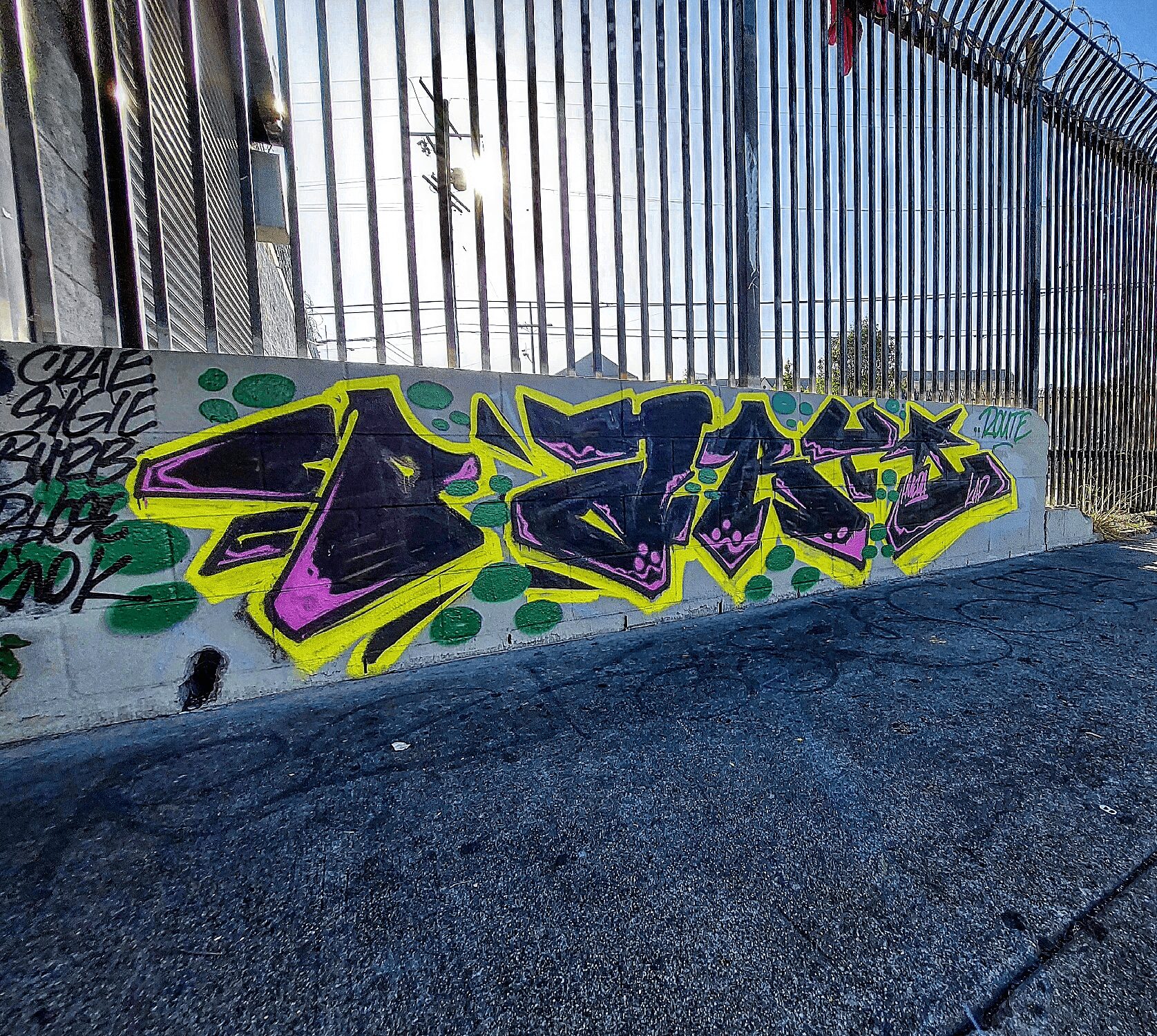
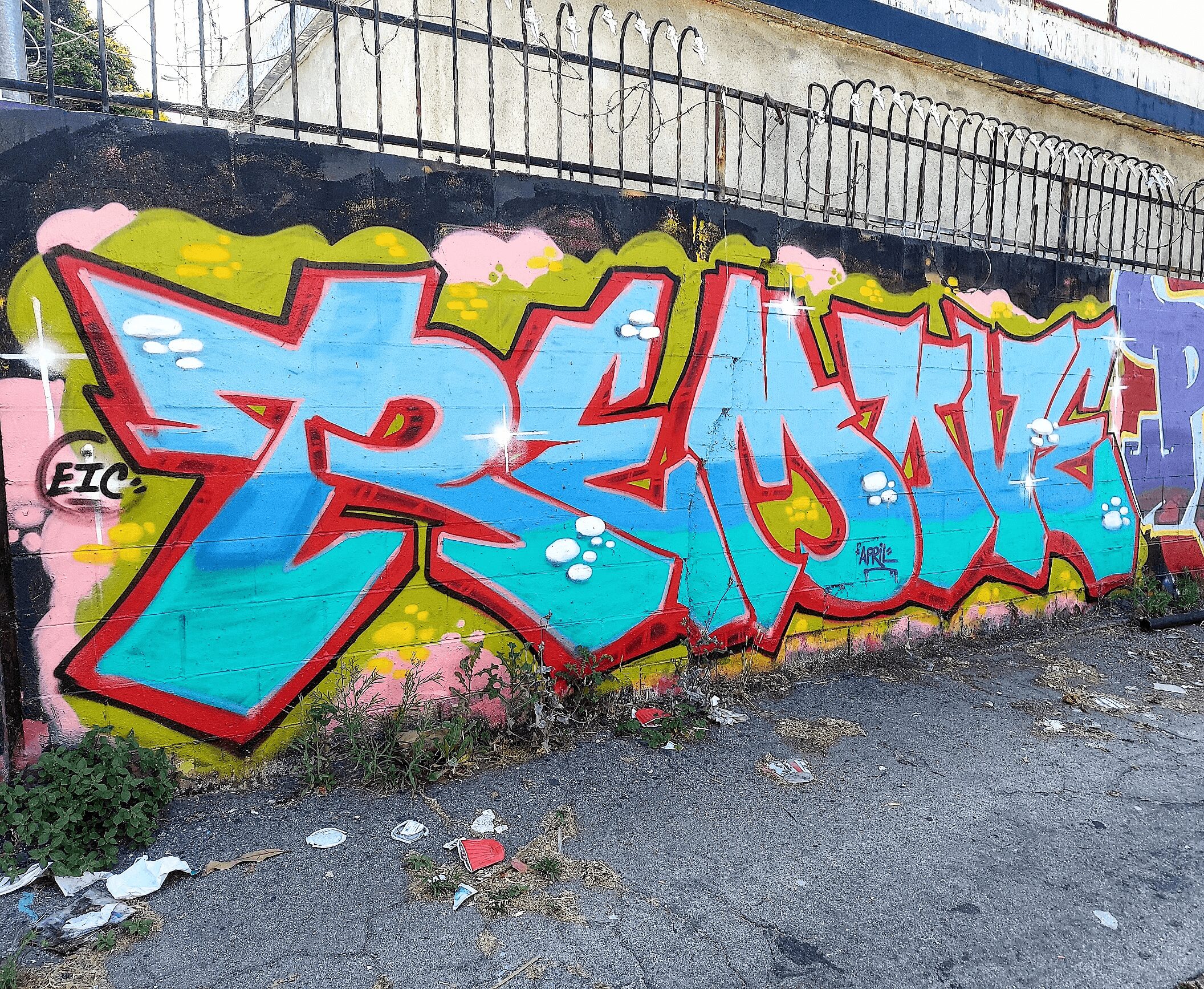
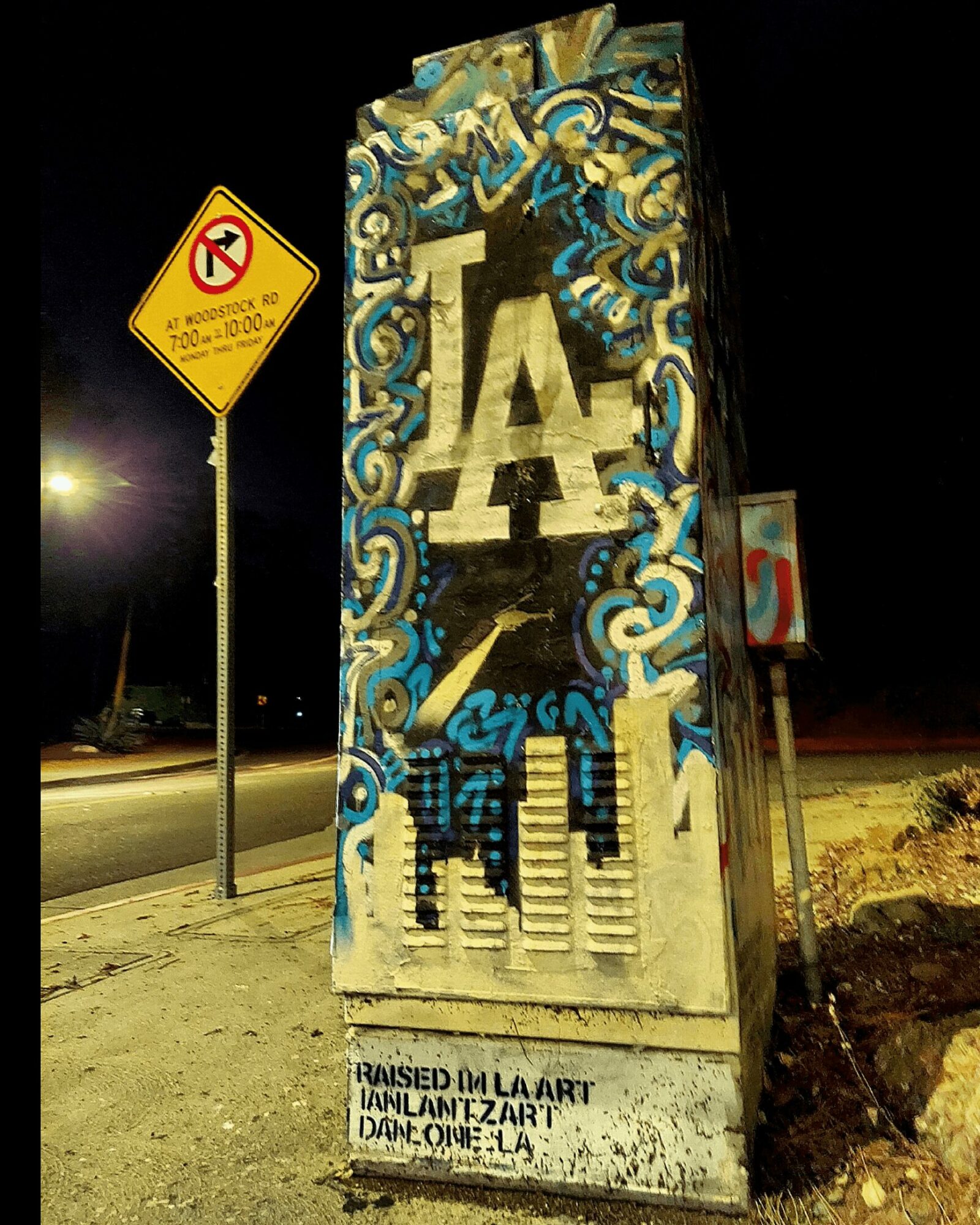
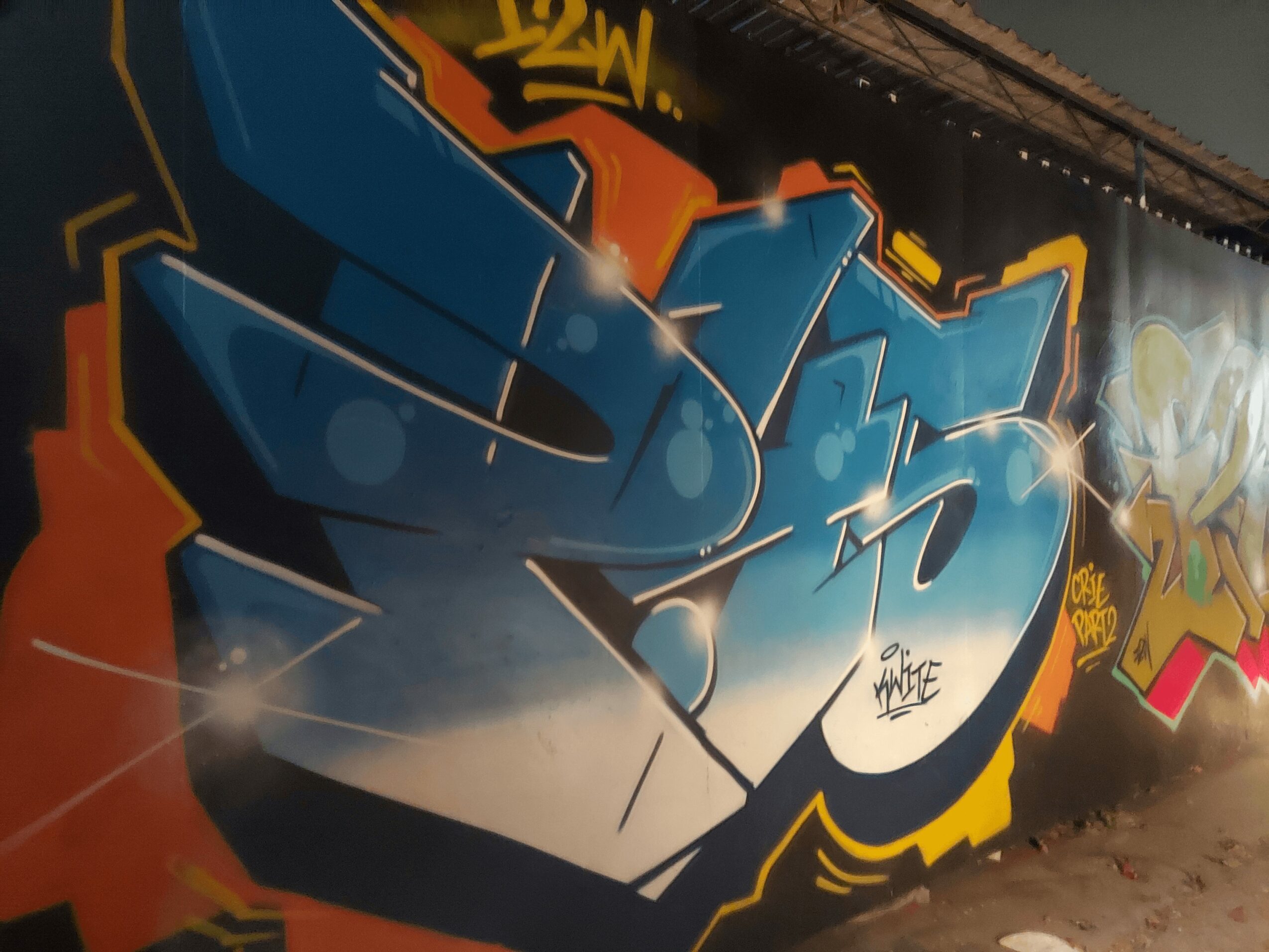
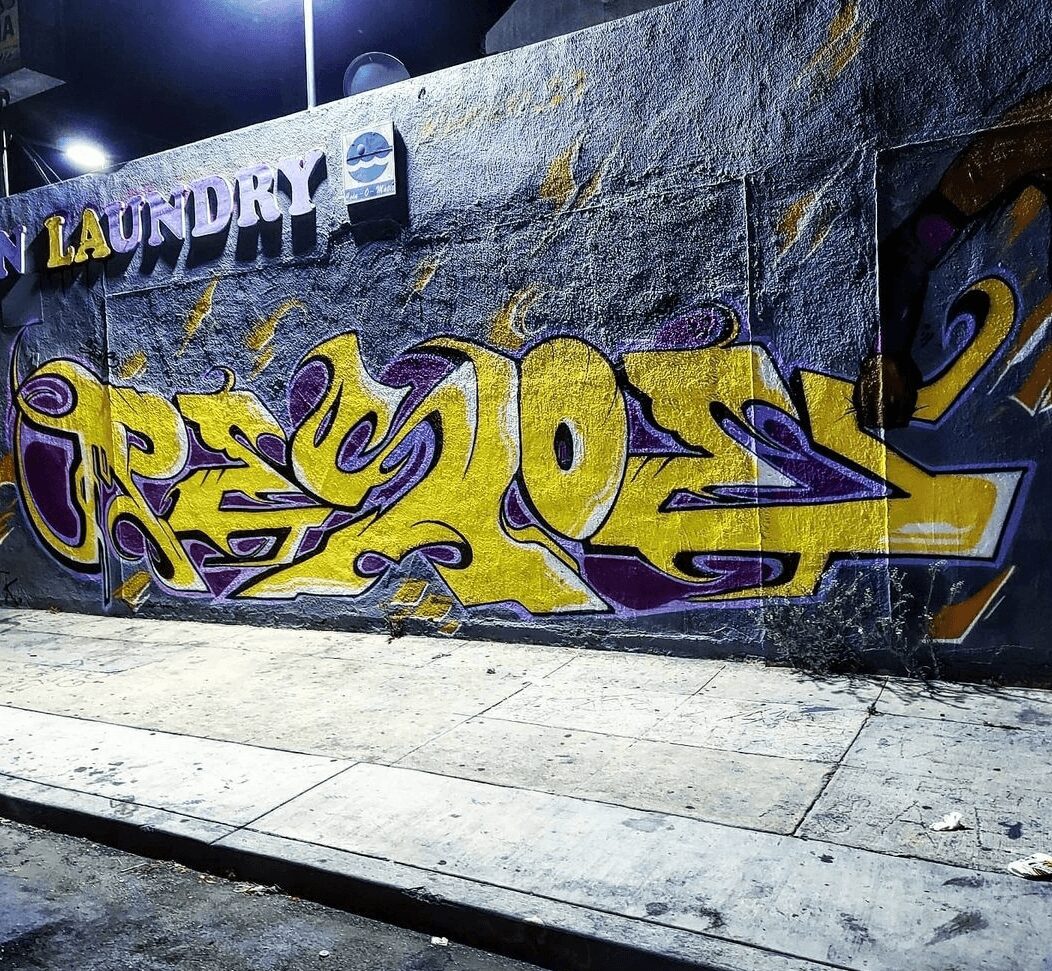
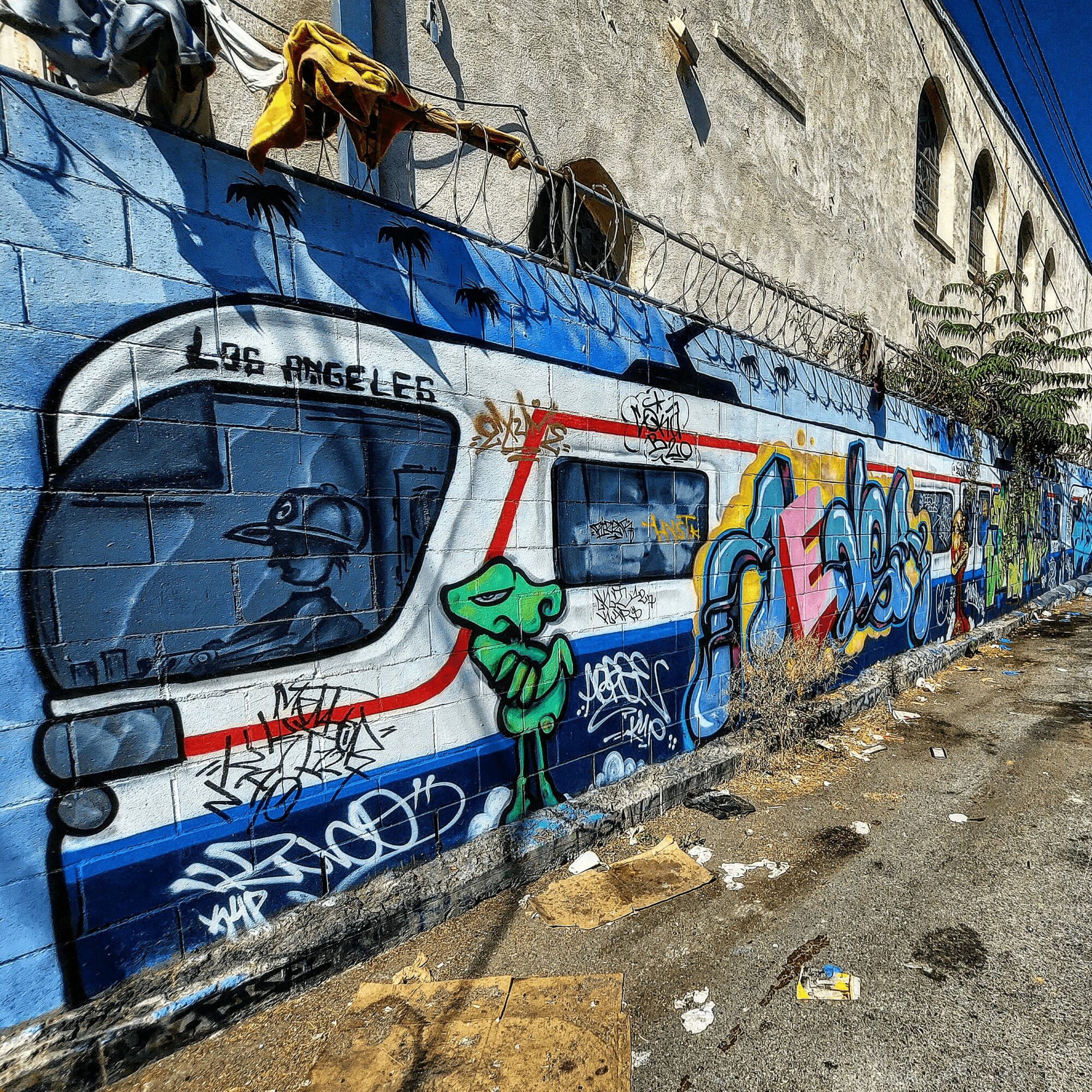
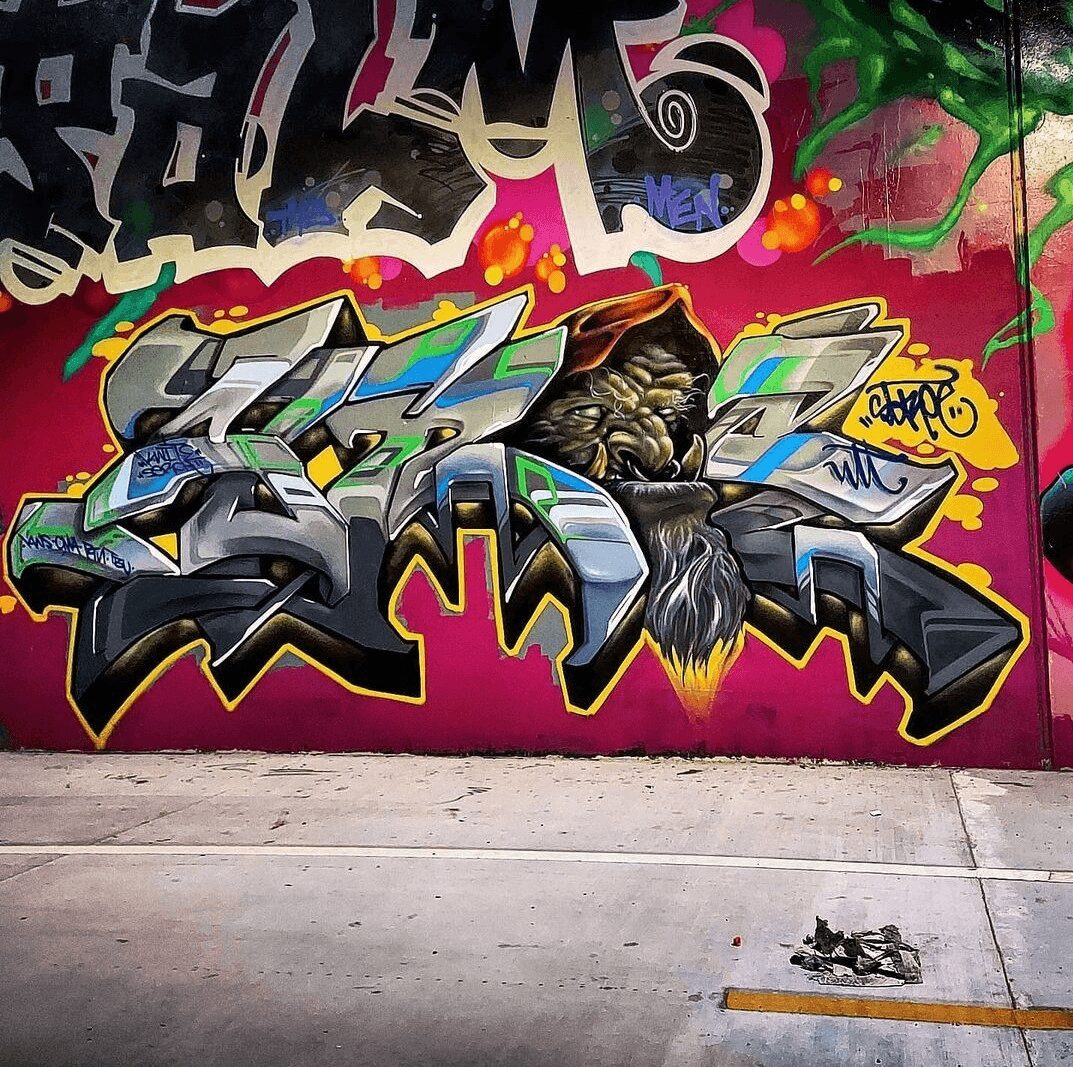
Image Credits
All photos are mine
Artist credits: 1) Thus (@thusendent) and Kaliko (@kaliko_artz_)
2) Parti (@illuminati.parti)
3) Remove, EICrew (@therealmeanstreakilla)
4) Raised in L.A. (@raisedinlaart)
5) P45 (@elpabloco_45)
6) Resoe (@resoe_27)
7) K4P Productions subway train (@k4pcrew)
8) Stroe (@stroe_oner)
Popular
-

Robin Olive on Building an Inclusive Performing Arts Movement and Expanding Opportunities for Every Student
-

Portraits of the Valley
-

LA’s Most Inspiring Stories
-

Que Johnson on Building Brands That Last: From Visibility to True Market Authority
-

Christina Wren Steps Into the Director’s Chair to Tell Stories That Feel Like Home
-

JordanL on ‘Breathe,’ Belief, and Building a Movement Beyond the Music


