



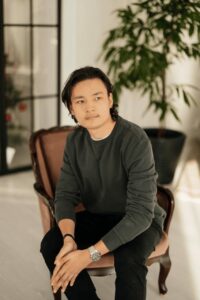
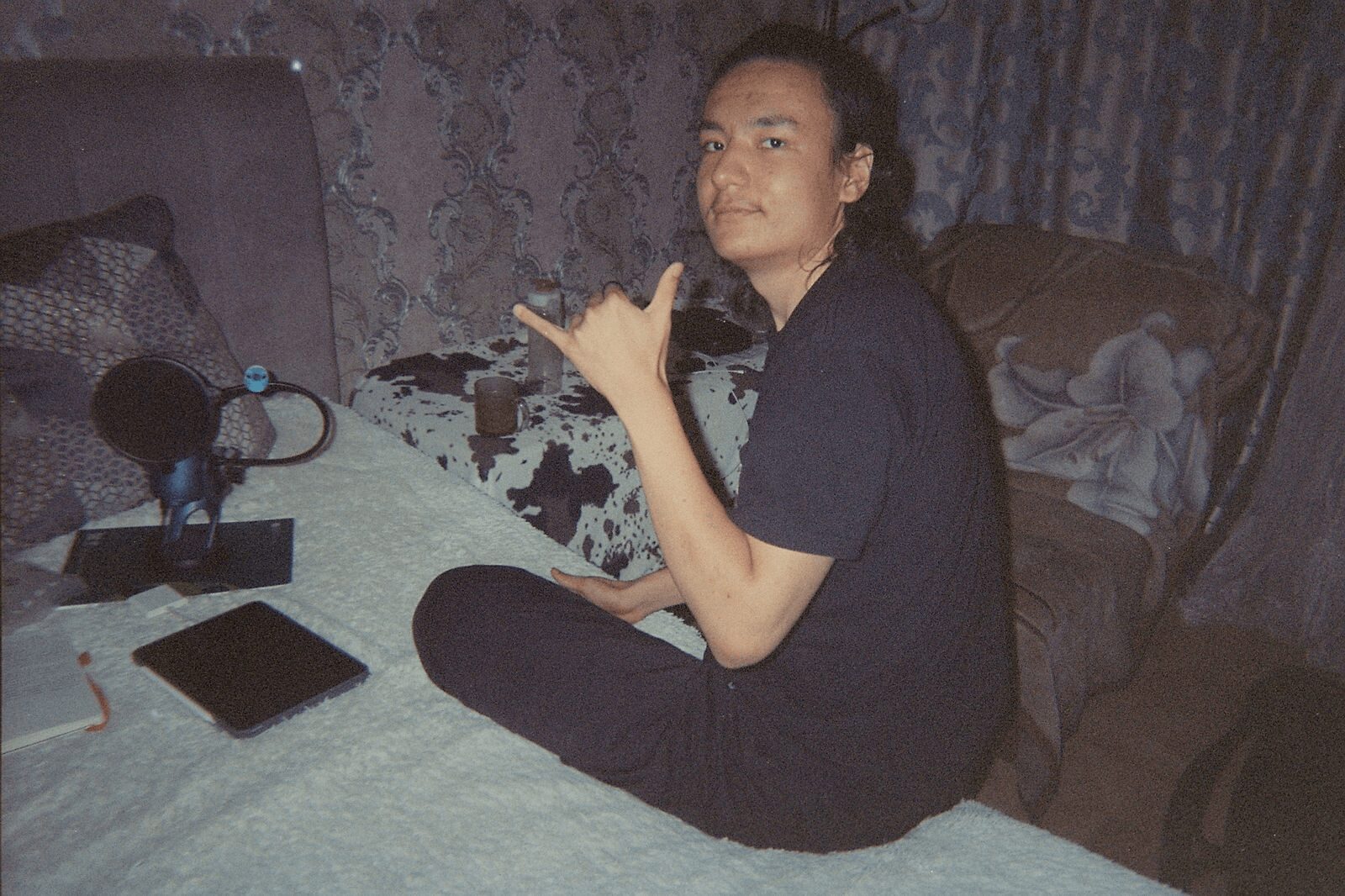
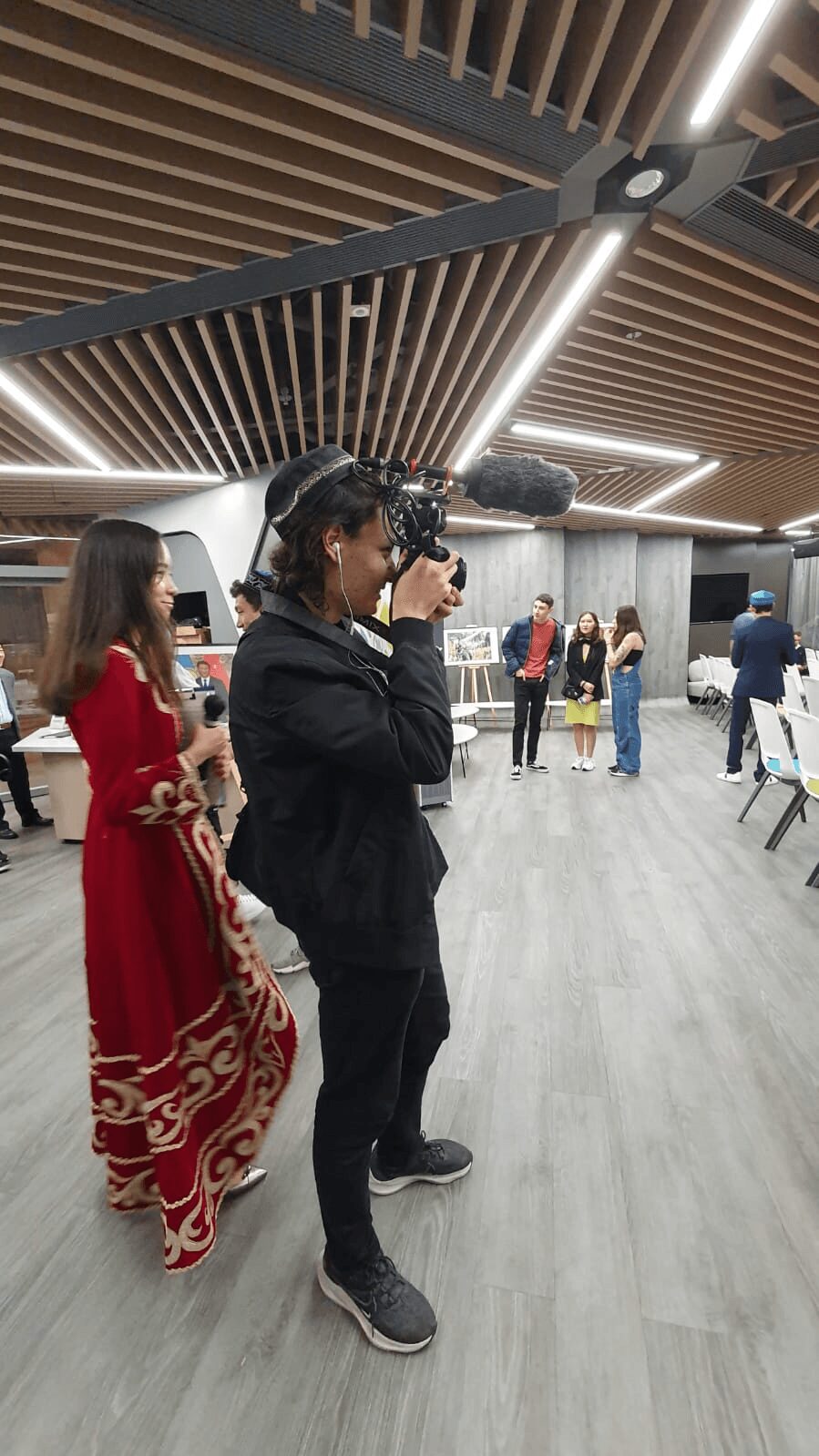
Today we’d like to introduce you to Timur Kidirmaganbetov
Hi Timur, so excited to have you on the platform. So before we get into questions about your work-life, maybe you can bring our readers up to speed on your story and how you got to where you are today?
My parents always tell me that as a kid I loved solving puzzles. I could sit there for hours and days, staring at the little jigsaw pieces, trying to connect them all to compose a meaningful picture. Back then I would have never guessed that it would be exactly what I do in the future.
It all started with my curiosity about visual effects and videos. When I received my first phone, I was fascinated by a range of techniques that I could use to manipulate the reality I am used to. I would record myself running and then slow the video down, speed it up, invert it, freeze some frames, etc. At the time, it felt like I unlocked a third eye that allowed me to see the world around us from a perspective beyond our brains’ comprehension. So, I’ve started filming short stories and sketches to experiment with new ideas and techniques, each representing a new concept I wanted to create.
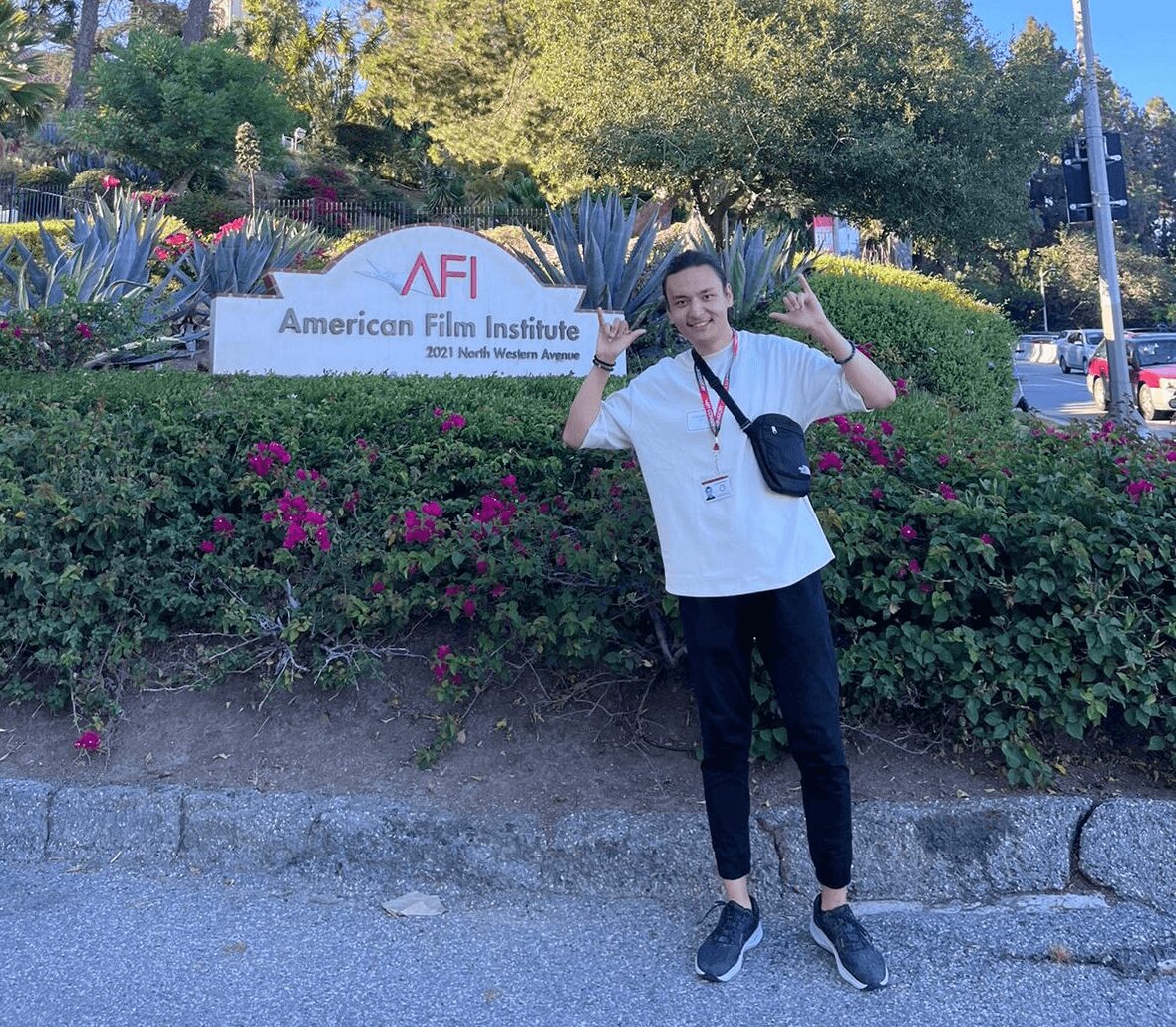
It was years later that I found out that what I was doing was being an editor who uses pieces of puzzles to create images and new meanings. Since then, I’ve been actively improving my editing skills in the narrative, commercial, and social media worlds. All of them require a different set of skills and mindsets, but one element stays in common: making stories that people relate to. And after years of self-taught practice, I wanted to take another step forward. This is why I was fortunate to be admitted to the American Film Institute Conservatory in the heart of Hollywood, where I am learning to make stories that make a difference.
We all face challenges, but looking back would you describe it as a relatively smooth road?
Filmmaking is an art form that is underdeveloped in most countries. My country was not the exception, as despite having some very talented and remarkable filmmakers and stories, the industry itself is difficult to navigate through. The idea of films and editing as a serious career choice in the future was incomprehensible. As a result, I studied and worked on my other interests that would provide “a more stable future.”
However, I always gravitated back towards film editing. When I studied programming and game development, my favorite part was always documenting the progress through the video vlogs I uploaded on YouTube. When I studied psychology, I would think of film characters and how different psychological concepts are manifested through them. When learning modeling and animation, I spent most of the time thinking about storytelling and structure rather than its technical aspects. No matter what I tried, it always ended with me instinctively tailoring new hobbies with my filmmaker core. And so, even though living as an artist can be very unpredictable and challenging, my soul gravitated towards being one even when I was succeeding in doing other things.
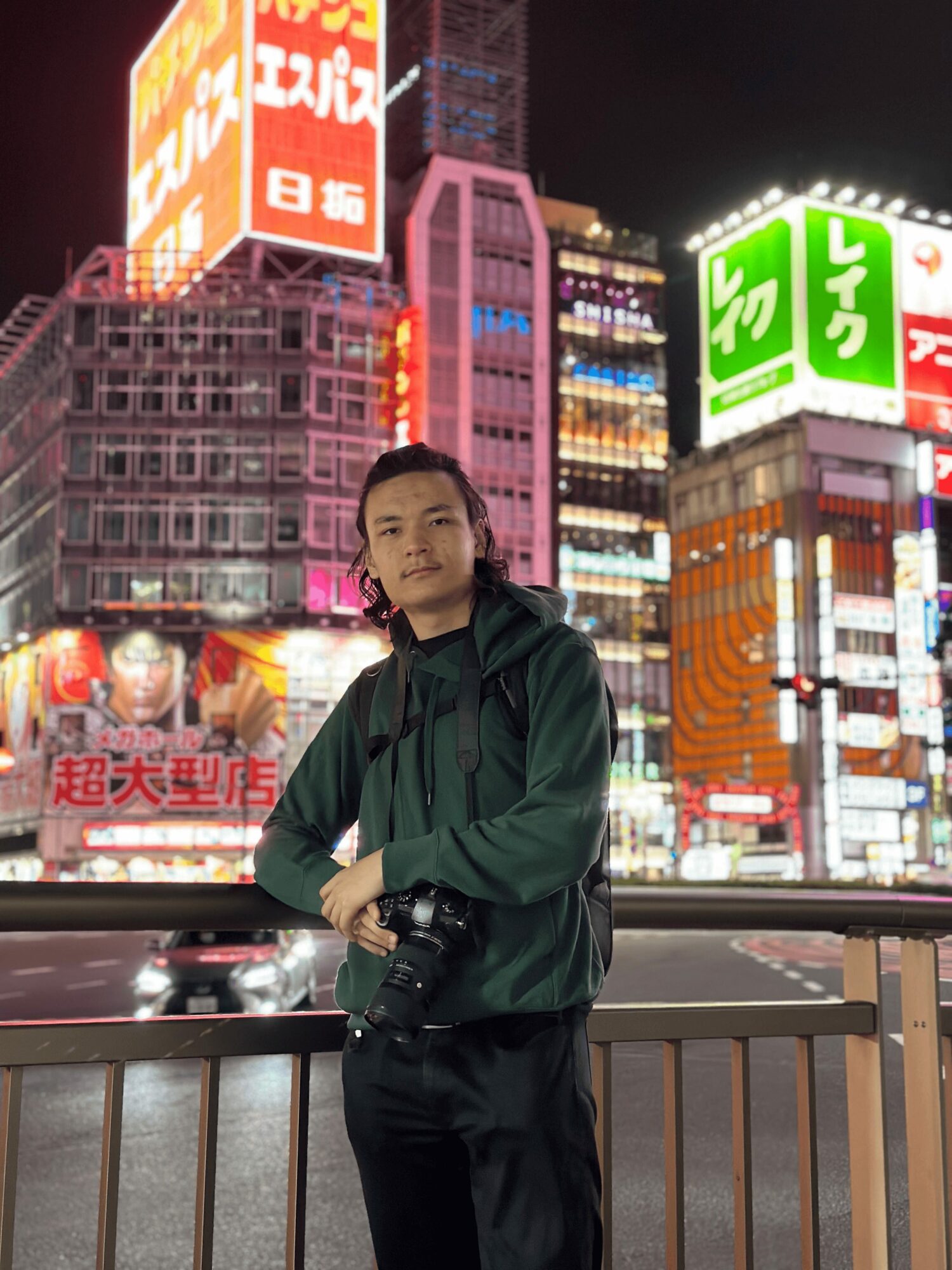
My Bachelor was in multimedia technologies, and films and editing were not parts of its curriculum at all. So, I always had to push myself to film during my free time outside of the time university. It was helpful that I was getting my Bachelor’s as an international in Hong Kong, a city known as one of the most cinematic cities in the world. Being inspired by Won Kar Wai and his films, I continually shot short films at night and sent them to film competitions and festivals. Sometimes, I was fortunate enough to have them admitted into a list of finalists, which ignited my passion even further.
Regardless of the obstacles in front of me, I will always aim to stay on this path because I want to use my knowledge and drive to make stories that resonate with people emotionally and make them feel connected at a time when we need it most.
As you know, we’re big fans of you and your work. For our readers who might not be as familiar what can you tell them about what you do?
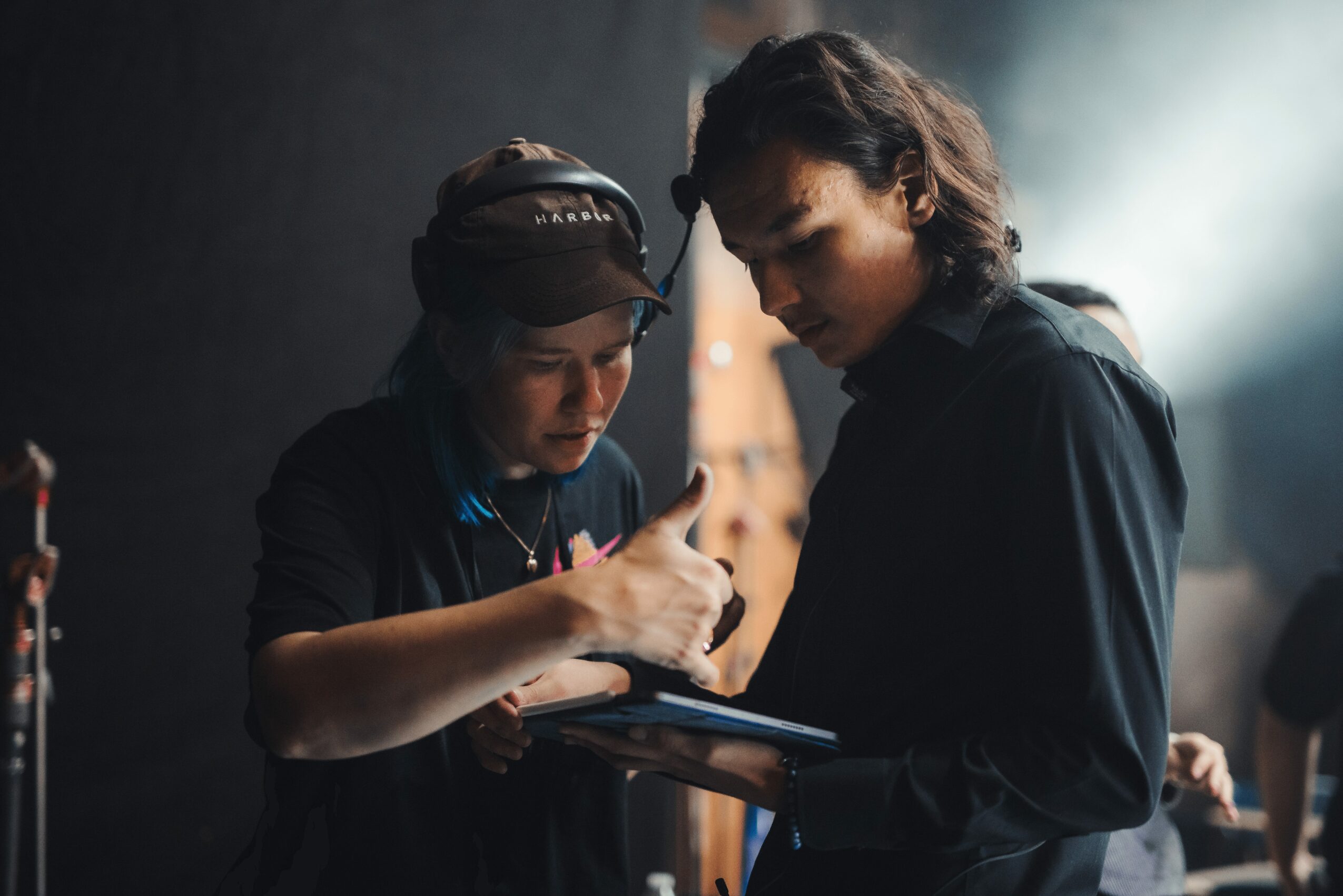
I always believed that the most prominent power of films compared to other art mediums is using the 4th dimension called time. Some moments are played in real-time, some are stretched out to create suspense or sorrow, and others are accelerated to give energy or anxiety to the moment. Regardless of intention, I always see my editing craft as a language that speaks to the past, present, and future simultaneously. In other words, as an editor, I shape the way time flows.
However, the time is not only about the pace and structure. What I try to achieve with all my work is to find ways to evoke emotions beyond those displayed on screen. I love experimenting with cutting seemingly unrelated imagery together to create logical and emotional connections that provide additional levels of understanding of the story and characters. It is crucial as we express and experience emotions through the physical sensations, not the logical brain that is told what the idea is. By making those abstract yet familiar connections, I hope the audience will feel understood and connected with their past, find the story relevant to their present, and be inspired for the future.
In terms of your work and the industry, what are some of the changes you are expecting to see over the next five to ten years?
With the continual emergence and development of social media and the increase in accessibility to entertainment, people get used to being surrounded by content more and more. It also means they are more likely to reject some content because of overexposure. However, I also believe that we all want more ways to be actually connected. This is evident in the oppositional reaction to the constant shift of social platforms from creators to businesses. Most people dislike the feeling of being a part of a consumerist, soulless product. This is why some YouTube channels are taking over the traditional TV space. Not only the production of these channels is being increased, but they manage to maintain the connection with the audience. There is always an element of interaction, mutual communication, and feedback. People feel heard and understood. So, in my opinion, the natural result of the current oversaturation of easily accessible content will be shifting focus towards fewer productions but with more heart, more interactivity, and more authenticity.
Contact Info:
- Instagram: https://www.instagram.com/atymtima
Popular
-

Portraits of the Valley
-

LA’s Most Inspiring Stories
-
Cedar Boschan on Elevating Black Music Rights and Driving Urgent Conversations Around Credit, Equity, and Artist Protection
-

Robin Olive on Building an Inclusive Performing Arts Movement and Expanding Opportunities for Every Student
-

Que Johnson on Building Brands That Last: From Visibility to True Market Authority
-

Christina Wren Steps Into the Director’s Chair to Tell Stories That Feel Like Home


