





Today we’d like to introduce you to Yang Yang
Hi Yang, please kick things off for us with an introduction to yourself and your story.
My design journey began in my childhood in Japan, where my elementary school teacher would take us on watercolor sketching trips. This sparked my love for observation, giving me the “brush” for creating designs. Later, I studied architecture at a traditional university in China. This old-school approach to architectural education provided me with a solid foundation, giving me the “canvas” to support my designs. Seeking to expand my horizons, I then went to the United States to study advanced architectural design. This experience introduced me to various design philosophies and methods, adding different “colors” to my canvas. However, I realized that my previous work was like “flat pieces of colored paper.” To add more dimensions to my designs, I decided to pursue a PhD to explore further and transform this “flat paper” into “origami.” Currently, I am researching life cycle analysis (LCA) to optimize architectural design.
Alright, so let’s dig a little deeper into the story – has it been an easy path overall and if not, what were the challenges you’ve had to overcome?
Focusing on research in life cycle analysis has been a significant challenge for me. Research demands rigorous logic and meticulous methodology, whereas design emphasizes the design outcome or the final product, often overlooking whether the process is strictly rational, as long as the result/product is effective. This contrast is a profound shift in my thinking.
Through this experience, I learned that design doesn’t always need to be new, but it definitely needs to be good for users. Research, on the other hand, doesn’t have to be perfect, but it must contribute something new. Impactful research brings fresh insights that can spark new design ideas. In turn, well-executed designs can highlight practical applications and real-world challenges that drive further research. Ultimately, both design and research aim to innovate and solve important problems, moving together towards the same goal of creating meaningful and effective solutions.
Alright, so let’s switch gears a bit and talk business. What should we know about your work?
My current focus is on integrating life cycle analysis (LCA) with architectural design to provide a comprehensive understanding of a building’s environmental impacts throughout its entire life cycle—from material extraction to disposal. This approach not only helps architects make informed decisions to reduce environmental footprints and enhance resource efficiency but also benefits clients, stakeholders, and decision-makers. By incorporating LCA into the design process, we empower decision-makers to evaluate the long-term environmental and economic implications of architectural choices. This holistic approach ensures that designs are not only aesthetically pleasing and functional but also environmentally responsible and economically viable over time.
One of my notable projects involves conducting process-based LCA for lightweight steel constructions, where I calculate the entire lifecycle carbon emissions and use genetic algorithm optimization to enhance sustainability. These efforts aim to demonstrate how integrating LCA with architectural design can lead to innovative buildings that meet diverse stakeholder needs while advancing sustainability goals.
What sets my work apart is the ability to translate complex environmental data into practical design decisions that benefit both users and the broader community. I take pride in bridging the gap between creative design and rigorous environmental analysis, contributing to solutions that are not only innovative but also contribute positively to environmental stewardship.
Ultimately, my goal is to advance the field by showcasing how integrating LCA with architectural design can lead to buildings that are not only environmentally responsible and resilient but also economically advantageous for clients and stakeholders alike.
Risk taking is a topic that people have widely differing views on – we’d love to hear your thoughts.
I believe risk-taking is an integral part of growth and innovation, especially in fields like design and architecture. To me, taking risks means balancing potential rewards with possible setbacks and learning from each experience.
One of the major risks I took was deciding to pursue a PhD to delve deeper into the intersection of life cycle analysis (LCA) and design. Transitioning from a practical design background to a rigorous research-focused environment was a significant leap. For instance, in my earlier design work, I focused on creating aesthetically pleasing and functional designs without deeply considering their long-term environmental impacts. Embracing LCA meant re-evaluating my designs through a new lens—one that scrutinizes the environmental footprint from material extraction to disposal. This shift not only broadened my perspective but also introduced a level of complexity that was initially daunting.
Contact Info:
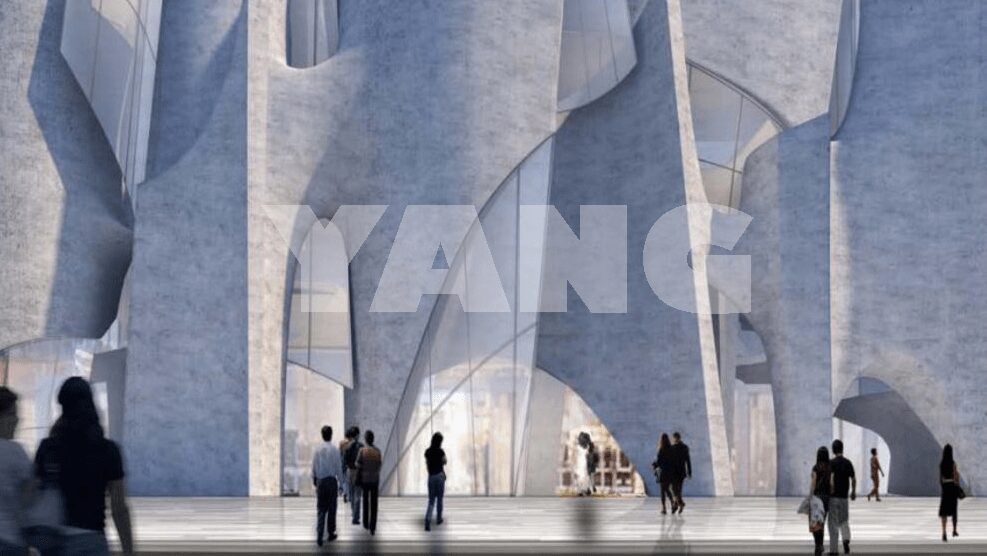
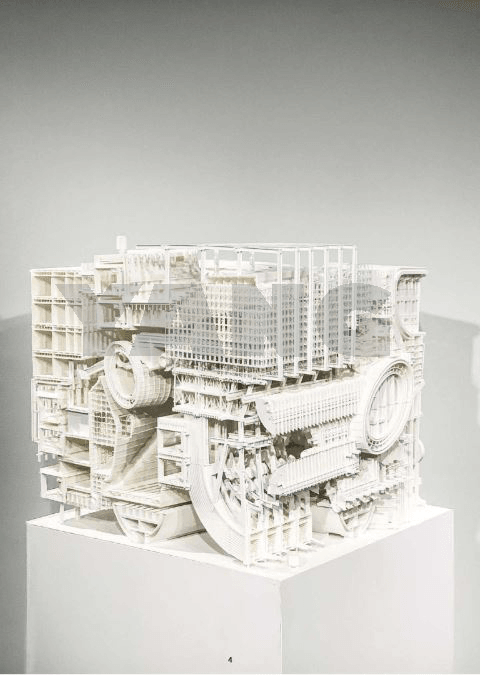
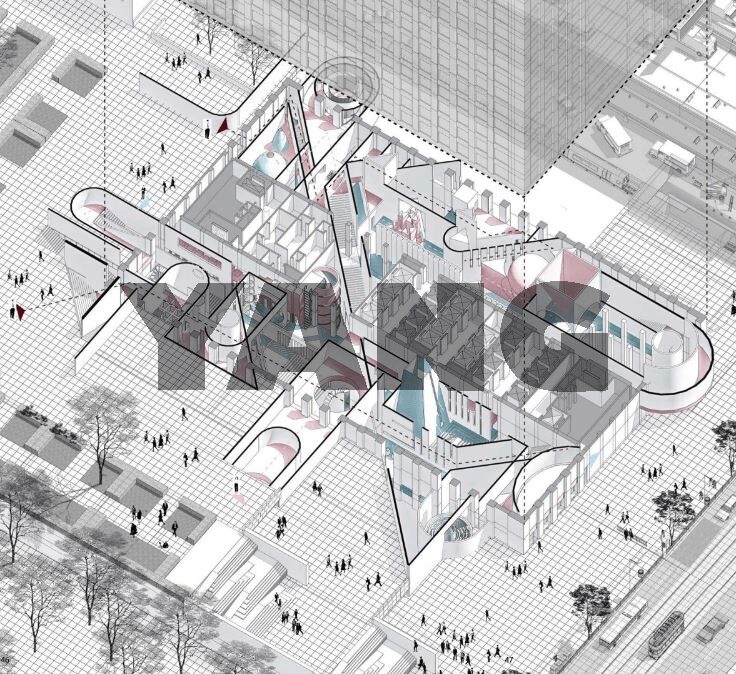
Image Credits
Yang Yang
Popular
-

Los Angeles Barea on Turning Green Superheroes into a Global Movement for Youth-Led Change
-

Trisha DuVivier on Bridging the Franchisor–Franchisee Divide with Workhero and “Franulate”
-

Portraits of the Valley
-

LA’s Most Inspiring Stories
-

Cedar Boschan on Elevating Black Music Rights and Driving Urgent Conversations Around Credit, Equity, and Artist Protection
-

Robin Olive on Building an Inclusive Performing Arts Movement and Expanding Opportunities for Every Student


