





Today we’d like to introduce you to Yawen Yao
Hi Yawen, thanks for sharing your story with us. To start, maybe you can tell our readers some of your backstory.
When I was 4 years old, I developed a strong interest in painting. Watercolor pens, gouache and oil pastels were my favorite toys. When I was 10 years old, I transferred to a primary school with a history of more than 600 years. The quaint traditional Chinese buildings and classical gardens in the school made me draw many architectural sketches in my childhood. The architectural details of the piles and tiles, carved beams and painted buildings planted a small seed for me to think about architecture and classical gardens, as well as the relationship between people and the environment. At that time, I didn’t know that this seed would grow up 4 years later and have such an important impact on my life.
During the summer vacation of the second year of middle school, I signed up as a volunteer at the Confucius Institutes in Germany, Switzerland and Austria, and studied and experienced completely different architectural styles and space designs in these countries with a long history. I vaguely remember that when I was 14 years old, I spent a day visiting 5 churches and was deeply shocked by the roof, streamline design, stained glass windows and the use of light in each church. At the same time, I visited the design of the United Nations Building in Geneva and the Mercedes-Benz Museum in Munich. I felt the collision between modern architecture and classical architecture, how to use functionalism more to make people’s streamlines more smooth, and the functional and private design of different spaces. After that trip, I was determined to become an architect. I wanted to sculpt the light and shadow in the building. I wanted to play a never-ending game with space and plane.
So during my college years, I spent the first two years studying architectural design, the middle year studying landscape design, and the last two years studying urban planning design. To explore the possibilities of space at different scales, to explore the relationship between people and space scales, places, and nature. From designing detached houses to designing kindergartens; from designing outdoor landscapes for restaurants to designing large urban parks; from planning communities to protecting ancient cities; I have devoted all my enthusiasm and energy to brainstorming, to polishing, and treating every draft paper and every model of mine like my children, shaping them into independent, novel, and innovative people, and showing them on my final drawings.
Not only that, I also participated in the summer study of Harvard University GSD (Graduate School of Design). In two months, I learned and absorbed the designs and ideas of outstanding architecture students from all over the world like a sponge. But at the same time, I am more grateful that I discovered a wider world at that time, not only space design, but also interactive design, which can bring more diverse and immersive experiences. At the same time, I also realized some helplessness as an architectural designer. I don’t want my design to stop at drawings and models. I hope to have a more positive impact on people and the environment. But the construction cycle and cost of buildings are major limitations of architectural design. But interactive design is completely different. Whether it is interactive devices or interactive software, the cycle of creating prototypes and implementing them has been shortened a lot. I saw hope. Yes, life is more than this.
So I applied for the Interation of Design graduate program at CCA (California College of the Arts) to explore the infinite possibilities of interactive design. From cyber humans to autonomous driving, from the invisible to the visible, from brand design to web programming, from wearable design to service design, I explored an infinitely vast world in three semesters. In the last semester, I started my internship journey and started to work as an interactive intern at Swissnex, doing virtual engagement design for their workship. Because of the great gains from this internship, I continued my internship at an international organization after graduation — the United Nations.
I feel that life is like a circle. The wind of the United Nations in Geneva blows to me 12 years later. At the age of 26, my second internship is to work as a product designer at the United Nations Headquarters in New York. I go back to the office every Friday to work. Besides doing design, just walking in the United Nations building every day is my most exciting moment. Because the building of the United Nations Headquarters in New York is designed by Le Corbusier, the architect I admire most, every time I walk in it, experience the details of the interior space and light and shadow, it is more like an architectural pilgrimage.
After that, I moved to the Bay Area, and in the past three years, I have continued my journey as a product designer at Microsoft and Walmart, exploring more human-centered and user-centered designs. Long-term architectural thinking and training have given me more systematic thinking, stronger teamwork ability and smoother delivery experience in product design. At the same time, I have never stopped thinking about how I will have more positive social impacts through design in the future.
Would you say it’s been a smooth road, and if not what are some of the biggest challenges you’ve faced along the way?
Starting from sophomore year in college, I led a project on renovating Beijing’s hutongs based on my own affinity for hutong spaces as a native Beijinger. Hutongs, despite being important cultural and historical sites, had become inefficient and overcrowded as public spaces, and our project aimed to preserve hutongs while optimizing their spatial usage and design. We conducted research with pedestrians in hutongs and based our design proposal on their pain points, setting up designated spaces for lounging, socializing, and mini-exhibitions.
The 4-year-long project received a national award and was incorporated into city-wide guidelines on designing public spaces. Despite the honors the project received, I felt somewhat disappointed in the eventual outcome: the design fell out of our team’s hands after we had presented our design proposal. Regardless of the attention it received, its implementation faced many administrative difficulties and has yet to be carried out. It was hard for us to continue to work and iterate on the design as we could not gain feedback on how the design actually works in real-life scenarios. During the course of my undergraduate studies, through projects like this, I was able to discover what I was truly enthusiastic about the creation of spatial sensibilities, human-centered design, artistic expressions and explorations, and the combination of the three. As my involvement in the hutong renovation project came to an end, I felt the limitations of the urban planning discipline in some of these areas. Urban design and planning projects tend to stretch very long from initial design to implementation due to their large-scale and infrastructural nature, and it is challenging for designers to take total ownership of and iterate on the final implementation.
At this time, I was exposed to interactive design and game projects from the work of some of my classmates. I also discovered that more and more artists and designers are using interactive media and technologies in an urban setting to alter the city space and create new ways for city dwellers and the space to interact. Such work sparked my interest, and I started doing small explorations on my own to experiment with this newly found interest. Joined by my peers, I worked on a variety of interactive projects that addressed issues I cared about. For example, urban decline is a phenomenon much discussed in the urban planning field, and me and my teammates decided to try to represent it by creating an interactive installation. We attempted to call into discussion the definition of urban decline in contemporary China, and its relationship with economic growth, national planning and human activities. Such issues are rarely incorporated in our practices as urban planning students, and using interactive media allowed us to open up discussions as well as present issues we care about to a larger audience. In the process of working on these projects, I found that I was gravitating towards interaction design over traditional urban design and planning practices. In such smaller-scale projects, I still get to address the same issues—namely, the interactions between people and spaces—that drew me to urban planning in the first place. However, compared to past urban planning practices, I gained more creative freedom, and was able to preliminarily implement many of the projects in the form of more refined prototypes.
Alright, so let’s switch gears a bit and talk business. What should we know about your work?
I’m a product designer with a passion for creating user-centered experiences that drive results. Currently, I’m a Senior Product Designer at Walmart, but my experience spans across B2B and B2C products.
Making a Difference Through Design: At Walmart, I’m proud of leading the design of the Audience Builder tool, which saved users 95% of their time and reduced errors by 50%. This exemplifies my ability to understand user needs and translate them into efficient interfaces that make a real impact.
Beyond Interfaces: My design skills go beyond aesthetics. At Microsoft, I redesigned the Microsoft 365 for Frontline Workers, leading to a 56% increase in click rates. This demonstrates how I use design to not only improve user experience but also achieve clear business objectives.
A Collaborative Leader: I believe in fostering strong teams. While at Walmart, I coached PMs on design processes and mentored junior designers. At Microsoft, I collaborated with stakeholders to deploy Teams at scale, achieving significant user growth. This showcases your ability to work effectively within a team environment.
Embracing Innovation: I’m always looking to explore new technologies. For example, I designed the Copilot AI experience for Microsoft Viva Glint, demonstrating my interest in the potential of AI design.
Overall, what sets me apart is my ability to combine strong design skills with a user-centric approach and a focus on measurable results.
What were you like growing up?
Drawing and visiting museums have always been my favorite things to do since I was a child. Whenever I travel or live in a new city, I will always visit the museums and galleries in that city to experience different cultures and art exhibits, while appreciating the architectural design and spatial composition.
In addition, photography and Hanfu are also my interests. I started to learn photography in junior high school. At first, I recorded what I saw and heard during travel. Later, I gradually picked up the camera in my daily life to record the happy moments of the four seasons and daily life. Hanfu is another hobby I started about 6 years ago.
Contact Info:
- Website: https://www.yawenyao.com/
- Instagram: https://www.instagram.com/yawenyaooo/
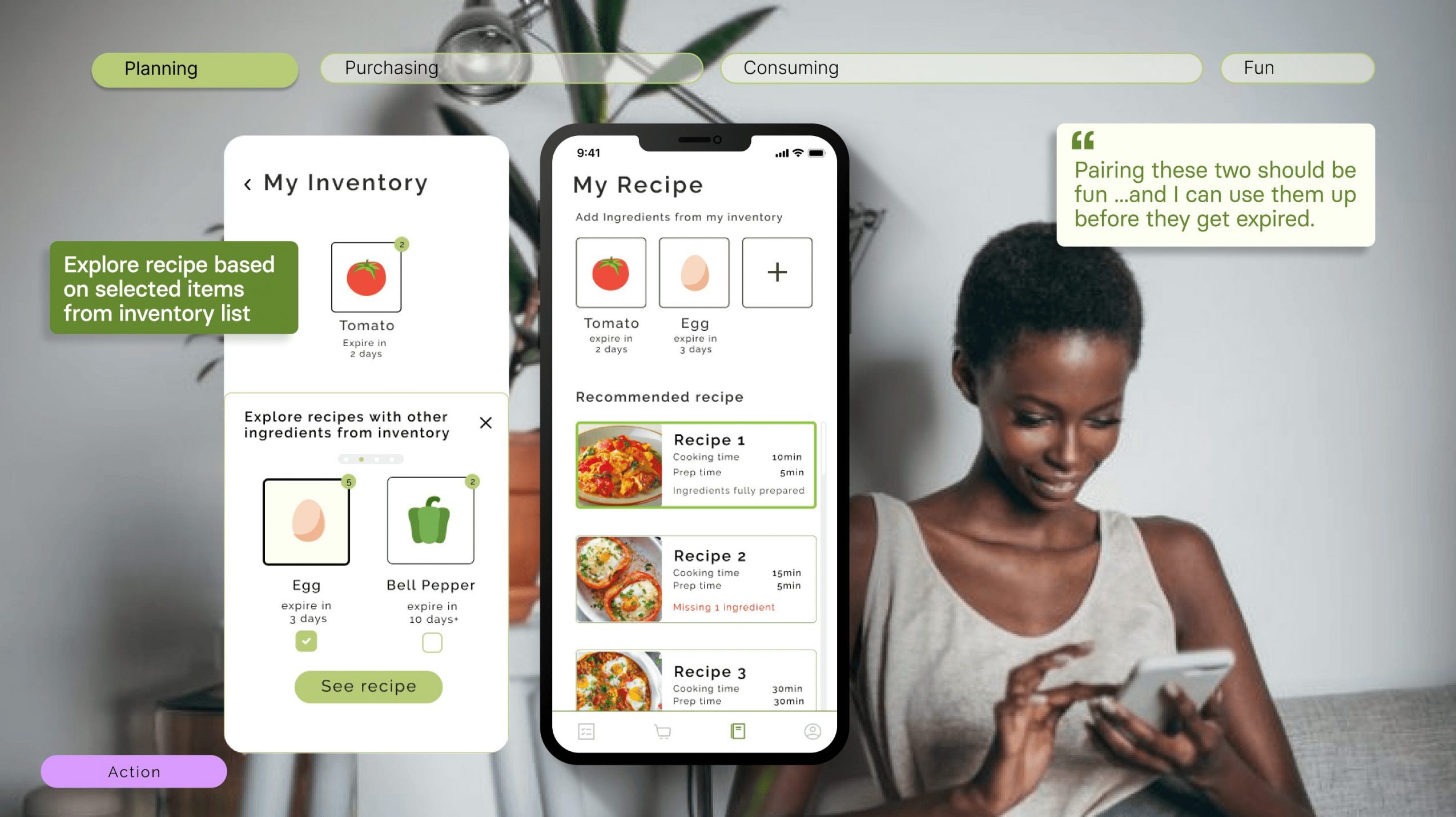
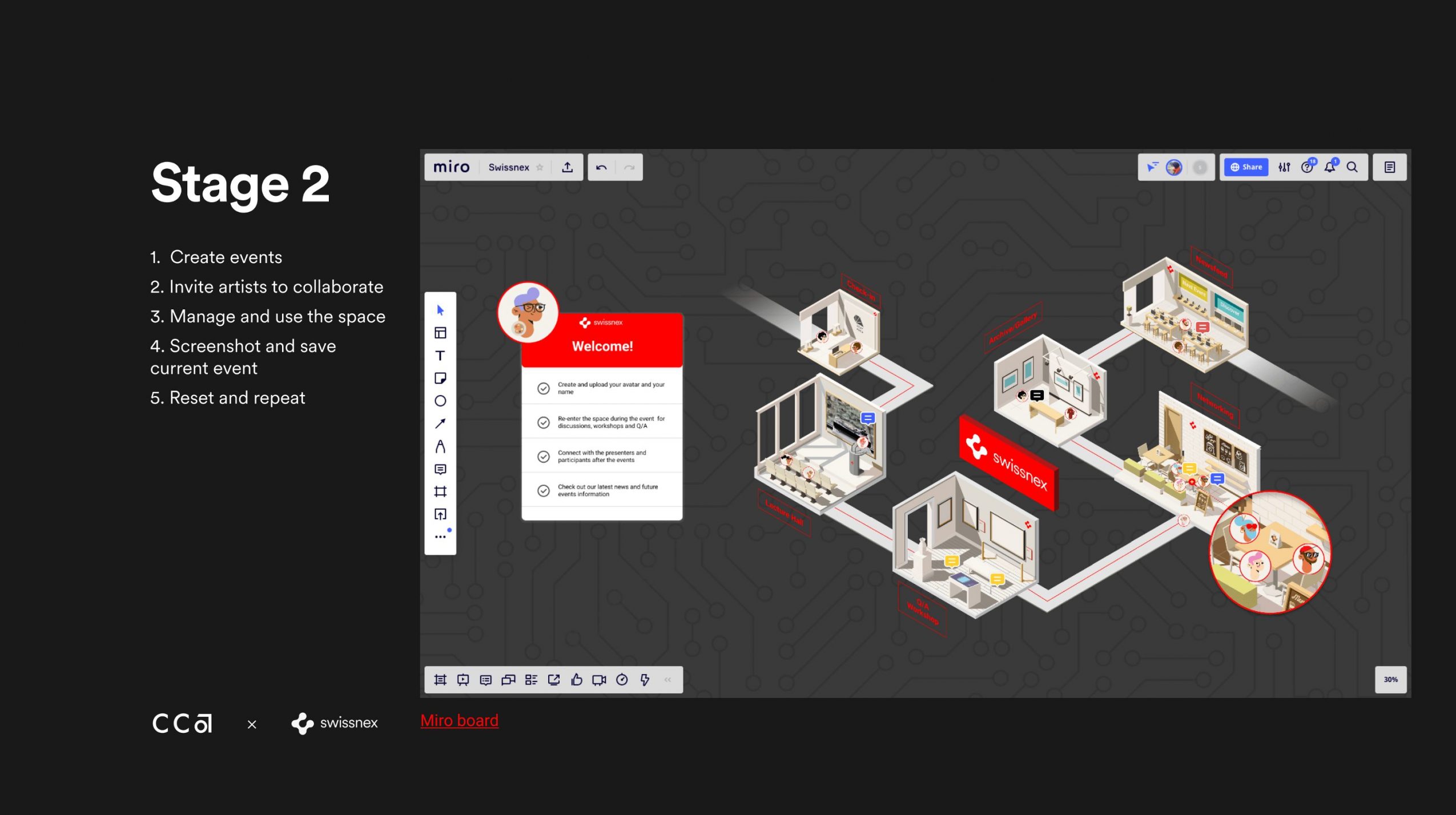
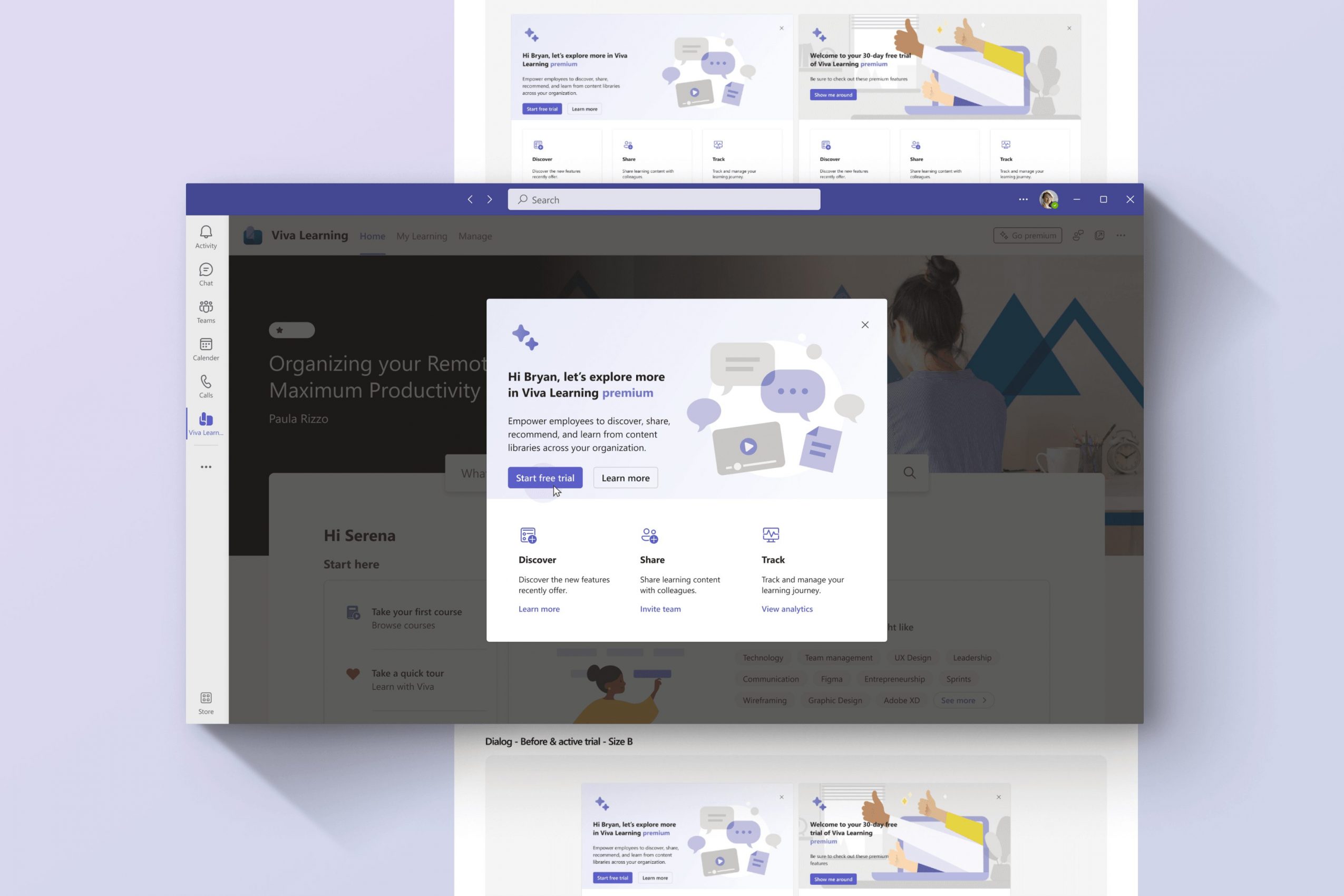
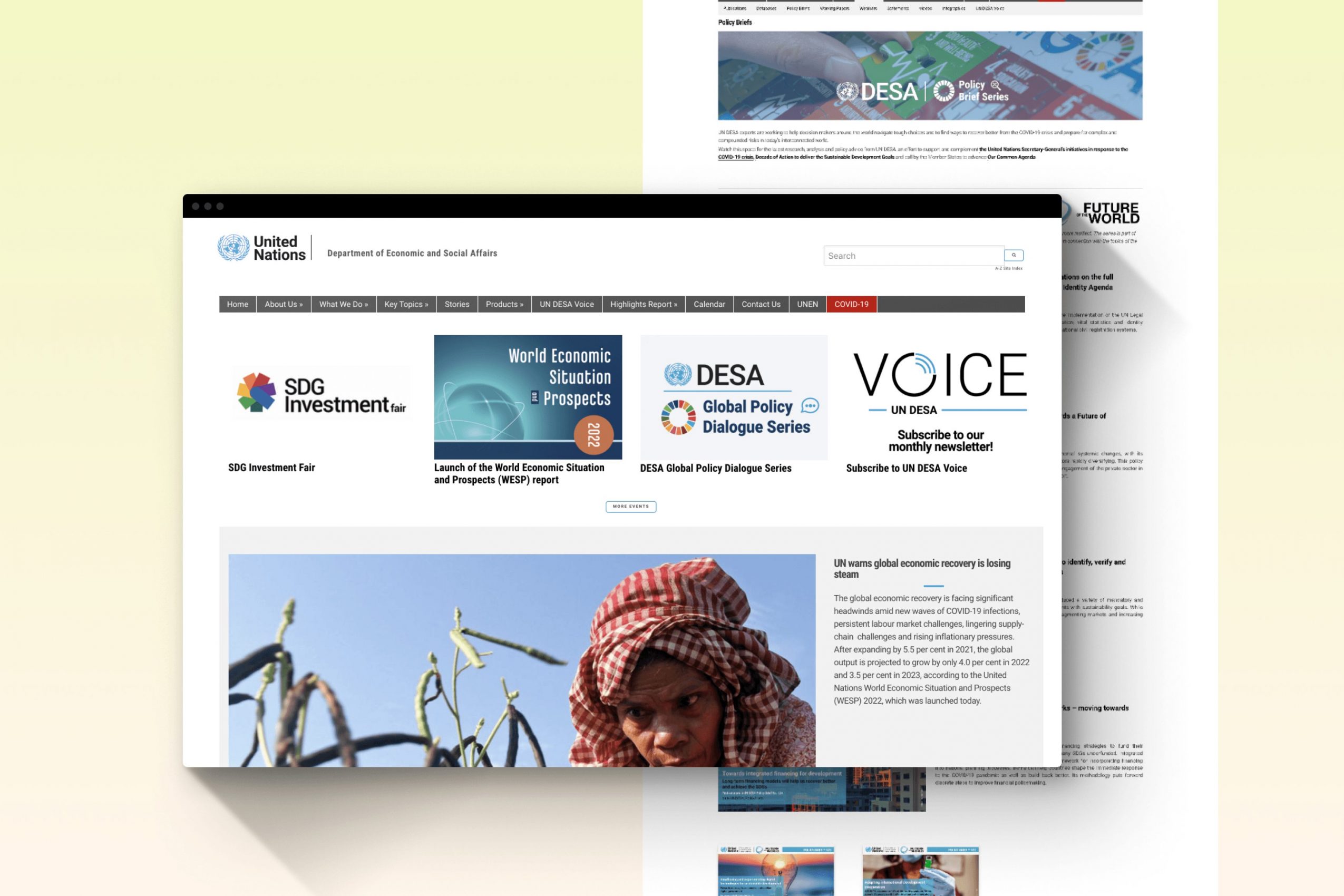
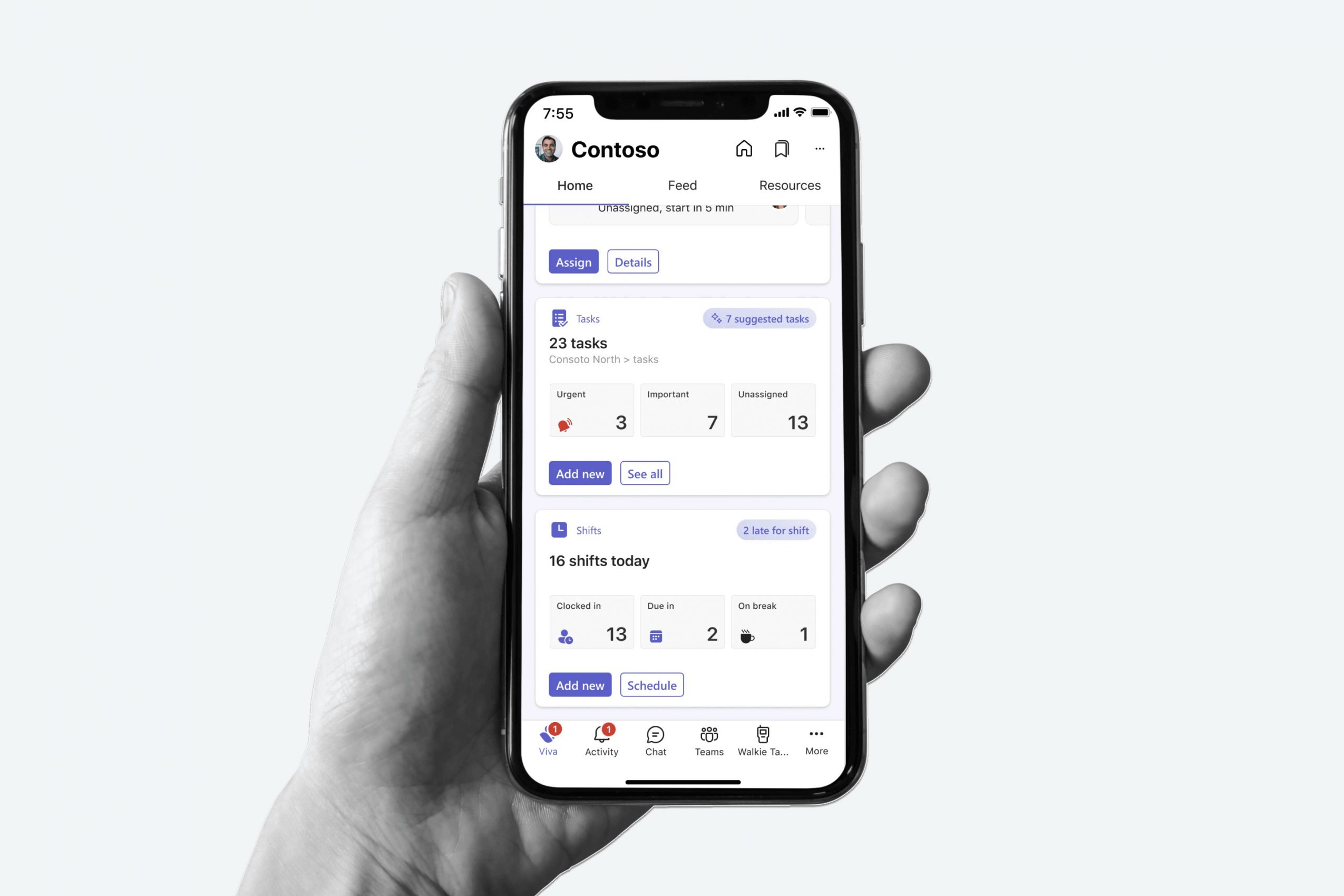
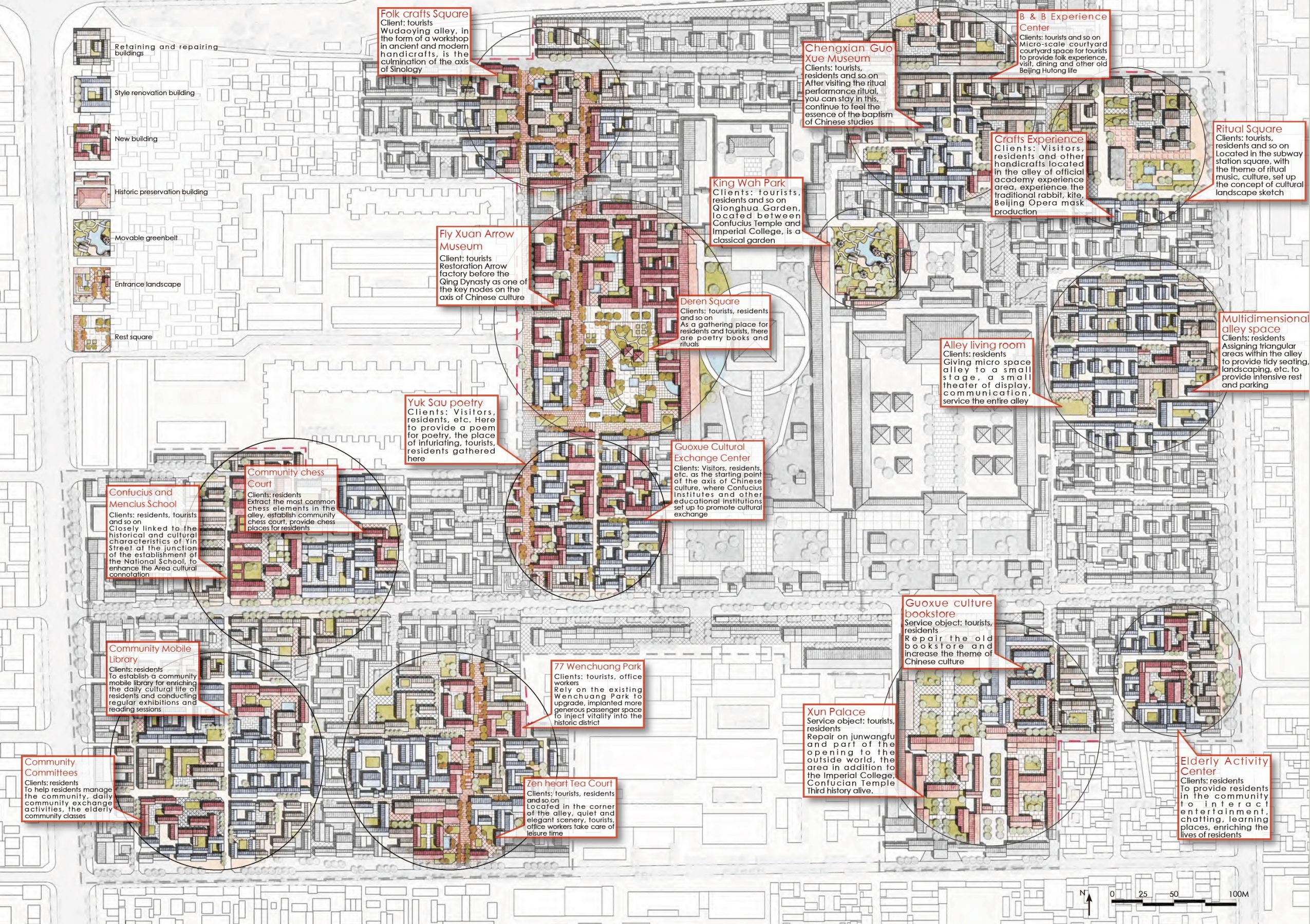
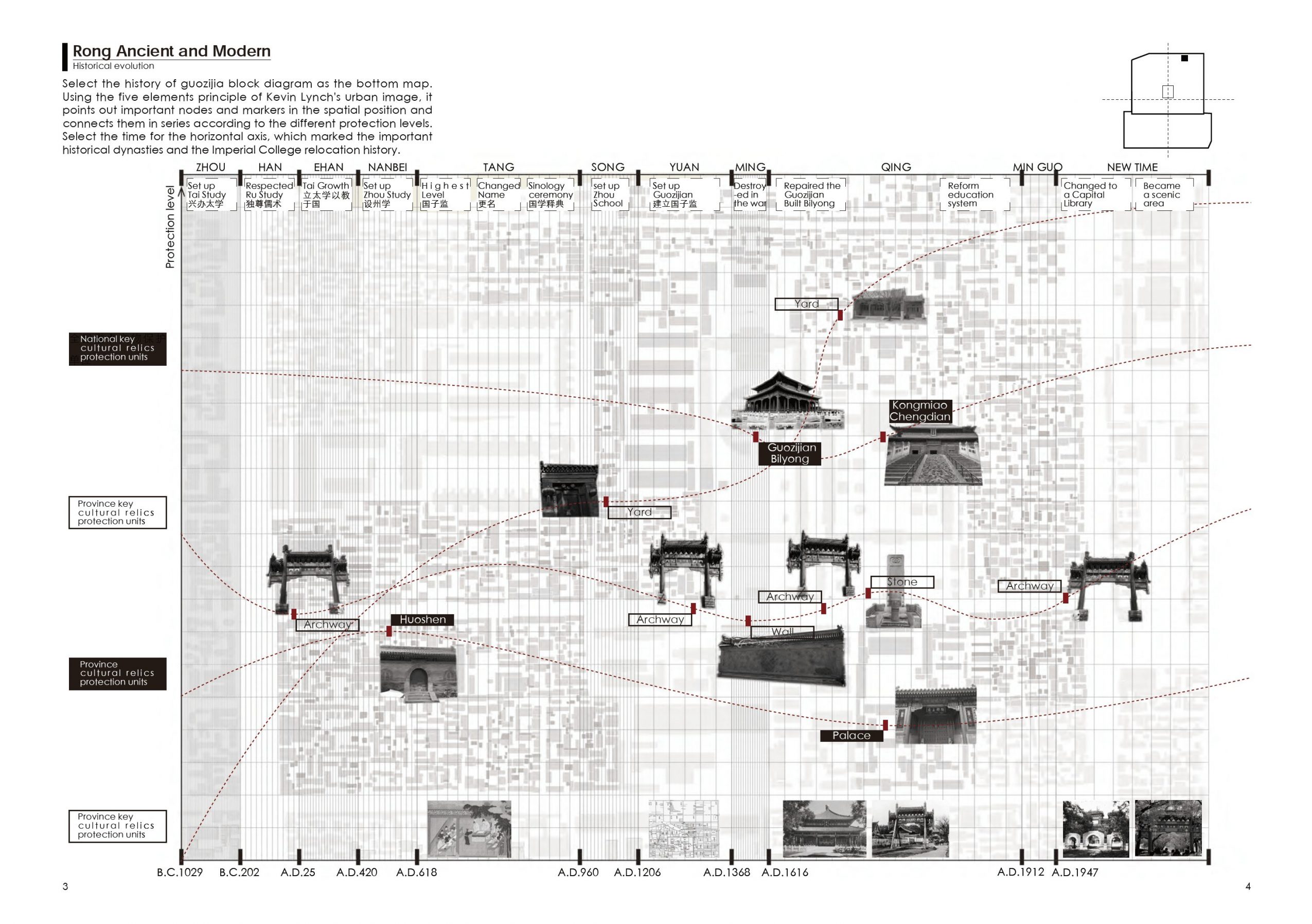
Image Credits
Yawen’s portfolio
Popular
-

Los Angeles Barea on Turning Green Superheroes into a Global Movement for Youth-Led Change
-

Trisha DuVivier on Bridging the Franchisor–Franchisee Divide with Workhero and “Franulate”
-

Portraits of the Valley
-

LA’s Most Inspiring Stories
-

Cedar Boschan on Elevating Black Music Rights and Driving Urgent Conversations Around Credit, Equity, and Artist Protection
-

Robin Olive on Building an Inclusive Performing Arts Movement and Expanding Opportunities for Every Student


