




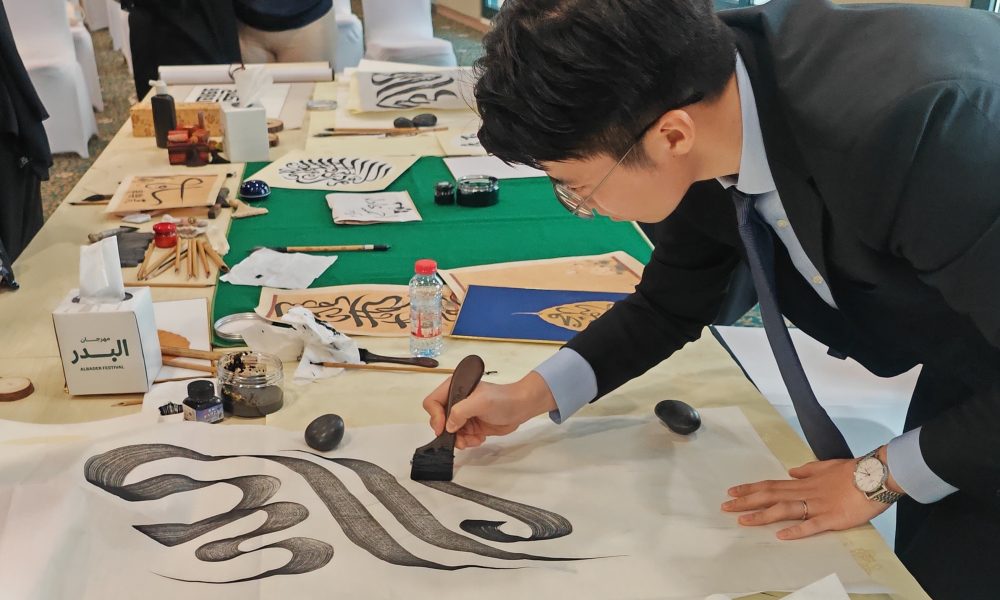
Today we’d like to introduce you to Jie Mi.
Hi Jie, can you start by introducing yourself? We’d love to learn more about how you got to where you are today.
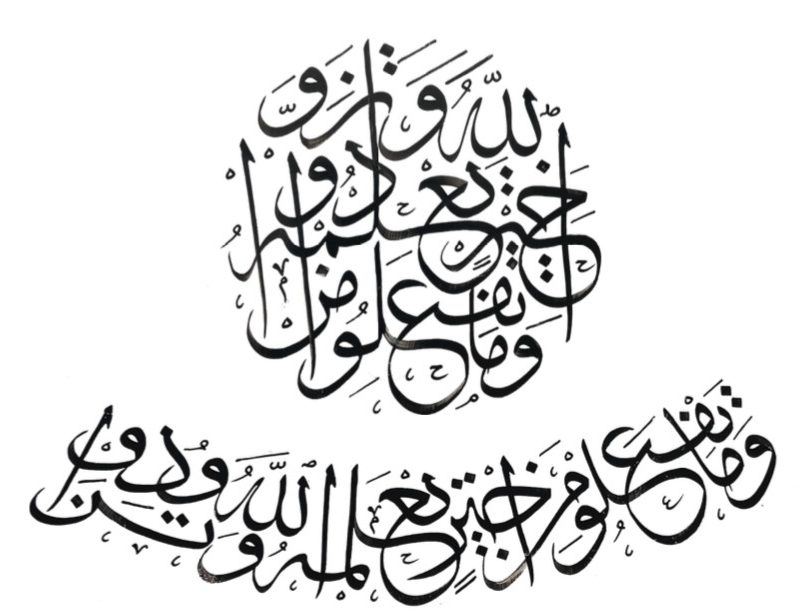
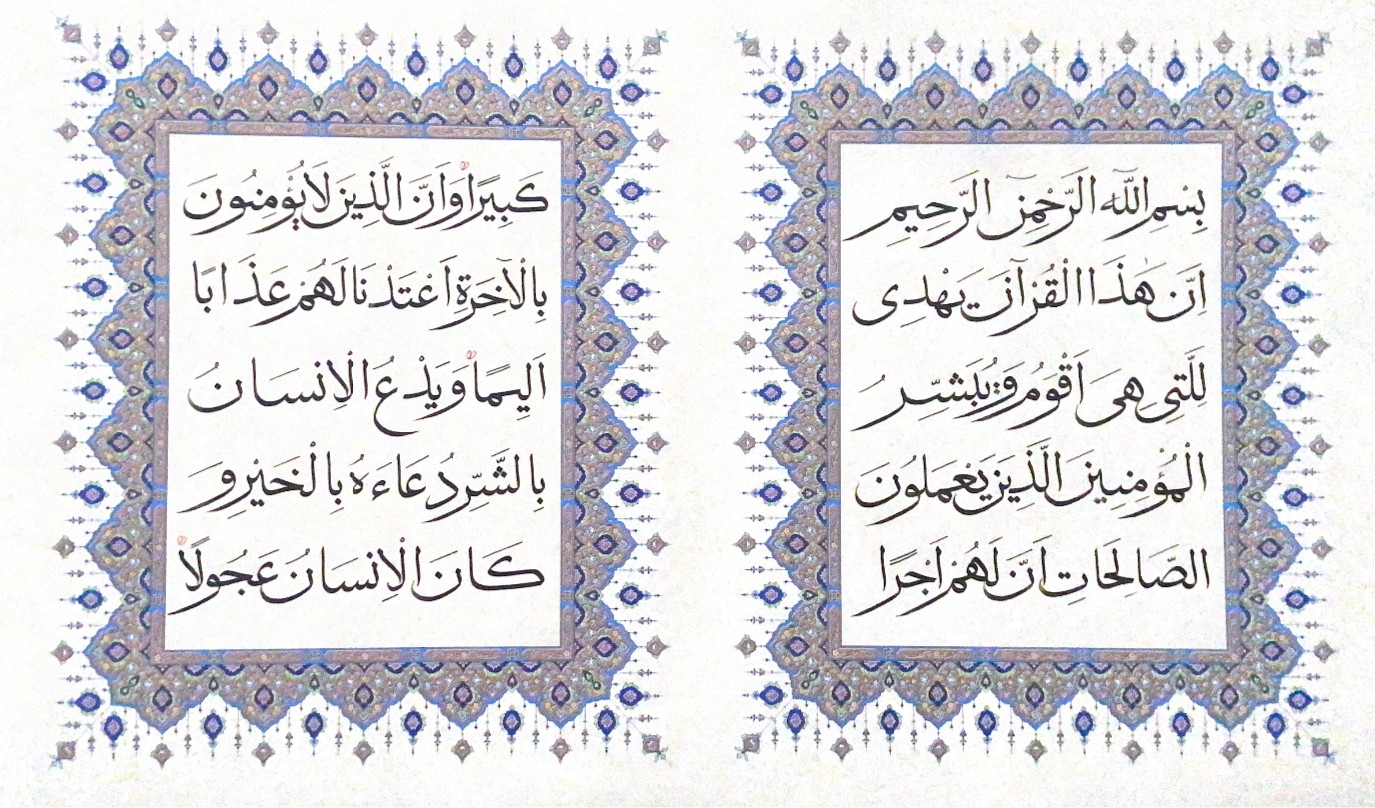
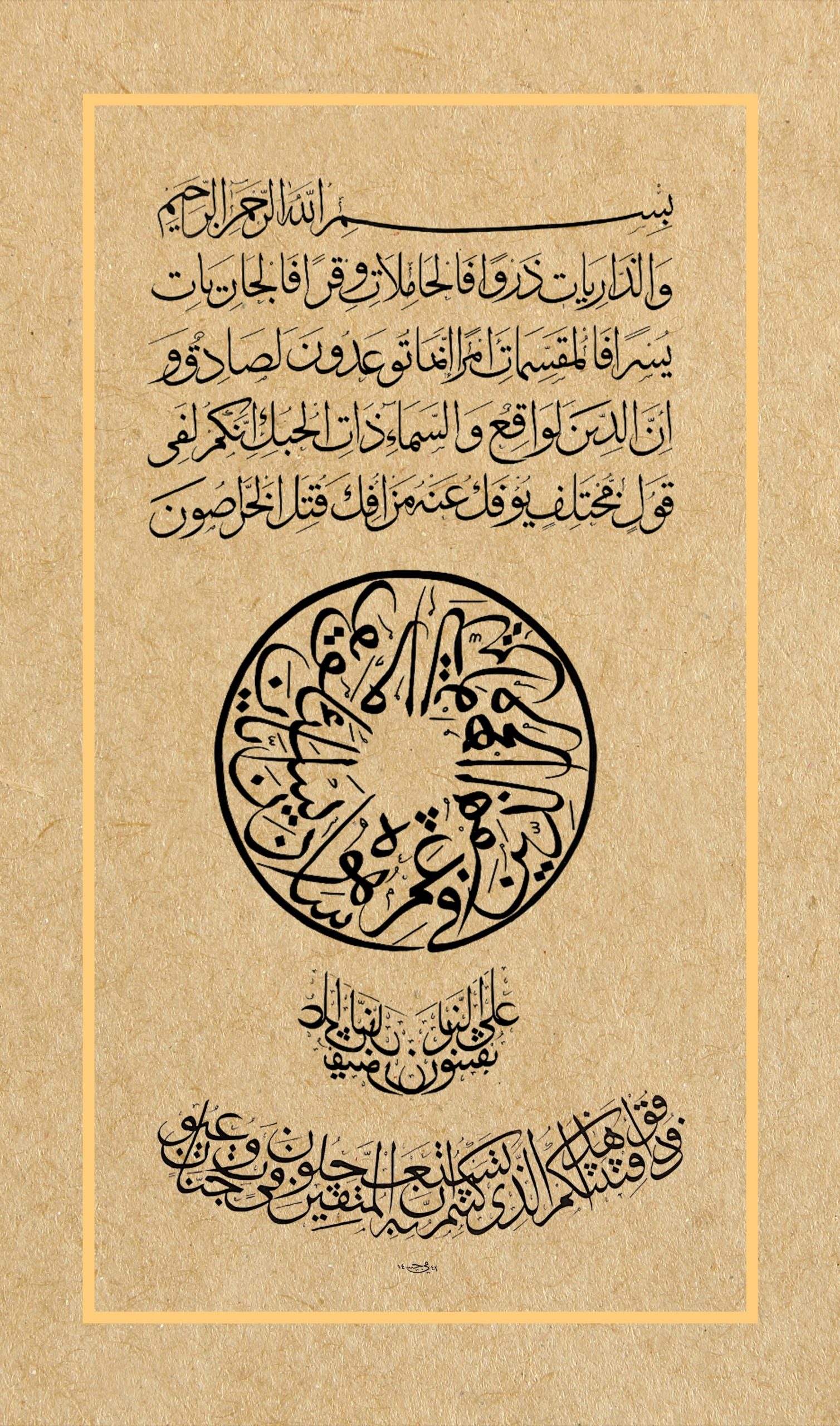
I am a product designer and an Arabic calligrapher. Currently, I am pursuing a master’s degree at the Academy of Art University and am set to graduate in May this year. My parents are Arabic calligraphers, which introduced me to the art from a young age. In 2010, as a reward for advancing to high school, I was sent to Egypt to explore and study the Riqa and Diwani styles under Hoca Belaid Hamid. During a gap year in 2020, I traveled to Istanbul’s IRCICA to learn the Thuluth and Naskh styles from Hoca Ferhat Kurlu and Hoca Mümtaz S. Durdu. Thus, I have been intermittently studying Arabic for over 13 years.
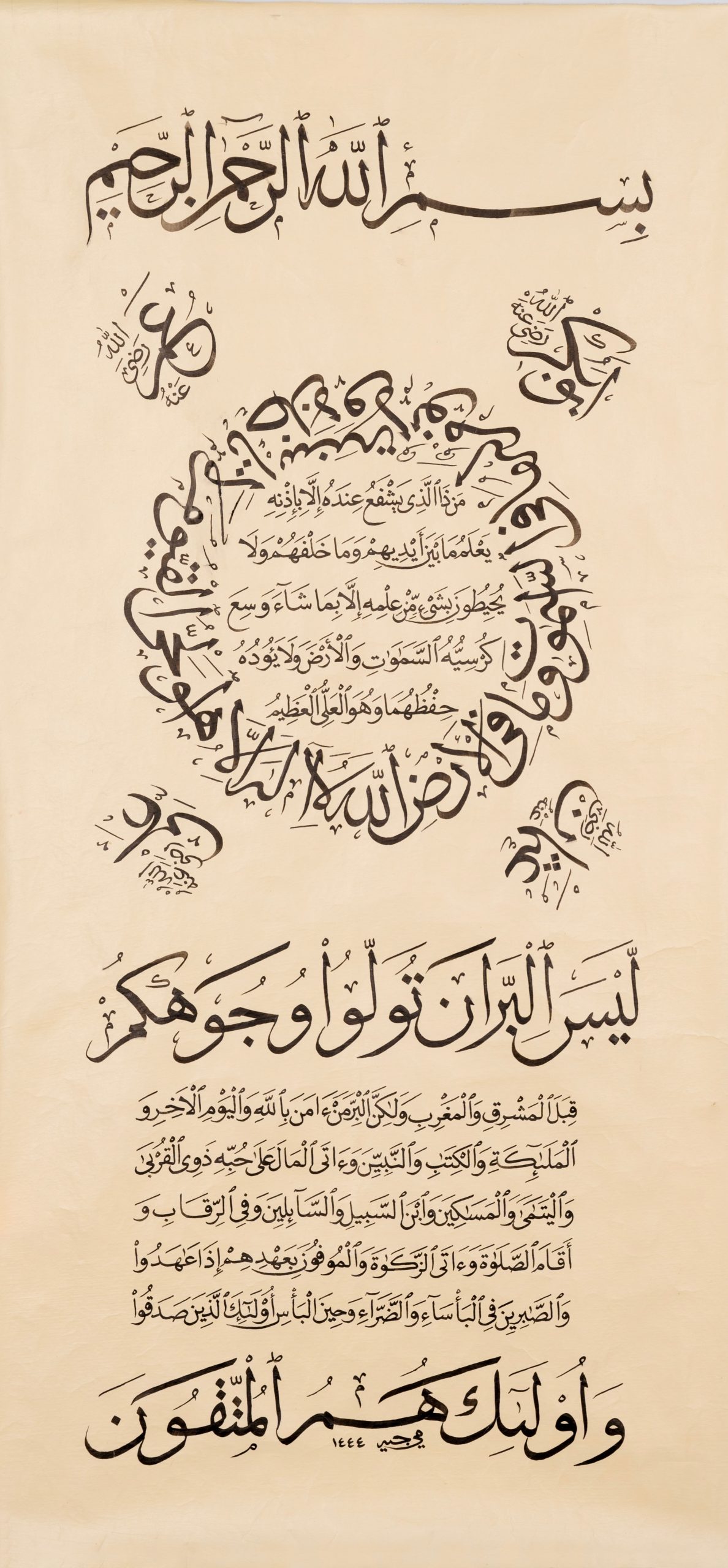
Although the learning process has been challenging, the joy of completing a piece is irreplaceable. Most of my work is related to the Quran, and the practice is also a spiritual elevation and purification for me. As my studies have progressed, I have found myself increasingly captivated by this traditional culture.
I’m sure it wasn’t obstacle-free, but would you say the journey has been fairly smooth so far?
This journey has been relatively steady yet long. I’ve been formally studying for over 13 years and am still on the path of learning. Each week, I dedicate several days specifically to practice and create pieces, but the physical strain on my eyes, neck, and shoulders is significant. The process of writing requires complete focus, which also serves as a form of meditation and mindfulness. However, career development in this field is exceedingly challenging because there are almost no opportunities to be employed by any company. Most likely, the only viable options are to teach calligraphy or to help friends by creating pieces for them. This reality underscores the niche and specialized nature of Arabic calligraphy as a professional path.
Appreciate you sharing that. What else should we know about what you do?
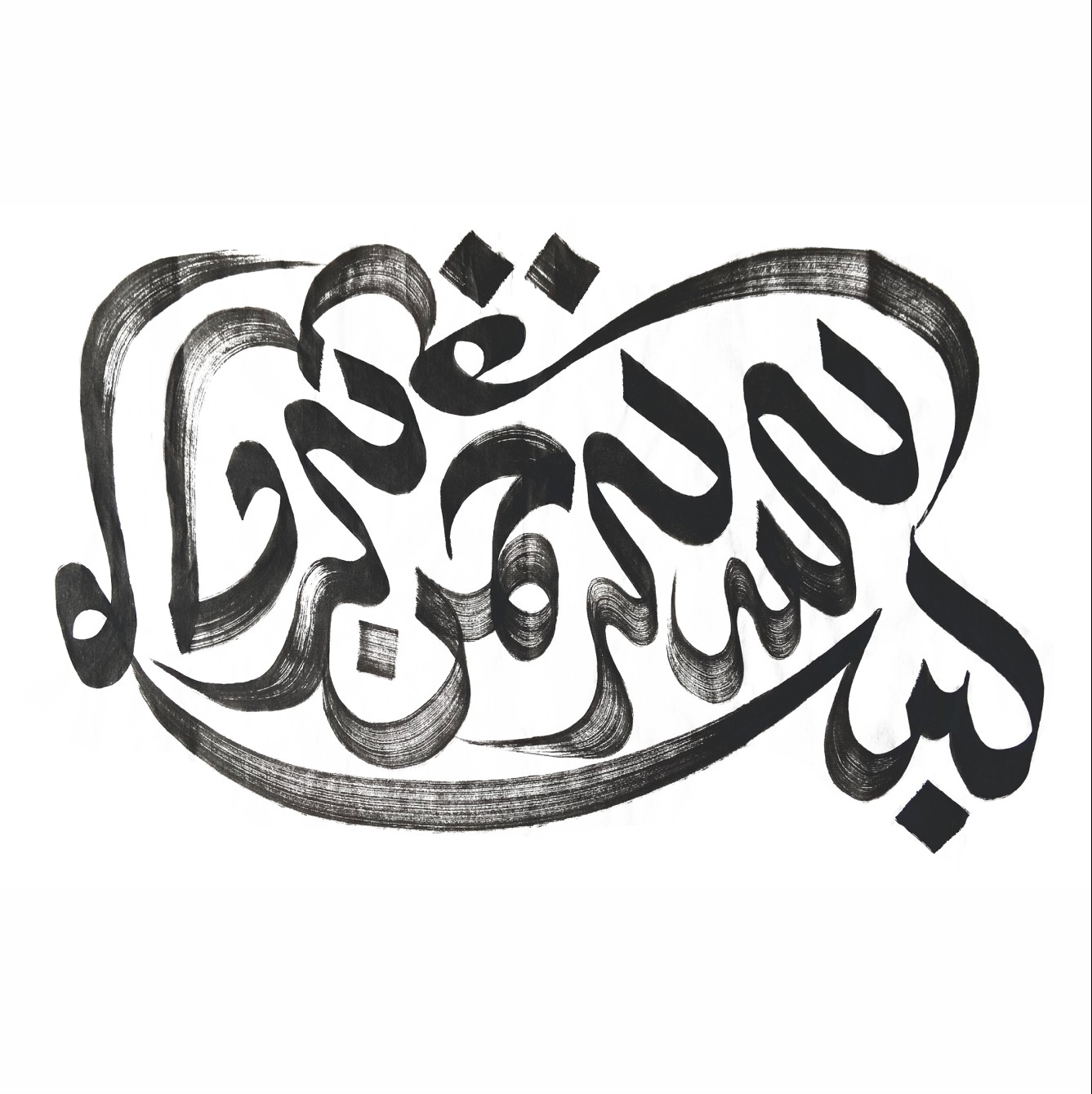
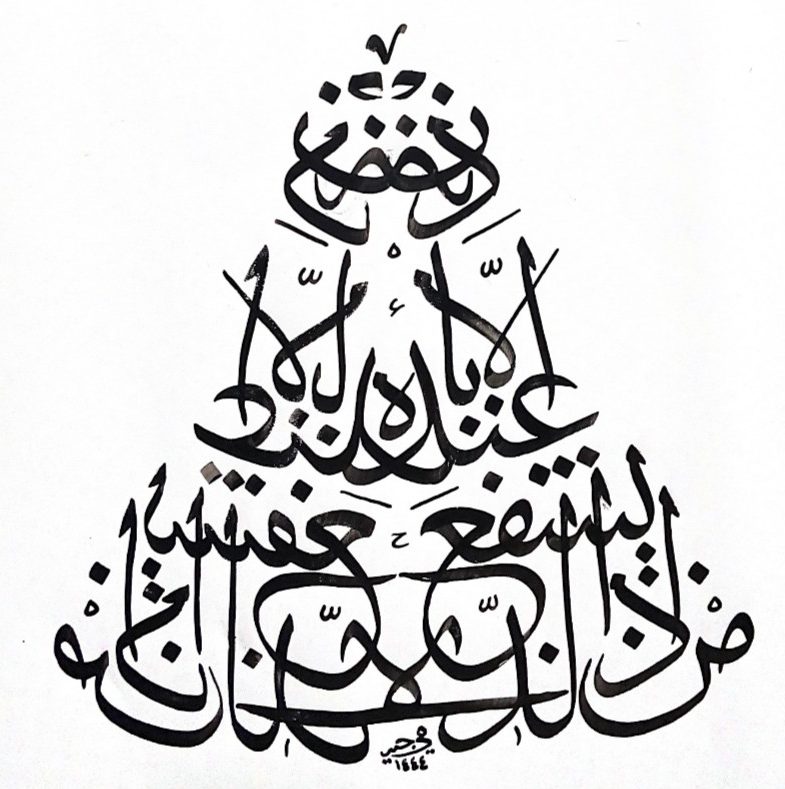
I specialize in traditional Arabic calligraphy and am proficient in various styles, including Thuluth, Naskh, Sini Wide Style, Sini Mushaf, Diwani, and Riqa. My expertise lies particularly in Thuluth and Naskh, which are harmonious and elegant when combined. I use a traditional tool called a Qalam and Ahar paper for my calligraphy, as only works completed with these specific tools are considered authentic calligraphic pieces.
Additionally, my background in design enriches my work, making it aesthetically pleasing while also imbuing it with philosophical significance. This combination aims to inspire and engage people on a deeper level, merging visual art with meaningful content.
What sort of changes are you expecting over the next 5-10 years?
In the realm of Arabic calligraphy, there might not be significant changes in the art form itself, as all pieces must be physically crafted by hand rather than produced with mechanical tools to maintain their emotional and spiritual value. However, as times evolve, the final presentation of artworks cannot be confined solely to traditional paper. Collaborations with digital artists, street artists, and others are likely to create unique and innovative outcomes.
Furthermore, the timeline for creative projects may be shortened. Advances in AI-generated content (AIGC) can assist artists in quickly establishing content directions for their creations, allowing them to focus on the artistic aspects without being bogged down by repetitive and labor-intensive tasks. This integration of technology can potentially broaden the scope and accessibility of Arabic calligraphy, blending tradition with modernity.
Pricing:
- $800
- $500
Contact Info:
- Website: https://www.jimmy-mi.com/
- Instagram: https://www.instagram.com/ahmed_jie/
- Linkedin: https://www.linkedin.com/in/jie-mi/
Popular
-

Portraits of the Valley
-

LA’s Most Inspiring Stories
-

Que Johnson on Building Brands That Last: From Visibility to True Market Authority
-

Christina Wren Steps Into the Director’s Chair to Tell Stories That Feel Like Home
-

JordanL on ‘Breathe,’ Belief, and Building a Movement Beyond the Music
-

Megan Birney Rudert on How Access to Light Is Powering a More Sustainable and Equitable Future


