




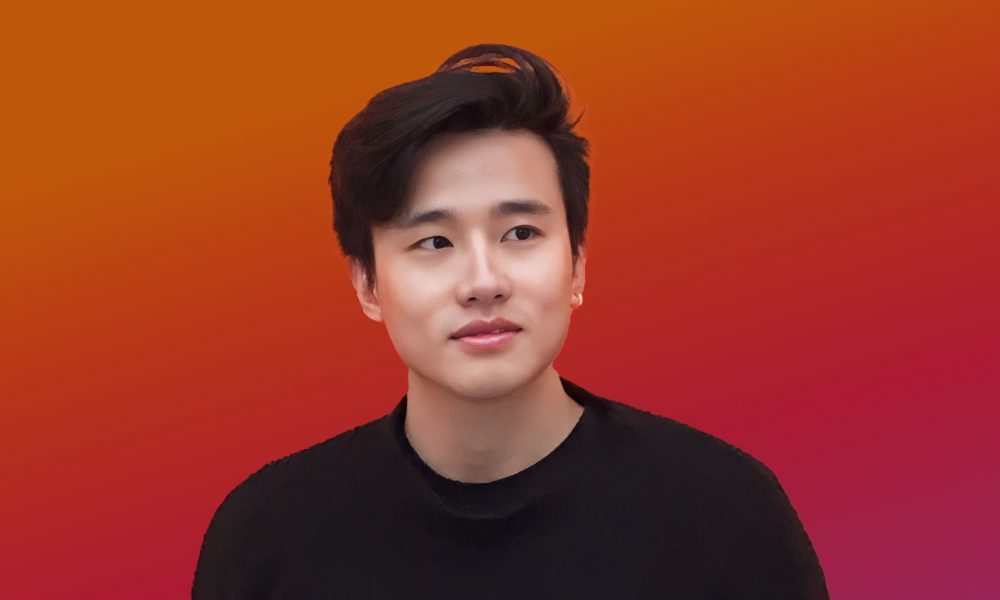
Today we’d like to introduce you to Liyu Xue.
Hi Liyu, we’re thrilled to have a chance to learn your story today. So, before we get into specifics, maybe you can briefly walk us through how you got to where you are today?
I’m Liyu Xue 薛李煜, an Artist and Experiential Creative Director residing in East Hollywood, Los Angeles, and the founder of STAAY, an experiential design studio.
I was born and raised in 晋城 Jincheng, a mountainous city in Northern China, which is one of the birthplaces of ancient Chinese civilization and overflowing with tales from ancient times. My childhood was steeped in art, storytelling, and traditional ritual practices. These early influences ignited my interest in weaving narratives through architecture and interior design, which eventually led me to New York City, where I received a scholarship to pursue a Master’s degree in Architecture from Pratt Institute after my Bachelor’s degree in Material Science from XAUAT in Xi’an, China. My time at Pratt was a period of exploration, where I challenged conventional boundaries typically characterized by practicality, predictability, and permanence through diverse projects, from constructing a temporary library – within our studio space in the architecture school – that was deemed a hazard by the Chair, to a residential project encapsulating love and loss in NYC, to my thesis project intertwining mixed reality and performance. It was also a period for delving into fine art and performance, broadening my creative foundation.
As I neared the end of my time at Pratt, I realized that my true calling lay beyond these conventional boundaries, particularly those involving long-cycle projects. Perhaps it was the mountains reminiscent of my hometown or the vibrant, innovative spirit of Los Angeles that called to me. So, in 2018, I moved from NYC to LA where it became a playground for my next chapter, where I worked in the intersection of interior design, branding, and marketing, helping brands tell their stories through spatial design and campaigns. I additionally served as the Creative Director for 1OCUBE, a trans-disciplinary design studio based in NY and Hong Kong and led design initiatives that activated waterfront development and public spaces with art and play.
Then, the Summer of 2021 marked a pivotal moment: the birth of STAAY. Since its inception in 2022, STAAY has collaborated with leading agencies for brands such as Google, Netflix, Square, Breakthrough Energy, and QuickBooks. We’ve made our mark at places such as the London Design Festival and BridgeFest in DTLA Arts District, contributed to the creative community by being a jury member for both the California Arts Council and the Frame Awards, and began mentoring at New INC, an incubator under the New Museum. Additionally, earlier this year, my journey was honored and announced with a spot on 2023’s Forbes China’s 30 Under 30. As the founder of STAAY, looking ahead, my aim is to expand our creative offerings and new product developments while fostering genuine partnerships, collaborations, and connections with brands across various industries and individuals with diverse backgrounds.
Would you say it’s been a smooth road, and if not, what are some of the biggest challenges you’ve faced along the way?
My journey feels more like swimming in ever-changing and consistently moving waters. This is particularly true as a first-generation immigrant in the creative industry, where I constantly navigate the balance between financial stability and staying true to my creative vision.
At the beginning of 2021, I faced a turning point. I found myself trapped in a traditional architecture job while grappling for a work VISA, a common challenge many immigrants face that often ties our future to employment status. During the peak of the pandemic, when the world was a whirlpool of transformation, the comfort of being still was tempting, though an irresistible call to create something of my own was impossible to ignore. So, with a mix of courage and determination, I took a leap of faith – I left my stable job to search for my passion and applied for an O1 VISA. This particular VISA, liberating me from the constraints of employer dependency, opened the doors to entrepreneurship.
However, this transition wasn’t without its trials and tribulations: my lease ended, my savings dwindled, and my new VISA’s fate hung in uncertainty. Instead of remaining in LA, mired in contemplation and the feeling to achieve certain goals within a particular timeframe, I relocated to Palm Springs for 2 months. It was a place where I learned to literally and metaphorically swim. For the first time in my life, I physically felt what it meant to be immersed in life’s ebb and flow. This experience was more than just a physical relocation; it was a journey leaning into the depths of resilience and adaptability. I believe those are crucial traits for anyone practicing and pursuing their creative endeavors and entrepreneurship.
In the vastness and tranquility of the desert, I found the space to think, create, and let my fears dissipate. It was in Palm Springs, embraced by the newfound freedom and clarity, that the concept of STAAY crystallized.
As you know, we’re big fans of STAAY. For our readers who might not be as familiar what can you tell them about the brand?
STAAY is a design studio that specializes in experiential design, interior design, curation, product design, and public art. We create space and stories for people to explore their innermost thoughts and emotions through ritualistic spatial expressions and curated sensory encounters. Our portfolio spans B2B, B2C events, conferences, activation campaigns, marketing campaigns, retail experiences, mixed reality experiences, as well as floral, furniture, and art curation.
At the heart of my work is my connection to Chinese cultural practices like I Ching, Feng Shui, and Chi. Sadly, the profundity of these traditions has often been diluted in the West, reinterpreted through an ahistorical lens that neglects their core essence. These traditions are often romanticized and commodified while simultaneously overlooking their innovative and cutting-edge potential, especially within their evolution in relationship to modern technologies. The interplay between humanity and nature, the symbolism in processes of change, and the delicate equilibrium between collective and individual existence – all significant elements of these ancestral traditions – are worth being seen and further explored.
Motivated by the desire to reclaim and reintegrate these traditional cultural practices, I founded STAAY, and my mission is twofold: to rectify the misinterpretations and commercial exploitations prevalent in Western contexts and to restore the depth and richness inherent in these disciplines by reinterpreting them in imaginative ways that resonate with modern audiences, while honoring their ancient past, challenging harmful prevailing narratives, and introducing transformative perspectives into contemporary socio-political-environmental discourses.
Is there something surprising that you feel even people who know you might not know about?
Many who know me through STAAY or my spatial work might be surprised to learn about the integral role that ritual practices, ingrained in my adolescence, played in my creative growth and process.
The influences date back to my childhood experiences, starting around the age of 5 when I accompanied my grandmother to her Qigong practices. Those early morning sessions amidst the pine trees under a dawning sky were more than just physical exercises; they were my initial steps into a world where movement, sensation, and spirituality intertwined seamlessly. As my grandmother, and later my mother, embraced Buddhism, I found myself enveloped in a world rich with ritualistic practices. Observing and participating in Buddhist ceremonies, I learned to appreciate the meticulous arrangement of space, the transformative power of scents like sandalwood incense, and the power of structured yet deeply personal, spiritual connections. These rites were not just religious observances but lessons in creating a harmonious and meaningful interaction between space and sensation.
The perspective I acquired has been a guiding force in my artistic journey. It determines how I perceive and interact with environments, viewing each as an opportunity to create a ritualistic experience; it extends beyond religious or spiritual realms, shaping even the most mundane spaces and interconnections.
Contact Info:
- Website: https://www.staaystudio.com/
- Instagram: https://www.instagram.com/staaystudio/
- Linkedin: https://www.linkedin.com/in/liyuxue/
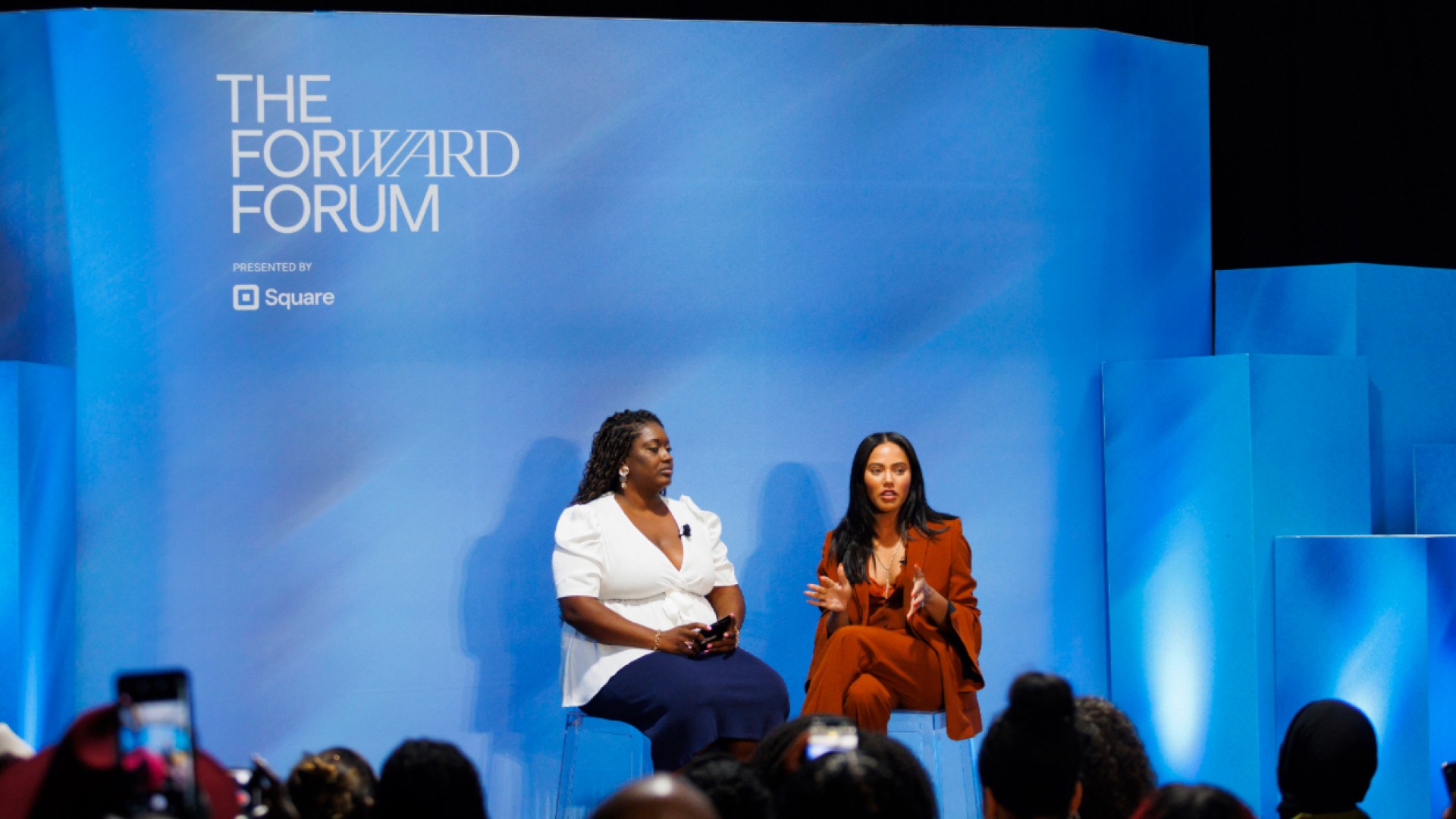
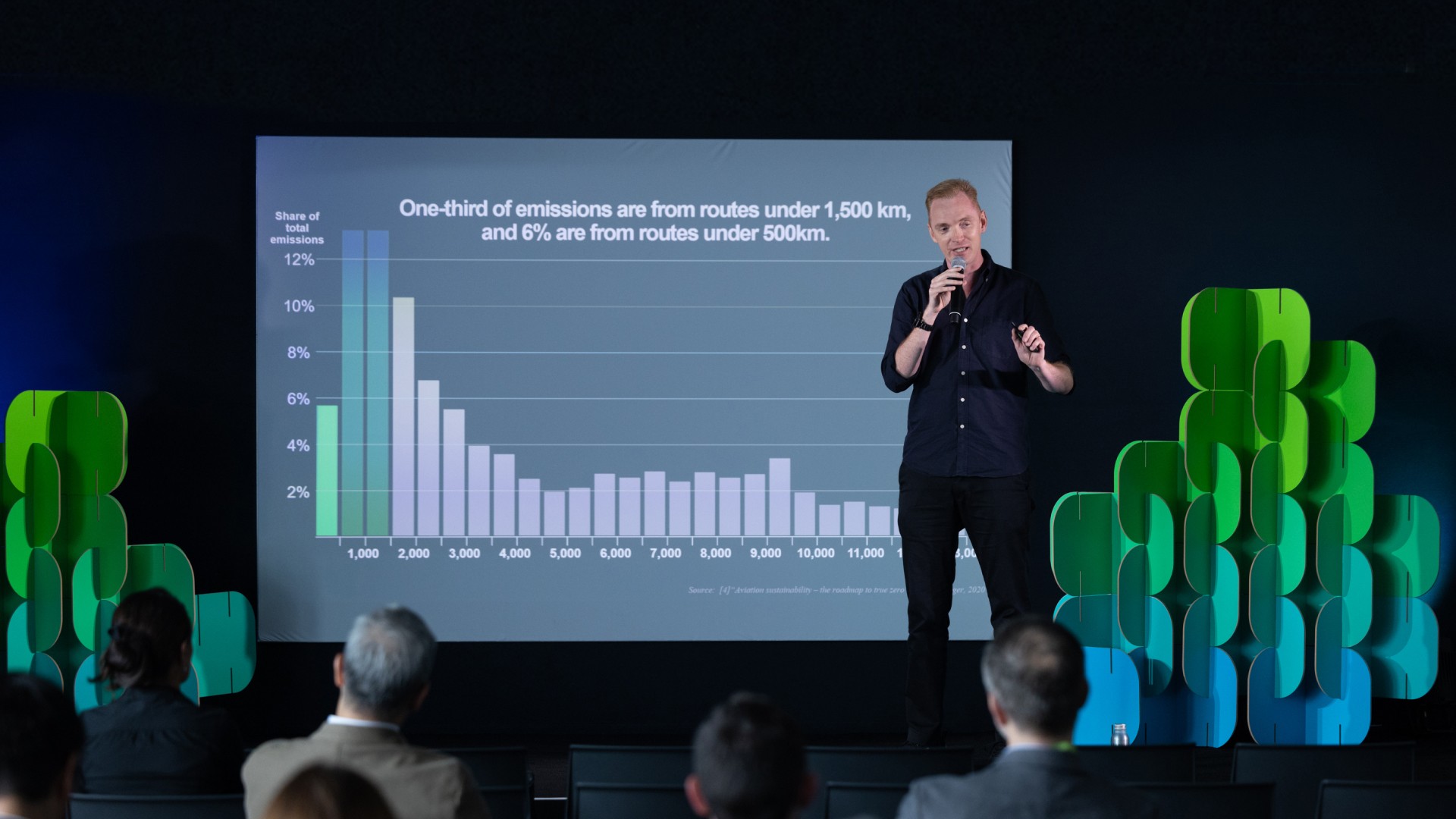
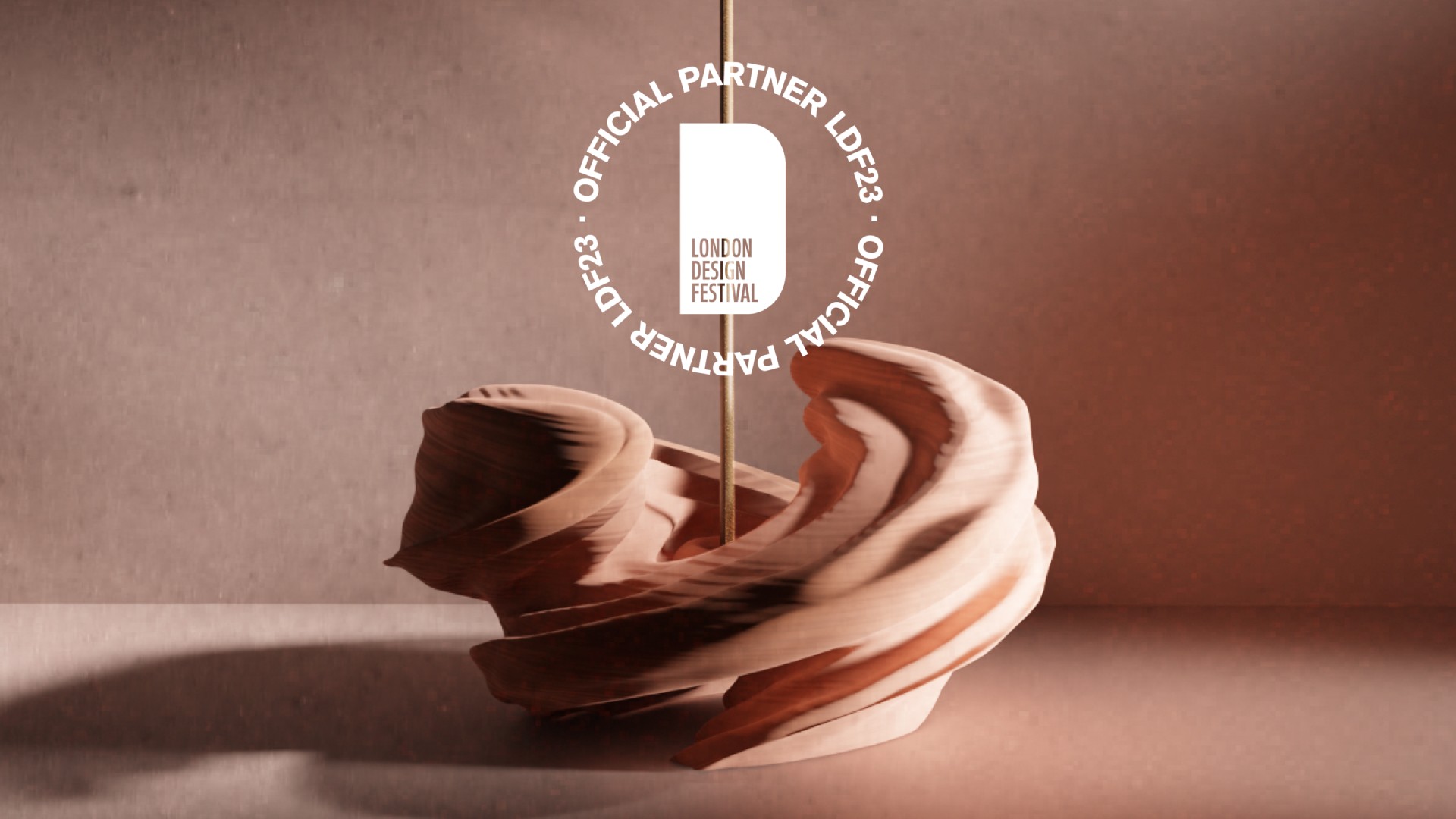
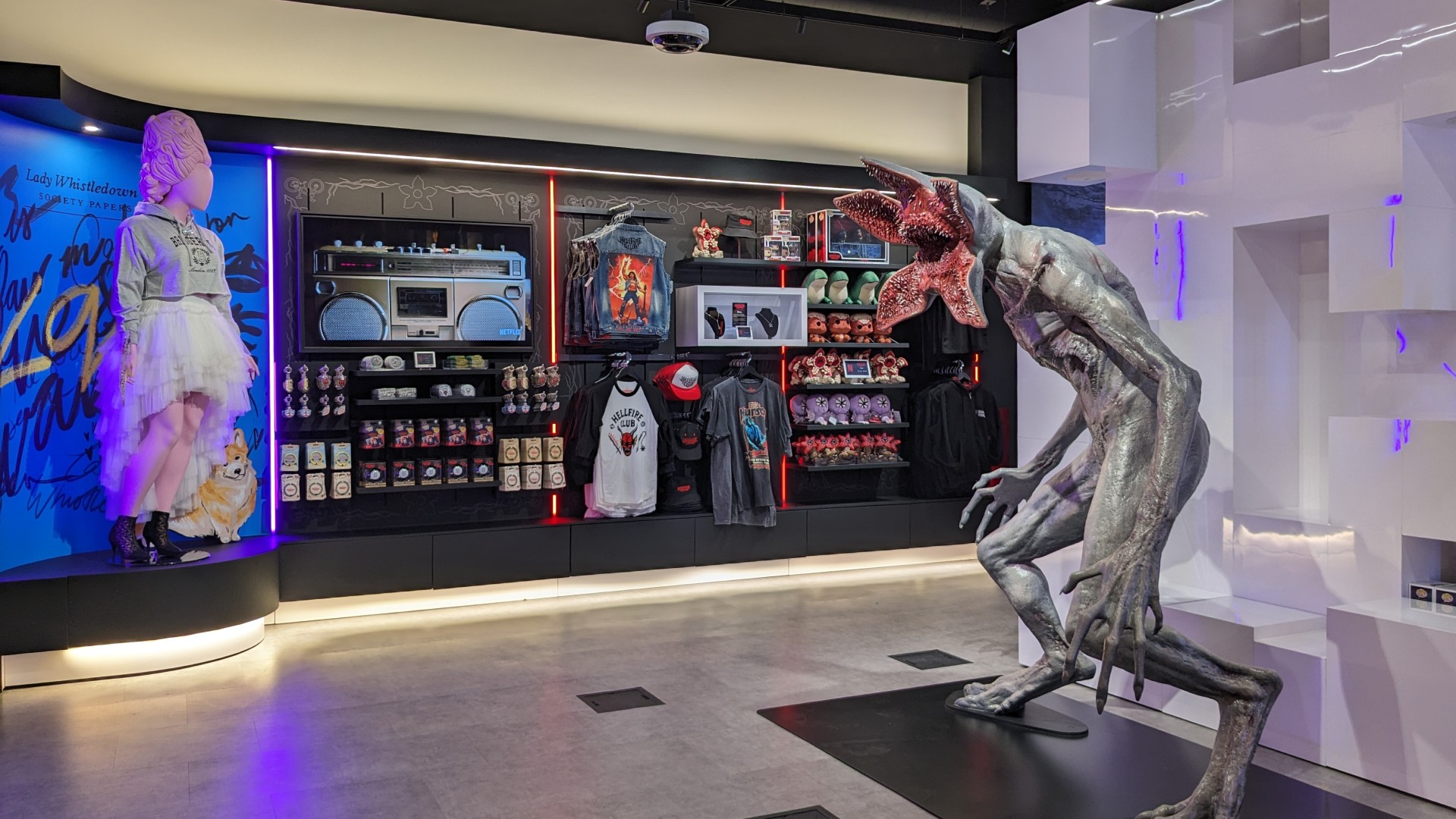
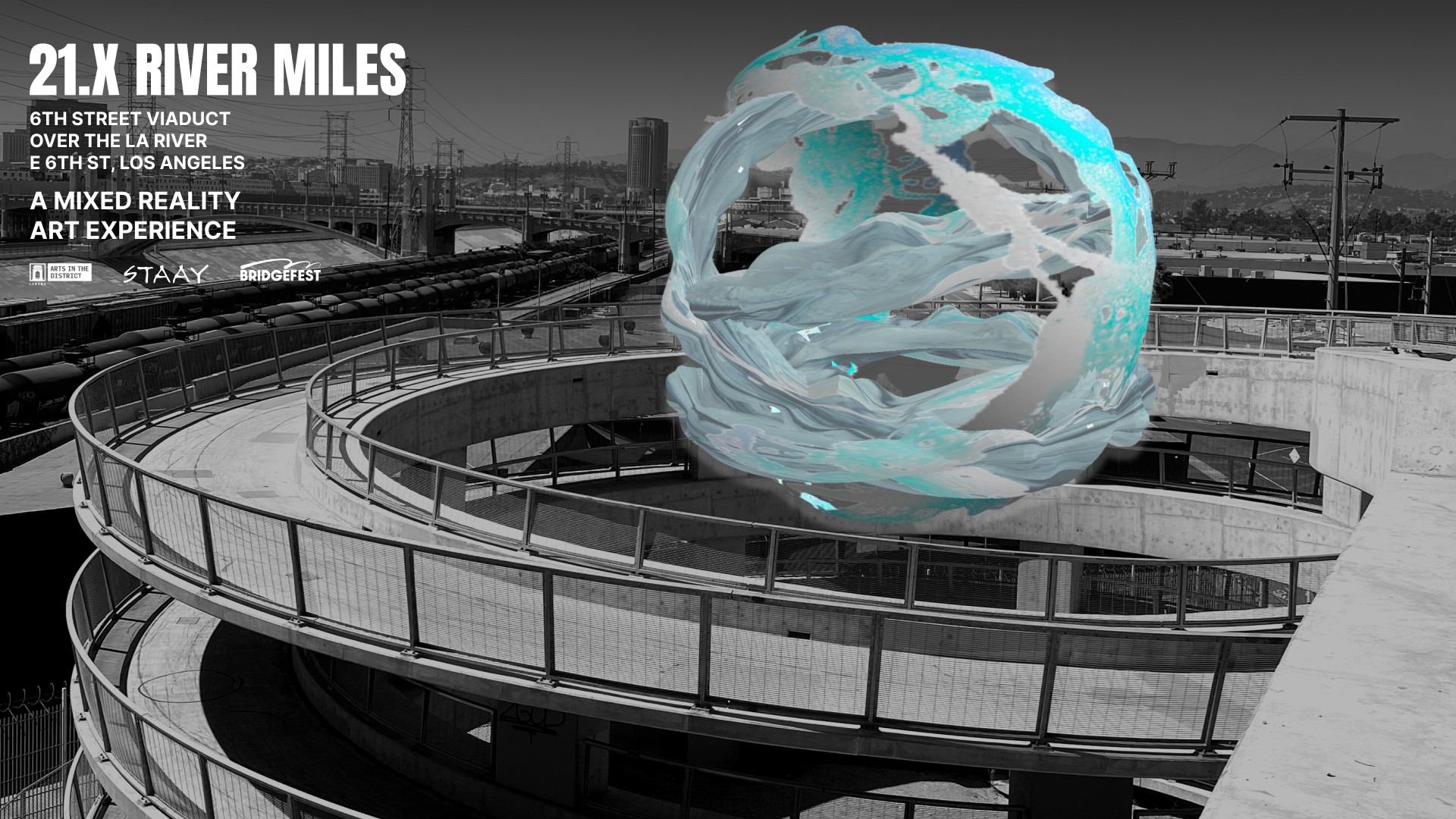
Image Credits:
Photo 1: Square; photo 2: Breakthrough Energy; image 3: STAAY Studio; photo 4: Pink Sparrow; image 5: STAAY Studio
Popular
-
Los Angeles Barea on Turning Green Superheroes into a Global Movement for Youth-Led Change
-

Trisha DuVivier on Bridging the Franchisor–Franchisee Divide with Workhero and “Franulate”
-

Portraits of the Valley
-

LA’s Most Inspiring Stories
-

Cedar Boschan on Elevating Black Music Rights and Driving Urgent Conversations Around Credit, Equity, and Artist Protection
-

Robin Olive on Building an Inclusive Performing Arts Movement and Expanding Opportunities for Every Student


