




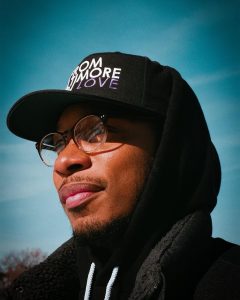
Today we’d like to introduce you to JaMar Jones.
JaMar, we appreciate you taking the time to share your story with us today. Where does your story begin?
I’m JaMar Jones – and yes, the “M” is capitalized. I’m a West Baltimore native – and in middle school, I used to cut school with my cousins, and we pawned our game systems to buy a VHS camcorder. We would break into abandoned houses nearby and film scenes we thought were funny. Not long after that, my cousin passed away, and that part of my life was gray for a long time. I decided to invest my energy into music.
I was a DJ and music producer for a long time. After working in the radio industry, I quickly learned that this is an impending dead-end for what I want with my art and career. I was approached by a rep for Red Bull North America that needed help on the campus of an HBCU looking for students of color to participate in a program. I listened to the guy talk for a minute; then he invited me to Towson, a PWI not too far from my school, Morgan State University. He offered me the opportunity to make a documentary. At the moment, I didn’t know what a doc was or the first place to begin creating one. However, I accepted the challenge. Because of that clear decision being made, I believe that God was like, “Ok, bet”.
Shortly after, I declared this was something I am going to put energy into. The rep from Red Bull gave me $1,300 worth of editing software for free. It gets better. A friend from college was moving and decided to give me his Mac Pro Tower for free. One more thing: My mother, who has never spent more than she needed to for anything and has made it abundantly clear that “we ain’t got it,” wrote me a check for $700 to buy a professional DV camera. I was reminded of my love for filmmaking, and from that moment, I knew I was called to do this.
Right away, I began producing films as a means to contextualize my environment. My first film, “Product of My Environment” (POME), was made for that project with Red Bull, and it focused on individuals struggling with drug addiction, crime, and impoverished living conditions. In 2007, (POME) was screened at The Charles Theater with a groundswell of support. The moment propelled me to learn more about filmmaking. However, it felt that my location limited my pursuit. Upon graduating from Morgan State University, it seemed all roads for continuing work in the film industry either led me out of town or to local news.
I chose to stay in Baltimore and do my own thing. Simply put, I wanted to create content showcasing people who looked like me; I wanted to highlight everyday heroes and SHEroes doing positive things for their community. In 2010, I was eager to do everything possible to pursue film, but at that time, I was evicted from my apartment, so I moved into an empty warehouse space I called my home. I had no shower and no working toilet, but I had one client that wanted me to make a short film for her about a local photographer. That project paid me $3,500. From that project, I was able to buy a mattress so I wouldn’t have to sleep on the floor. I purchased a prepaid internet system, and I got a membership to a nearby gym so I could bathe. During this process, my home transitioned into a place I now call “the studio”. This place became the home to a burgeoning film company and a group of filmmakers that I call my family. Three years later, I launched Six Point Pictures.
Six Point Pictures is a film production company that specializes in emotive visual storytelling. Together, we have completed projects for BET, Disney, META, YouTube Originals, Amazon, and more.
As an entrepreneur, filmmaker, and person of color, I have consistently witnessed financial and social capital inequities, which caused me to be overlooked for work opportunities. I’ve spent countless hours over the years developing my skills, my company, and my tribe of filmmakers. Now it’s time to reveal the amazing stories that have been waiting to be told by the filmmakers of Baltimore and beyond.
I am beyond blessed, and I have achieved a certain level of success. I understand that my career doesn’t stop here, and I have a long way to go. As a cinematographer, I found my love for creating, and as a director, I am still finding my voice. If you are reading this and made it this far, please accept my invitation on this journey of mine. I believe that together we can create stories that will make people feel, question, pursue, and engage with life in ways we could have never imagined.
Would you say it’s been a smooth road, and if not what are some of the biggest challenges you’ve faced along the way?
After acknowledging the local issues of just being from Baltimore and the lack of resources. The biggest challenge I think that I faced was bumping my head in the dark when I climbed. I never had a mentor throughout my entire career. I still have a space reserved if Chayse Irvin and Robert F. Smith are interested. Nevertheless, it seemed that I was always the one who would learn something new and run back to the hood and tell everyone who was ready to listen. I believe I would have been able to navigate the obvious challenges of career positioning, network development, business skills, and soft skills much sooner if I had someone there to just be a light in the dark.
Thanks for sharing that. So, maybe next you can tell us a bit more about your work?
I am a cinematographer who occasionally directs short films. My passion resides in short-form content such as commercials or short films. I like the ability to tell as many stories as I can. Working in the realm of short films and commercials allows me to do that. I am most proud of my ability to include my son to grow in my craft and have him watch what most people don’t get to see take shape right before his eyes. I love being able to shape light, choose lenses to help tell the story, and collaborate with directors who find blocking just as important as the words on the page. My journey as a cinematographer is just starting, and it feels urgent to create as much as possible.
Do you have any advice for those looking to network or find a mentor?
I think the best course is to do the work that you were called to do. After each shoot day, have dinner with your team. Get to know each other beyond the surface. At this point, you have officially done the work. Now it’s time to make yourself visible! Enter your work into film festivals. Once you get into a festival, don’t worry about how big or how small it is NETWORK! Get out there and shake hands, eat food, and find some people you wouldn’t mind being around. I believe that is the only way to really grow your network.
Contact Info:
- Website: www.j.works
- Instagram: https://www.instagram.com/jamardpjones/
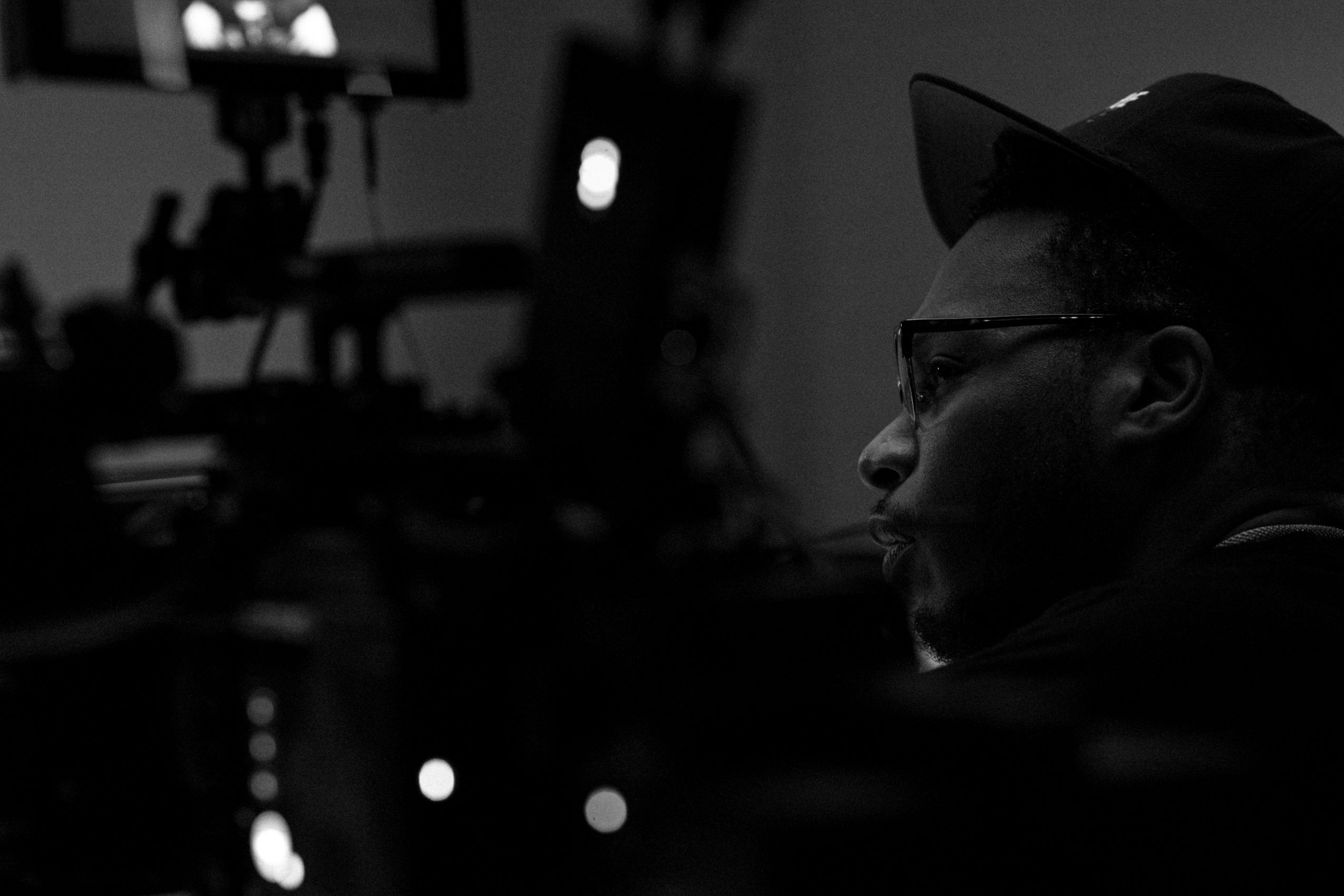
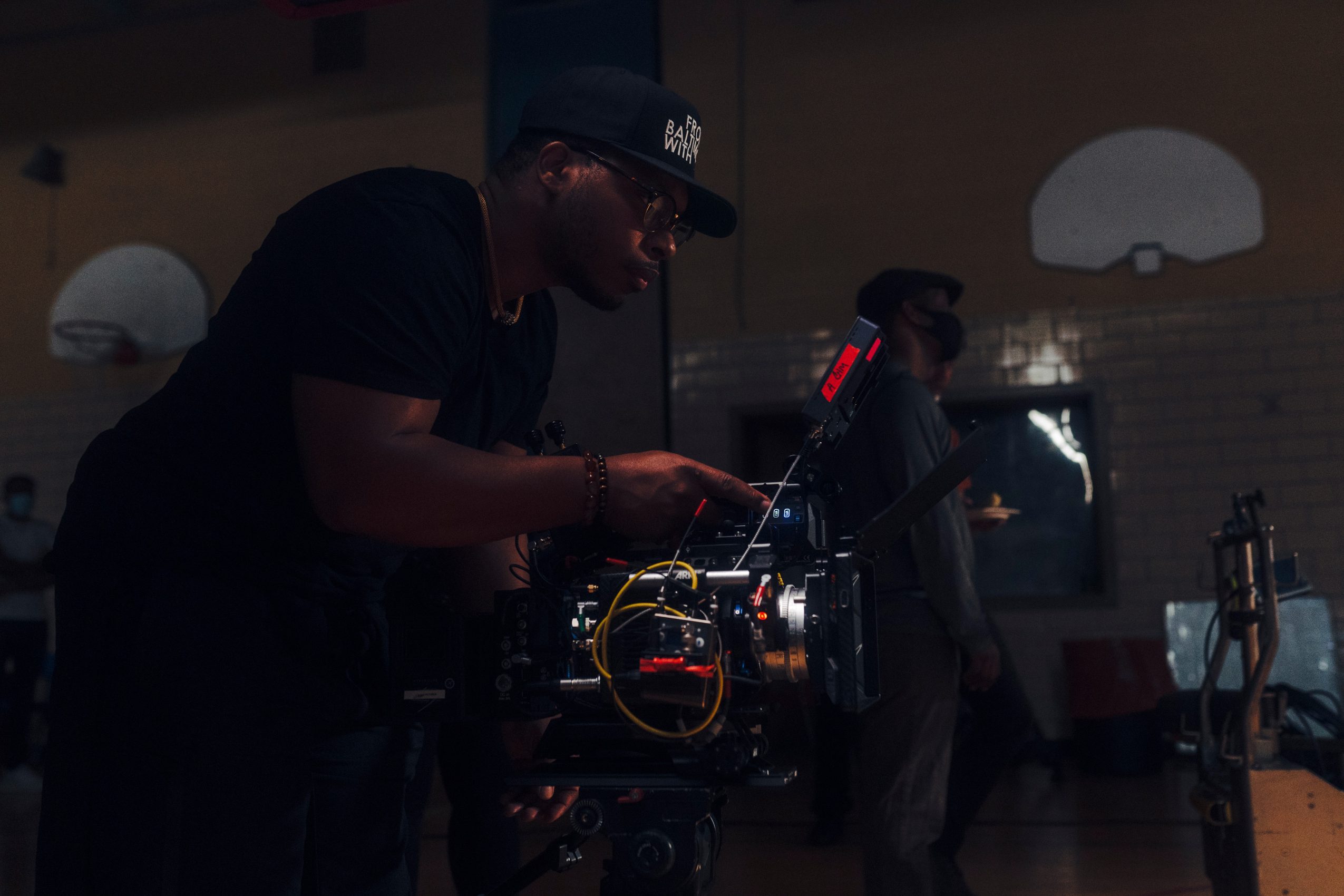
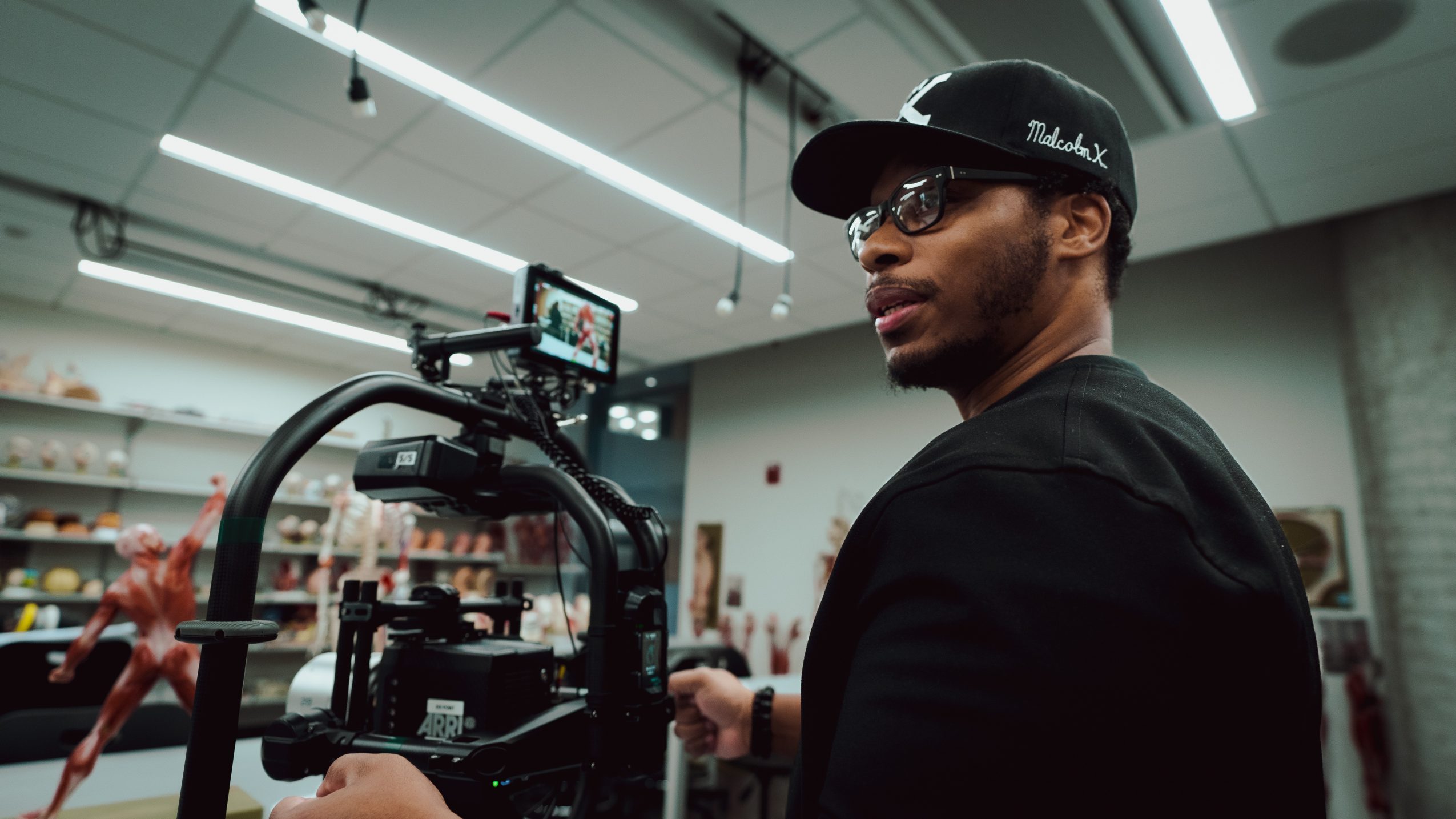
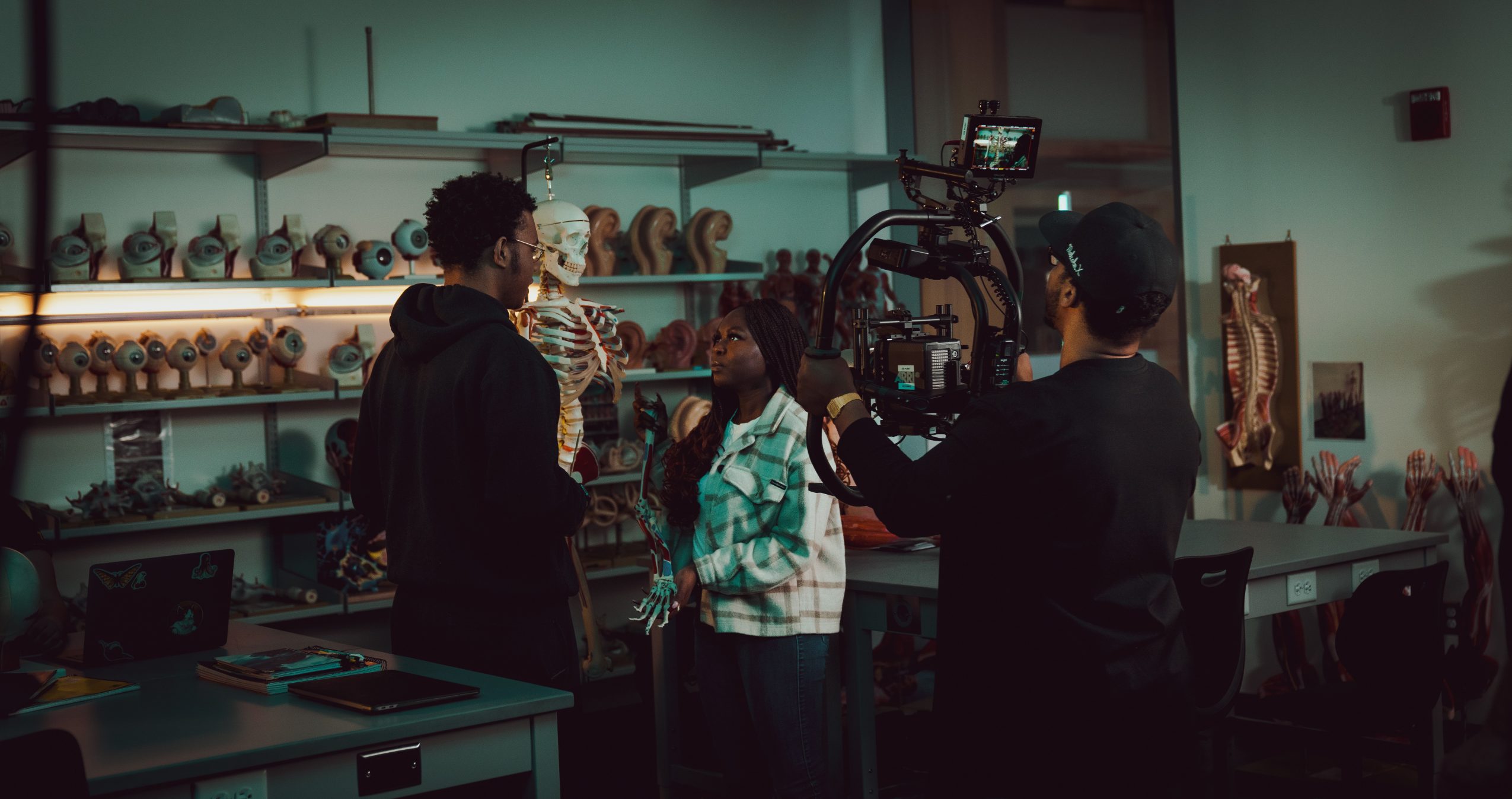
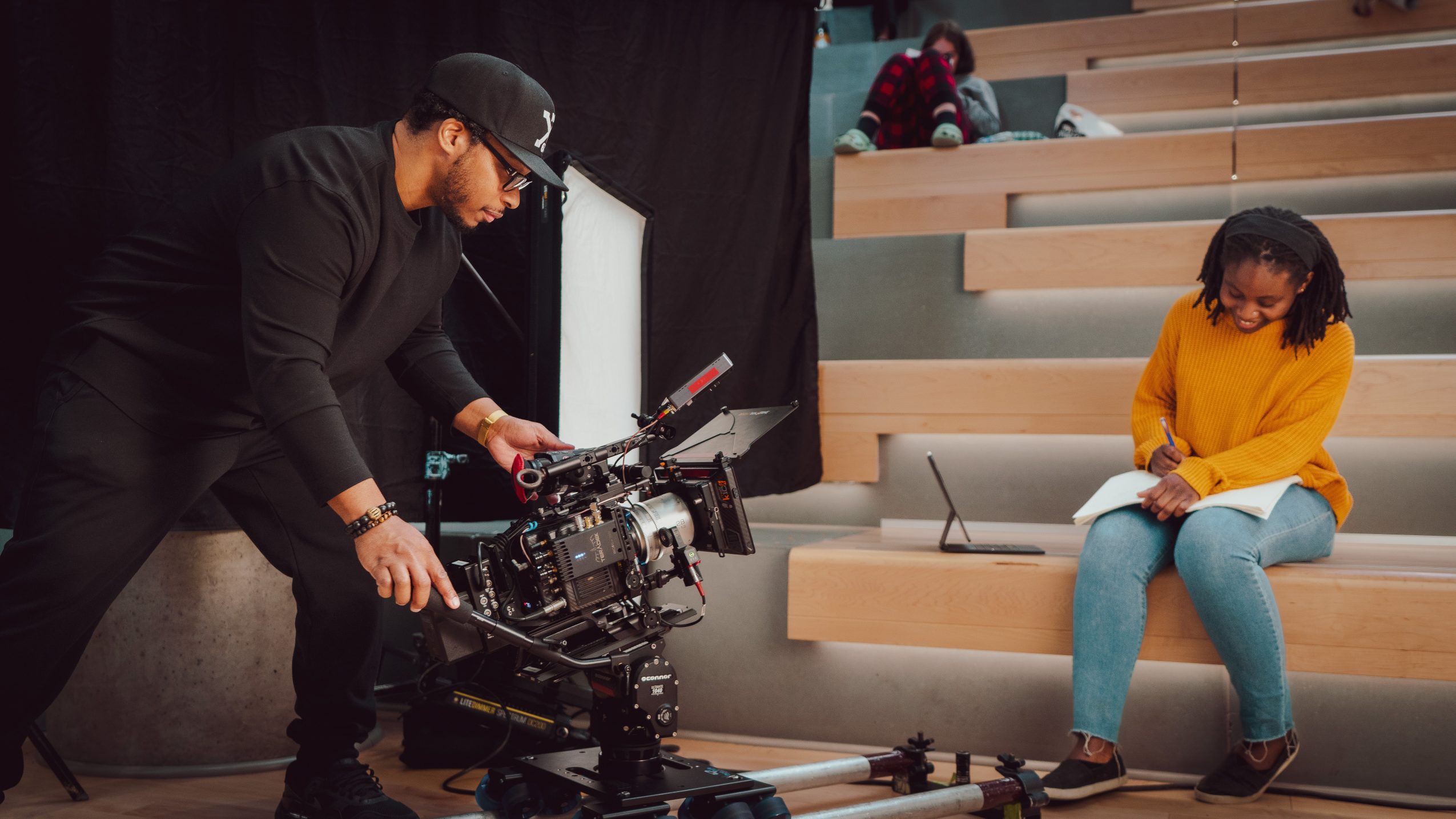
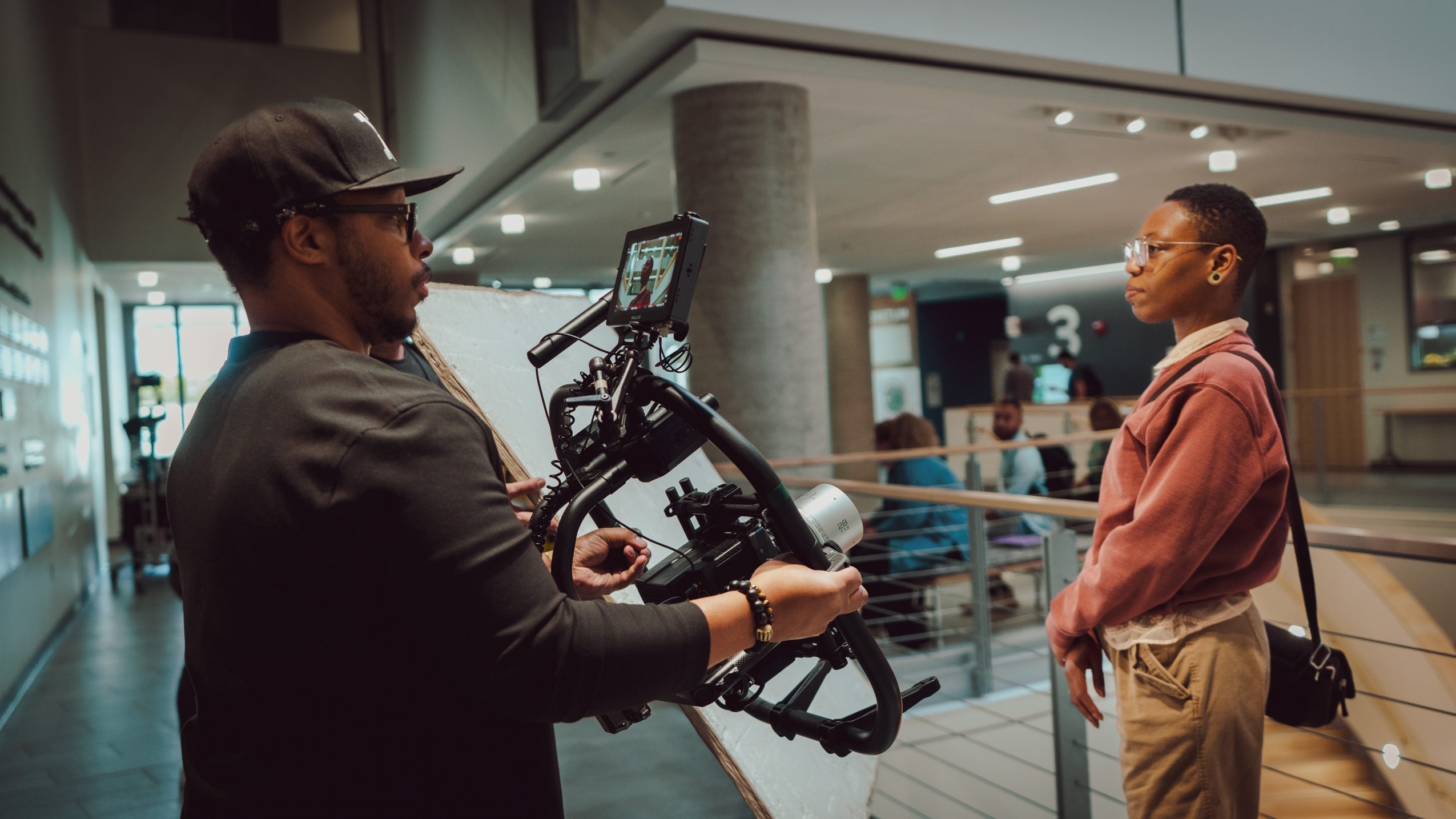
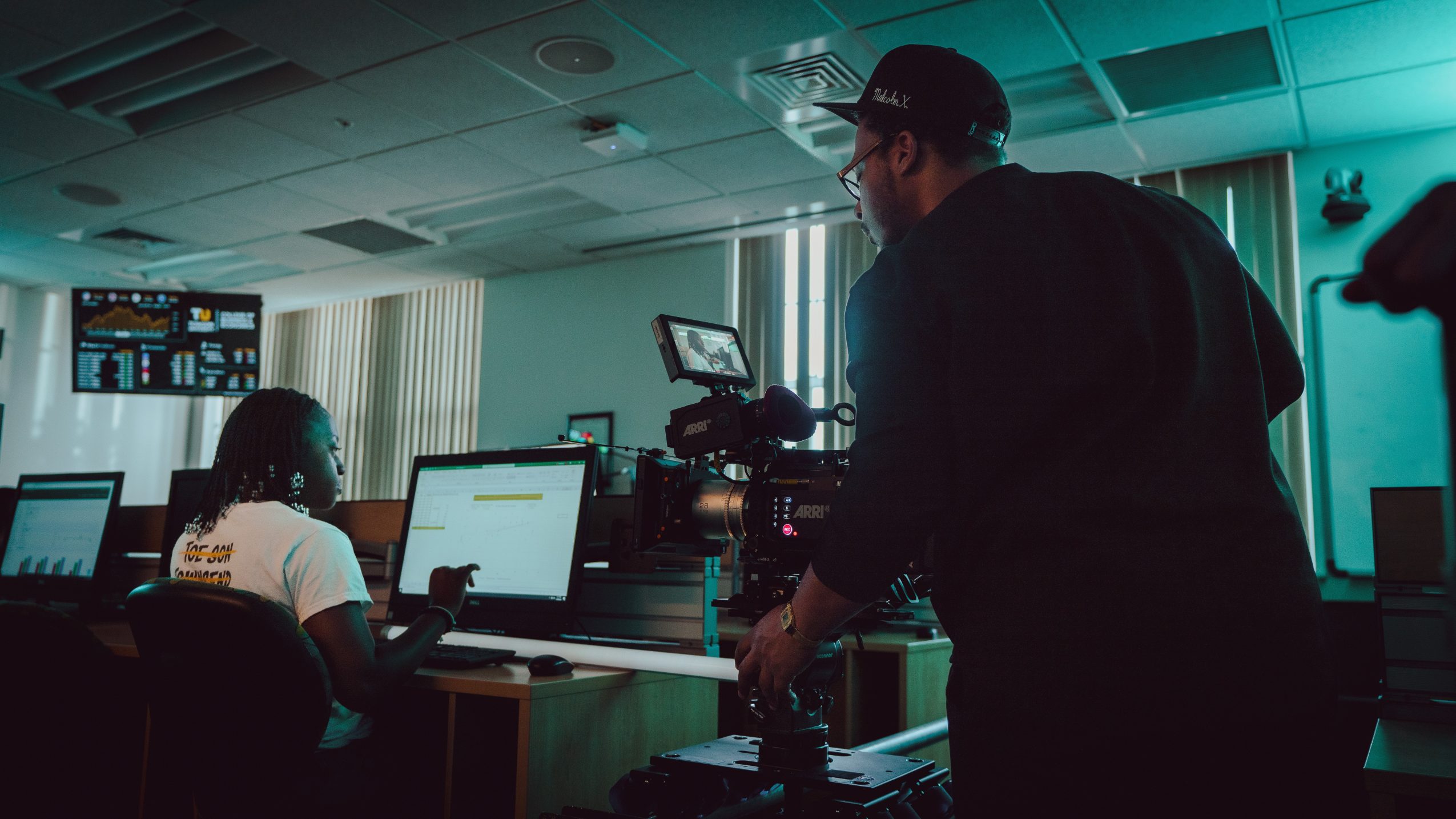 Image Credits
Six Point Pictures
Popular
-

Finding Balance Through Art: Theresa Croft on Blending Music, Wellness, and Visual Storytelling into a Holistic Creative Identity
-
From Street Corners to City Tours: Chef Chuck Glaster on Building SOULD Out Into a Culture-Driven Culinary Movement
-

Portraits of the Valley
-

LA’s Most Inspiring Stories
-

From Rock Bottom to Calling: How Hasani McLean-Davis Found Purpose Through Faith and Music
-
Building a Scalable, Soulful Travel Brand: How Abboud Khallouf Turned Morocco Into a Global Experience


